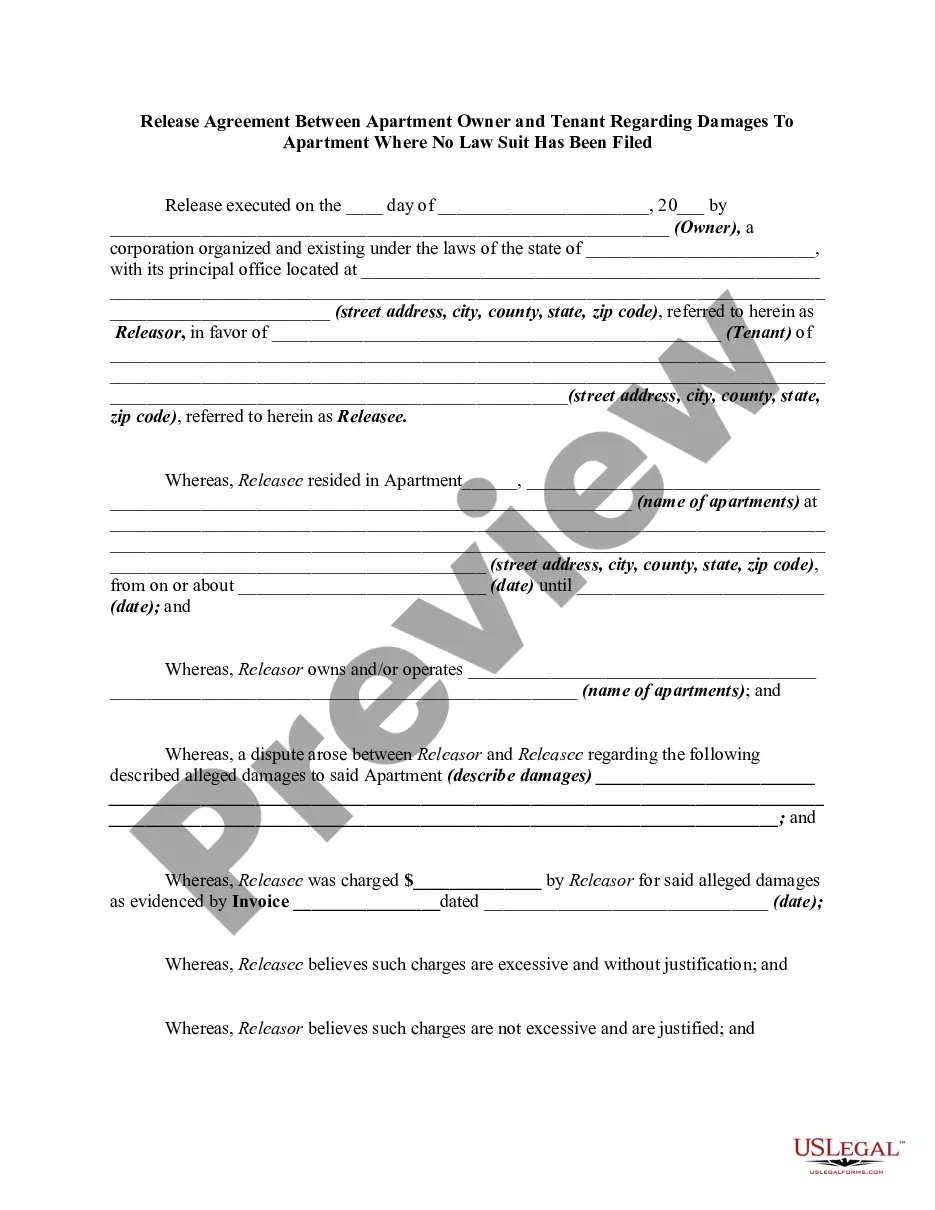
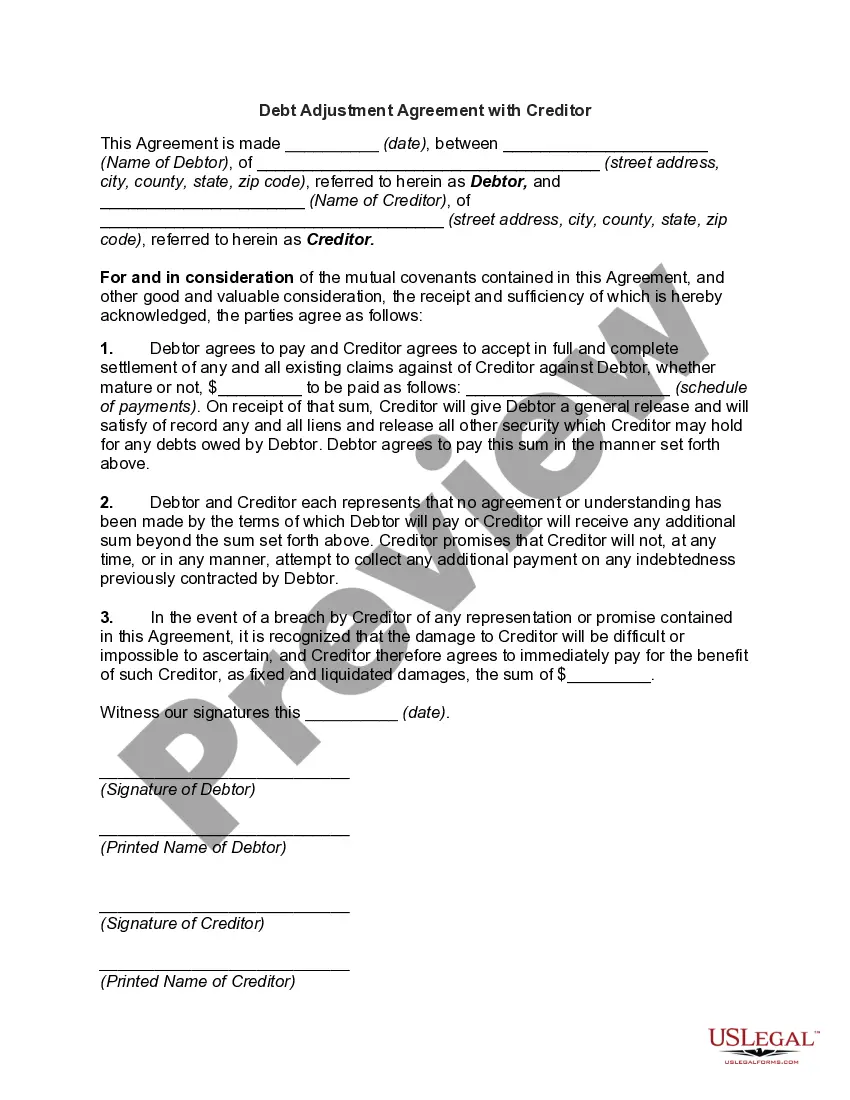
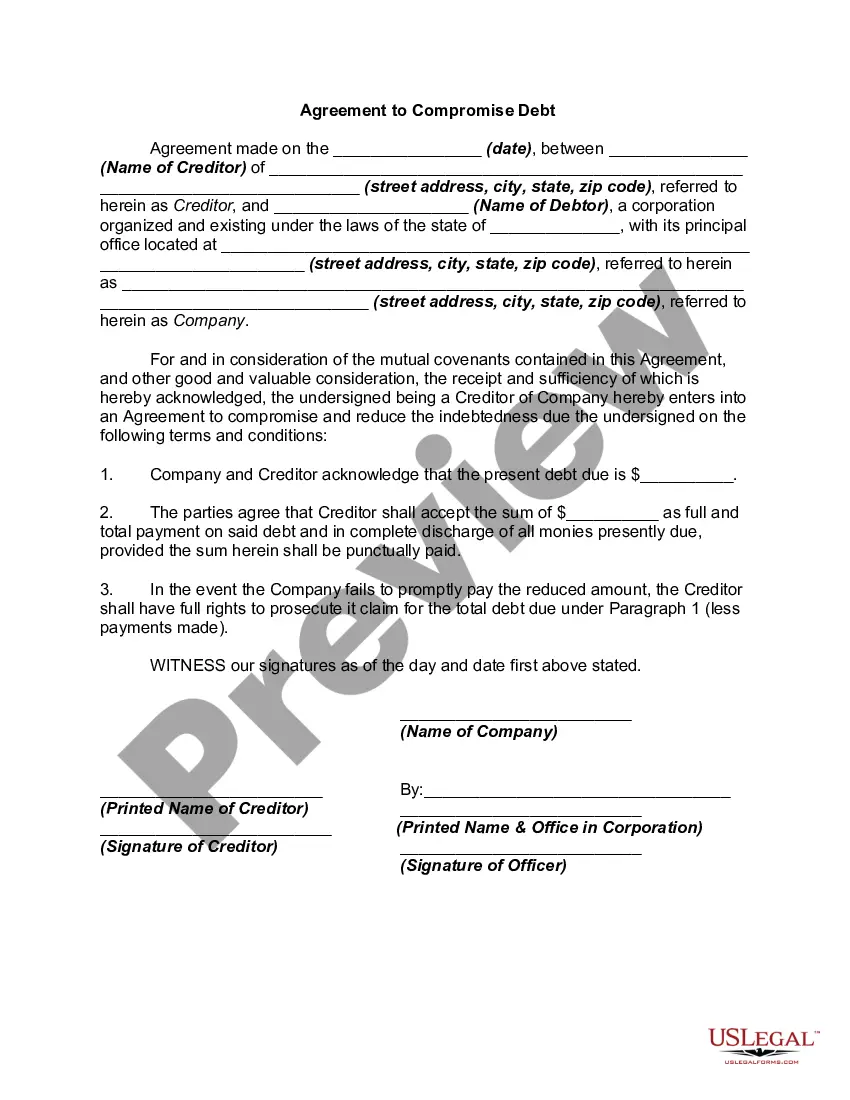
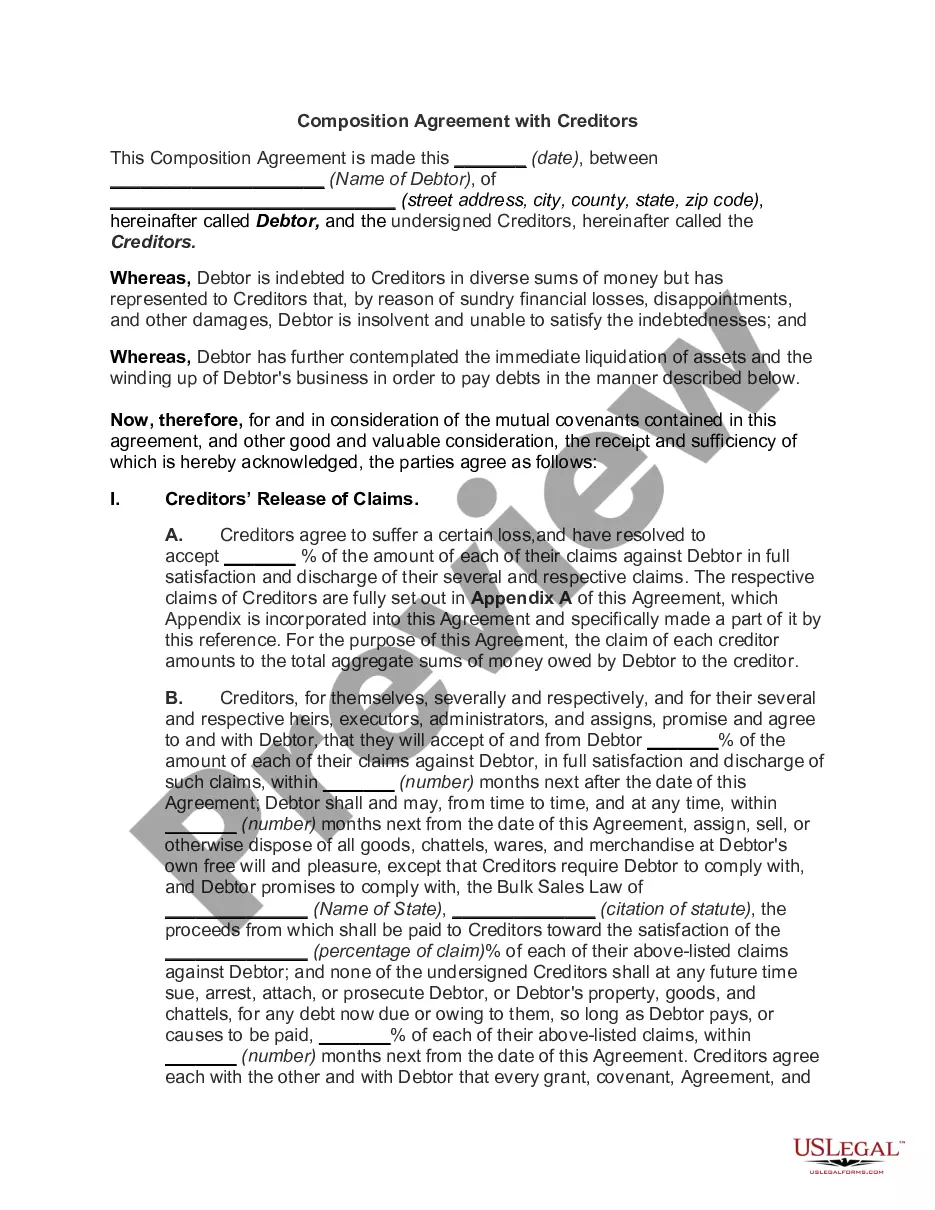
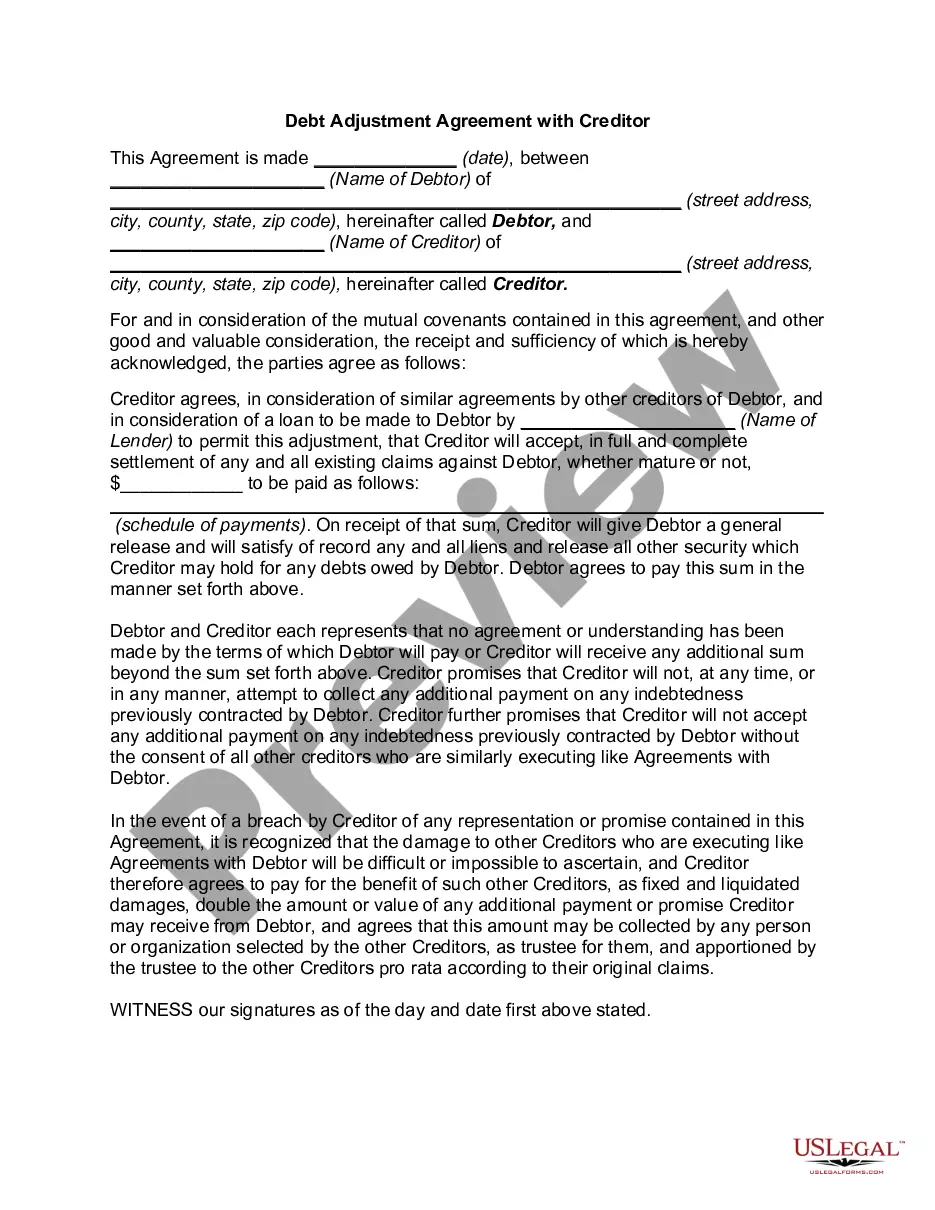
Rhode Island Debt Adjustment Agreement with Creditor
Description
Get your form ready online
Our built-in tools help you complete, sign, share, and store your documents in one place.
Make edits, fill in missing information, and update formatting in US Legal Forms—just like you would in MS Word.
Download a copy, print it, send it by email, or mail it via USPS—whatever works best for your next step.
Sign and collect signatures with our SignNow integration. Send to multiple recipients, set reminders, and more. Go Premium to unlock E-Sign.
If this form requires notarization, complete it online through a secure video call—no need to meet a notary in person or wait for an appointment.
We protect your documents and personal data by following strict security and privacy standards.

Make edits, fill in missing information, and update formatting in US Legal Forms—just like you would in MS Word.

Download a copy, print it, send it by email, or mail it via USPS—whatever works best for your next step.

Sign and collect signatures with our SignNow integration. Send to multiple recipients, set reminders, and more. Go Premium to unlock E-Sign.

If this form requires notarization, complete it online through a secure video call—no need to meet a notary in person or wait for an appointment.

We protect your documents and personal data by following strict security and privacy standards.
Looking for another form?
How to fill out Debt Adjustment Agreement With Creditor?
US Legal Forms - one of the largest repositories of legal documents in the United States - offers a variety of legal form templates that you can download or create.
By using the website, you can find thousands of forms for business and personal needs, sorted by categories, states, or keywords. You can access the latest documents such as the Rhode Island Debt Adjustment Agreement with Creditor in seconds.
If you have an account, Log In and obtain the Rhode Island Debt Adjustment Agreement with Creditor from the US Legal Forms library. The Download option will be available on every form you view. You can access all previously saved forms in the My documents section of your account.
Make edits. Fill out, modify, print, and sign the saved Rhode Island Debt Adjustment Agreement with Creditor.
Each template you added to your account has no expiration date and is yours forever. So, if you wish to download or create an additional copy, just visit the My documents section and click on the form you need. Access the Rhode Island Debt Adjustment Agreement with Creditor with US Legal Forms, one of the most extensive libraries of legal document templates. Utilize thousands of professional and state-specific templates that satisfy your business or personal requirements.
- If you are using US Legal Forms for the first time, here are simple steps to help you get started.
- Ensure you have chosen the correct form for your city/state. Click the Review button to see the details of the form. Check the form description to ensure you have selected the correct one.
- If the form does not meet your needs, use the Search feature at the top of the screen to find the suitable one.
- Once you are satisfied with the form, confirm your choice by clicking the Get now button. Then, choose the payment plan that suits you and provide your information to register for the account.
- Process the payment. Use your credit card or PayPal account to complete the transaction.
- Select the format and download the form to your device.
Form popularity
FAQ
Typically, a creditor will agree to accept 40% to 50% of the debt you owe, although it could be as much as 80%, depending on whether you're dealing with a debt collector or the original creditor. In either case, your first lump-sum offer should be well below the 40% to 50% range to provide some room for negotiation.
Here are seven steps you can take when you head down the DIY road of debt settlement.Dig into your debts. Before doing anything else, assess your debts.Do your homework.Stash some cash.Get ready to negotiate.Contact the creditor.Put it in writing.Pay the money.
Thankfully, speaking to creditors can helpeven if you haven't followed through on a previous payment plan. Lenders can be surprisingly forgiving, and many settle for much less than their customers owe. You don't need a debt management company to do the work for you.
With do-it-yourself debt settlement, you negotiate directly with your creditors in an effort to settle your debt for less than you originally owed. The strategy works best for debts that are already delinquent.
Occasionally, when a debt goes to collections you may be able to negotiate with the collector to accept a smaller amount than what you originally owed. An agent may decide it's worthwhile to accept partial payment now rather than go through a prolonged collection process.
It depends on what you can afford, but you should offer equal amounts to each creditor as a full and final settlement. For example, if the lump sum you have is 75% of your total debt, you should offer each creditor 75% of the amount you owe them.
A creditor agreement is a contract concluded between the debtor and all the creditors. This agreement pays for some part or a percentage of each debt, and the debtor receives a final discharge for the remaining amount due. The debtor can make a new start and the creditors receive their payments immediately.
10 Tips for Negotiating with CreditorsIs Negotiation the Right Move For You? It's important to think carefully about negotiation.Know Your Terms.Keep Your Story Straight.Ask Questions, and Don't Tolerate Bullying.Take Notes.Read and Save Your Mail.Talk to Creditors, Not Collection Agencies.Get It in Writing.More items...?
Lenders typically agree to a debt settlement of between 30% and 80%. Several factors may influence this amount, such as the debt holder's financial situation and available cash on hand.
Debt settlement is an agreement made between a creditor and a consumer in which the total debt balance owed is reduced and/or fees are waived, and the reduced debt amount is paid in a lump sum instead of revolving monthly.