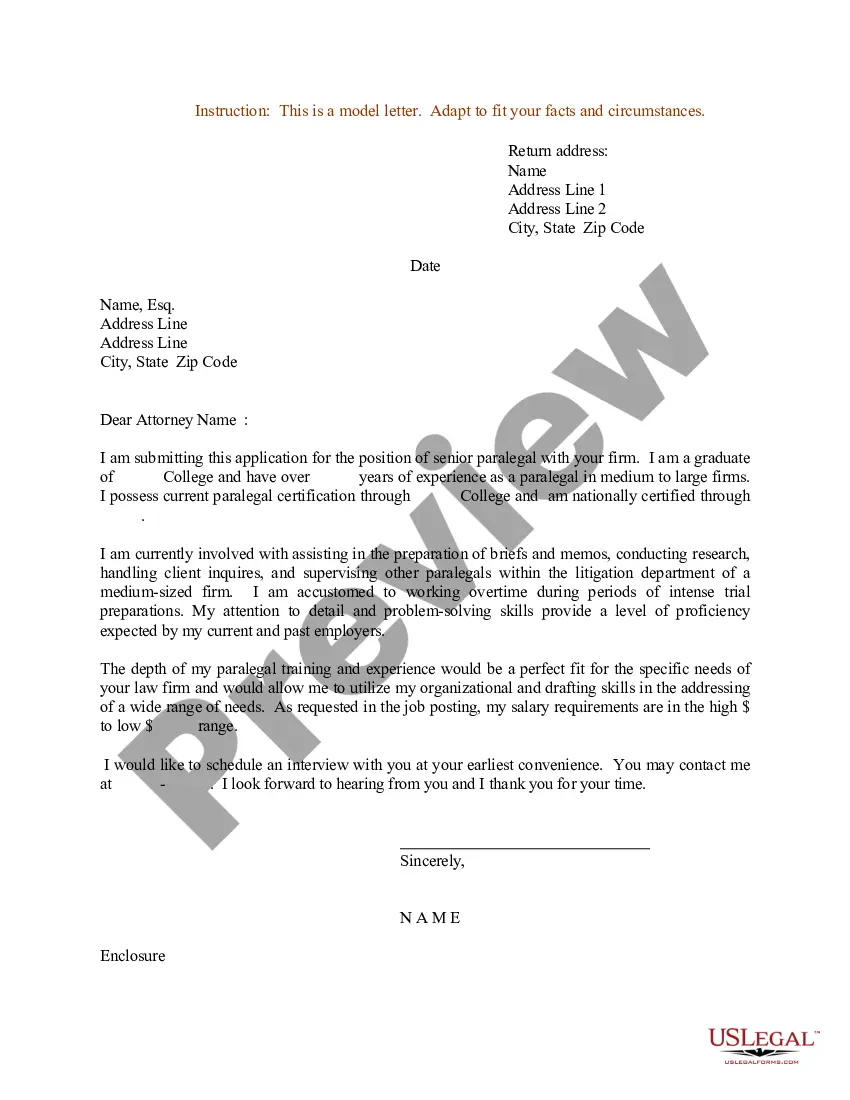
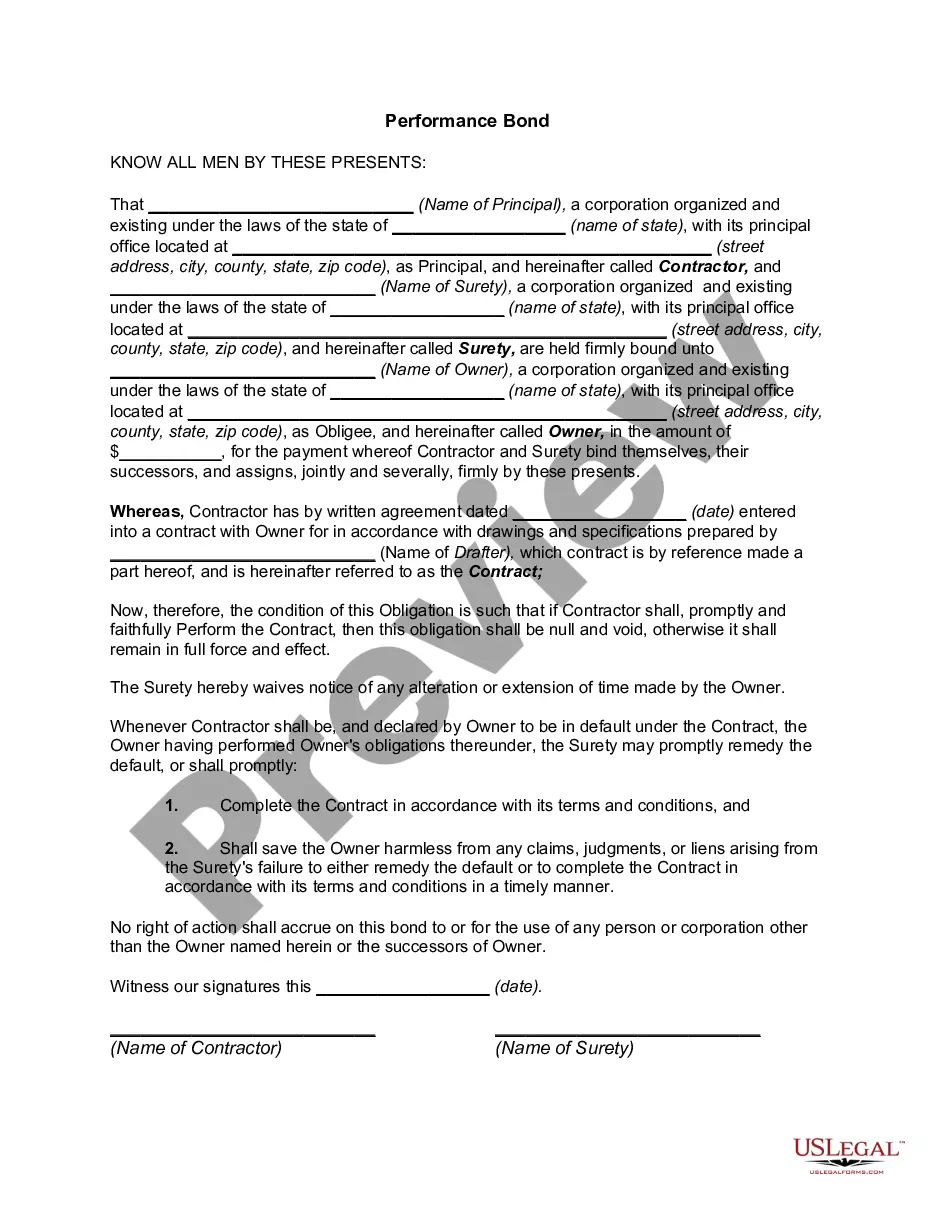
Rhode Island Performance Bond
Description
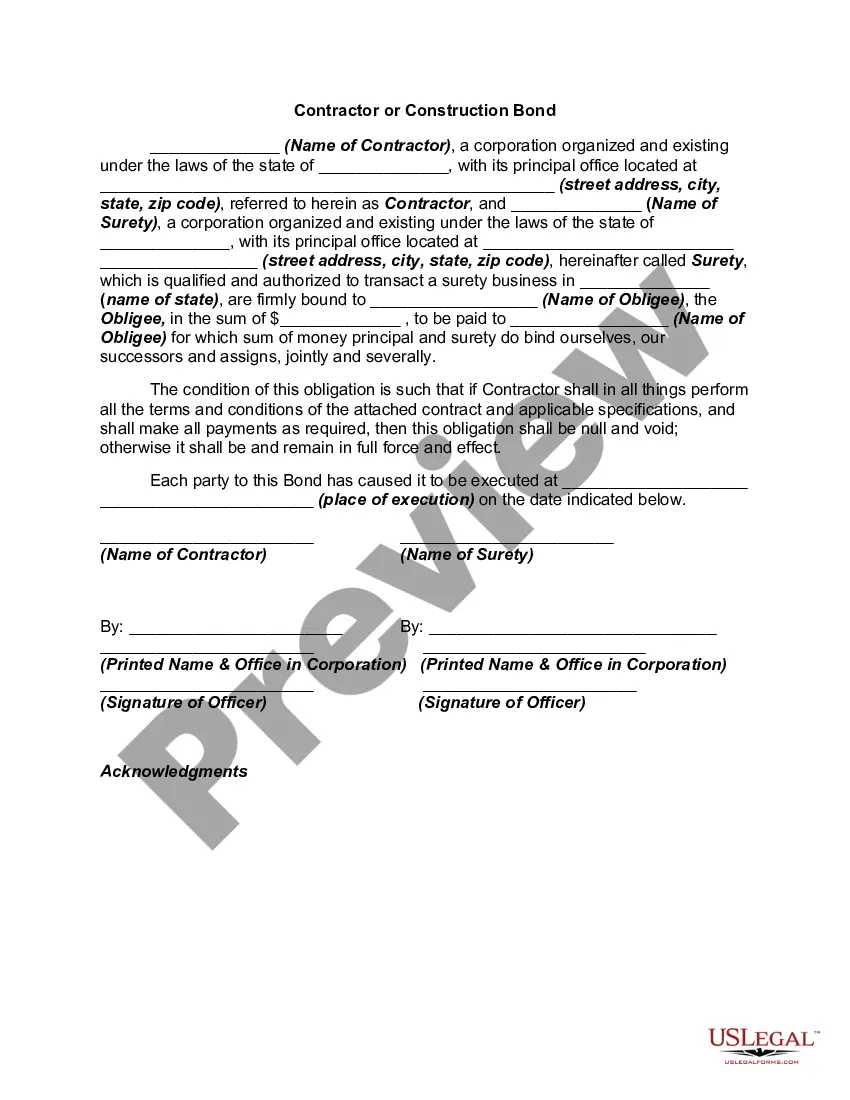
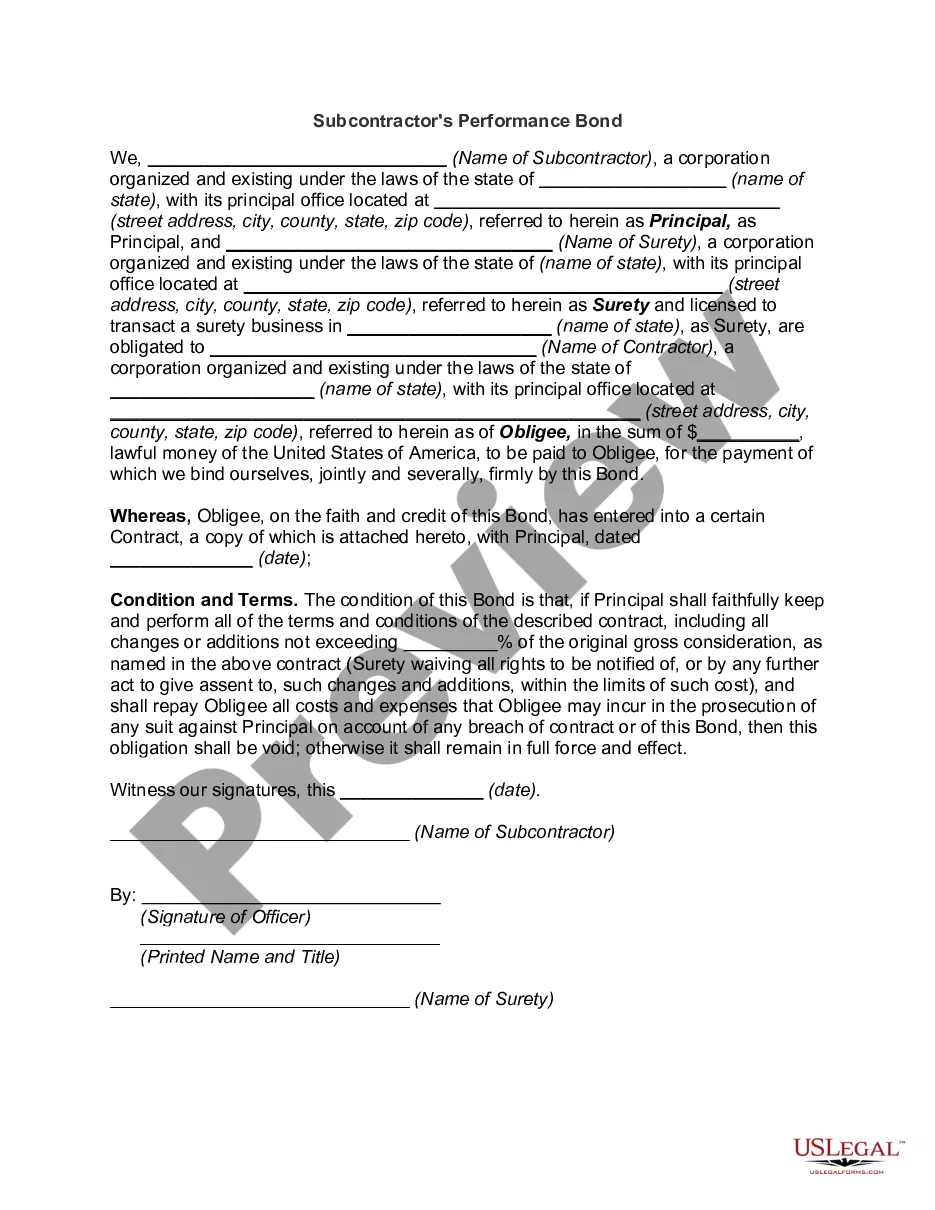
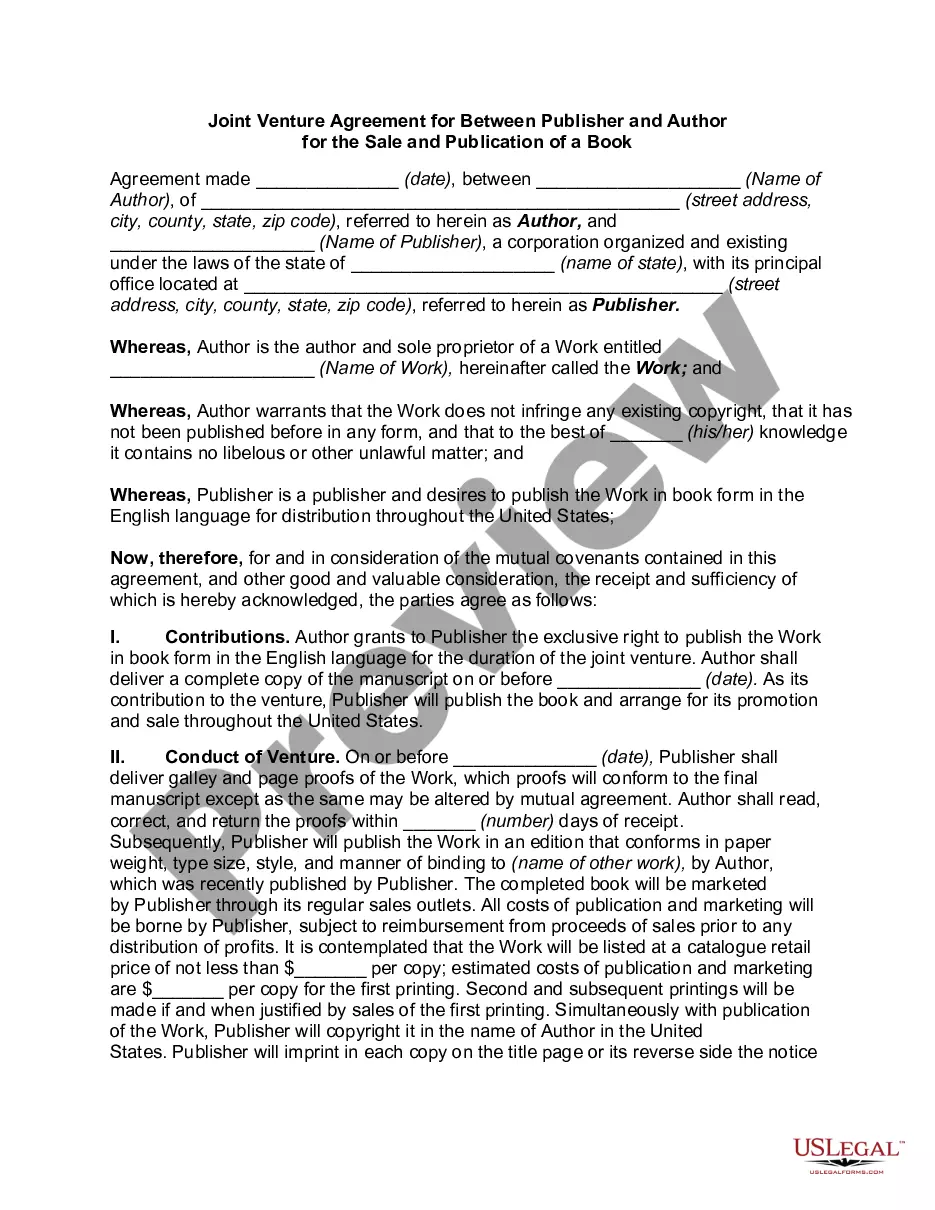
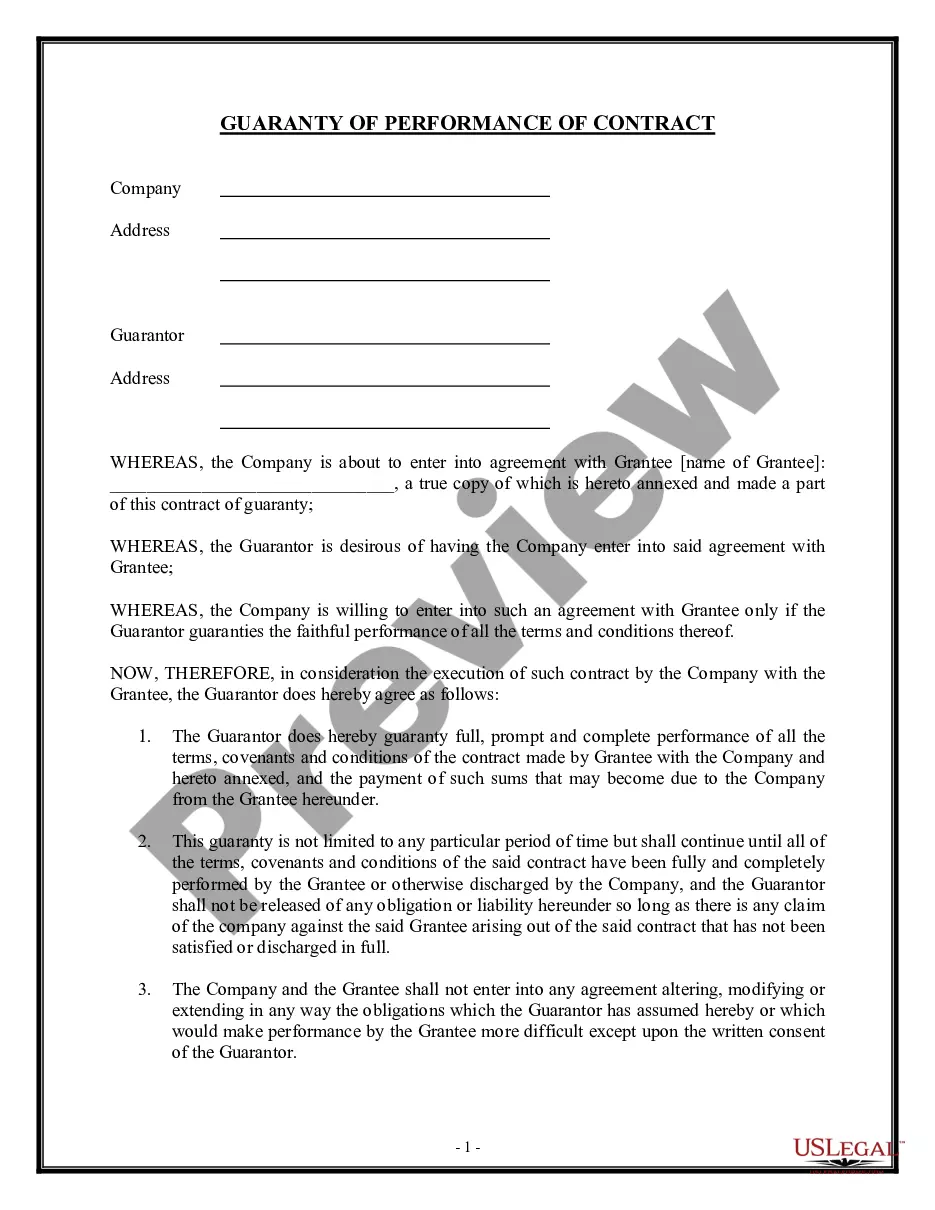
Get your form ready online
Our built-in tools help you complete, sign, share, and store your documents in one place.
Make edits, fill in missing information, and update formatting in US Legal Forms—just like you would in MS Word.
Download a copy, print it, send it by email, or mail it via USPS—whatever works best for your next step.
Sign and collect signatures with our SignNow integration. Send to multiple recipients, set reminders, and more. Go Premium to unlock E-Sign.
If this form requires notarization, complete it online through a secure video call—no need to meet a notary in person or wait for an appointment.
We protect your documents and personal data by following strict security and privacy standards.

Make edits, fill in missing information, and update formatting in US Legal Forms—just like you would in MS Word.

Download a copy, print it, send it by email, or mail it via USPS—whatever works best for your next step.

Sign and collect signatures with our SignNow integration. Send to multiple recipients, set reminders, and more. Go Premium to unlock E-Sign.

If this form requires notarization, complete it online through a secure video call—no need to meet a notary in person or wait for an appointment.

We protect your documents and personal data by following strict security and privacy standards.
Looking for another form?

How to fill out Performance Bond?
If you wish to full, down load, or print out lawful papers themes, use US Legal Forms, the greatest selection of lawful varieties, that can be found on the web. Utilize the site`s basic and hassle-free search to obtain the documents you need. Numerous themes for business and specific purposes are categorized by types and suggests, or search phrases. Use US Legal Forms to obtain the Rhode Island Performance Bond in just a few clicks.
Should you be already a US Legal Forms consumer, log in to your profile and click on the Acquire option to have the Rhode Island Performance Bond. Also you can access varieties you in the past saved from the My Forms tab of your respective profile.
If you are using US Legal Forms for the first time, follow the instructions below:
- Step 1. Make sure you have selected the shape for your right area/nation.
- Step 2. Make use of the Review choice to look through the form`s articles. Never forget to learn the explanation.
- Step 3. Should you be unsatisfied with the kind, take advantage of the Research discipline near the top of the monitor to find other models of the lawful kind format.
- Step 4. Once you have located the shape you need, click on the Purchase now option. Choose the pricing program you like and add your accreditations to sign up to have an profile.
- Step 5. Method the transaction. You may use your charge card or PayPal profile to perform the transaction.
- Step 6. Find the formatting of the lawful kind and down load it in your gadget.
- Step 7. Full, revise and print out or indication the Rhode Island Performance Bond.
Every single lawful papers format you buy is your own property for a long time. You possess acces to every single kind you saved in your acccount. Go through the My Forms area and decide on a kind to print out or down load again.
Remain competitive and down load, and print out the Rhode Island Performance Bond with US Legal Forms. There are thousands of skilled and status-distinct varieties you can use for the business or specific demands.
Form popularity
FAQ
The contractor will engage with a bond provider, or surety, to provide a performance bond for that project. In order to get a performance bond, the contractor agrees to pay the surety a small percentage of the total bond amount, usually between 1% and 4%.
A Performance Bond, also known as a surety bond, contract bond or construction bond is a legal agreement issued by an insurance company. Performance bonds protect construction project owners by guaranteeing that the contractor will complete the construction project in ance with the terms of the contract.
One key difference between performance bonds and surety bonds is the scope of their coverage. Performance bonds only cover a specific project, while surety bonds can cover multiple projects or ongoing business activities. Another difference is the party responsible for paying the bond premium.
Under a typical performance bond, a surety has four options after the principal defaults: work with the principal to cure the default; complete the contract itself; procure a replacement contractor to complete the contract, or pay the costs to complete the contract (up to the bond limit).
A performance bond is a bond that guarantees that the bonded contractor will perform its obligations under the contract in ance with the contract's terms and conditions. Performance bonds are typically in the amount of 50% of the contract amount, but can also be issued for 100% of the contract amount.
Performance bonds are a subset of contract bonds and guarantee that a contractor will fulfill the terms of the contract. If they fail to do so, the Surety company is responsible for completing the contract obligations, either by securing a new contractor to complete the job or by financial compensation.
Performance Bond secures the contractor's promise to perform in ance with agreed upon terms of contract, at agreed-upon pricing cost. A Payment Bond protects certain laborers against nonpayment from contractors for work done or services rendered. That is the difference between performance and payment bonds.
The contractor will engage with a bond provider, or surety, to provide a performance bond for that project. In order to get a performance bond, the contractor agrees to pay the surety a small percentage of the total bond amount, usually between 1% and 4%.