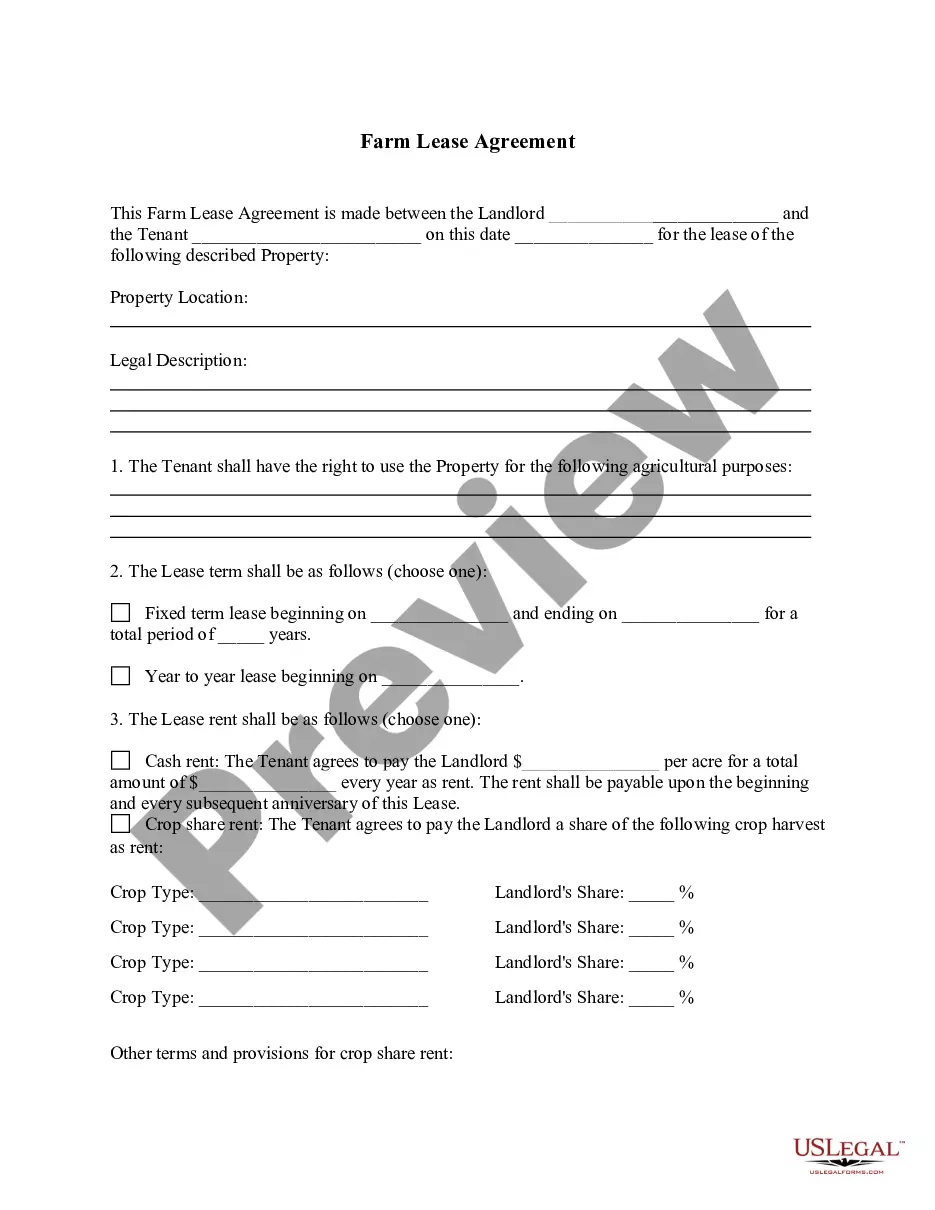
Rhode Island Merchandise License Agreement
Description

Get your form ready online
Our built-in tools help you complete, sign, share, and store your documents in one place.
Make edits, fill in missing information, and update formatting in US Legal Forms—just like you would in MS Word.
Download a copy, print it, send it by email, or mail it via USPS—whatever works best for your next step.
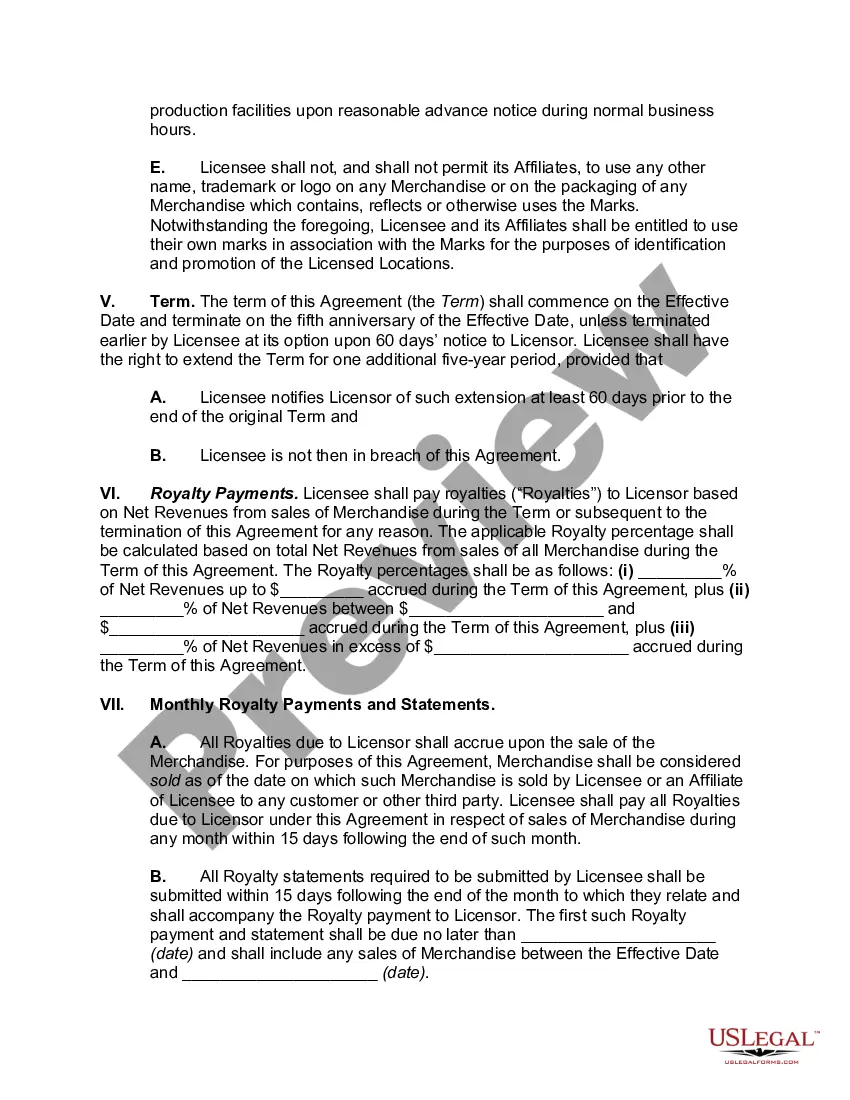
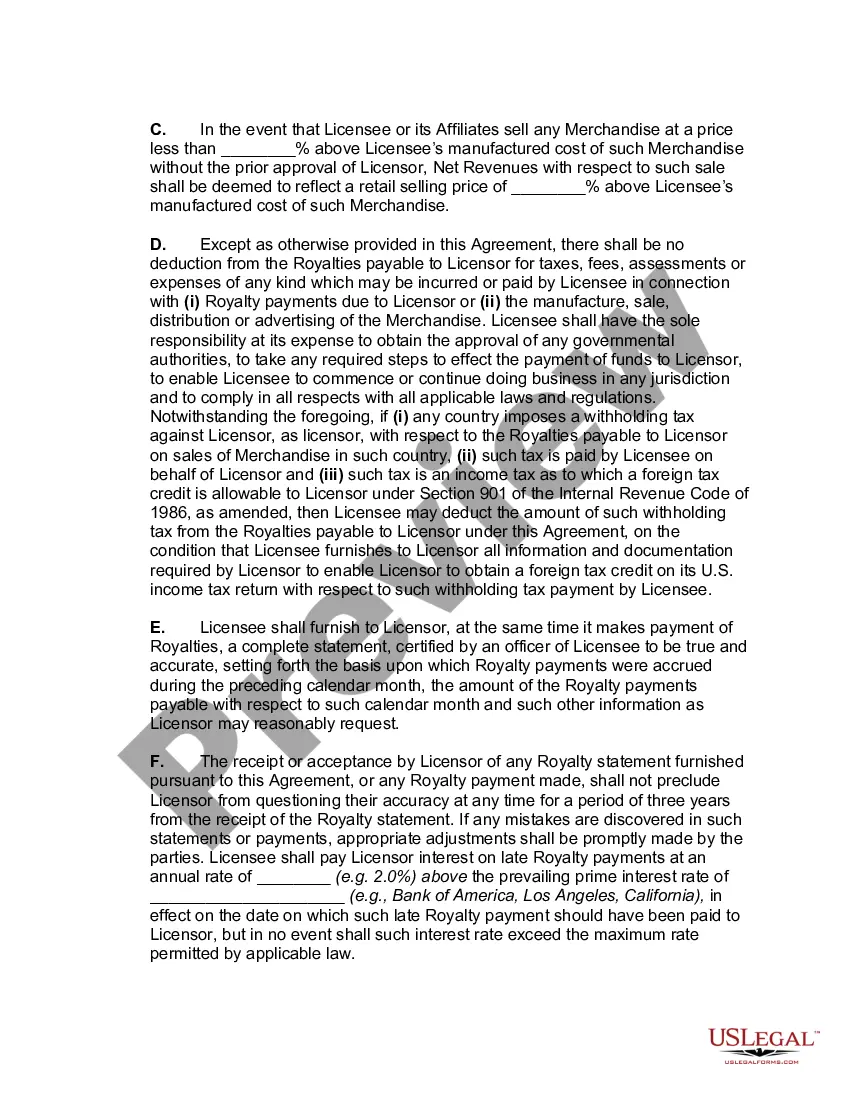
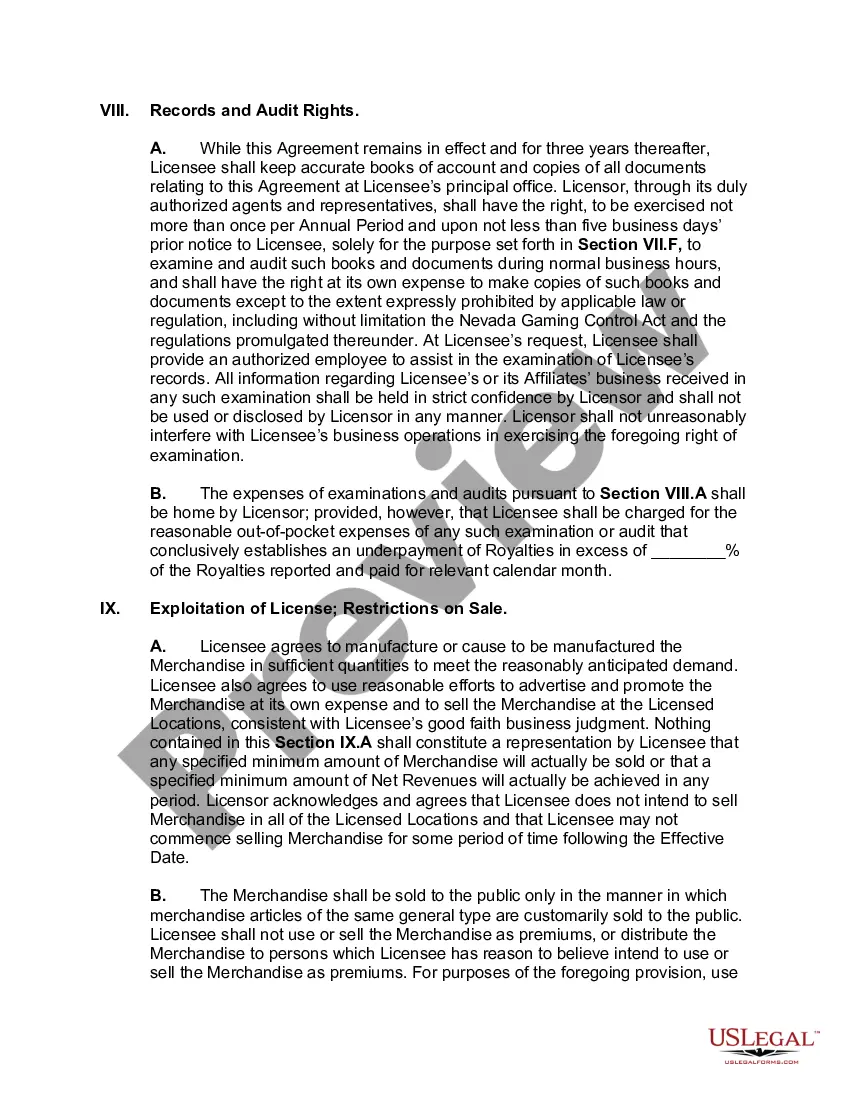
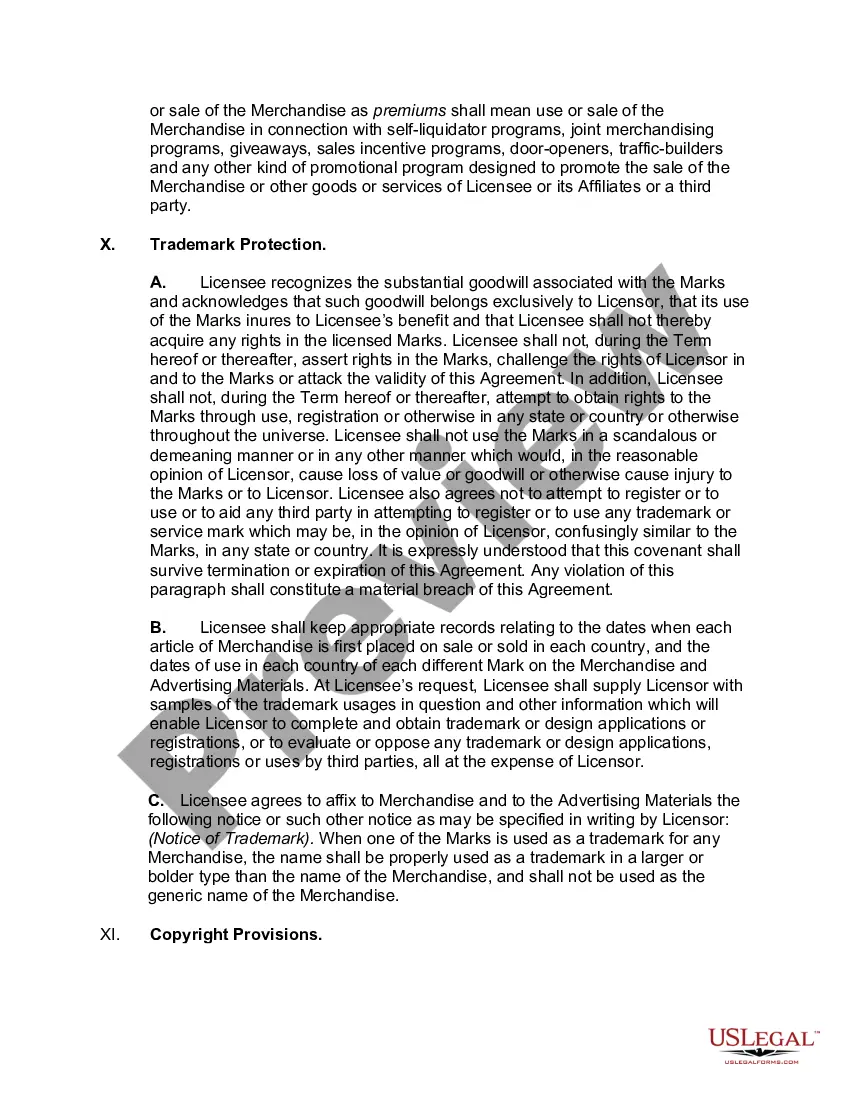
Sign and collect signatures with our SignNow integration. Send to multiple recipients, set reminders, and more. Go Premium to unlock E-Sign.
If this form requires notarization, complete it online through a secure video call—no need to meet a notary in person or wait for an appointment.
We protect your documents and personal data by following strict security and privacy standards.

Make edits, fill in missing information, and update formatting in US Legal Forms—just like you would in MS Word.

Download a copy, print it, send it by email, or mail it via USPS—whatever works best for your next step.

Sign and collect signatures with our SignNow integration. Send to multiple recipients, set reminders, and more. Go Premium to unlock E-Sign.

If this form requires notarization, complete it online through a secure video call—no need to meet a notary in person or wait for an appointment.

We protect your documents and personal data by following strict security and privacy standards.
Looking for another form?

How to fill out Merchandise License Agreement?
Selecting the appropriate official document format can be challenging. Naturally, there are numerous templates accessible online, but how can you find the official form you require? Utilize the US Legal Forms website.
The platform offers a vast array of templates, including the Rhode Island Merchandise License Agreement, which you can utilize for business and personal needs. All the forms are reviewed by professionals and comply with state and federal regulations.
If you are already registered, Log In to your account and click the Download button to obtain the Rhode Island Merchandise License Agreement. Use your account to browse through the official forms you have previously downloaded. Navigate to the My documents section of your account to download another copy of the document you require.
Select the file format and download the official document format to your device. Complete, modify, print, and sign the obtained Rhode Island Merchandise License Agreement. US Legal Forms is the largest library of official forms where you can find a variety of document templates. Use the service to download correctly drafted documents that adhere to state requirements.
- Firstly, ensure you have selected the correct form for your region/county.
- You can review the form using the Review option and examine the form description to confirm it is suitable for you.
- If the form does not meet your needs, utilize the Search feature to find the appropriate form.
- Once you are confident that the form is suitable, click on the Acquire now button to get the form.
- Choose the pricing plan you desire and input the necessary information.
- Create your account and complete the payment using your PayPal account or Visa or Mastercard.
Form popularity
FAQ
A licensing agreement allows for the sharing of intellectual property, the generation of revenue through royalties, and the establishment of brand recognition. For example, a Rhode Island Merchandise License Agreement ensures that both the licensor and licensee benefit from the use of trademarks or copyrights, leading to mutually advantageous growth. This collaborative approach not only enhances business prospects but also strengthens brand presence in the market.
Yes, Rhode Island recognizes single member LLCs and treats them as valid business entities. This means you can enjoy the benefits of limited liability and the ease of management. When entering into agreements, such as a Rhode Island Merchandise License Agreement, your LLC structure provides you with an added layer of protection and legitimacy.
The two primary types of licensing agreements are exclusive and non-exclusive agreements. An exclusive agreement grants one party the sole rights to use a product or trademark, while a non-exclusive agreement allows multiple parties to have rights to use the same product. When dealing with a Rhode Island Merchandise License Agreement, understanding these distinctions ensures you make informed decisions that protect your interests.
An example of a licensing agreement is a contract between the copyright holders of software and another company, allowing the latter to use the computer software for their daily business operations.
The licensing agreement should explain what the licensee can do with the license. It should say whether the license is exclusive or not. It should also discuss whether the licensor gets to use the license or cedes all rights to the licensee.
Accessories such as hats, ties, and the like are regularly made by licensees, as are home products, footwear, fragrance, eyewear, and many others. Other major players in the product licensing world are media and gaming properties, professional and collegiate sports teams, and food and beverage companies.
Practitioners and licensing executives often refer to three basic types of voluntary licenses: non-exclusive, sole, and exclusive. A non-exclusive licence allows the licensor to retain the right to use the licensed property and the right to grant additional licenses to third parties.
A license agreement is a business contract between two parties. The licensor (the seller of the license) owns the asset being licensed and the licensee (the buyer) pays for the right to use the license. The licensee pays the owner in exchange for the right to sell the product or use the technology.
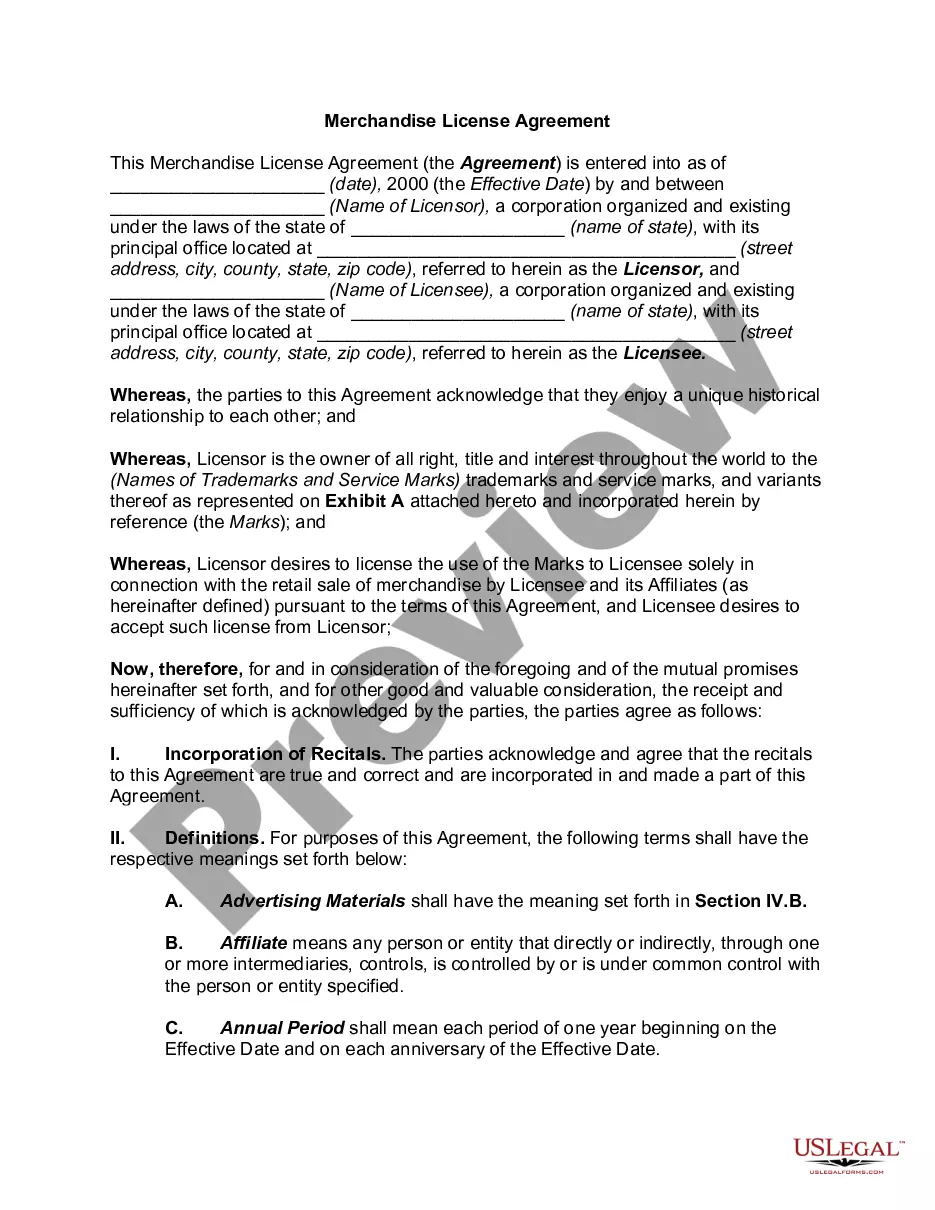
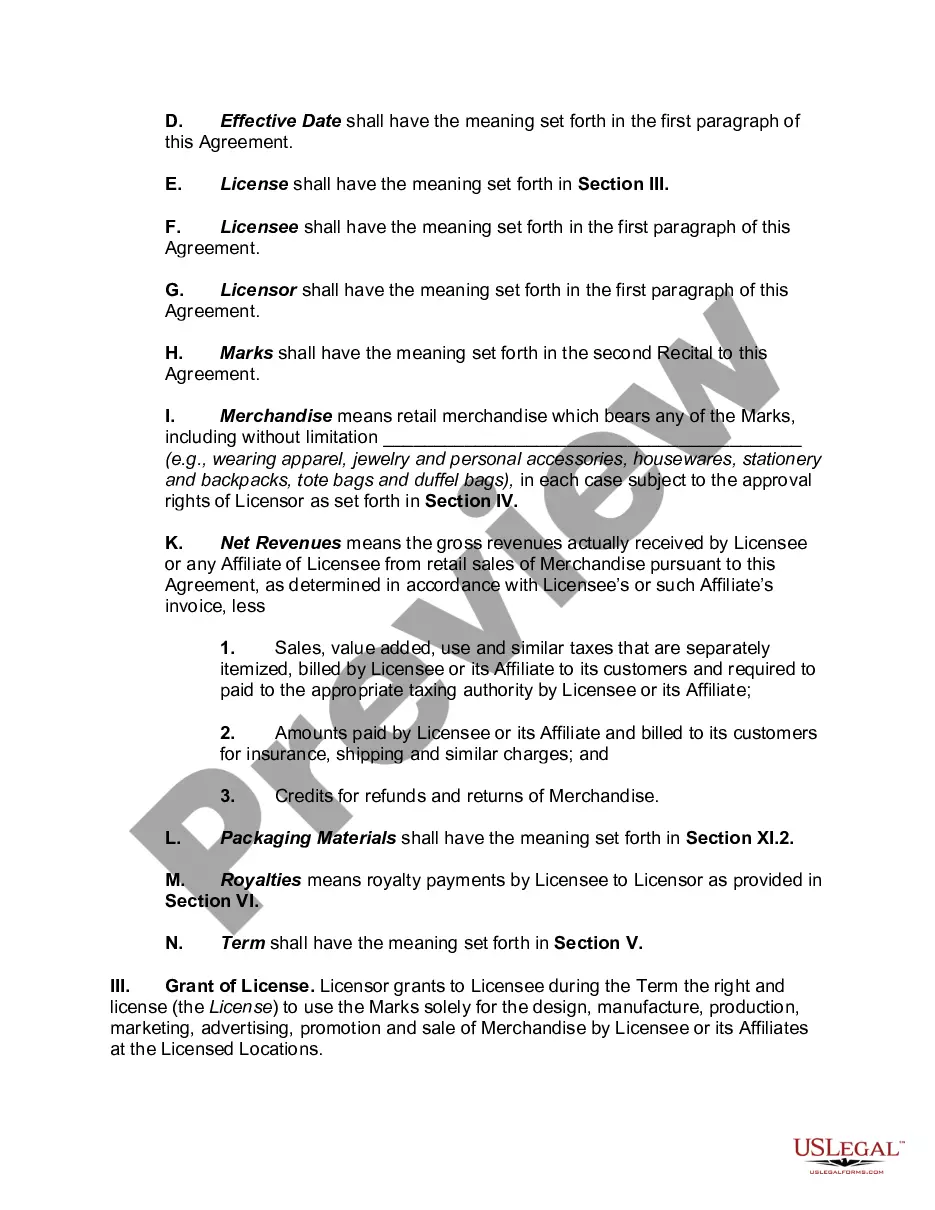
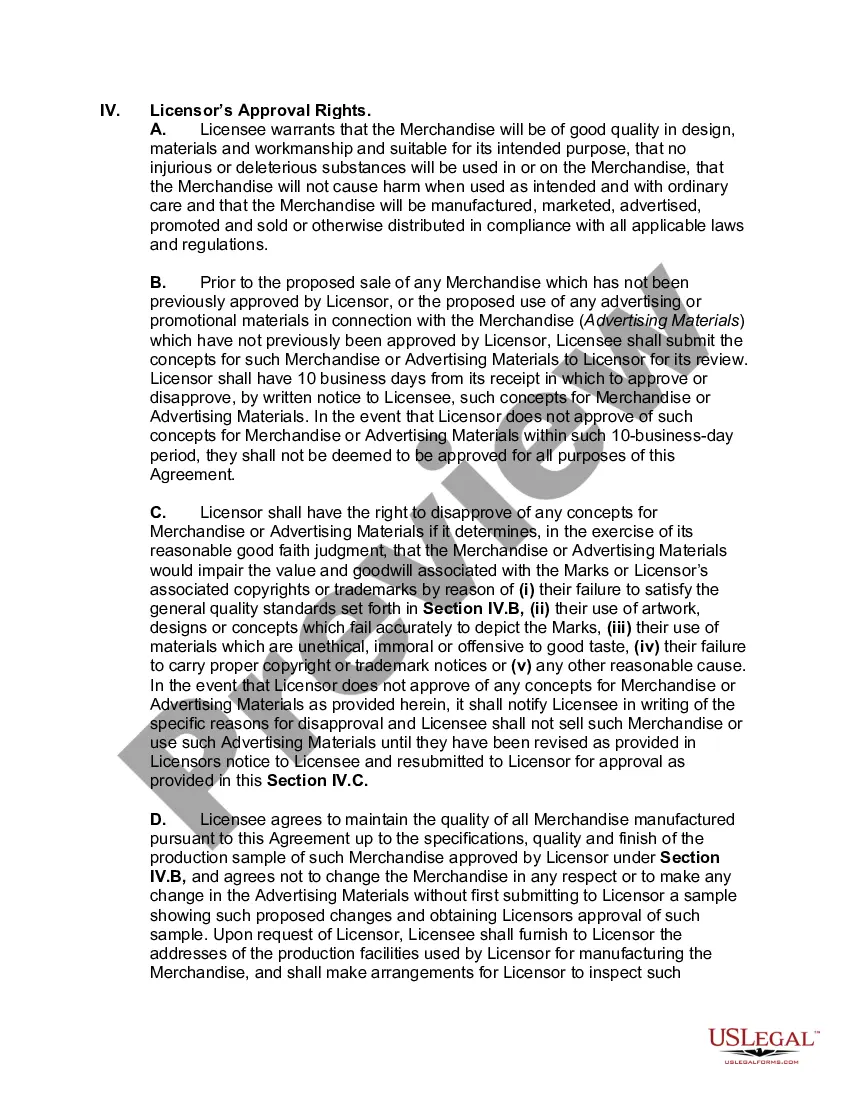
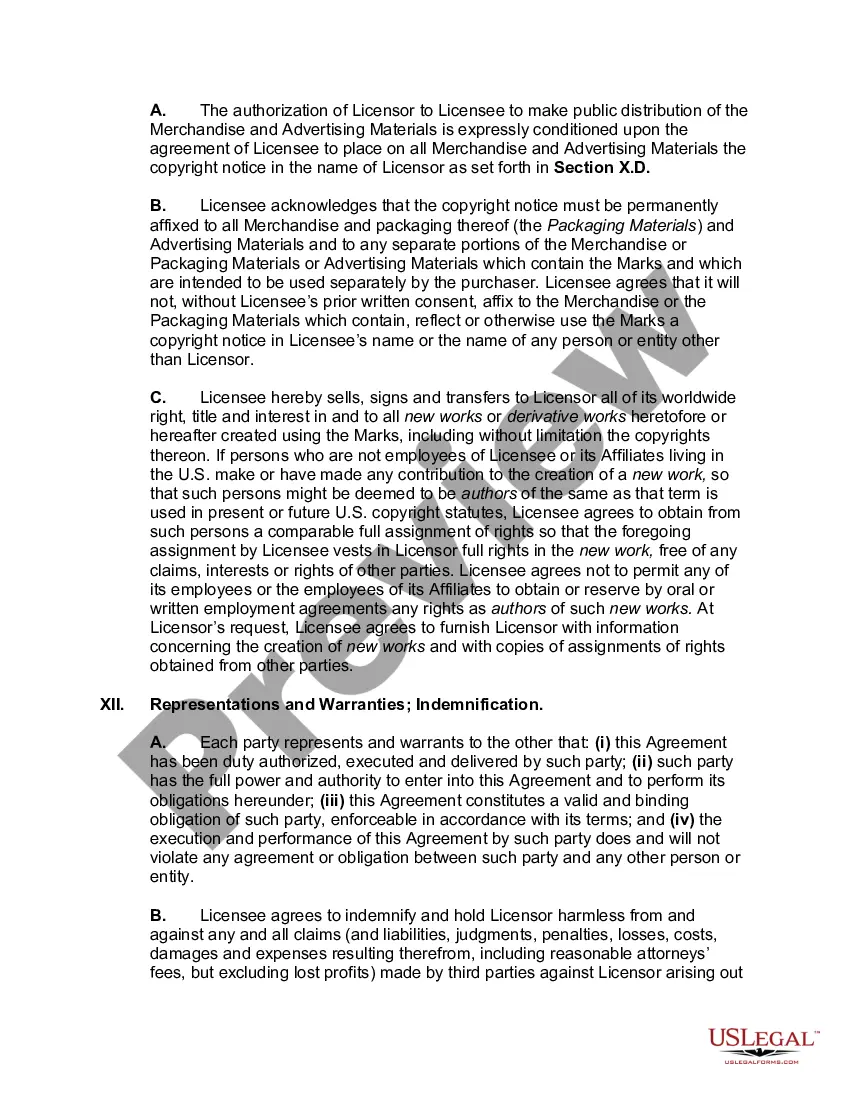
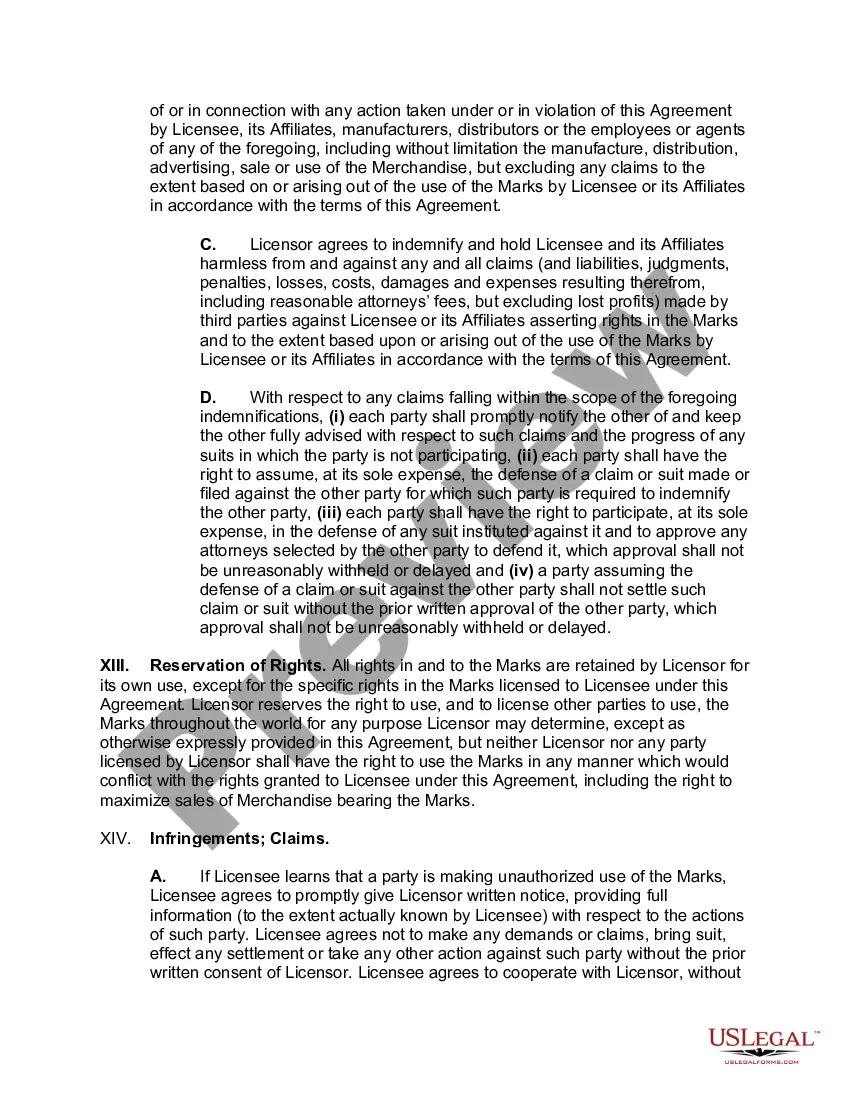
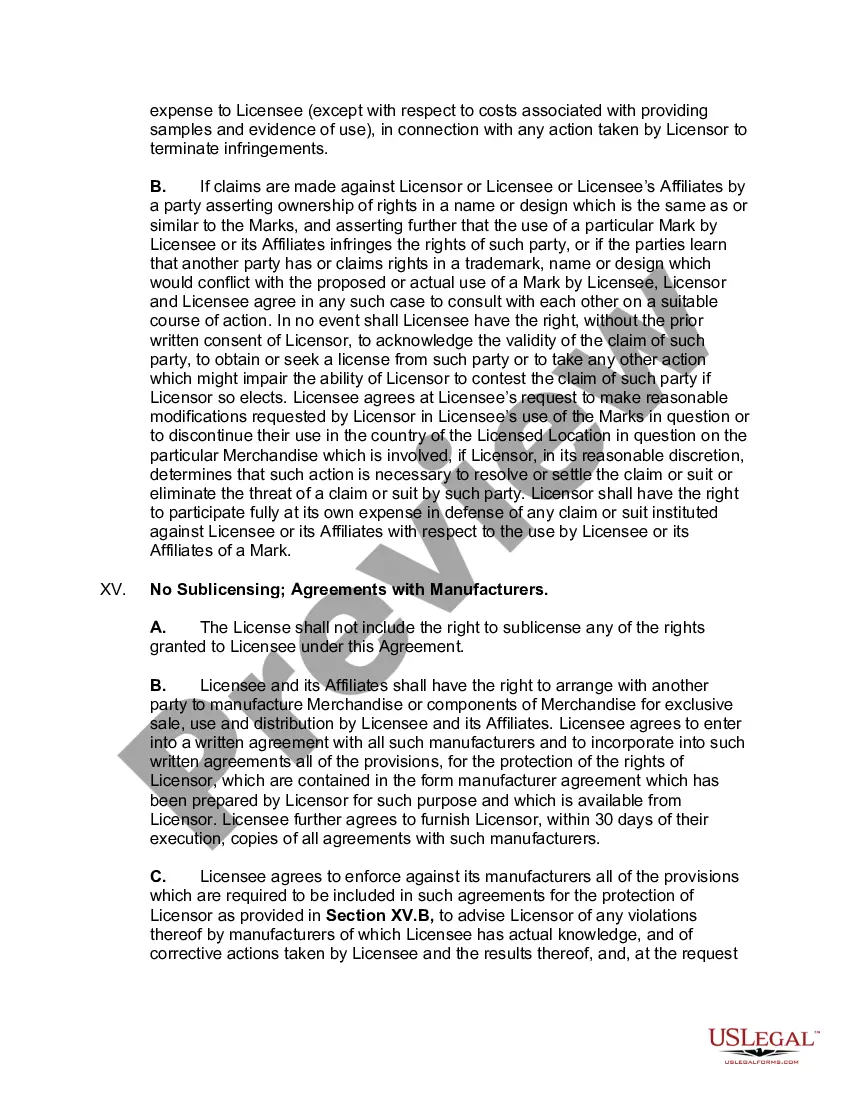
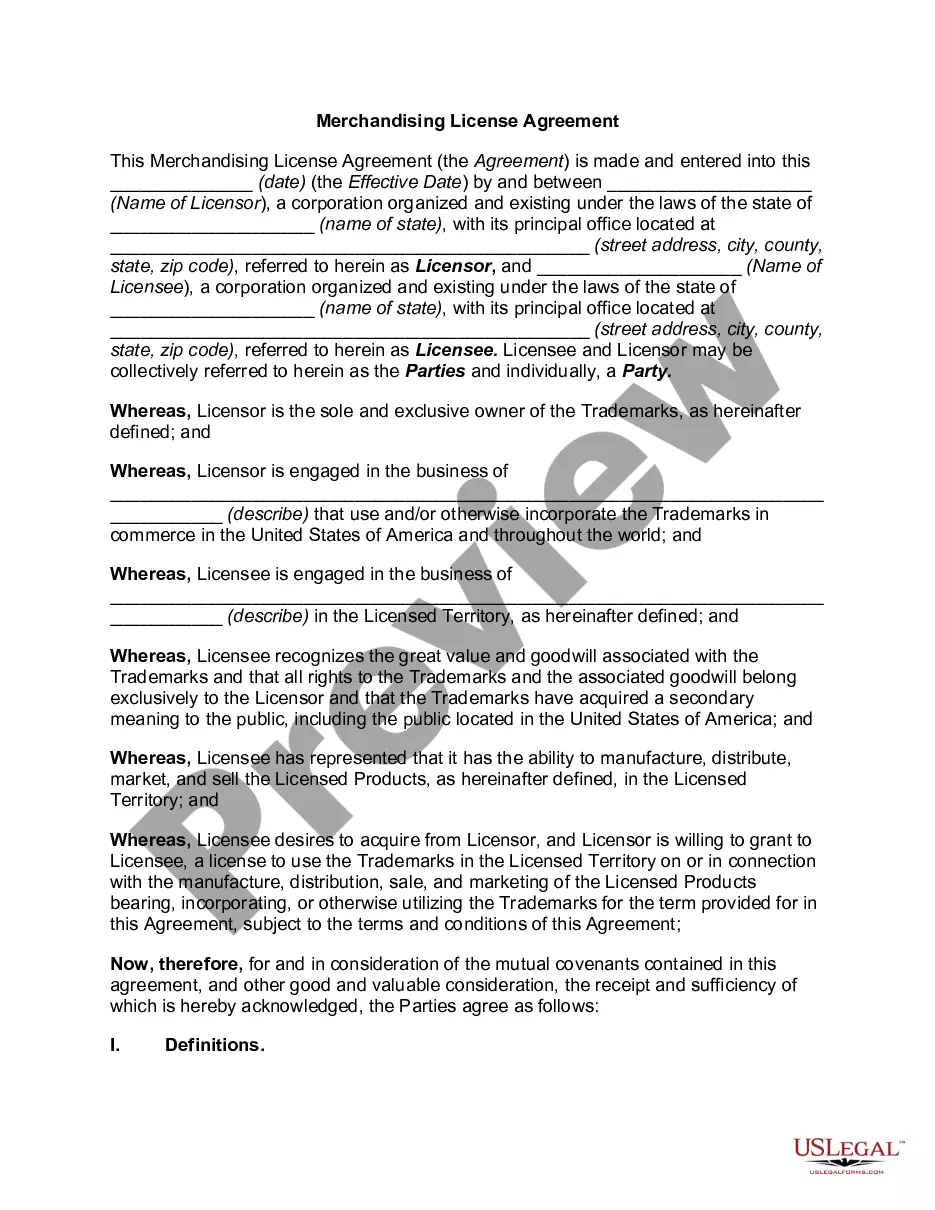
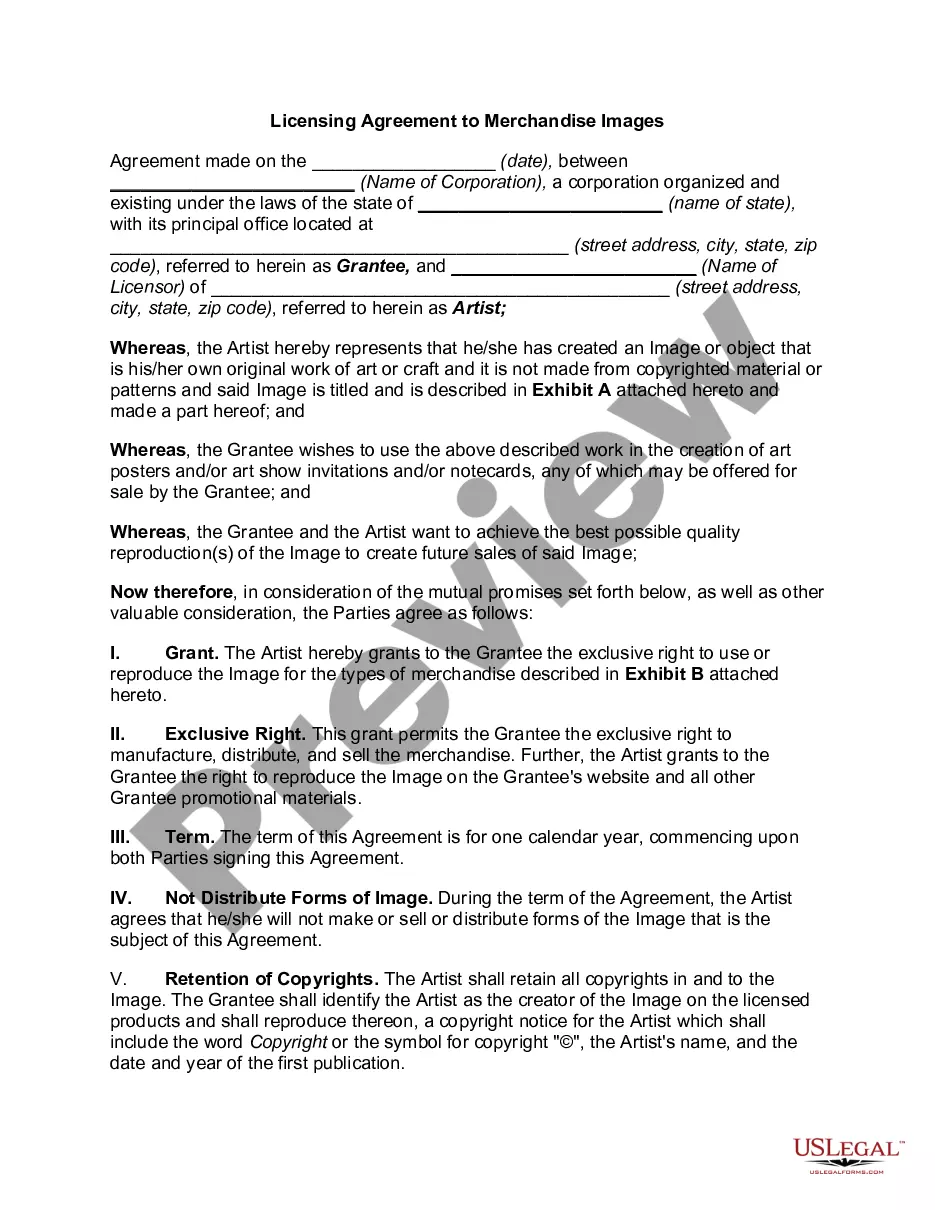
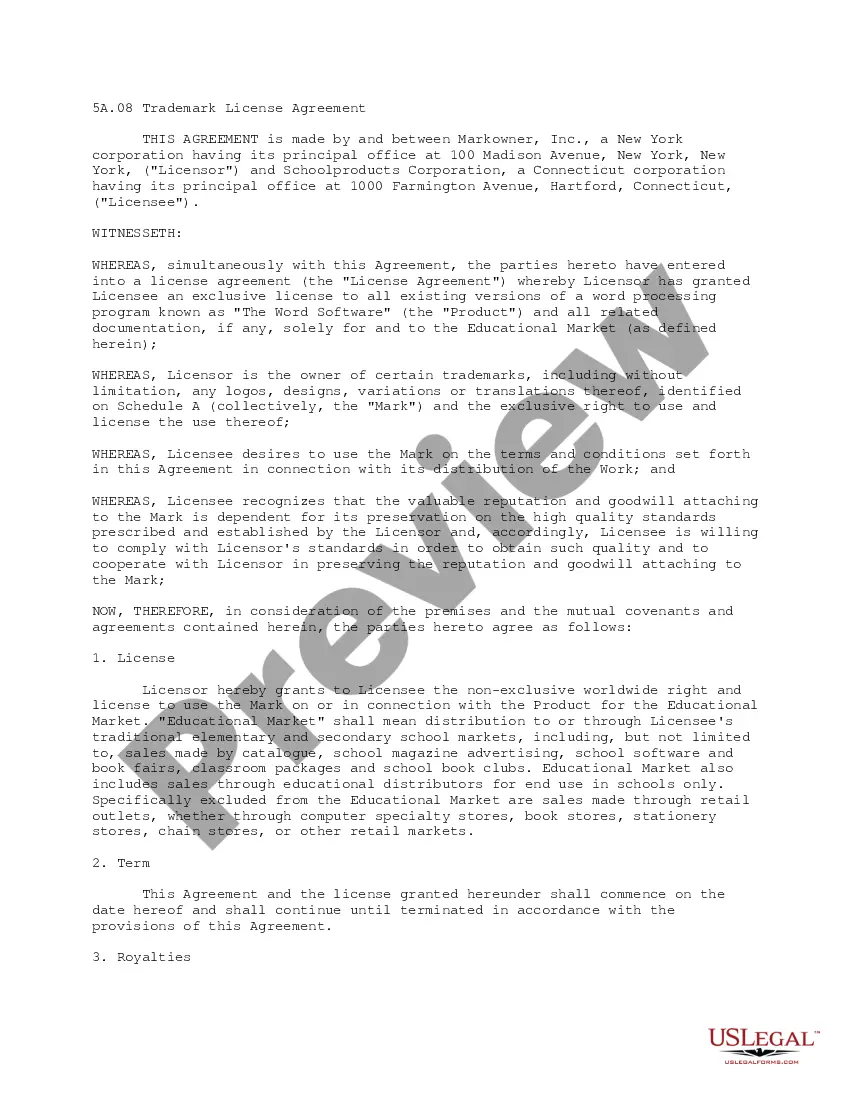
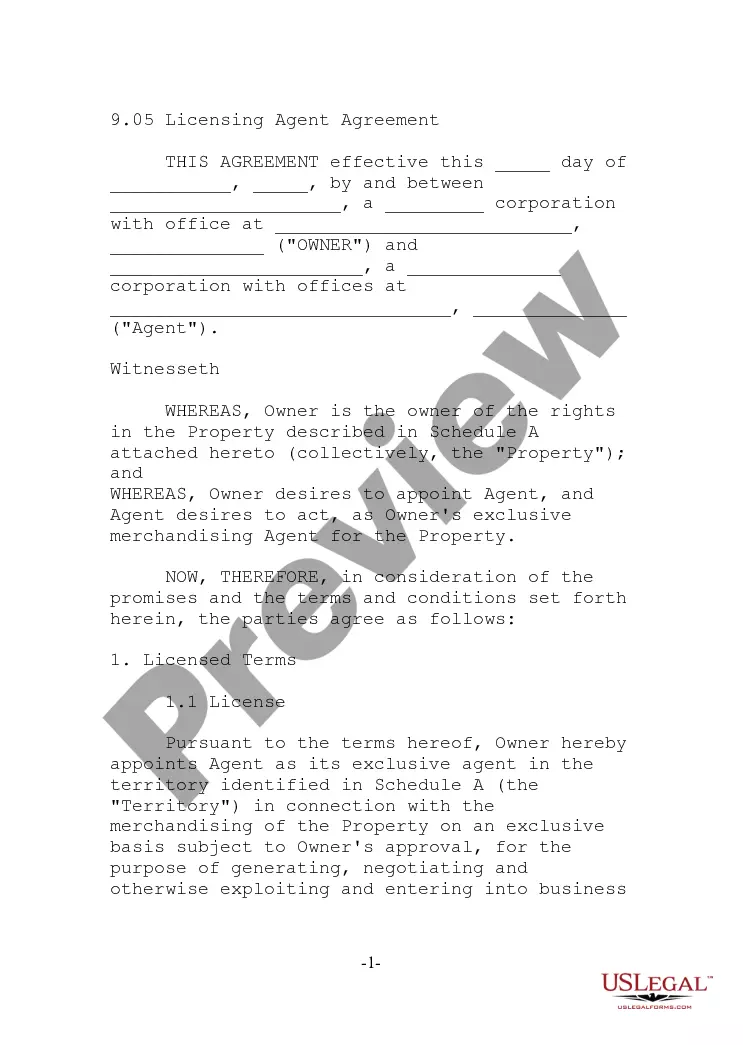
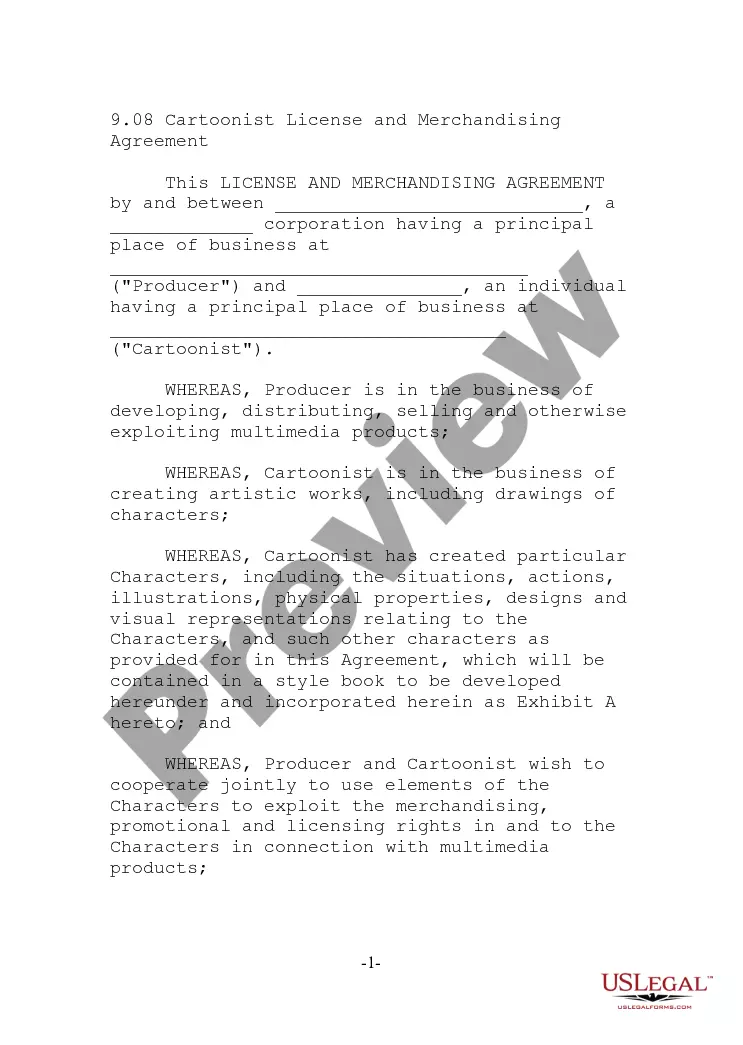
A merchandise license agreement describes the terms through which the owner of intellectual property, notably in the form of a trademark, service mark or copyright, grants a party, called the licensee, the right to use the property for distribution, marketing, and sale.
Royalty free is a term that is used to describe certain types of intellectual property that you're allowed to use without having to pay royalties. The intellectual property owner must specifically put this label on their content in order for anyone to use it in this way.