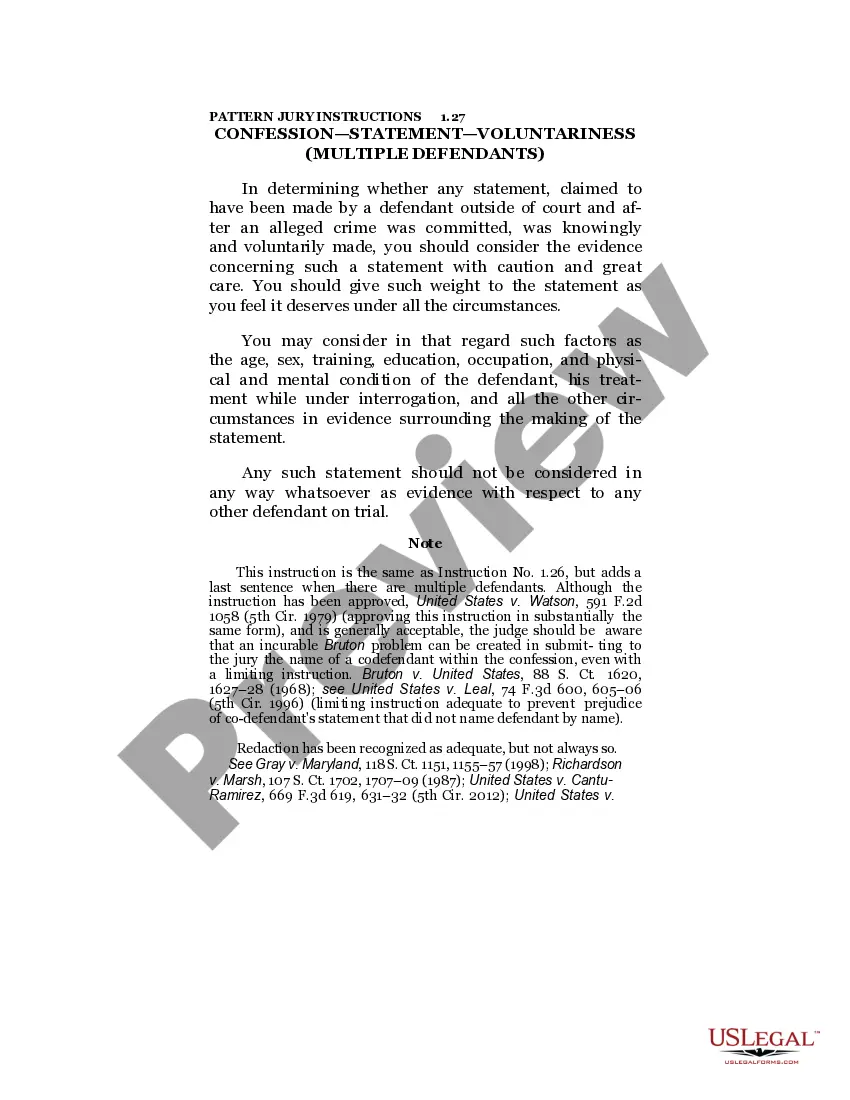
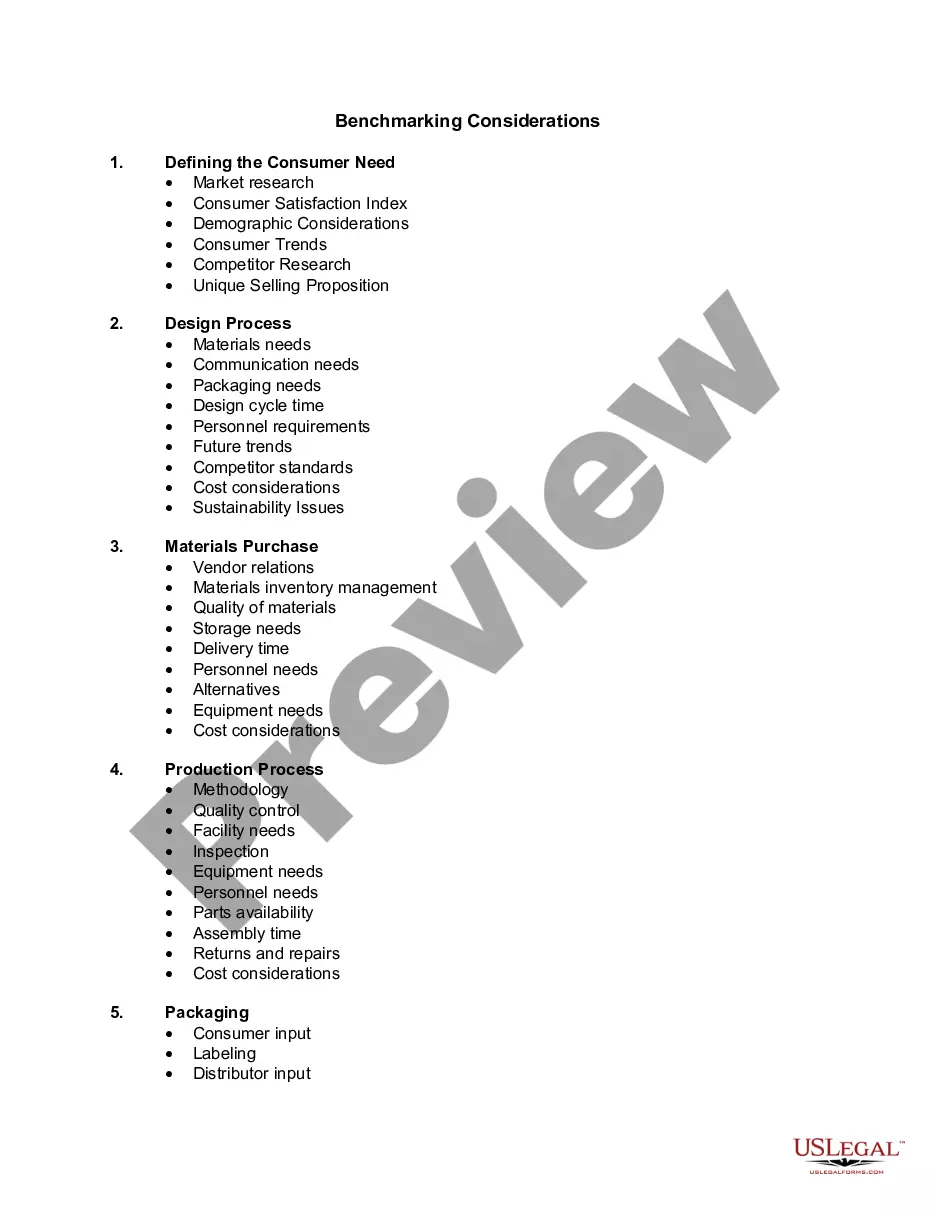
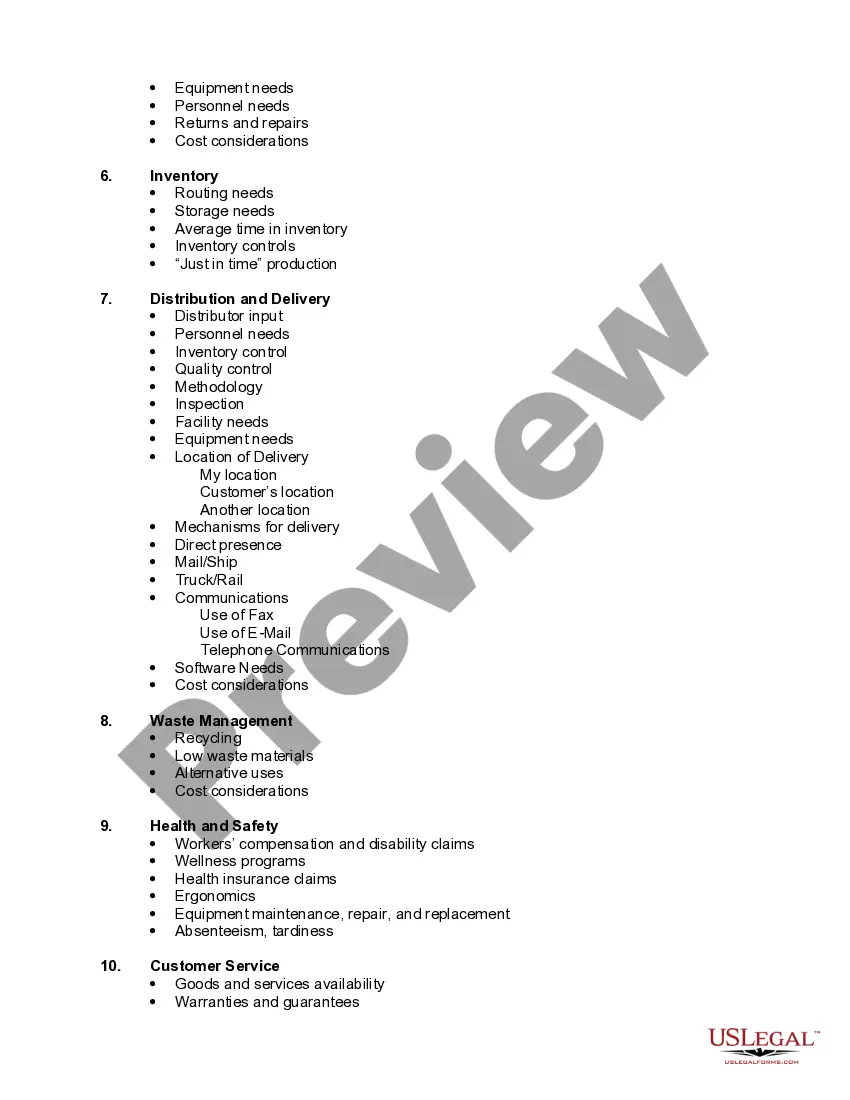
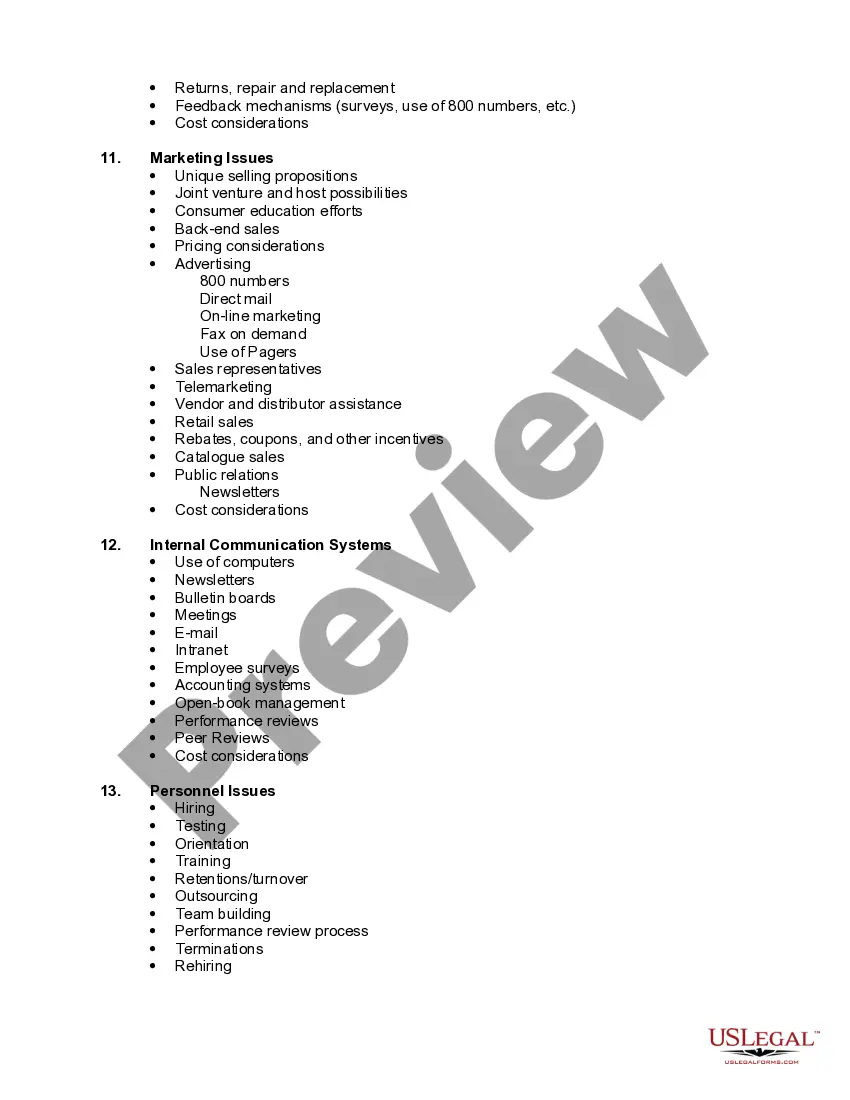
Rhode Island Benchmarking Considerations
Description
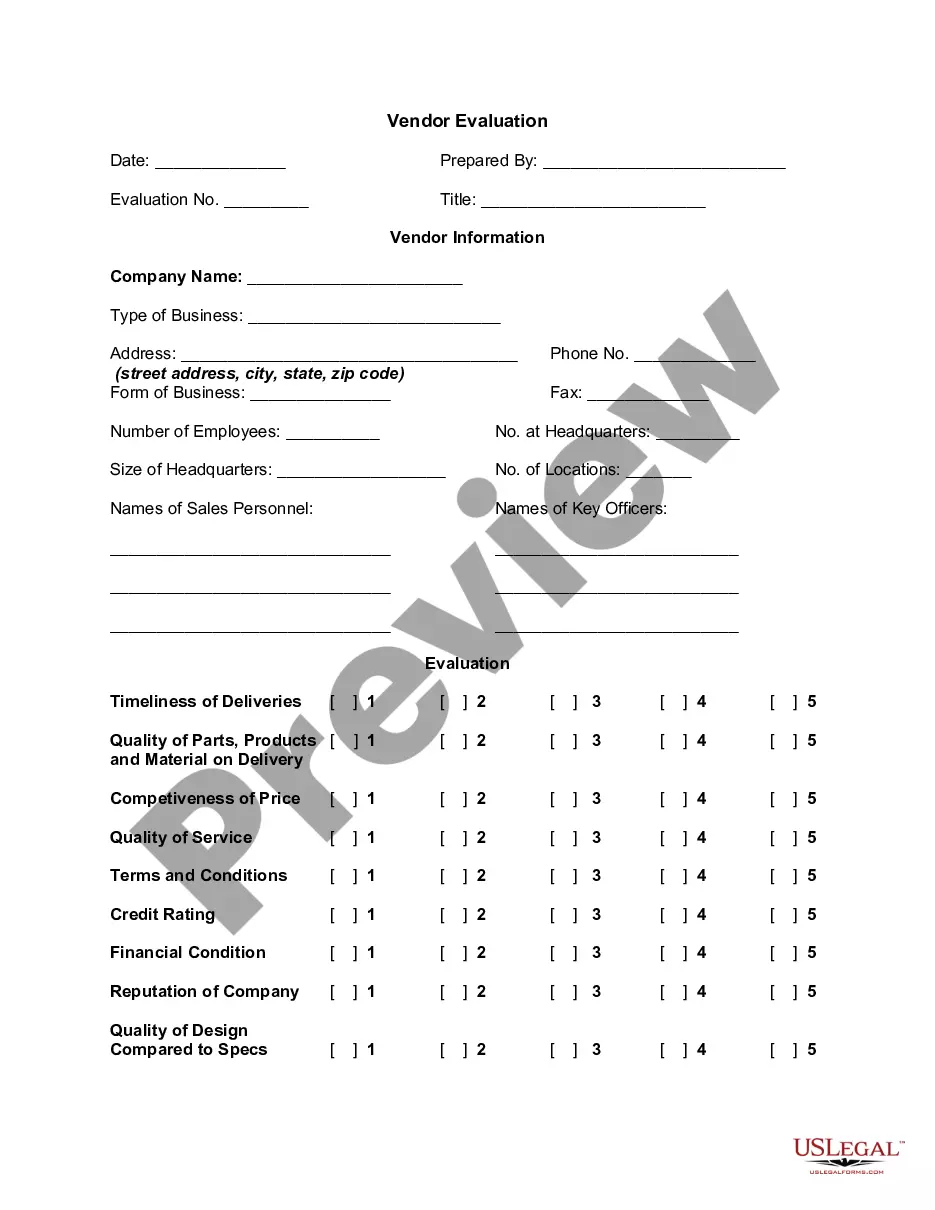
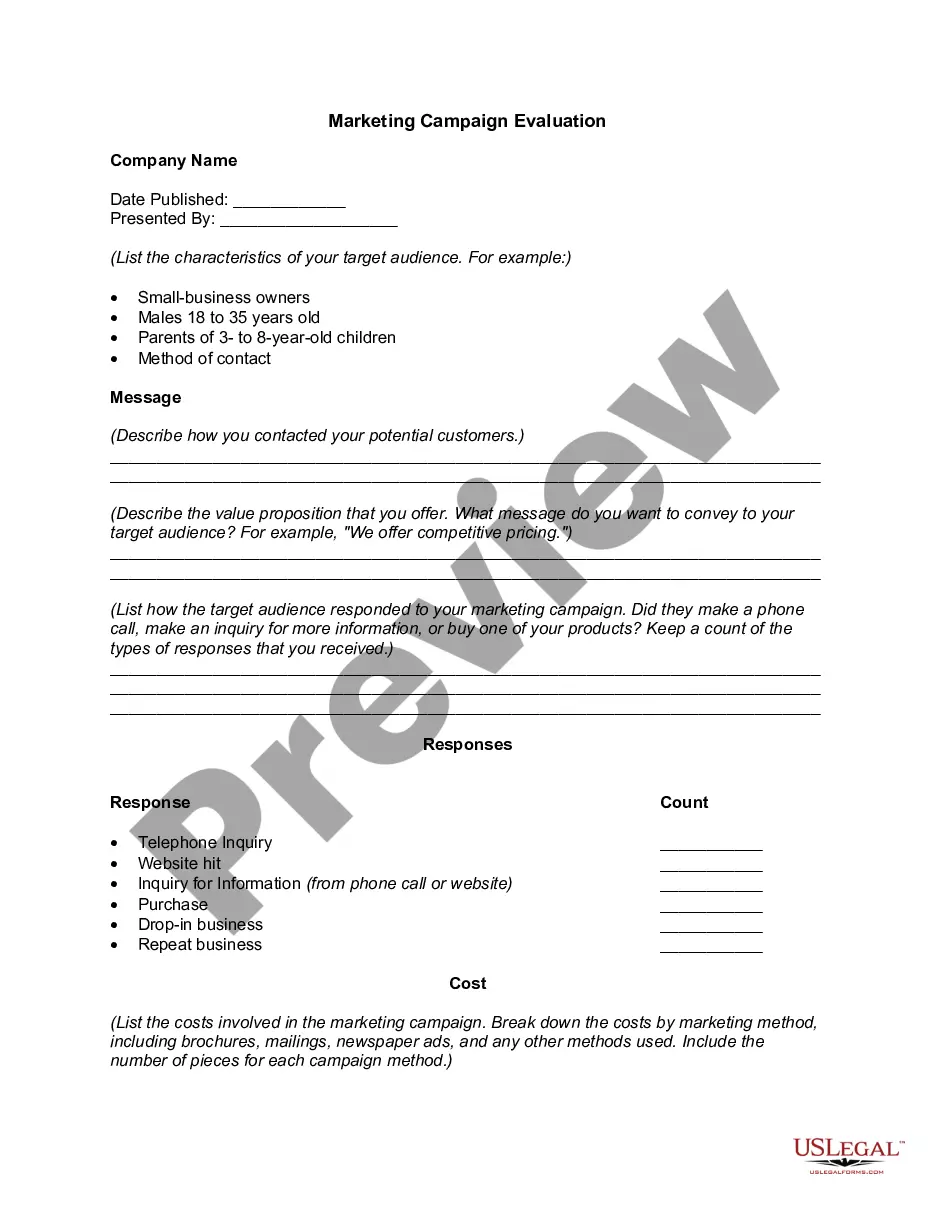
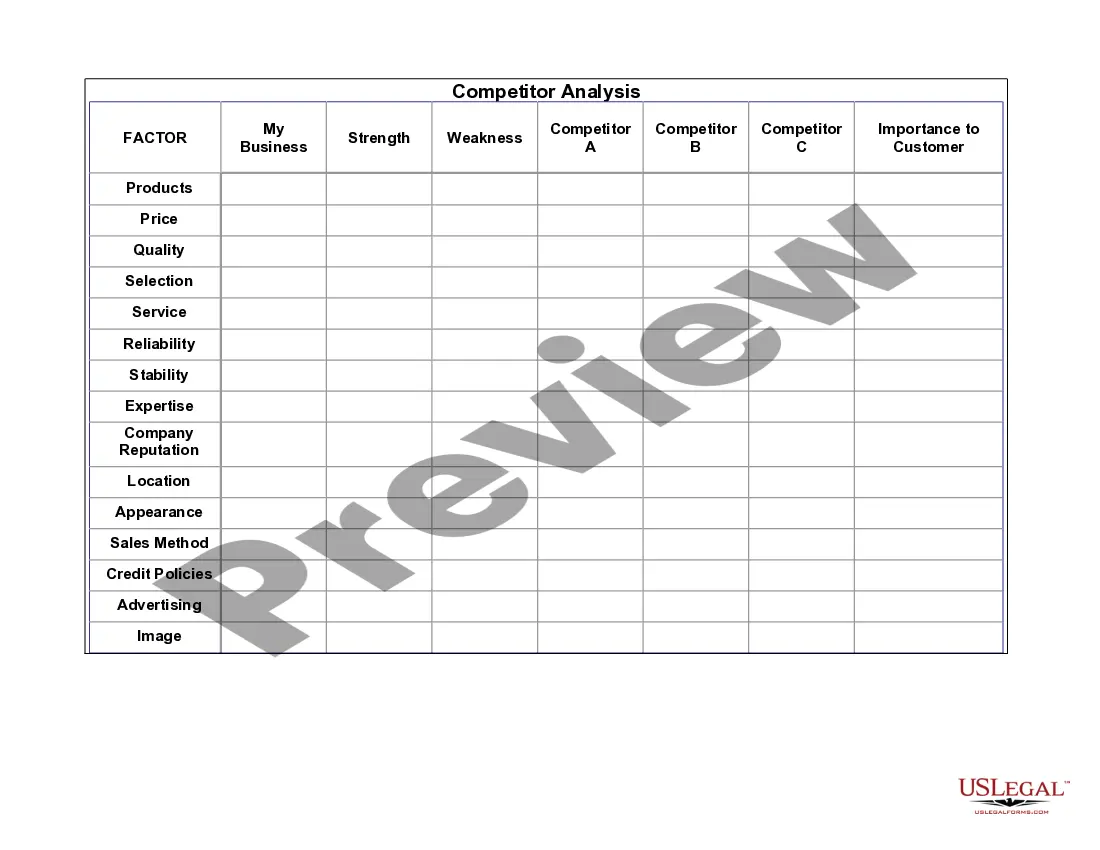
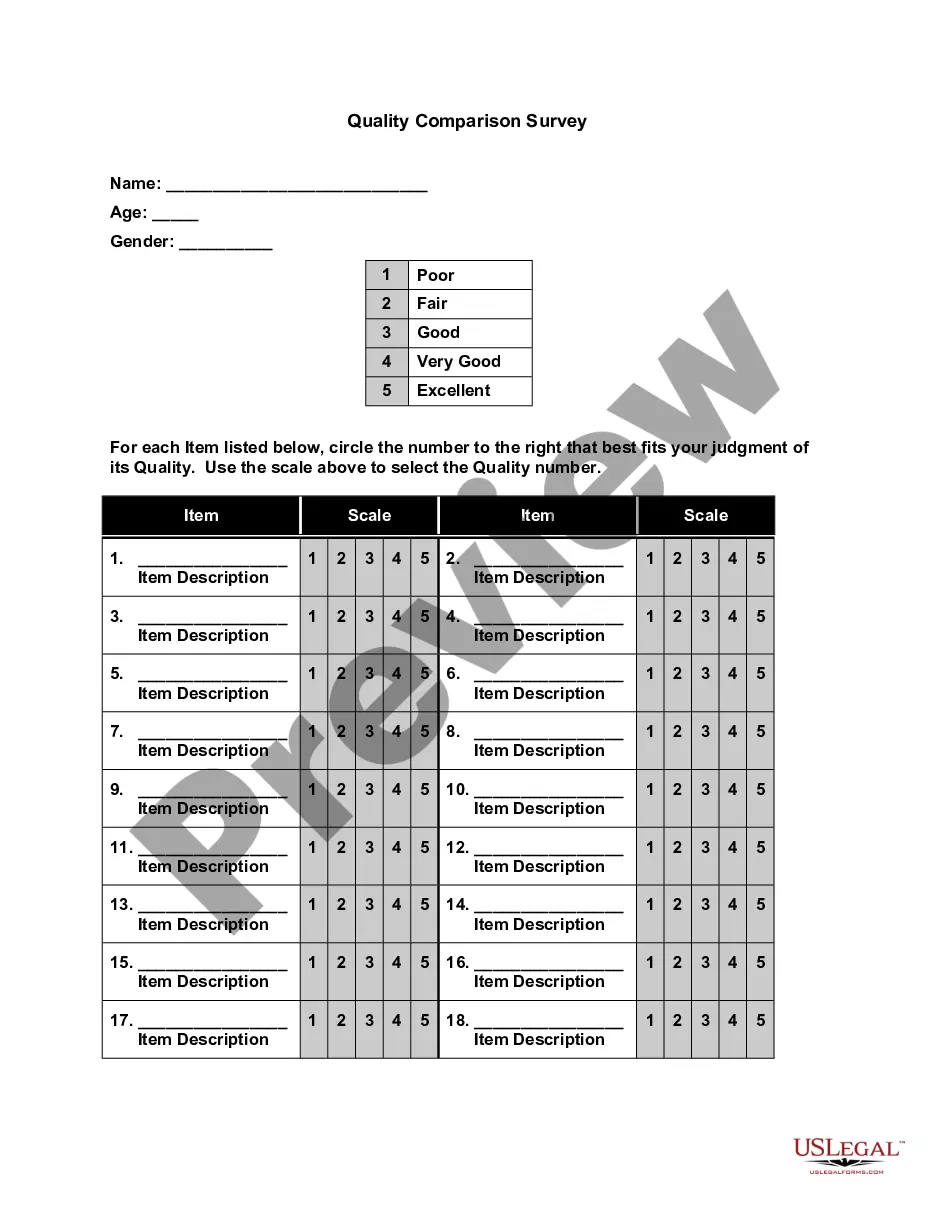
Get your form ready online
Our built-in tools help you complete, sign, share, and store your documents in one place.
Make edits, fill in missing information, and update formatting in US Legal Forms—just like you would in MS Word.
Download a copy, print it, send it by email, or mail it via USPS—whatever works best for your next step.
Sign and collect signatures with our SignNow integration. Send to multiple recipients, set reminders, and more. Go Premium to unlock E-Sign.
If this form requires notarization, complete it online through a secure video call—no need to meet a notary in person or wait for an appointment.
We protect your documents and personal data by following strict security and privacy standards.

Make edits, fill in missing information, and update formatting in US Legal Forms—just like you would in MS Word.

Download a copy, print it, send it by email, or mail it via USPS—whatever works best for your next step.

Sign and collect signatures with our SignNow integration. Send to multiple recipients, set reminders, and more. Go Premium to unlock E-Sign.

If this form requires notarization, complete it online through a secure video call—no need to meet a notary in person or wait for an appointment.

We protect your documents and personal data by following strict security and privacy standards.
Looking for another form?




How to fill out Benchmarking Considerations?
If you need to complete, obtain, or create official document templates, use US Legal Forms, the largest collection of legal documents available online.
Utilize the site's simple and convenient search to locate the forms you need. Various templates for commercial and personal purposes are organized by categories and jurisdictions, or by keywords.
Use US Legal Forms to find the Rhode Island Benchmarking Considerations in just a few clicks.
Every legal document template you purchase is yours forever. You will have access to every form you downloaded within your account. Click the My documents section and choose a form to print or download again.
Complete and download, and print the Rhode Island Benchmarking Considerations with US Legal Forms. There are thousands of professional and state-specific forms available for your business or personal needs.
- If you are already a US Legal Forms user, Log In to your account and then click the Acquire button to download the Rhode Island Benchmarking Considerations.
- You can also access forms you've previously downloaded in the My documents section of your account.
- If you are using US Legal Forms for the first time, follow the steps below.
- Step 1. Ensure you have selected the form for the appropriate city/state.
- Step 2. Use the Review option to examine the form's details. Be sure to read the instructions.
- Step 3. If you are not satisfied with the form, use the Search field at the top of the page to find alternative versions of the legal form template.
- Step 4. Once you have found the form you need, click the Purchase now button. Choose the pricing plan you prefer and enter your credentials to register for an account.
- Step 5. Complete the transaction. You may use your credit card or PayPal account to finalize the purchase.
- Step 6. Select the format of the legal form and download it to your device.
- Step 7. Complete, modify, and print or sign the Rhode Island Benchmarking Considerations.
Form popularity
FAQ
Benchmarking is the process of assessing a building's energy or water usage against a set standard or similar buildings. This simple evaluation helps identify opportunities for energy savings and improved operational efficiency. Understanding Rhode Island Benchmarking Considerations can guide property owners in optimizing their resource use. For those needing assistance, USLegalForms provides useful documentation to support this ongoing evaluation.
A benchmarking policy establishes guidelines for evaluating and comparing the energy performance of buildings over time. This framework encourages transparency and accountability among property owners while fostering improvements in energy efficiency. By focusing on Rhode Island Benchmarking Considerations, stakeholders can ensure they are adhering to best practices in energy management. Utilizing tools from USLegalForms can further enhance your compliance strategy.
The NYC benchmarking ordinance requires large buildings to measure and report their energy and water usage annually. This law aims to promote energy efficiency and sustainability in urban environments. By understanding energy consumption patterns, property owners can make informed decisions that align with Rhode Island Benchmarking Considerations. For those seeking guidance on compliance, USLegalForms offers valuable resources to simplify the process.
Benchmarking in NYC involves evaluating the performance of buildings against peers using specific metrics. It helps property owners identify areas for improvement and manage efficiency. Understanding Rhode Island Benchmarking Considerations is vital for compliance and achieving operational excellence. By using tools like US Legal Forms, you can streamline your benchmarking process and ensure adherence to local regulations.
Building decarbonization involves reducing or eliminating carbon emissions from buildings throughout their lifecycle. This process is critical for combating climate change and improving environmental health. When considering Rhode Island Benchmarking Considerations, understanding building decarbonization helps property owners make informed choices that foster sustainability.
The building decarbonization act focuses on reducing greenhouse gas emissions from residential and commercial buildings. It establishes goals for energy efficiency improvements and promotes the use of clean energy. Familiarity with this act is essential for Rhode Island Benchmarking Considerations, as it shapes how properties are evaluated for their carbon footprint.
The Inflation Reduction Act encourages investment in clean energy sources to reduce carbon emissions. By providing tax incentives for renewable energy, it supports businesses working towards sustainability. This aligns with Rhode Island Benchmarking Considerations, highlighting the importance of understanding financial incentives related to energy efficiency.
Rhode Island boasts beautiful coastal areas and a strong sense of community, which positively impacts real estate. However, the state faces challenges such as higher taxes and a limited job market. These factors are important for Rhode Island Benchmarking Considerations, as they influence property values and investment decisions.
The Plastic Waste Reduction Act aims to minimize single-use plastics within the state. This legislation encourages recycling and offers guidelines to businesses on managing plastic waste. Awareness of this act is crucial for Rhode Island Benchmarking Considerations, as it affects waste management practices in building assessments.
The Rhode Island Green Buildings Act promotes sustainable building practices across the state. It mandates state buildings to meet energy efficiency standards, reducing environmental impact. Understanding this act is vital for Rhode Island Benchmarking Considerations, as it influences how buildings are assessed for sustainability.