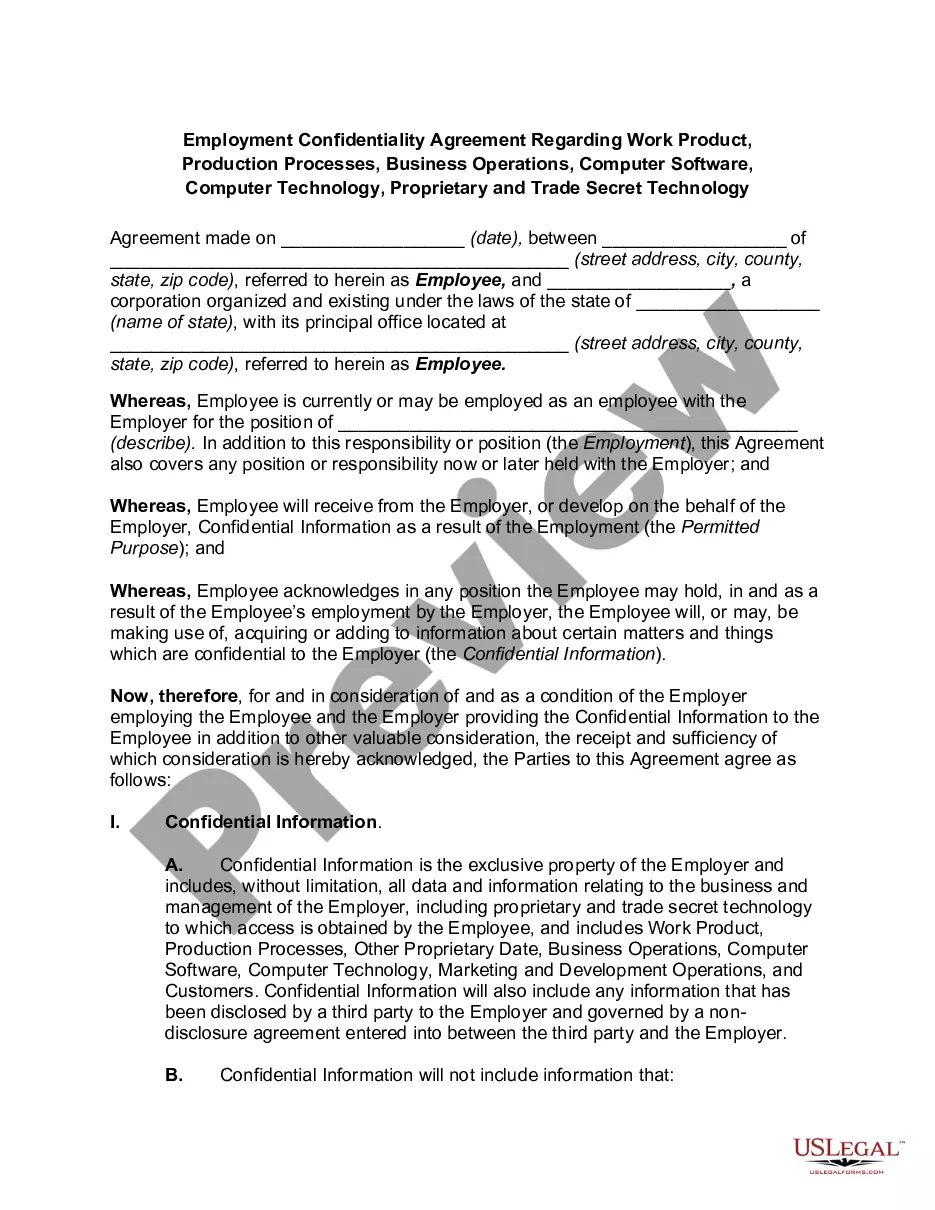
Rhode Island Agreement by Self-Employed Independent Contractor or Subcontractor Not to Bid Against Painting General Contractor
Description
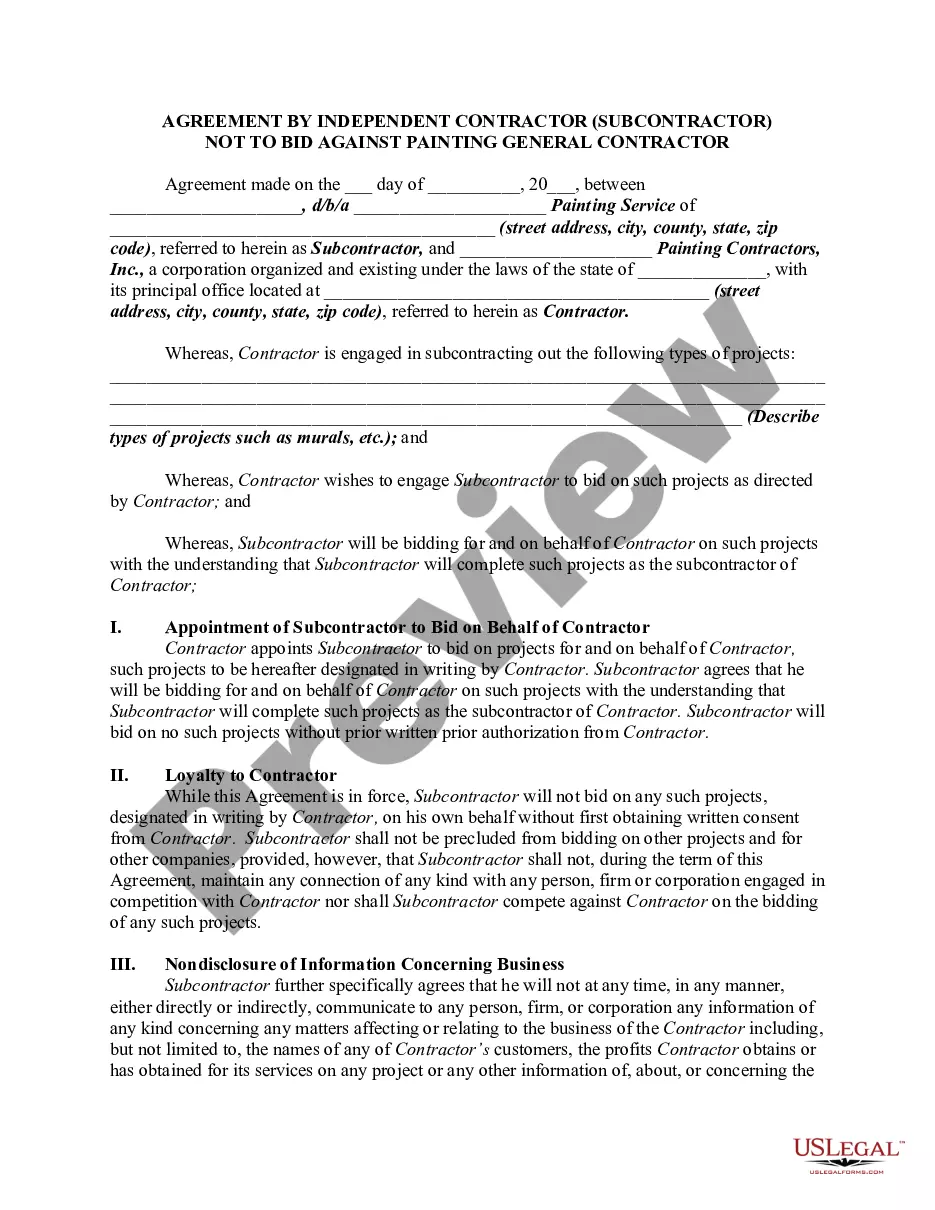
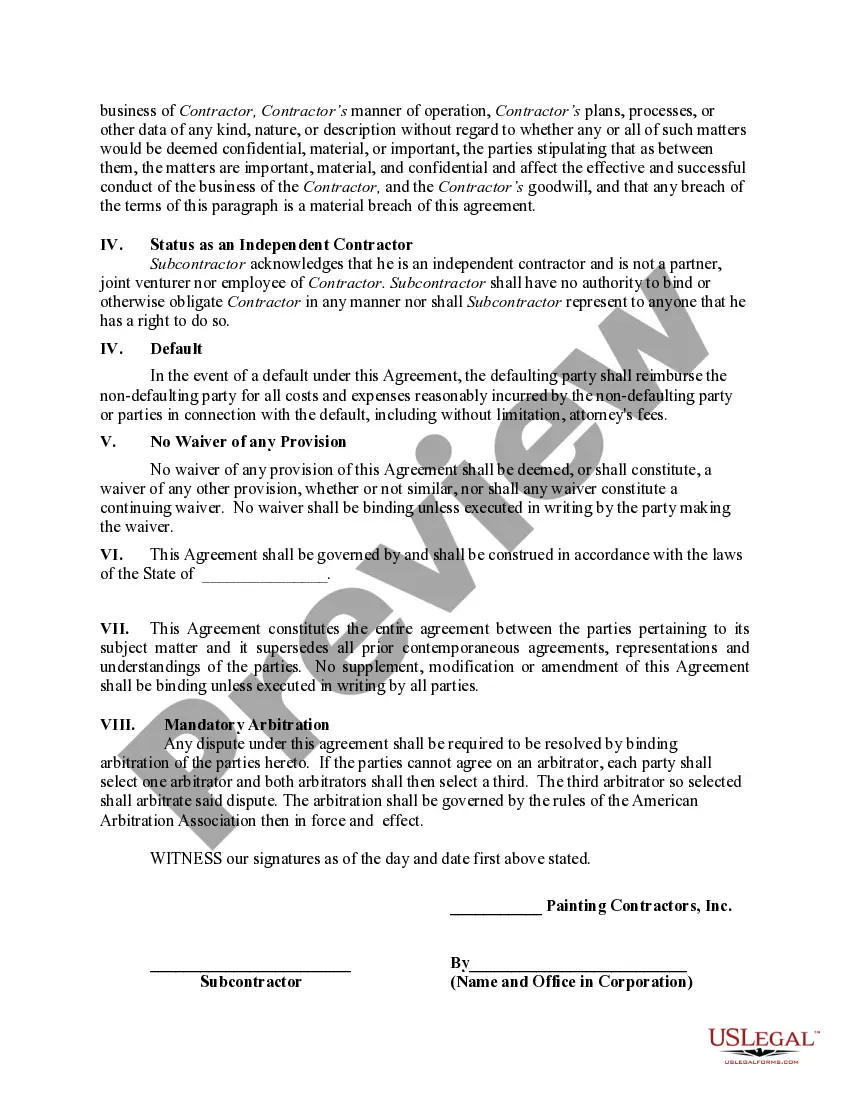
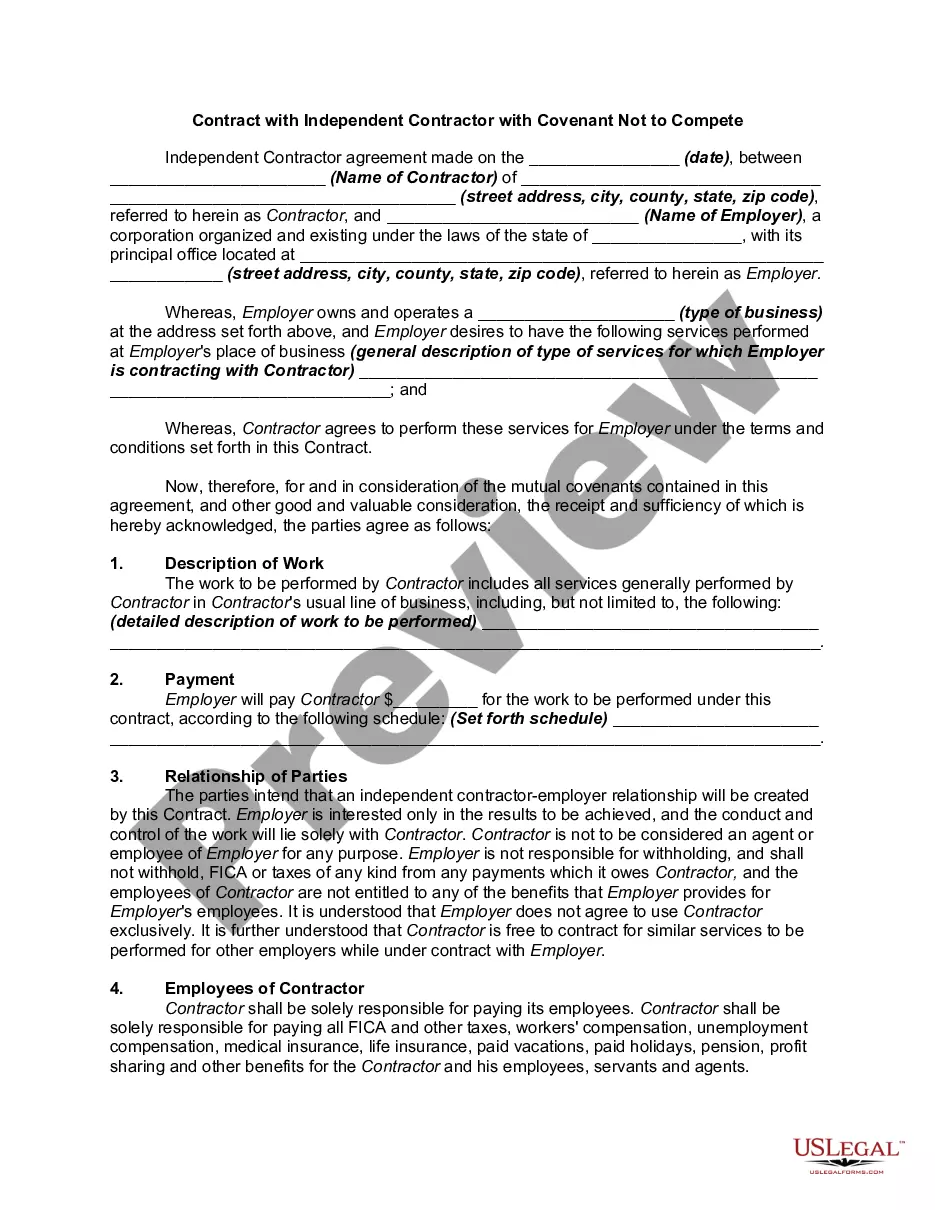
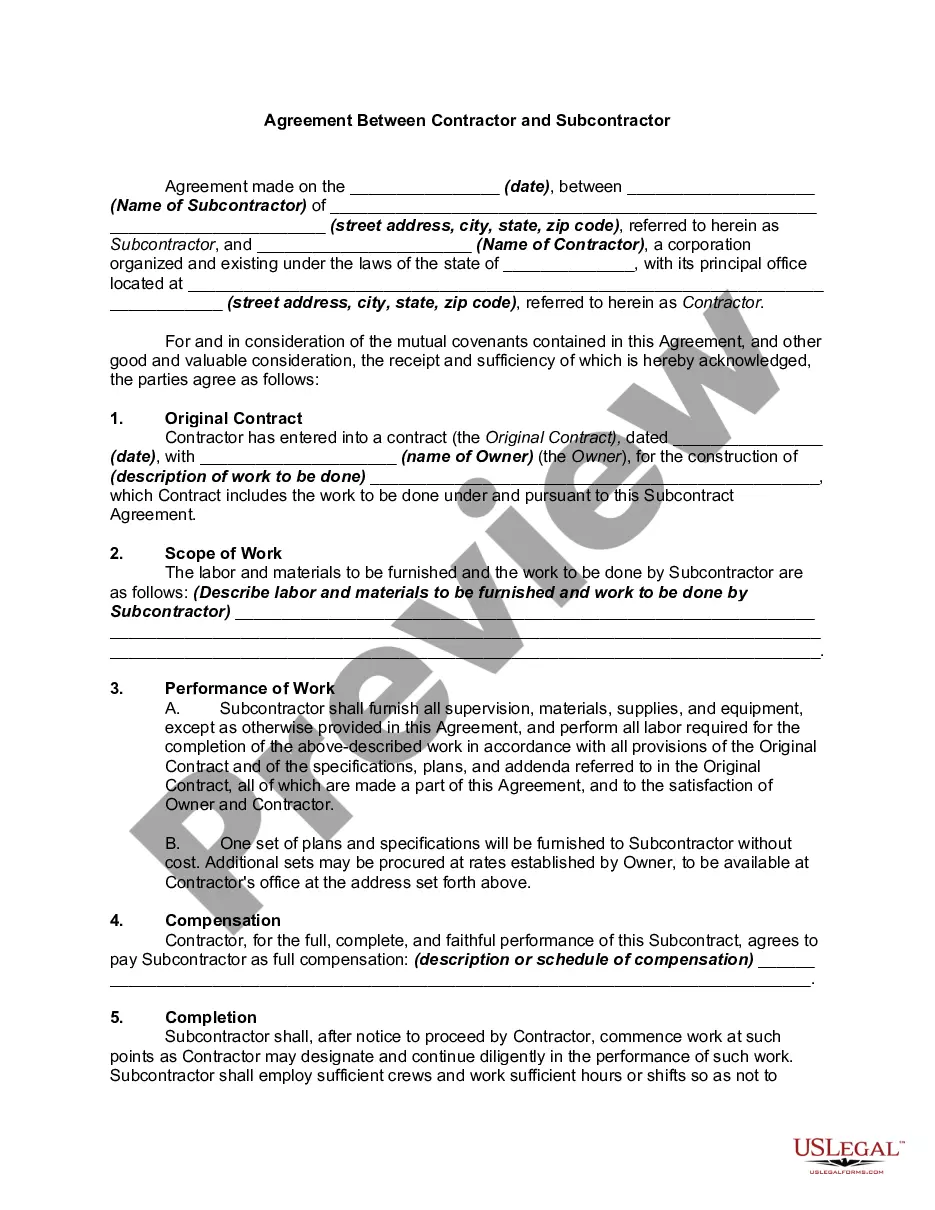
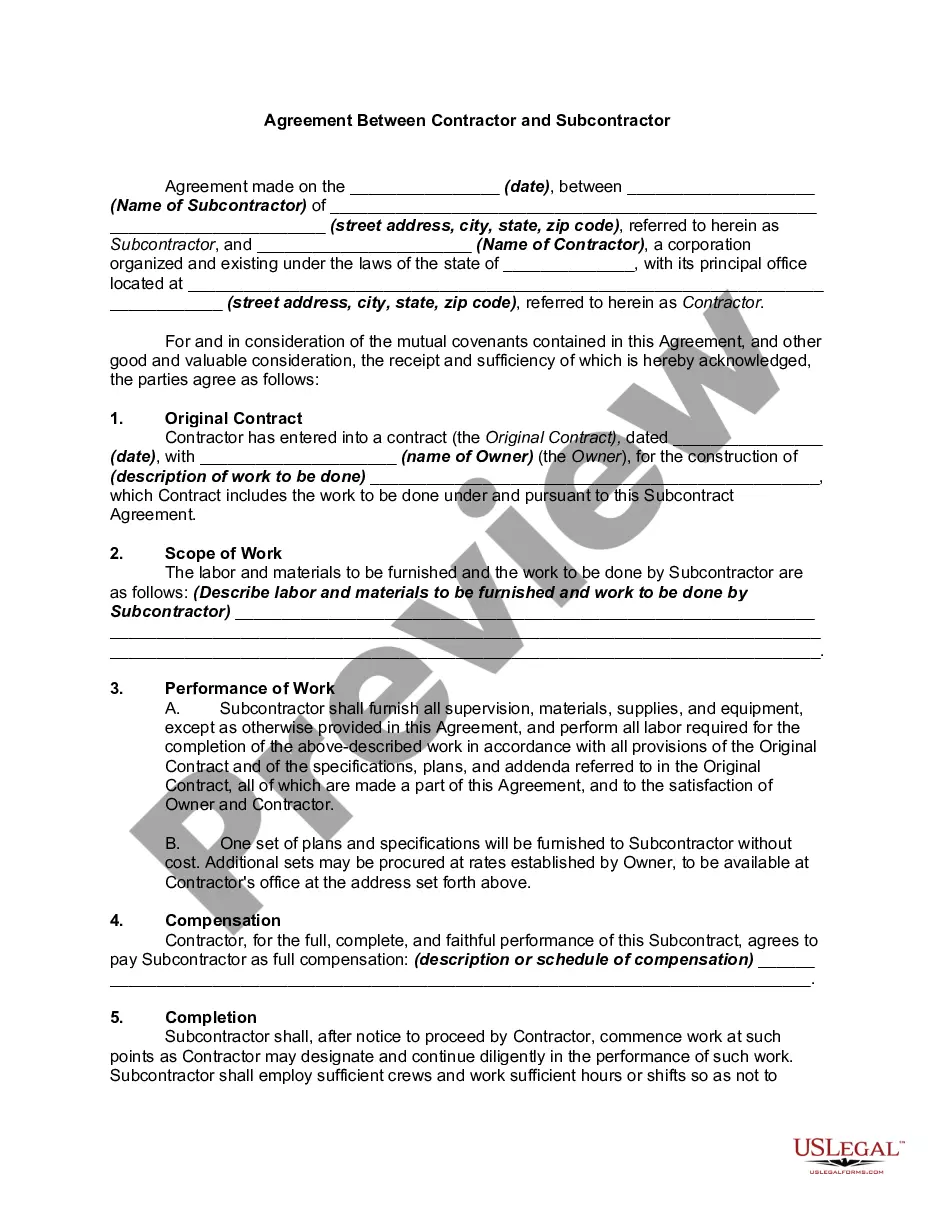
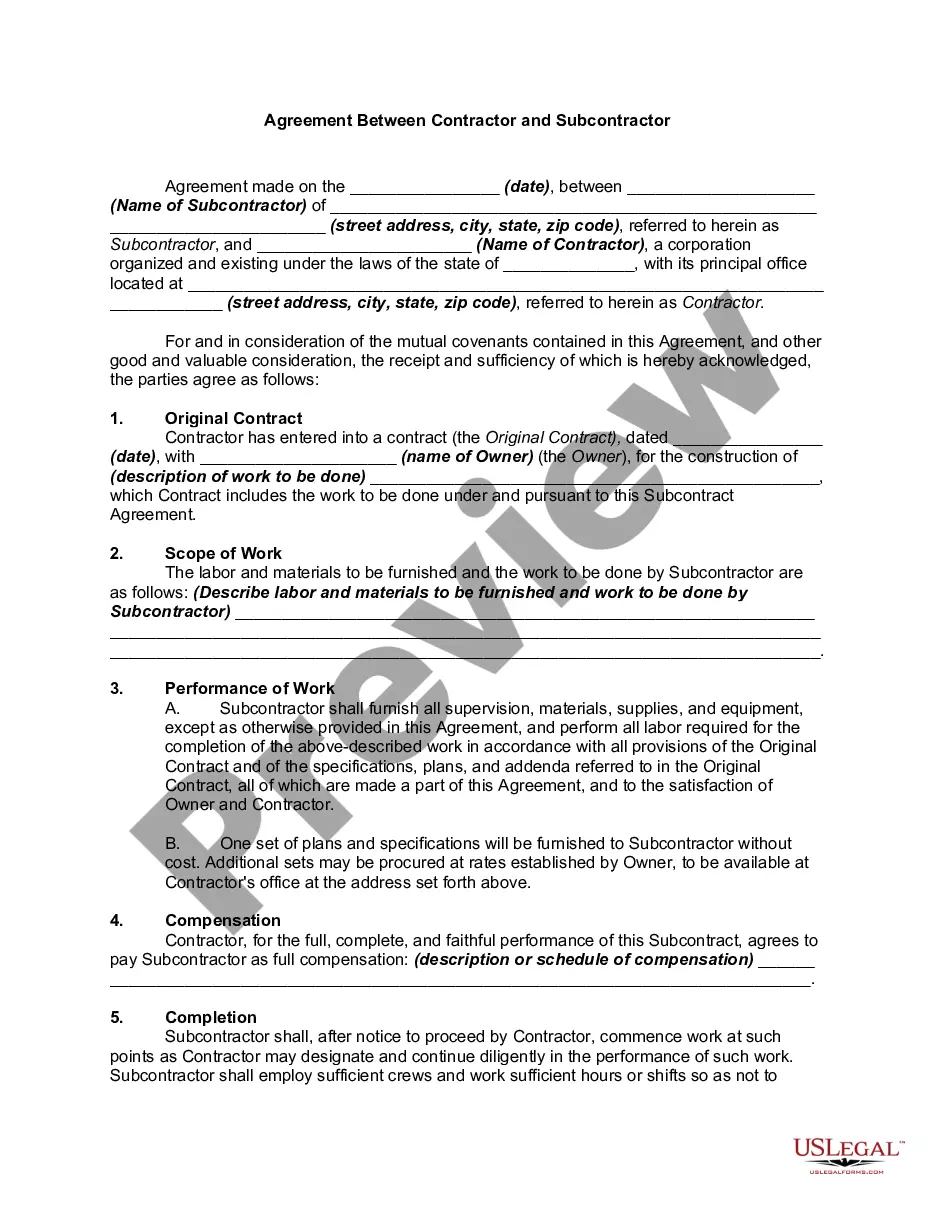
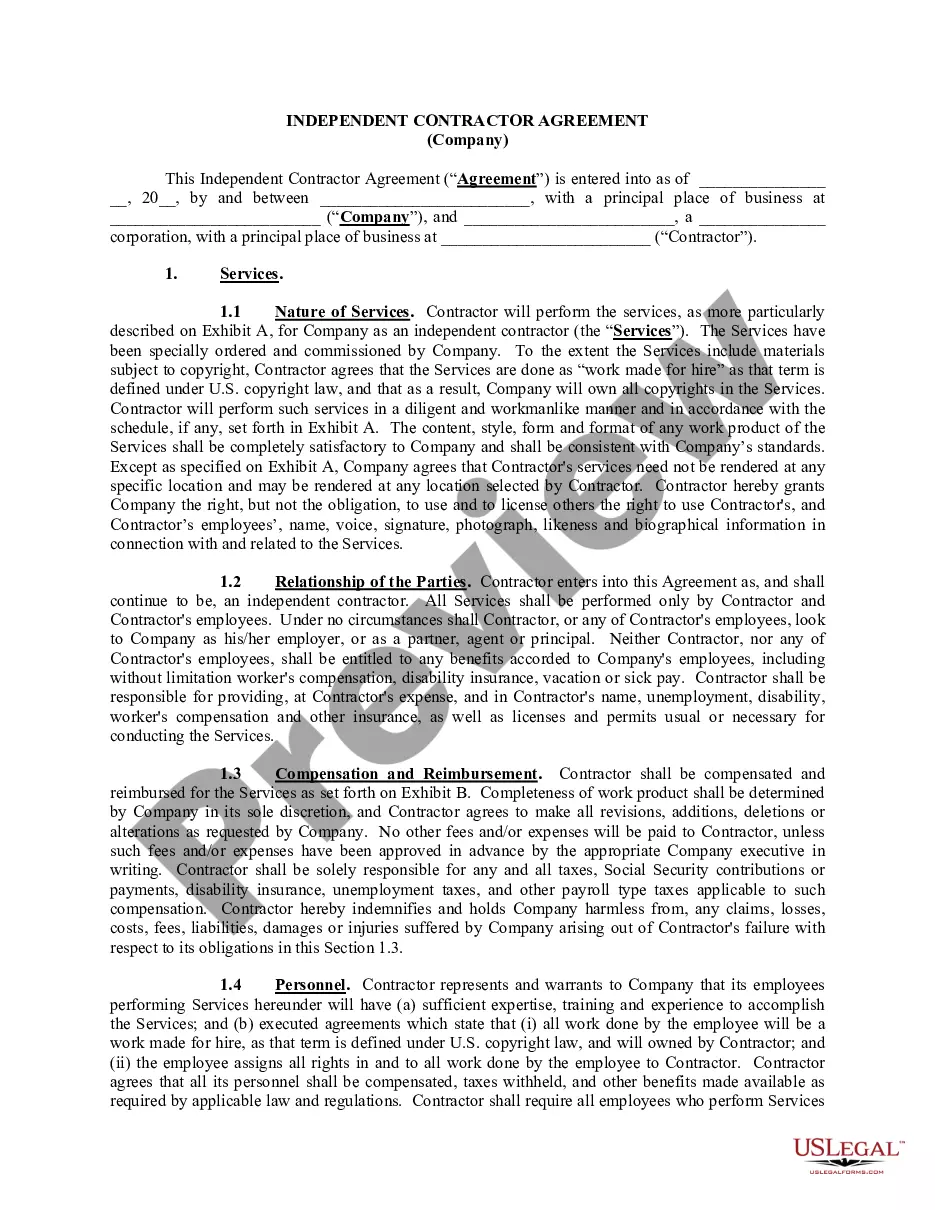
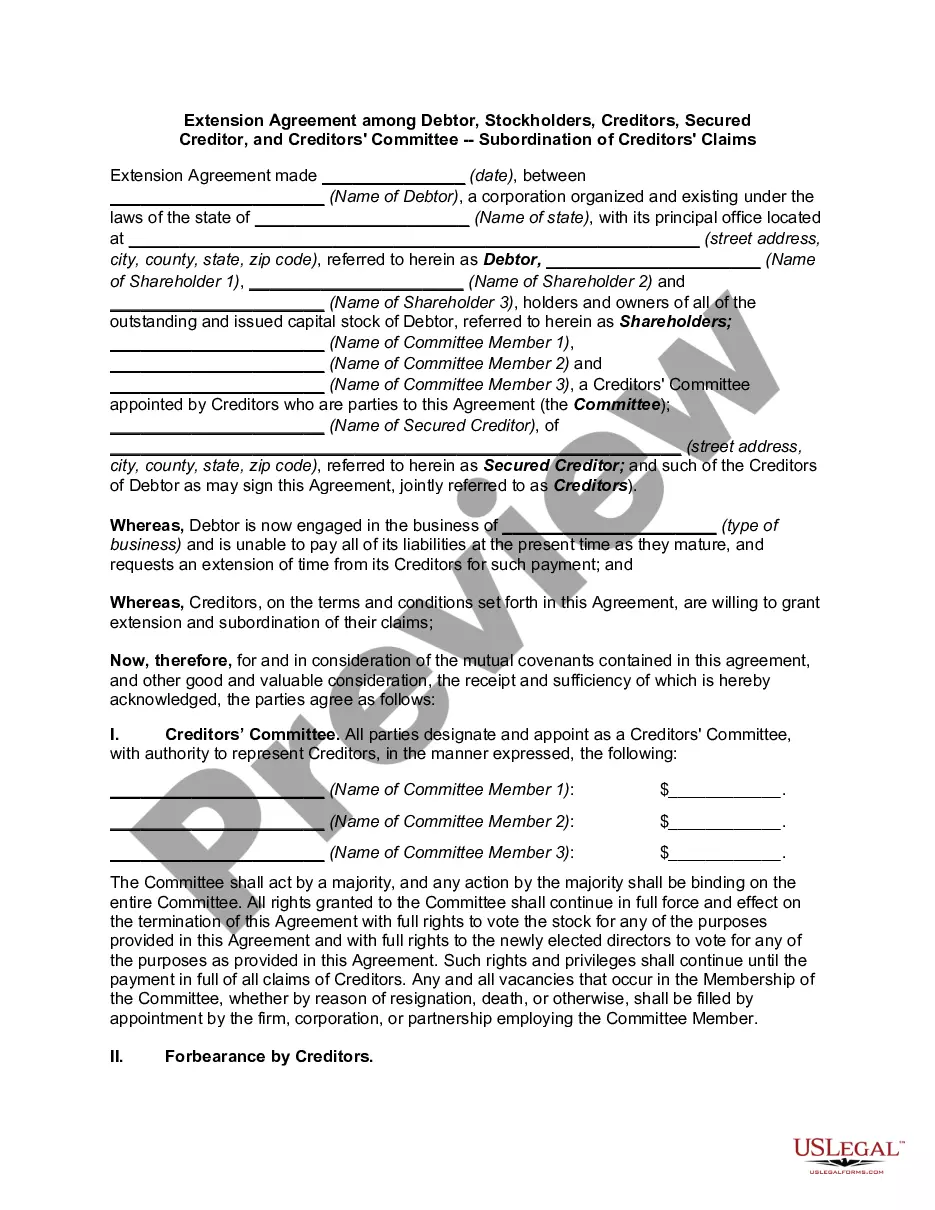


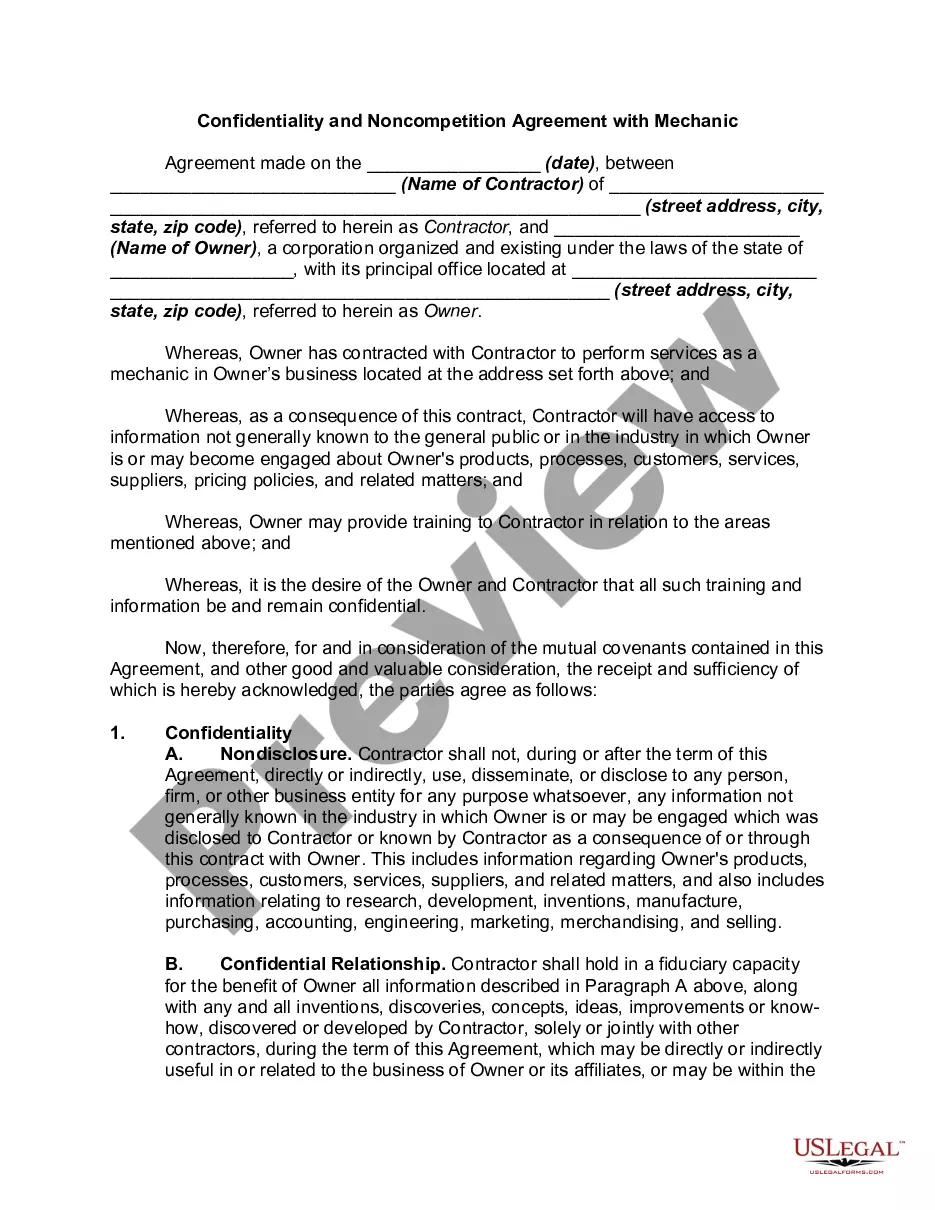
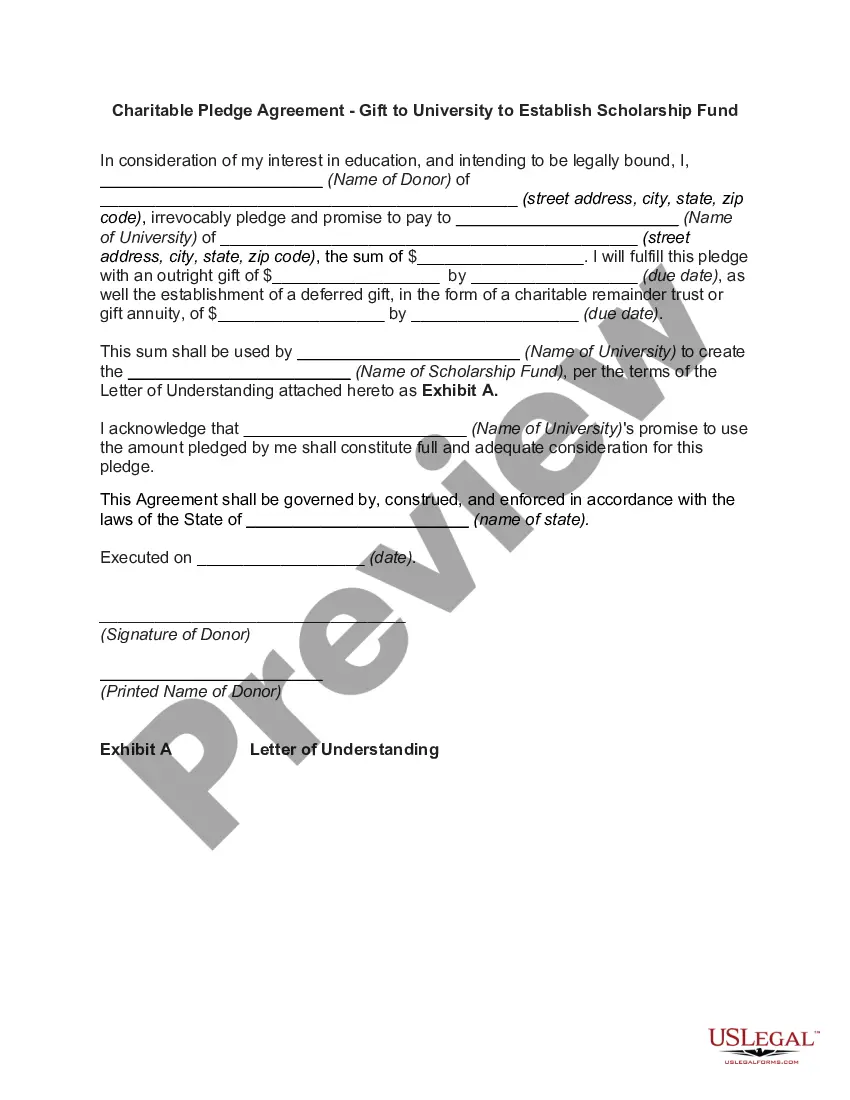

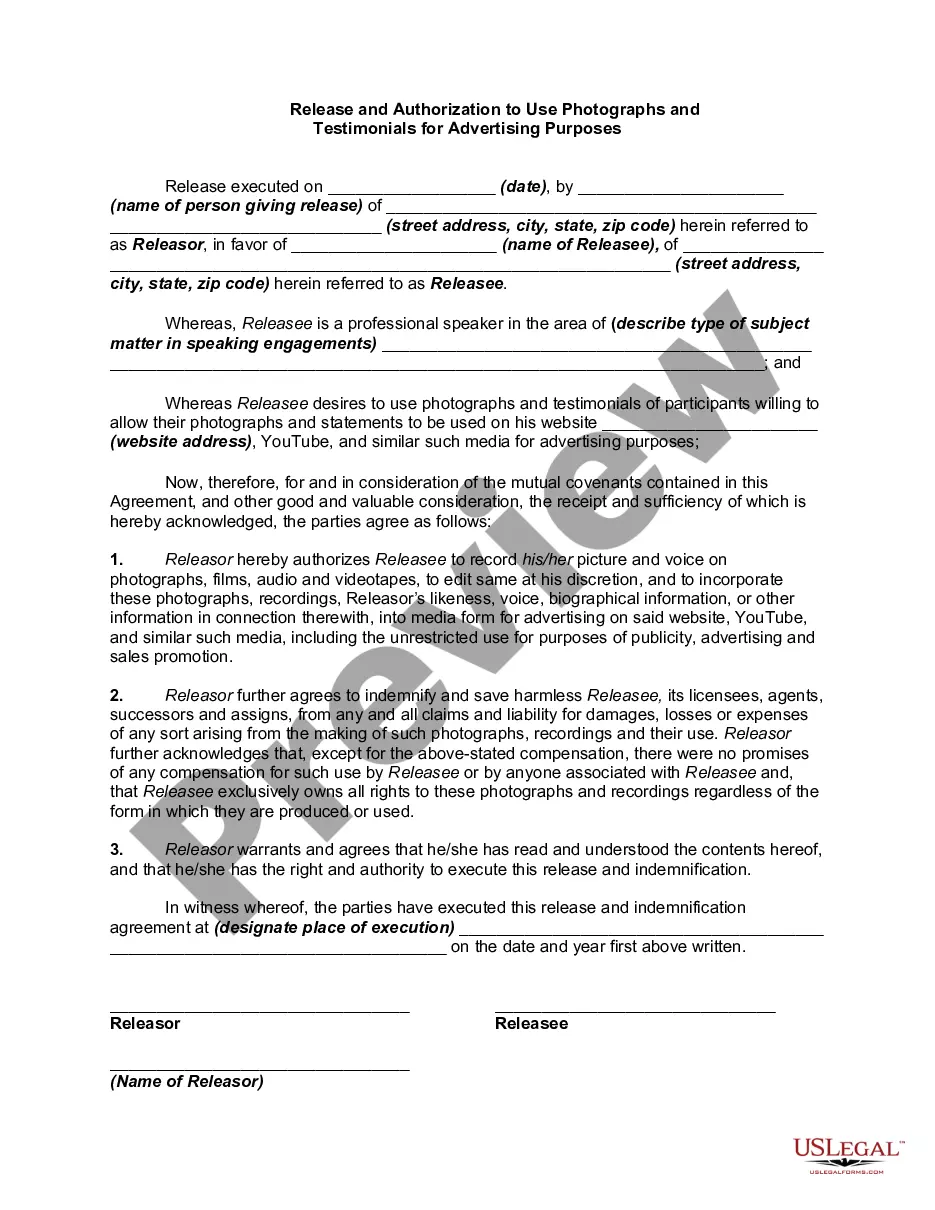
How to fill out Agreement By Self-Employed Independent Contractor Or Subcontractor Not To Bid Against Painting General Contractor?
Selecting the ideal authentic document template can be a challenge.
Clearly, there are numerous designs available online, but how can you find the correct template you are looking for.
Utilize the US Legal Forms website.
If you are a new user of US Legal Forms, follow these simple steps: First, ensure you have selected the correct form for your city/region. You can preview the form using the Review button and read the form description to confirm it is suitable for you. If the form does not meet your needs, use the Search box to find the correct form. Once you are certain that the form is correct, click the Get Now button to retrieve the form. Choose the pricing plan you prefer and enter the required information. Create your account and complete your purchase using your PayPal account or credit card. Select the document format and download the legal document template to your device. Finally, complete, edit, print, and sign the obtained Rhode Island Agreement by Self-Employed Independent Contractor or Subcontractor Not to Compete with Painting General Contractor. US Legal Forms is the largest collection of legal templates where you can discover an array of document formats. Use the service to obtain professionally crafted documents that adhere to state requirements.
- The service provides a vast array of templates, including the Rhode Island Agreement by Self-Employed Independent Contractor or Subcontractor Not to Compete with Painting General Contractor, which can be utilized for both business and personal purposes.
- All of the documents are reviewed by experts and comply with federal and state regulations.
- If you are already registered, Log In to your account and click the Obtain button to get the Rhode Island Agreement by Self-Employed Independent Contractor or Subcontractor Not to Compete with Painting General Contractor.
- Use your account to browse through the legal documents you have previously purchased.
- Navigate to the My documents section of your account and download another copy of the document you need.
Form popularity
FAQ
Yes, Rhode Island is a prevailing wage state. This means that when you enter into a Rhode Island Agreement by Self-Employed Independent Contractor or Subcontractor Not to Bid Against Painting General Contractor, you must adhere to specific wage standards set for public works projects. Understanding these requirements is crucial for compliance and fair compensation. Utilizing services like USLegalForms can help you navigate these regulations effectively.
Obtaining a contractor's license can vary greatly by state. Many consider California to be one of the most challenging states due to its strict requirements and comprehensive examination processes. In contrast, ensure you familiarize yourself with licensing requirements throughout the states where you operate, including the guidelines set forth in the Rhode Island Agreement by Self-Employed Independent Contractor or Subcontractor Not to Bid Against Painting General Contractor. Each state has its unique challenges, so thorough research is vital.
Starting a painting business in Washington State involves several important steps. First, you will want to create a business plan outlining your services, target market, and financial projections. Next, you will need to register your business and secure any required licenses, possibly similar to what you would do in a Rhode Island Agreement by Self-Employed Independent Contractor or Subcontractor Not to Bid Against Painting General Contractor. Researching local regulations is crucial to ensure that you meet all requirements for a successful launch.
Yes, if you plan to operate a business in Rhode Island, including contracting services, you will need a business license. This requirement stands for all contractors who engage through the Rhode Island Agreement by Self-Employed Independent Contractor or Subcontractor Not to Bid Against Painting General Contractor. Obtaining a license not only legitimizes your business but also protects you legally. You can find the necessary forms and information on licensing through local government websites.
In Rhode Island, installation labor is indeed taxable. This means that when you engage in a contractual agreement under the Rhode Island Agreement by Self-Employed Independent Contractor or Subcontractor Not to Bid Against Painting General Contractor, you must account for sales tax on installation services. It’s essential to stay informed on these regulations to ensure compliance and avoid any unexpected costs. Consider consulting legal forms to get proper agreements that reflect these tax obligations.
To check a contractor's license in Rhode Island, visit the state’s Department of Business Regulation website. There, you can search by the contractor's name or license number to find relevant information. This is particularly useful if you are considering entering into a Rhode Island Agreement by Self-Employed Independent Contractor or Subcontractor Not to Bid Against Painting General Contractor. Ensuring your contractor is properly licensed can save you from future disputes.
In Rhode Island, a contractor's license is indeed required for various trades, including construction and remodeling. This is a crucial step to ensure quality work and compliance with state laws. If you plan to work in scenarios governed by a Rhode Island Agreement by Self-Employed Independent Contractor or Subcontractor Not to Bid Against Painting General Contractor, having a valid contractor's license is imperative. It not only adds credibility but also safeguards your business.
Yes, Rhode Island requires a general contractor license for those looking to operate in the construction field. This license ensures that contractors meet all state regulations and adhere to safety standards. For those entering agreements, like a Rhode Island Agreement by Self-Employed Independent Contractor or Subcontractor Not to Bid Against Painting General Contractor, having the correct licensing is essential. It protects both the contractor and the client.
Yes, you need a license to paint in Rhode Island. Painters must meet specific requirements set by the state, including registration and possible certification. Not having a proper license can lead to legal issues, especially when working under a Rhode Island Agreement by Self-Employed Independent Contractor or Subcontractor Not to Bid Against Painting General Contractor. Therefore, ensure you are properly licensed before taking on painting contracts.
Starting a painting business in Rhode Island requires a strategic approach. Begin by crafting a solid business plan that outlines your niche, target market, and financial projections. Familiarize yourself with the Rhode Island Agreement by Self-Employed Independent Contractor or Subcontractor Not to Bid Against Painting General Contractor to streamline your contracts and project management. Consider utilizing platforms like uslegalforms to access templates and resources that simplify the legal aspects of your business.