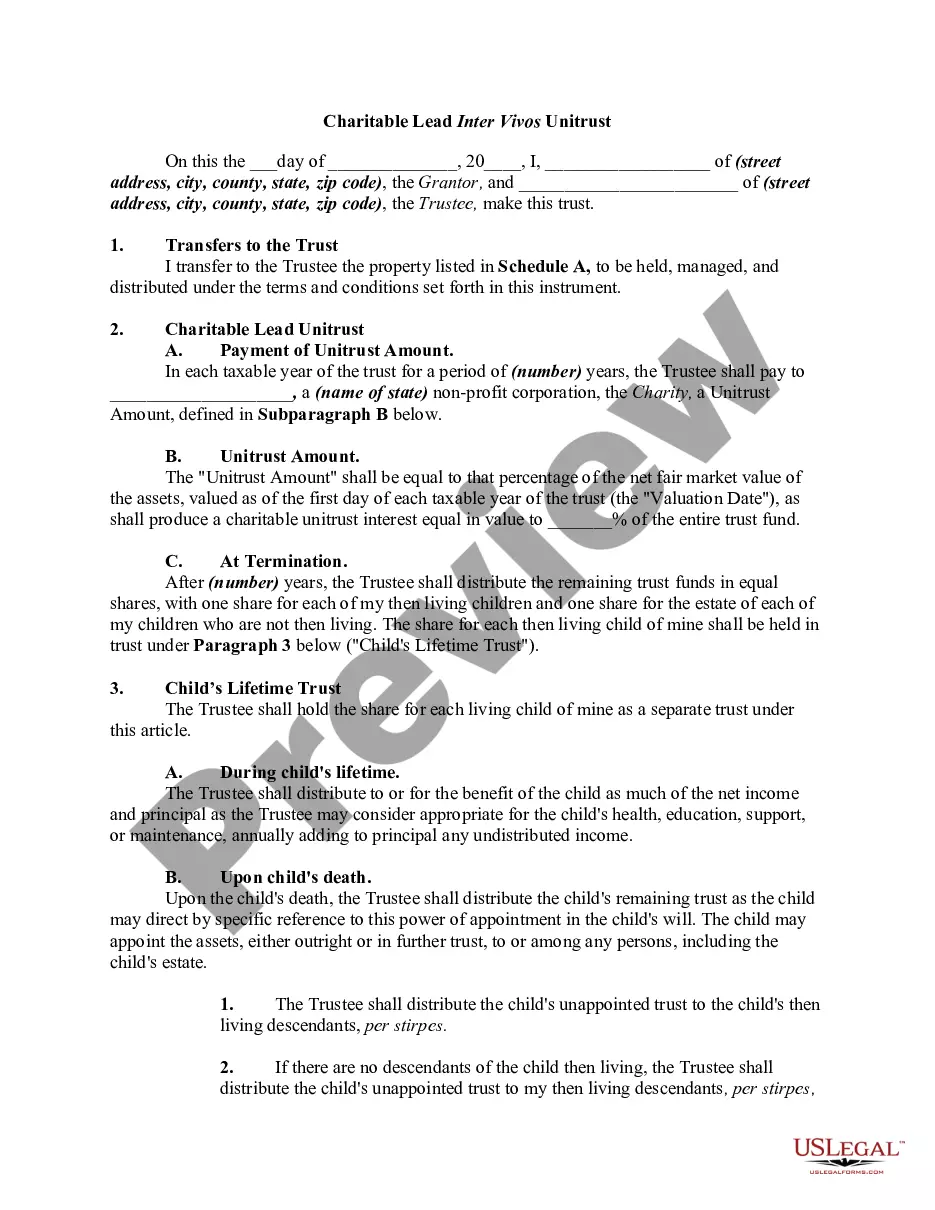
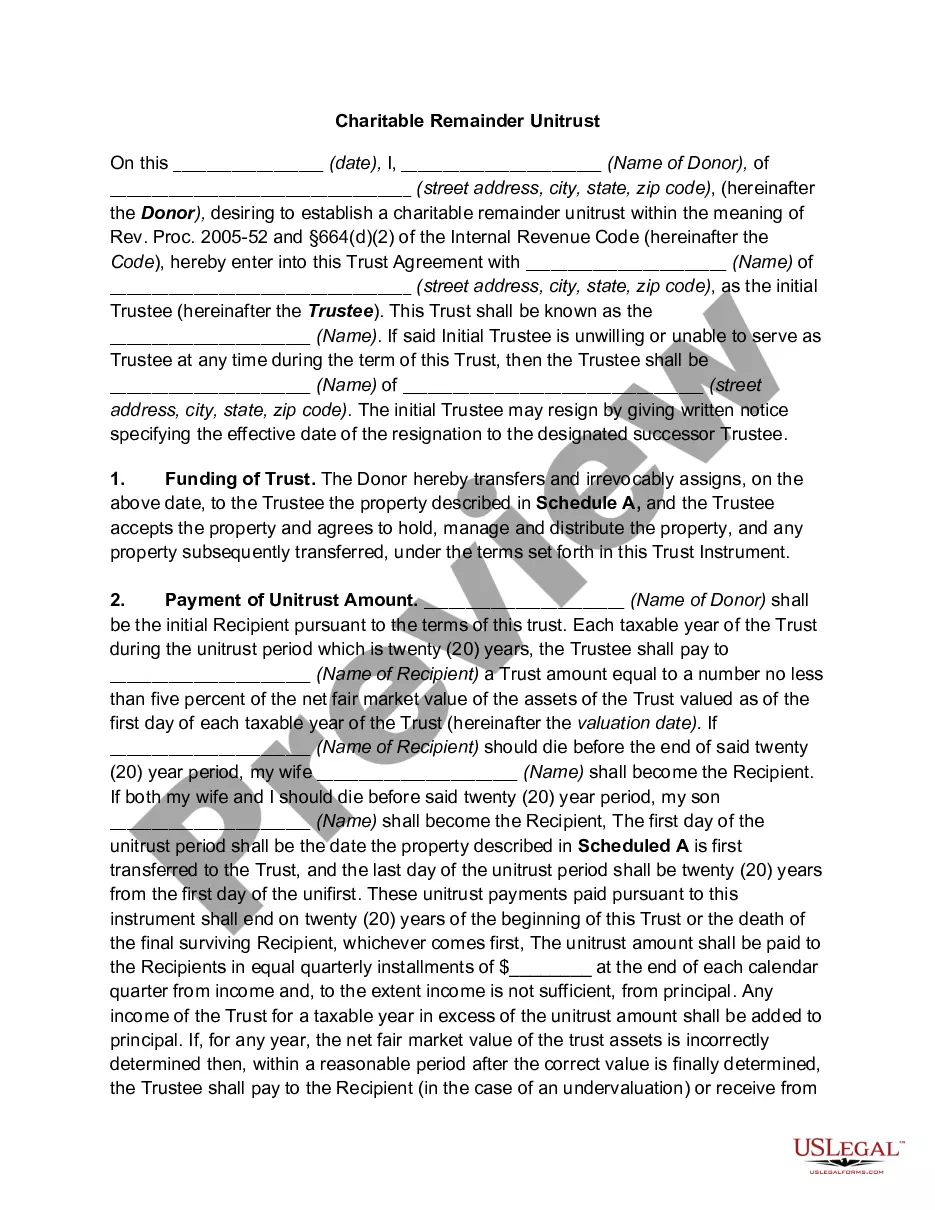
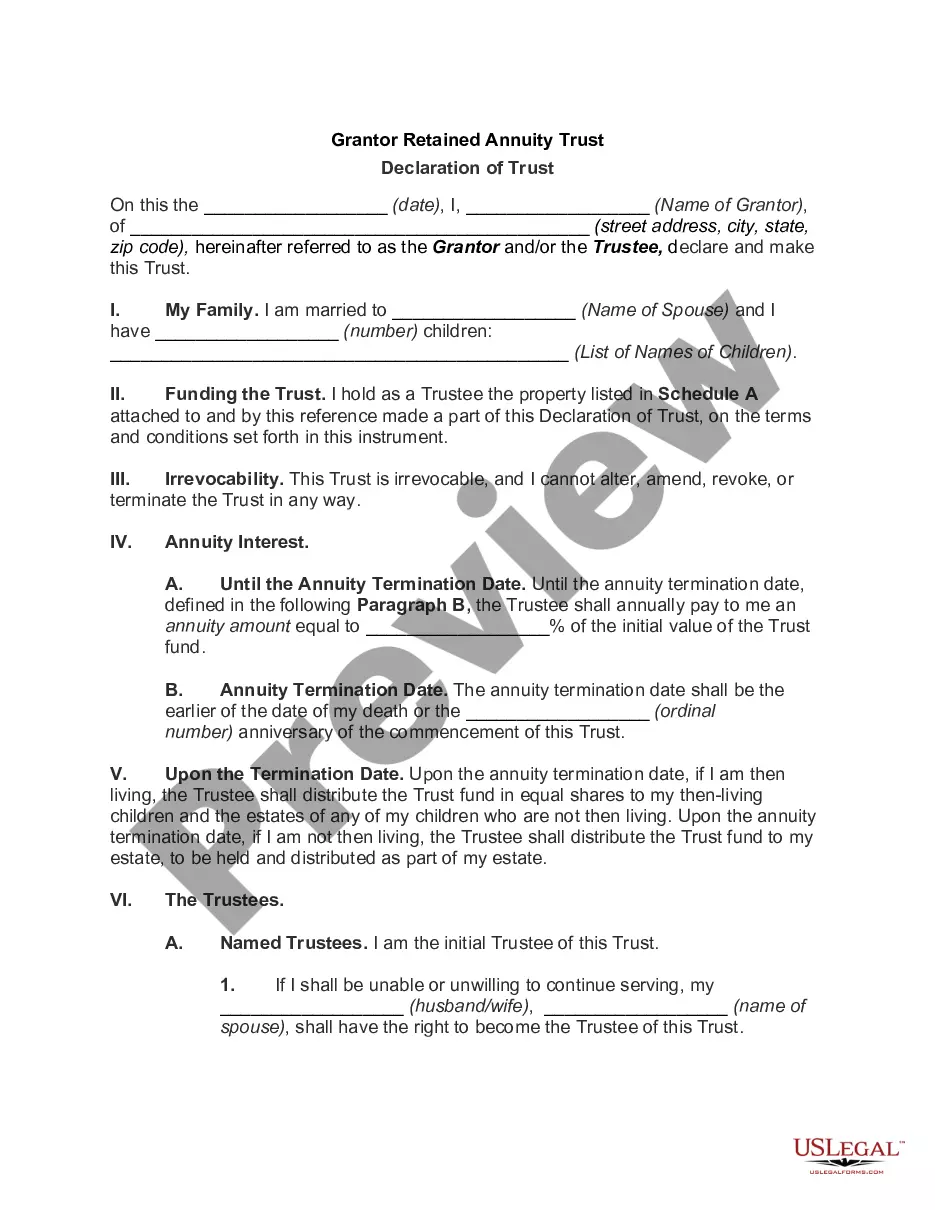
Rhode Island Charitable Remainder Inter Vivos Annuity Trust
Description
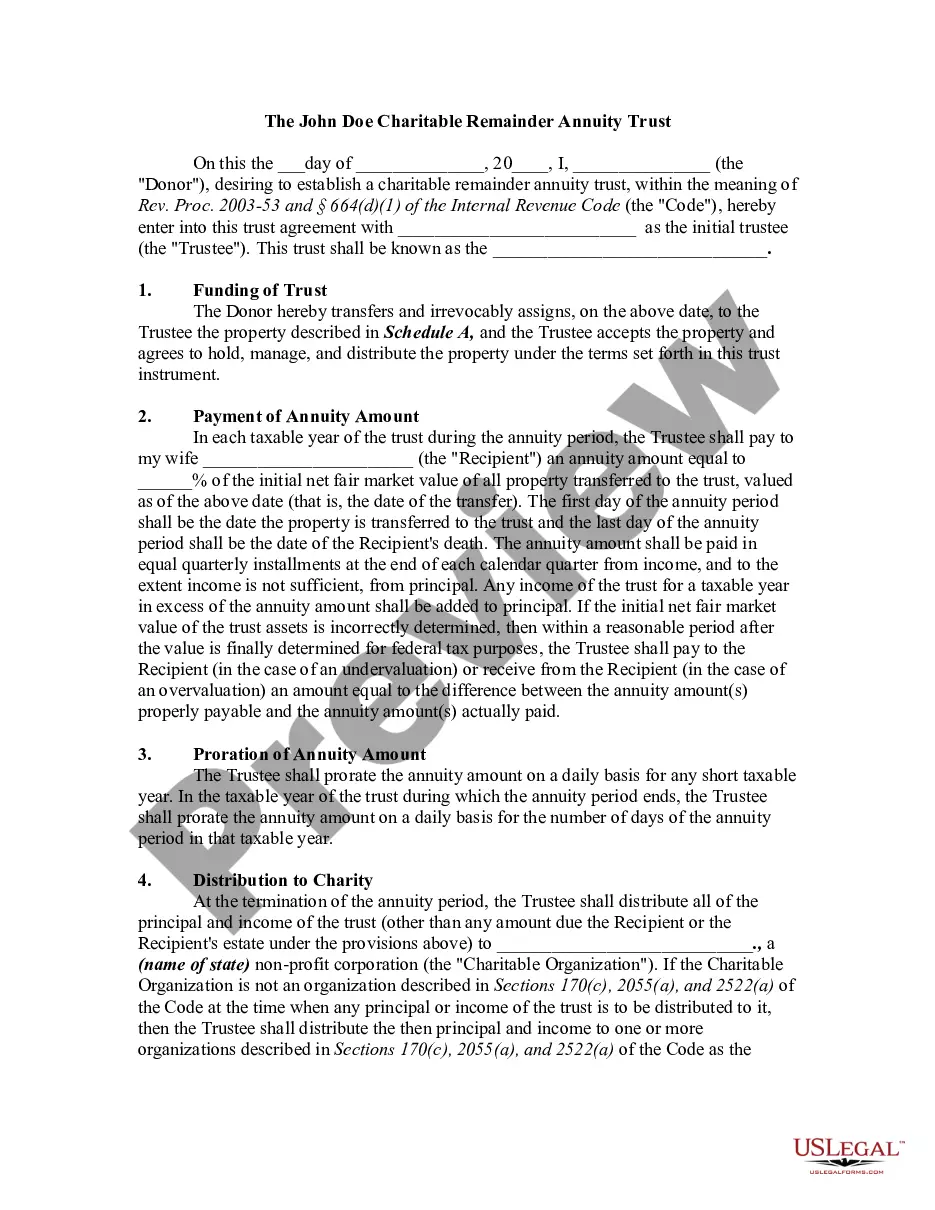
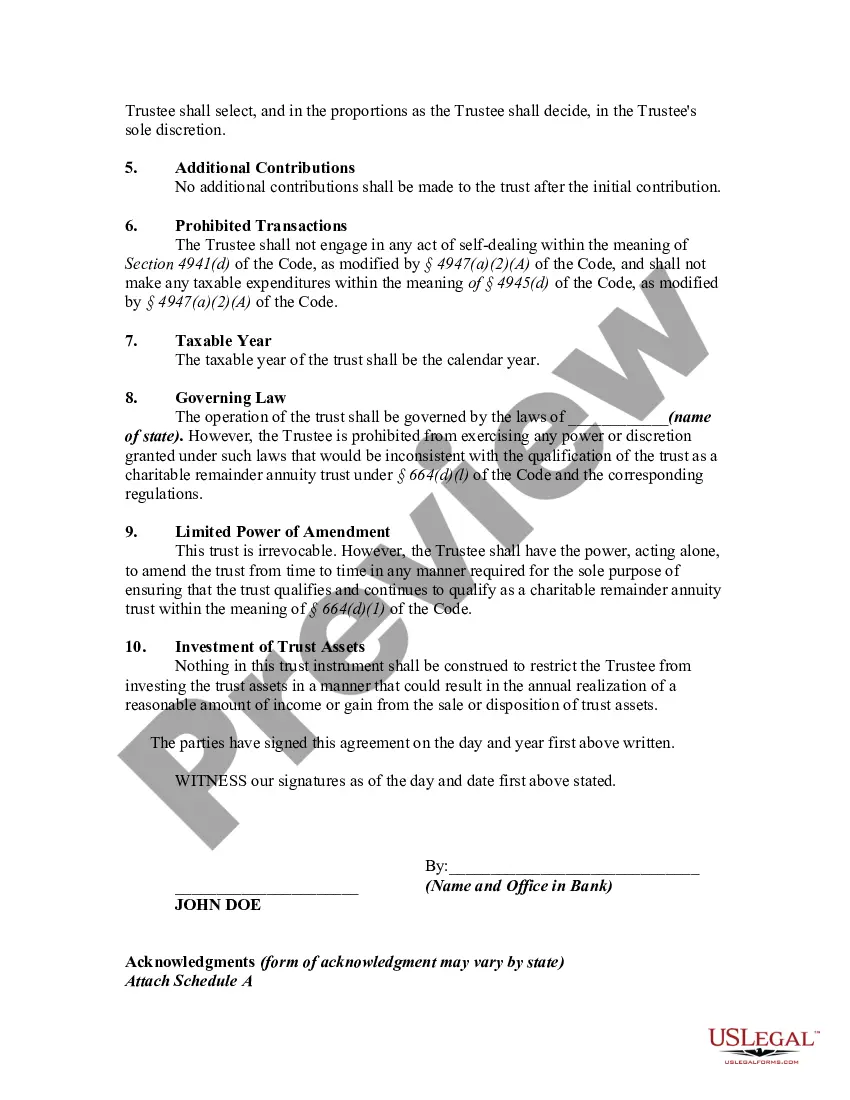
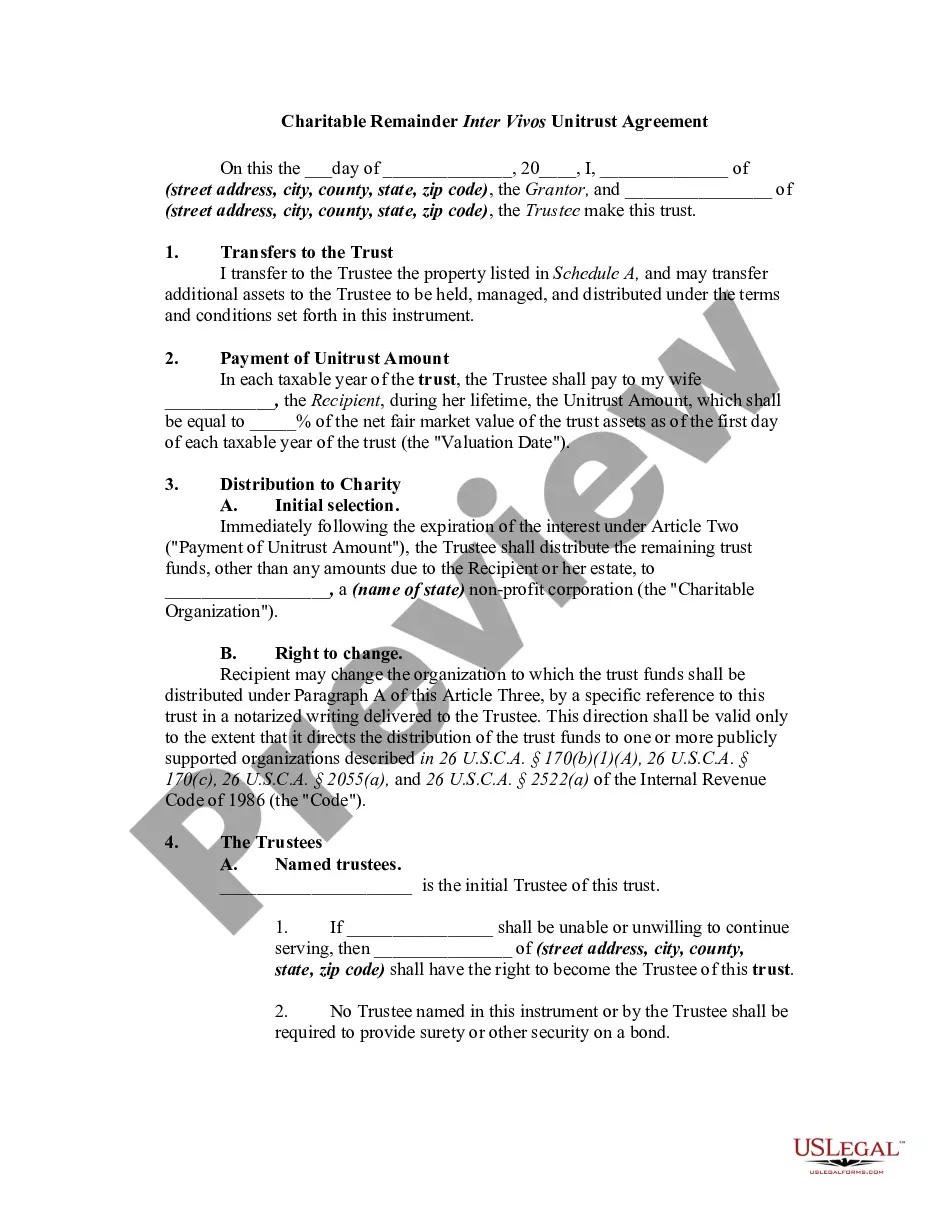
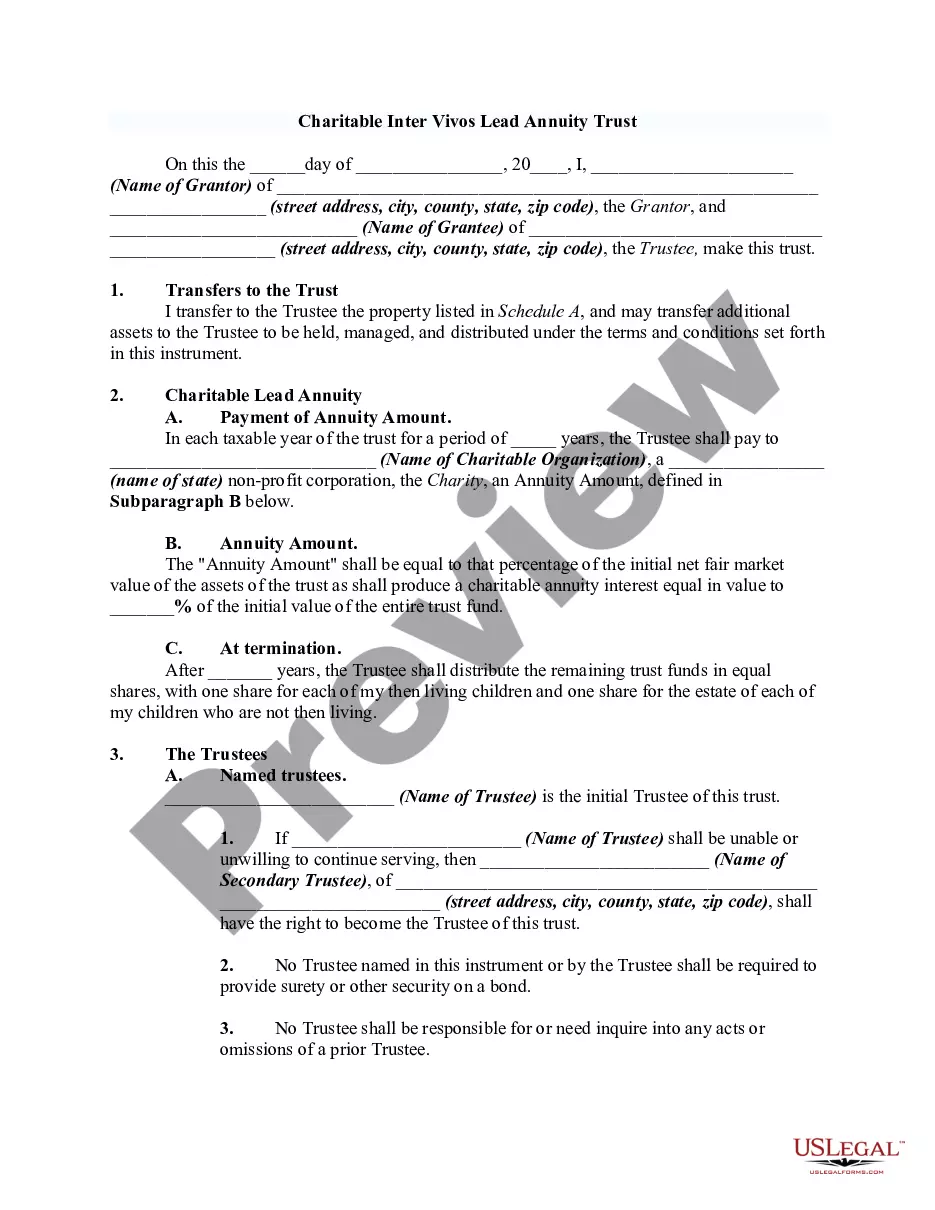
Get your form ready online
Our built-in tools help you complete, sign, share, and store your documents in one place.
Make edits, fill in missing information, and update formatting in US Legal Forms—just like you would in MS Word.
Download a copy, print it, send it by email, or mail it via USPS—whatever works best for your next step.
Sign and collect signatures with our SignNow integration. Send to multiple recipients, set reminders, and more. Go Premium to unlock E-Sign.
If this form requires notarization, complete it online through a secure video call—no need to meet a notary in person or wait for an appointment.
We protect your documents and personal data by following strict security and privacy standards.

Make edits, fill in missing information, and update formatting in US Legal Forms—just like you would in MS Word.

Download a copy, print it, send it by email, or mail it via USPS—whatever works best for your next step.

Sign and collect signatures with our SignNow integration. Send to multiple recipients, set reminders, and more. Go Premium to unlock E-Sign.

If this form requires notarization, complete it online through a secure video call—no need to meet a notary in person or wait for an appointment.

We protect your documents and personal data by following strict security and privacy standards.
Looking for another form?







How to fill out Charitable Remainder Inter Vivos Annuity Trust?
If you wish to finalize, acquire, or print legal document templates, utilize US Legal Forms, the largest collection of legal forms available online.
Take advantage of the site’s user-friendly and convenient search to find the documents you require.
A wide array of templates for business and personal purposes are categorized by groups and states, or keywords.
Step 4. Once you have located the form you need, click the Purchase now button. Select the payment plan you prefer and enter your credentials to register for an account.
Step 5. Complete the transaction. You may use your credit card or PayPal account to finalize the purchase.
- Utilize US Legal Forms to obtain the Rhode Island Charitable Remainder Inter Vivos Annuity Trust with just a few clicks.
- If you are already a US Legal Forms user, Log In to your account and then click the Download button to access the Rhode Island Charitable Remainder Inter Vivos Annuity Trust.
- You can also access forms you previously downloaded in the My documents tab of your account.
- If you are utilizing US Legal Forms for the first time, follow the steps outlined below.
- Step 1. Ensure you have selected the form for your specific city/region.
- Step 2. Utilize the Review button to examine the form’s details. Do not forget to read the information carefully.
- Step 3. If you are not satisfied with the document, use the Search field at the top of the screen to find other types of the legal document format.
Form popularity
FAQ
Some pitfalls include the complexity of managing the trust and potential tax implications related to distributions. The Rhode Island Charitable Remainder Inter Vivos Annuity Trust may require ongoing maintenance and administrative tasks. Proper planning and professional guidance can help you navigate these challenges effectively.
One common misconception is that charitable remainder trusts guarantee complete market value growth. While they do offer tax advantages and provide a steady income stream, actual growth depends on the performance of the assets within the Rhode Island Charitable Remainder Inter Vivos Annuity Trust. Always consider potential market risks when establishing a trust.
To set up a Rhode Island Charitable Remainder Inter Vivos Annuity Trust, you need to start with a clear intention of your charitable goals. Working with a legal advisor or a financial planner can streamline the process. You will draft the trust document, fund it with your chosen assets, and designate a charity recipient while ensuring compliance with Rhode Island laws.
Generally, once a Rhode Island Charitable Remainder Inter Vivos Annuity Trust is established, you cannot add assets to it. However, you can create a new trust for additional donations. It's essential to carefully prepare your initial trust and consider future contributions to maximize your charitable impact.
The main difference lies in their structure and tax implications. A charitable gift annuity provides a fixed payment to the donor for life and is backed by the organization’s assets, while a Rhode Island Charitable Remainder Inter Vivos Annuity Trust can have multiple beneficiaries and allow for a more flexible asset allocation. The trust also provides a larger charitable deduction upfront compared to a gift annuity.
A common example of a charitable remainder trust is a donation of appreciated stock to a Rhode Island Charitable Remainder Inter Vivos Annuity Trust. In this scenario, the trust sells the stock, avoiding capital gains tax. The donor receives an income stream, usually a fixed amount, for a specified period of time before the remaining assets go to a designated charity.
To set up a Rhode Island Charitable Remainder Inter Vivos Annuity Trust, you should first consult a legal expert who specializes in estate planning and trusts. They will guide you through the necessary steps, including drafting the trust document, selecting a trustee, and determining the beneficiaries. Once established, you can transfer assets into the trust, ensuring that it matches your philanthropic goals and financial strategy.
When considering the Rhode Island Charitable Remainder Inter Vivos Annuity Trust, one must be aware of potential downsides. First, establishing this trust involves legal fees, ongoing management costs, and possibly taxes when assets are sold. Additionally, once you set up the trust, you relinquish control over the assets, which may not align with your future financial needs or changes in family circumstances.
The 5 by 5 rule in a Crummey trust allows beneficiaries to withdraw up to the greater of $5,000 or 5% of the trust’s value each year without losing their annual gift tax exclusion. This feature provides flexibility and control to beneficiaries, allowing them to access part of their trust's assets annually. When planning a Rhode Island Charitable Remainder Inter Vivos Annuity Trust, understanding rules like the 5 by 5 can help maximize benefits while minimizing tax implications.
The 7520 rate is an interest rate published monthly by the IRS and used to calculate the present value of future payments from a Charitable Remainder Trust (CRT). This rate affects the deduction a donor receives for their charitable contribution when setting up a CRT. Understanding the 7520 rate is essential for those considering a Rhode Island Charitable Remainder Inter Vivos Annuity Trust, as it can directly influence the financial benefits of the contribution.