Rhode Island Letter from Tenant to Landlord - Utility shut off notice to landlord due to tenant vacating premises
Overview of this form
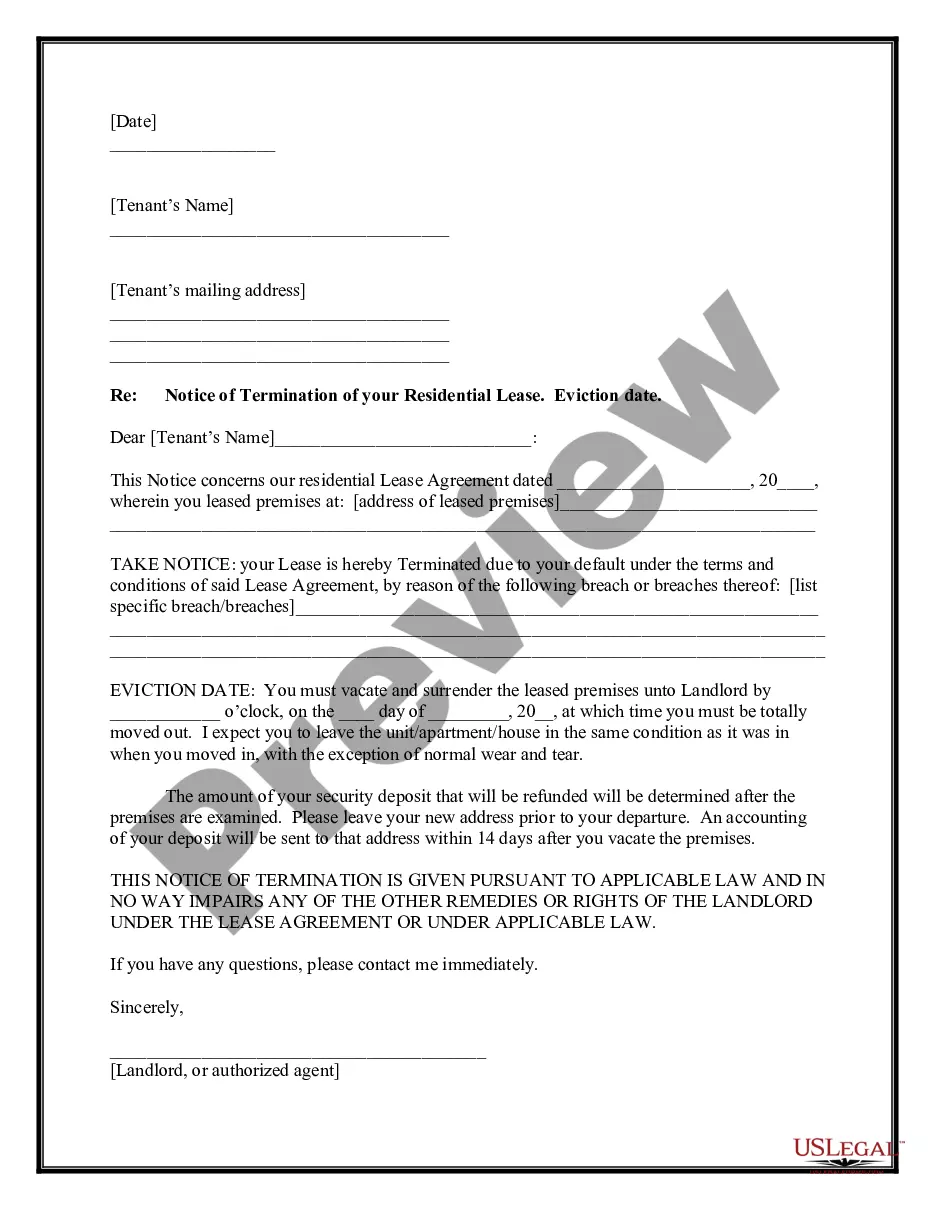
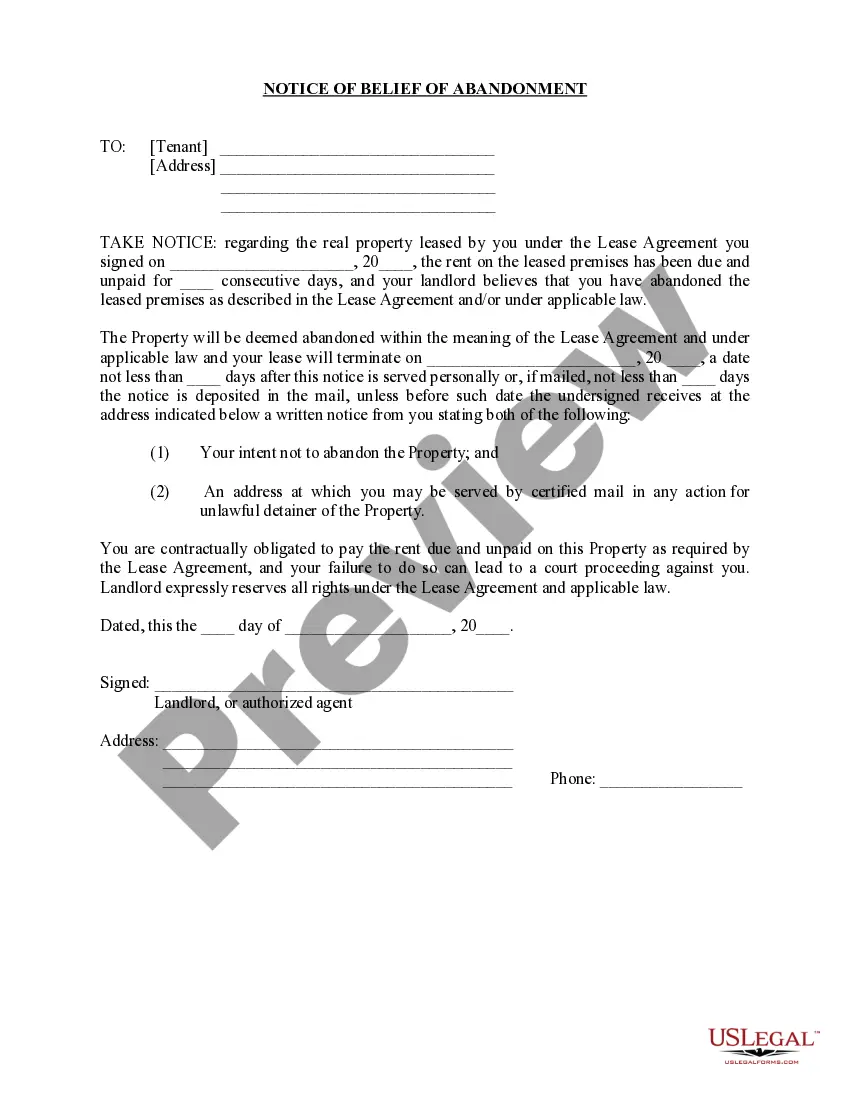
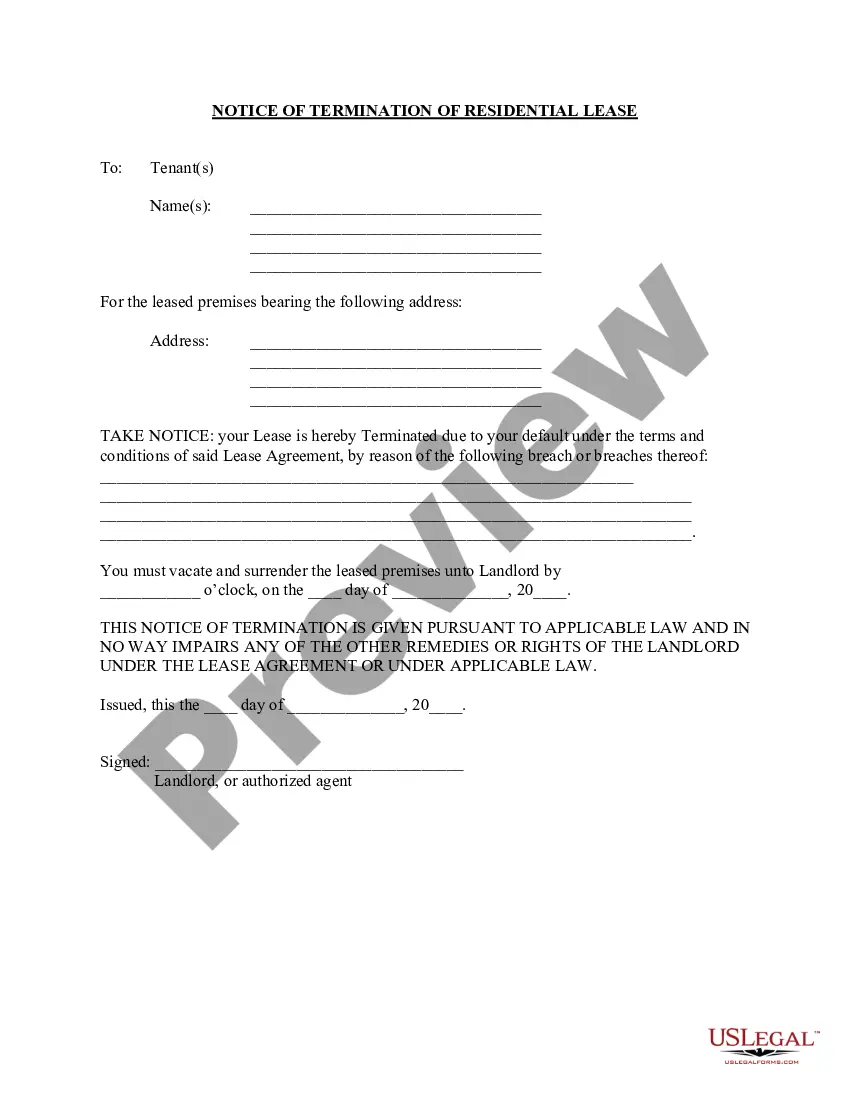
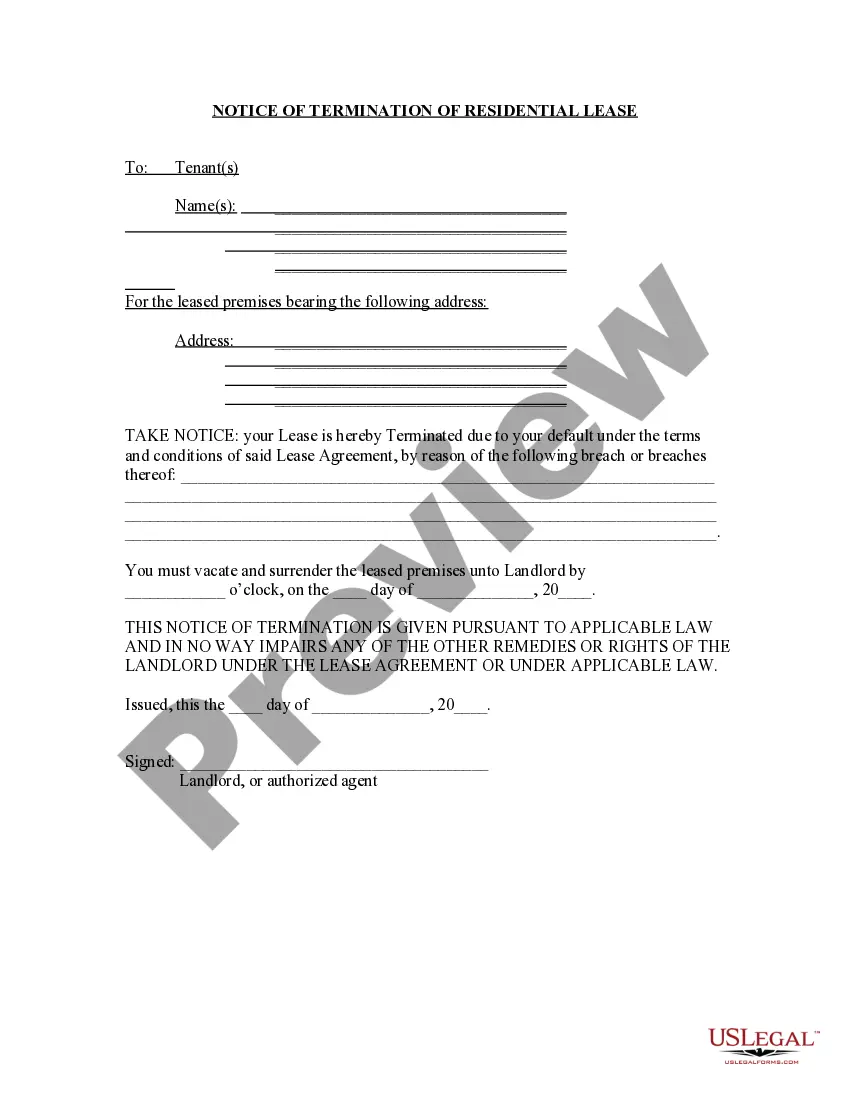
This form is a notification letter from a tenant to a landlord regarding the shutdown of utilities due to the tenant vacating the premises. It establishes the tenant's intent to stop utility services, complying with the lease agreement and state laws. This letter serves as a formal declaration that the tenant will not be responsible for utility charges once they leave the property, distinguishing it from other termination notices or lease-related documents.
Key components of this form
- Identifying information for both tenant and landlord
- Statement of intent to shut off utilities
- Reference to the lease agreement
- Date of vacating the premises
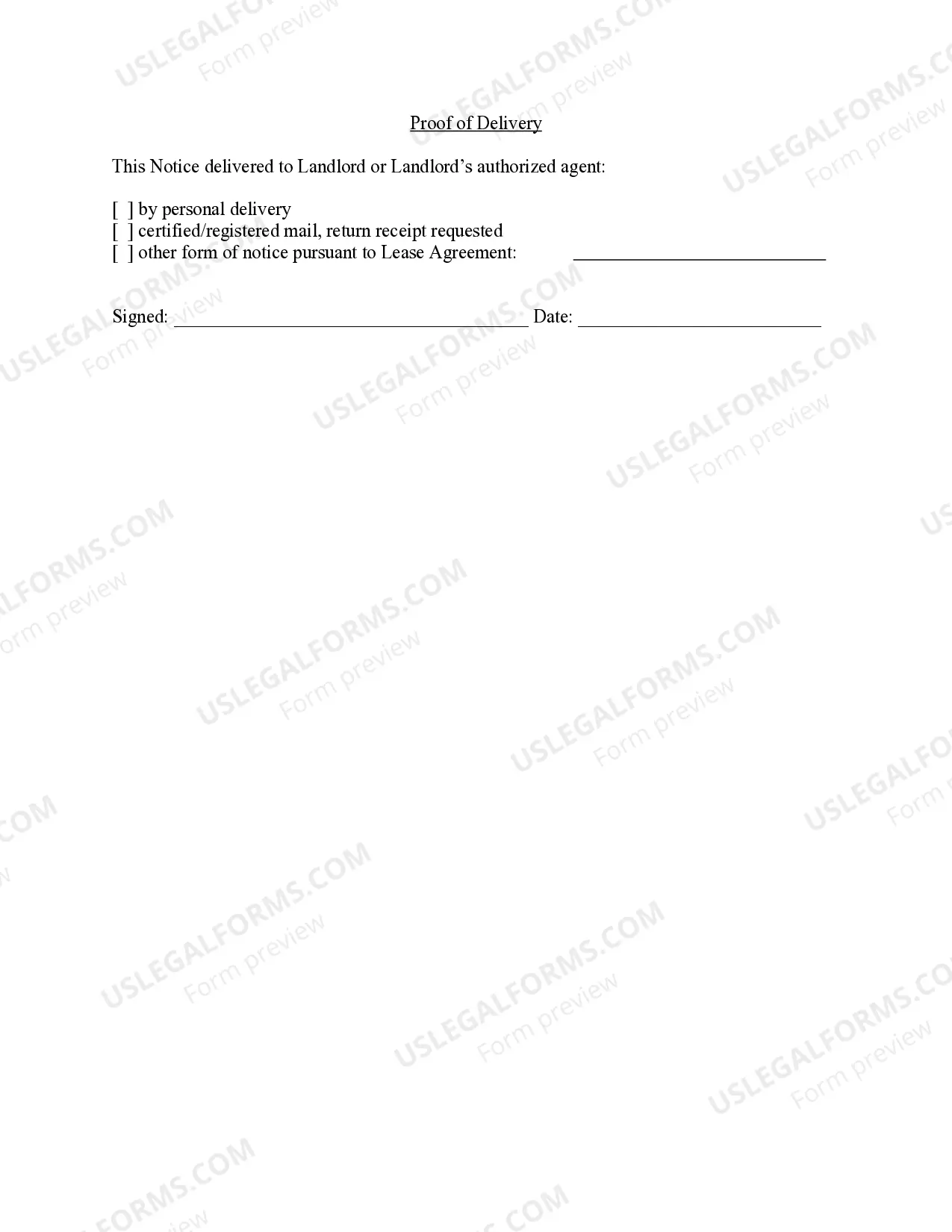
- Method of delivery to the landlord

Situations where this form applies
This letter should be used when a tenant is planning to vacate a rental property and wishes to inform the landlord about shutting off utilities. It's particularly relevant if the lease agreement stipulates the tenant's responsibility for notifying the landlord of such changes. This situation can arise during the end-of-lease period, moving to a new location, or in cases of early lease termination.
Who this form is for
This form is intended for:
- Tenants who are vacating a rental property
- Individuals aware of their lease obligations
- Those needing to formally communicate with their landlord
How to complete this form
- Identify both parties by including the names and addresses of the tenant and landlord.
- State the intent to shut off utilities and specify the effective date.
- Sign the letter to authenticate your intent.
- Choose your method of delivery (personal delivery or certified mail) and note it in the document.
Notarization guidance
This form does not typically require notarization unless specified by local law. It's essential to ensure that the delivery method complies with your stateâs requirements to maintain legal validity.
Get your form ready online
Our built-in tools help you complete, sign, share, and store your documents in one place.
Make edits, fill in missing information, and update formatting in US Legal Forms—just like you would in MS Word.
Download a copy, print it, send it by email, or mail it via USPS—whatever works best for your next step.
Sign and collect signatures with our SignNow integration. Send to multiple recipients, set reminders, and more. Go Premium to unlock E-Sign.
If this form requires notarization, complete it online through a secure video call—no need to meet a notary in person or wait for an appointment.
We protect your documents and personal data by following strict security and privacy standards.

Make edits, fill in missing information, and update formatting in US Legal Forms—just like you would in MS Word.

Download a copy, print it, send it by email, or mail it via USPS—whatever works best for your next step.

Sign and collect signatures with our SignNow integration. Send to multiple recipients, set reminders, and more. Go Premium to unlock E-Sign.

If this form requires notarization, complete it online through a secure video call—no need to meet a notary in person or wait for an appointment.

We protect your documents and personal data by following strict security and privacy standards.
Common mistakes
- Failing to provide accurate names and addresses of the parties involved.
- Not including the effective date for utility cessation.
- Neglecting to sign the letter, which may invalidate the notice.
Advantages of online completion
- Easy to download and complete from any device.
- Convenient access to professionally drafted legal language.
- Editable templates allow customization to fit specific circumstances.
Summary of main points
- This letter informs your landlord about shutting off utilities upon vacating.
- It is crucial to follow your lease agreement terms regarding notifications.
- Using this form ensures clear communication and helps avoid future charges or misunderstandings.
Looking for another form?
Form popularity
FAQ
Pursuant to RI law, to evict a month-to-month tenant, a landlord must send a 30 day notice to terminate the month to month tenancy. When the 30 day time period expires, then the landlord or the landlord's Rhode Island eviction lawyer may file a complaint for eviction in Providence District Court.
A landlord cannot legally evict you without a court order, whether or not you have a lease.) How long does it take for a landlord to evict a tenant? A landlord can evict a tenant only by going through a formal eviction proceeding, which can take a few weeks from start to finish.
Notice to Tenants. Before an unlawful detainer lawsuit begins, the landlord must give the tenants a written notice. Tenants Don't Move. Tenant Response to the Lawsuit. Follow the Law.
Rhode Island Eviction Process Timeline Initial Notice Period between 5 and 90 days, depending on the notice type and reason for eviction. Issuance/Service of Summons and Complaint 5 days prior to the hearing for nonpayment of rent evictions. Answer is filed 9-20 days, depending on the reason for the eviction.
The law includes an extension of the CDC moratorium on evictions. The CDC moratorium, which was set to expire on December 31 2020, will now be in effect through January 31 2021. The new law did not change any other terms of the moratorium.
Evicting a tenant in Rhode Island can take around 1-4 months, depending on the reason for the eviction.
The process eviction literally can take anywhere between 14 days to 6-8 months, typically. I know, not the most useful answer! But the reality of how long an eviction will take is dependent on the circumstances; mostly what it boils down to is how wilful your tenant is.
The tenant does indeed make the income that they claim to make (ideally no less than two-and-a-half times the rental price); The tenant has a good credit history; The tenant has a good rental history that can be verified by previous landlords.
Can you claim? You can claim compensation from the landlord if you can show: you have suffered loss, damage or significant inconvenience, and. it was caused by the landlord or their agent breaching their duties under the law or the tenancy agreement (lease).