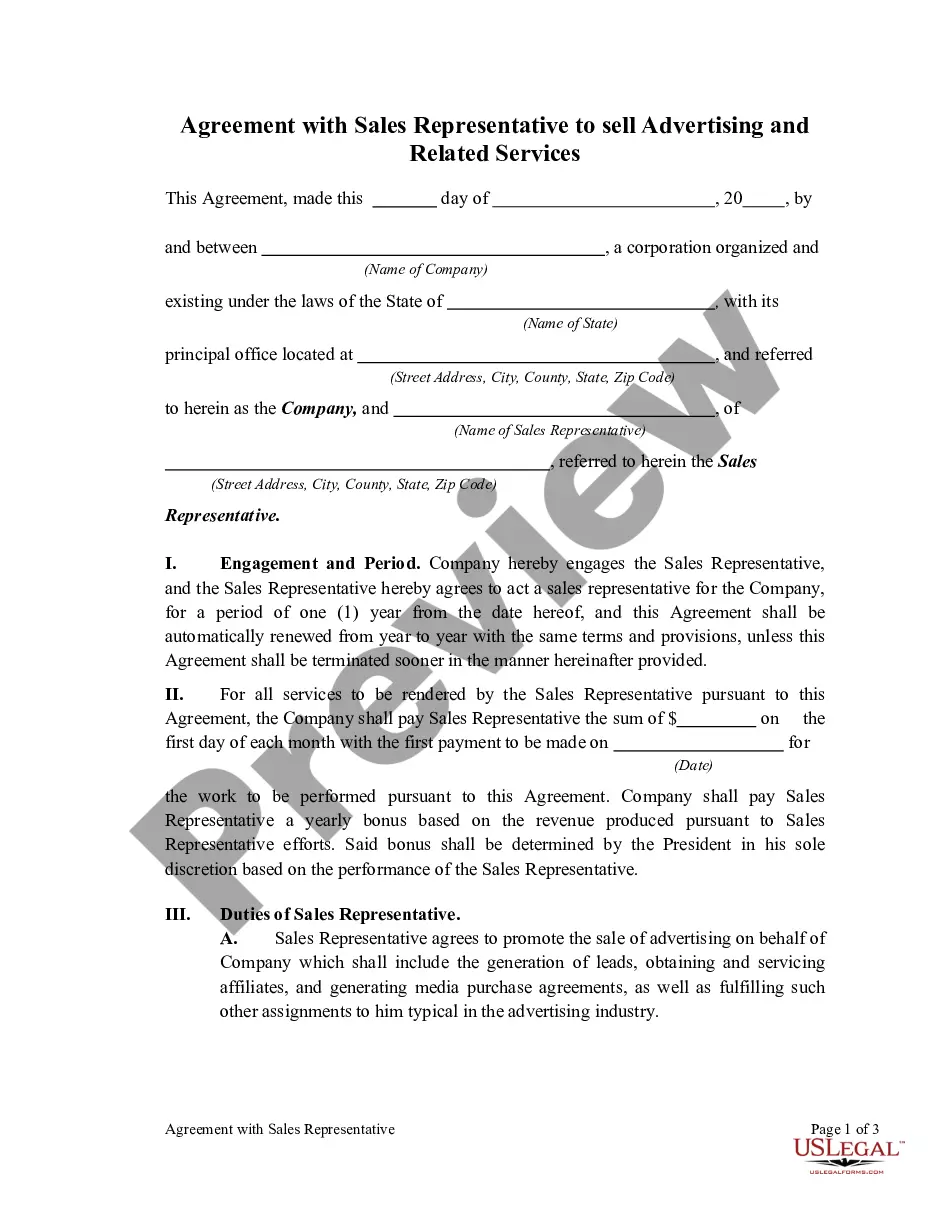
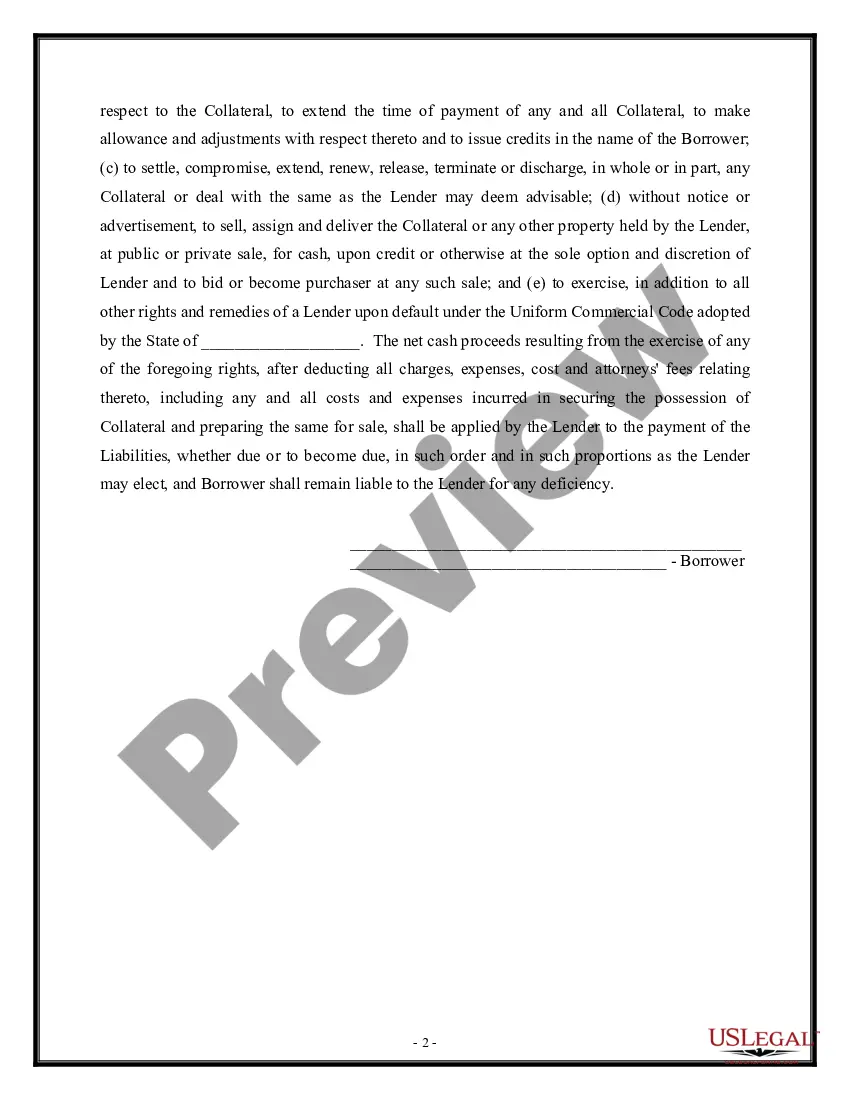
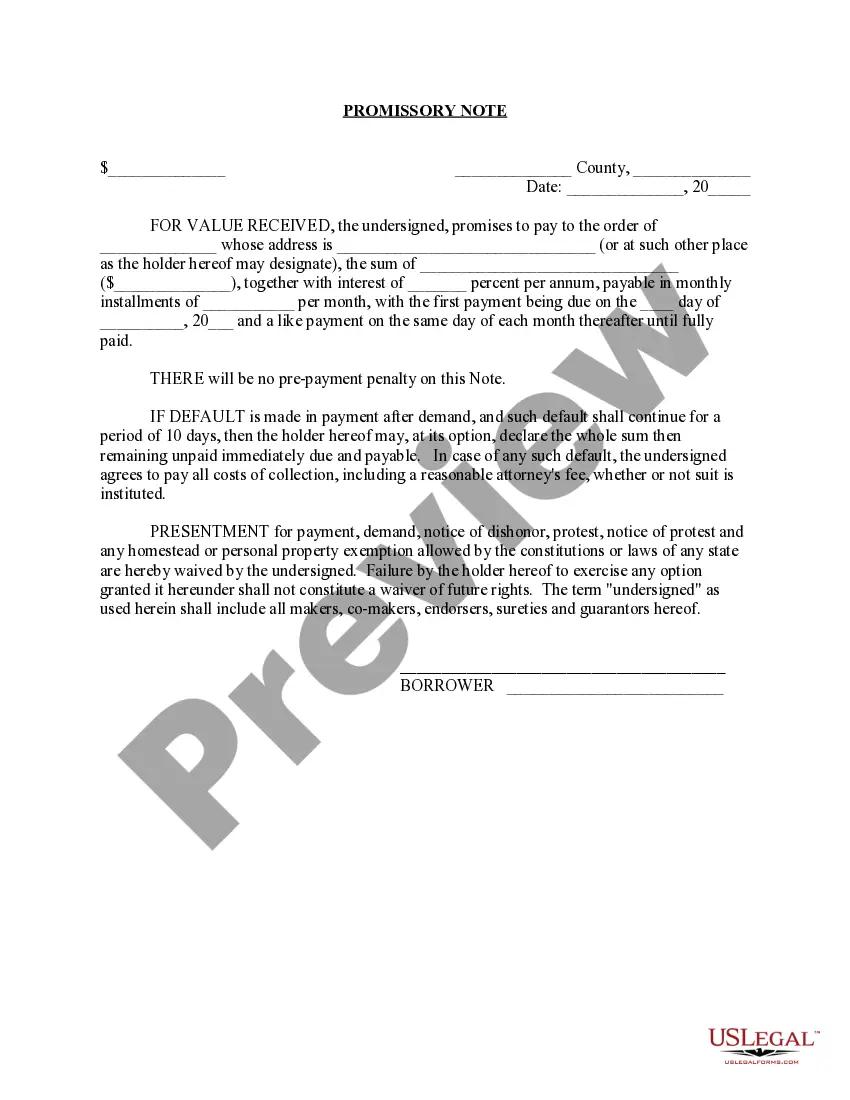
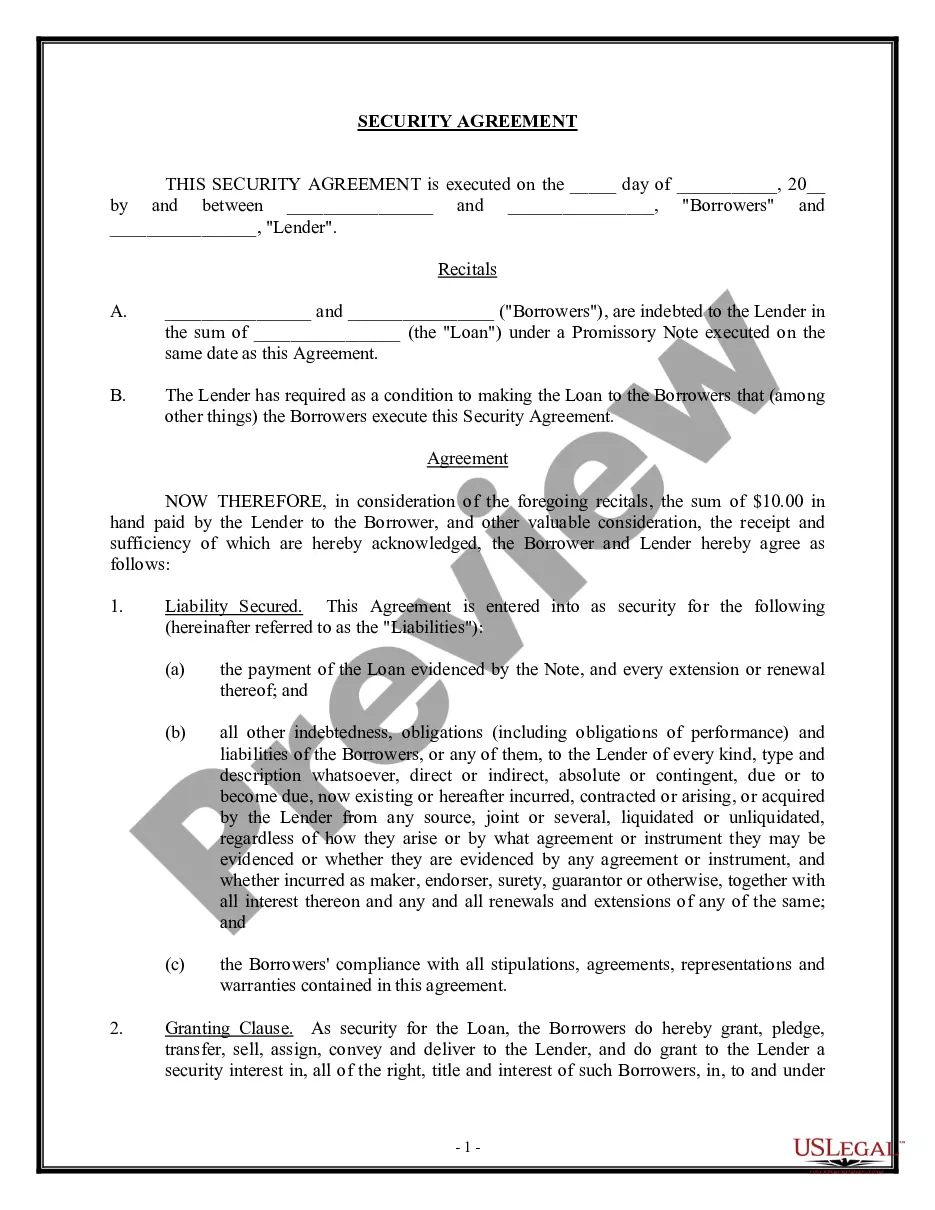
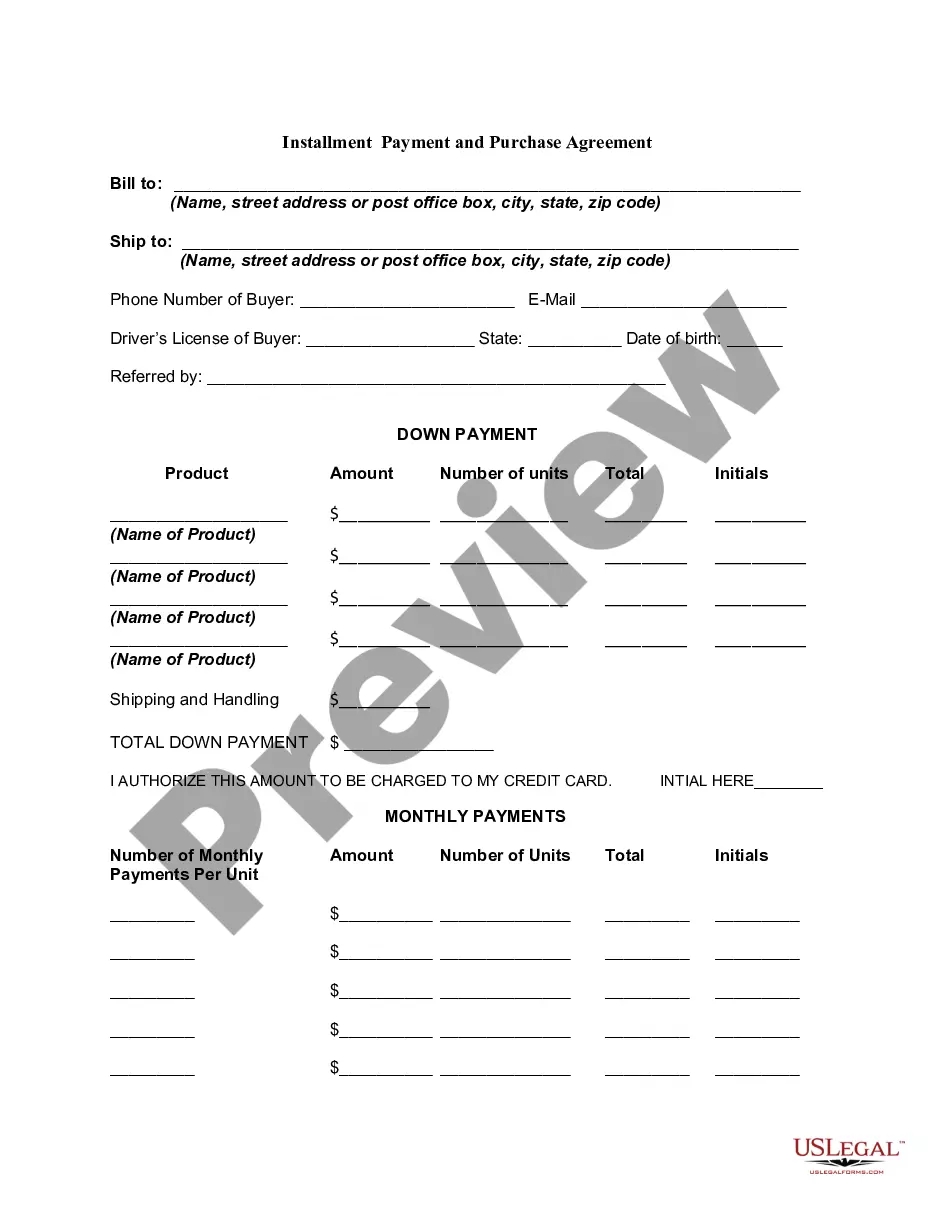
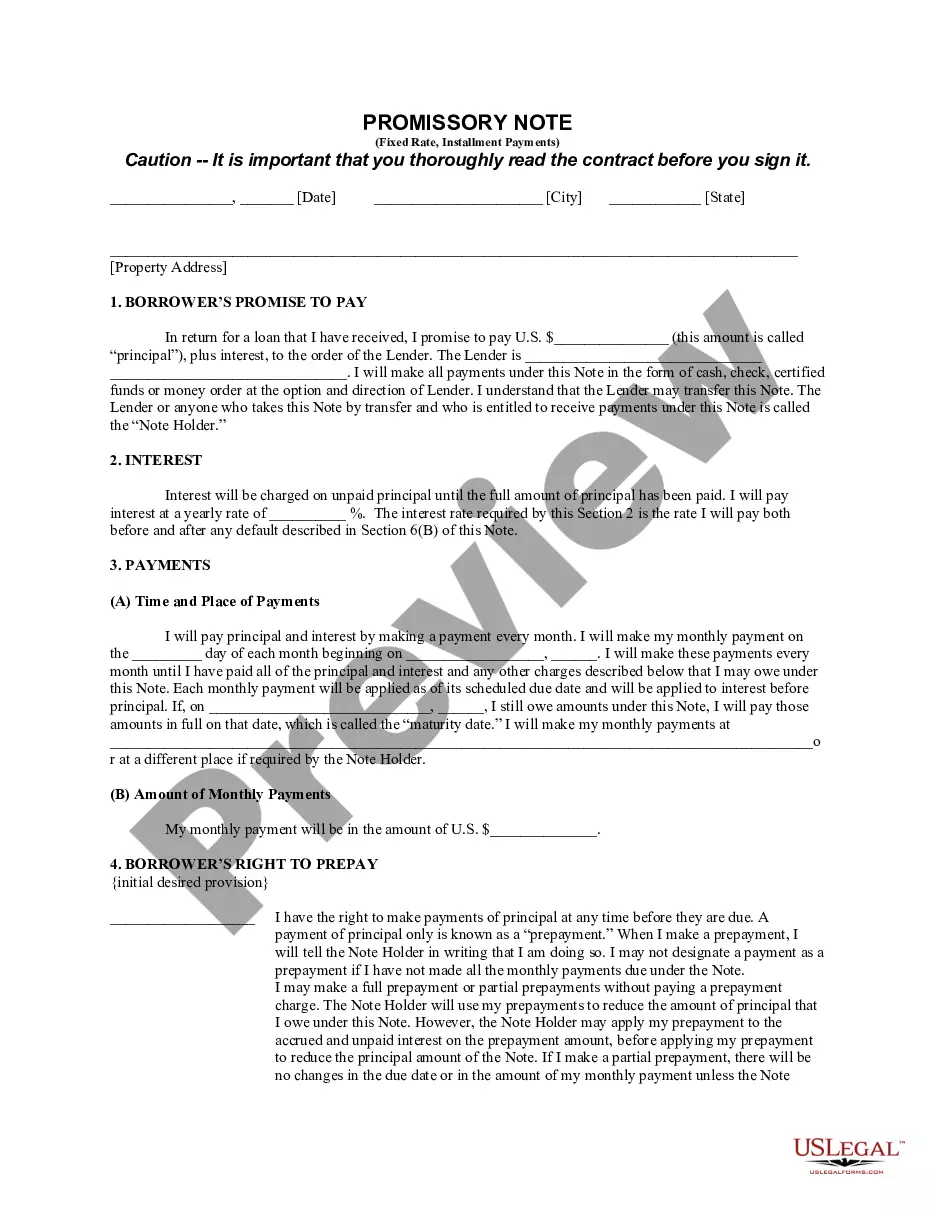
Puerto Rico Installment Promissory Note and Security Agreement
Description
Get your form ready online
Our built-in tools help you complete, sign, share, and store your documents in one place.
Make edits, fill in missing information, and update formatting in US Legal Forms—just like you would in MS Word.
Download a copy, print it, send it by email, or mail it via USPS—whatever works best for your next step.
Sign and collect signatures with our SignNow integration. Send to multiple recipients, set reminders, and more. Go Premium to unlock E-Sign.
If this form requires notarization, complete it online through a secure video call—no need to meet a notary in person or wait for an appointment.
We protect your documents and personal data by following strict security and privacy standards.

Make edits, fill in missing information, and update formatting in US Legal Forms—just like you would in MS Word.

Download a copy, print it, send it by email, or mail it via USPS—whatever works best for your next step.

Sign and collect signatures with our SignNow integration. Send to multiple recipients, set reminders, and more. Go Premium to unlock E-Sign.

If this form requires notarization, complete it online through a secure video call—no need to meet a notary in person or wait for an appointment.

We protect your documents and personal data by following strict security and privacy standards.
Looking for another form?


How to fill out Installment Promissory Note And Security Agreement?
You might spend time online searching for the legal document template that meets the state and federal requirements you will need.
US Legal Forms offers thousands of legal forms that can be reviewed by professionals.
You can download or print the Puerto Rico Installment Promissory Note and Security Agreement from the service.
If available, use the Preview button to view the document template as well.
- If you possess a US Legal Forms account, you can sign in and then press the Download button.
- After that, you can fill out, edit, print, or sign the Puerto Rico Installment Promissory Note and Security Agreement.
- Every legal document template you purchase is your own for an extended period.
- To obtain another copy of a purchased form, navigate to the My documents section and click the corresponding button.
- If you are visiting the US Legal Forms site for the first time, follow the simple instructions below.
- First, ensure that you have selected the correct document template for the state/town of your choice.
- Review the form outline to guarantee that you have picked the right one.
Form popularity
FAQ
A secured note is a type of loan or corporate bond that is backed by the borrower's assets as a form of collateral. If a borrower defaults on a secured note, the assets pledged as collateral can be sold to repay the note.
In general, the promissory note is your written promise to repay the loan and a security agreement is used when collateral is given for the loan.
Scope of the term security interest and scope of the UCC It includes retention of title by a seller of goods, as well as many consignments of goods. The UCC treats the interest of a buyer of accounts, chattel paper, payment intangibles, or promissory notes as a security interest.
In general, the promissory note is your written promise to repay the loan and a security agreement is used when collateral is given for the loan.
Security agreements are generally used to supplement a secured promissory note. The note is the borrower's actual promise to repay the money it received. The enclosed security agreement assumes the existence of a secured promissory note, but that agreement is not included with this package.
At its most basic, a promissory note should include the following things:Date.Name of the lender and borrower.Loan amount.Whether the loan is secured or unsecured. If it's secured with collateral: What is the collateral?Payment amount and frequency.Payment due date.Whether the loan has a cosigner, and if so, who.
A note is a debt security obligating repayment of a loan, at a predetermined interest rate, within a defined time frame. Notes are similar to bonds but typically have an earlier maturity date than other debt securities, such as bonds.
Security Instrument . A written instrument creating a valid first lien on a Mortgaged Property securing a Mortgage Note, which may be any applicable form of mortgage, deed of trust, deed to secure debt or security deed, including any riders or addenda thereto.
So, what's the difference between secured and unsecured promissory notes? It's actually quite simple. A secured note is any debt collateralized with real property like a first deed of trust or car title. Conversely, an unsecured note is any debt not secured by collateral (or uncollateralized).
A security instrument is a legal document giving the bank a security interest in the property. It can be a mortgage, giving the lender a lien on the property, or a deed of trust, whereby a trustee holds the deed for the lender until you finish paying off the loan.