Puerto Rico Domestic Partnership Cohabitation Agreement
Description
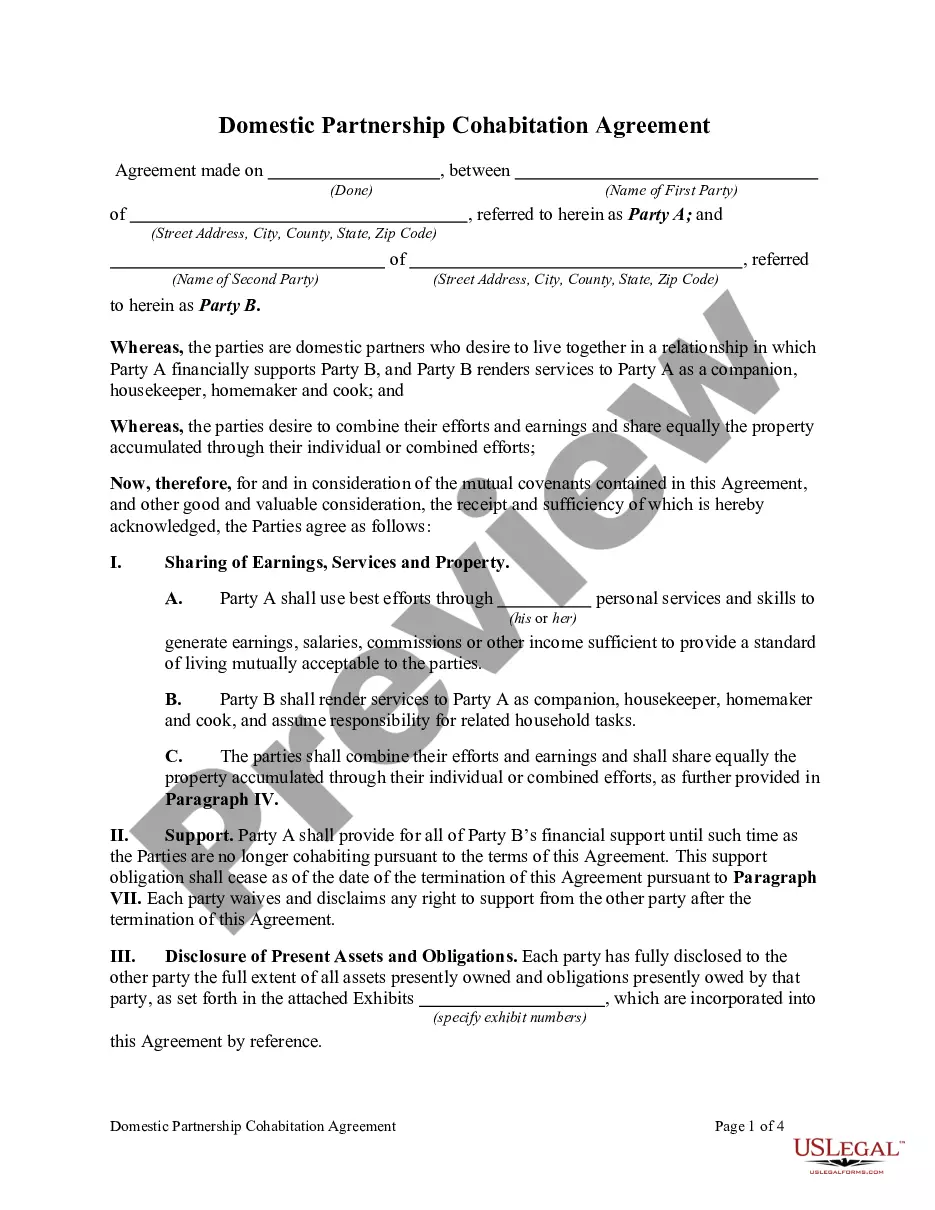
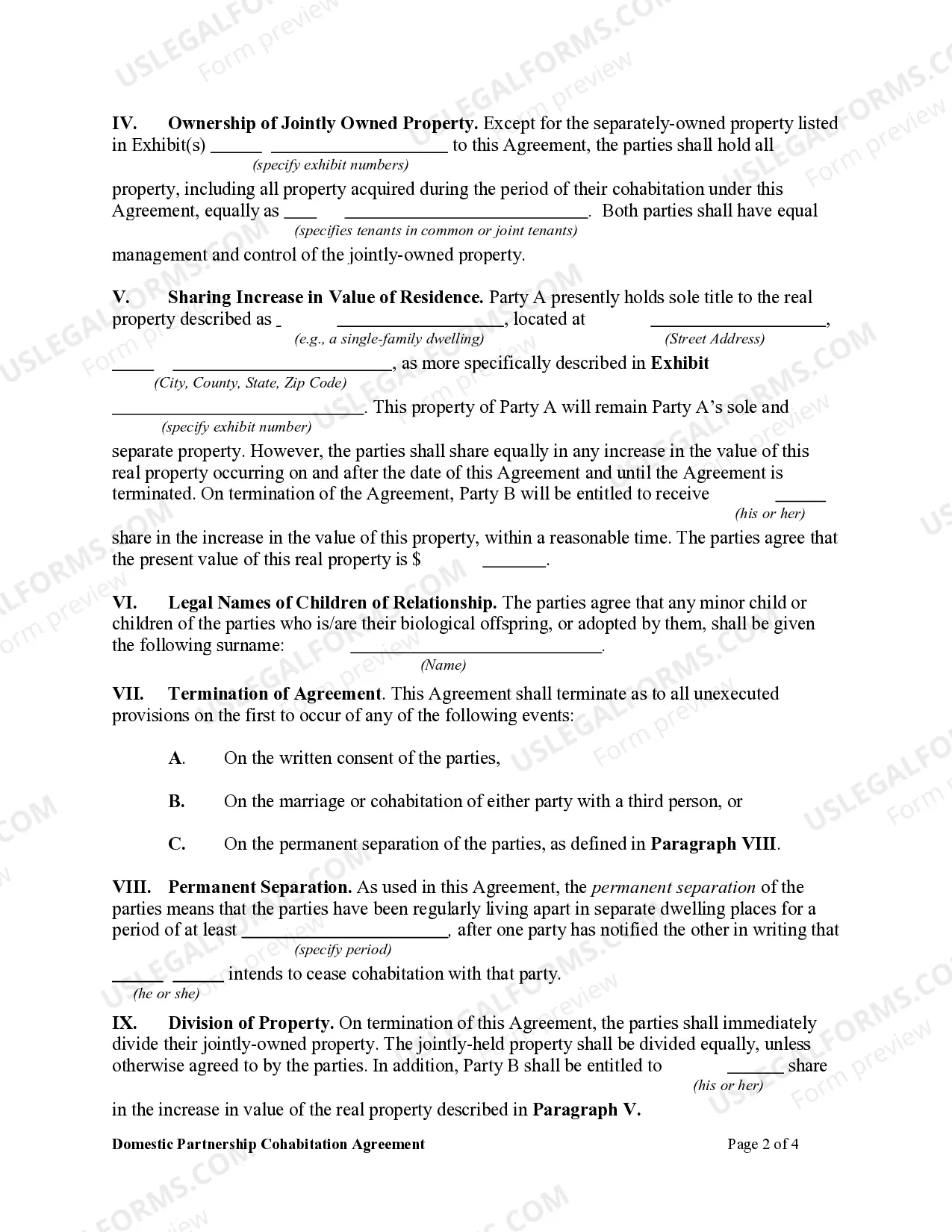
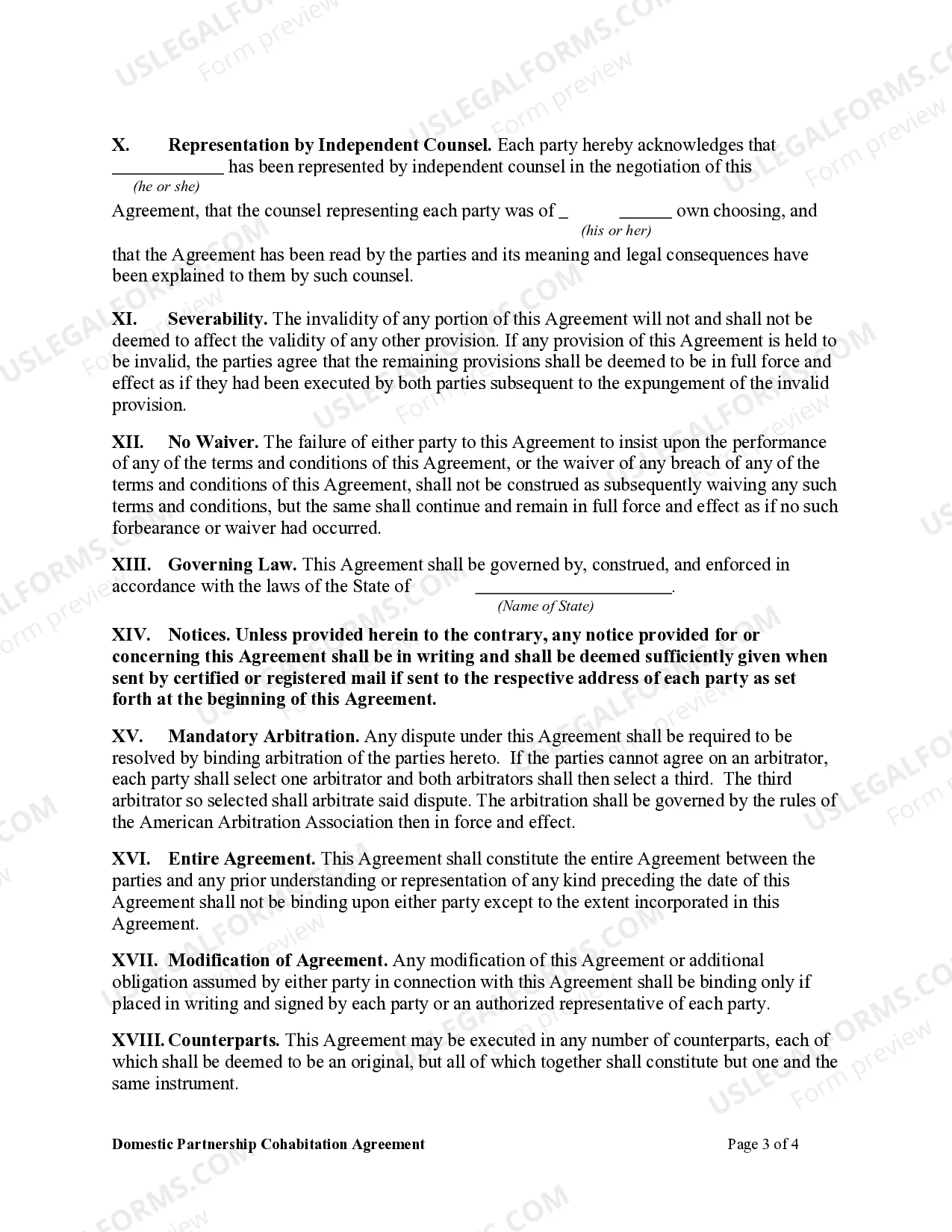
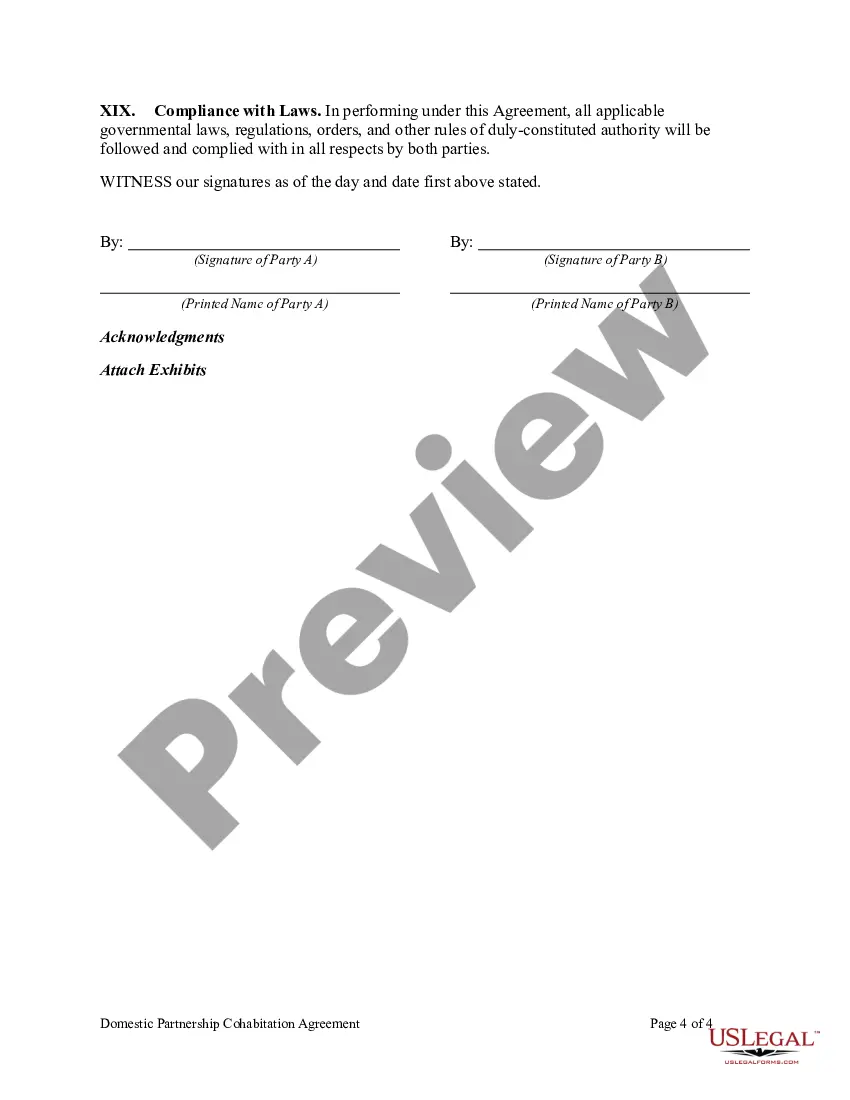
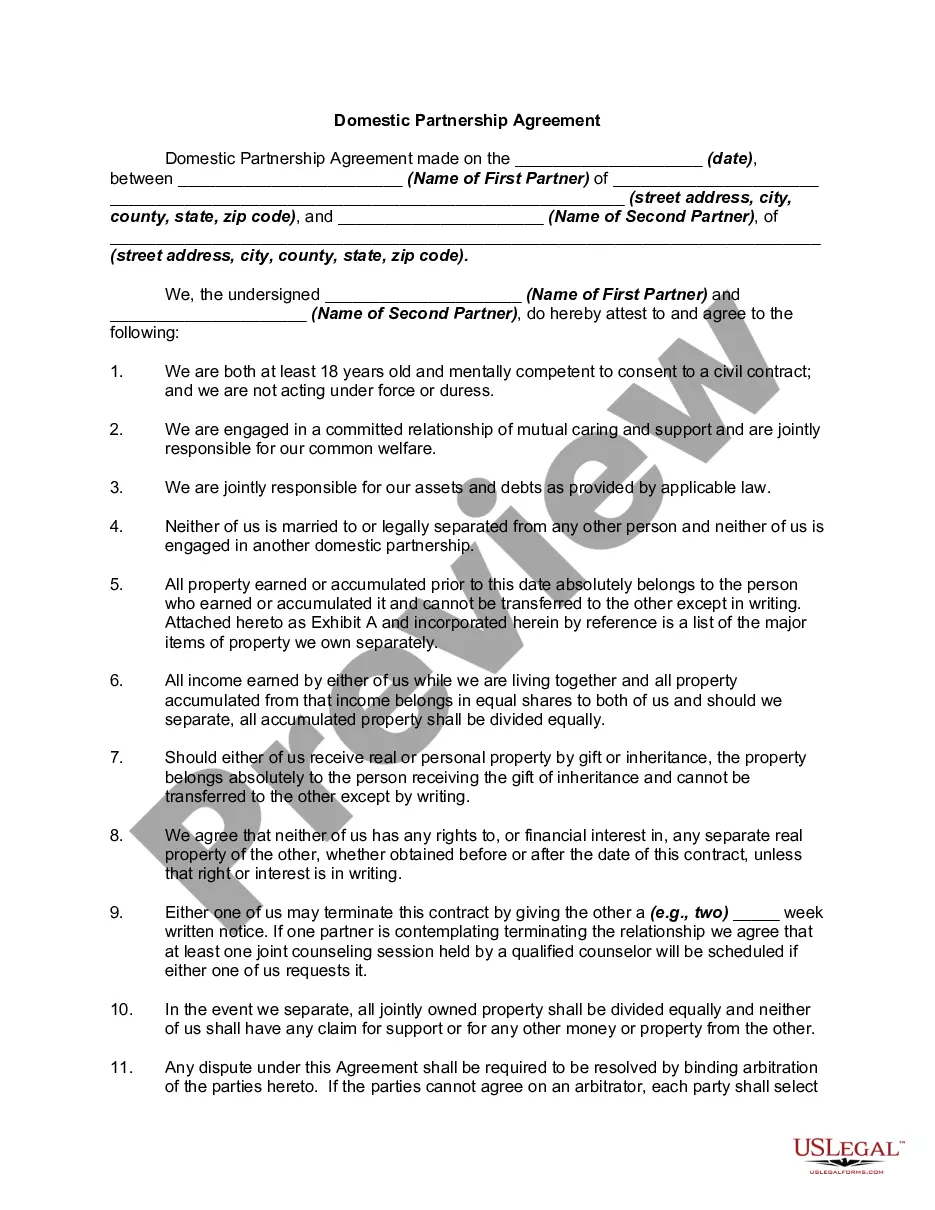
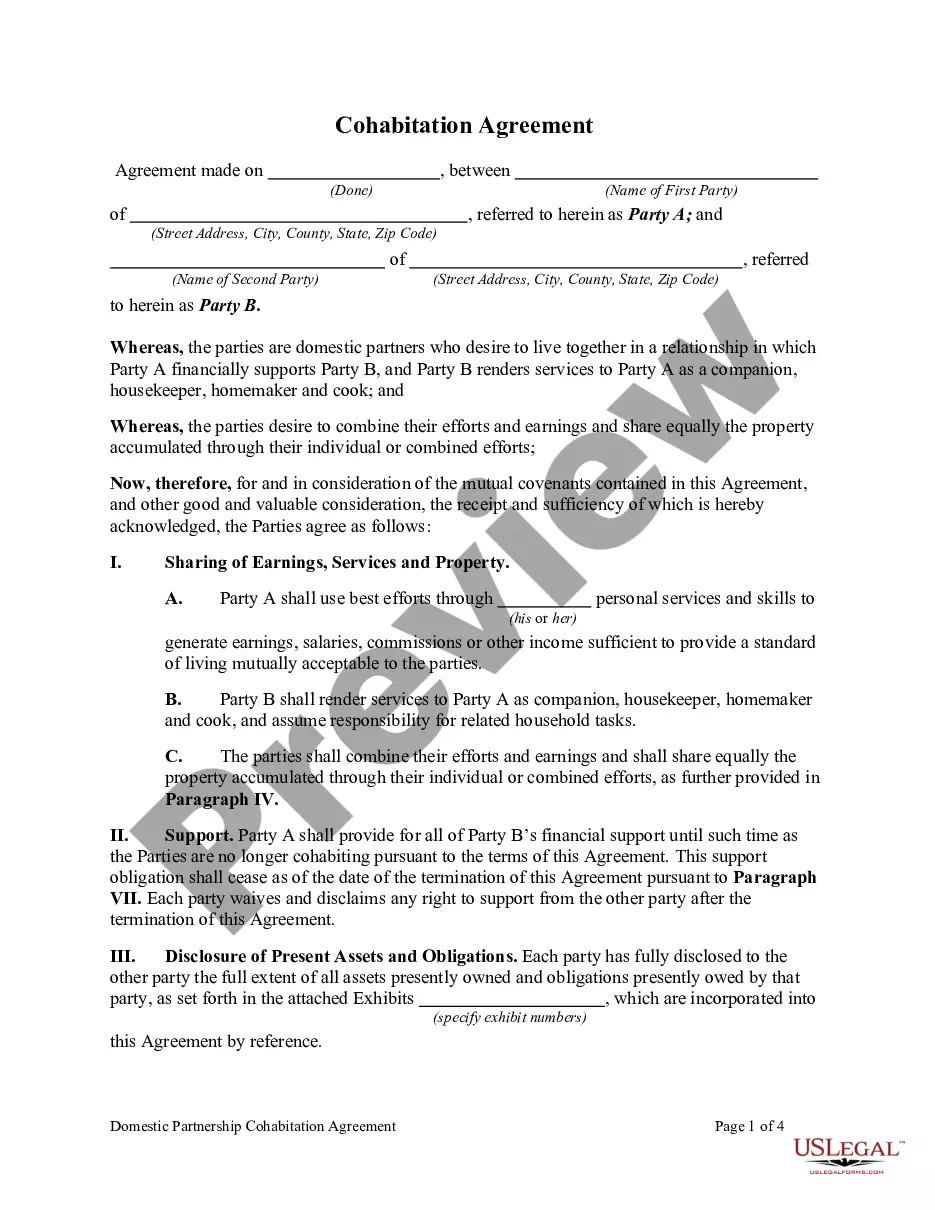
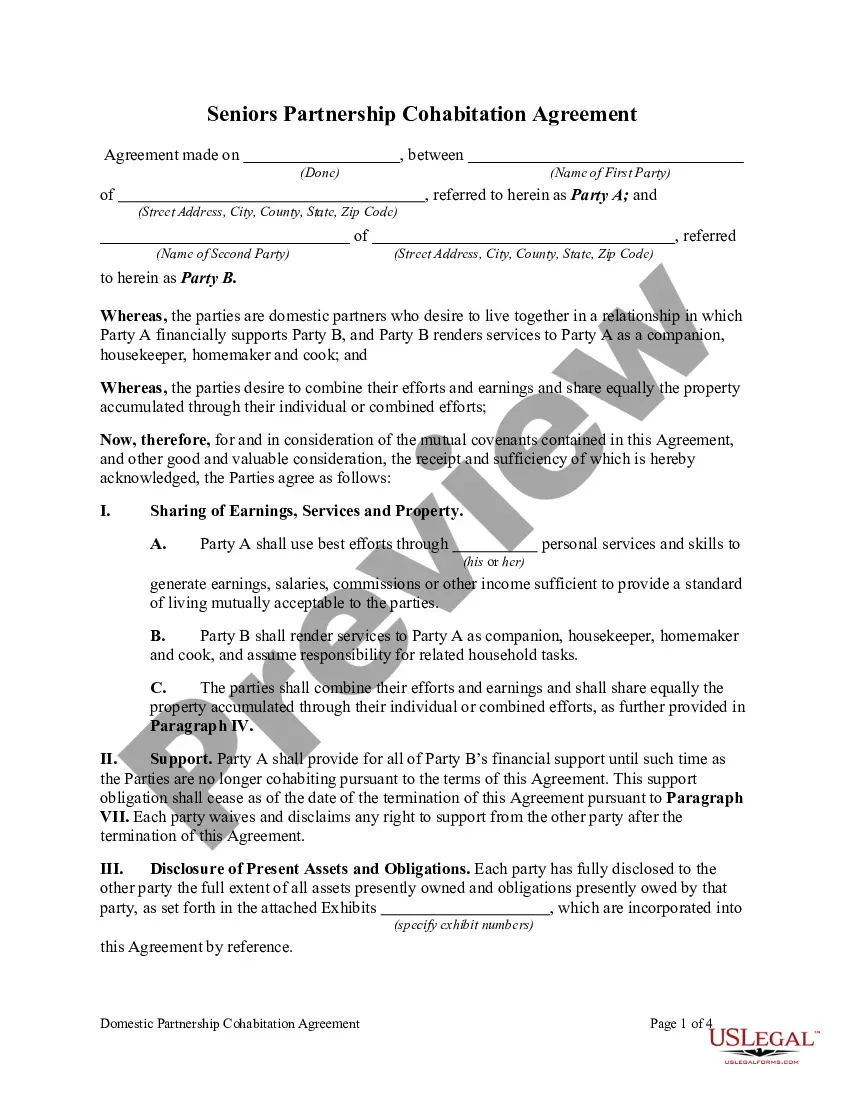
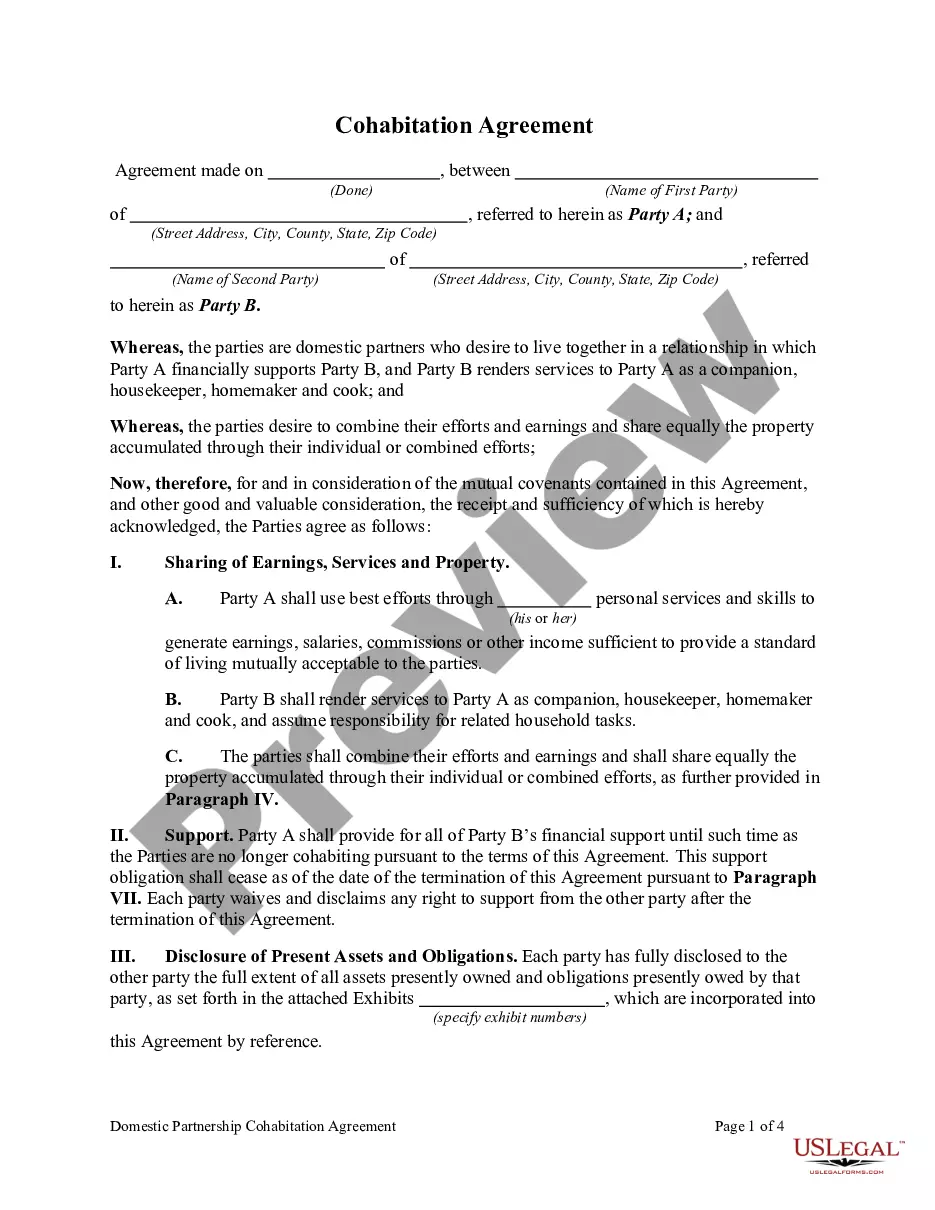
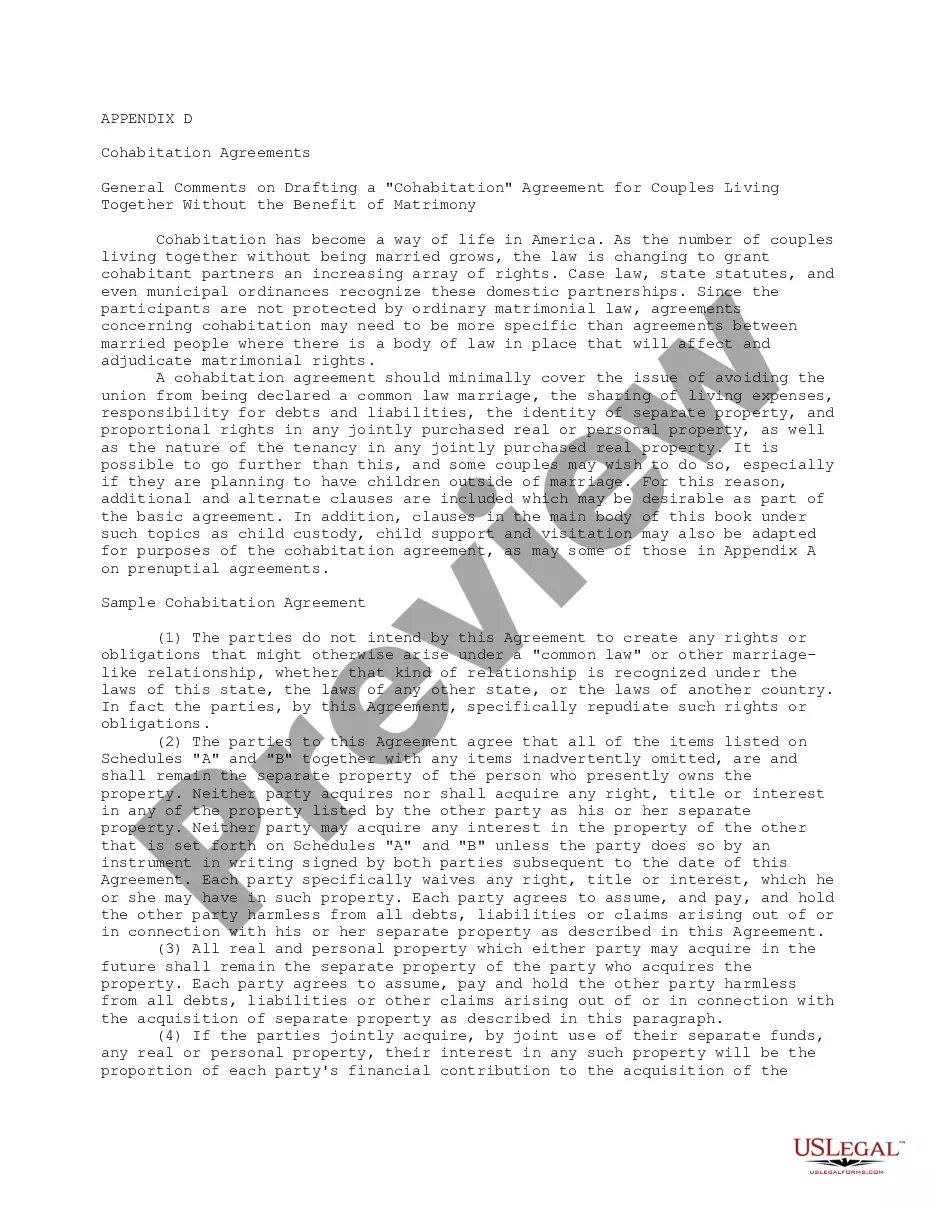
Get your form ready online
Our built-in tools help you complete, sign, share, and store your documents in one place.
Make edits, fill in missing information, and update formatting in US Legal Forms—just like you would in MS Word.
Download a copy, print it, send it by email, or mail it via USPS—whatever works best for your next step.
Sign and collect signatures with our SignNow integration. Send to multiple recipients, set reminders, and more. Go Premium to unlock E-Sign.
If this form requires notarization, complete it online through a secure video call—no need to meet a notary in person or wait for an appointment.
We protect your documents and personal data by following strict security and privacy standards.

Make edits, fill in missing information, and update formatting in US Legal Forms—just like you would in MS Word.

Download a copy, print it, send it by email, or mail it via USPS—whatever works best for your next step.

Sign and collect signatures with our SignNow integration. Send to multiple recipients, set reminders, and more. Go Premium to unlock E-Sign.

If this form requires notarization, complete it online through a secure video call—no need to meet a notary in person or wait for an appointment.

We protect your documents and personal data by following strict security and privacy standards.
Looking for another form?

How to fill out Domestic Partnership Cohabitation Agreement?
Finding the appropriate valid document format can be challenging.
Naturally, there are numerous templates available online, but how can you locate the correct form you require.
Utilize the US Legal Forms website. The platform offers a multitude of templates, including the Puerto Rico Domestic Partnership Cohabitation Agreement, suitable for both business and personal purposes.
You can view the form using the Review option and examine the form summary to confirm it is indeed suitable for you.
- All forms are reviewed by professionals and comply with federal and state regulations.
- If you are already registered, Log In to your account and click the Download button to access the Puerto Rico Domestic Partnership Cohabitation Agreement.
- Use your account to search through the valid forms you have previously purchased.
- Navigate to the My documents section of your account and retrieve another copy of the form you require.
- If you are a new user of US Legal Forms, follow these simple instructions.
- First, ensure you have chosen the correct form for your city/state.
Form popularity
FAQ
A common law relationship is simply the act of living together in a marriage-like relationship without actually being legally married. It does not require any kind of legal process to create a common law union.
'Partner' suggests something somewhat more serious someone you're not married to (or even intending to marry), but a step up from a boyfriend or girlfriend, which can sound a little more casual.
A domestic partner can be broadly defined as an unrelated and unmarried person who shares common living quarters with an employee and lives in a committed, intimate relationship that is not legally defined as marriage by the state in which the partners reside.
A domestic partner can be broadly defined as an unrelated and unmarried person who shares common living quarters with an employee and lives in a committed, intimate relationship that is not legally defined as marriage by the state in which the partners reside.
A registered California domestic partnership provides legal recognition to same sex couples and heterosexual couples where one of the partners is at least 62 years. It also affords certain rights and privileges to the couple, and at the same time imposes certain obligations on each individual.
Cohabitation is defined as two people living together as if they were a married couple. Cohabiting couples do not possess the same rights as married couples or people within a domestic partnership.
Where is common-law marriage allowed? Here are the places that recognize common-law marriage: Colorado, Iowa, Kansas, Montana, New Hampshire (for inheritance purposes only), Oklahoma, Rhode Island, South Carolina, Texas, Utah and the District of Columbia.
A common law marriage is a legally recognized marriage between two people who have not purchased a marriage license or had their marriage solemnized by a ceremony. Not all states have statutes addressing common law marriage. In some states case law and public policy determine validity.
If you have lived together 'as man and wife' for at least two years or if you can show that you were financially dependent on your partner, you can make a claim for a financial settlement even if you were not a beneficiary of the will.
But common law marriages are not recognized in Puerto Rico. The requisites of a valid marriage in Puerto Rico are set forth in Article 69 of the Civil Code, 31 L.P.R.A. § 231.