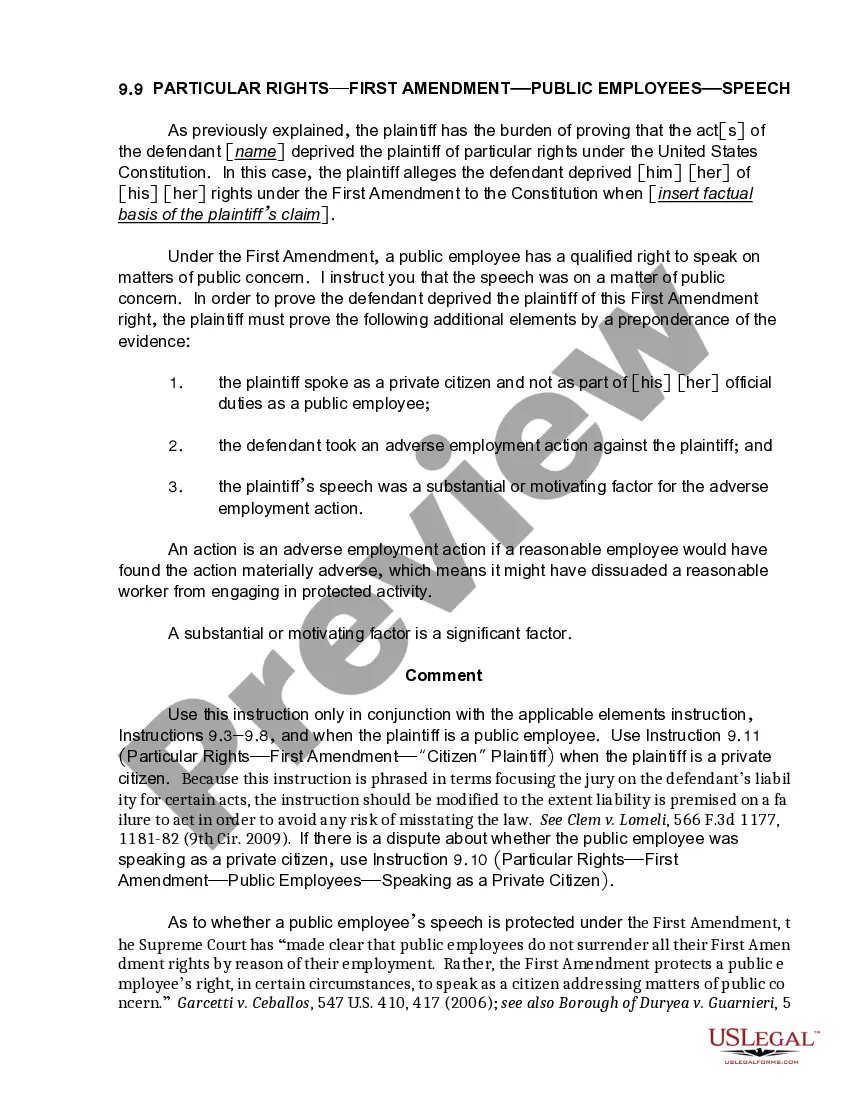
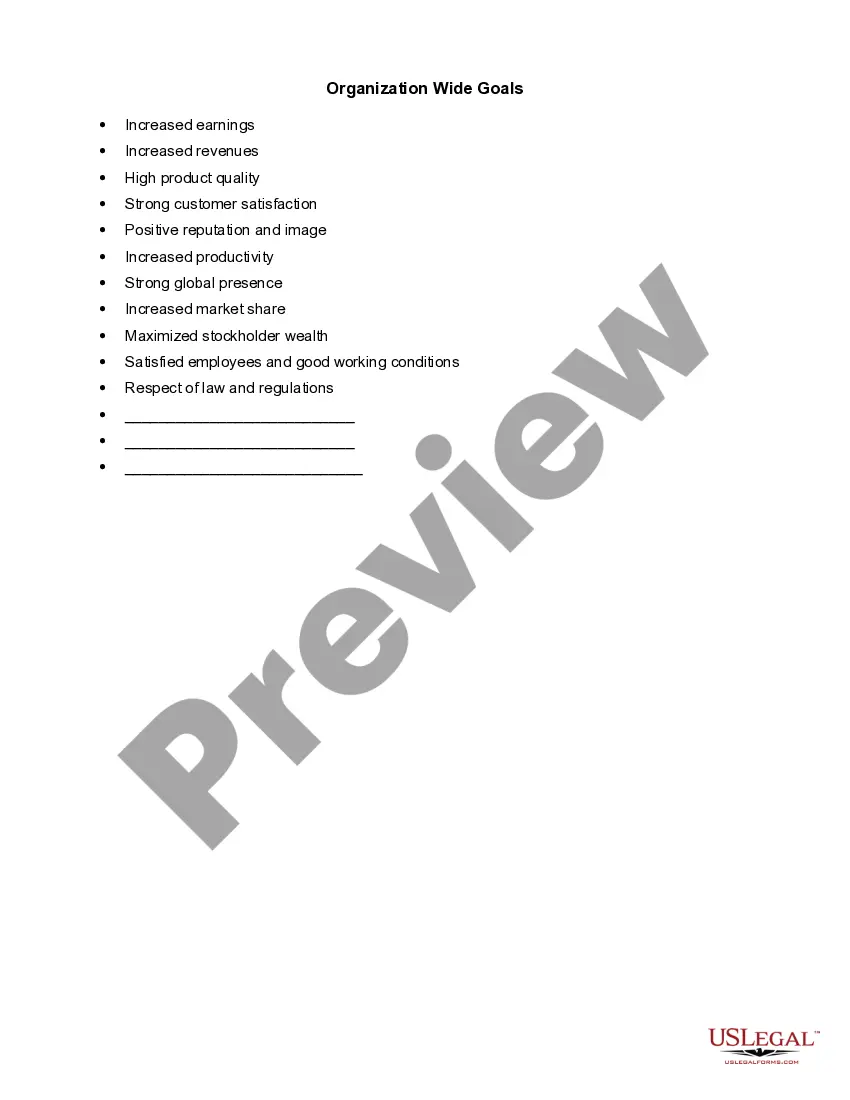
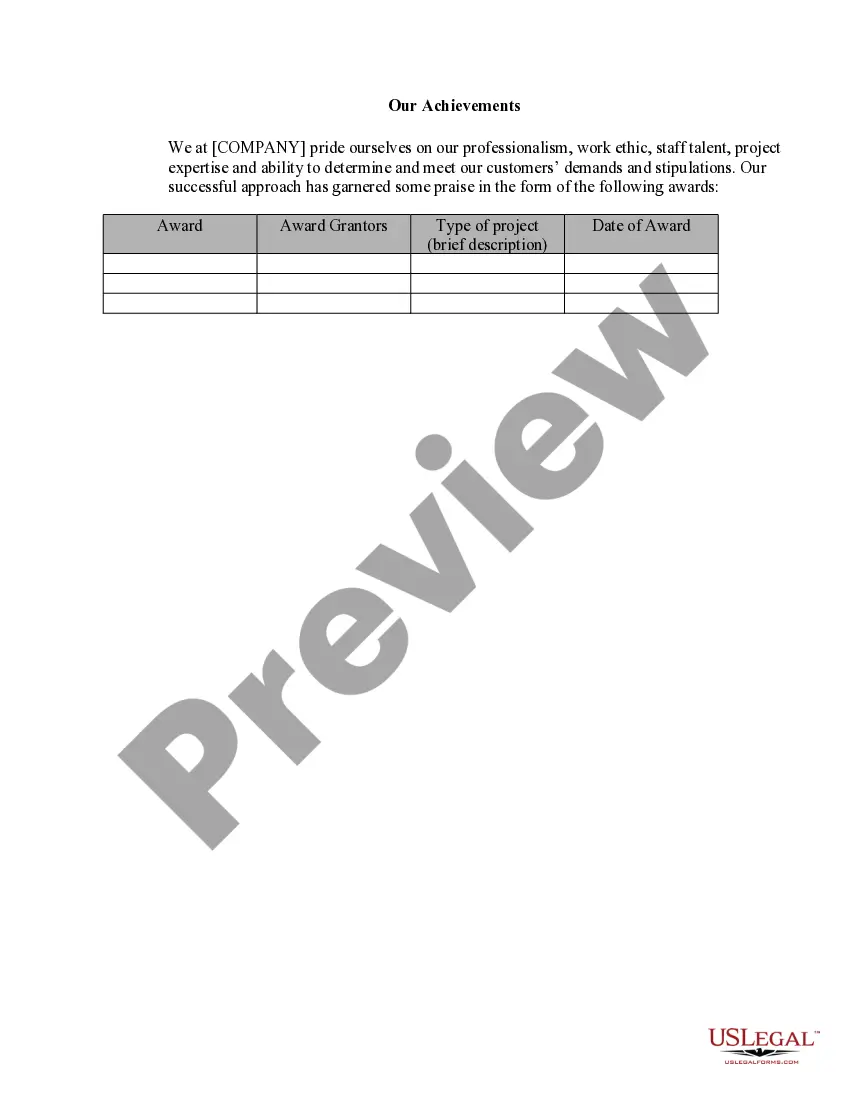
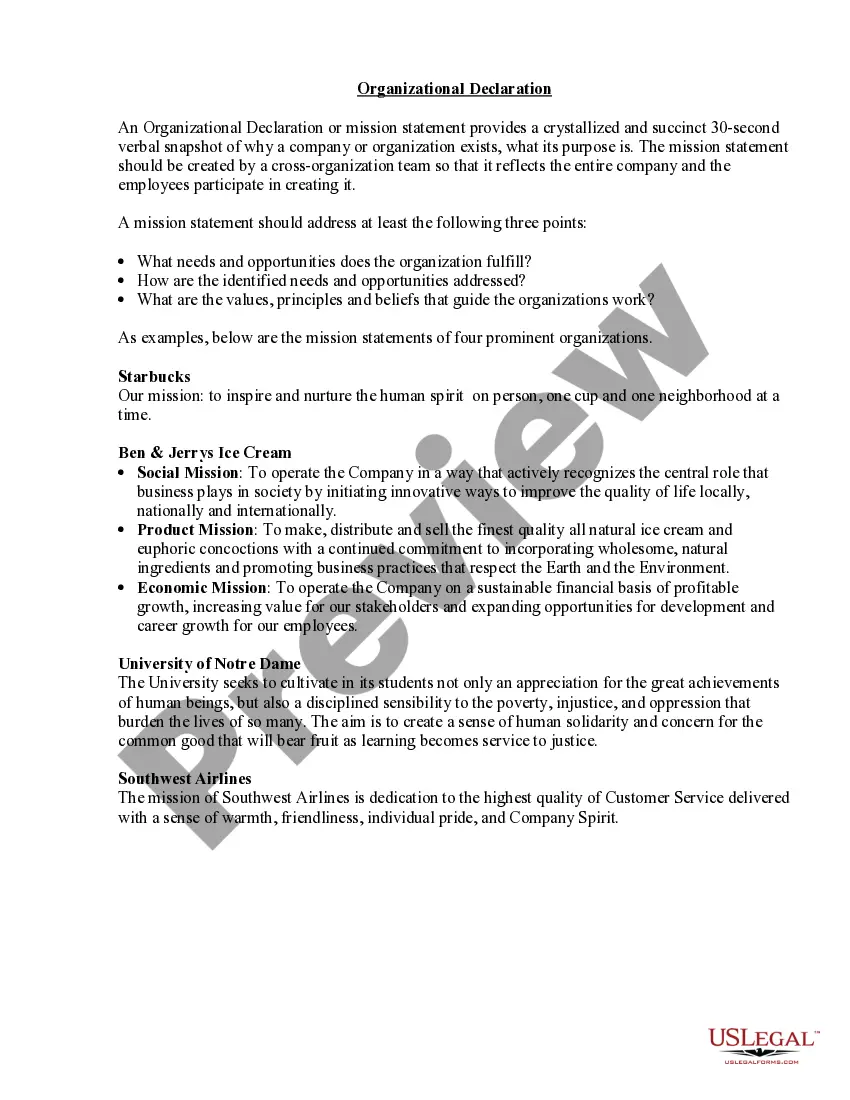
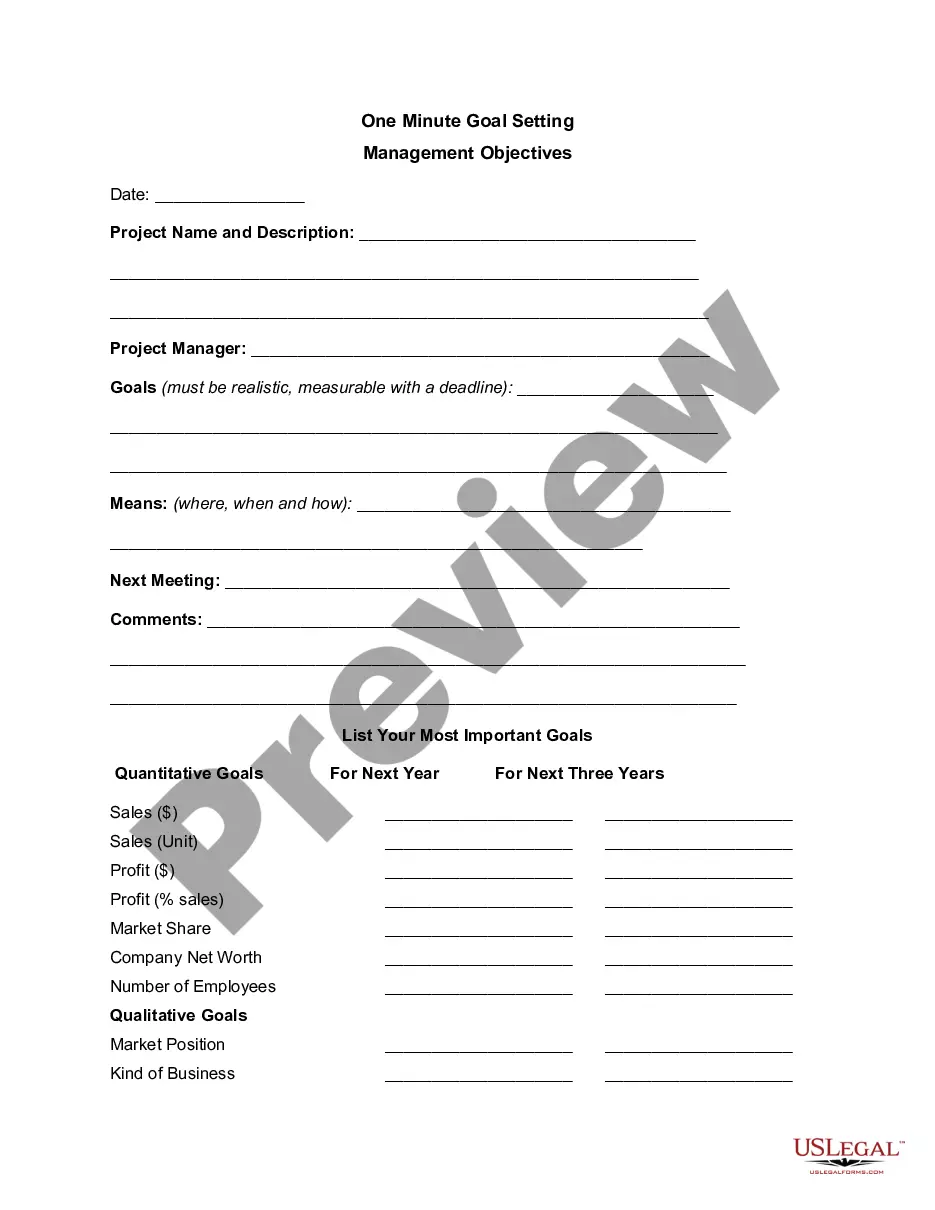
Puerto Rico Organization Wide Goals
Description
Get your form ready online
Our built-in tools help you complete, sign, share, and store your documents in one place.
Make edits, fill in missing information, and update formatting in US Legal Forms—just like you would in MS Word.
Download a copy, print it, send it by email, or mail it via USPS—whatever works best for your next step.
Sign and collect signatures with our SignNow integration. Send to multiple recipients, set reminders, and more. Go Premium to unlock E-Sign.
If this form requires notarization, complete it online through a secure video call—no need to meet a notary in person or wait for an appointment.
We protect your documents and personal data by following strict security and privacy standards.

Make edits, fill in missing information, and update formatting in US Legal Forms—just like you would in MS Word.

Download a copy, print it, send it by email, or mail it via USPS—whatever works best for your next step.

Sign and collect signatures with our SignNow integration. Send to multiple recipients, set reminders, and more. Go Premium to unlock E-Sign.

If this form requires notarization, complete it online through a secure video call—no need to meet a notary in person or wait for an appointment.

We protect your documents and personal data by following strict security and privacy standards.
Looking for another form?






How to fill out Organization Wide Goals?
It is feasible to dedicate countless hours on the Internet attempting to locate the approved form template that complies with federal and state requirements you will need.
US Legal Forms provides a vast collection of certified documents that are reviewed by experts.
You can easily acquire or create the Puerto Rico Organization Wide Goals from our service.
If applicable, utilize the Review button to examine the document template as well.
- If you already possess a US Legal Forms account, you may Log In and click on the Obtain button.
- After that, you may fill out, modify, create, or sign the Puerto Rico Organization Wide Goals.
- Every legal document template you obtain is yours permanently.
- To get an additional copy for any purchased form, navigate to the My documents tab and click the appropriate button.
- If you're using the US Legal Forms site for the first time, follow the straightforward instructions below.
- First, ensure that you have selected the correct document template for the state/region you choose.
- Review the form description to confirm you have picked the right form.
Form popularity
FAQ
People are also reading2026Territory citizens can vote and run for office in the U.S. jurisdiction in which they live. Residents in some territories, like Puerto Rico, can vote in primaries but not the general election. Also, territories are not represented in Congress.
The treaty gave Puerto Rico, along with Guam and the Philippines, to the United States and liberated Cuba from Spanish control. In Puerto Rico a succession of military governors administered the island for the U.S. government.
As a territory of the United States, Puerto Rico's 3.2 million residents are U.S. citizens. However, while subject to U.S. federal laws, island-based Puerto Ricans can't vote in presidential elections and lack voting representation in Congress. As a U.S. territory, it is neither a state nor an independent country.
In 1900, Congress passed the Foraker Act, which ended military rule and set up a civil government. The act gave the president of the United States the power to appoint Puerto Rico's governor and members of the upper house of its legislature. Puerto Ricans could elect only the members of the legislature's lower house.
The Foraker Act, passed by the U.S. Congress in 1900, designated Puerto Rico as an unorganized territory of the United States and gave it limited self-government.
Benefits of statehood include an additional $10 billion per year in federal funds, the right to vote in presidential elections, higher Social Security and Medicare benefits, and a right for its government agencies and municipalities to file for bankruptcy.
Puerto Rico is a self-governing commonwealth in association with the United States. The chief of state is the President of the United States of America. The head of government is an elected Governor. There are two legislative chambers: the House of Representatives, 51 seats, and the Senate, 27 seats.
The strategic value of Puerto Rico for the United States at the end of the nineteenth century centered in economic and military interests. The island's value to US policy makers was as an outlet for excess manufactured goods, as well as a key naval station in the Caribbean.
In the early 1910s, lawmakers in the U.S. tried to reform the Foraker Act due to discontent in Puerto Rico and also the desire to forge a stronger relationship with the island. In 1917, President Woodrow Wilson signed the Jones-Shafroth Act and overhauled everything. Puerto Ricans would become U.S. citizens.
The municipalities of Puerto Rico (Spanish: municipios de Puerto Rico) are the second-level administrative divisions in the Commonwealth of Puerto Rico. There are 78 such administrative divisions covering all 78 incorporated towns and cities.