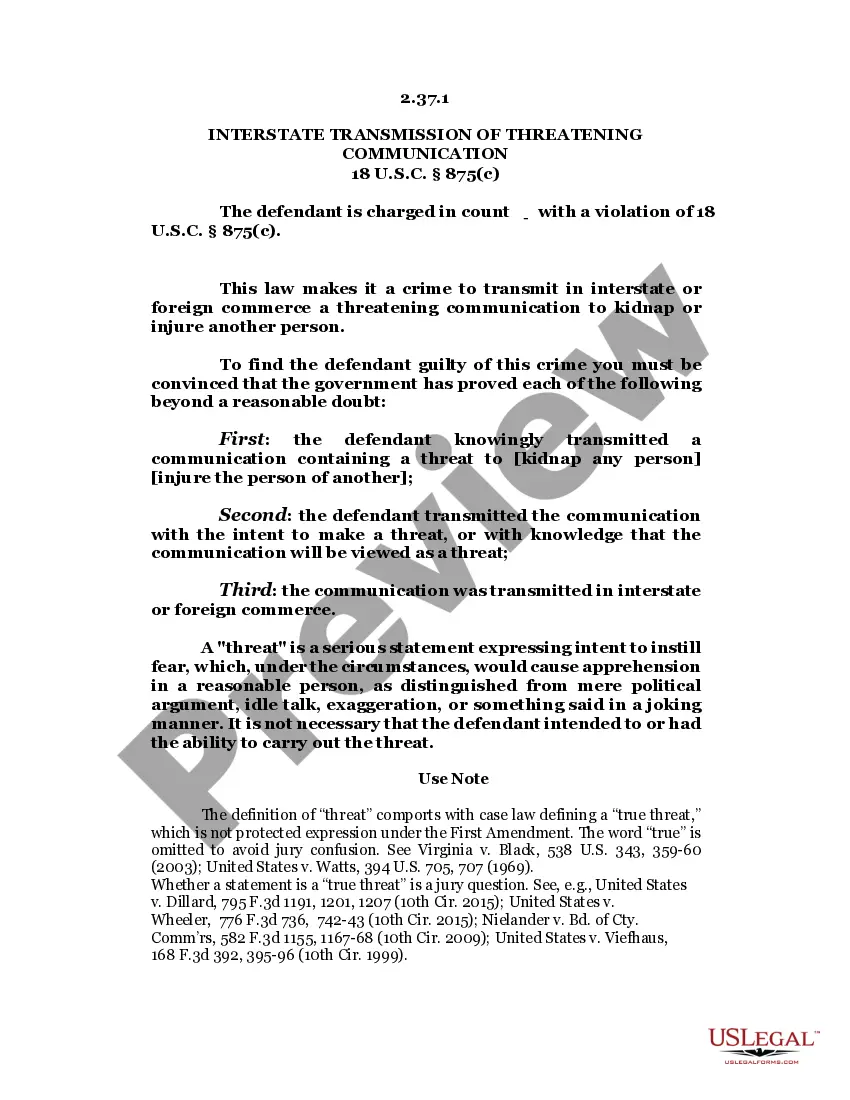
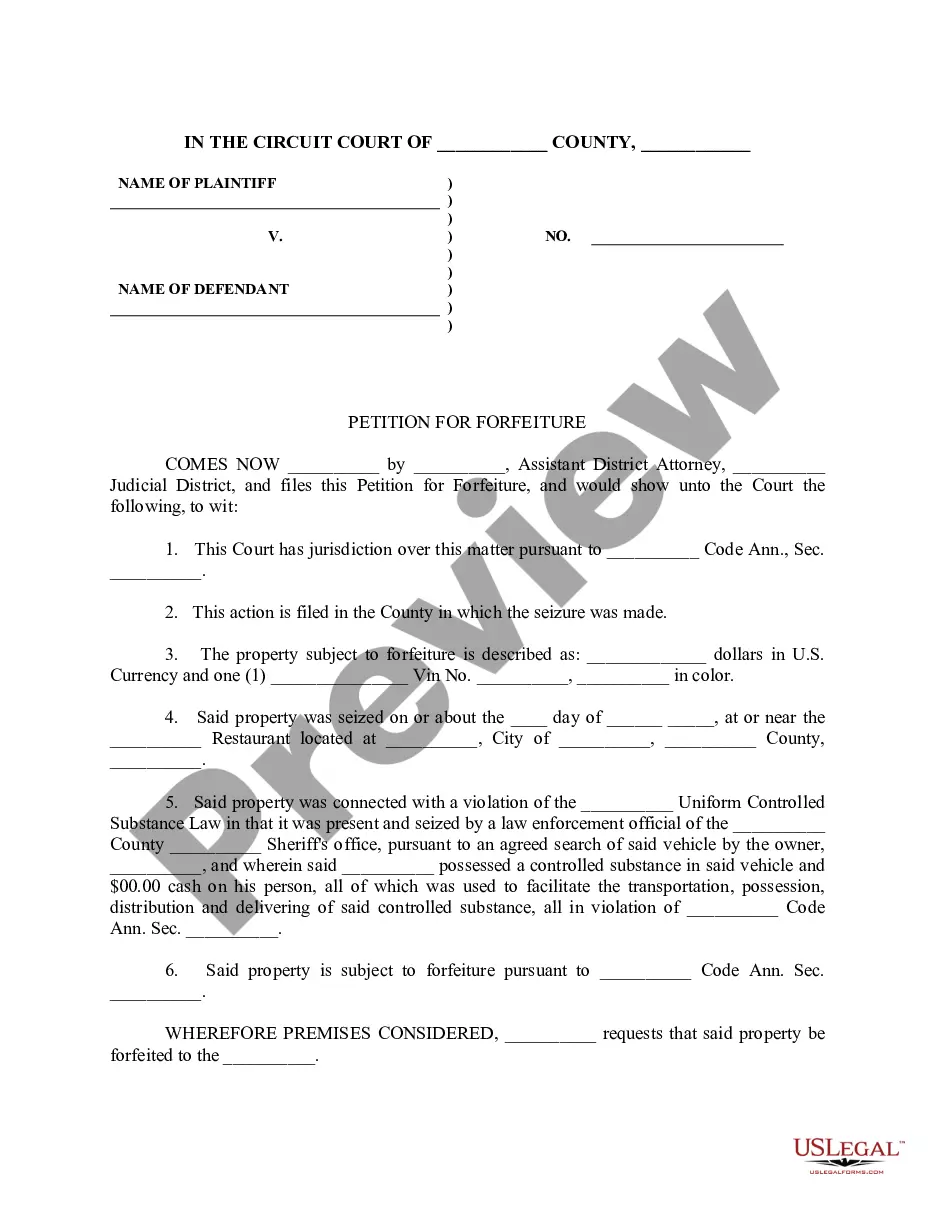
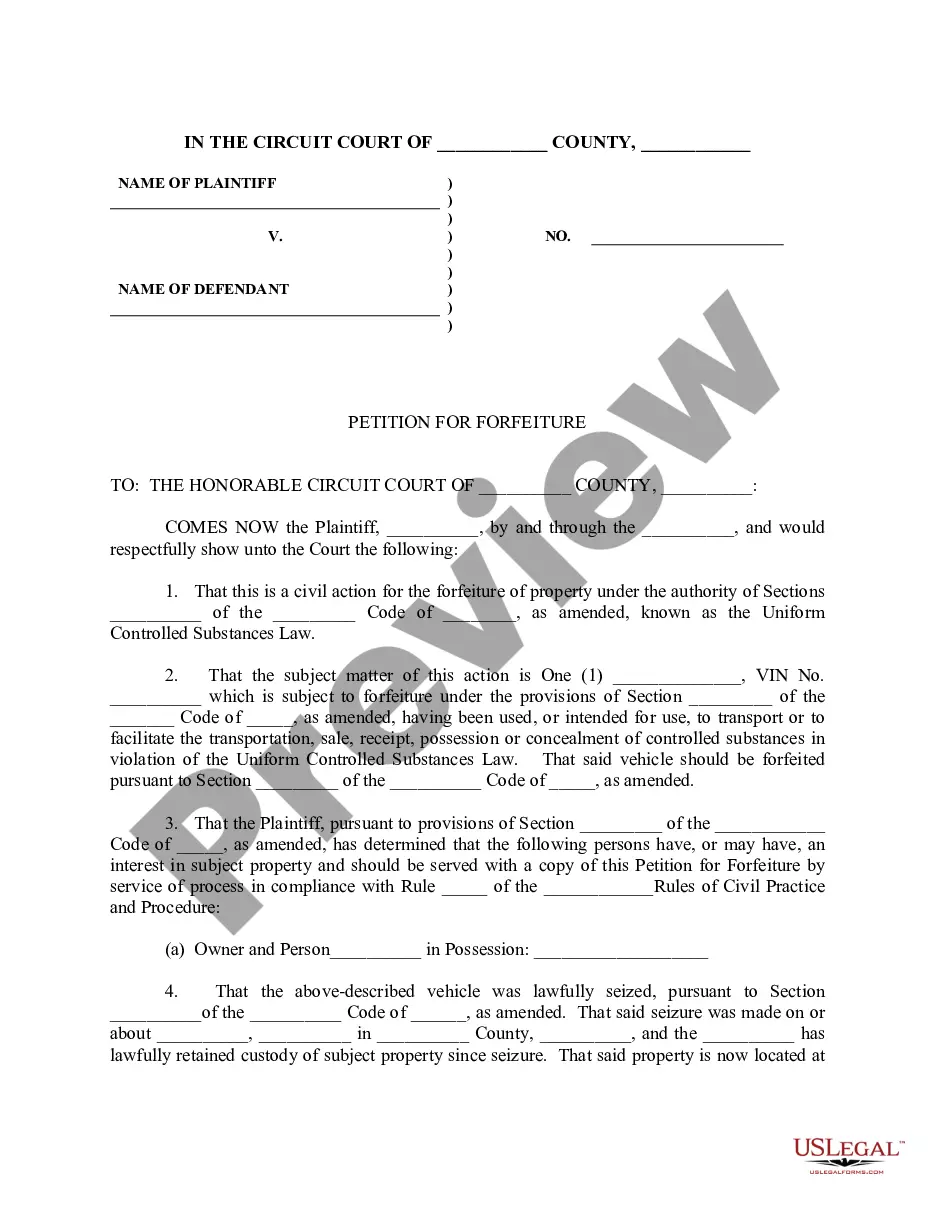
Puerto Rico Petition for Forfeiture
Description

Get your form ready online
Our built-in tools help you complete, sign, share, and store your documents in one place.
Make edits, fill in missing information, and update formatting in US Legal Forms—just like you would in MS Word.
Download a copy, print it, send it by email, or mail it via USPS—whatever works best for your next step.
Sign and collect signatures with our SignNow integration. Send to multiple recipients, set reminders, and more. Go Premium to unlock E-Sign.
If this form requires notarization, complete it online through a secure video call—no need to meet a notary in person or wait for an appointment.
We protect your documents and personal data by following strict security and privacy standards.

Make edits, fill in missing information, and update formatting in US Legal Forms—just like you would in MS Word.

Download a copy, print it, send it by email, or mail it via USPS—whatever works best for your next step.

Sign and collect signatures with our SignNow integration. Send to multiple recipients, set reminders, and more. Go Premium to unlock E-Sign.

If this form requires notarization, complete it online through a secure video call—no need to meet a notary in person or wait for an appointment.

We protect your documents and personal data by following strict security and privacy standards.
Looking for another form?



How to fill out Petition For Forfeiture?
Have you found yourself in a situation where you need documents for either business or personal purposes every day.
There are numerous official document templates available online, but finding reliable ones is challenging.
US Legal Forms offers thousands of template forms, including the Puerto Rico Petition for Forfeiture, designed to meet federal and state requirements.
Utilize US Legal Forms, the most comprehensive collection of legal forms, to save time and avoid errors.
The service offers professionally drafted legal document templates that you can use for various purposes. Create an account on US Legal Forms and start simplifying your life.
- If you are already familiar with the US Legal Forms website and have an account, simply Log In.
- After that, you can download the Puerto Rico Petition for Forfeiture template.
- If you do not have an account and want to start using US Legal Forms, follow these steps.
- Find the form you need and ensure it is for your correct city/state.
- Use the Review button to examine the form.
- Check the description to confirm you have selected the correct form.
- If the form is not what you are looking for, use the Search field to locate the form that fits your needs.
- Once you find the right form, click Get now.
- Select the pricing plan you want, enter the required information to create your account, and complete your order using your PayPal or credit card.
- Choose a suitable document format and download your copy.
- Access all the document templates you have purchased in the My documents menu. You can obtain another copy of the Puerto Rico Petition for Forfeiture anytime if necessary. Simply click the desired form to download or print the document template.
Form popularity
FAQ
Civil forfeiture allows the government (typically the police) to seize ? and then keep or sell ? any property that is allegedly involved in a crime or illegal activity. Owners need not ever be arrested or convicted of a crime for their cash, cars, or even real estate to be taken away permanently by the government.
§982. Criminal forfeiture. (a)(1) The court, in imposing sentence on a person convicted of an offense in violation of section 1956, 1957, or 1960 of this title, shall order that the person forfeit to the United States any property, real or personal, involved in such offense, or any property traceable to such property.
All controlled substances which have been manufactured, distributed, dispensed, or acquired in violation of this subchapter.
Remission, referring to the return of forfeited assets, and mitigation, referring to acceptance of a smaller financial penalty in lieu of forfeiture, are discretionary forms of relief granted by the agencies that are involved in seizing property or by the Criminal Division of the Department of Justice in Washington, ...
Criminal forfeiture is an action brought as a part of the criminal prosecution of a defendant. It is an in personam (against the person) action and requires that the government indict (charge) the property used or derived from the crime along with the defendant.
A forfeiture by wrongdoing is defined under the Federal Rules of Evidence, as a statement made by a declarant that normally qualifies as hearsay and would therefore not be admissible can be admitted under the forfeiture by wrongdoing exception to the hearsay rule.
Forfeiture is broadly defined as the loss of property for failing to obey the law, and that property is generally lost to the state. A person may have a vested interest in property to be forfeit in two ways: In personum jurisdiction and in rem jurisdiction.