Puerto Rico Interrogatories
Description
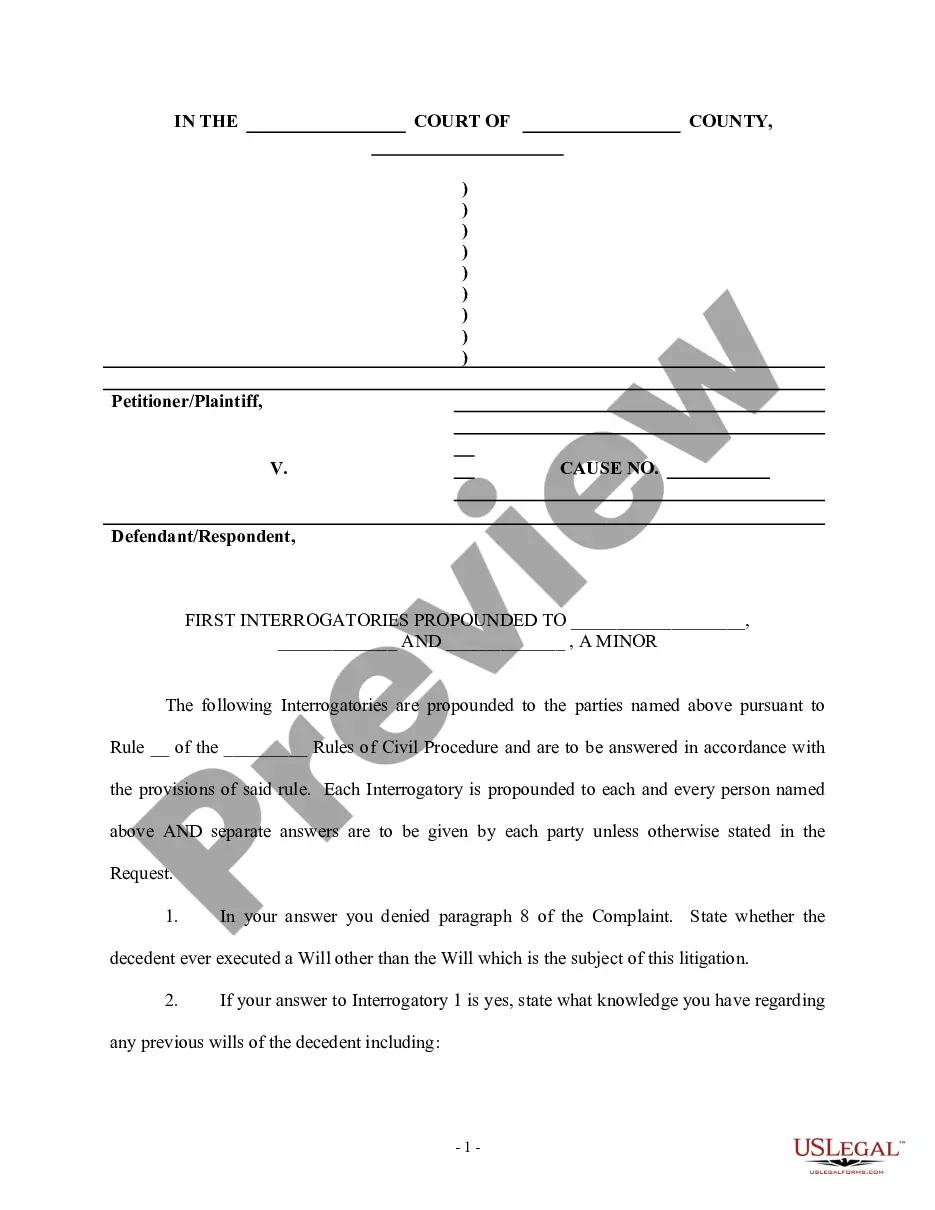
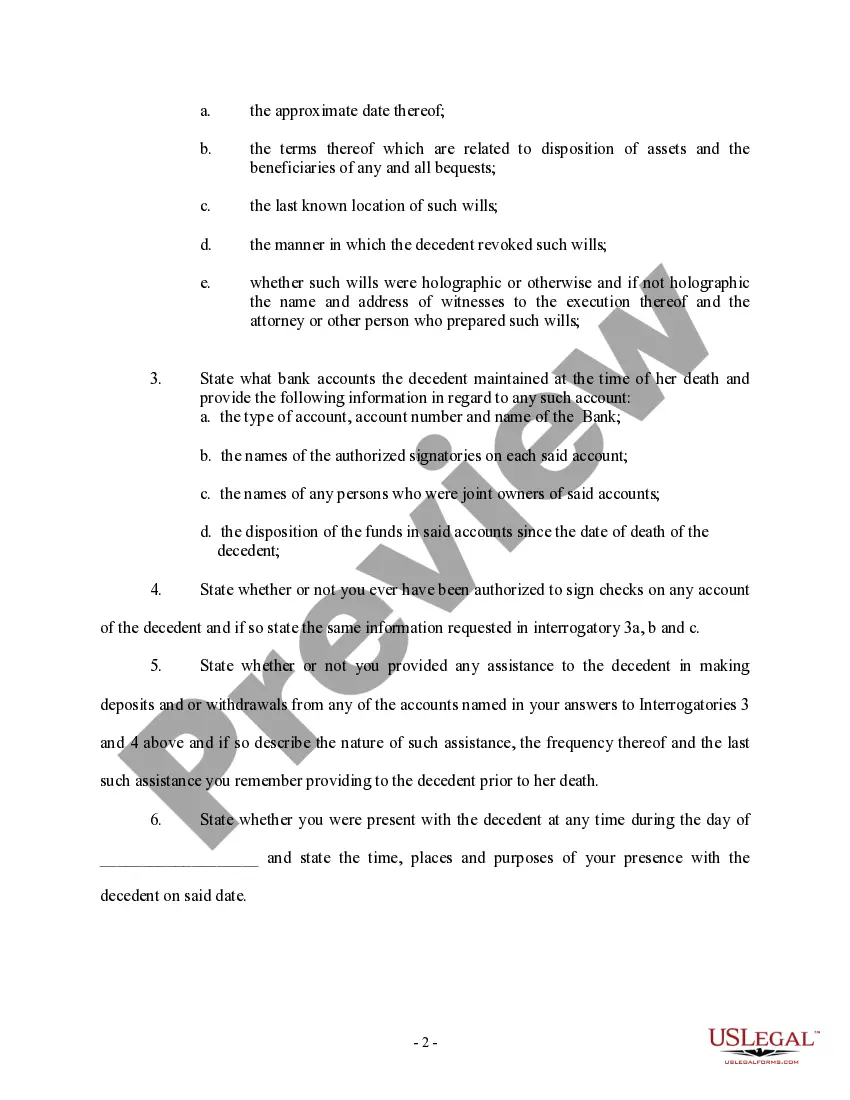
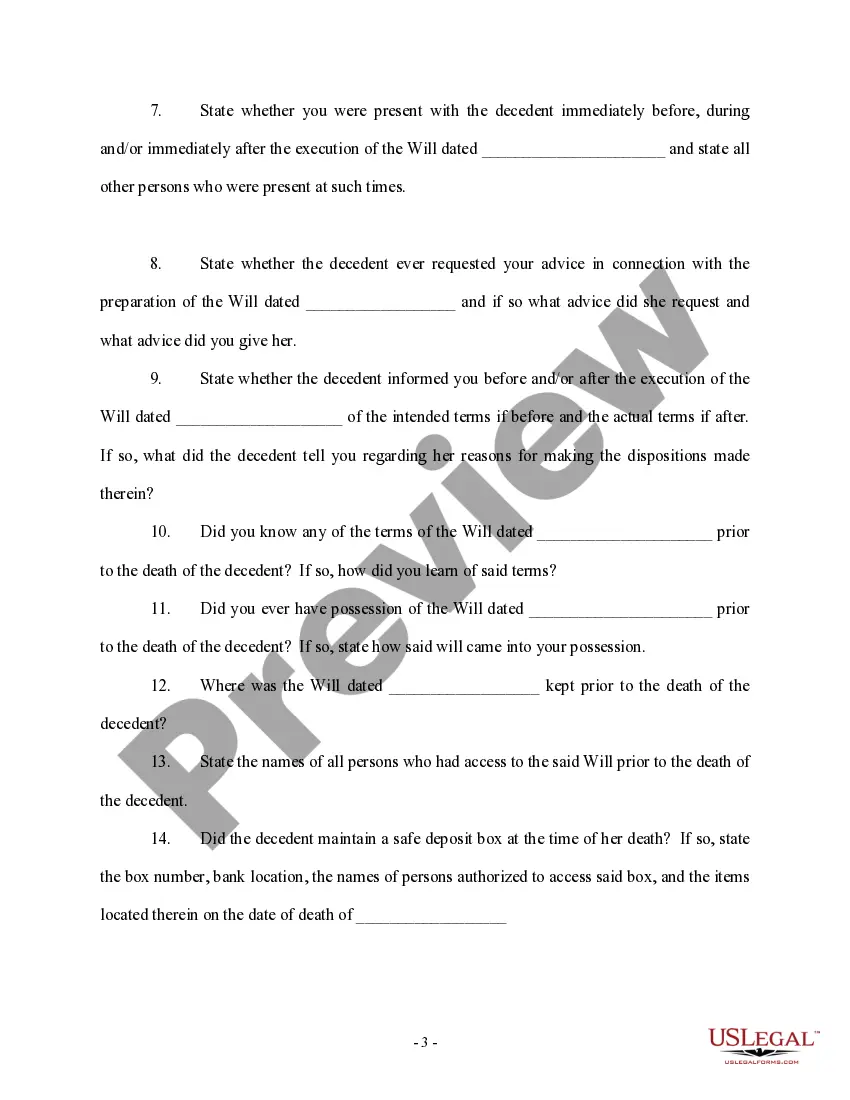
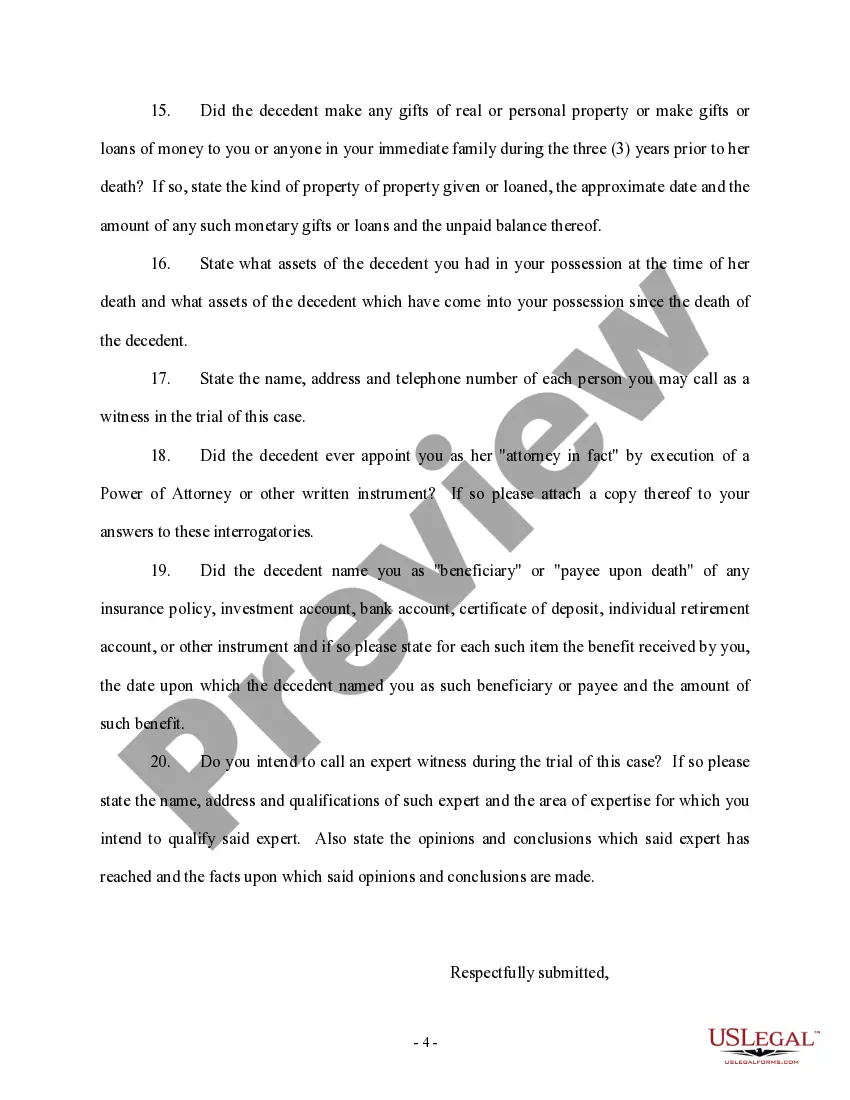
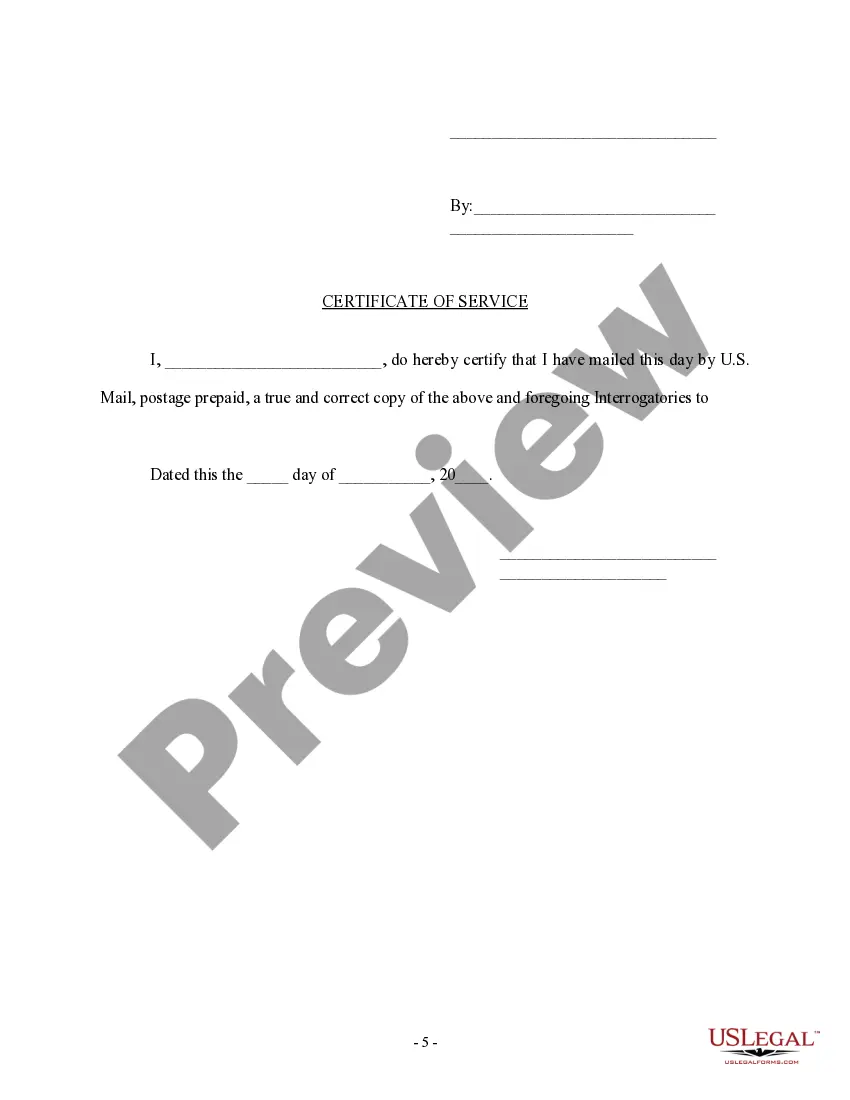
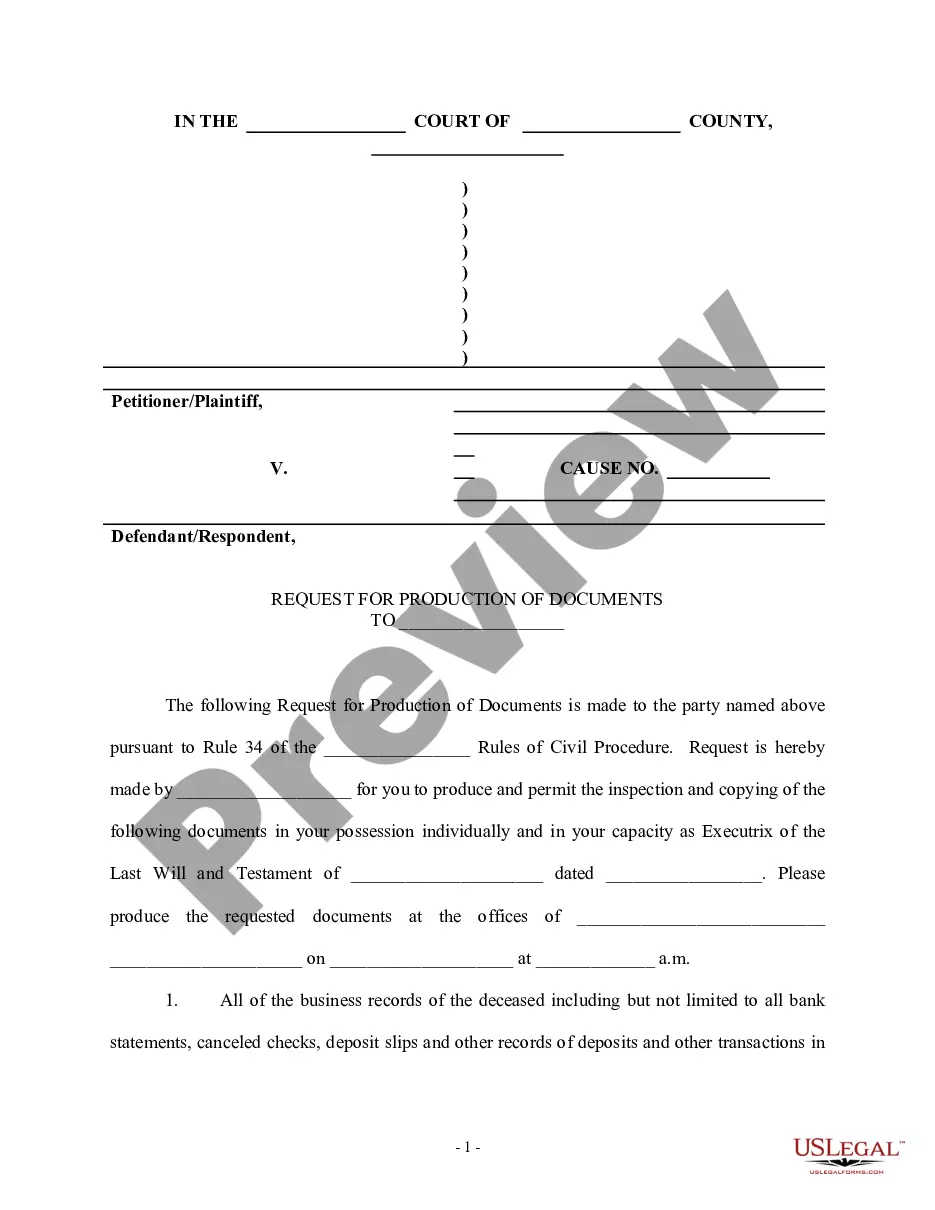
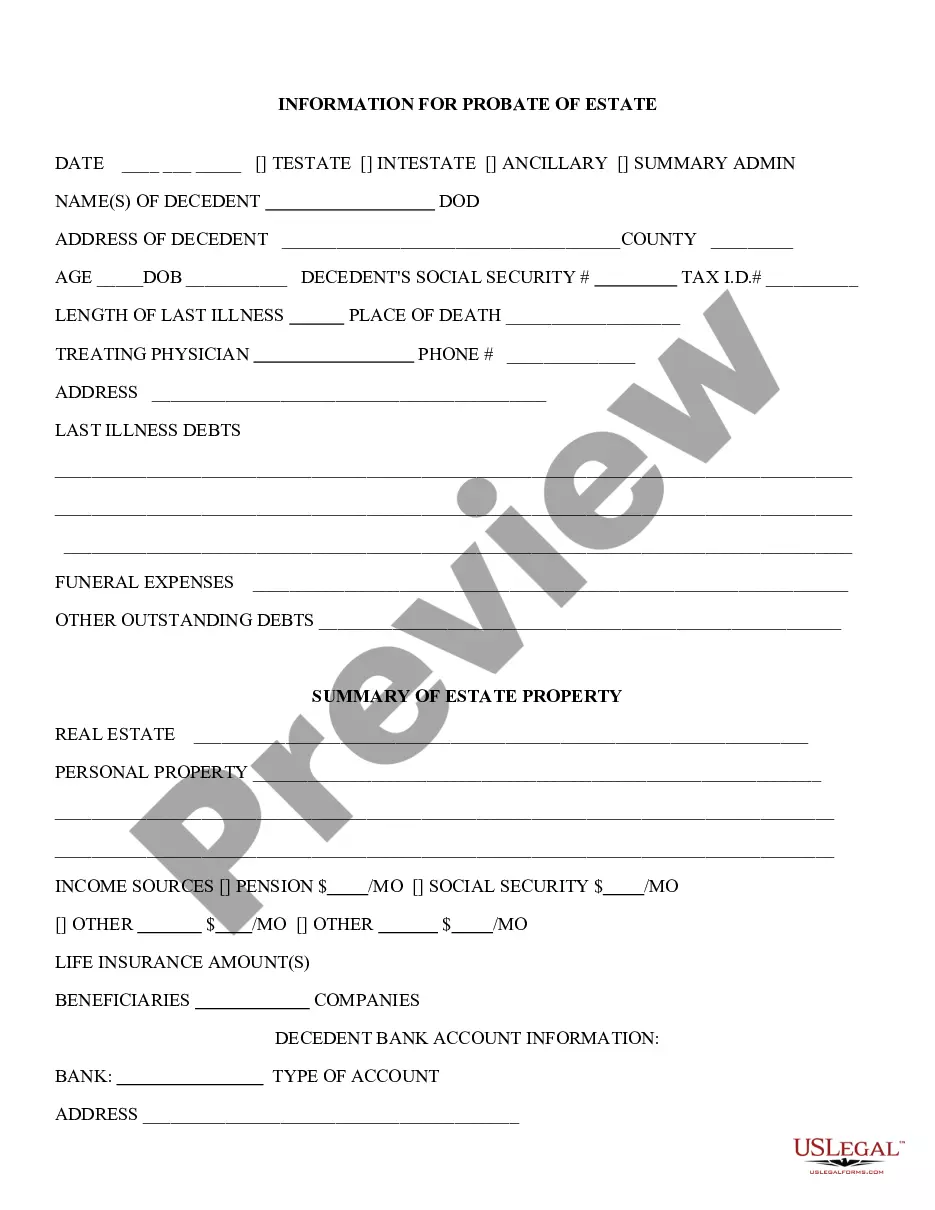
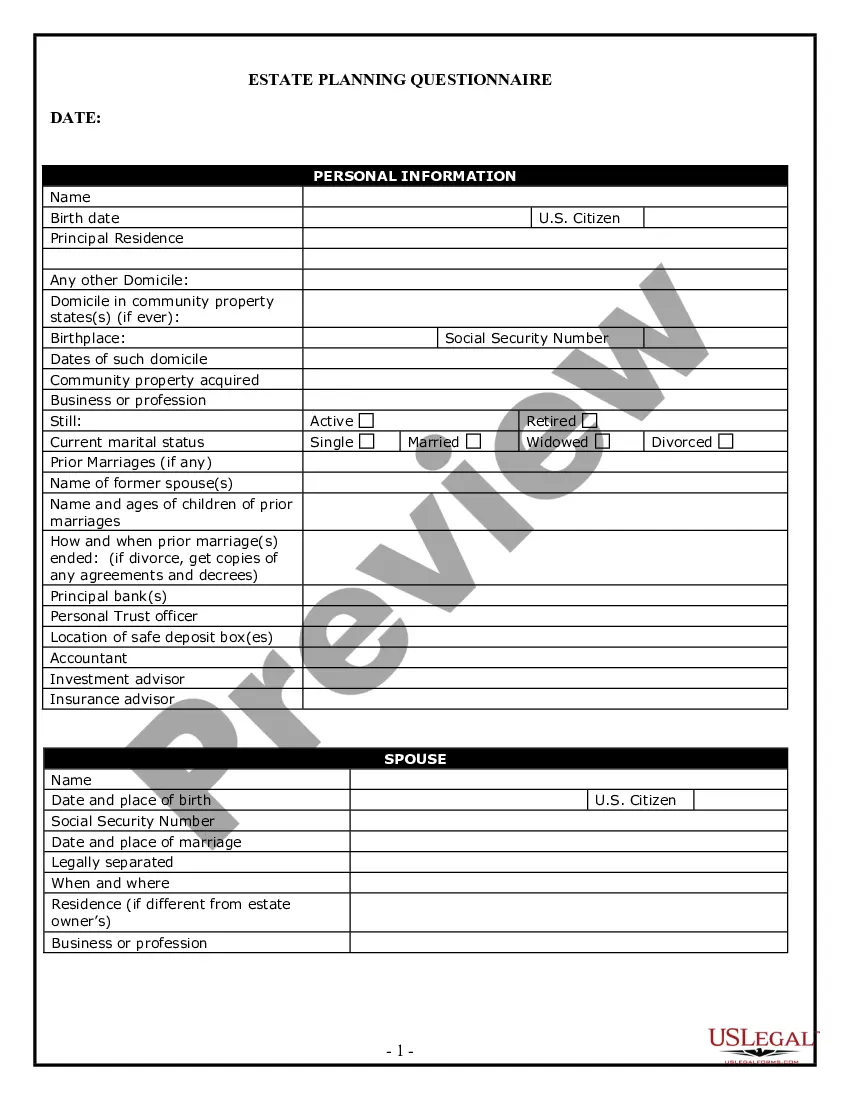
Get your form ready online
Our built-in tools help you complete, sign, share, and store your documents in one place.
Make edits, fill in missing information, and update formatting in US Legal Forms—just like you would in MS Word.
Download a copy, print it, send it by email, or mail it via USPS—whatever works best for your next step.
Sign and collect signatures with our SignNow integration. Send to multiple recipients, set reminders, and more. Go Premium to unlock E-Sign.
If this form requires notarization, complete it online through a secure video call—no need to meet a notary in person or wait for an appointment.
We protect your documents and personal data by following strict security and privacy standards.

Make edits, fill in missing information, and update formatting in US Legal Forms—just like you would in MS Word.

Download a copy, print it, send it by email, or mail it via USPS—whatever works best for your next step.

Sign and collect signatures with our SignNow integration. Send to multiple recipients, set reminders, and more. Go Premium to unlock E-Sign.

If this form requires notarization, complete it online through a secure video call—no need to meet a notary in person or wait for an appointment.

We protect your documents and personal data by following strict security and privacy standards.
Looking for another form?
How to fill out Interrogatories?
If you require thorough, acquire, or print legal document templates, utilize US Legal Forms, the most extensive collection of legal forms available online.
Take advantage of the site’s straightforward and user-friendly search to find the documents you need.
Various templates for business and personal purposes are organized by categories and states, or keywords.
Step 4. Once you have found the form you want, click the Buy now button. Choose the payment plan you prefer and enter your details to register for an account.
Step 5. Process the transaction. You can use your credit card or PayPal account to complete the transaction.
- Use US Legal Forms to access the Puerto Rico Interrogatories in just a few clicks.
- If you are already a US Legal Forms user, Log In to your account and click the Acquire button to obtain the Puerto Rico Interrogatories.
- You can also access forms you previously downloaded from the My documents tab in your account.
- If you are using US Legal Forms for the first time, follow the instructions below.
- Step 1. Ensure you have selected the form for your relevant region/country.
- Step 2. Utilize the Preview option to review the form’s content. Remember to read the description.
- Step 3. If you are not satisfied with the form, use the Search field at the top of the screen to find other versions of the legal form template.
Form popularity
FAQ
When Puerto Rico became a US territory, it incorporated the common law system. This created a mixed legal system in which common law and civil law are blended. This system is what prevails today. Civil law is applied for family law, divorce, child custody, real property law, and contractual law, among others.
As Puerto Rico is under United States sovereignty, U.S. federal law applies in the territory, and cases of a federal nature are heard in the United States District Court for the District of Puerto Rico.
Puerto Rico is an unincorporated territory of the United States. Most but not all federal laws apply to Puerto Rico. In addition to the U.S. Constitution, which is the supreme law of the U.S., federal laws include statutes that are periodically codified in the U.S. Code.
Puerto Rico does not recognize common-law marriages and the requirements for establishing a valid marriage in Puerto Rico are set forth in Article 69 of the Civil Code, 31 L.P.R.A. § 231.
Whereas the civil law takes the form of legal codes, the law in common law systems historically came from uncodified case law that arose as a result of judicial decisions, recognising prior court decisions as legally binding precedent.