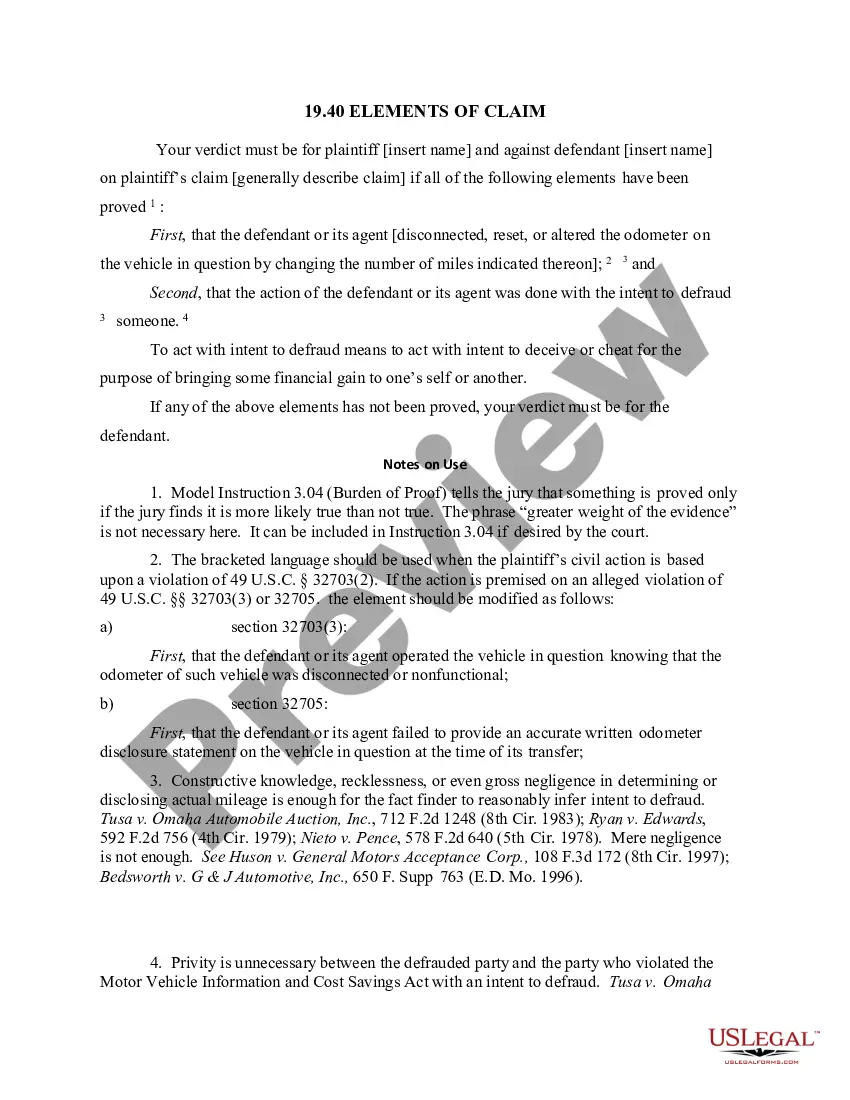
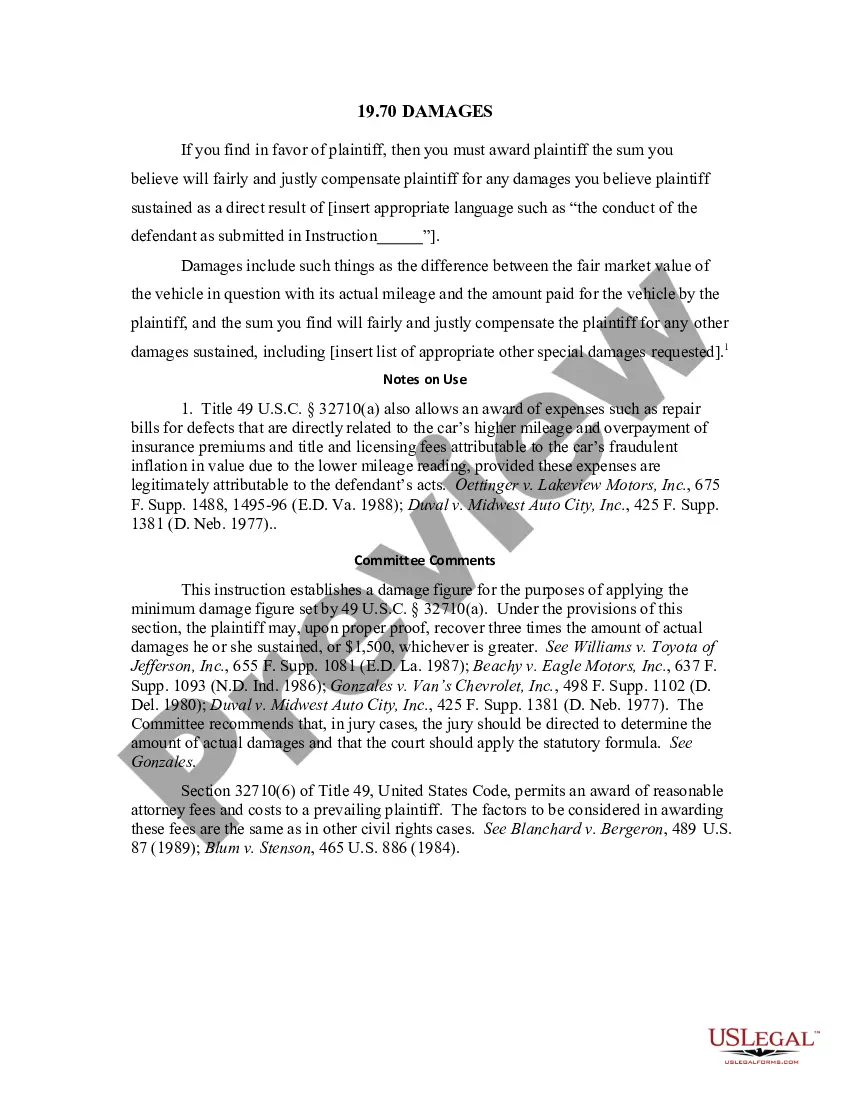
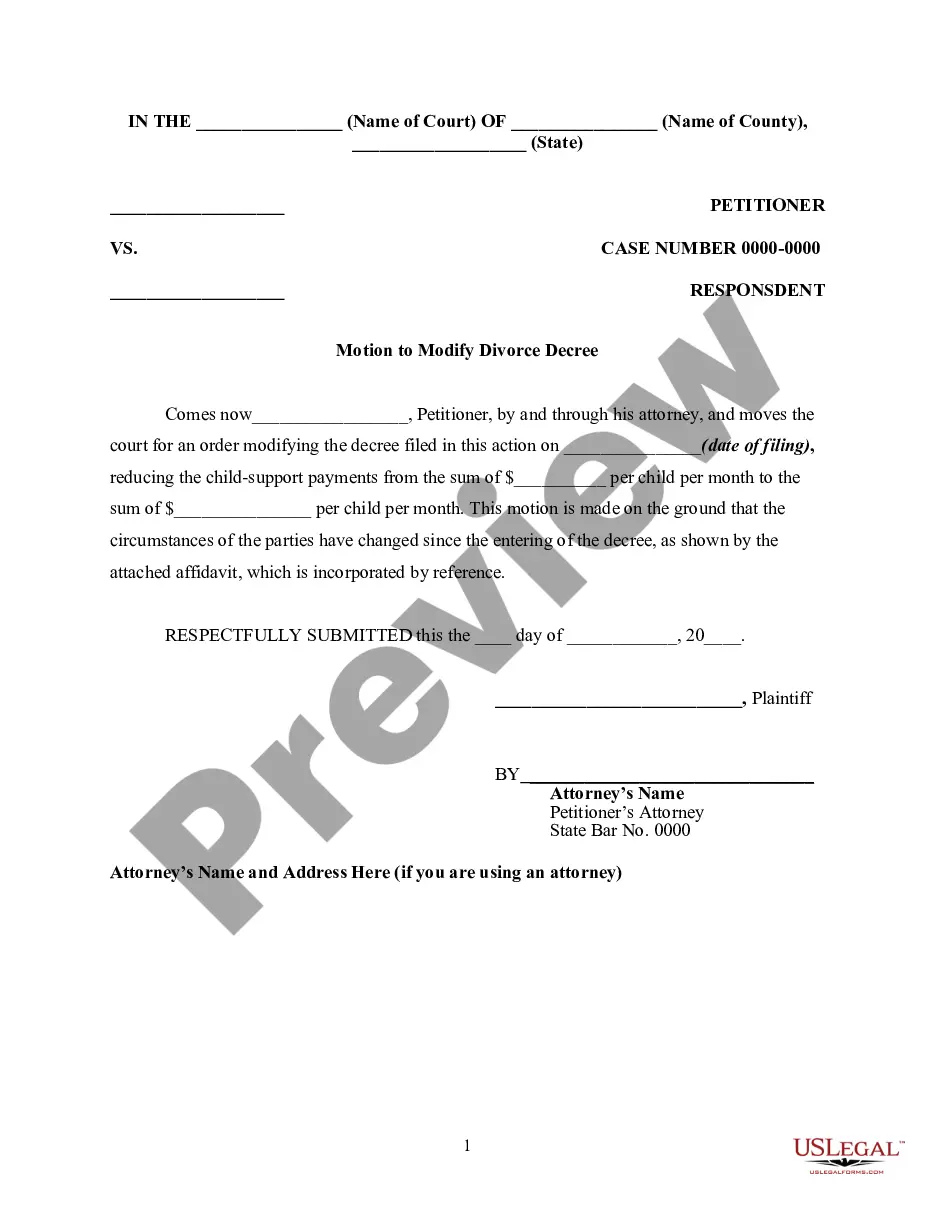
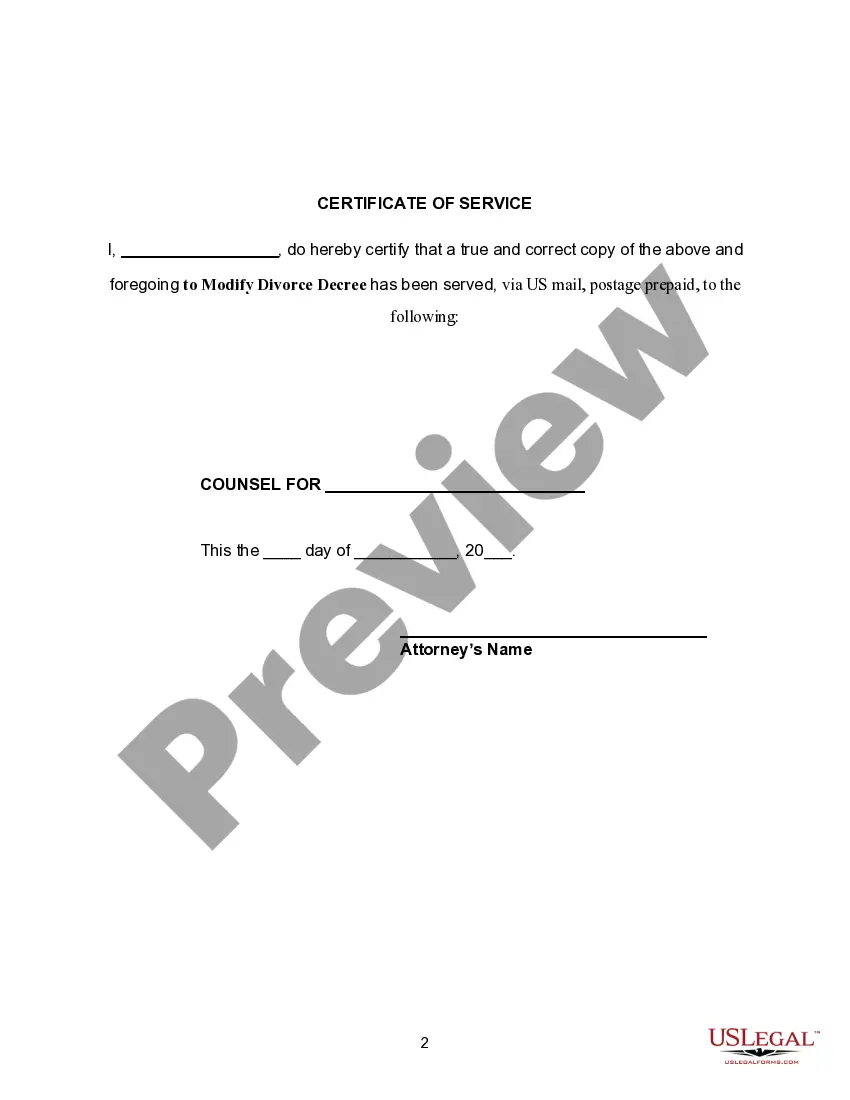
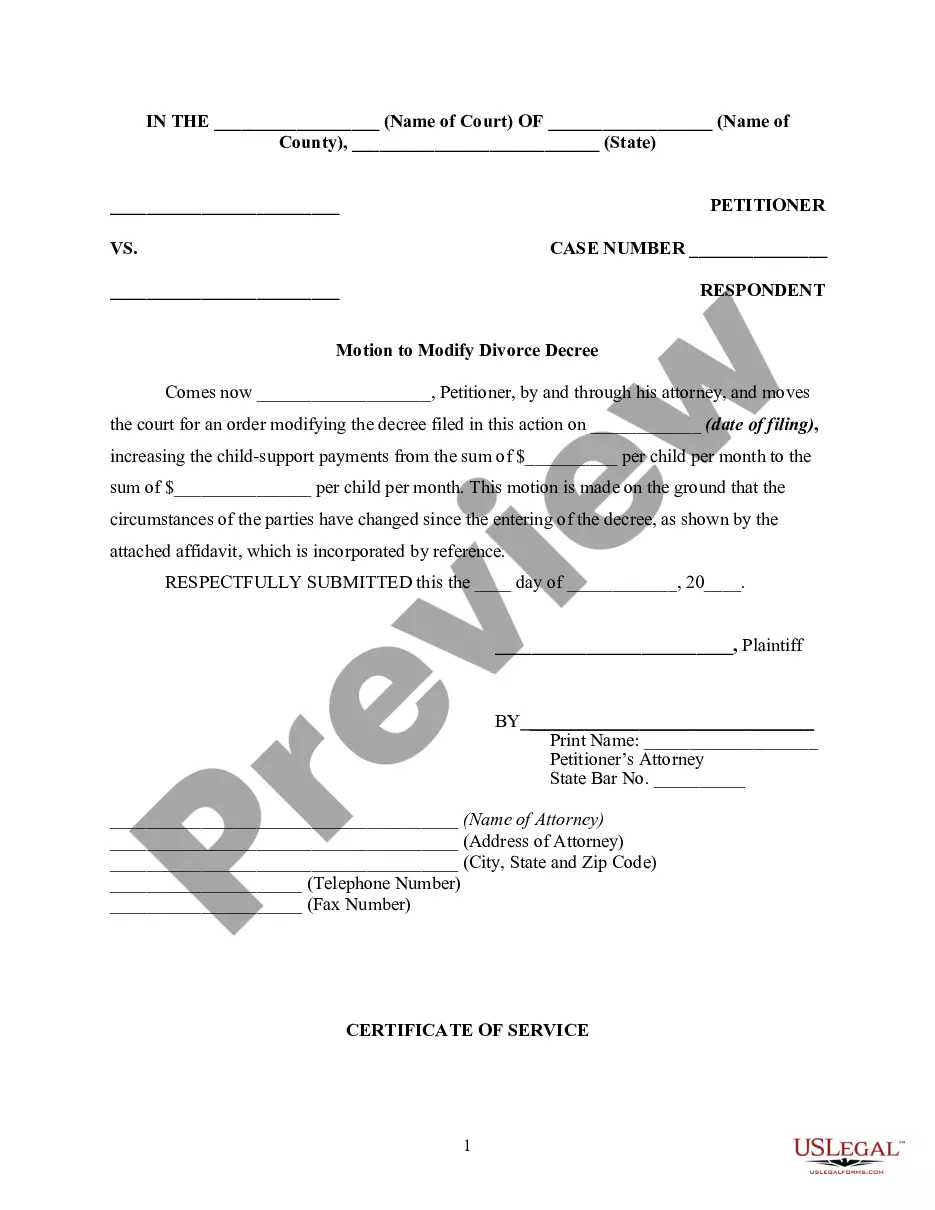
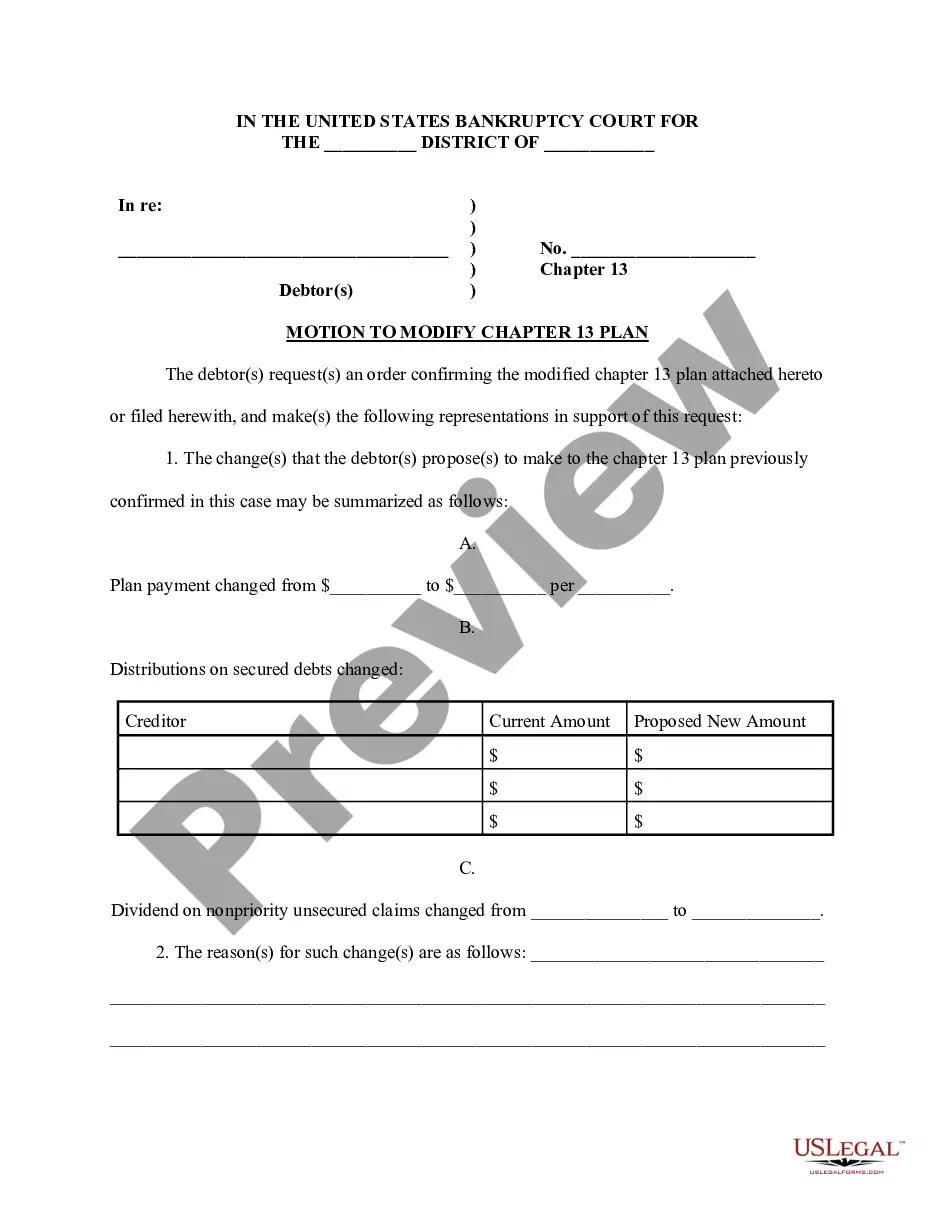
Puerto Rico Motion to Modify or Amend Divorce Decree to Provide for Decrease in Amount of Child Support
Description
Get your form ready online
Our built-in tools help you complete, sign, share, and store your documents in one place.
Make edits, fill in missing information, and update formatting in US Legal Forms—just like you would in MS Word.
Download a copy, print it, send it by email, or mail it via USPS—whatever works best for your next step.
Sign and collect signatures with our SignNow integration. Send to multiple recipients, set reminders, and more. Go Premium to unlock E-Sign.
If this form requires notarization, complete it online through a secure video call—no need to meet a notary in person or wait for an appointment.
We protect your documents and personal data by following strict security and privacy standards.

Make edits, fill in missing information, and update formatting in US Legal Forms—just like you would in MS Word.

Download a copy, print it, send it by email, or mail it via USPS—whatever works best for your next step.

Sign and collect signatures with our SignNow integration. Send to multiple recipients, set reminders, and more. Go Premium to unlock E-Sign.

If this form requires notarization, complete it online through a secure video call—no need to meet a notary in person or wait for an appointment.

We protect your documents and personal data by following strict security and privacy standards.
Looking for another form?


How to fill out Motion To Modify Or Amend Divorce Decree To Provide For Decrease In Amount Of Child Support?
Are you in a situation where you require documents for either business or personal purposes almost every day.
There are numerous authentic document templates available online, but locating ones you can rely on is challenging.
US Legal Forms offers thousands of document templates, including the Puerto Rico Motion to Modify or Amend Divorce Decree to Provide for Reduction in Amount of Child Support, which are designed to comply with federal and state regulations.
Once you find the correct document, simply click Purchase now.
Select the payment plan you prefer, fill out the necessary information to create your account, and complete the transaction using your PayPal or credit card.
- If you are already familiar with the US Legal Forms website and possess a free account, simply Log In.
- Then, you can download the Puerto Rico Motion to Modify or Amend Divorce Decree to Provide for Reduction in Amount of Child Support template.
- If you do not have an account and wish to start using US Legal Forms, follow these steps.
- Find the document you need and ensure it is for your correct city/region.
- Use the Review button to check the document.
- Examine the description to confirm you have selected the right document.
- If the document is not what you are looking for, utilize the Lookup field to find the document that meets your needs and specifications.
Form popularity
FAQ
How long do I have to pay child support? Under California law, you pay child support until the child turns 18, or 19 if the child is unmarried and still attending high school full time. Under special circumstances, the court may order child support to continue after the child is an adult.
To calculate it by long hand, take the Combined Parental Income (but only up to $141,000) and multiply it by the applicable Child Support Percentages (1 child in the care of the custodial parent: 17%, 2 children: 25%, 3 children: 29%, 4 children: 31%, 5 or more children: 35% or more).
In Puerto Rico, joint custody was established as public policy. Thus, courts must consider this type of arrangement as the first option in cases in which custody is in dispute. However, the most important factor for determining custody will always be the welfare of the underage or incapacitated child.
Please remember that all child support orders in Puerto Rico go into the child reaches 21 year of age. If the child goes to college, it could extend until the child reached the age of 27. There is only one solution: you and your spouse can get a divorce. After the divorce, you do a prenuptial agreement and remarried.
Child support in Puerto Rico is based on the parents need as well as the capacity of the parties to pay the support. The amount is awarded for the benefit of the children and is usually given to the parent that has physical custody.
Child support can be requested through the Court of First Instance or through the Child Support Administration (ASUME, by its Spanish acronym), an agency under the Executive Branch of the government of Puerto Rico. Both the judicial and the administrative forums have concurrent jurisdiction over these matters.
Laws tit. 31, § 385. If any of the spouses does not have sufficient means for subsistence once the divorce is decreed on any of the grounds established in § 321 of this title, the Court of First Instance may assign alimony, [at] its discretion, from the income, earnings, salary or property of the other spouse.
Does Having Additional Children Affect the Payor's Existing Obligation to Pay Child Support? The short answer is, ?No, it doesn't.? Under Florida law, neither remarriage nor having additional children terminates the payor's existing obligation to pay child support.