Pennsylvania Non Employee Technology Transfer And Protection Agreement
Description
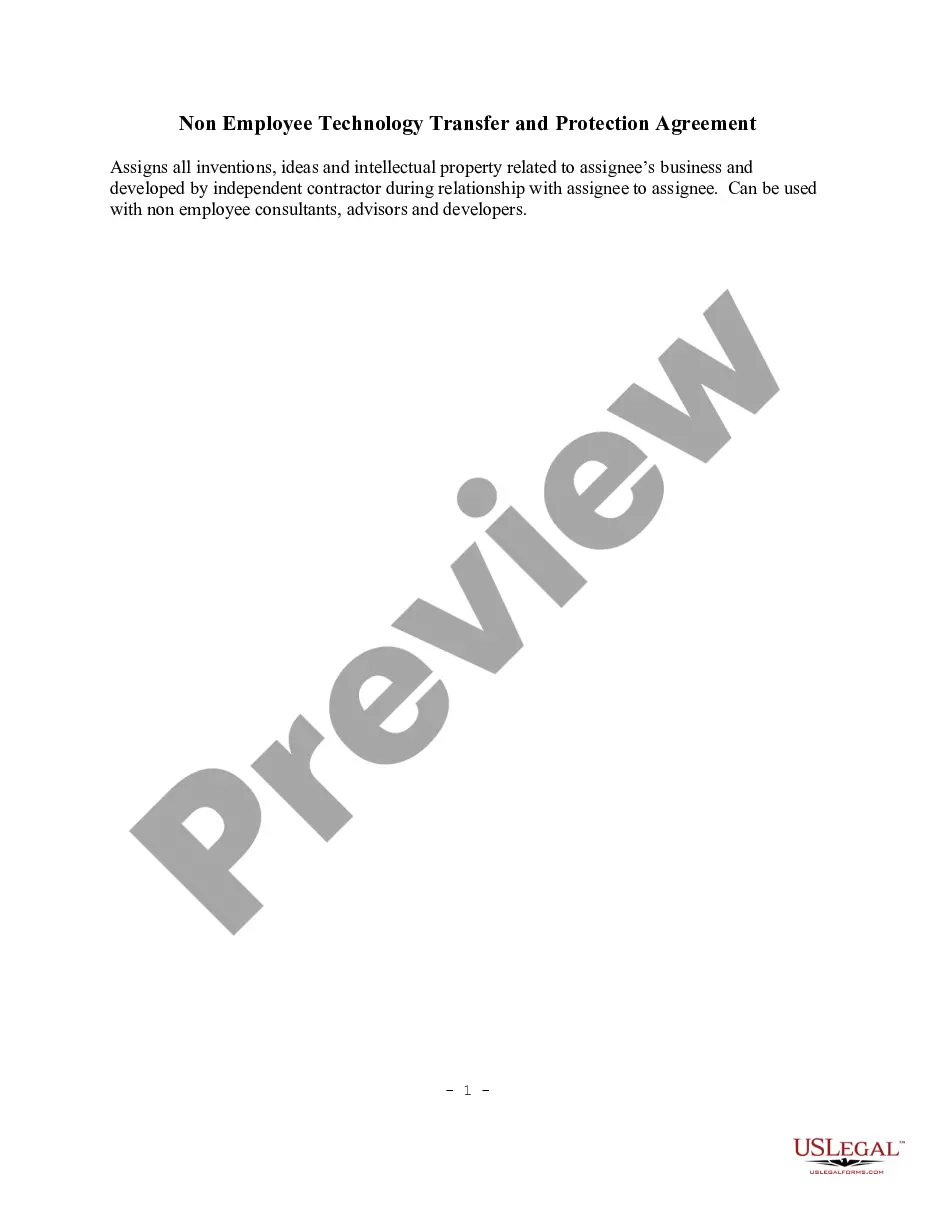
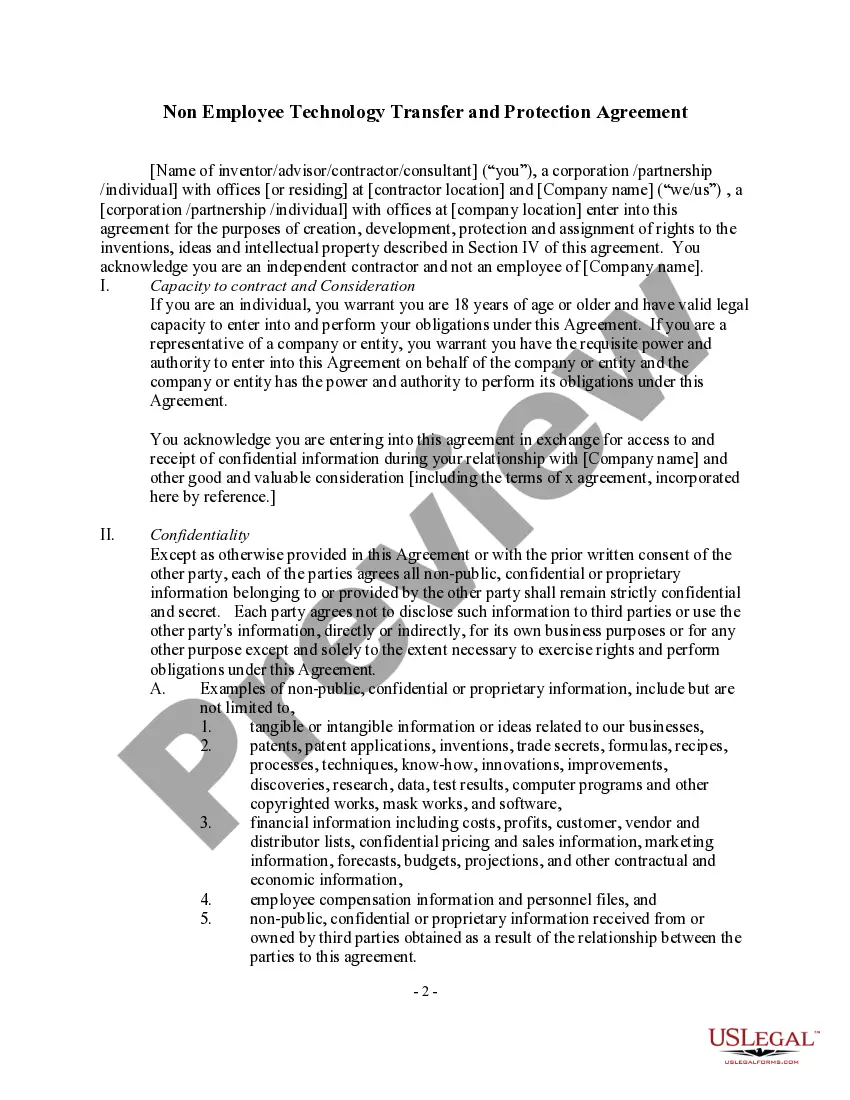
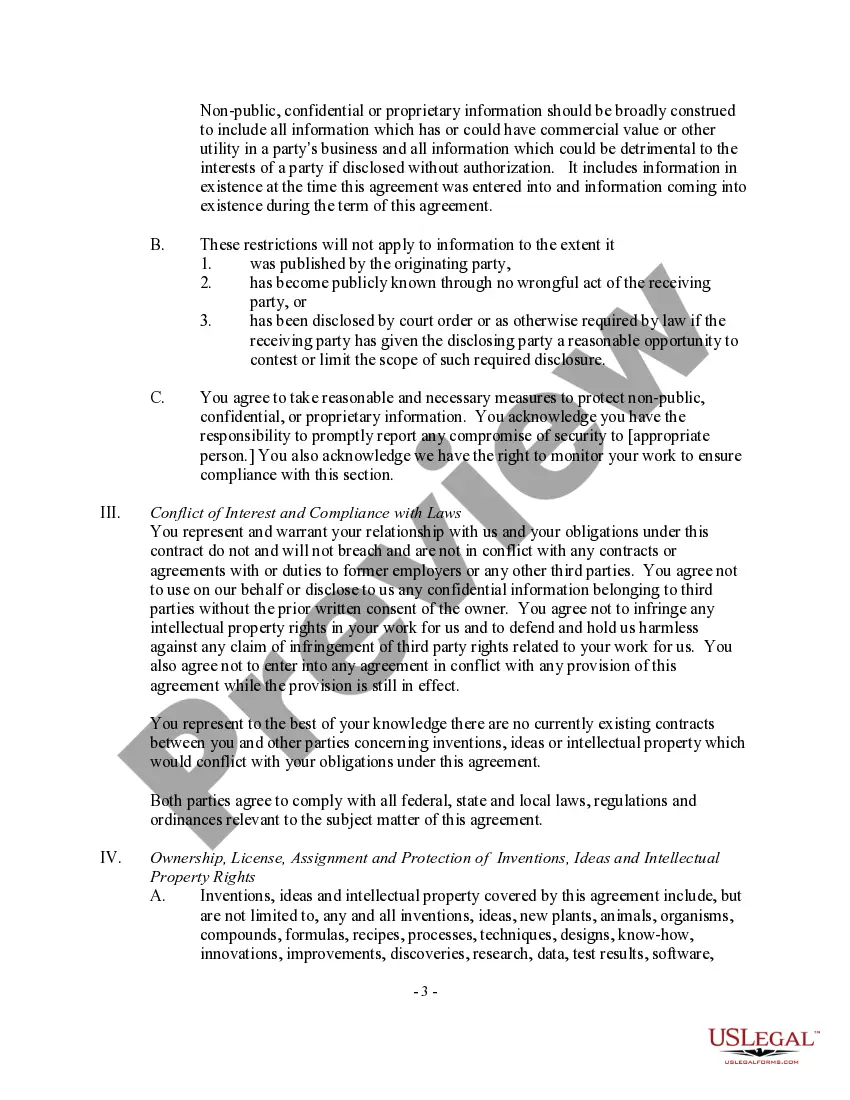
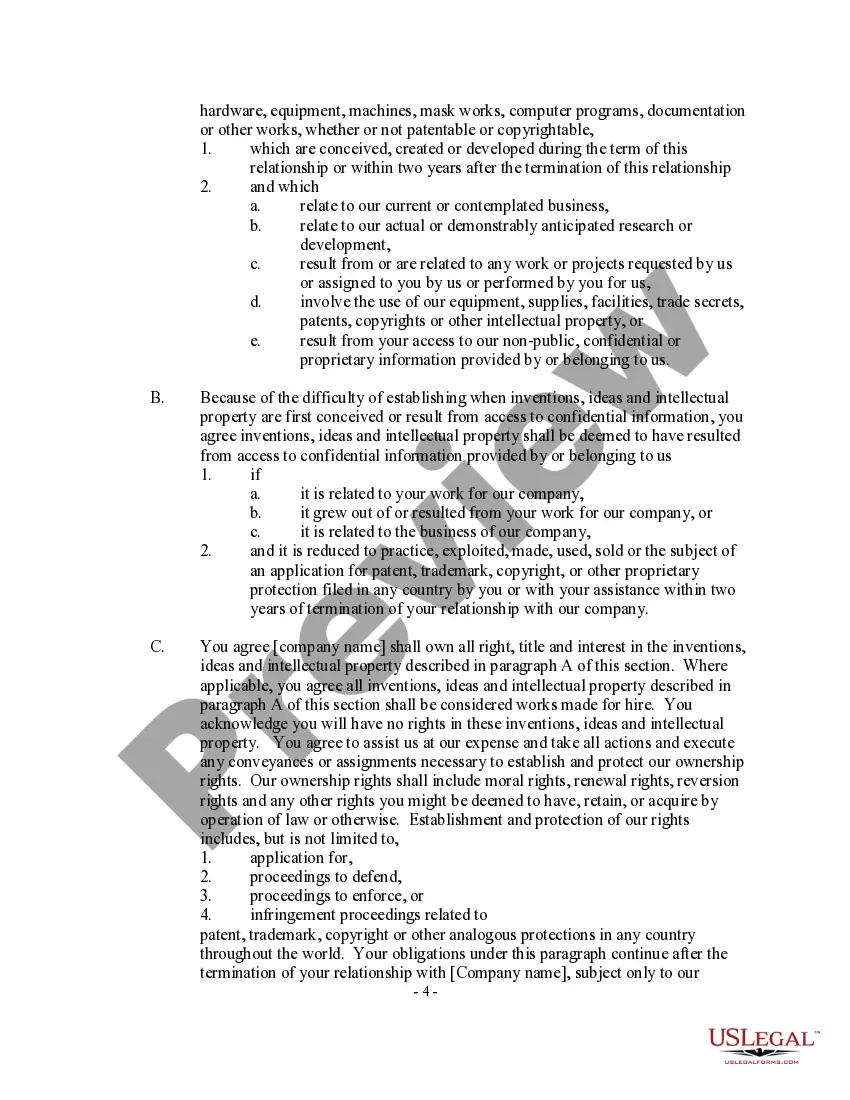
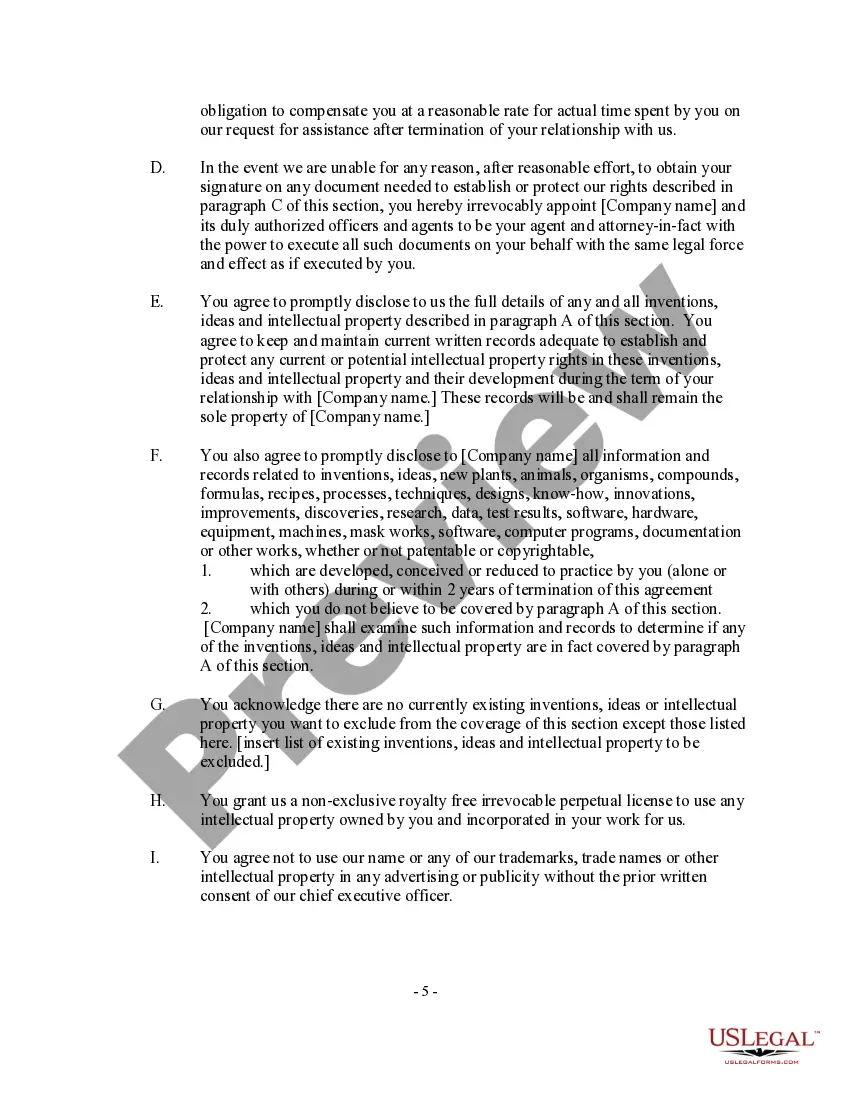
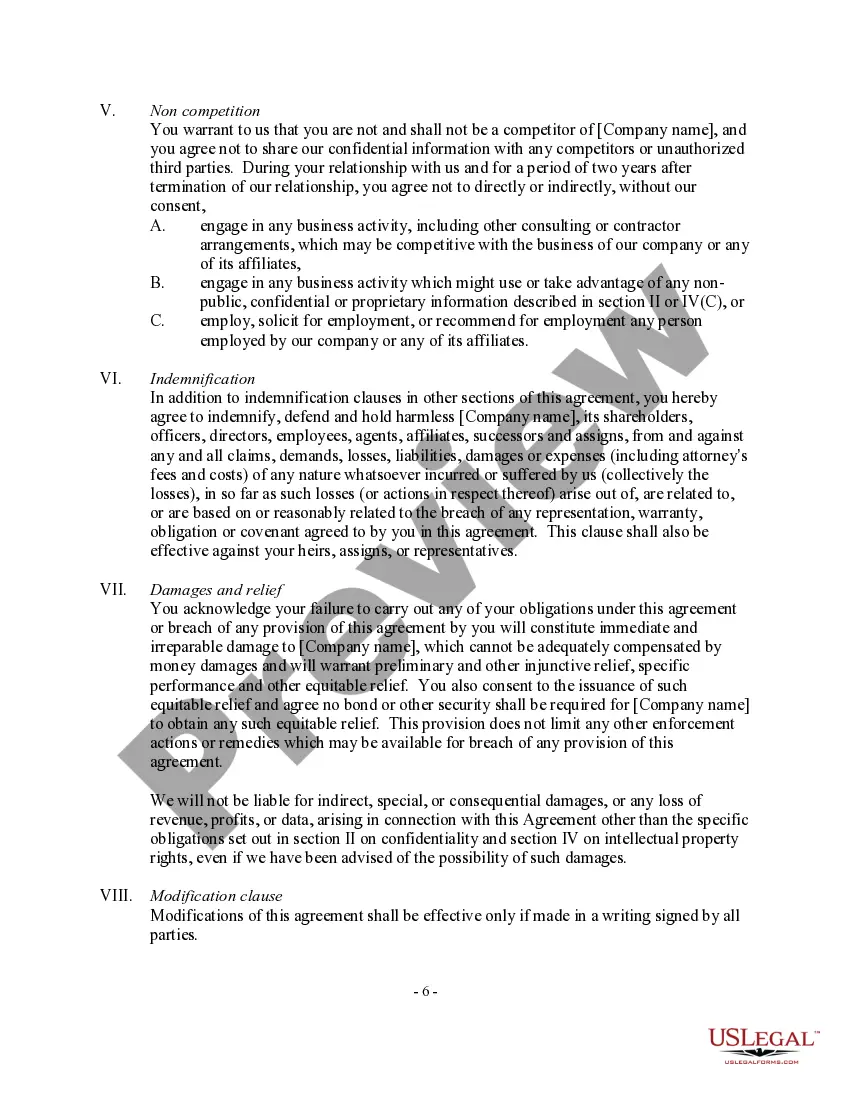
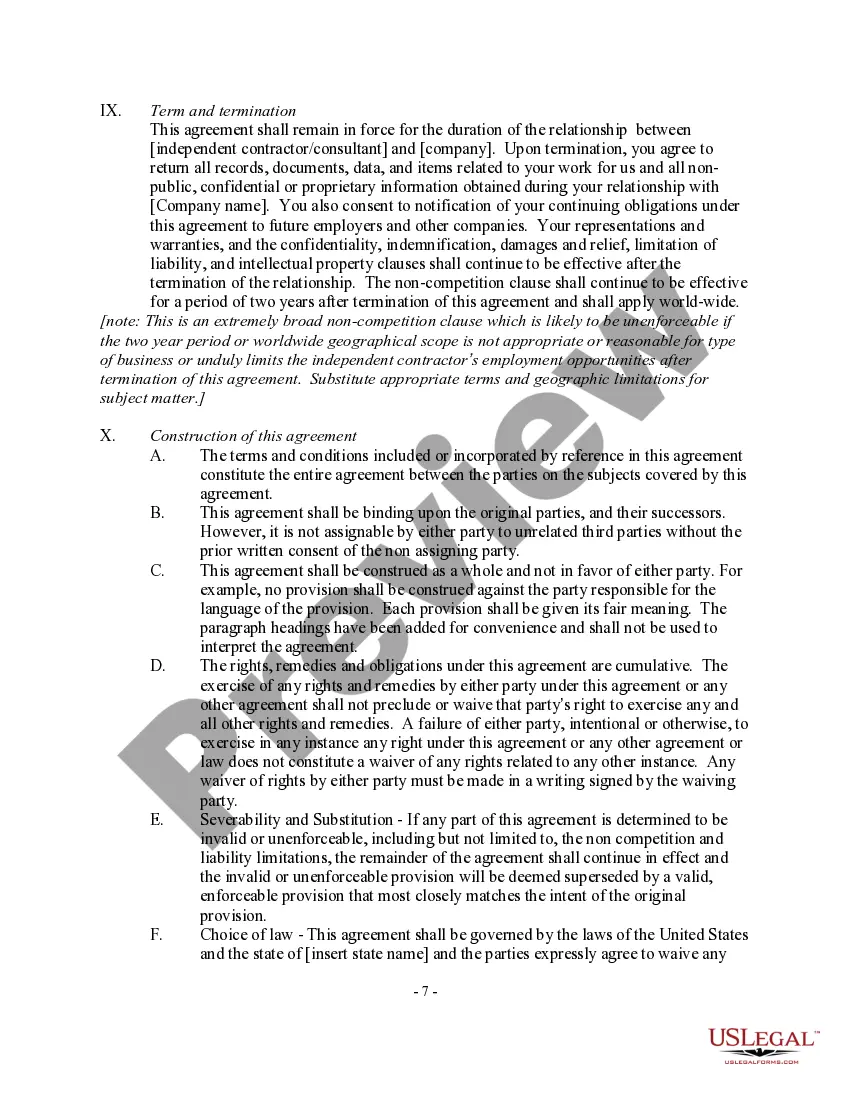
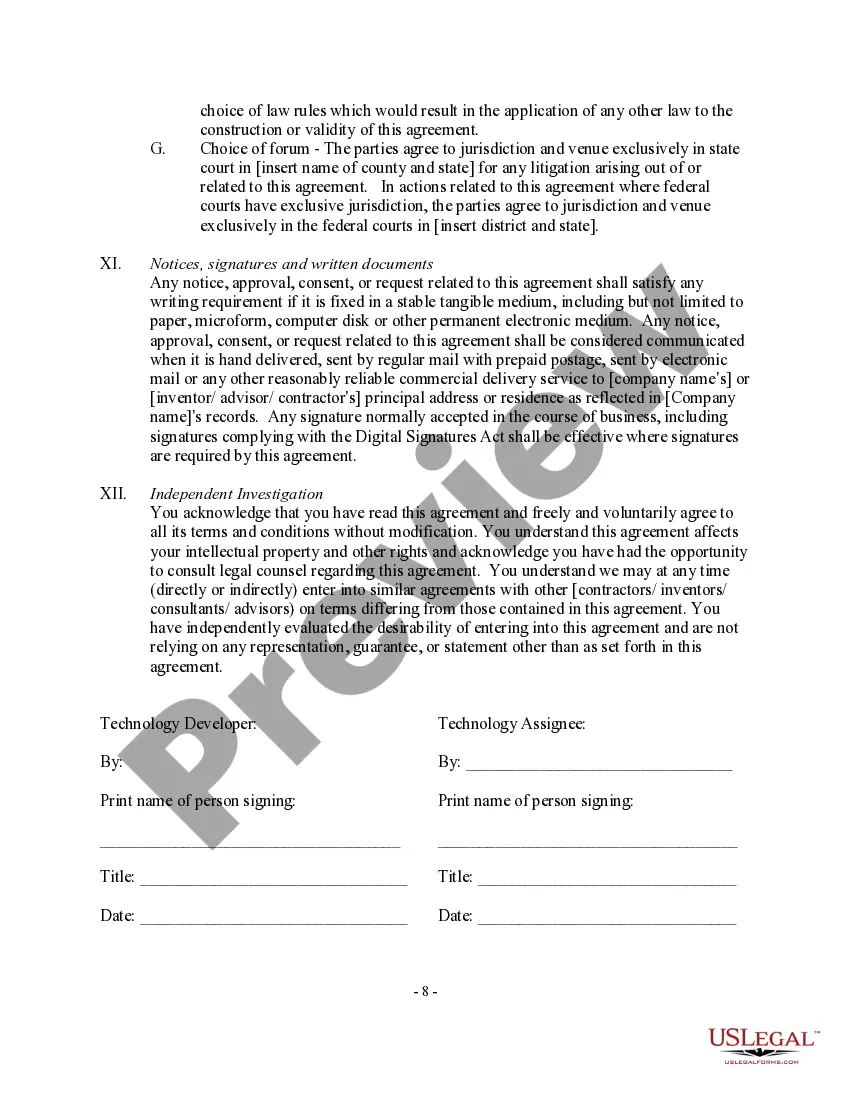
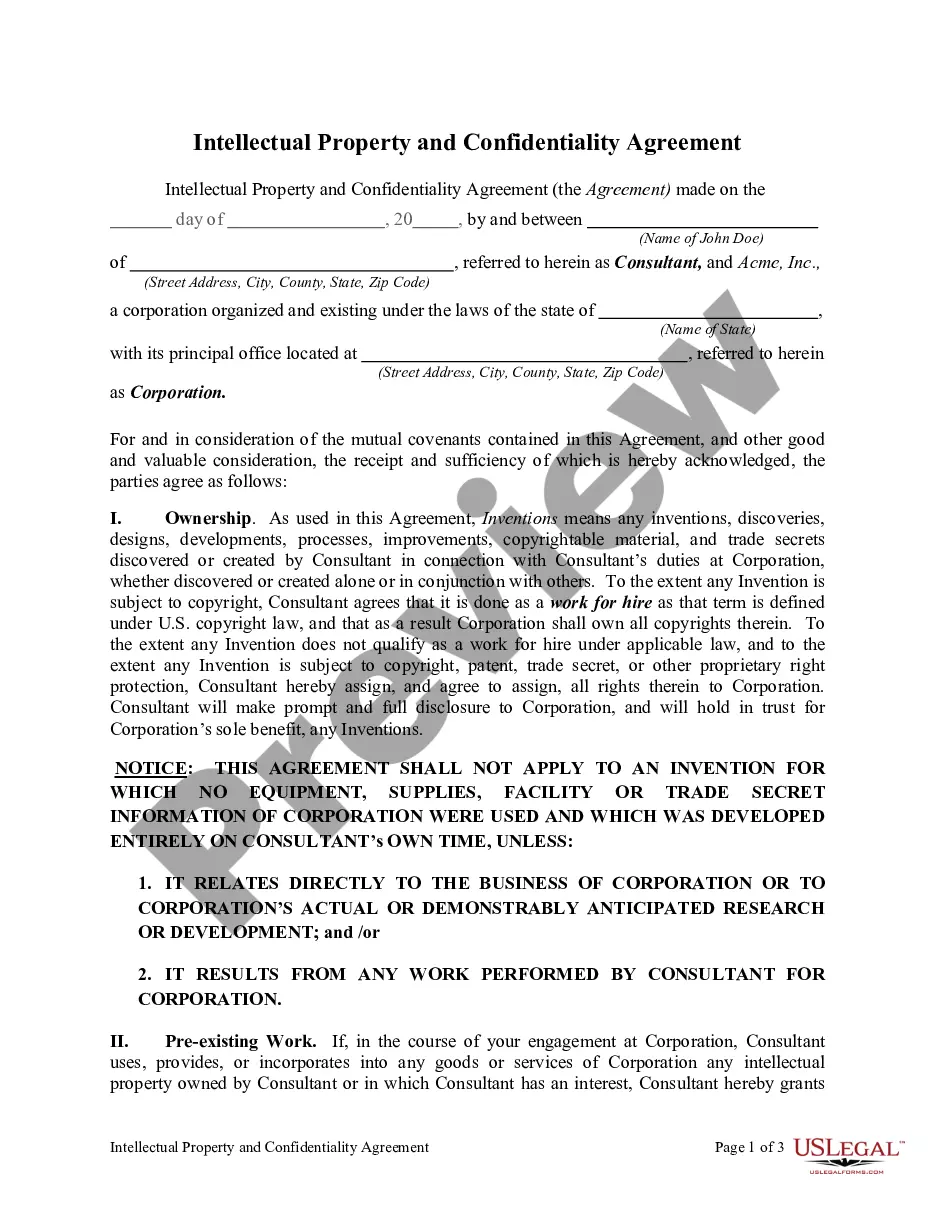
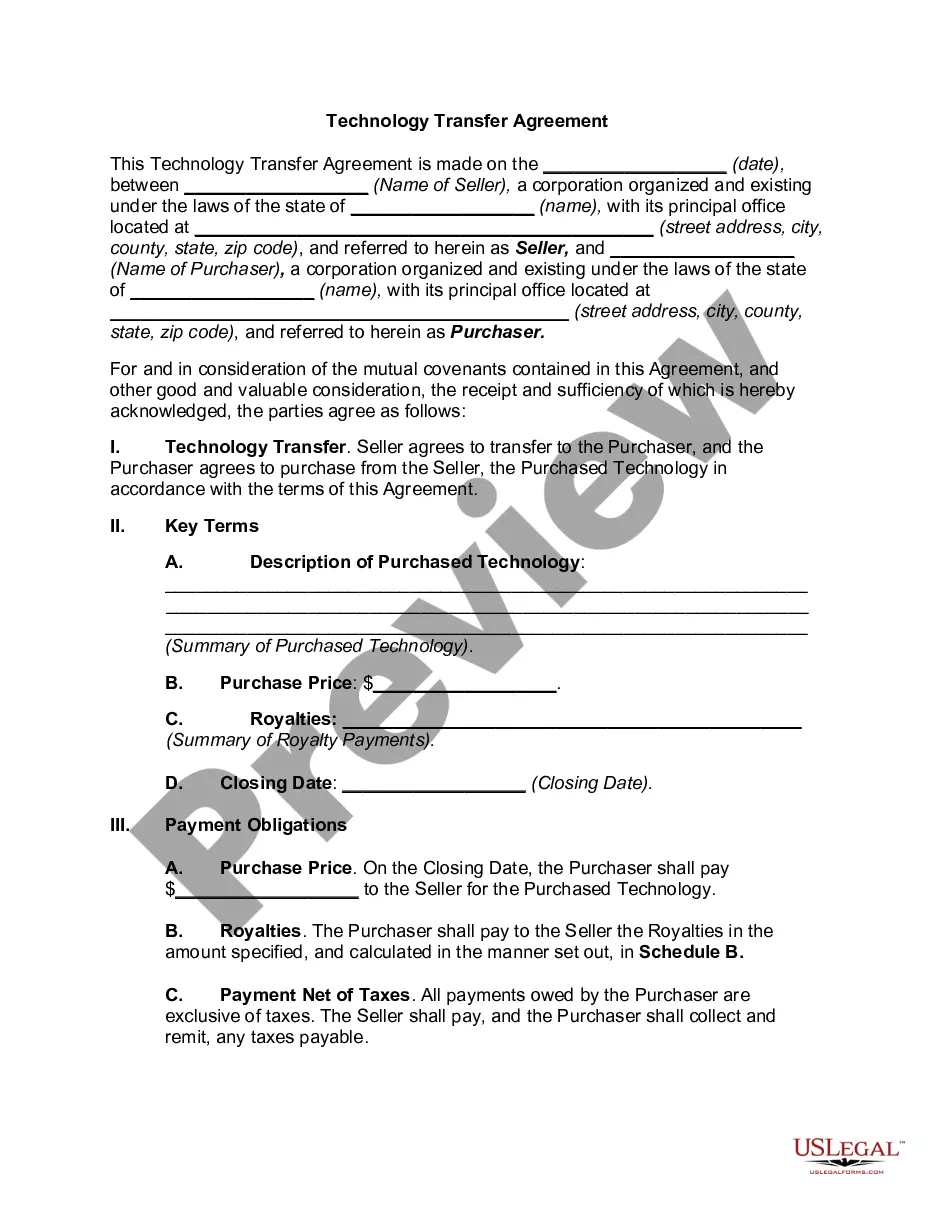
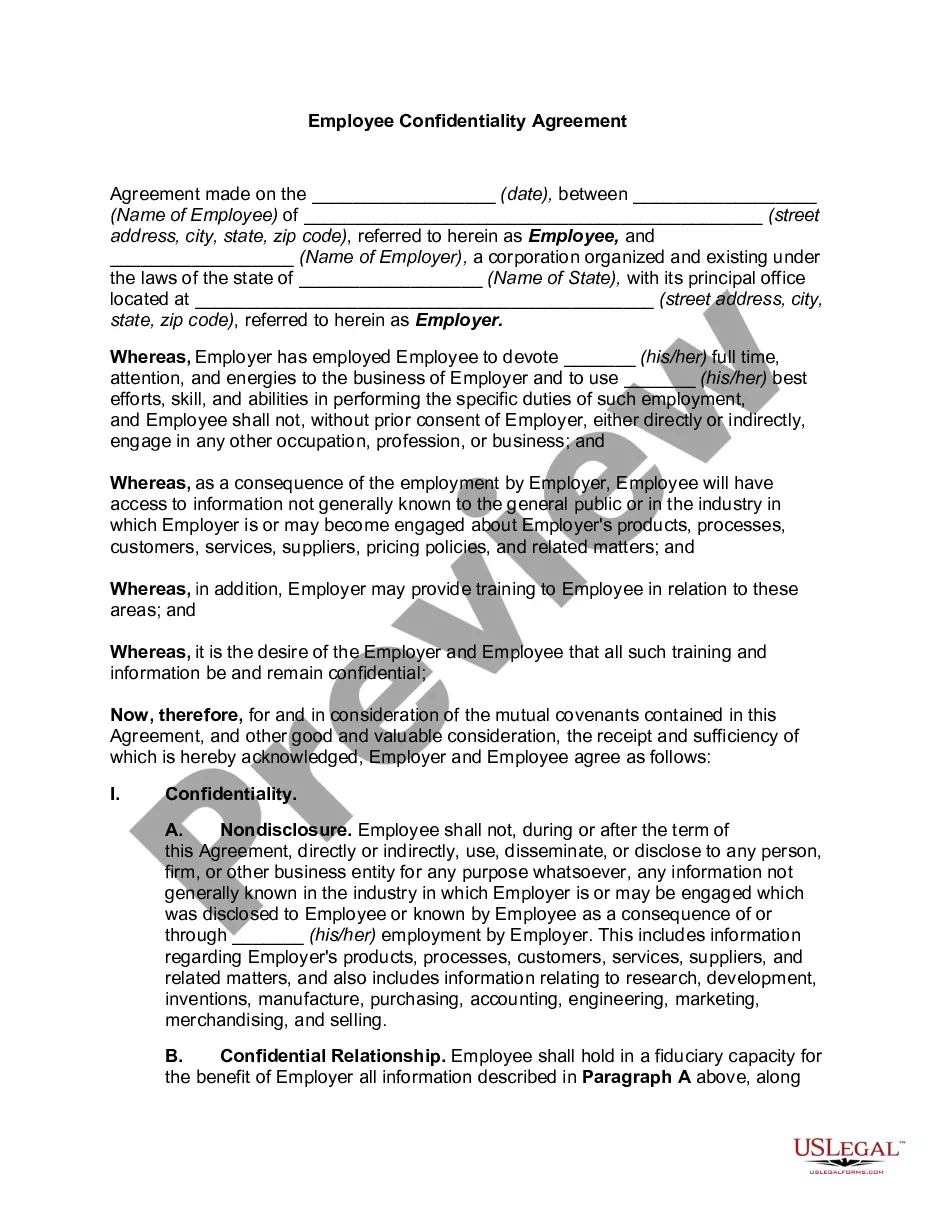
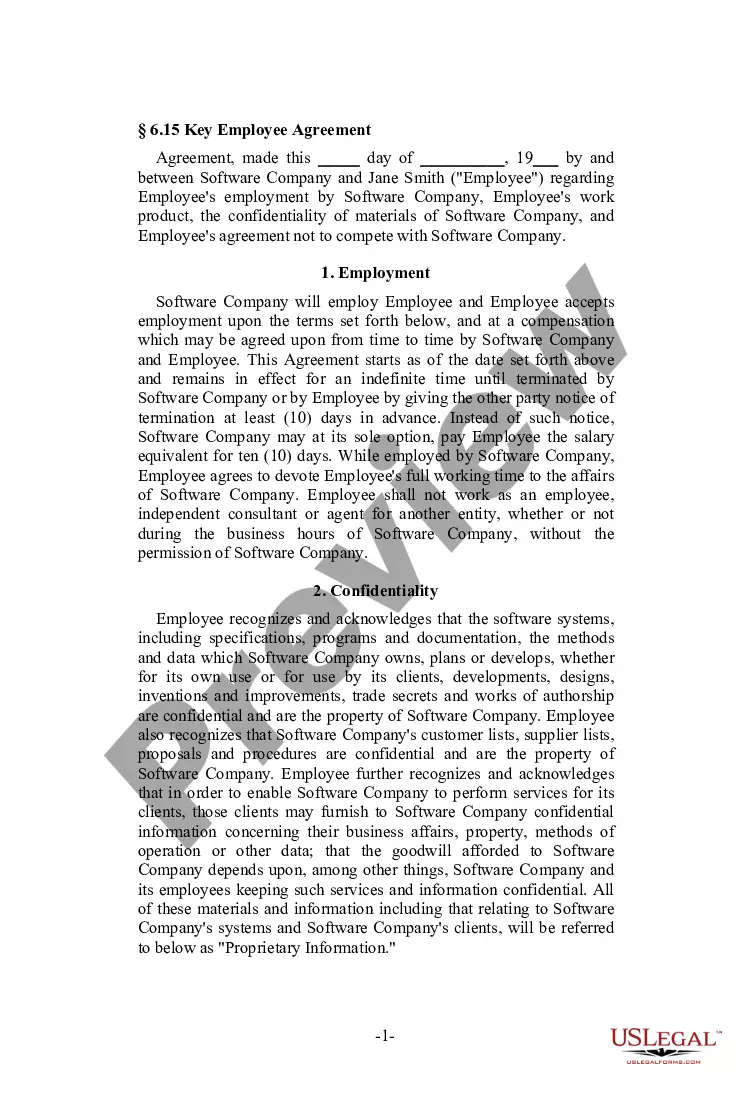
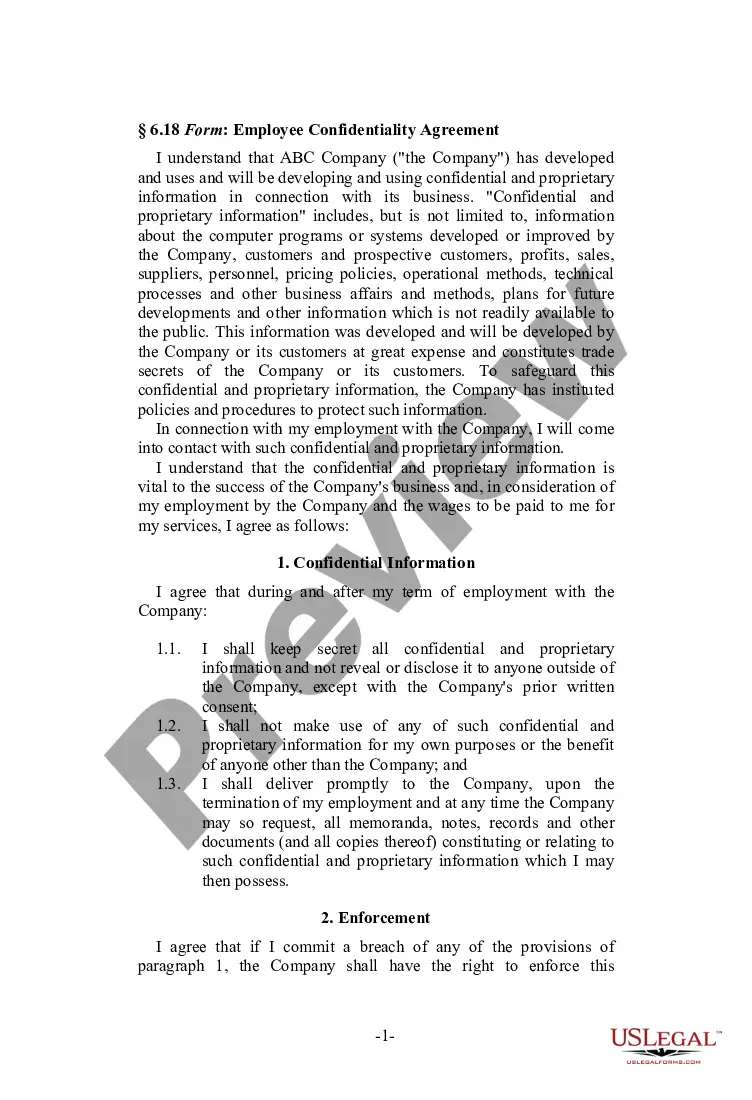
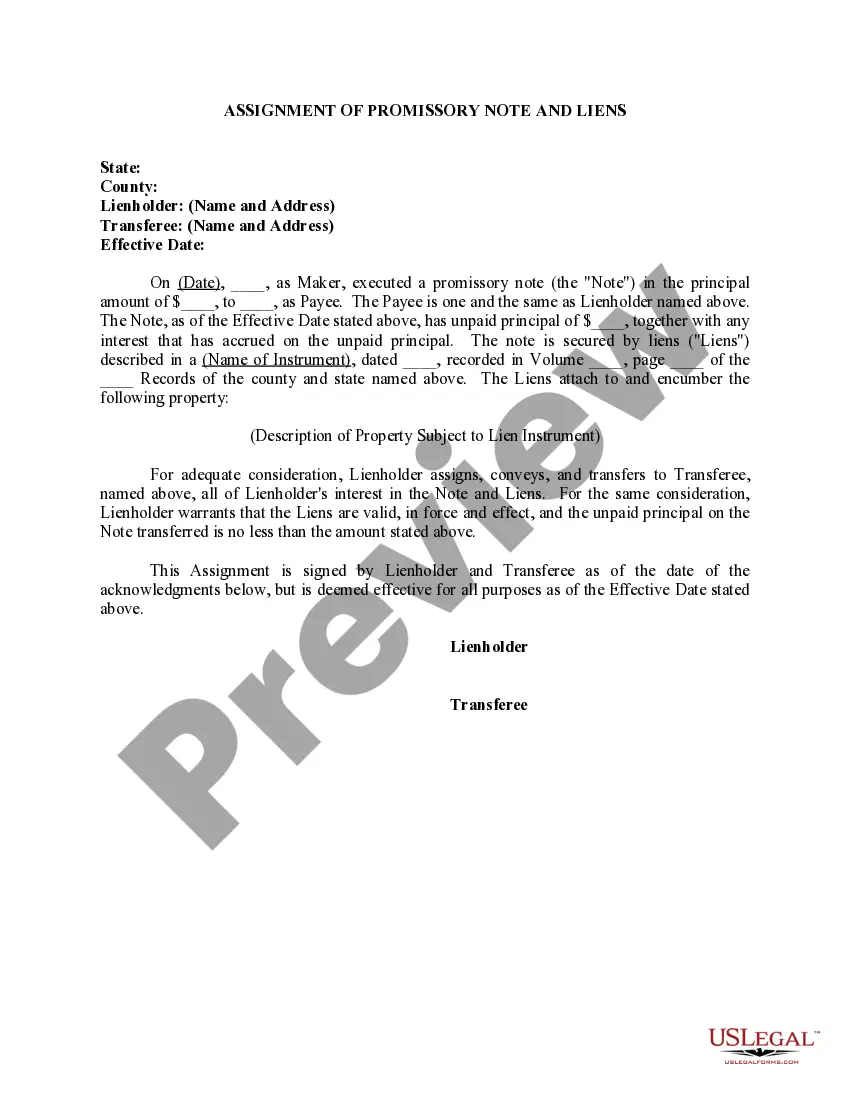
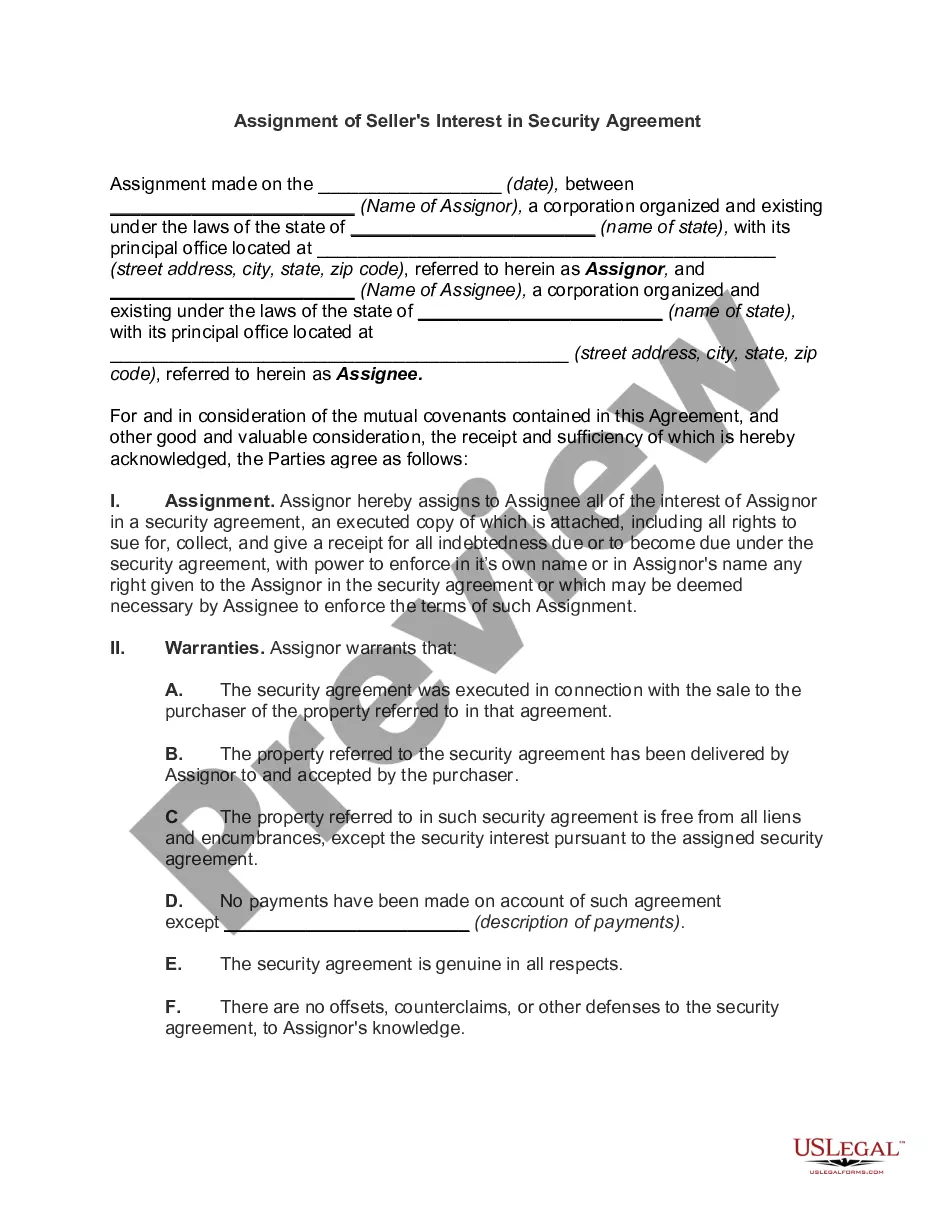
How to fill out Non Employee Technology Transfer And Protection Agreement?
Are you presently in a situation where you will require documents for either business or personal purposes almost every workday.
There are numerous legal document templates accessible online, but obtaining forms you can rely on isn’t straightforward.
US Legal Forms offers a vast selection of template forms, such as the Pennsylvania Non Employee Technology Transfer And Protection Agreement, which are designed to meet federal and state regulations.
Utilize US Legal Forms, the most extensive collection of legal forms, to save time and avoid errors.
The service provides professionally crafted legal document templates that can be utilized for a variety of purposes. Create an account on US Legal Forms and begin simplifying your life.
- If you are already familiar with the US Legal Forms website and have an account, simply Log In.
- Then, you can download the Pennsylvania Non Employee Technology Transfer And Protection Agreement template.
- If you do not have an account and wish to start using US Legal Forms, follow these steps.
- Locate the form you need and ensure it is for the correct city/region.
- Use the Review button to examine the document.
- Check the description to confirm you have selected the right form.
- If the form isn’t what you’re looking for, utilize the Search field to find the form that meets your needs and requirements.
- Once you find the correct form, click Purchase now.
- Select the payment plan you desire, fill in the necessary details to create your account, and pay for the transaction using your PayPal or credit card.
- Choose a convenient document format and download your copy.
- Access all the document templates you have purchased in the My documents menu.
- You can obtain an additional copy of the Pennsylvania Non Employee Technology Transfer And Protection Agreement anytime, if necessary.
- Click on the desired form to download or print the document template.
Form popularity
FAQ
The reciprocal agreement in Pennsylvania allows professionals from other states to practice within Pennsylvania without additional licensing requirements. This agreement is particularly beneficial for those involved in technology transfer, as it fosters collaboration across state lines. Utilizing the Pennsylvania Non Employee Technology Transfer And Protection Agreement can help you navigate these reciprocal relationships effectively.
Pennsylvania has reciprocity agreements with several states, including New Jersey, New York, and Delaware. These agreements enhance collaboration and streamline the process for professionals working on technology transfer initiatives. By leveraging the Pennsylvania Non Employee Technology Transfer And Protection Agreement, you can ensure compliance while working across these states.
A tech transfer agreement is a legal document that outlines the terms under which technology is shared or transferred between parties. This agreement is crucial for protecting intellectual property rights while fostering innovation. The Pennsylvania Non Employee Technology Transfer And Protection Agreement specifically addresses the protection of proprietary information in Pennsylvania.
Yes, Pennsylvania does have reciprocity agreements with several states. These agreements facilitate the recognition of professional licenses across state lines, benefiting those involved in technology transfer. When dealing with the Pennsylvania Non Employee Technology Transfer And Protection Agreement, understanding these agreements can simplify your process.
Reciprocity agreements allow individuals licensed in one state to practice in another without additional requirements. In the context of the Pennsylvania Non Employee Technology Transfer And Protection Agreement, this means certain states recognize Pennsylvania's agreements. It's essential to check the specific agreements as they often change, but many neighboring states participate.
A technology transfer agreement is a legal contract that outlines the transfer of technology or intellectual property between parties. This agreement, particularly in the context of a Pennsylvania Non Employee Technology Transfer And Protection Agreement, details how the technology can be used, the rights of the parties involved, and any financial considerations. It serves as a critical tool for protecting the interests of innovators while enabling the sharing of valuable resources. Utilizing platforms like USLegalForms can simplify the process of drafting these agreements.
The IP policy of the University of Pittsburgh governs how intellectual property created by its faculty, staff, and students is managed. This policy includes provisions on ownership, commercialization, and the sharing of technology, often relating to Pennsylvania Non Employee Technology Transfer And Protection Agreements. The goal is to promote innovation while ensuring that all contributors are recognized and compensated fairly. By following these guidelines, the university fosters a collaborative environment for research and development.
The major five types of technology transfer agreements include licensing agreements, joint development agreements, material transfer agreements, confidentiality agreements, and research collaboration agreements. Each type serves a specific purpose, whether it’s sharing technology, protecting ideas, or collaborating on research. Understanding these types is essential for anyone involved in technology transfer, especially when navigating a Pennsylvania Non Employee Technology Transfer And Protection Agreement. Each agreement type ensures that all parties are clear on their roles and obligations.
A TTA, or Technology Transfer Agreement, is a legal contract that governs the transfer of technology from one party to another. In the context of a Pennsylvania Non Employee Technology Transfer And Protection Agreement, this document outlines rights, responsibilities, and financial arrangements related to the use of technology. It plays a crucial role in fostering innovation while protecting intellectual property. By establishing clear guidelines, a TTA can help prevent disputes and promote successful partnerships.
The purpose of a transfer agreement, specifically a Pennsylvania Non Employee Technology Transfer And Protection Agreement, is to outline the terms under which technology or intellectual property is shared between parties. This agreement protects the interests of both the technology owner and the recipient. It ensures that the technology is used appropriately and that any proprietary information remains confidential. Essentially, it sets clear expectations to facilitate a smooth collaboration.