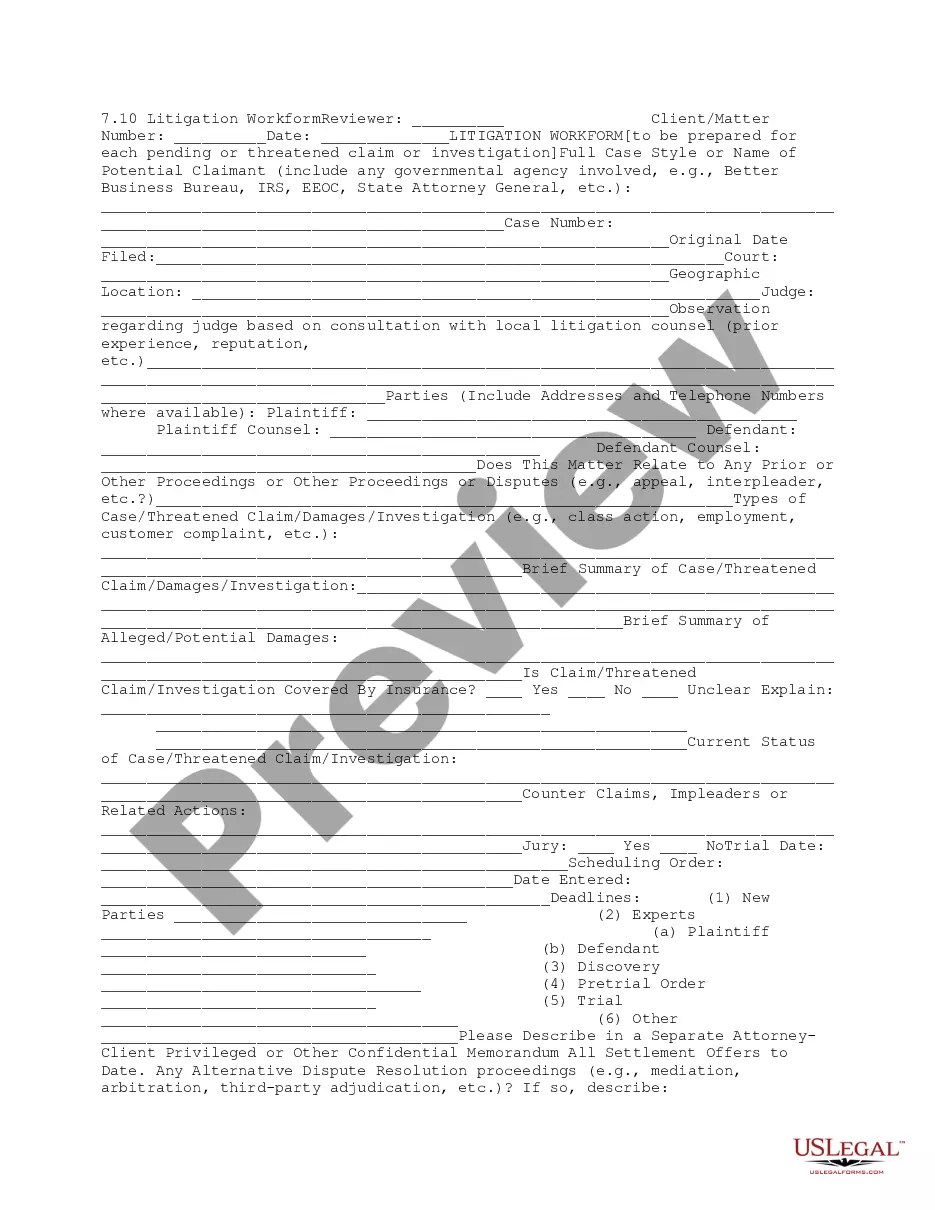
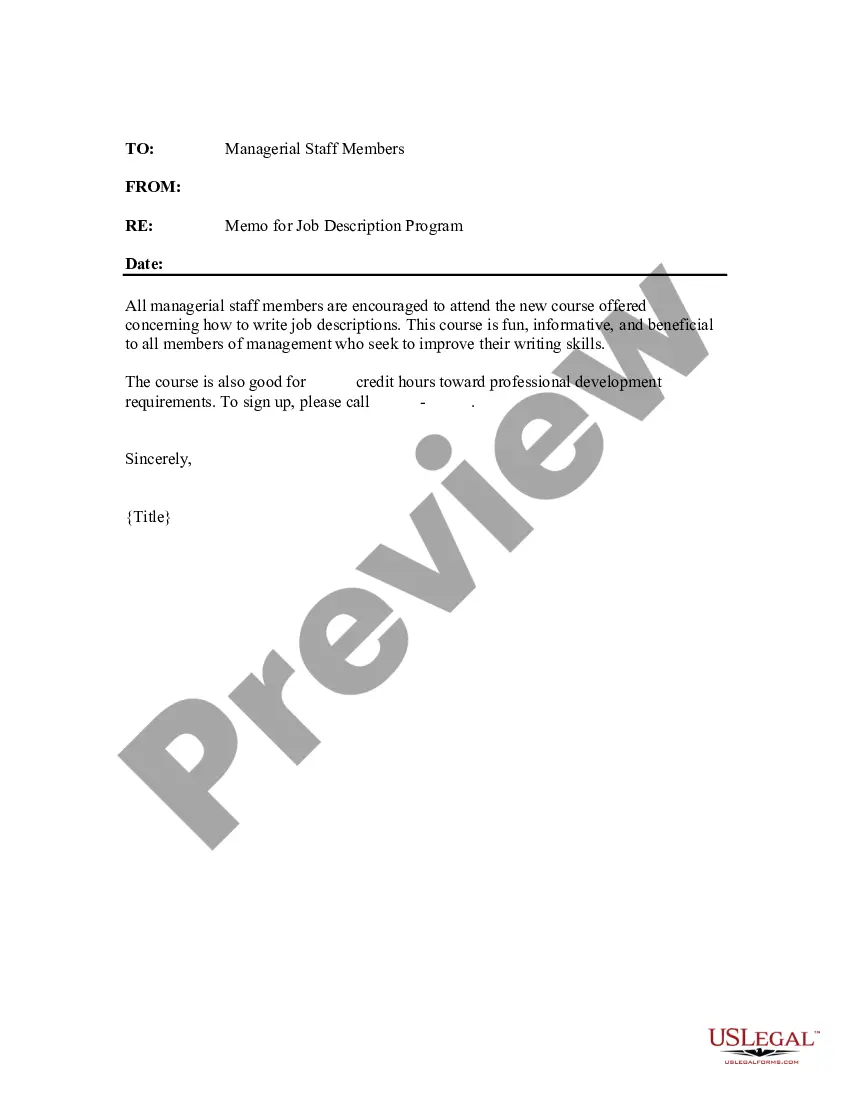
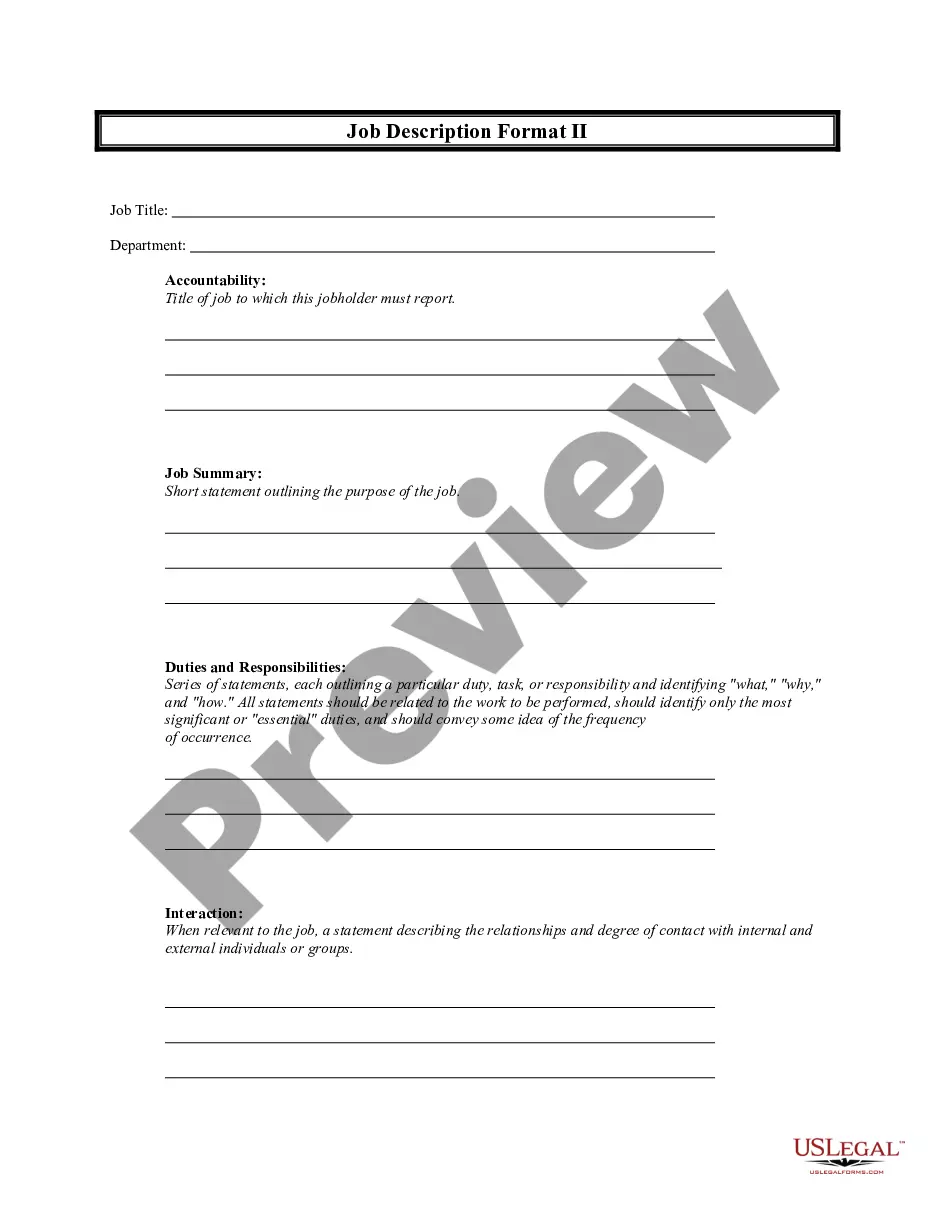
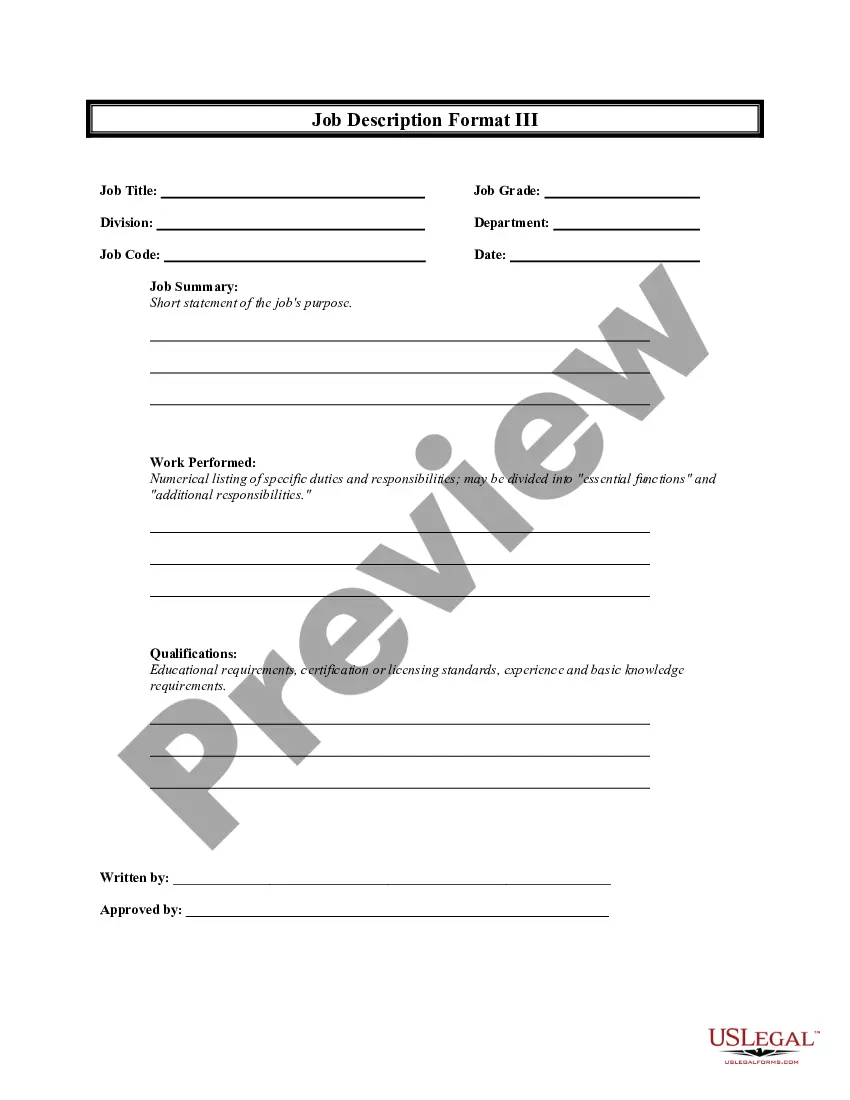
Pennsylvania Sample Introductory Memo for Job Description Program
Description
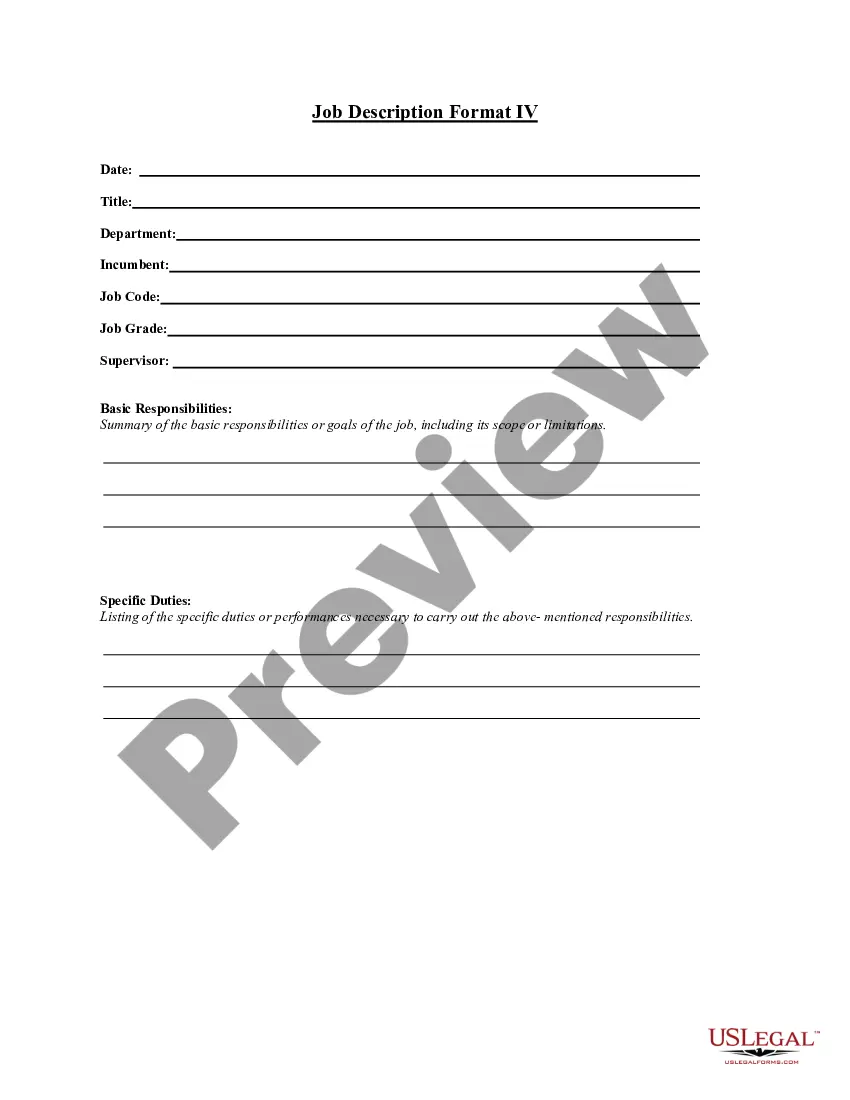
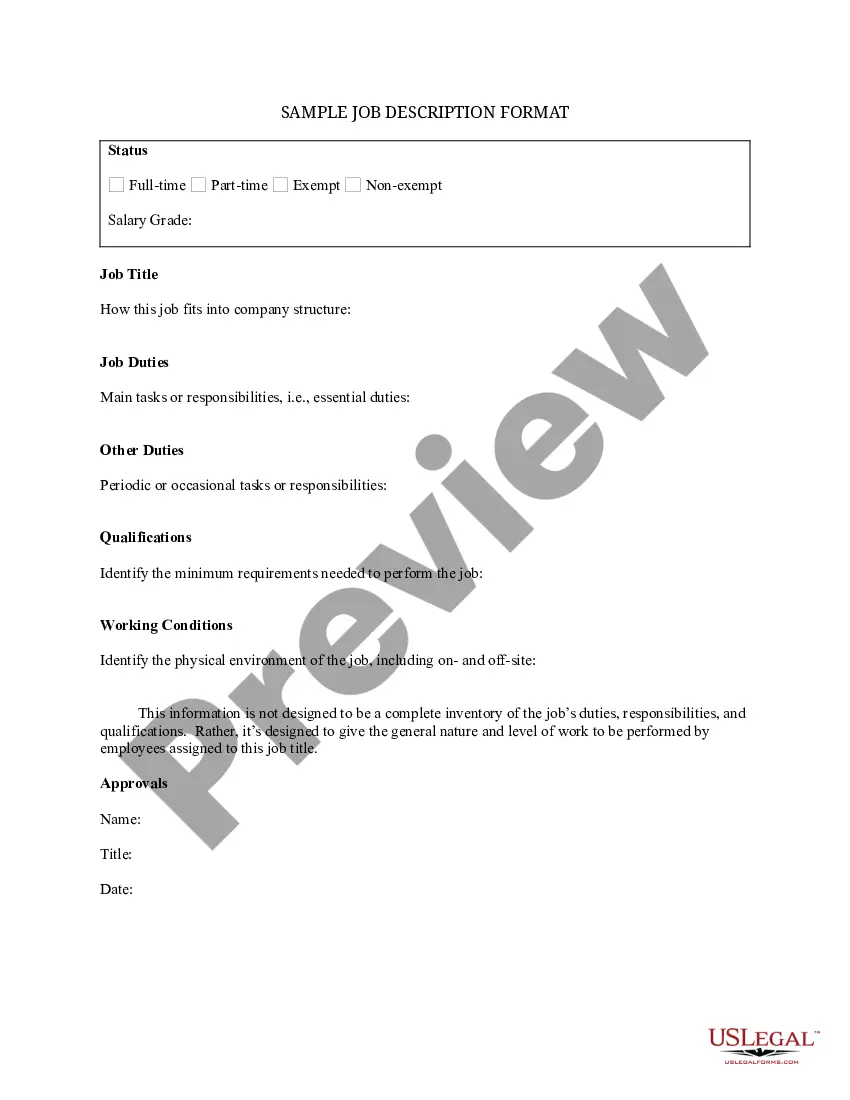
Get your form ready online
Our built-in tools help you complete, sign, share, and store your documents in one place.
Make edits, fill in missing information, and update formatting in US Legal Forms—just like you would in MS Word.
Download a copy, print it, send it by email, or mail it via USPS—whatever works best for your next step.
Sign and collect signatures with our SignNow integration. Send to multiple recipients, set reminders, and more. Go Premium to unlock E-Sign.
If this form requires notarization, complete it online through a secure video call—no need to meet a notary in person or wait for an appointment.
We protect your documents and personal data by following strict security and privacy standards.

Make edits, fill in missing information, and update formatting in US Legal Forms—just like you would in MS Word.

Download a copy, print it, send it by email, or mail it via USPS—whatever works best for your next step.

Sign and collect signatures with our SignNow integration. Send to multiple recipients, set reminders, and more. Go Premium to unlock E-Sign.

If this form requires notarization, complete it online through a secure video call—no need to meet a notary in person or wait for an appointment.

We protect your documents and personal data by following strict security and privacy standards.
Looking for another form?

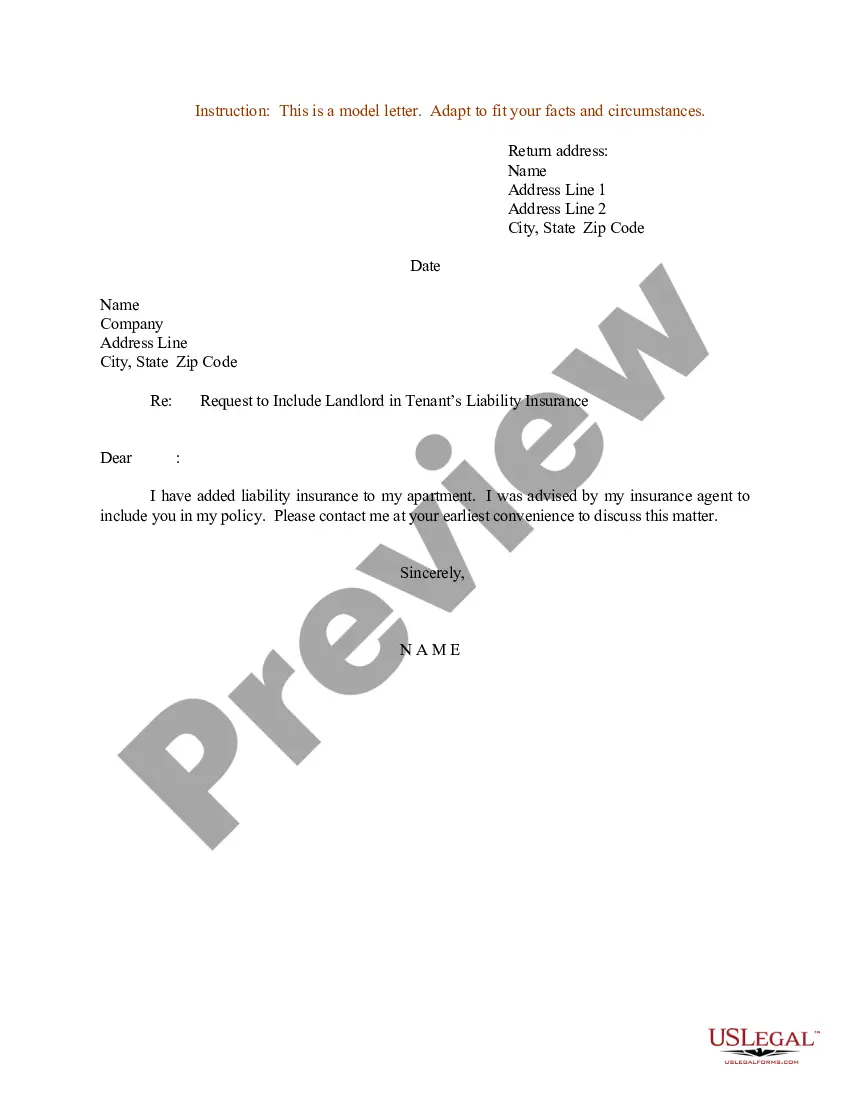

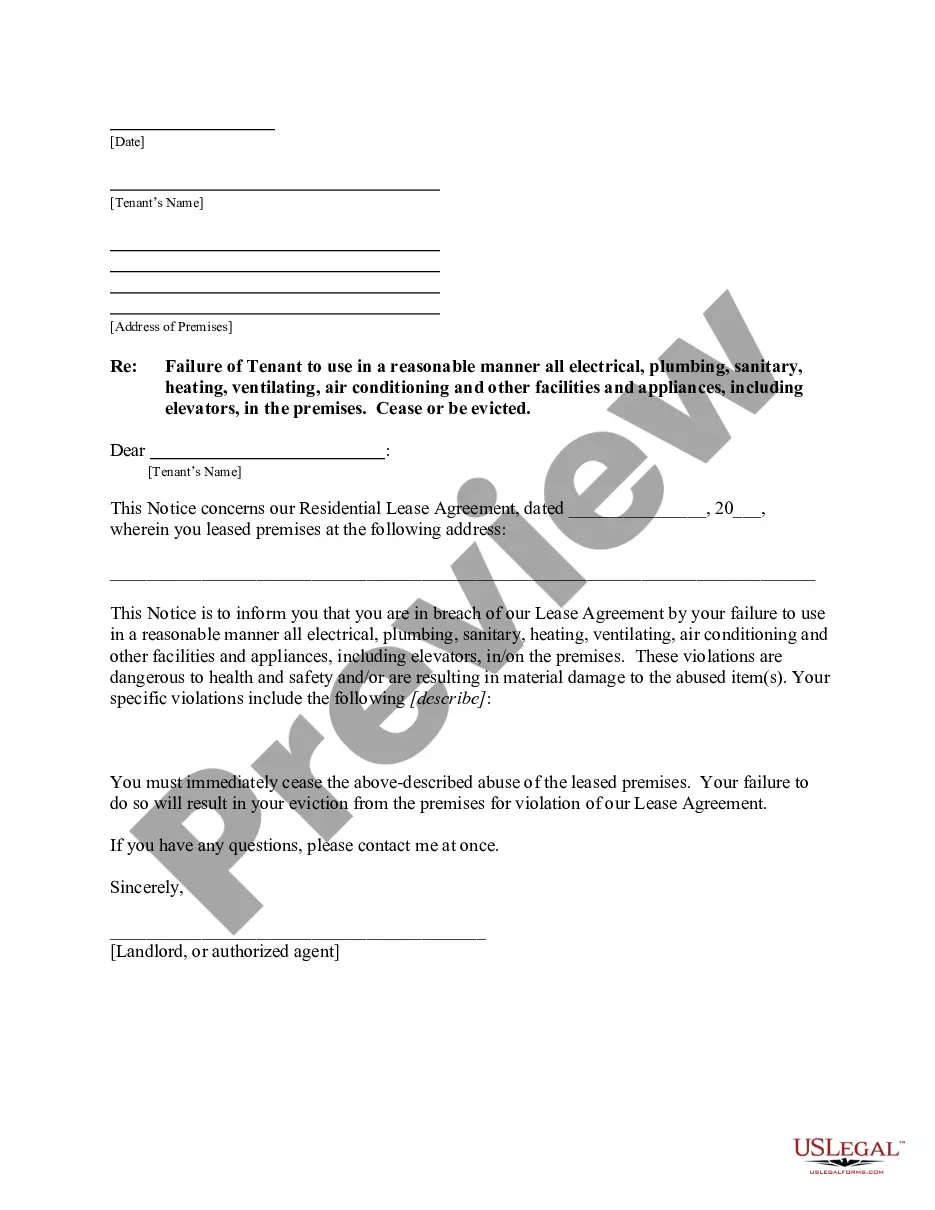

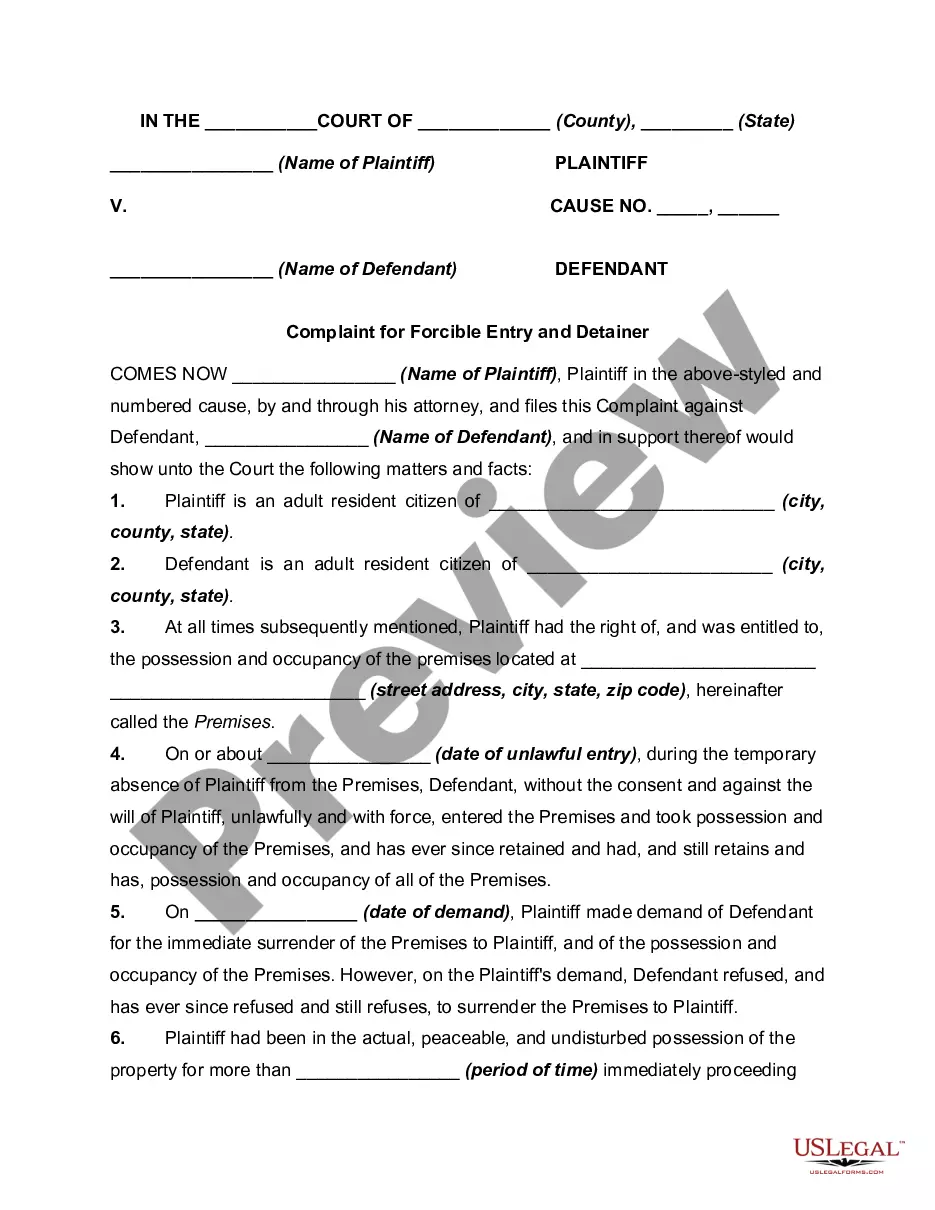
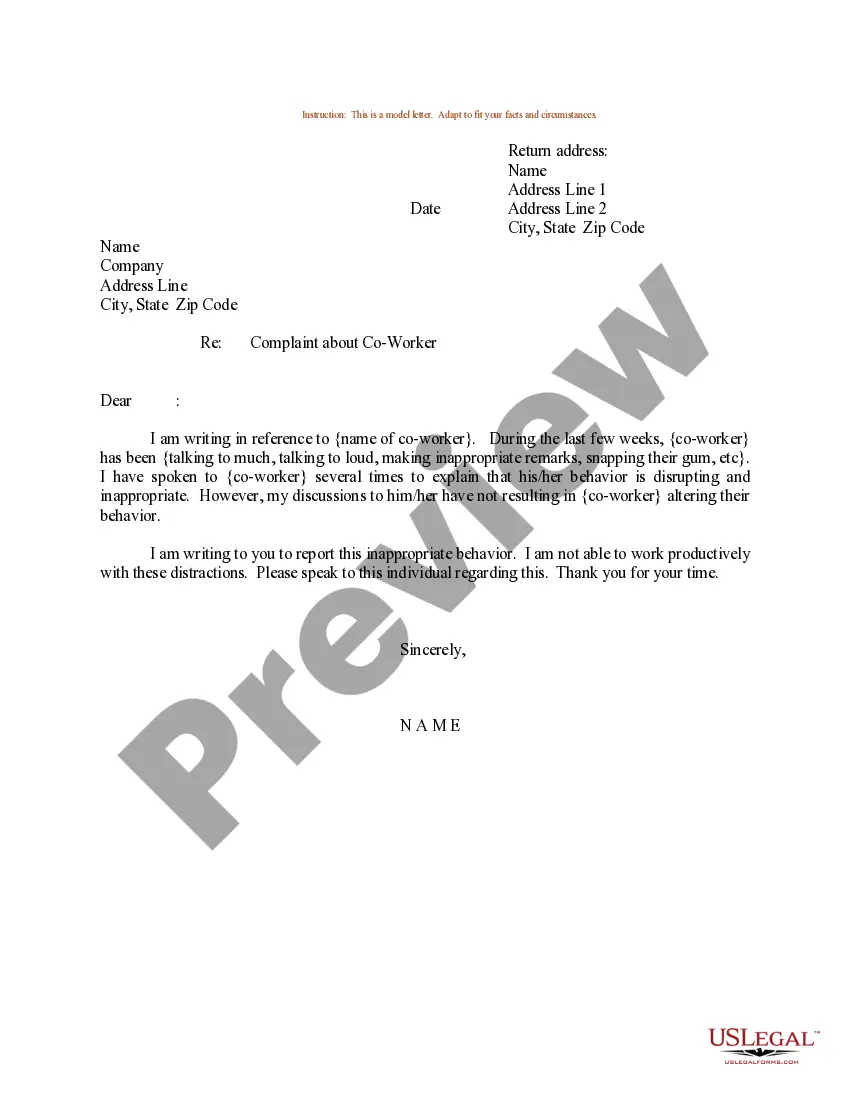
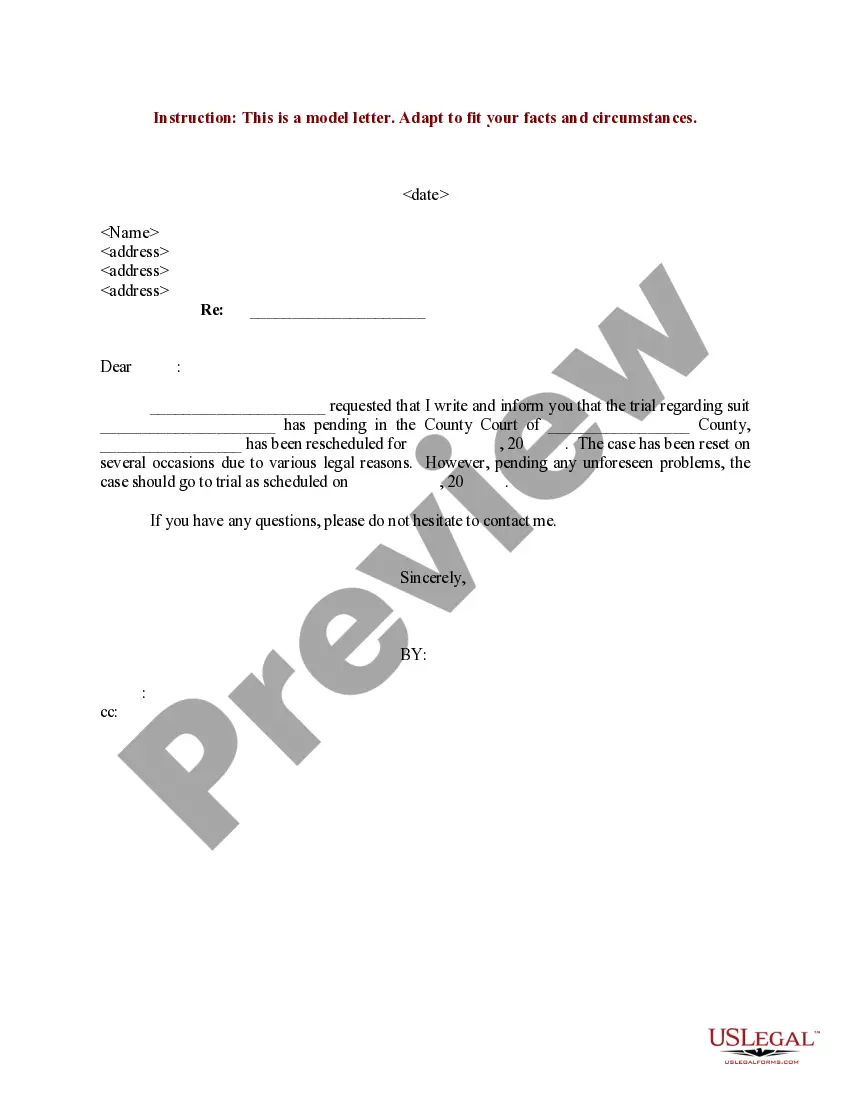
How to fill out Sample Introductory Memo For Job Description Program?
If you want to obtain, acquire, or generate authentic document templates, utilize US Legal Forms, the largest variety of legally recognized forms that are accessible online.
Employ the site's straightforward and user-friendly search to locate the documents you need.
A range of templates for business and personal purposes is organized by categories and states, or keywords. Use US Legal Forms to discover the Pennsylvania Sample Introductory Memo for Job Description Program in just a few clicks.
Every legal document template you obtain is yours permanently. You have access to every form you downloaded in your account.
Complete and acquire, then print the Pennsylvania Sample Introductory Memo for Job Description Program with US Legal Forms. There are thousands of professional and state-specific forms available for your business or personal requirements.
- Log in to your account if you are already a US Legal Forms customer and click the Obtain button to receive the Pennsylvania Sample Introductory Memo for Job Description Program.
- You can also find forms you previously downloaded in the My documents tab of your account.
- If this is your first time using US Legal Forms, follow these instructions.
- Step 1: Confirm that you have selected the form for your specific city/region.
- Step 2: Use the Preview option to review the form's content. Remember to read through the details.
- Step 3: If you are not satisfied with the form, utilize the Search box at the top of the screen to find other versions of the legal form template.
- Step 4: After identifying the form you need, click the Acquire now button. Choose the pricing plan you prefer and enter your information to register for an account.
- Step 5: Process the transaction. You can use your credit card or PayPal account to complete the purchase.
- Step 6: Select the format of the legal form and download it to your device.
- Step 7: Fill out, modify, and print or sign the Pennsylvania Sample Introductory Memo for Job Description Program.
Form popularity
FAQ
How to Write a MemoAdd the Title. A memo's title is short and to the point, and is always placed at the top of the page.Make Sure to Include the Date.Designate Who Receives Memo With "To"Make Clear Who the Memo Is "From"Add a Clear Subject.Write the Body.Sign Off With a Good Close.
Parts of a memoA good memo organizes the information to be conveyed both for the reader's convenience and ease of understanding and to achieve the writer's purpose in the most effective way.Heading.Opening.Summary.Discussion paragraph(s)Your closing.Attachments.More items...
The format of a memo follows the general guidelines of business writing. A memo is usually a page or two long, single spaced and left justified. Instead of using indentations to show new paragraphs, skip a line between sentences. Business materials should be concise and easy to read.
A memo is an internal form of communication within a particular organization. Most often a memo is an announcement, reminder, or update about a certain event, policy, or procedure.
Tips for writing your memoYour memos should be succinct, formal, clear, interesting and easy to read.It should be logically organised, accurate, well-researched and informative.Avoid using technical jargon and abbreviations that the recipient may not understand.Avoid the use of slang, colloquialisms and contractions.More items...
Tip: If you're already in Word for the web, get to the memo templates by going to File > New, and then below the template images click More on Office.com. You'll be on the Templates for Word page. In the list of categories, click Memos. As you work on the memo, you'll probably want to rename it.
A memo (also known as a memorandum, or "reminder") is used for internal communications regarding procedures or official business within an organization. Unlike an email, a memo is a message you send to a large group of employees, like your entire department or everyone at the company.
Basically, the body has four main parts: introduction, statement of facts, argument, and conclusion. Firstly, the introduction explains issues or main ideas that are discussed in memos.
The format of a memo follows the general guidelines of business writing. A memo is usually a page or two long, single spaced and left justified. Instead of using indentations to show new paragraphs, skip a line between sentences. Business materials should be concise and easy to read.
How to Write a MemoAdd the Title. A memo's title is short and to the point, and is always placed at the top of the page.Make Sure to Include the Date.Designate Who Receives Memo With "To"Make Clear Who the Memo Is "From"Add a Clear Subject.Write the Body.Sign Off With a Good Close.