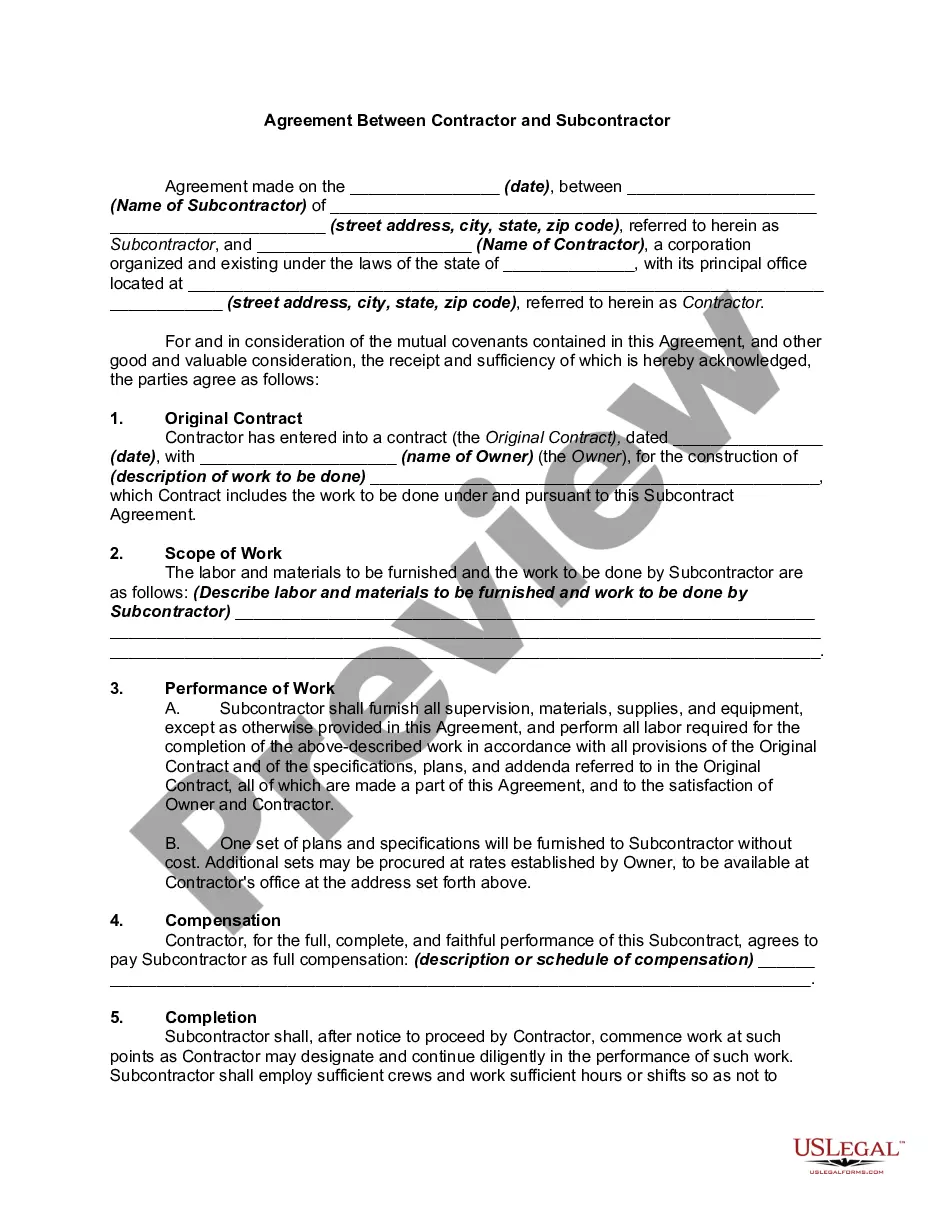
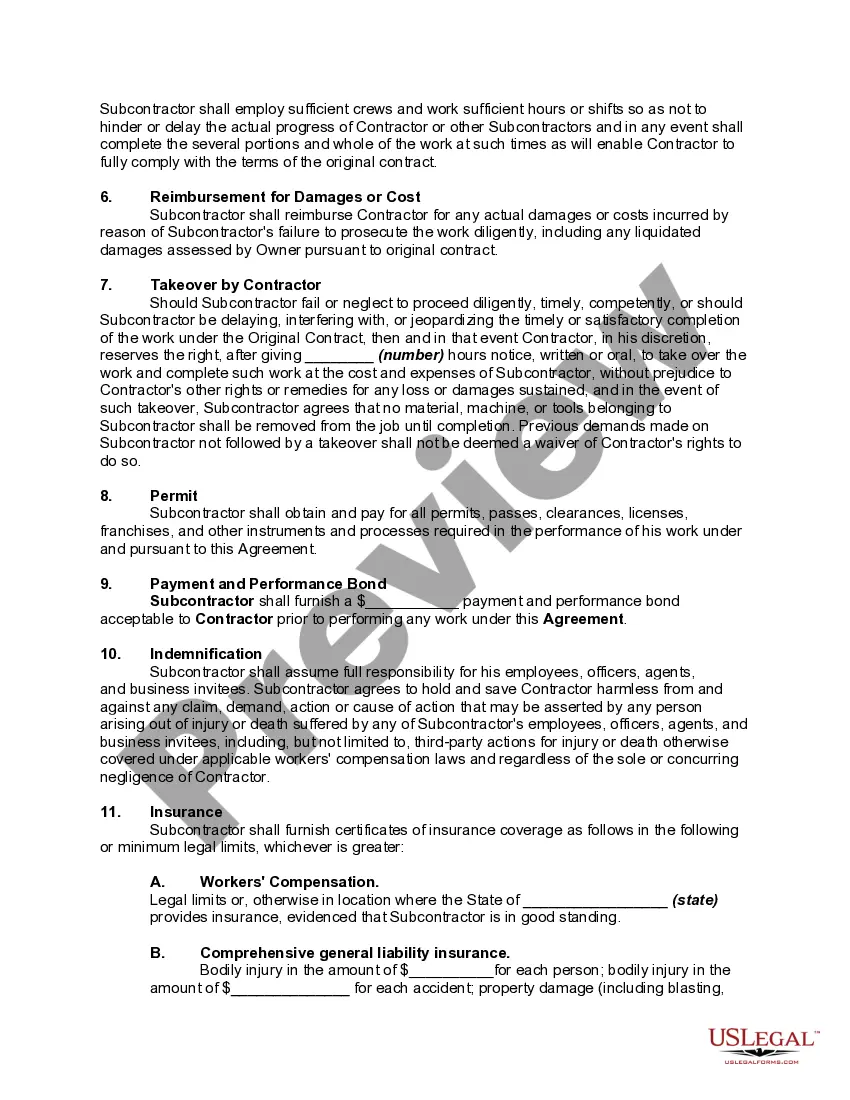
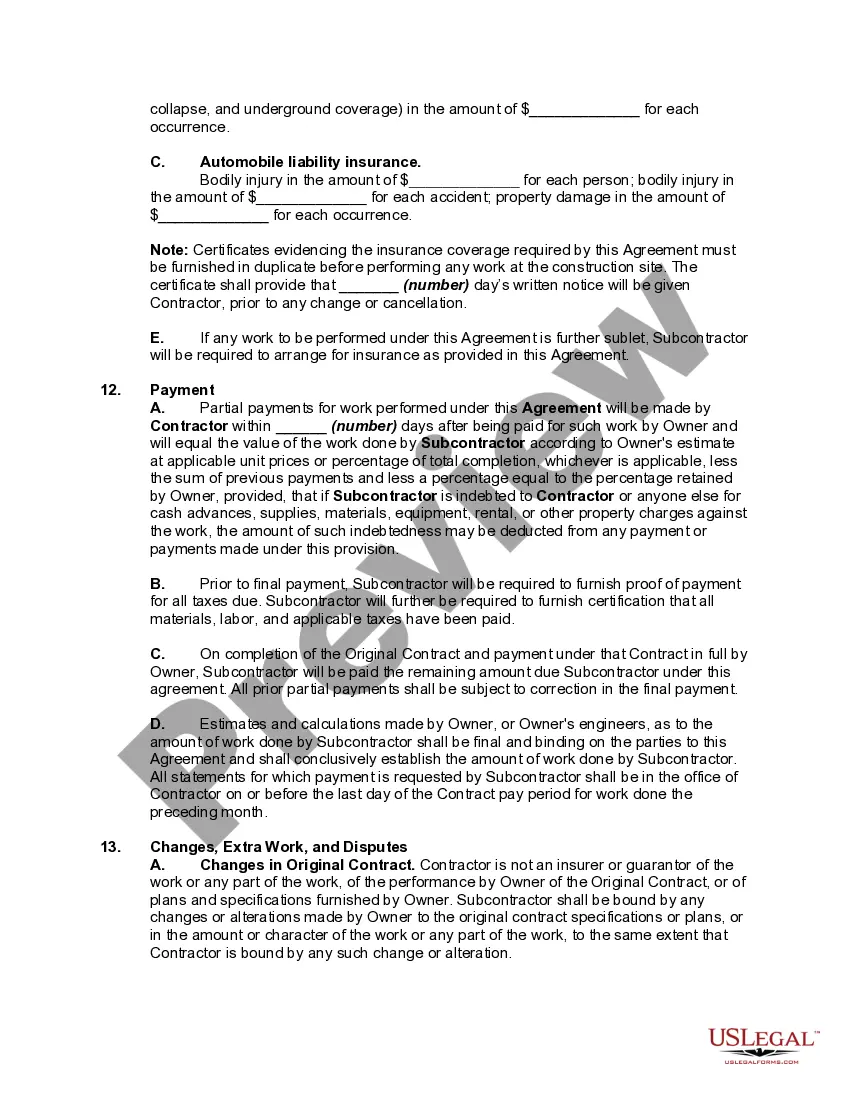
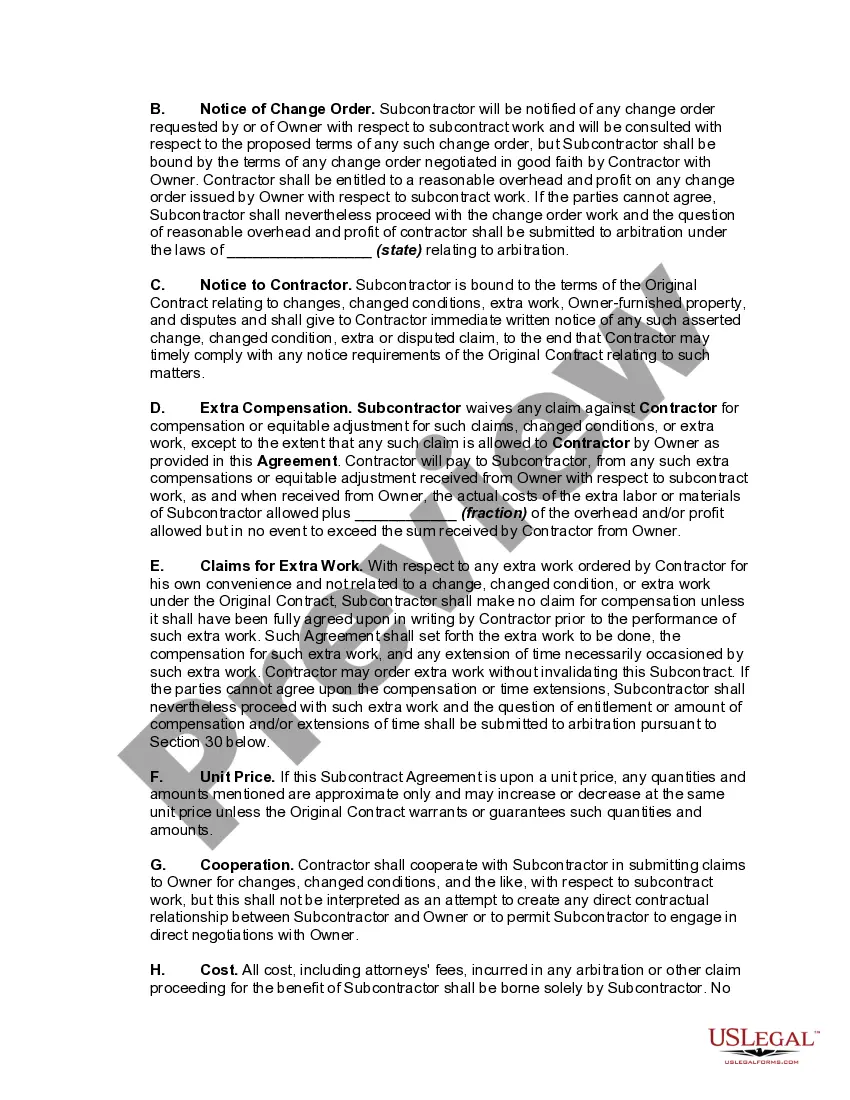
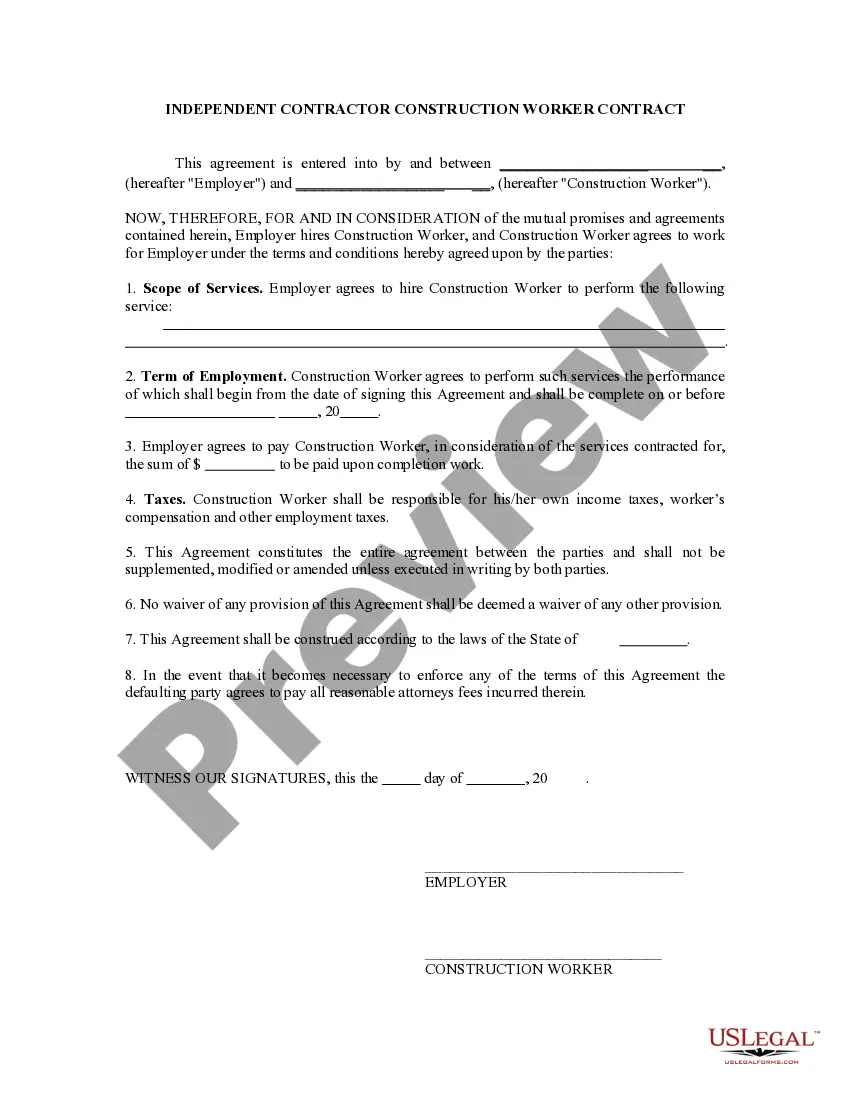
Pennsylvania Subcontractor Agreement for Construction
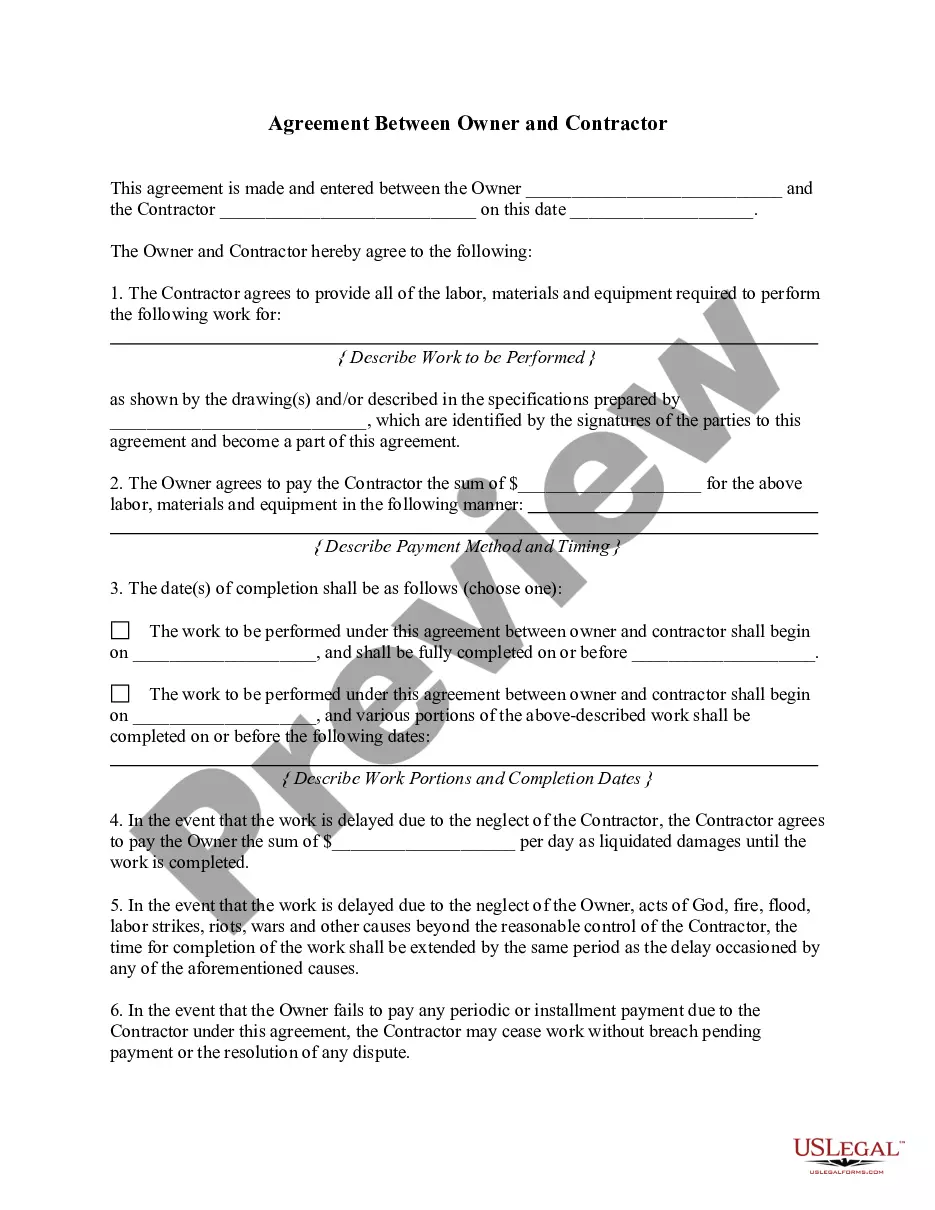
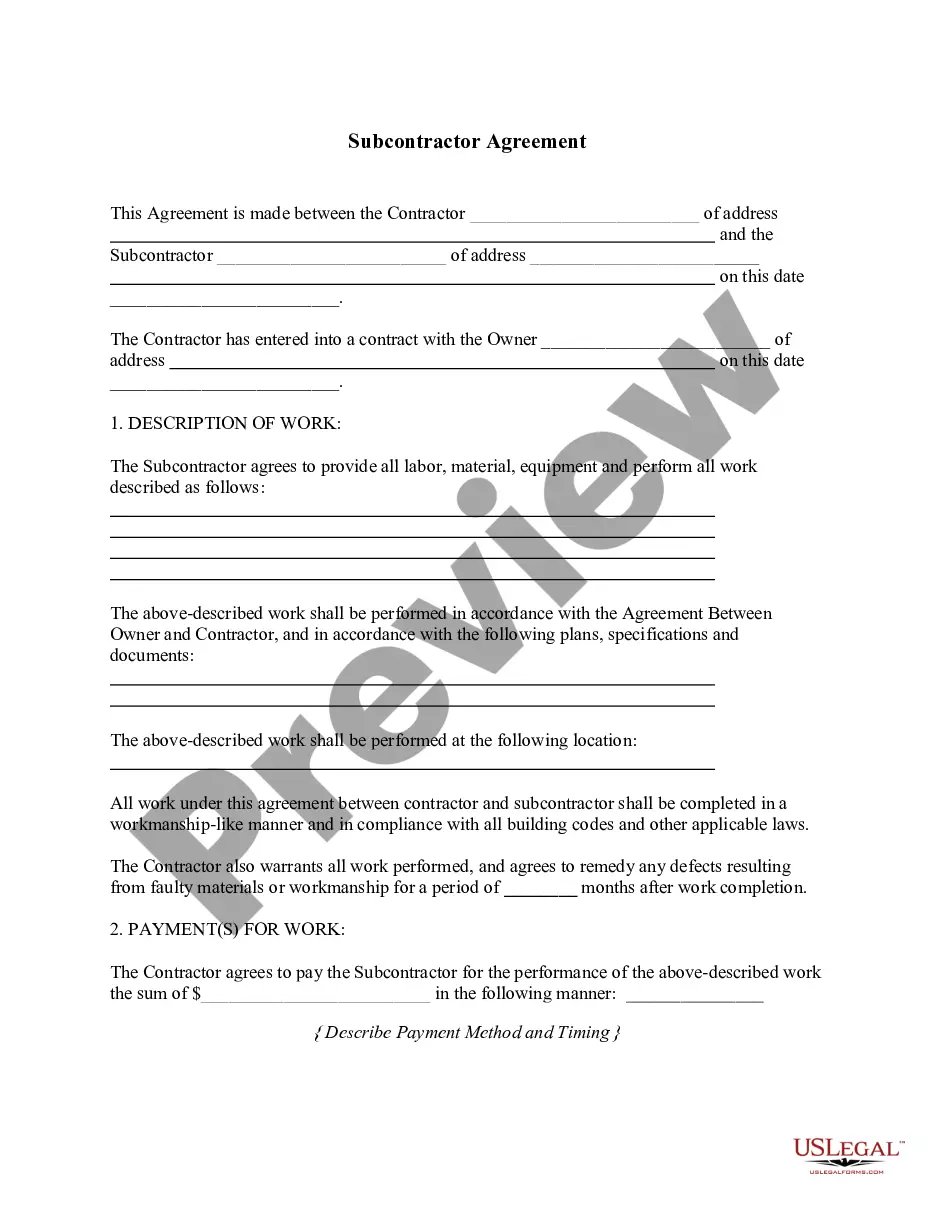
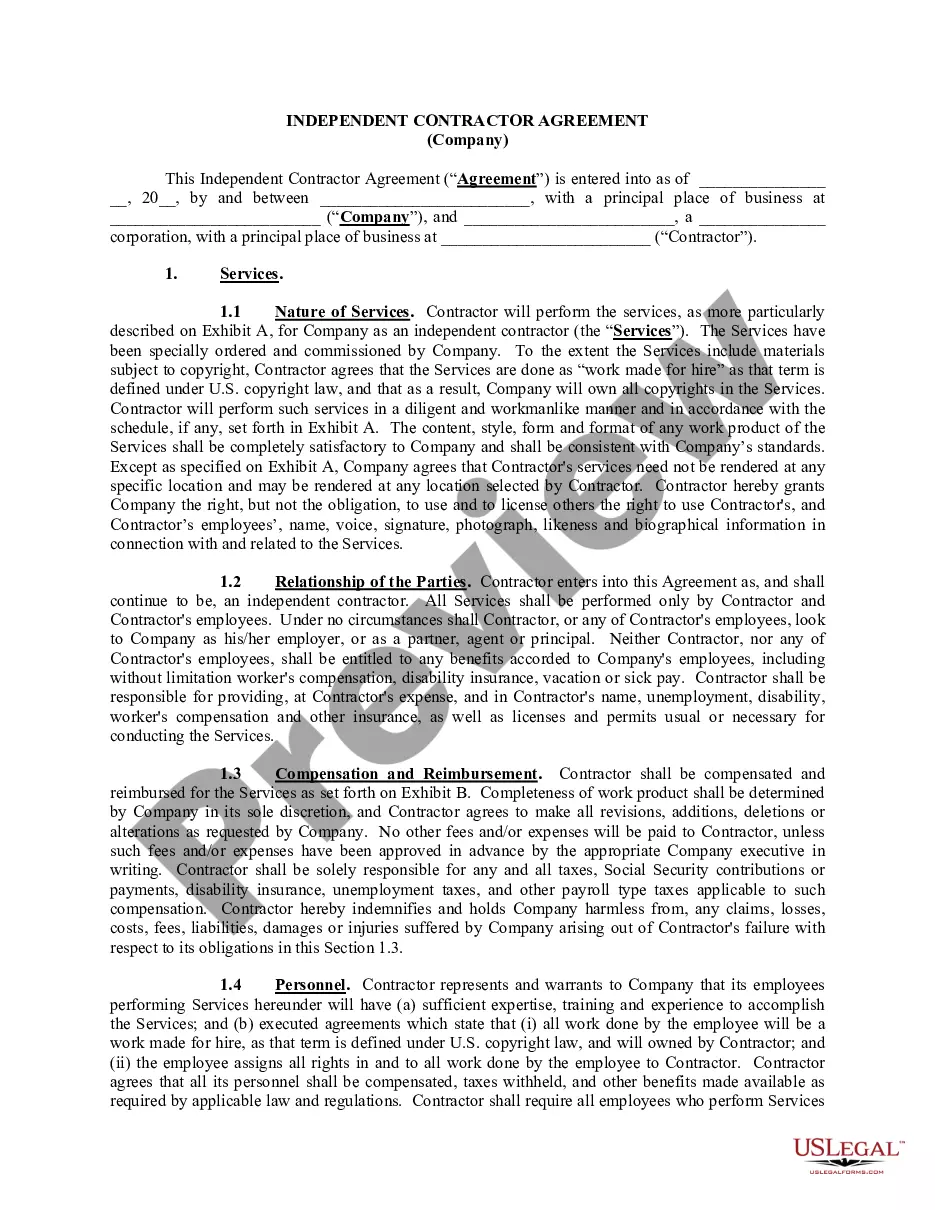
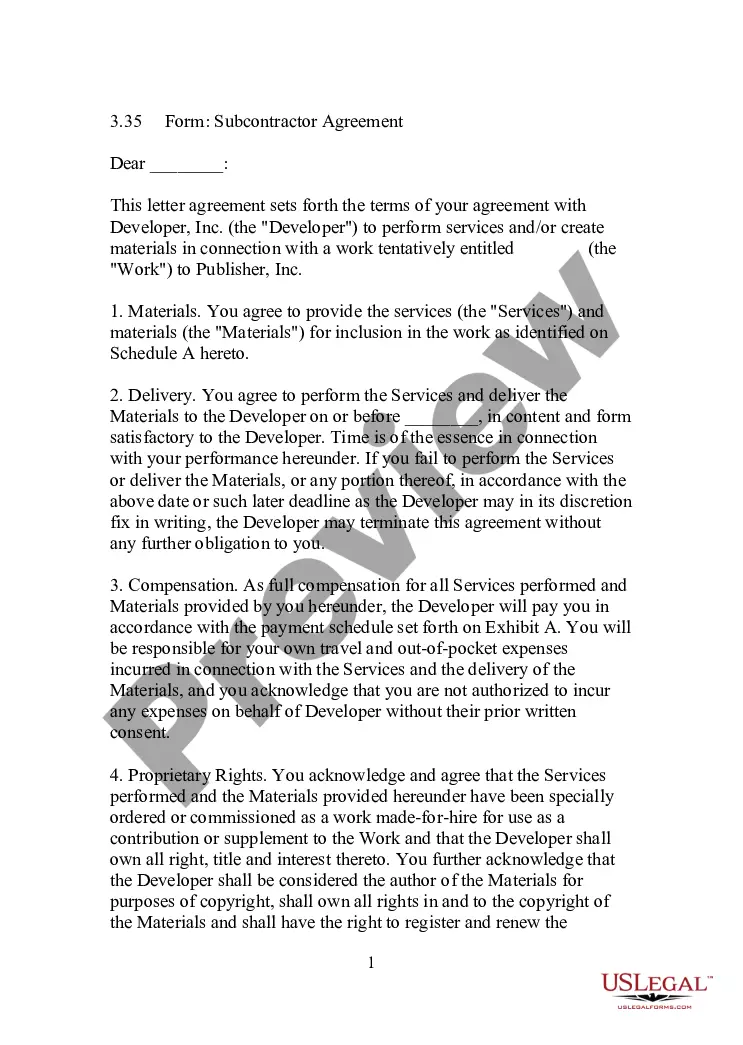
Description
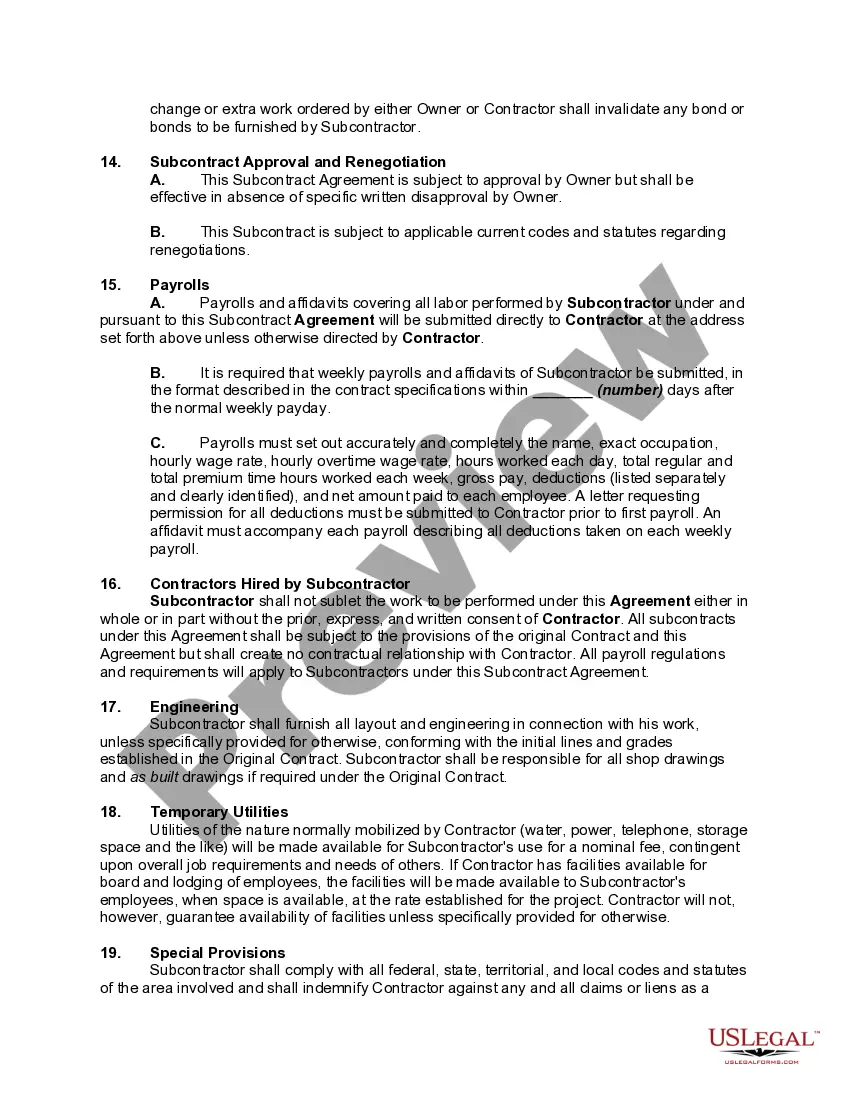
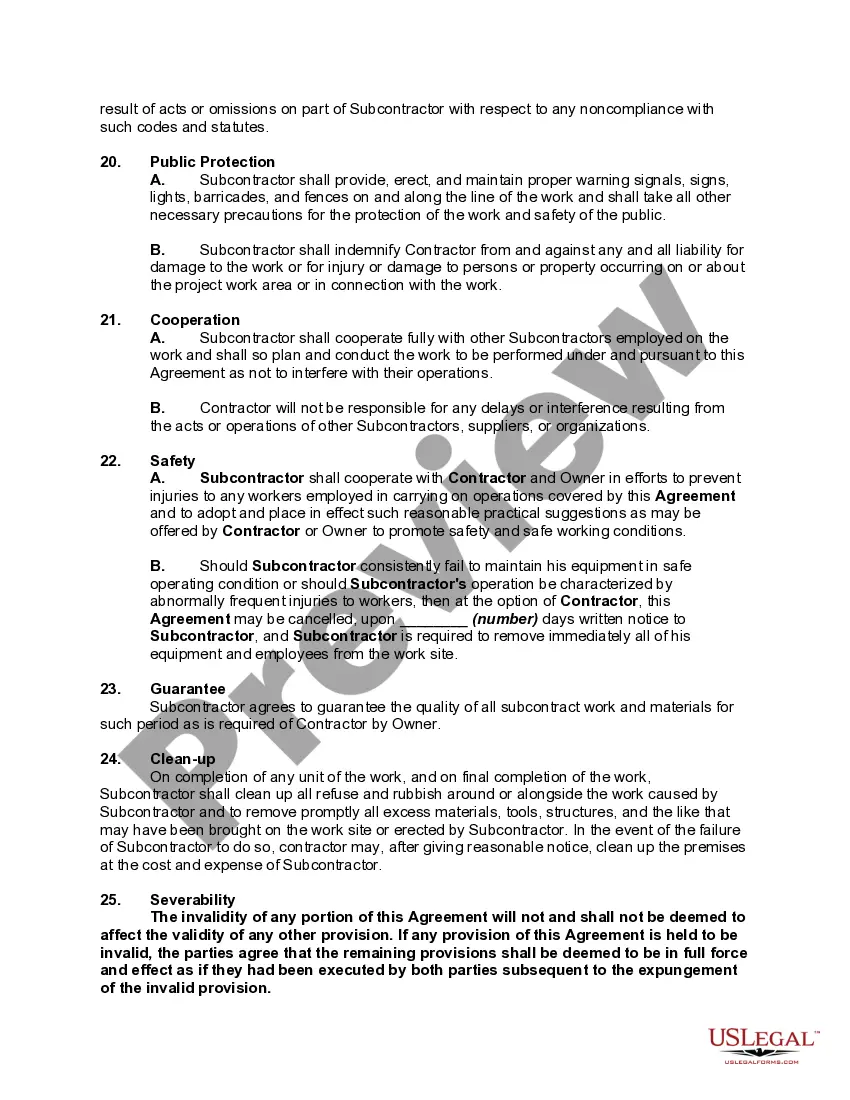
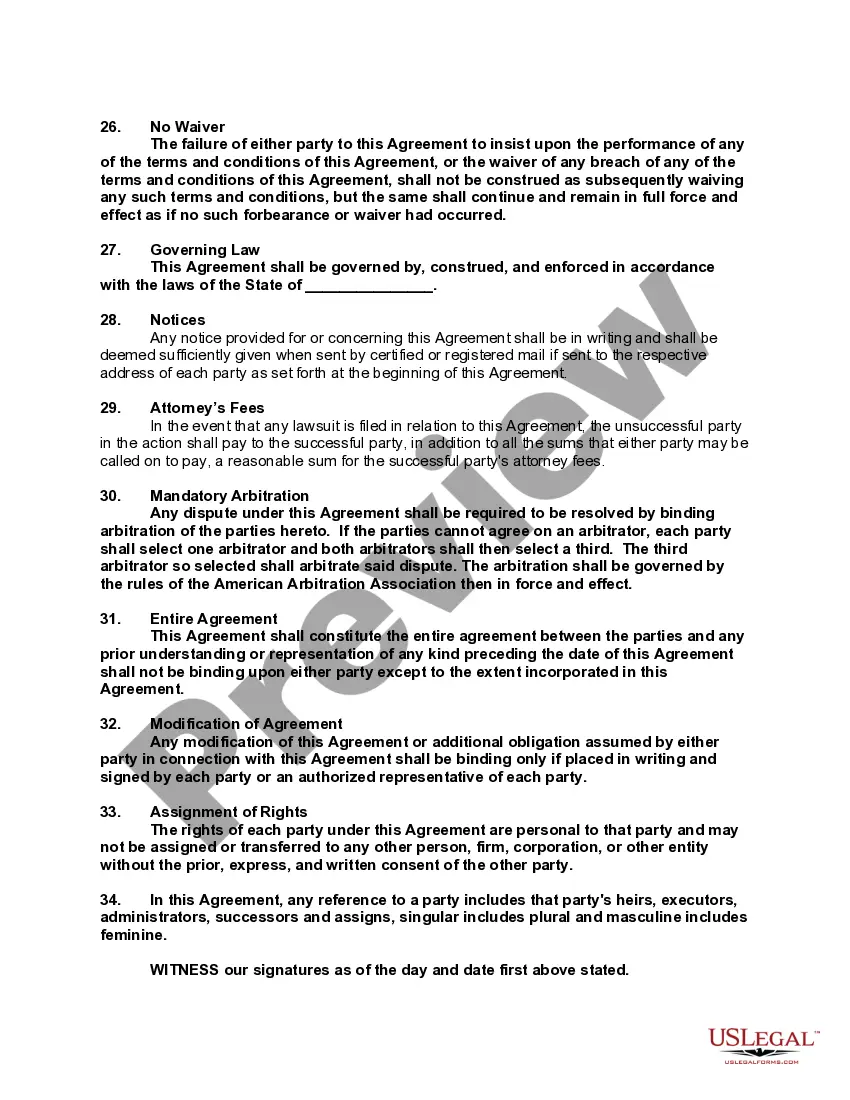
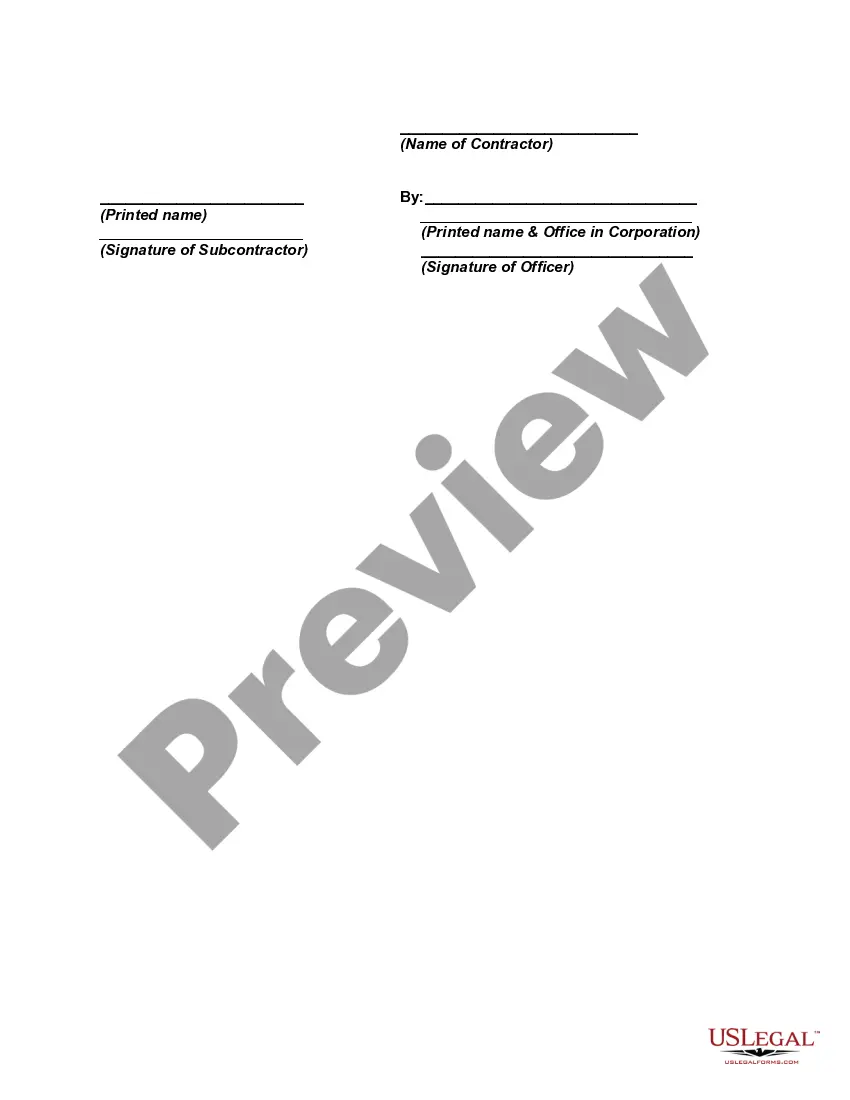
Get your form ready online
Our built-in tools help you complete, sign, share, and store your documents in one place.
Make edits, fill in missing information, and update formatting in US Legal Forms—just like you would in MS Word.
Download a copy, print it, send it by email, or mail it via USPS—whatever works best for your next step.
Sign and collect signatures with our SignNow integration. Send to multiple recipients, set reminders, and more. Go Premium to unlock E-Sign.
If this form requires notarization, complete it online through a secure video call—no need to meet a notary in person or wait for an appointment.
We protect your documents and personal data by following strict security and privacy standards.

Make edits, fill in missing information, and update formatting in US Legal Forms—just like you would in MS Word.

Download a copy, print it, send it by email, or mail it via USPS—whatever works best for your next step.

Sign and collect signatures with our SignNow integration. Send to multiple recipients, set reminders, and more. Go Premium to unlock E-Sign.

If this form requires notarization, complete it online through a secure video call—no need to meet a notary in person or wait for an appointment.

We protect your documents and personal data by following strict security and privacy standards.
Looking for another form?

How to fill out Subcontractor Agreement For Construction?
Have you found yourself in a circumstance where you require documentation for either business or personal purposes almost every day.
There are numerous legal document templates accessible online, but finding reliable ones can be challenging.
US Legal Forms offers thousands of template forms, including the Pennsylvania Subcontractor Agreement for Construction, designed to comply with state and federal regulations.
Utilize US Legal Forms, the most extensive collection of legal templates, to save time and avoid errors.
The service provides professionally crafted legal document templates that can be employed for a variety of purposes. Create an account on US Legal Forms and begin simplifying your life.
- If you are already familiar with the US Legal Forms website and possess an account, simply Log In.
- Then, you can download the Pennsylvania Subcontractor Agreement for Construction template.
- If you do not have an account and want to start using US Legal Forms, follow these steps.
- Select the form you need and confirm it is for the correct city/region.
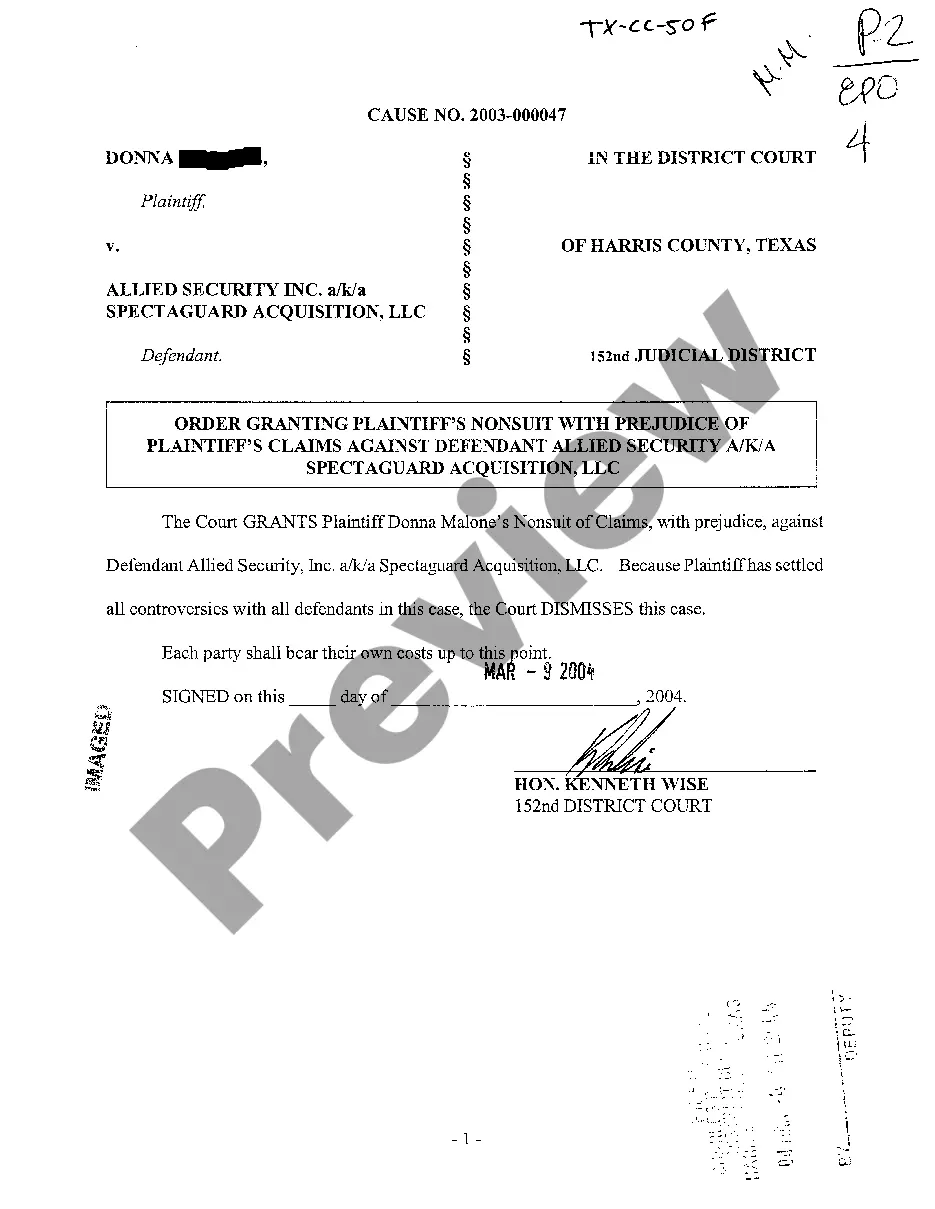
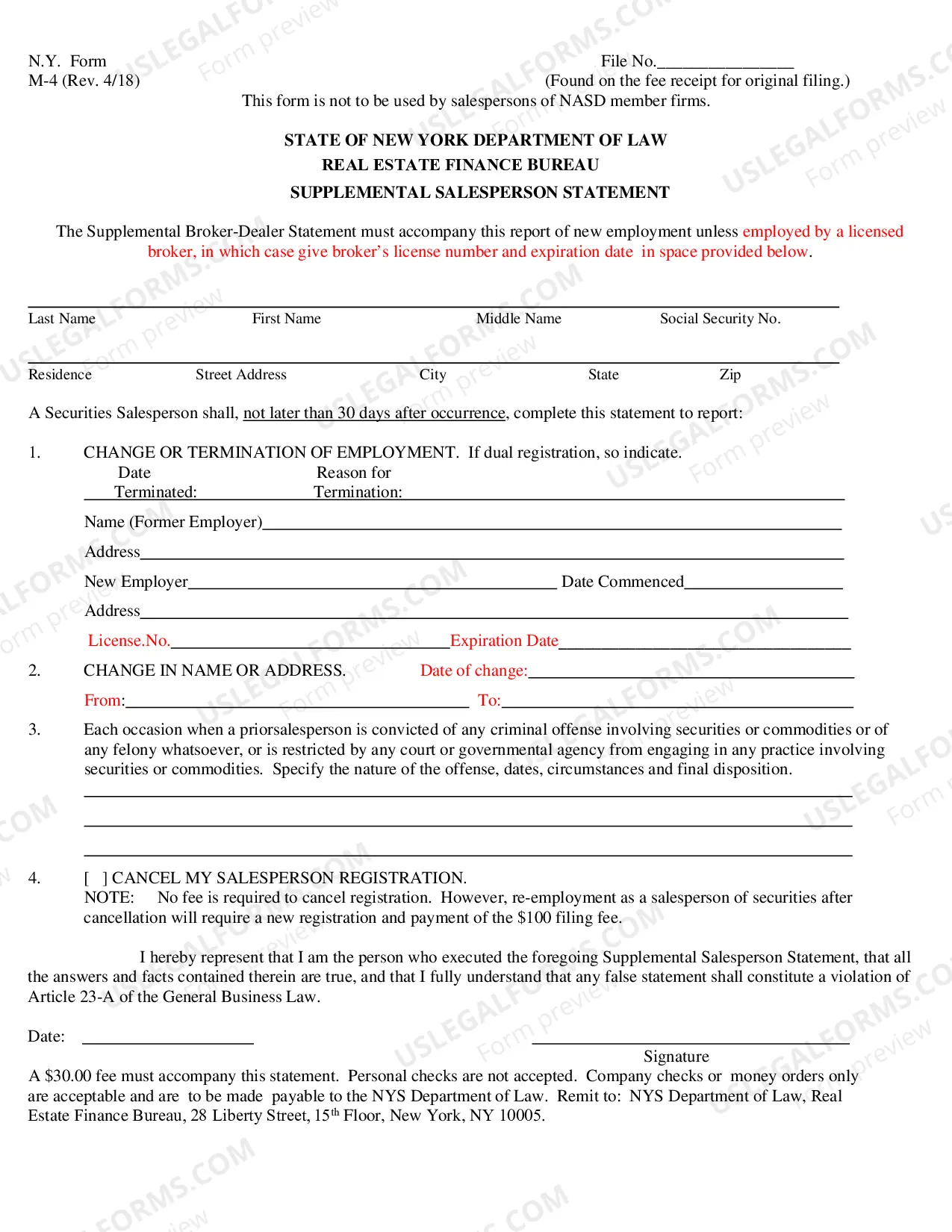
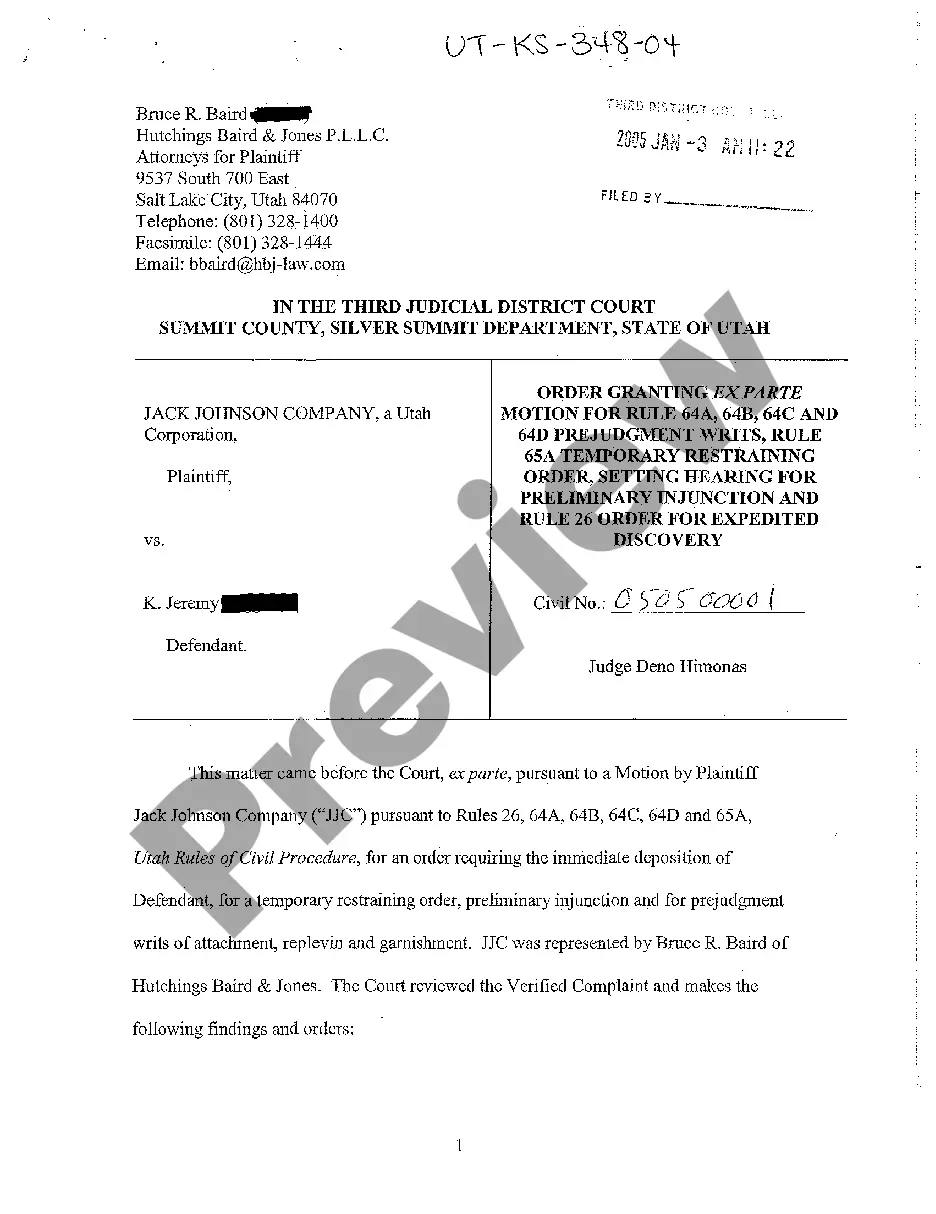
- Utilize the Preview button to review the document.
- Examine the outline to ensure you have selected the accurate form.
- If the form is not what you seek, use the Search field to find the template that fits your needs and specifications.
- Once you locate the appropriate form, click Acquire now.
- Choose the pricing plan you desire, fill in the required information to create your account, and complete the purchase with your PayPal or credit card.
- Select a convenient file format and download your copy.
- Access all the document templates you have purchased in the My documents section. You can download another copy of the Pennsylvania Subcontractor Agreement for Construction anytime you need it. Just follow the necessary form to download or print the document template.
Form popularity
FAQ
In Pennsylvania, subcontractors may need a license depending on the type of work they perform. It's essential to consult local laws regarding licensing requirements for construction activities. For those drafting a Pennsylvania Subcontractor Agreement for Construction, including information about required licenses can strengthen the agreement's validity.
The five elements of a construction contract include offer, acceptance, consideration, capacity, and legality. Each element plays a vital role in ensuring a Pennsylvania Subcontractor Agreement for Construction is enforceable and clear for all parties involved. Incorporating these elements helps prevent misunderstandings and legal disputes.
Writing a simple construction contract can be straightforward. Focus on the essential elements: project details, payment terms, and signatures. A Pennsylvania Subcontractor Agreement for Construction should include all parties' names and contact information, along with clear descriptions of the work to be completed.
Drafting a contract agreement involves several steps. First, start with a clear introduction that identifies the parties involved. Follow this with detailed sections covering the scope of work, payment terms, and any legal requirements relevant to a Pennsylvania Subcontractor Agreement for Construction. Remember, clarity and mutual understanding are key.
Making a contract agreement for construction requires careful consideration of specific project details. Draft a Pennsylvania Subcontractor Agreement for Construction that addresses all necessary elements, including project specifications, payment conditions, and timelines. Consult with legal resources to ensure compliance with state laws and industry standards.
To make your own contract agreement, start by identifying the key terms that need to be included, such as services provided, payment schedule, and project timelines. You can utilize templates or examples specifically for a Pennsylvania Subcontractor Agreement for Construction for guidance. Always ensure both parties understand and agree to the terms before signing.
Creating a Pennsylvania Subcontractor Agreement for Construction involves outlining the scope of work, payment terms, and timelines. Begin by clearly defining the roles and responsibilities of each party. It's also essential to include clauses regarding dispute resolution and termination to protect both sides.
The Pennsylvania Contractor and Subcontractor Payment Act, also known as 73 PS 501, outlines the rights and responsibilities regarding payment practices in construction. This act ensures timely payments and protects subcontractors from non-payment in construction projects. When entering into a Pennsylvania Subcontractor Agreement for Construction, understanding this law is essential for proper contract management and enforcement of payment terms.
A contractor needs to collect and fill out several forms before starting a project. Key paperwork includes the Pennsylvania Subcontractor Agreement for Construction, W-9 forms from subcontractors, and any necessary permits or licenses. Keeping accurate and organized records helps manage projects effectively and ensures compliance with local regulations.
You should provide your subcontractor with a W-9 form to collect their taxpayer identification information. This form is essential for creating a Pennsylvania Subcontractor Agreement for Construction, as it allows you to report payments made to them. After services are completed, you may also need to give them a 1099 form, depending on the payment amount and their business structure.