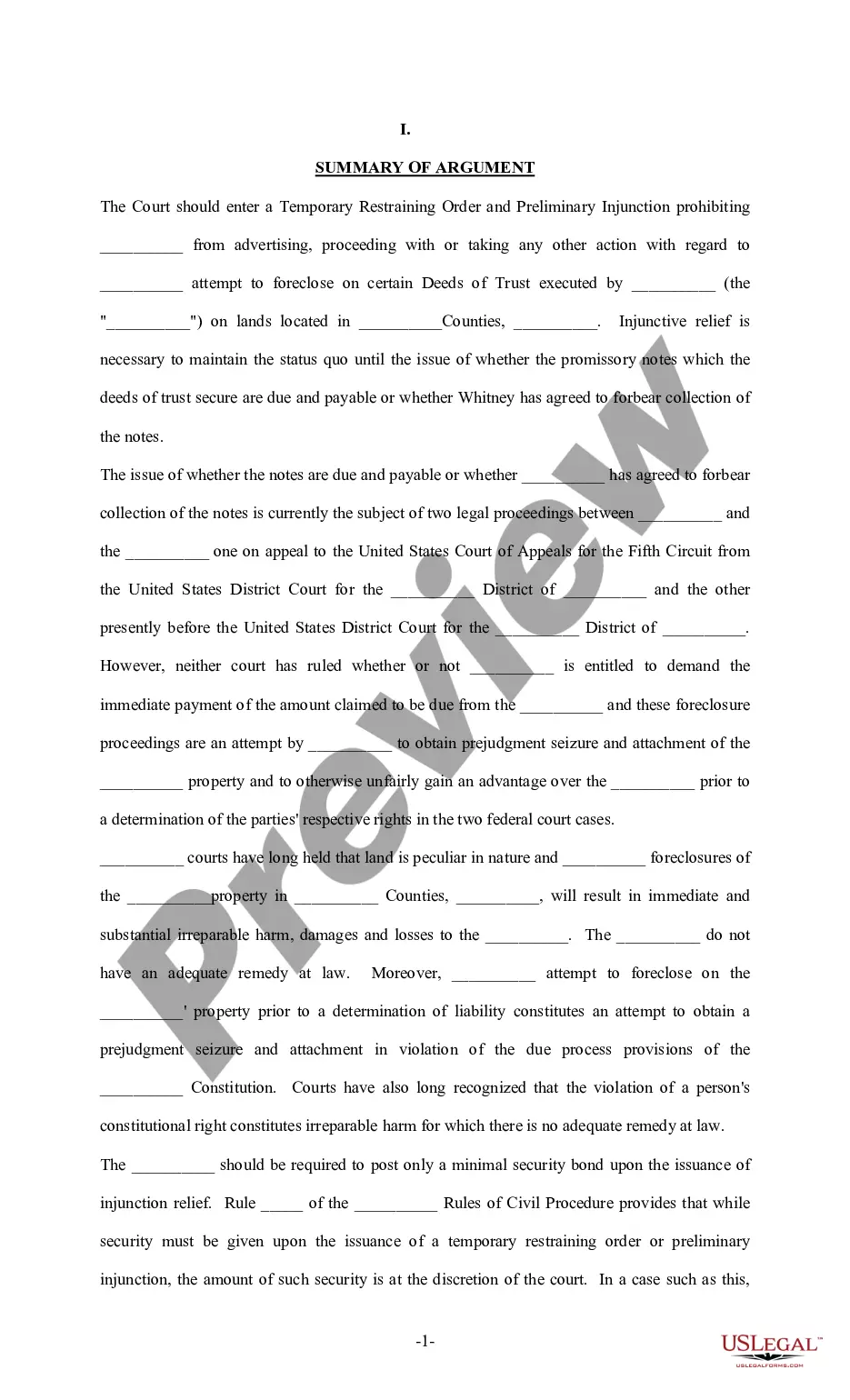
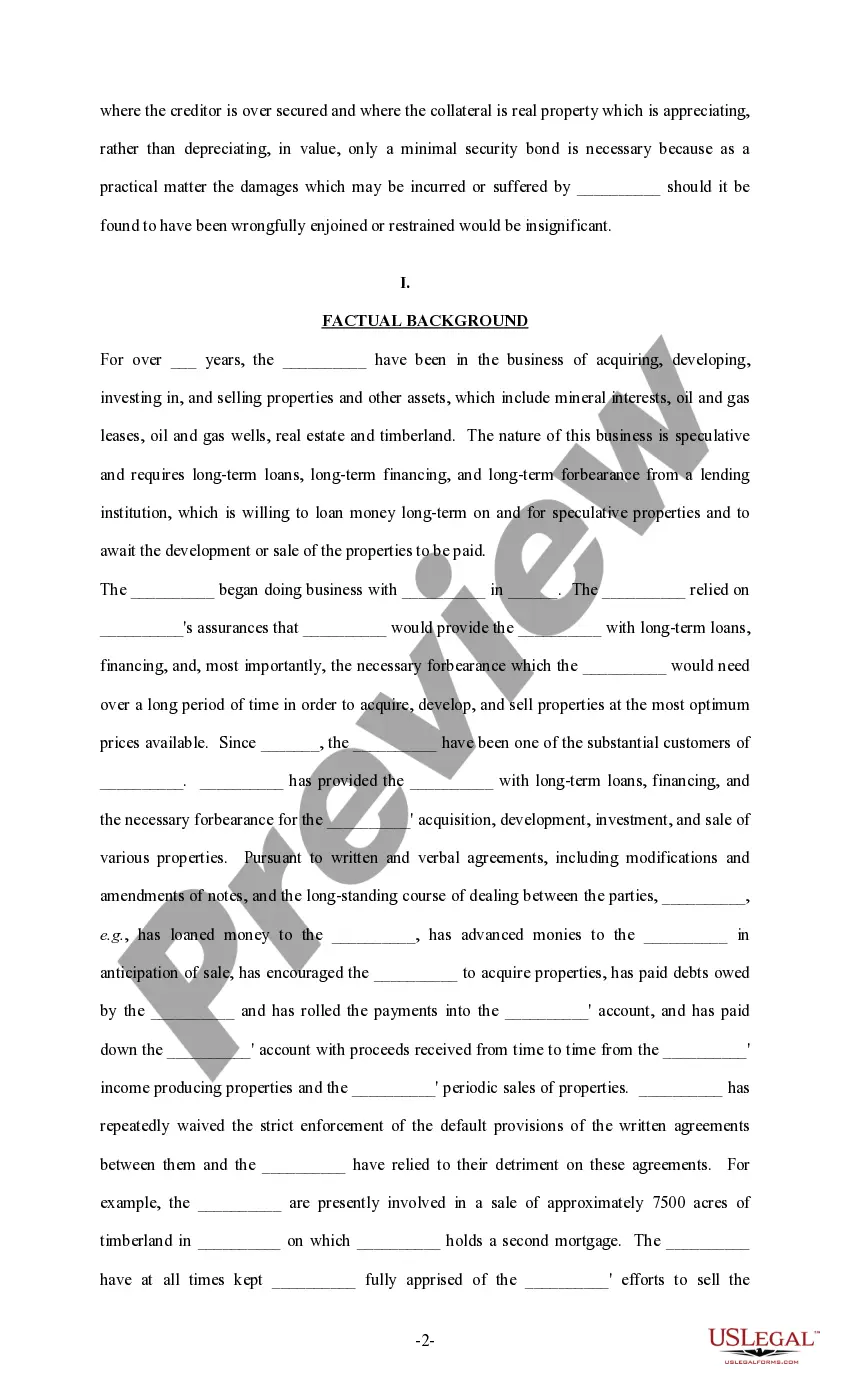
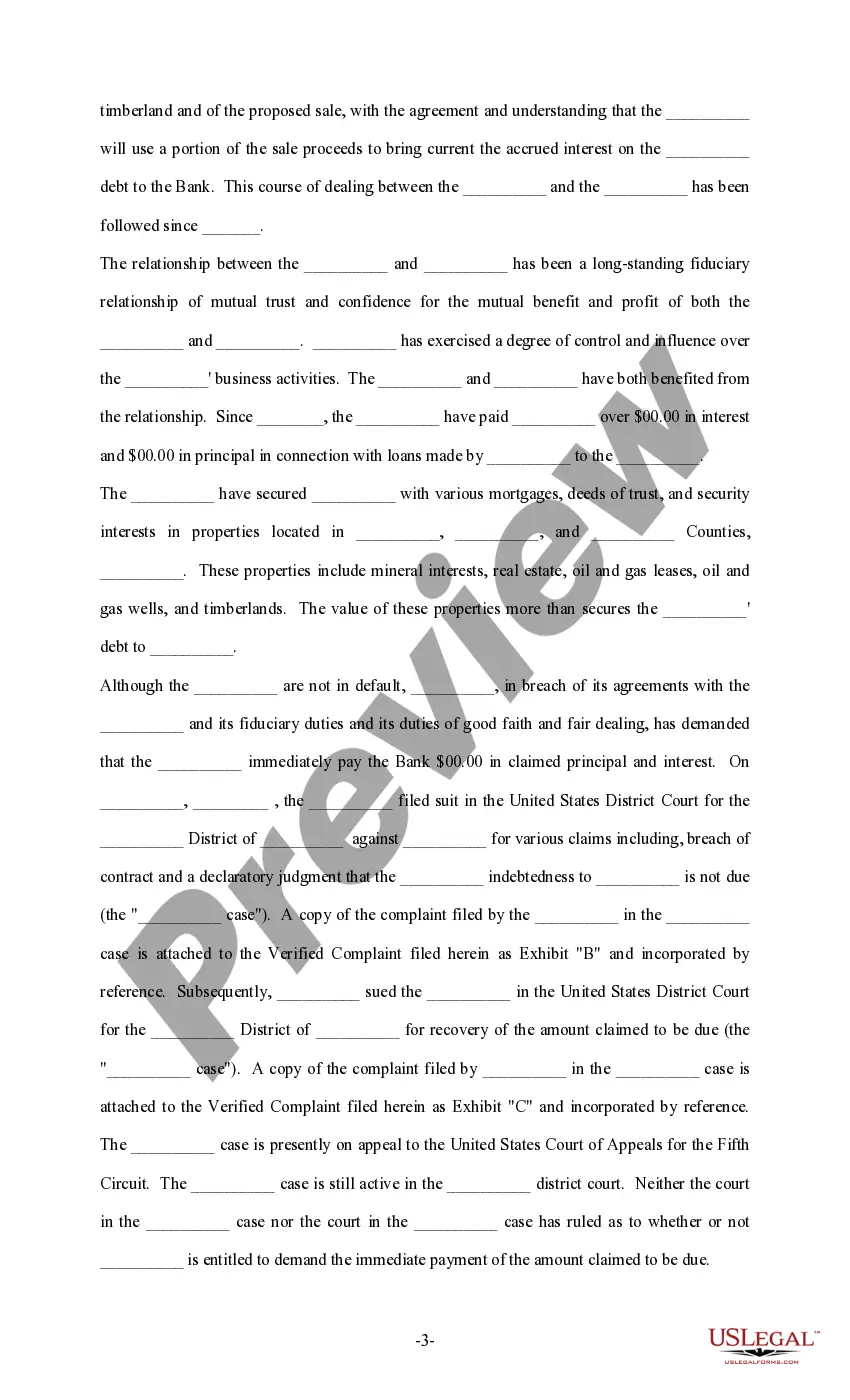
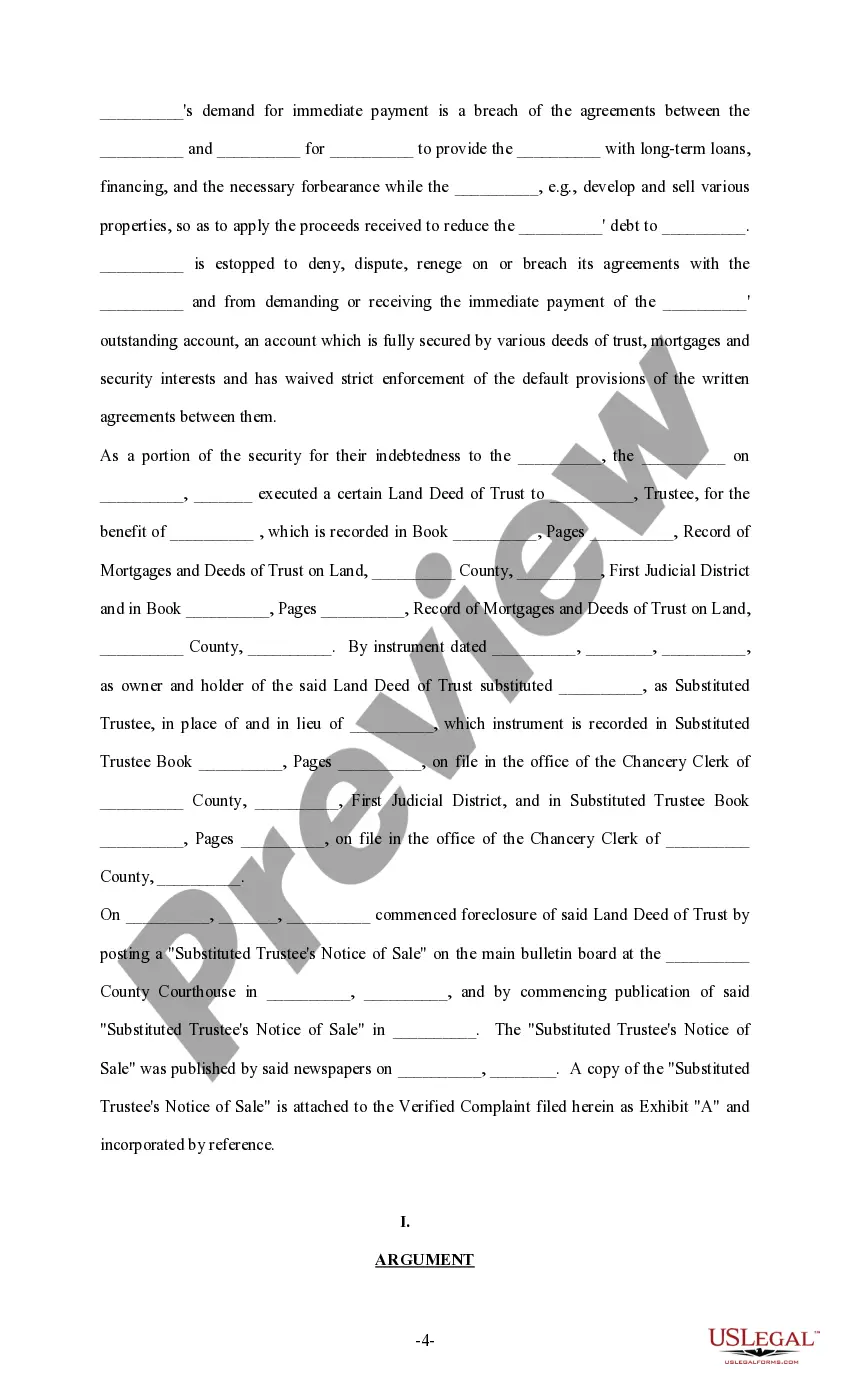
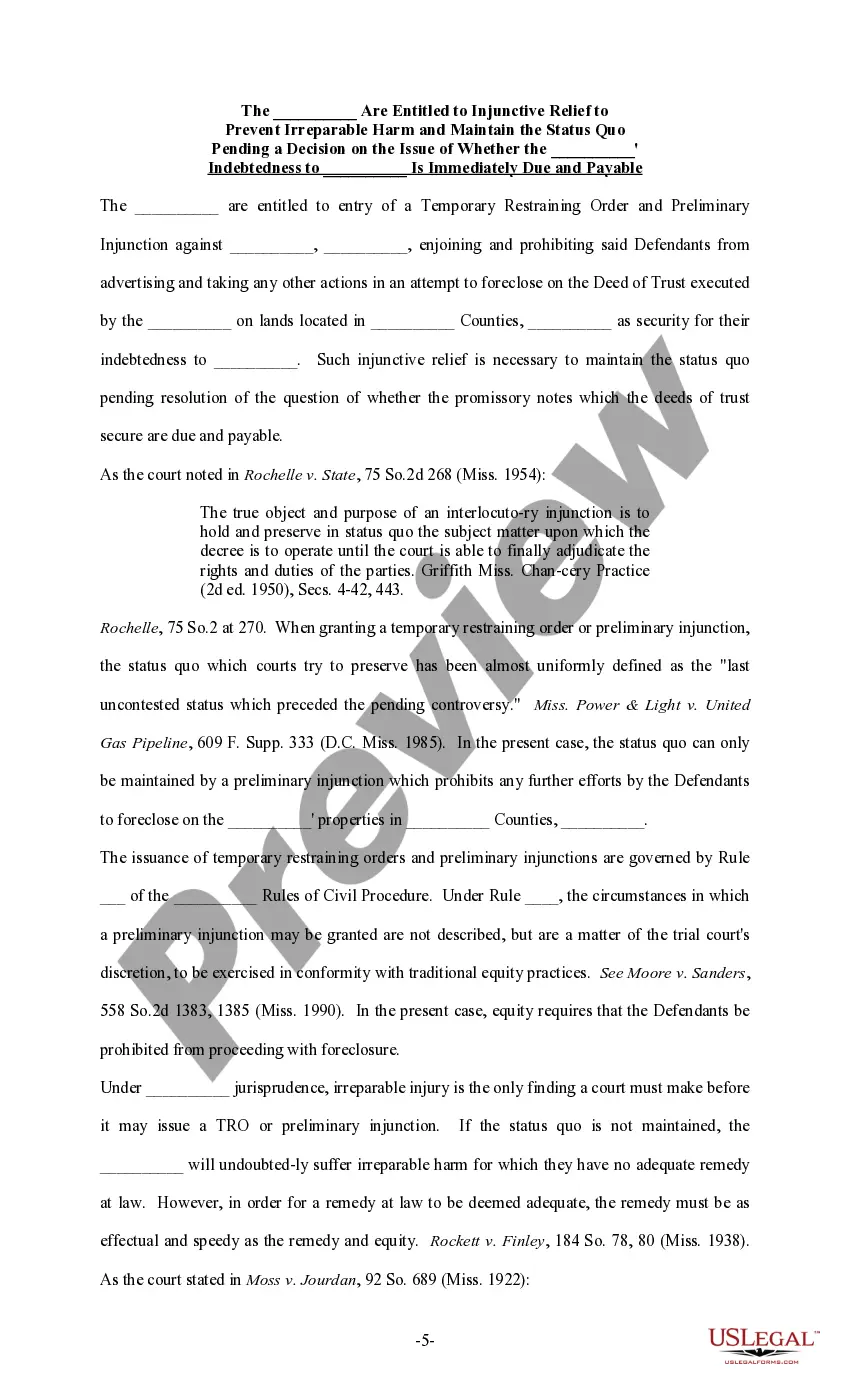
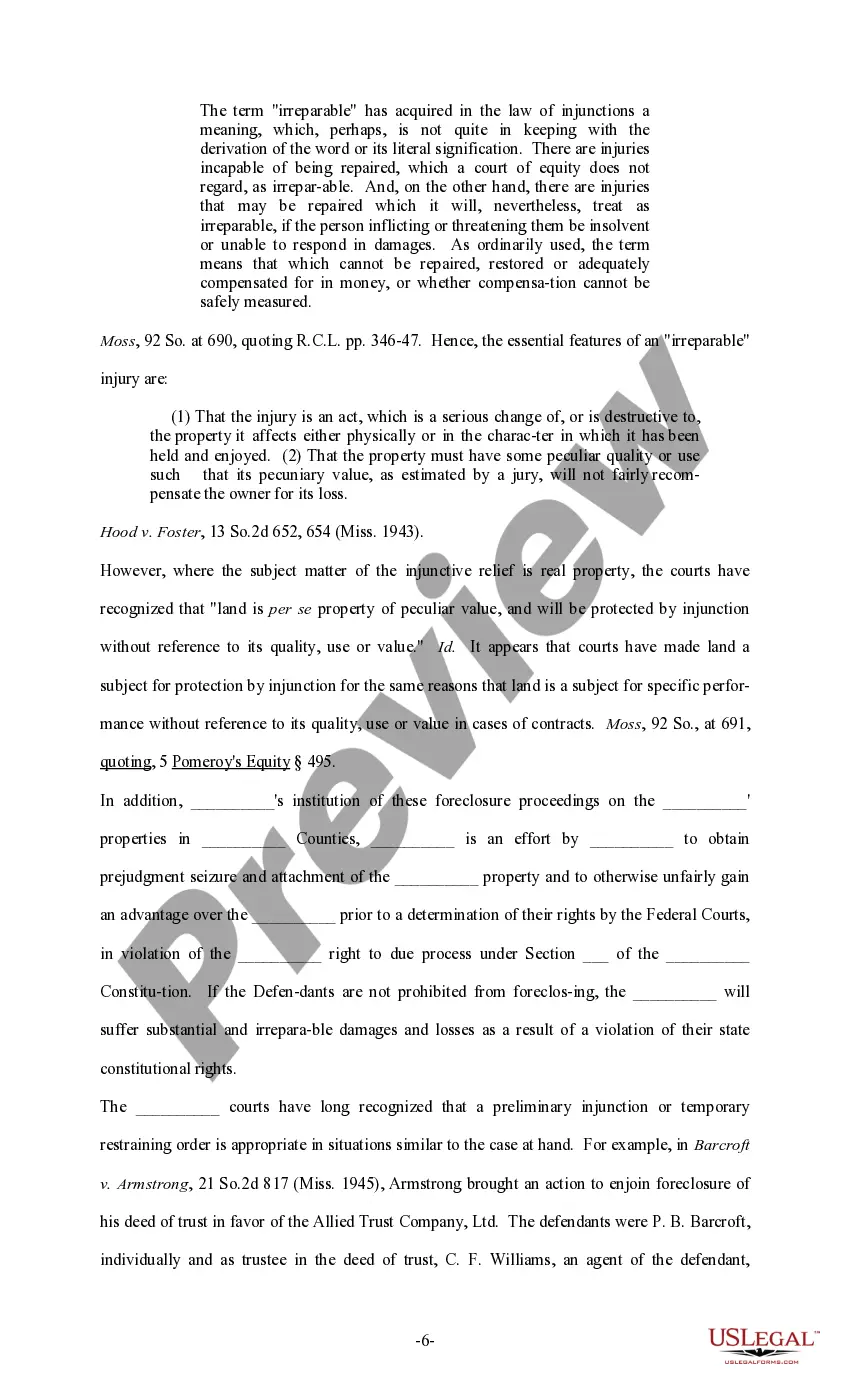
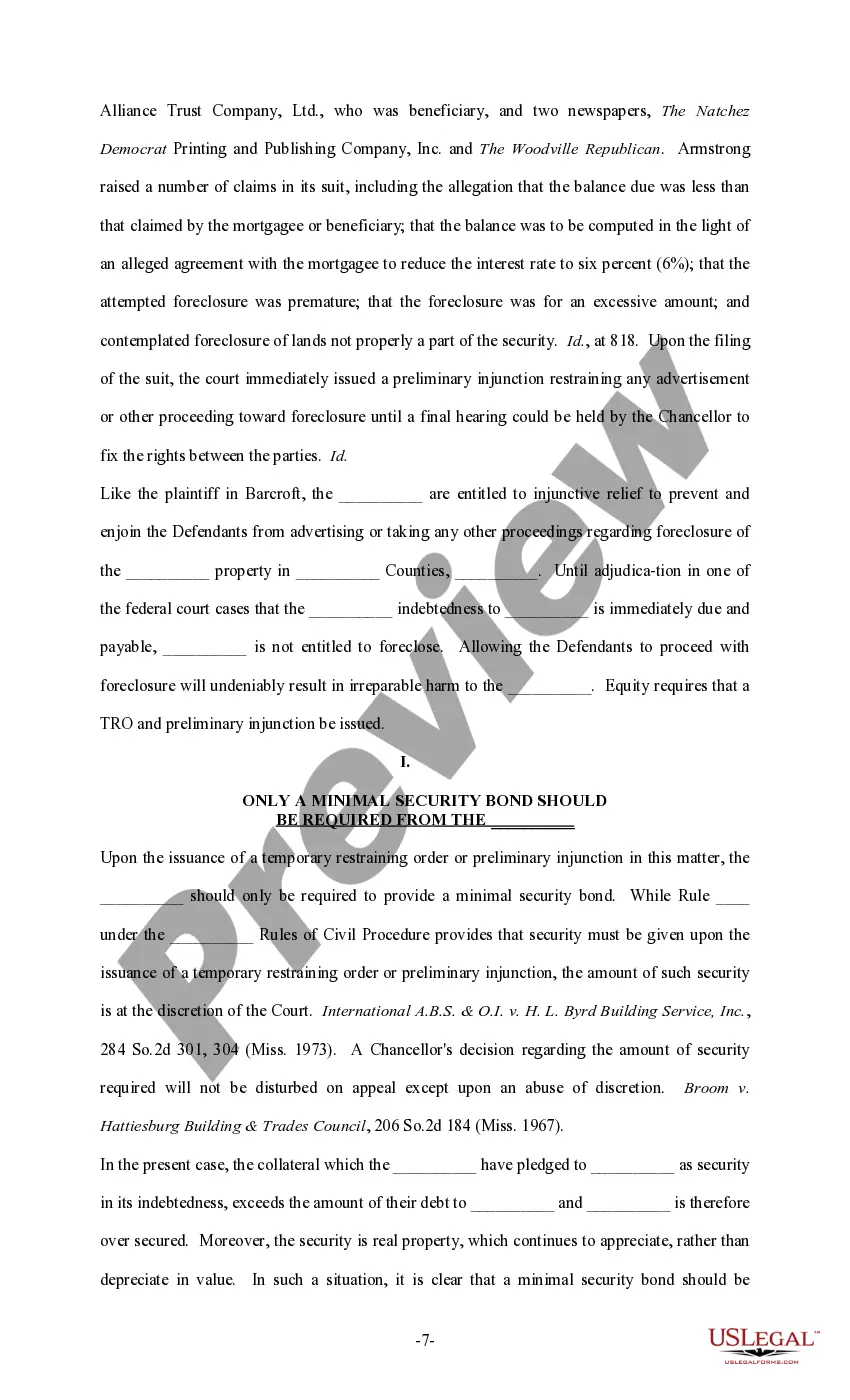
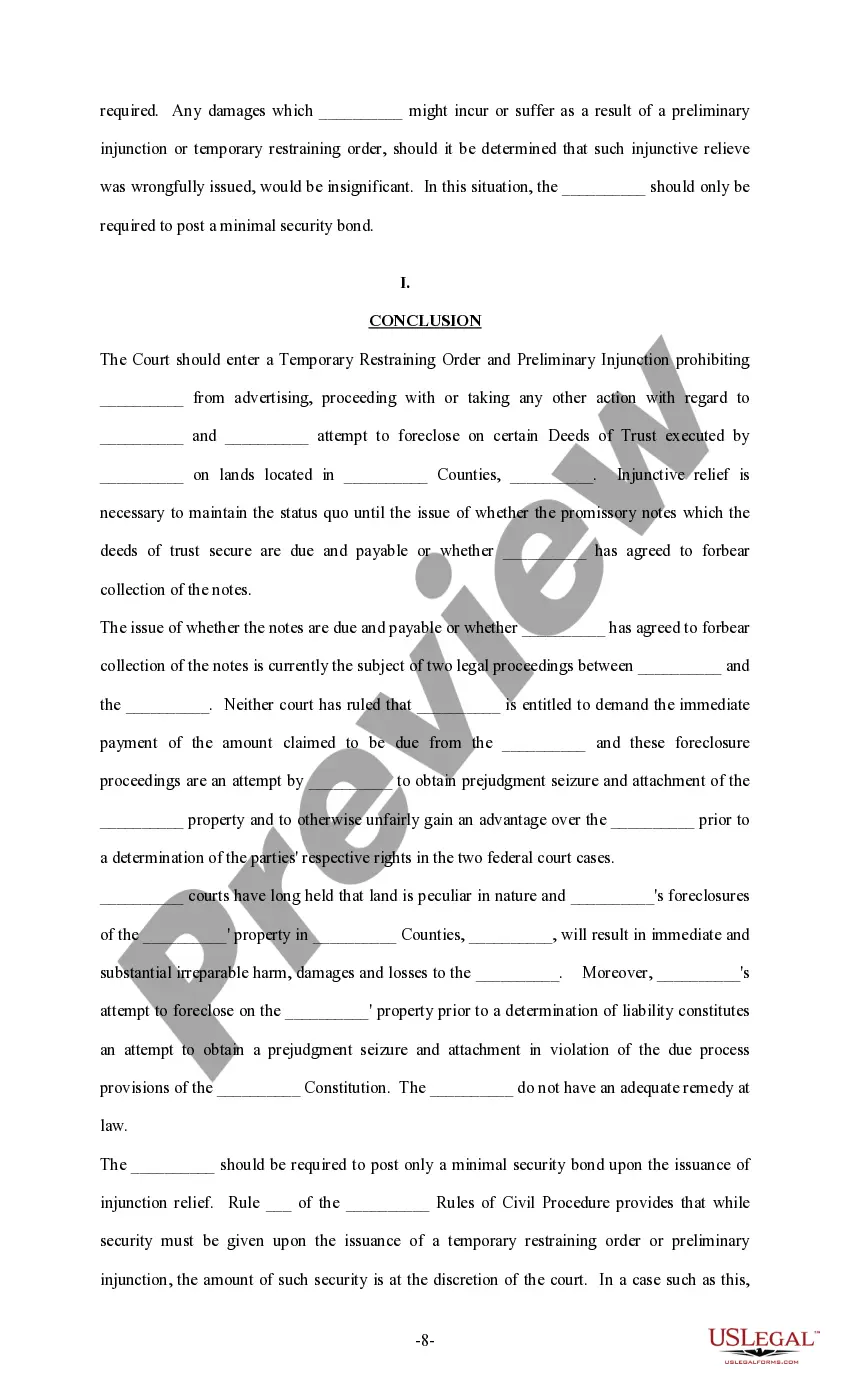
Pennsylvania Sample Brief - Injunction
Description
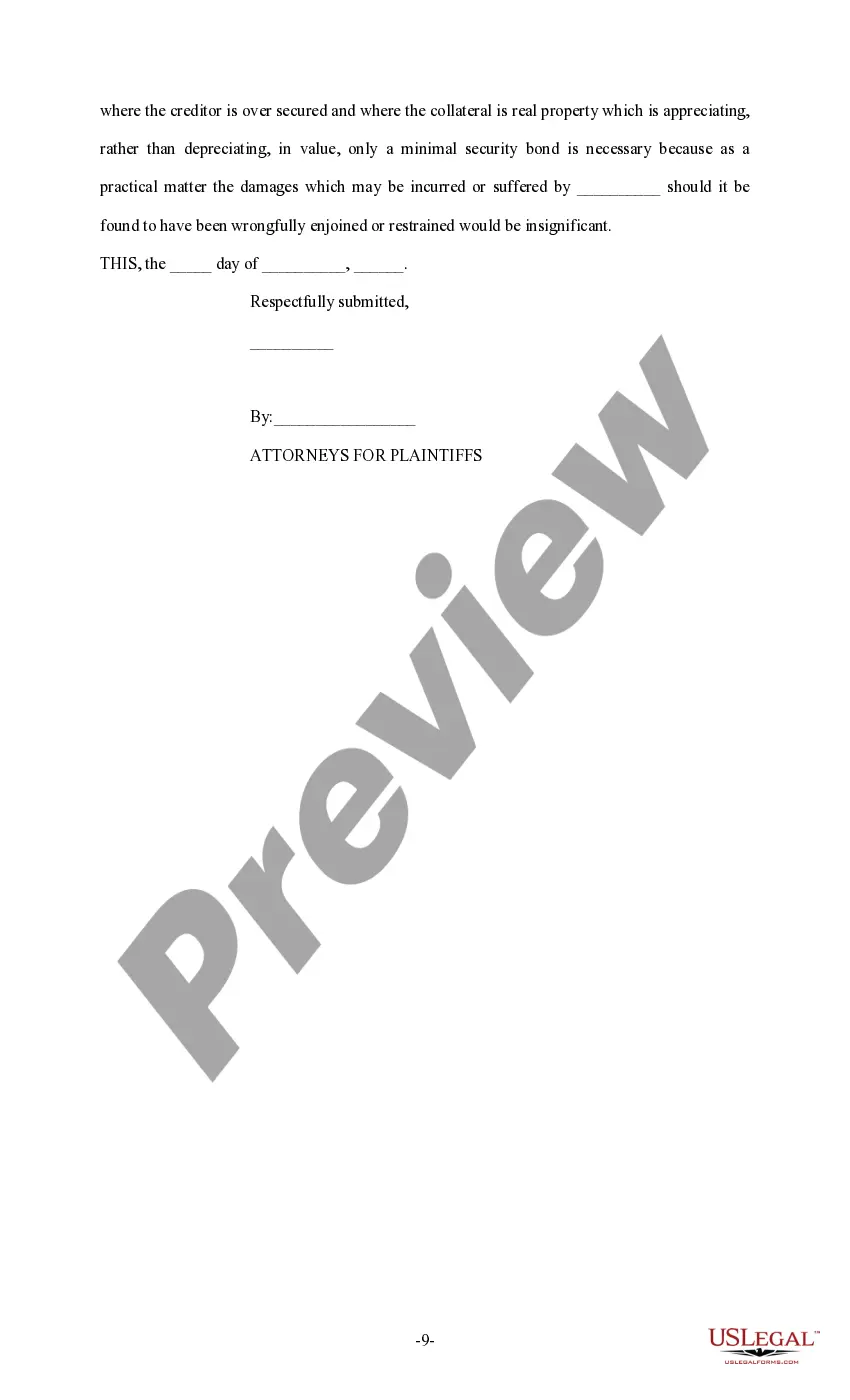
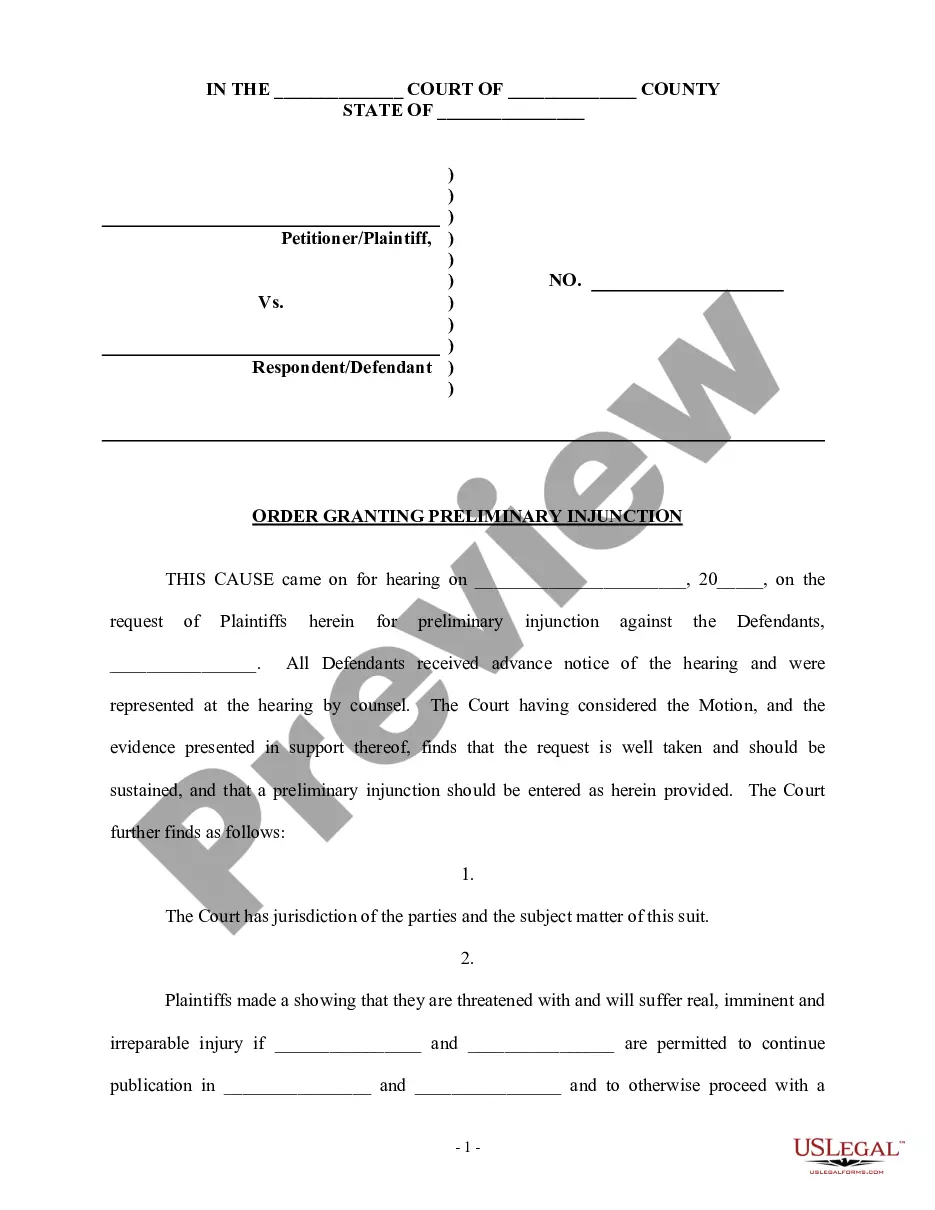
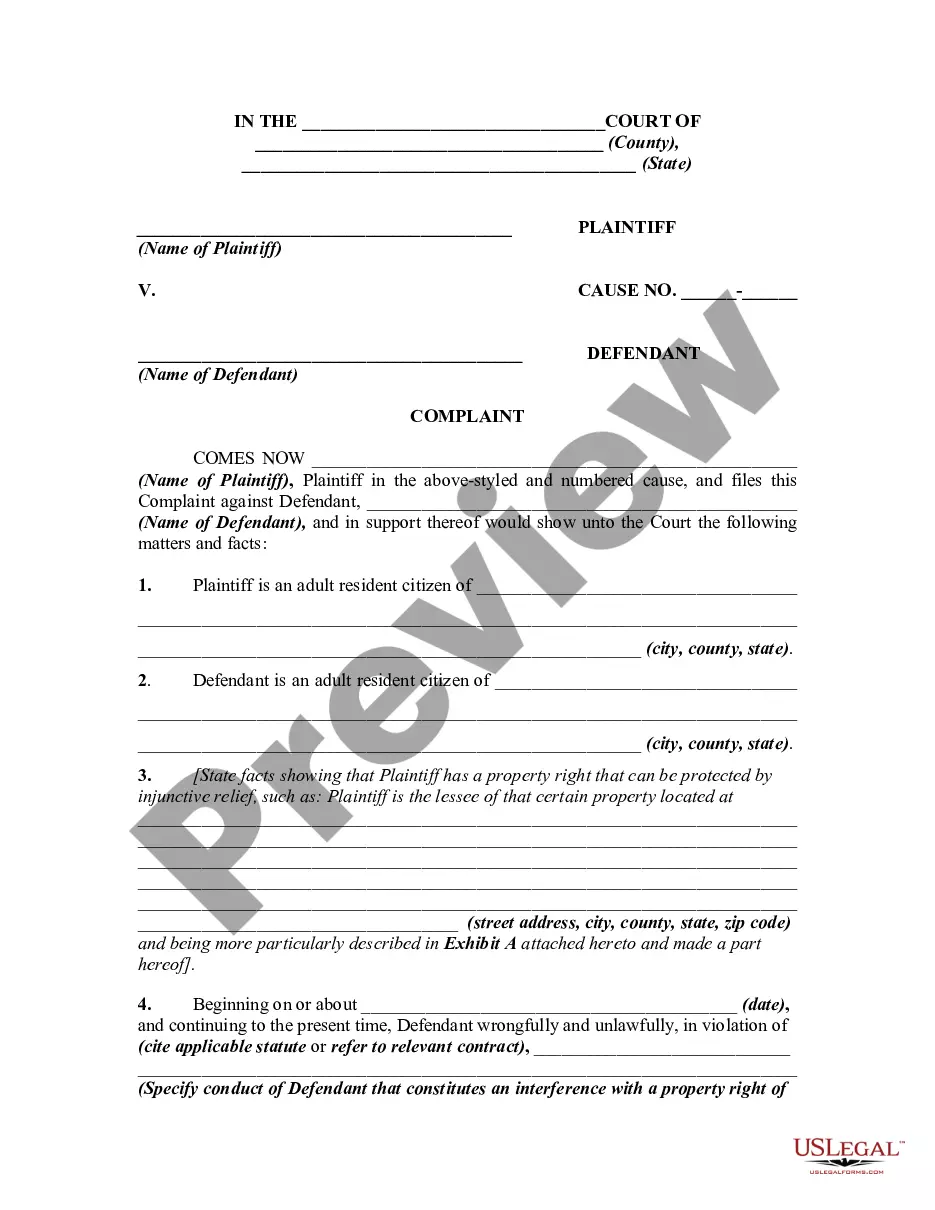
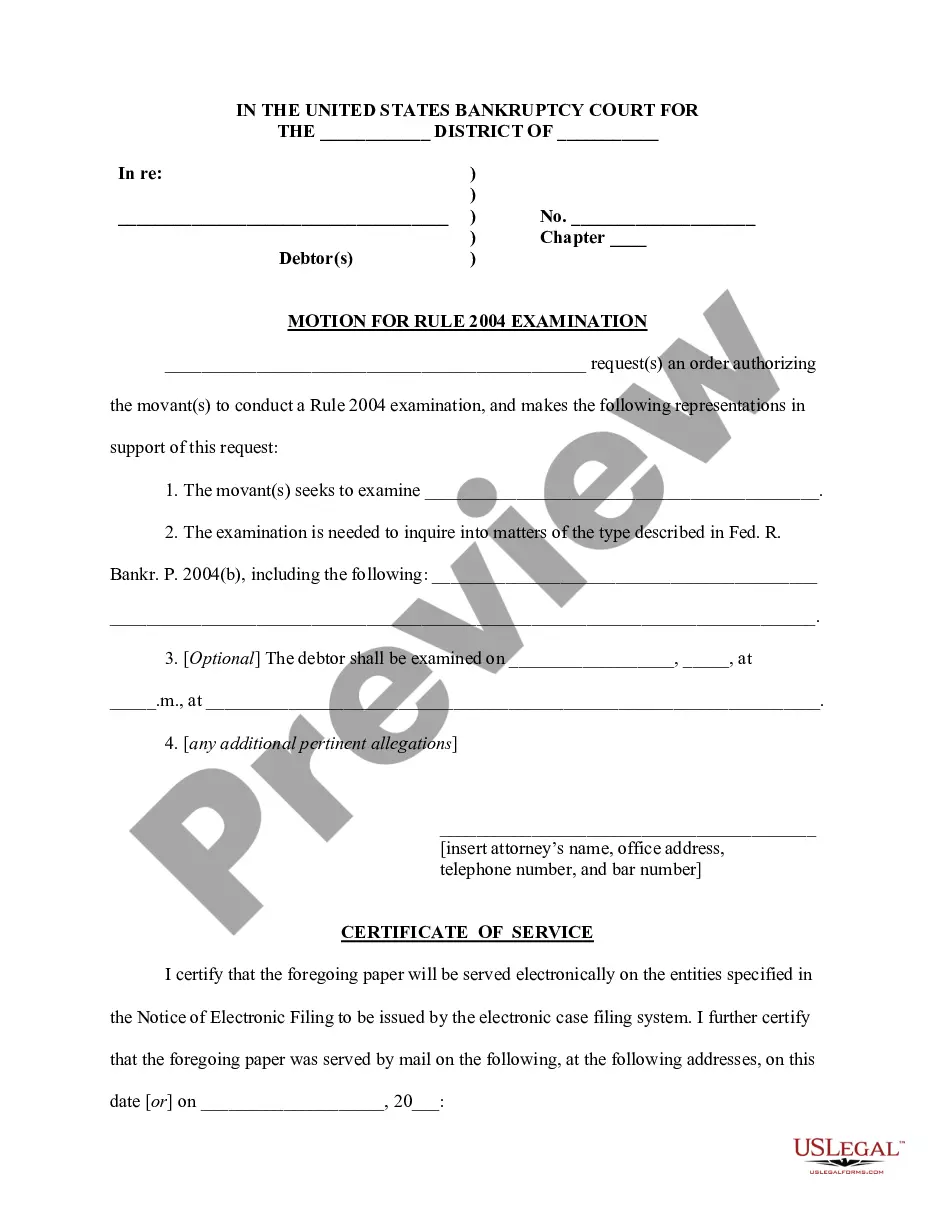

Get your form ready online
Our built-in tools help you complete, sign, share, and store your documents in one place.
Make edits, fill in missing information, and update formatting in US Legal Forms—just like you would in MS Word.
Download a copy, print it, send it by email, or mail it via USPS—whatever works best for your next step.
Sign and collect signatures with our SignNow integration. Send to multiple recipients, set reminders, and more. Go Premium to unlock E-Sign.
If this form requires notarization, complete it online through a secure video call—no need to meet a notary in person or wait for an appointment.
We protect your documents and personal data by following strict security and privacy standards.

Make edits, fill in missing information, and update formatting in US Legal Forms—just like you would in MS Word.

Download a copy, print it, send it by email, or mail it via USPS—whatever works best for your next step.

Sign and collect signatures with our SignNow integration. Send to multiple recipients, set reminders, and more. Go Premium to unlock E-Sign.

If this form requires notarization, complete it online through a secure video call—no need to meet a notary in person or wait for an appointment.

We protect your documents and personal data by following strict security and privacy standards.
Looking for another form?
How to fill out Sample Brief - Injunction?
Identifying the appropriate legal document format can be challenging. Clearly, there are numerous templates available online, but how can you locate the legal form you require? Utilize the US Legal Forms website. The service offers a wide array of templates, such as the Pennsylvania Sample Brief - Injunction, which can be utilized for business and personal purposes. All the forms are vetted by professionals and adhere to state and federal regulations.
If you are already registered, Log In to your account and click on the Obtain button to access the Pennsylvania Sample Brief - Injunction. Use your account to review the legal forms you have previously acquired. Navigate to the My documents section of your account and obtain another copy of the document you need.
If you are a new user of US Legal Forms, here are simple steps for you to follow: First, ensure you have selected the correct form for your area/region. You can view the form using the Review button and read the form description to confirm it is the right one for you. If the form does not suit your needs, use the Search field to find the appropriate form. Once you are confident that the form is suitable, click on the Acquire now button to obtain the form. Choose the pricing plan you want and enter the required information. Create your account and pay for your order using your PayPal account or credit card. Select the document format and download the legal document format to your device. Complete, modify, print, and sign the obtained Pennsylvania Sample Brief - Injunction.
In summary, US Legal Forms serves as a comprehensive source for acquiring legal document templates that fulfill legal requirements efficiently.
- US Legal Forms is the largest repository of legal forms where you can find various document templates.
- Utilize the service to acquire properly crafted documents that comply with state requirements.
- The templates are designed to cater to both organizational and individual needs.
- All documents are reviewed by experts for compliance with legal standards.
- You can easily manage your previously purchased forms through your account.
- The platform simplifies the process of obtaining legal documents online.
Form popularity
FAQ
There are several components that make up your Appellate Brief: Title Page; Table of Contents; Table of Authorities; Statutes Involved; Standard of Review; Question Presented; Statement of Facts; Summary of Argument, Argument and Citation of Authority; Point headings that are within Argument section; Conclusion; ...
Ironically, however, a policy memo is typically shorter in length than a policy ?brief.? A policy memo usually ranges from one to twent-five pages, while a policy brief can be anywhere from twenty to more than a hundred pages in length depending on the complexity of the topic.
Injunctions (a) A court shall issue a preliminary or special injunction only after written notice and hearing unless it appears to the satisfaction of the court that immediate and irreparable injury will be sustained before notice can be given or a hearing held, in which case the court may issue a preliminary or ...
The Brief Answer starts off with a very short statement of your conclusion about the issue (No, Probably No, Yes, Probably Yes). The Brief Answer, in its first sentence, concisely and precisely answers the Question Presented.
A brief is the legal argument in support of a motion or an appeal, and the term normally used in appellate practice. A pleading refers to the complaint or answer in the case. The memo of law is the legal argument with cases/statutes as applicable offered in support of the motion.
The summary should not be overly long?one to two pages at most. Typically, that means one paragraph per issue (and perhaps an introductory paragraph if there is more than one issue). Although you need not give equal weight to each argument, the Summary should follow the same order as your argument section.
A brief can take various forms based on the nature and stage of the litigation. It can be a memorandum of law regarding a motion, an appellate brief on whether the trial court's ruling should be upheld, or a mediation statement to resolve a matter.
As you know, the purpose of a memo is to answer a legal question, and your role as its writer is to objectively research and predict the answer. A brief, on the other hand, is written to persuade the reader that one position on the issue is the correct one.