Pennsylvania Judgment of Conviction and Sentence
Description
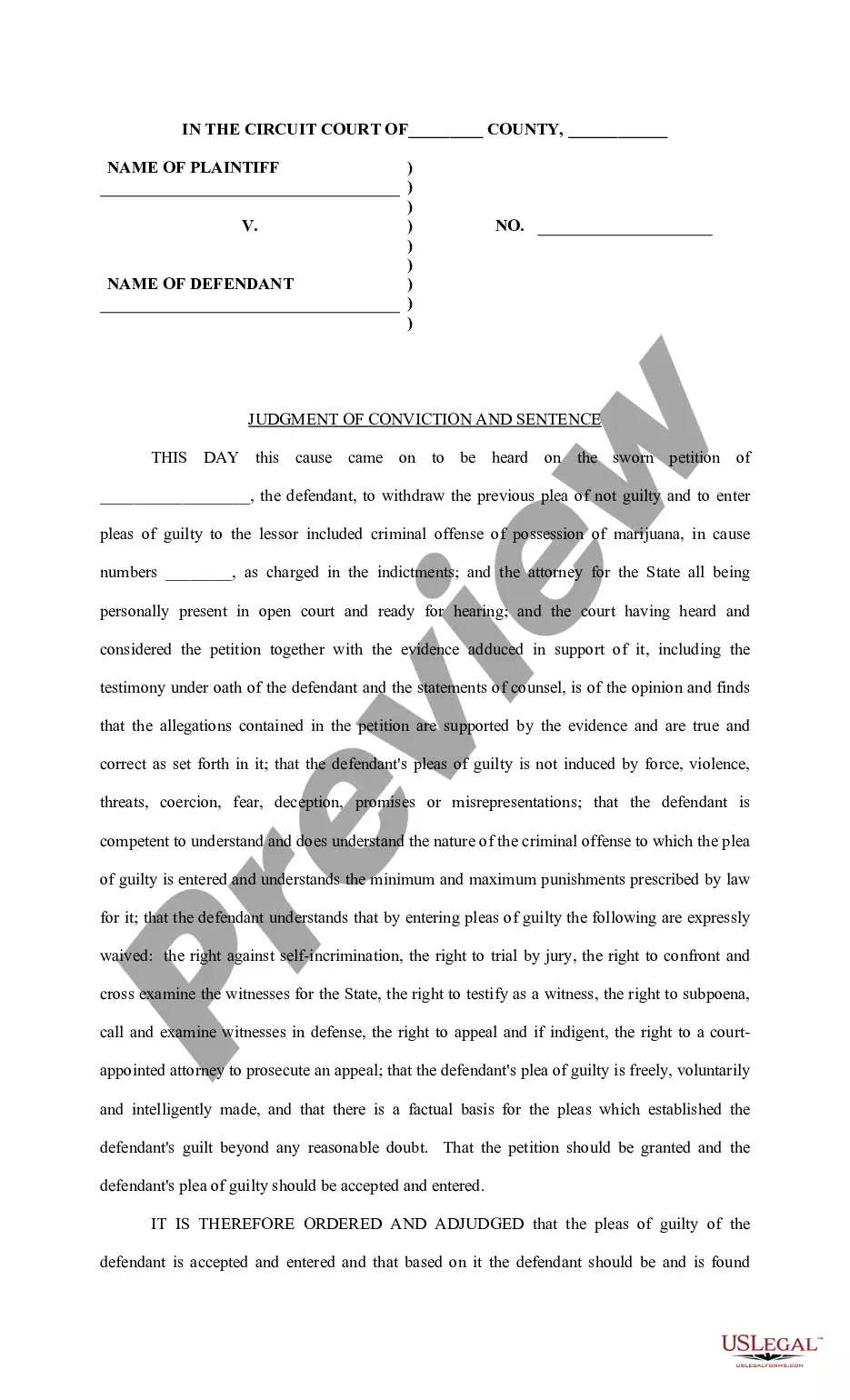
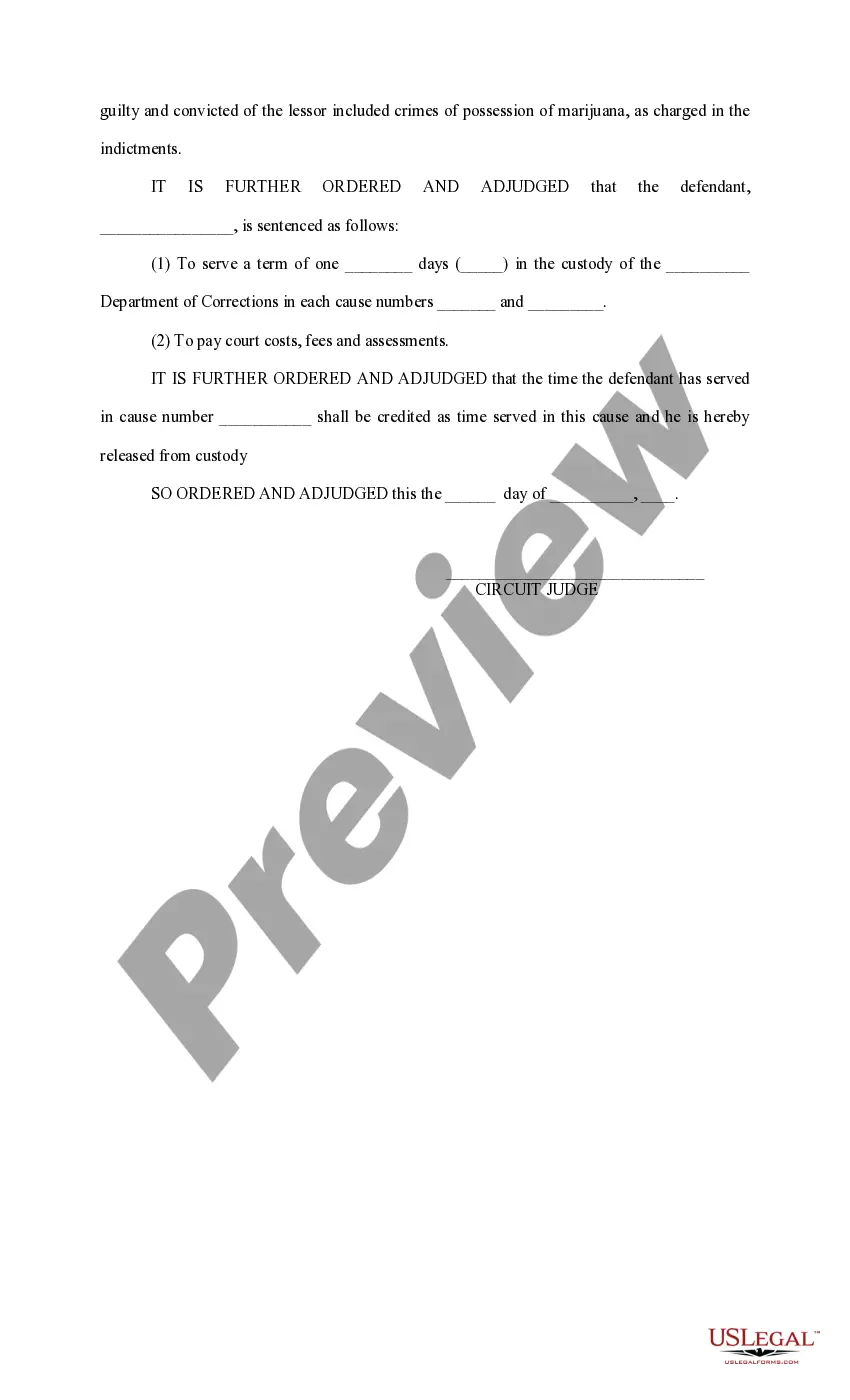
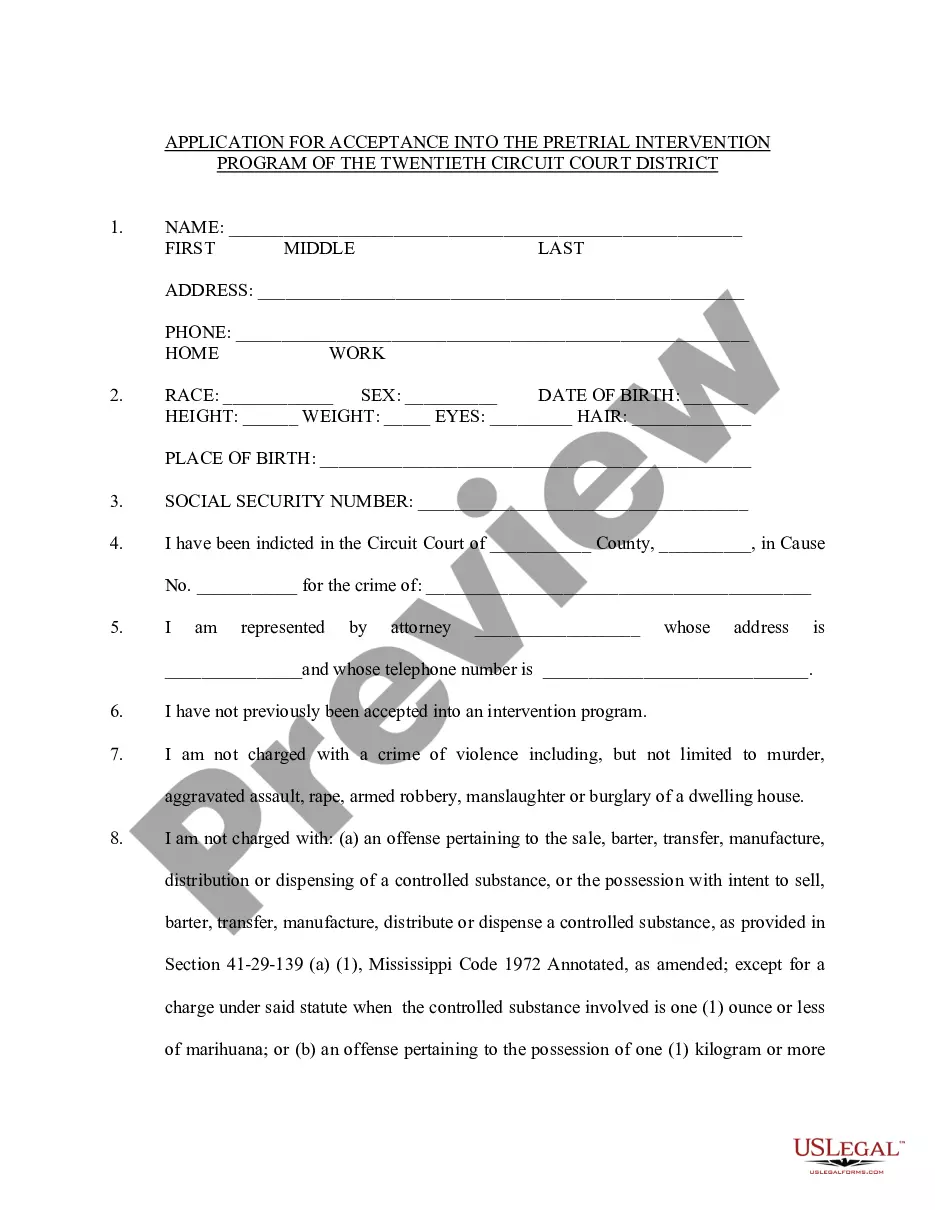
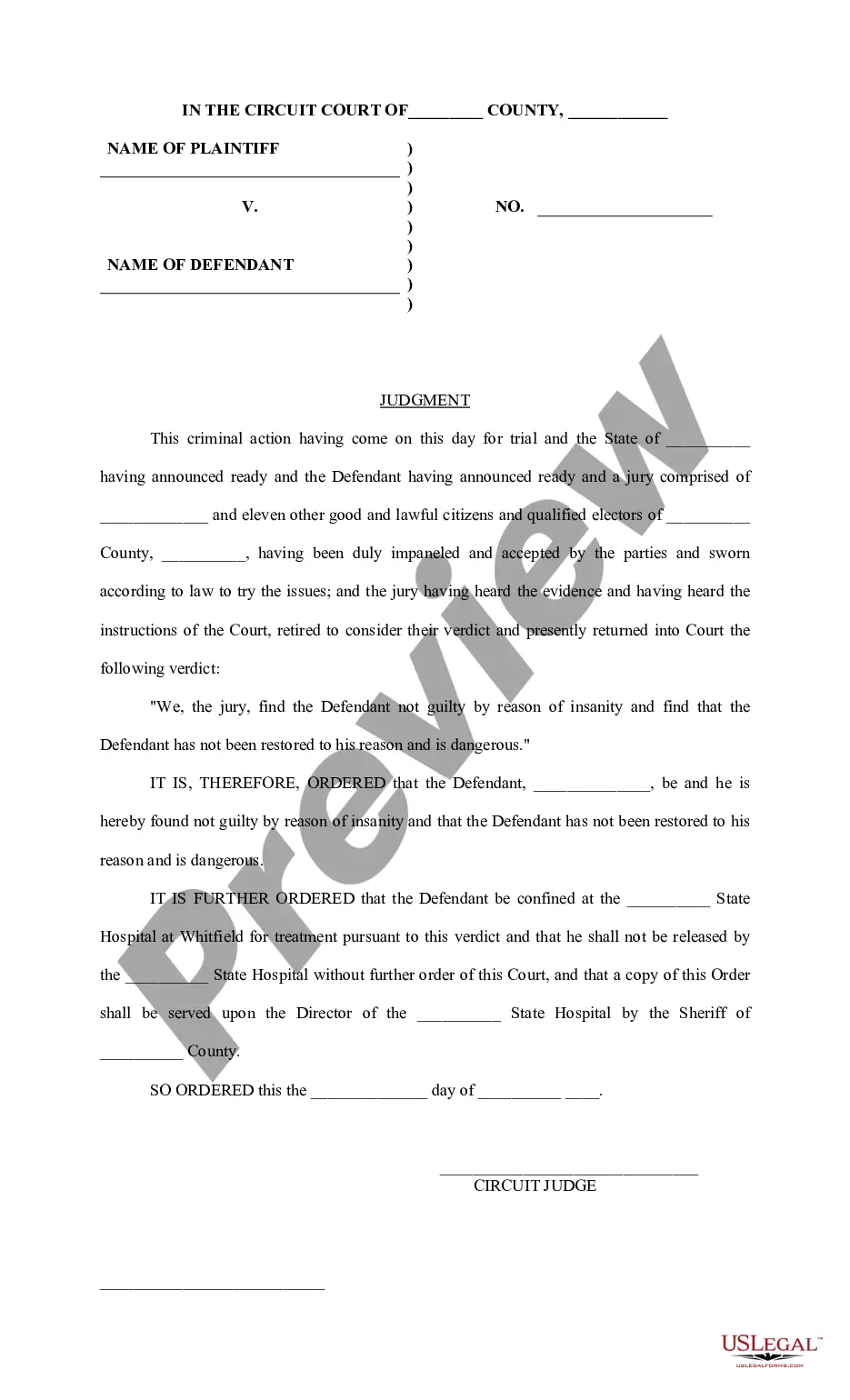
How to fill out Judgment Of Conviction And Sentence?
US Legal Forms - one of the largest collections of legal documents in the United States - provides a vast selection of legal templates that you can download or print. By utilizing the website, you will find thousands of forms for business and personal use, categorized by type, state, or keywords. You can find the latest versions of forms such as the Pennsylvania Judgment of Conviction and Sentence in just moments.
If you currently have a monthly subscription, Log In and access the Pennsylvania Judgment of Conviction and Sentence from the US Legal Forms library. The Download button will appear on every form you view. You have access to all previously downloaded forms from the My documents section of your account.
If you want to use US Legal Forms for the first time, here are simple steps to help you get started: Ensure you have selected the correct form for your city/region. Click the Review button to examine the form's content. Read the form description to confirm that you have chosen the correct form. If the form does not meet your requirements, use the Search field at the top of the page to find one that does. If you are satisfied with the form, confirm your choice by clicking the Purchase now button. Then, select your preferred payment plan and provide your details to register for an account. Process the payment. Use your Visa or Mastercard or PayPal account to complete the transaction. Choose the format and download the form to your device. Make modifications. Fill out, edit, print, and sign the downloaded Pennsylvania Judgment of Conviction and Sentence. Every template you add to your account does not expire and is yours indefinitely. So, if you need to download or print another copy, just go to the My documents section and click on the form you need.
- Access the Pennsylvania Judgment of Conviction and Sentence with US Legal Forms, the most extensive collection of legal document templates.
- Utilize thousands of professional and state-specific templates that meet your business or personal needs and requirements.
Form popularity
FAQ
Many states, including Pennsylvania, have mandatory minimum sentencing as part of their state sentencing guidelines. In Pennsylvania, this system was largely gutted by the Pennsylvania Supreme Court, although some laws are still on the books.
To decide the sentence, the judge considers the facts in the case, the sentencing guidelines, and other sentencing laws. If either side wants, they can argue what sentence a judge should give at a sentencing hearing.
The Sentencing Guidelines recommend a range of minimum sentence based on the seriousness of the offense (Offense Gravity Score) and the prior criminal history (Prior Record Score) of the offender. Therefore, the more serious the offense, the more serious is the recommended punishment.
A few months after the defendant is found guilty, they return to court to be sentenced. The judge receives guidance and assistance from several sources in order to sentence a defendant. Congress has established minimum and maximum punishments for many crimes which the judge uses to craft a sentence.
The judge will typically give the defendant the sentence that was agreed to by the defendant and prosecutor. If not, the agreement typically falls apart and the defendant can take away their guilty plea. The judge must decide on a sentence.
(a) Imposition of sentences is a judicial function to be performed by sentencing courts. The function of sentencing courts is to impose a sentence upon each offender that is appropriate to the offense and the offender. The jury's role in a criminal trial should not extend to determination of the appropriate sentence.
Sentencing in criminal cases is typically decided by a judge. The judge will consider the facts of the case, the defendant's criminal history, and the severity of the crime when making a decision about sentencing.
Jury Deliberations & Announcement of the Verdict After being charged, the jury goes into deliberation, the process of deciding whether a defendant is guilty or not guilty. During this process, no one associated with the trial can contact the jury without the judges and lawyers.