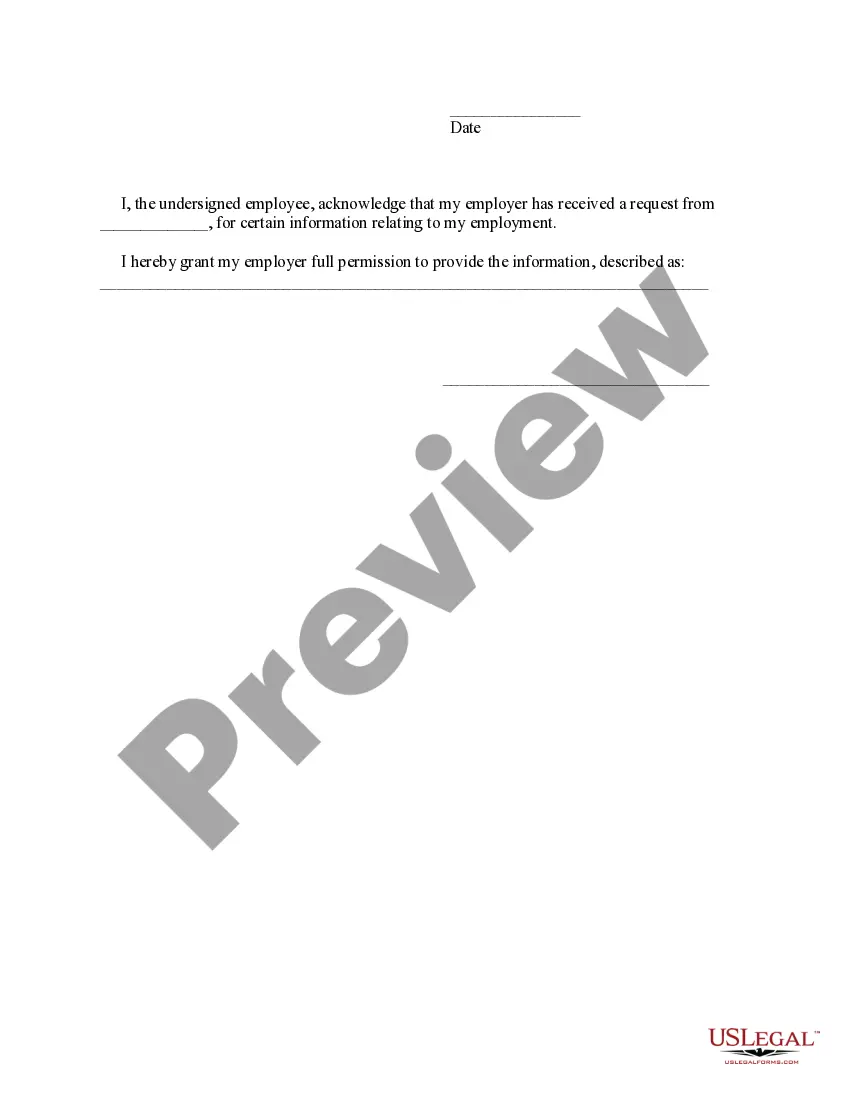
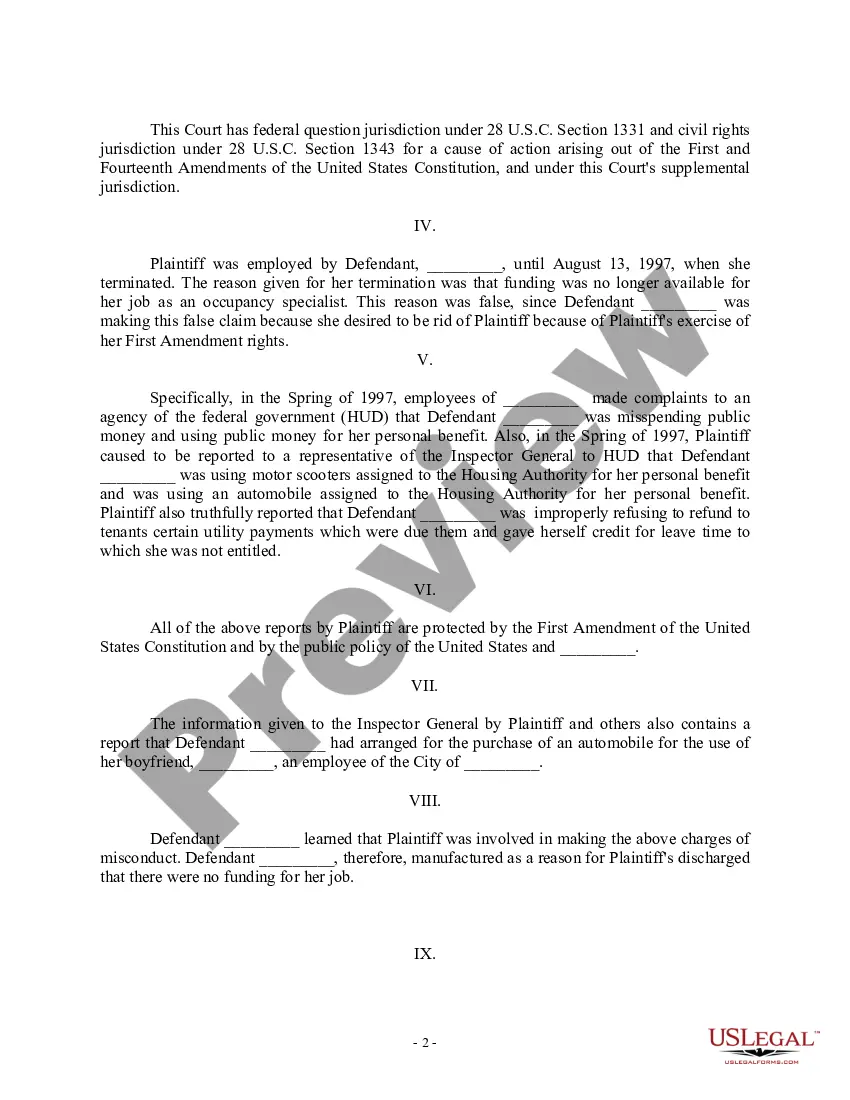
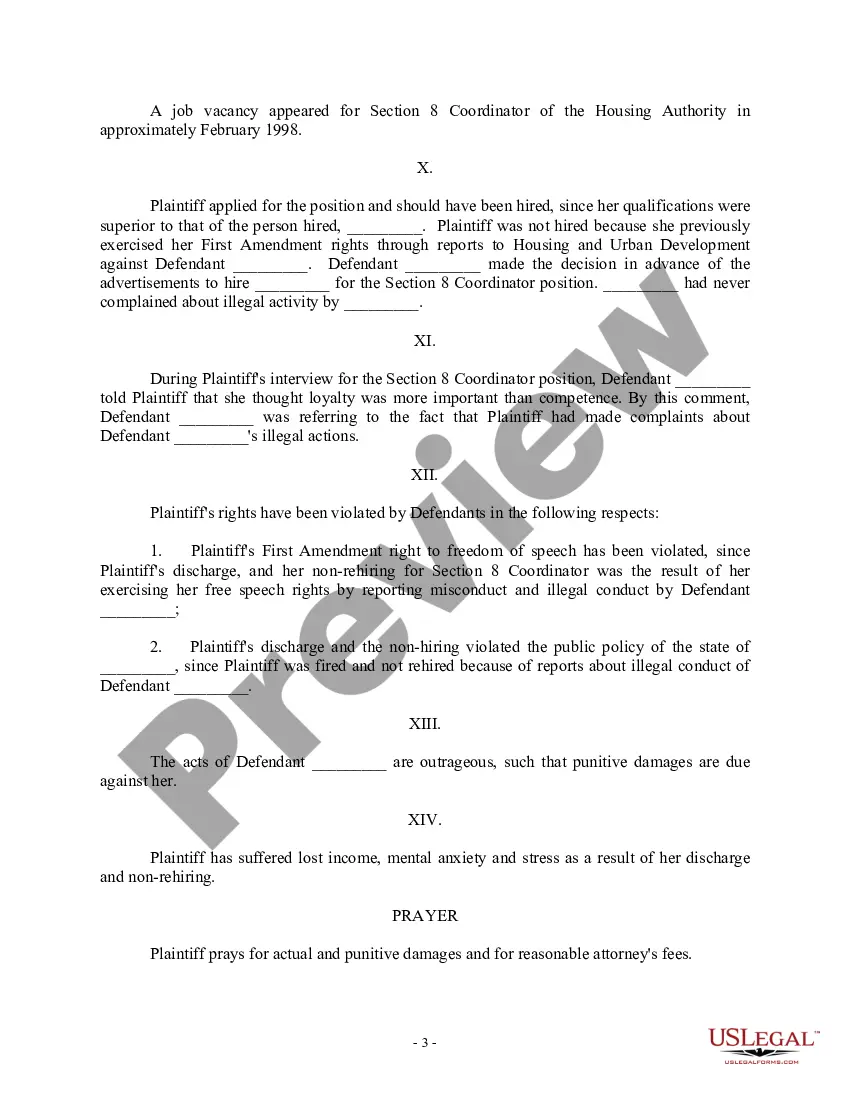
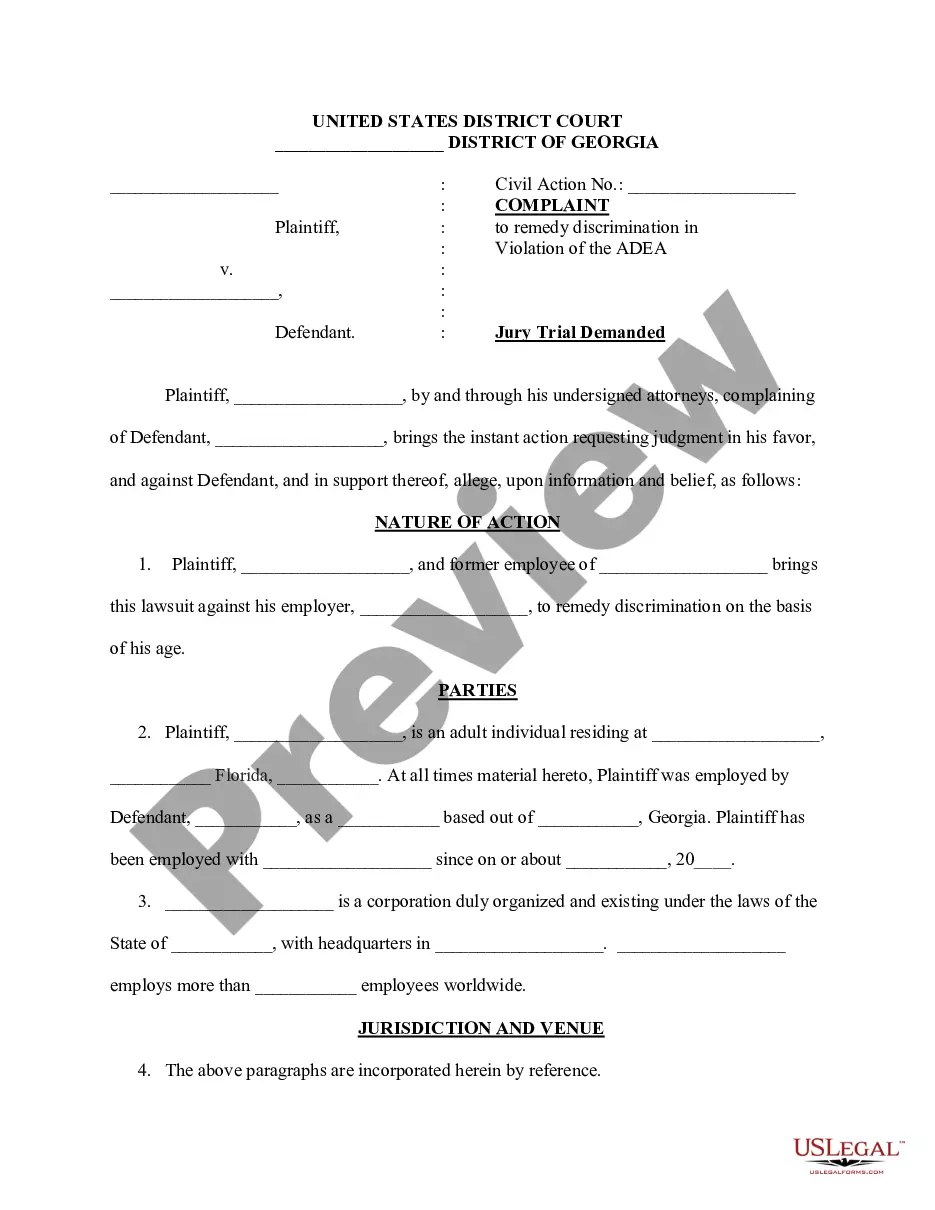
This form is a Complaint. This action is to recover damages for a violation of the First Amendment of the United States Constitution. The plaintiff is seeking punitive damages and reasonable attorney's fees.
Pennsylvania Complaint for Violation of Civil Rights and for Wrongful Discharge and Failure To Rehire - 1st, 14th Amendments, US Constitution - Jury Trial Demand
Category:
State:
Multi-State
Control #:
US-000285
Format:
Word;
Rich Text
Instant download
Description
Free preview





How to fill out Complaint For Violation Of Civil Rights And For Wrongful Discharge And Failure To Rehire - 1st, 14th Amendments, US Constitution - Jury Trial Demand?
US Legal Forms - one of the largest repositories of legal documents in the USA - offers a variety of legal document templates that you can download or print. By using the site, you can access thousands of forms for business and personal use, organized by categories, states, or keywords. You can find the most recent versions of forms such as the Pennsylvania Complaint for Violation of Civil Rights and for Wrongful Discharge and Failure To Rehire - 1st, 14th Amendments, US Constitution - Jury Trial Demand in just a few seconds.
If you already have a subscription, Log In and download the Pennsylvania Complaint for Violation of Civil Rights and for Wrongful Discharge and Failure To Rehire - 1st, 14th Amendments, US Constitution - Jury Trial Demand from the US Legal Forms library. The Download button will appear on each form you view. You can access all previously downloaded forms in the My documents tab of your account.
To use US Legal Forms for the first time, here are some simple steps to get you started: Ensure you have selected the correct form for your city/county. Click the Preview button to review the form’s content. Check the form description to make sure you have chosen the right form. If the form does not meet your needs, use the Search box at the top of the screen to find one that does. If you are satisfied with the form, confirm your choice by clicking the Buy now button. Then, select the payment plan you prefer and provide your details to create an account. Process the transaction. Use your Visa or Mastercard or PayPal account to complete the payment. Choose the format and download the form to your device. Make changes. Fill out, modify, print, and sign the downloaded Pennsylvania Complaint for Violation of Civil Rights and for Wrongful Discharge and Failure To Rehire - 1st, 14th Amendments, US Constitution - Jury Trial Demand. Each template you added to your account does not expire and is yours permanently. So, if you need to download or print another copy, just go to the My documents section and click on the form you want.
- Access the Pennsylvania Complaint for Violation of Civil Rights and for Wrongful Discharge and Failure To Rehire - 1st, 14th Amendments, US Constitution - Jury Trial Demand with US Legal Forms, the most extensive collection of legal document templates.
- Utilize numerous professional and state-specific templates that fulfill your business or personal needs and requirements.
Form popularity
FAQ
Wrongful use of civil proceedings in Pennsylvania refers to the misuse of the legal system to harass or intimidate another party. This can occur when a person initiates a lawsuit without probable cause or for an improper purpose, such as revenge. If you believe you are a victim of this abuse, you may consider filing a Pennsylvania Complaint for Violation of Civil Rights and for Wrongful Discharge and Failure To Rehire - 1st, 14th Amendments, US Constitution - Jury Trial Demand. Engaging with a platform like USLegalForms can provide you with the necessary tools and guidance to navigate this complex issue.
In Pennsylvania, wrongful termination occurs when an employee is fired for unlawful reasons, such as discrimination or retaliation. Employers cannot dismiss employees based on age, race, gender, or any other protected characteristic. Additionally, if an employee is terminated for exercising their rights under the 1st and 14th Amendments, they may have grounds for a Pennsylvania Complaint for Violation of Civil Rights and for Wrongful Discharge and Failure To Rehire - 1st, 14th Amendments, US Constitution - Jury Trial Demand. Understanding your rights can empower you to take appropriate action.
The Fourth Amendment right against unlawful search and seizure, the right to a trial by jury, the right to an attorney, and freedom from self-incrimination are all examples of provisions central to procedural due process.
The Fourth Amendment right against unlawful search and seizure, the right to a trial by jury, the right to an attorney, and freedom from self-incrimination are all examples of provisions central to procedural due process.
No State shall make or enforce any law which shall abridge the privileges or immunities of citizens of the United States; nor shall any State deprive any person of life, liberty, or property, without due process of law; nor deny to any person within its jurisdiction the equal protection of the laws.
In Lochner v New York (1905), the Supreme Court found unconstitutional a New York law regulating the working hours of bakers, ruling that the public benefit of the law was not enough to justify the substantive due process right of the bakers to work under their own terms.
Governmental actors violate due process when they frustrate the fairness of proceedings, such as when a prosecutor fails to disclose evidence to a criminal defendant that suggests they may be innocent of the crime, or when a judge is biased against a criminal defendant or a party in a civil action.
An example of due process is when a citizen is being arrested for a crime, they must be given notice of this crime, when the court case will be held, and given the right to an attorney.
Making room for these innovations, the Court has determined that due process requires, at a minimum: (1) notice; (2) an opportunity to be heard; and (3) an impartial tribunal.
Due process of law involves two types of processes: (a) procedural due process ? Is the process fair? and (b) substantive due process - Does the government have the right to bring the action in the first place? In performing the LHO duties and responsibilities, you must be concerned with whether the process is fair.