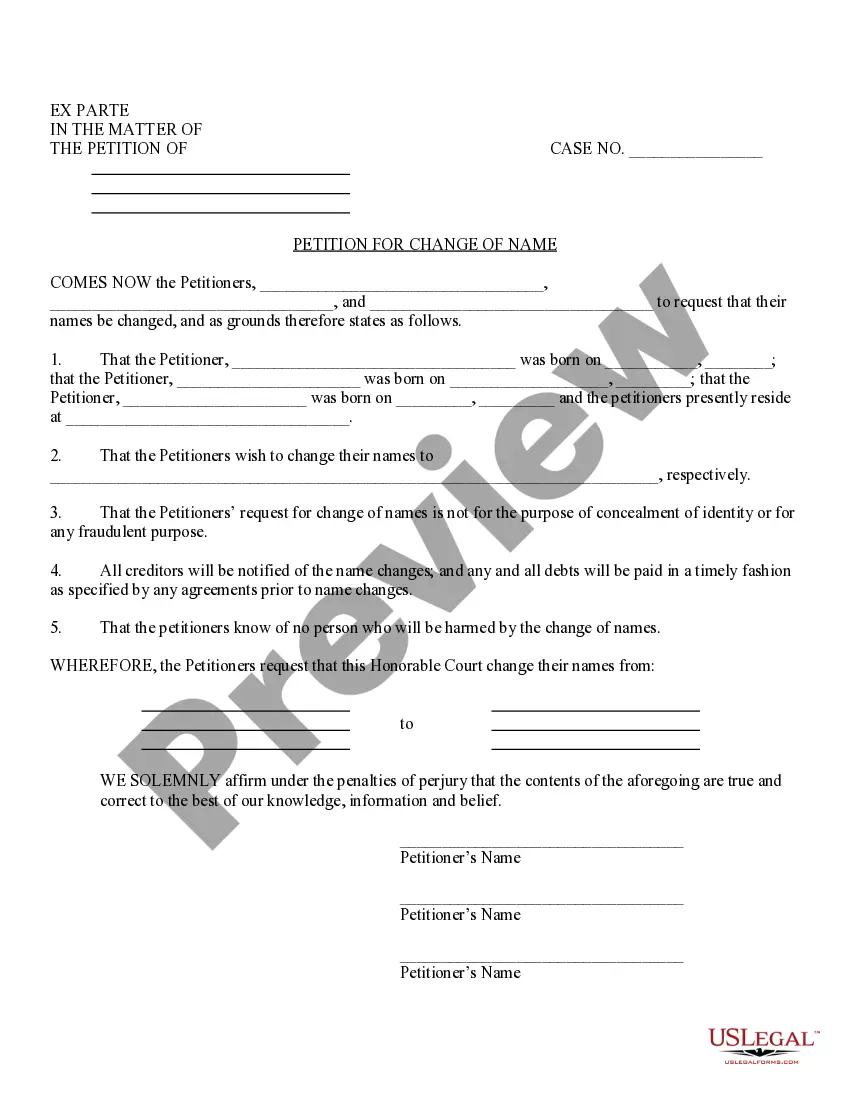
Pennsylvania Revocable Living Trust for Husband and Wife with No Children
Understanding this form
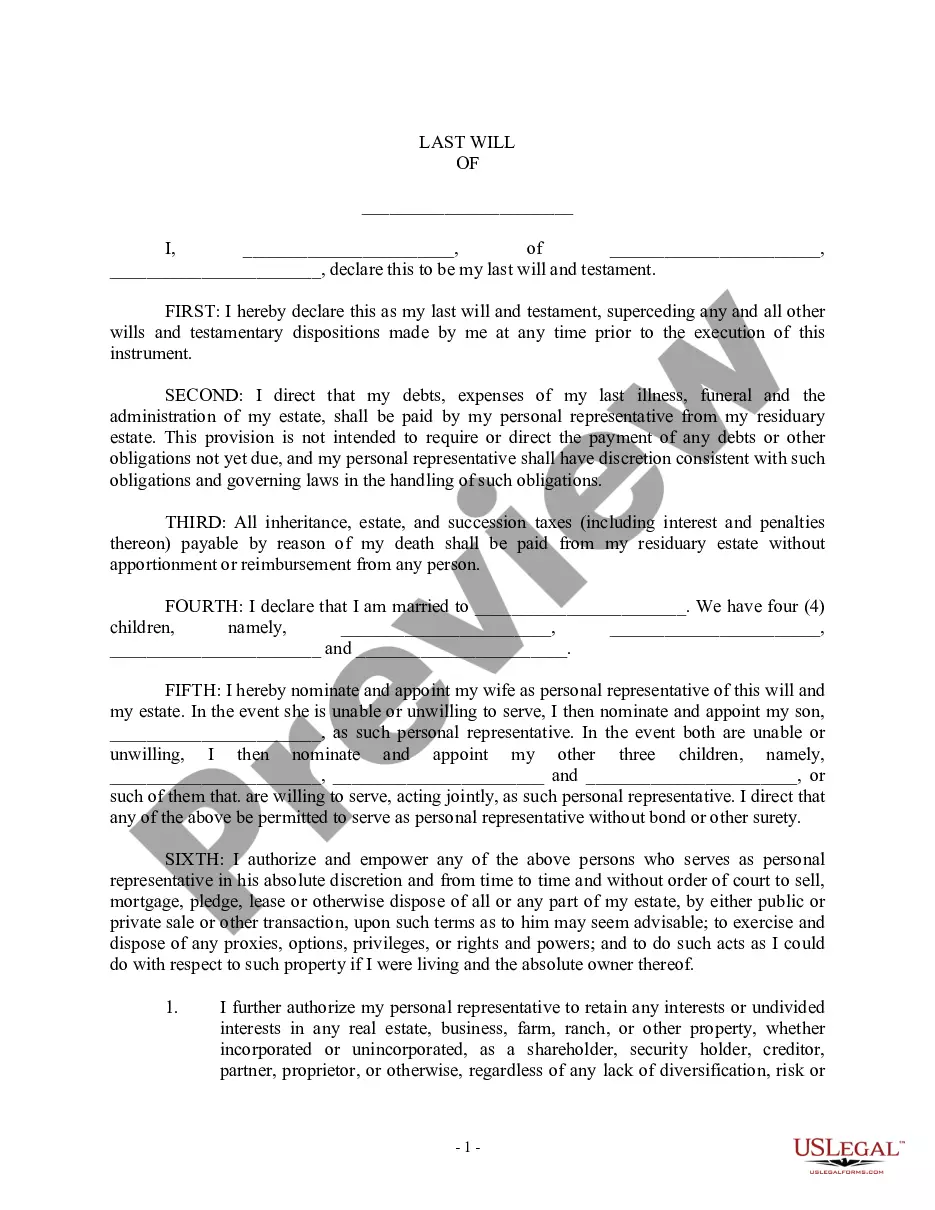
The Revocable Living Trust for Husband and Wife with No Children is a legal document that allows couples to manage their assets during their lifetime and dictate how their property will be distributed after death. Unlike wills, living trusts can help avoid probate, making the transfer of assets more efficient and private. This form is specifically designed for spouses without children, ensuring that the unique needs of their estate planning are met.
Form components explained
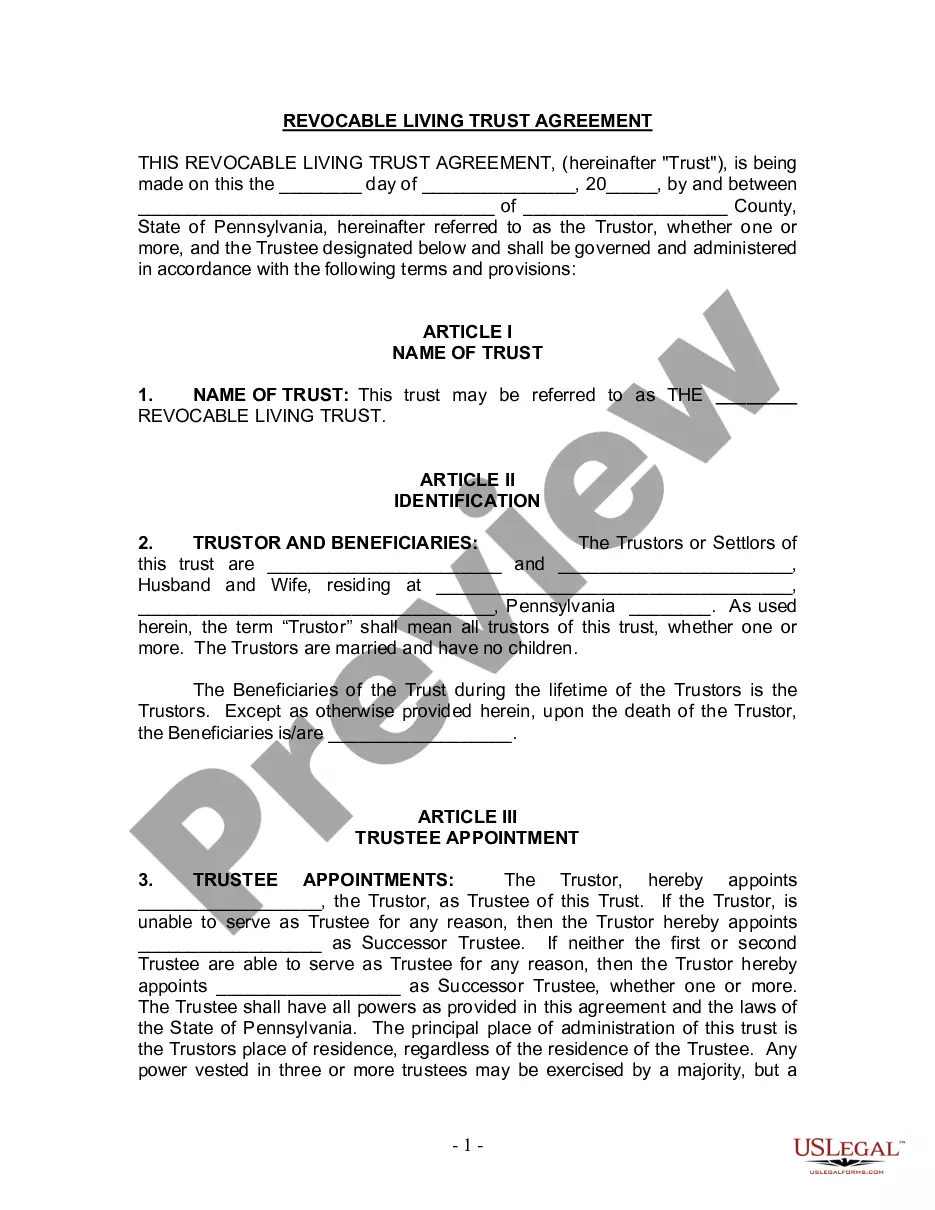
- Name of Trust: Identifies the trust by a chosen name.
- Trustor and Beneficiaries: Specifies the trust creators and their roles during their lifetime.
- Trustee Appointments: Details the appointed trustee and successor trustees responsible for managing the trust.
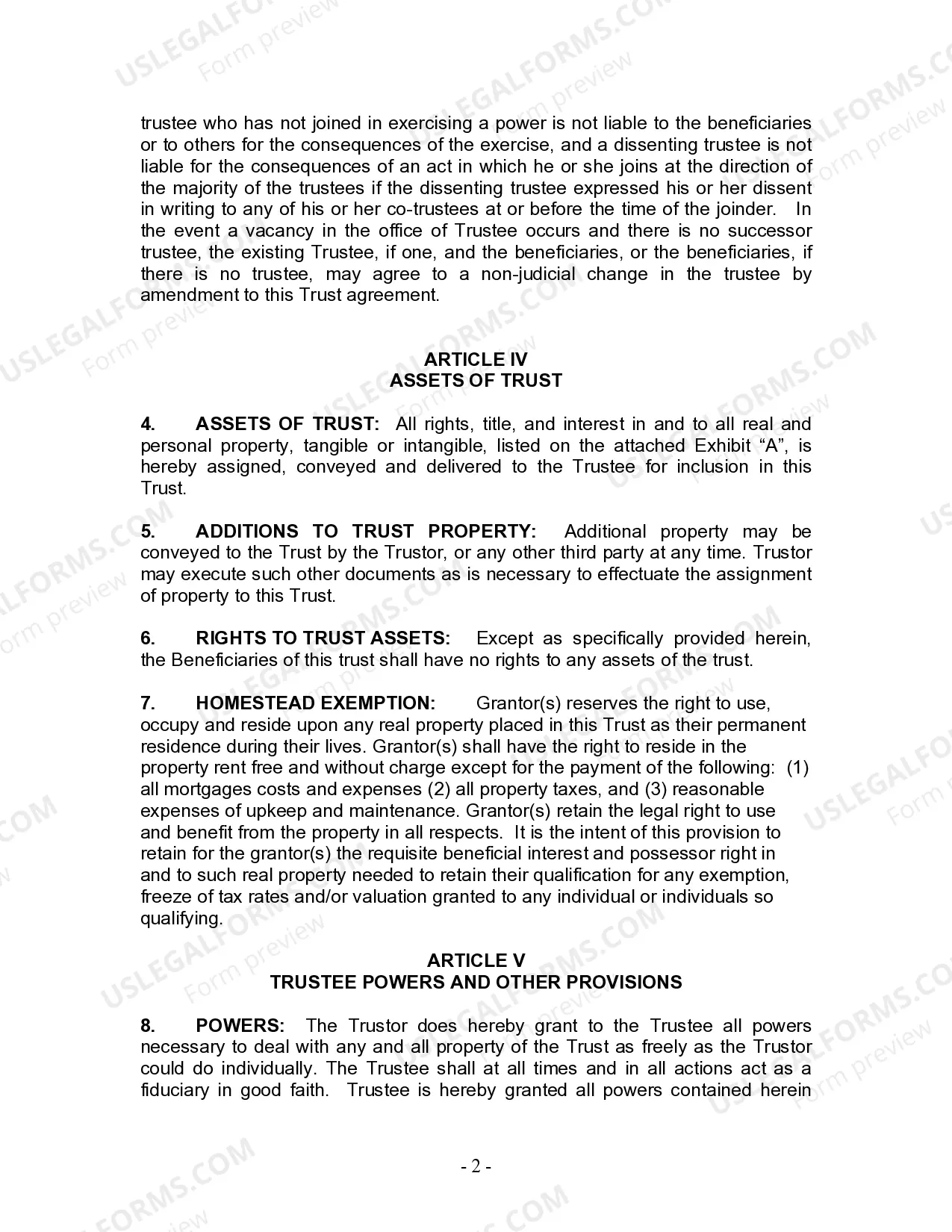
- Assets of Trust: Outlines the property included in the trust and how additional assets can be added.
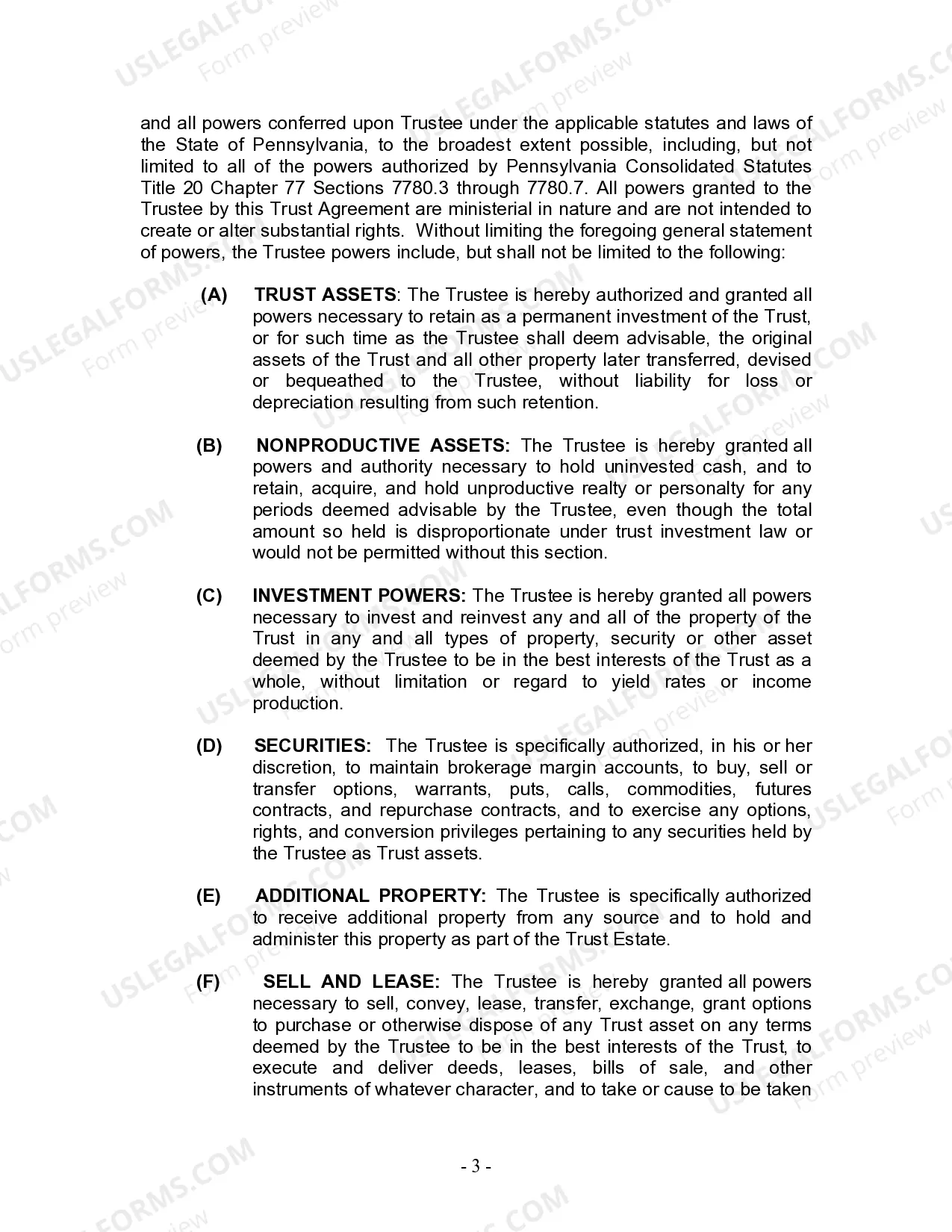
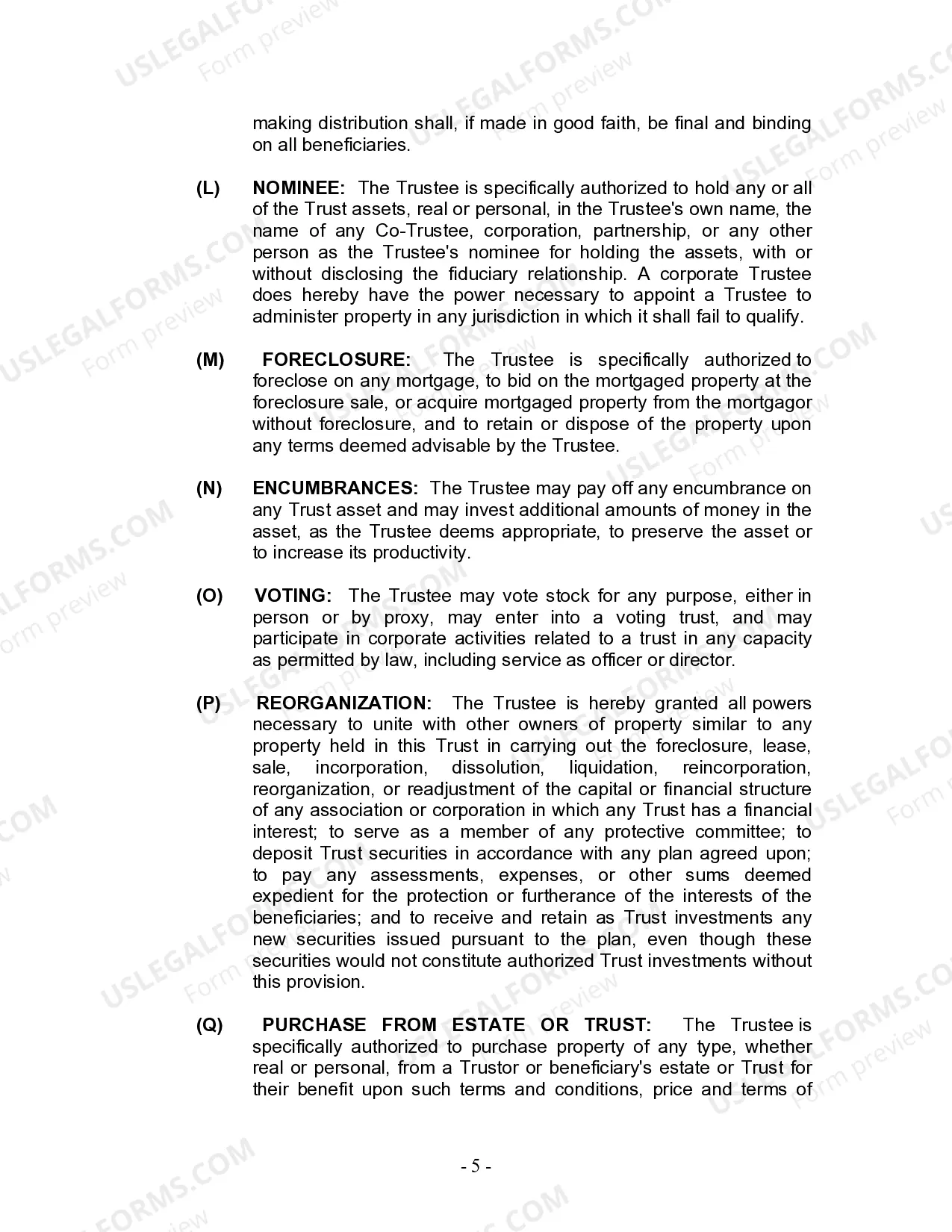
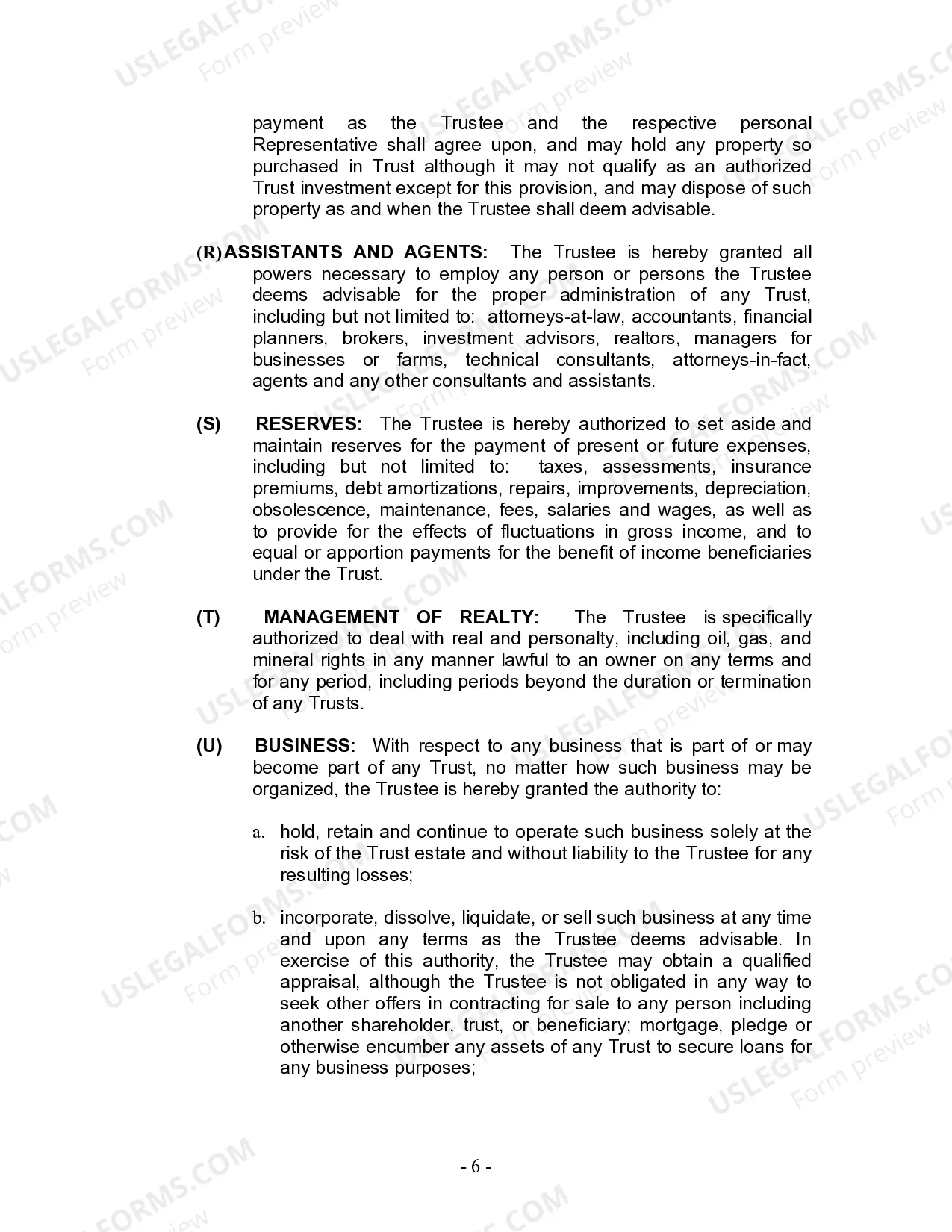
- Trustee Powers: Grants authority to the trustee regarding the management and distribution of trust assets.
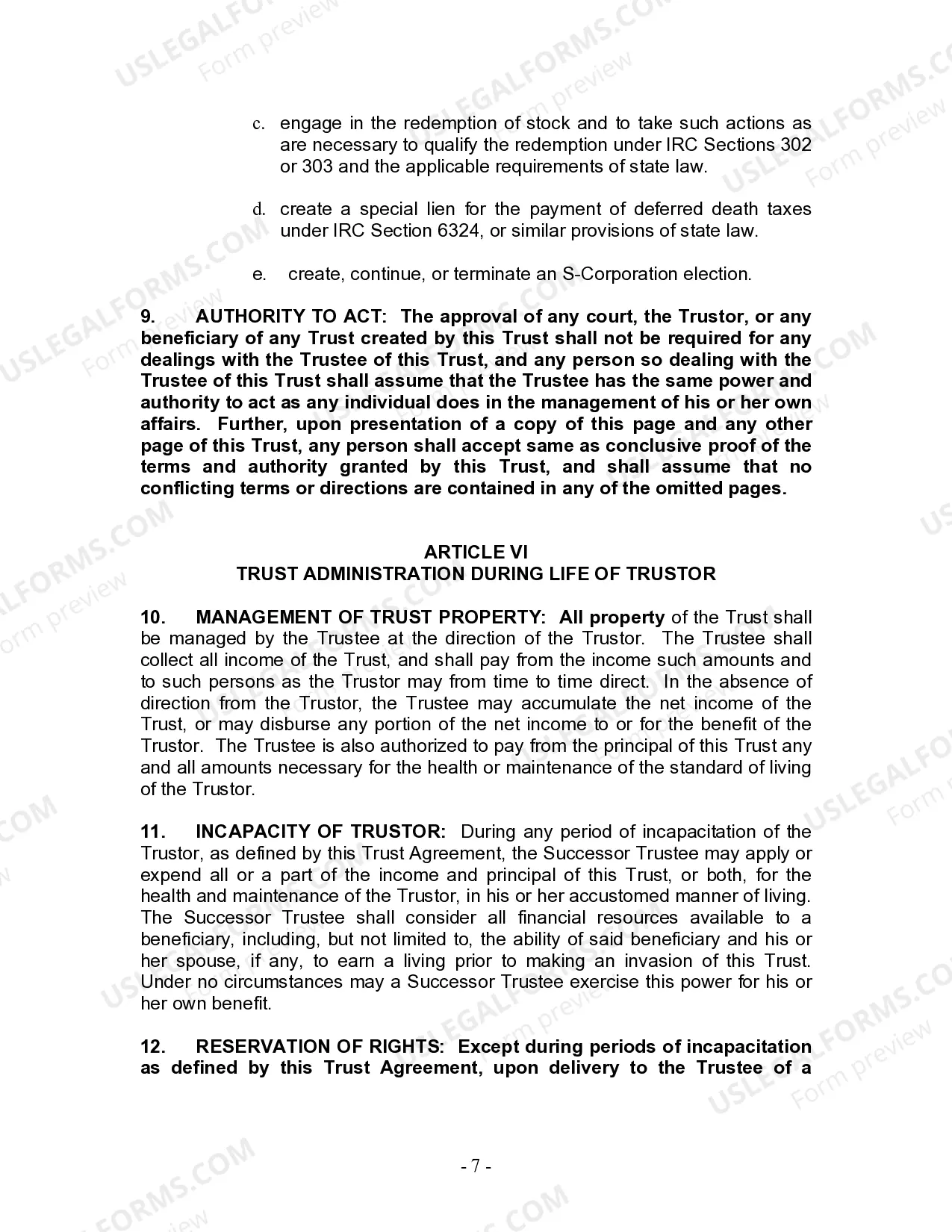
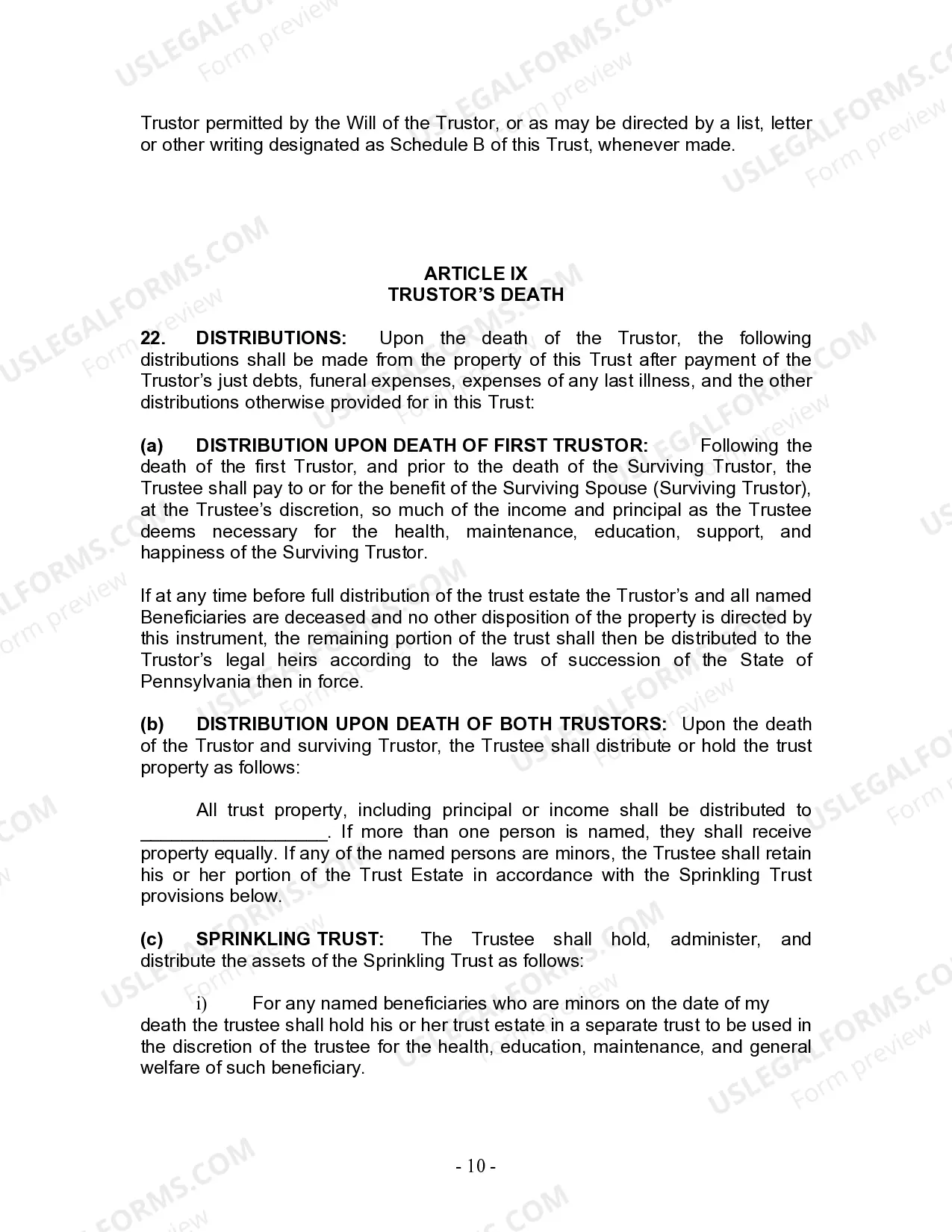
- Trust Administration: Describes how the trust will be administered both during the trustors' lives and after their death.




When to use this document
This form is useful for a husband and wife who want to create a flexible estate plan without the complications associated with probate. It is particularly relevant for those without children, as it allows them to designate beneficiaries of their choosing, such as other family members, friends, or charitable organizations. Additionally, this trust can be revised or revoked at any time during the trustors' lives, providing control over their assets.
Who needs this form
- Husbands and wives with no children seeking to manage their assets collaboratively.
- Couples who want to avoid probate and streamline the transfer of their property.
- Individuals who prefer to maintain control over their estate plans during their lifetime.
- Spouses looking to specify their chosen beneficiaries and manage the distribution of their estate based on mutual decisions.
Instructions for completing this form
- Identify both trustors (husband and wife) by including their full names and addresses.
- Name the trust according to the desired title specified in the document.
- Designate the initial trustee and successor trustees who will manage the trust.
- List all real and personal properties you wish to include in the trust.
- Outline the terms of distribution for trust assets upon the death of the trustors.
- Ensure that both trustors sign the document in the presence of a notary public.
Is notarization required?
Yes, this form must be notarized to be legally valid. US Legal Forms offers integrated online notarization, allowing you to complete the process securely via a video call at any time, which eliminates the need for travel.
Get your form ready online
Our built-in tools help you complete, sign, share, and store your documents in one place.
Make edits, fill in missing information, and update formatting in US Legal Forms—just like you would in MS Word.
Download a copy, print it, send it by email, or mail it via USPS—whatever works best for your next step.
Sign and collect signatures with our SignNow integration. Send to multiple recipients, set reminders, and more. Go Premium to unlock E-Sign.
If this form requires notarization, complete it online through a secure video call—no need to meet a notary in person or wait for an appointment.
We protect your documents and personal data by following strict security and privacy standards.

Make edits, fill in missing information, and update formatting in US Legal Forms—just like you would in MS Word.

Download a copy, print it, send it by email, or mail it via USPS—whatever works best for your next step.

Sign and collect signatures with our SignNow integration. Send to multiple recipients, set reminders, and more. Go Premium to unlock E-Sign.

If this form requires notarization, complete it online through a secure video call—no need to meet a notary in person or wait for an appointment.

We protect your documents and personal data by following strict security and privacy standards.
Typical mistakes to avoid
- Failing to properly name the trustors and trustee, which may lead to ambiguity in management.
- Not including all relevant assets in Schedule A, potentially omitting significant property.
- Assuming that a living trust replaces a will when both documents may be necessary.
- Neglecting to have the trust notarized, which can affect its legal standing.
Advantages of online completion
- Convenient access allows couples to create their trust at their pace without needing an in-person appointment.
- Editable templates ensure that users can customize the document to reflect their unique circumstances.
- Reliable, attorney-drafted forms mitigate the risk of errors and increase trust validity.
Legal use & context
- This trust is legally binding, provided it is filled out correctly and executed according to state laws.
- It can provide significant tax benefits and asset protection.
- Trusts established during a personâs lifetime can be modified or revoked as circumstances change.
Main things to remember
- A revocable living trust allows spouses to maintain control over their assets while planning for estate transfer.
- The form is tailored for couples without children, addressing their specific needs.
- Preparation of this form online offers convenience and professional reliability.
- Proper completion ensures avoidance of probate, simplifying the asset transfer process.
Looking for another form?
Form popularity
FAQ
A living trust is an important part of your estate plan. Most people can create a living trust without an attorney using software or an online service.
Select the trust that best fits your financial situation. Determine which property and assets you want to include in the trust. Select a trustee to manage your living trust. Create the trust document. Sign the trust while a notary public is present. Fund the trust by transferring property into it.
Sure you can write your own revocable living trust.The discussion of your need for a revocable living trust is in another of my articles, but it is safe to say that if you own real property and have a significant estate (over about $50,000), then you could use a trust and it would help your loved ones.
Q: Can a person have more than one trust? A: Yes, it is not that uncommon for a person to be the beneficiary of multiple trusts. However, caution should be used. Trusts come in many shapes and sizes and can serve multiple purposes and can be established by you or by someone else for your benefit.
In California, surviving spouses already receive all of the community property upon the death of their spouse.However, creating a joint will is still an option in California, and while it might help a couple save some time and money on their estate plan, it can also lead to some complex problems.
Typically, when a married couple utilizes a Revocable Living Trust based estate plan, each spouse creates and funds his or her own separate Revocable Living Trust. This results in two trusts. However, in the right circumstances, a married couple may be better served by creating a single Joint Trust.
Separate trusts may offer better protection from creditors, if this is a concern. For example, at the death of the first spouse, the deceased spouse's trust becomes irrevocable, which makes it harder to access by creditors. And yet the surviving spouse can still access it for income and other needs.
Joint trusts are easier to fund and maintain.In a joint trust, after the death of the first spouse, the surviving spouse has complete control of the assets. When separate trusts are used, the deceased spouses' trust becomes irrevocable and the surviving spouse has limited control over assets.