Pennsylvania Paternity Law and Procedure Handbook
What this document covers
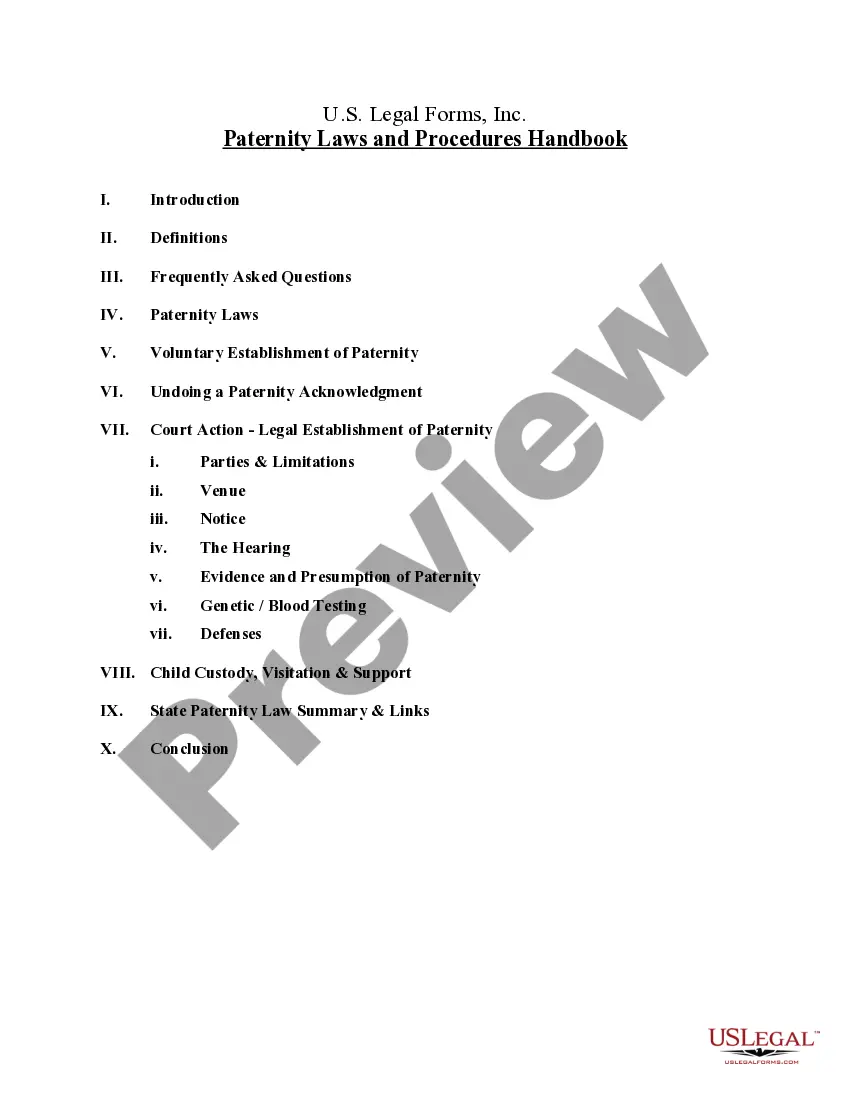
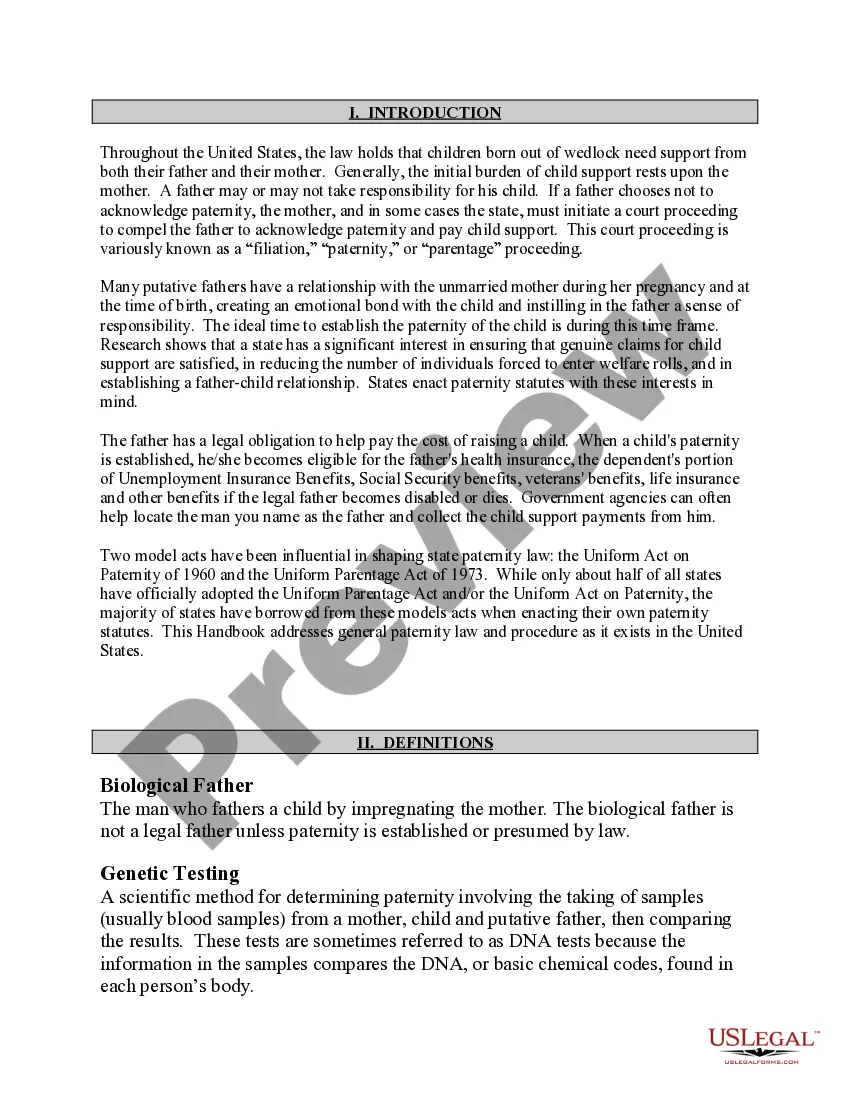
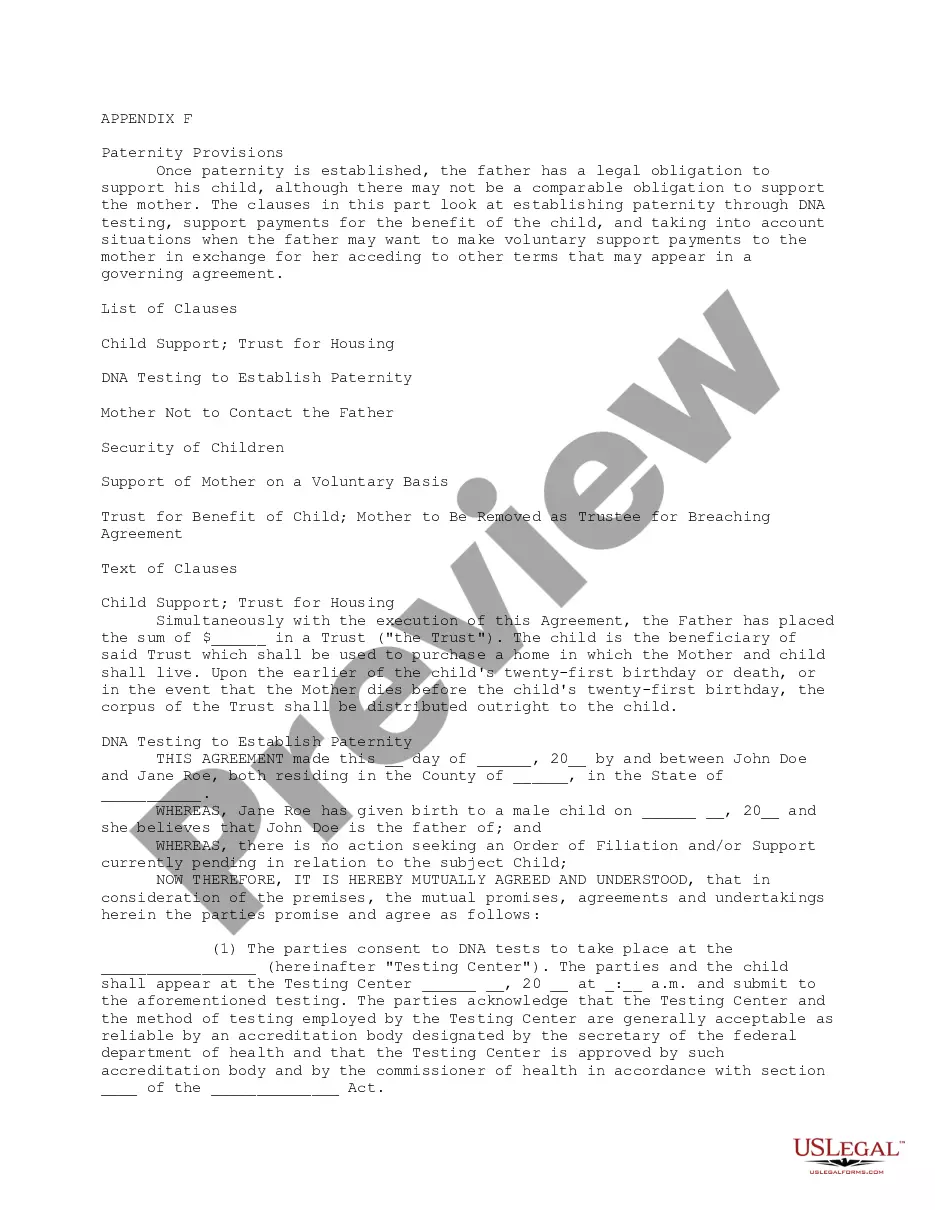
The Paternity Law and Procedure Handbook is a comprehensive guide that outlines the laws and procedures related to establishing paternity in the United States. It serves as a vital resource for unmarried parents navigating the complexities of legal fatherhood, child support, and rights. Unlike other forms that may focus solely on the process of acknowledgment, this handbook provides a thorough understanding of the general legal landscape of paternity across different states, including voluntary and court-established paternity methods, genetic testing, and paternity rights.
What’s included in this form
- Introduction to paternity laws and their significance.
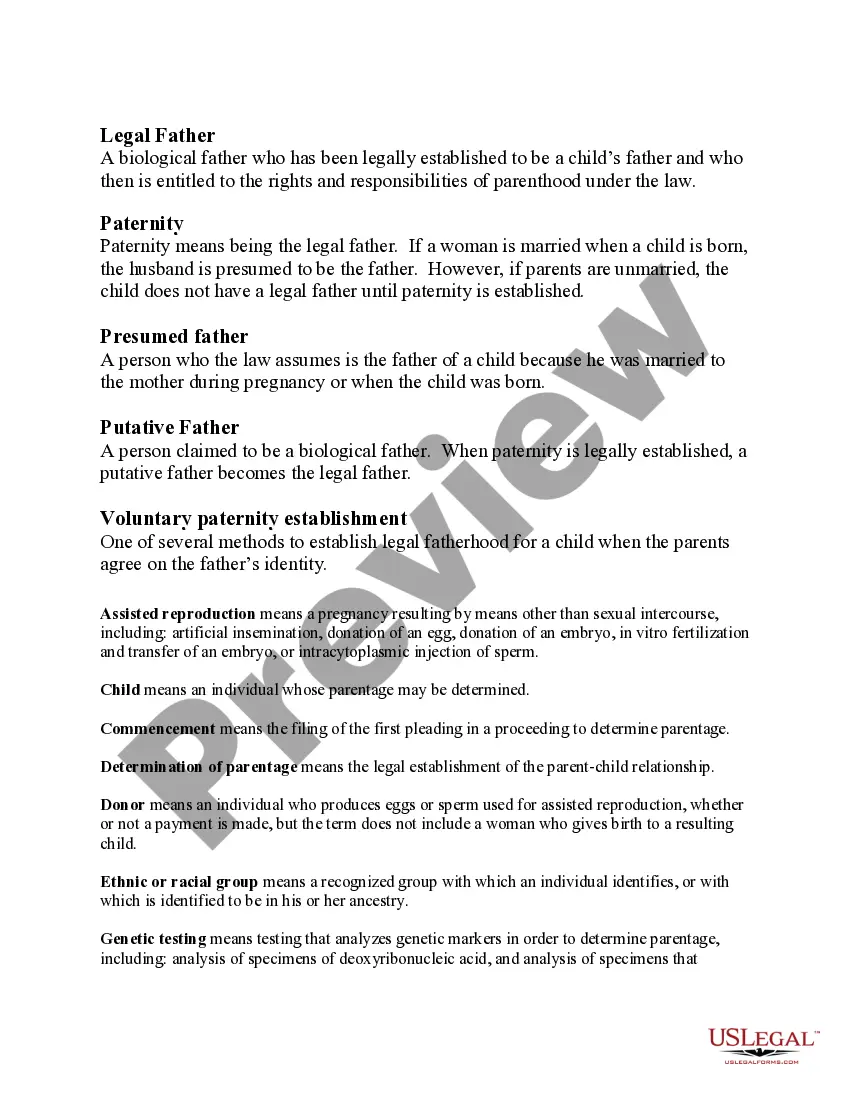
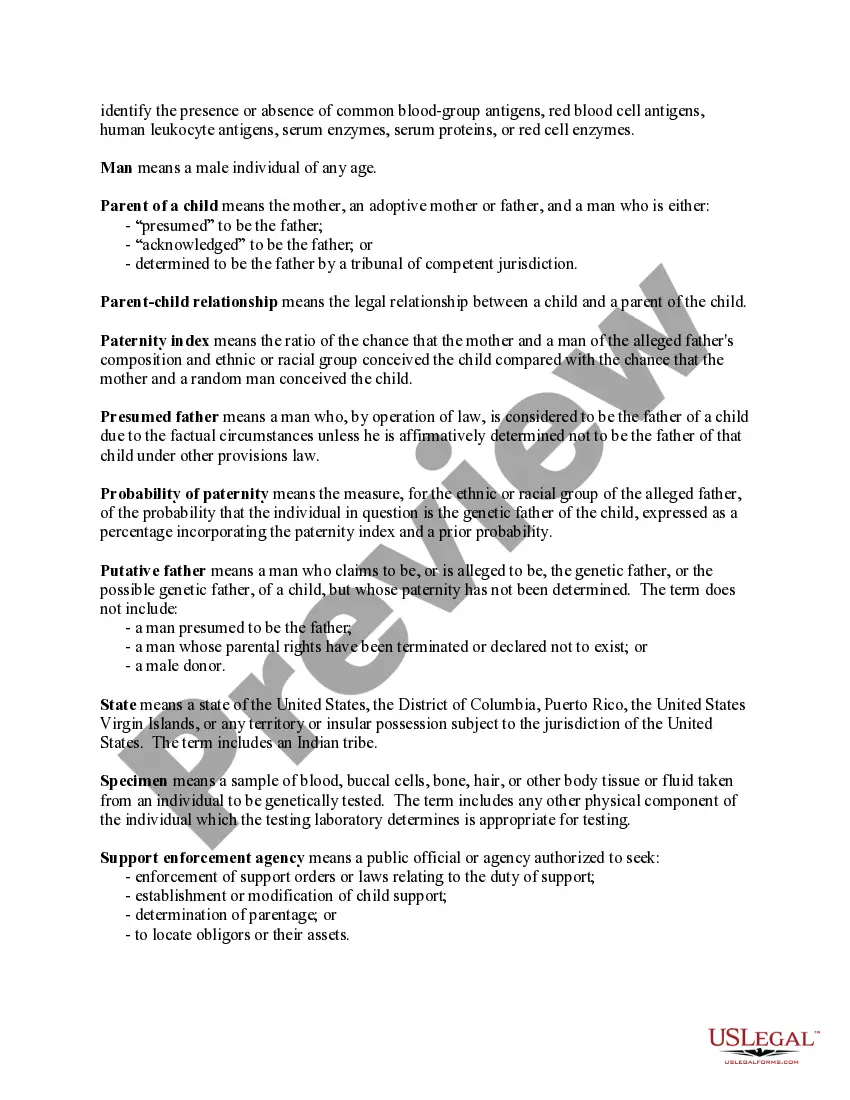
- Definitions of key terms related to paternity and parentage.
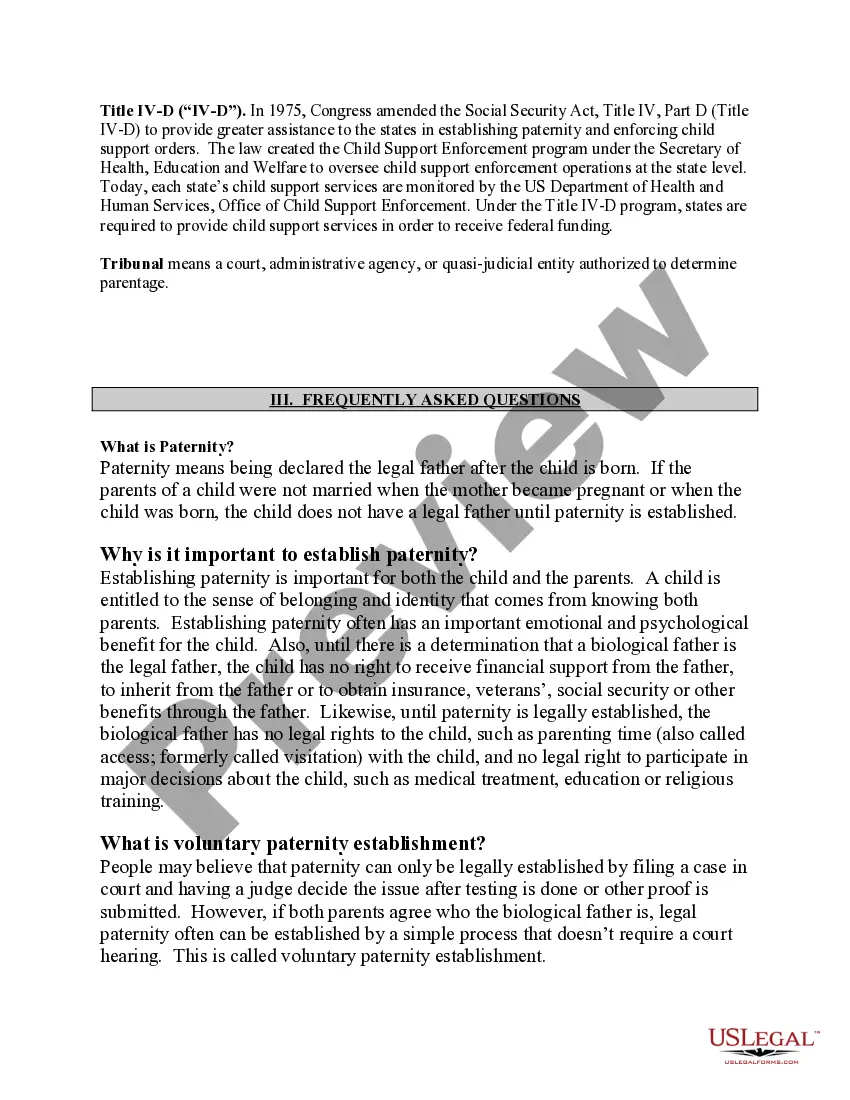
- Frequently Asked Questions (FAQs) addressing common paternity issues.
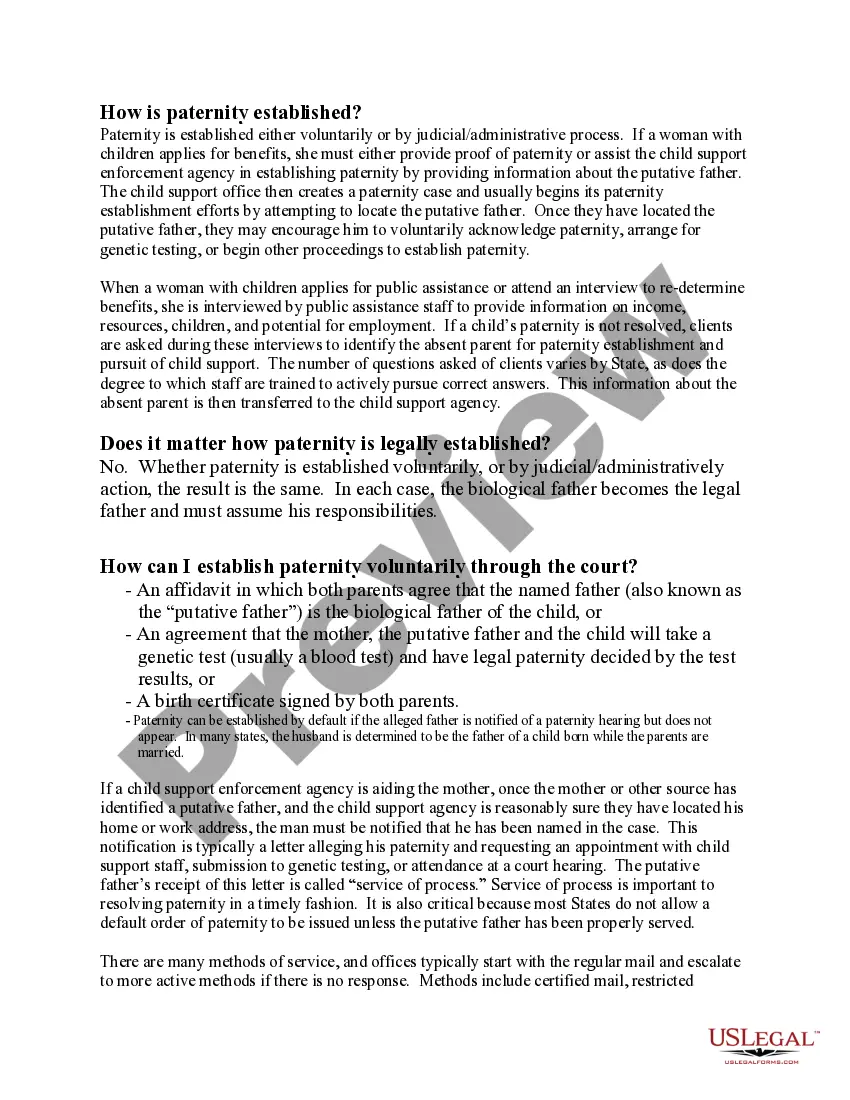
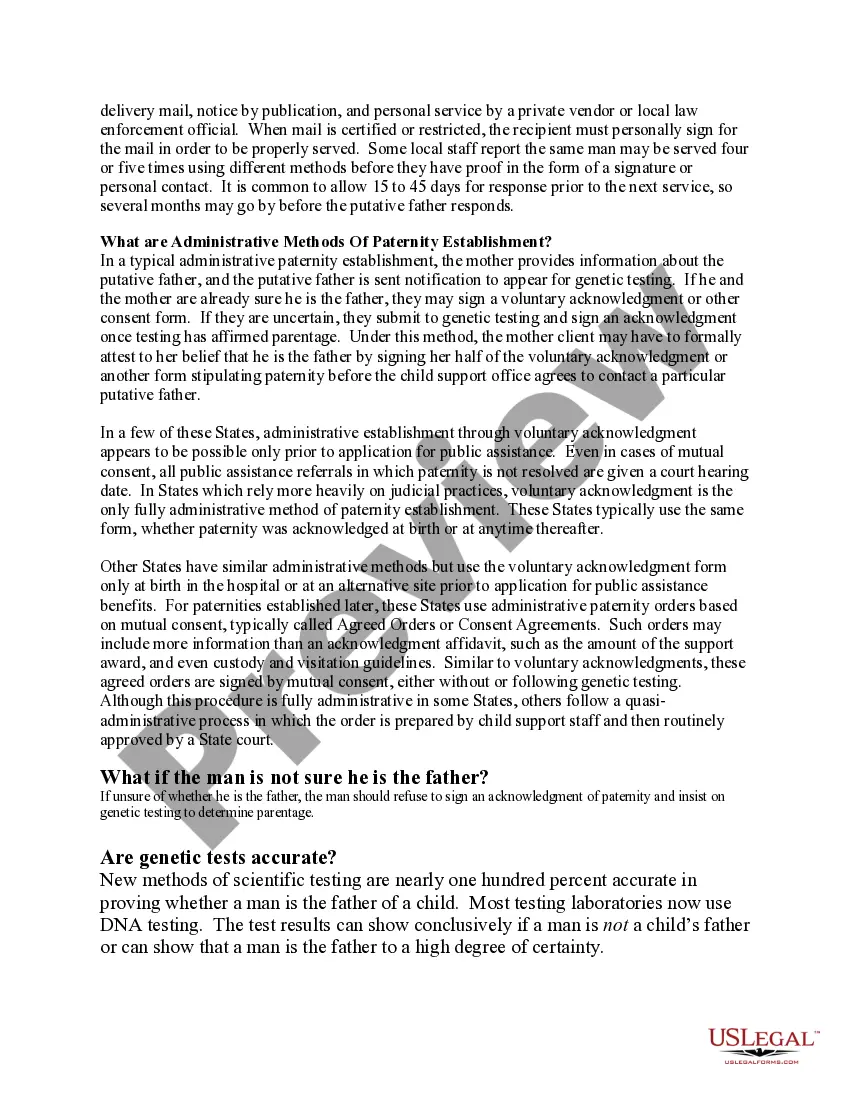
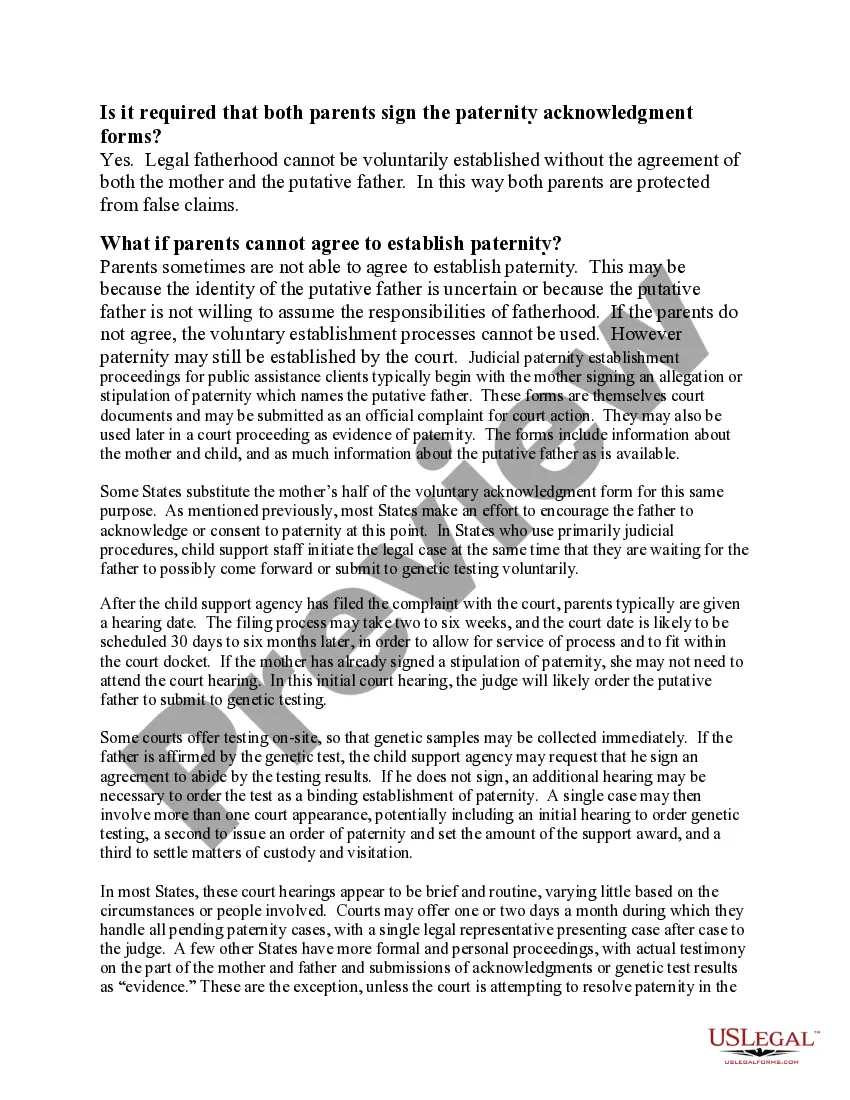
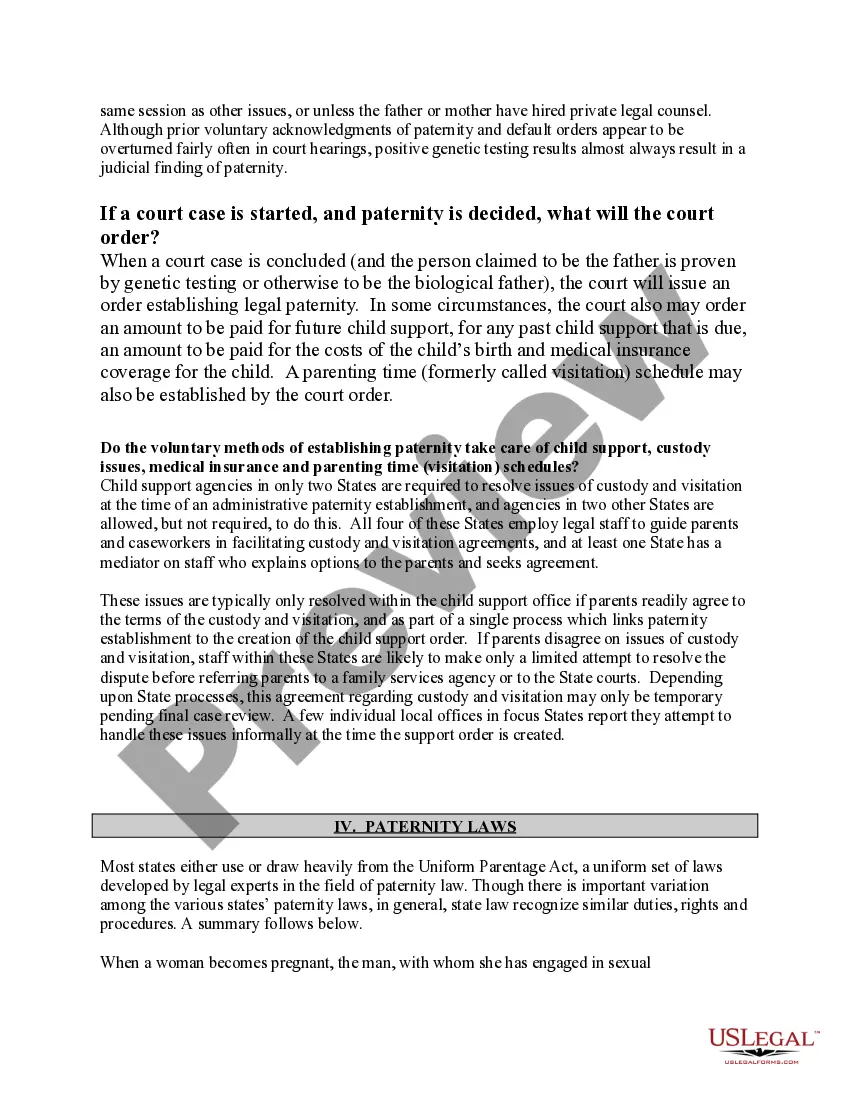
- Detailed discussion on voluntary and court-related paternity establishment processes.
- Guidelines for revising a paternity acknowledgment.
- State-specific summaries of paternity laws and procedures.

When this form is needed
This handbook is essential when you need to establish legal paternity for a child born to unmarried parents. It is particularly useful if you are the mother seeking child support or the father wanting to secure your rights and responsibilities. This resource guides you through the necessary steps to either voluntarily acknowledge paternity or pursue legal action if there is a dispute about parentage.
Who this form is for
- Unmarried parents wanting to establish paternity for their child.
- Fathers seeking to understand their rights and obligations regarding child support.
- Mothers looking to secure child support and legal recognition of the father for their child.
- Legal professionals in need of a reference for paternity laws in various states.
- Child support enforcement agencies needing to navigate paternity establishment processes.
How to complete this form
- Read through the introduction and definitions to understand the legal terms associated with paternity.
- Review the FAQs to clarify common issues and questions related to paternity establishment.
- Follow the guidelines for either voluntary acknowledgment of paternity or initiating a court action.
- Gather necessary documentation and information for genetic testing if applicable.
- Consult state-specific law summaries for procedural details relevant to your location.
Does this form need to be notarized?
This form does not typically require notarization unless specified by local law. However, in some situations, notarization may be recommended to validate paternity acknowledgments in certain jurisdictions.
Get your form ready online
Our built-in tools help you complete, sign, share, and store your documents in one place.
Make edits, fill in missing information, and update formatting in US Legal Forms—just like you would in MS Word.
Download a copy, print it, send it by email, or mail it via USPS—whatever works best for your next step.
Sign and collect signatures with our SignNow integration. Send to multiple recipients, set reminders, and more. Go Premium to unlock E-Sign.
If this form requires notarization, complete it online through a secure video call—no need to meet a notary in person or wait for an appointment.
We protect your documents and personal data by following strict security and privacy standards.

Make edits, fill in missing information, and update formatting in US Legal Forms—just like you would in MS Word.

Download a copy, print it, send it by email, or mail it via USPS—whatever works best for your next step.

Sign and collect signatures with our SignNow integration. Send to multiple recipients, set reminders, and more. Go Premium to unlock E-Sign.

If this form requires notarization, complete it online through a secure video call—no need to meet a notary in person or wait for an appointment.

We protect your documents and personal data by following strict security and privacy standards.
Avoid these common issues
- Neglecting to understand the difference between voluntary and court-established paternity.
- Failing to gather necessary documents before starting the paternity process.
- Not seeking legal advice when unsure about paternity acknowledgment or court proceedings.
- Assuming that signing a paternity acknowledgment is enough to establish rights without also considering child support and custody matters.
Why use this form online
- Convenient access to state-specific paternity laws and procedures from any device.
- Editable forms that allow users to easily input their information and save it for later.
- Reliable and comprehensive information drafted by licensed attorneys to ensure accuracy.
- Quick navigation through sections relevant to your situation to save time.
This handbook serves as a practical guide for understanding paternity laws and navigating the establishment of parentage. It is important to consult with legal professionals or child support agencies for personalized advice based on your specific situation and jurisdiction.
What to keep in mind
- The Paternity Law and Procedure Handbook is a vital resource for understanding paternity establishment processes.
- It outlines both voluntary agreements and necessary court actions to confirm paternity.
- Parents should be aware of their rights and obligations regarding support and custody issues.
- State-specific information is essential for navigating the unique legal landscape of paternity in your area.
Looking for another form?

Form popularity
FAQ
In Pennsylvania, child support terminates when a child reaches the age of eighteen (18) and graduates from high school. In Pennsylvania, a parent does not have to pay college expenses for a child who is over 18 unless this has been agreed upon as part of a divorce case.
To voluntarily establish paternity, both the father and mother must sign what's called a Voluntary Acknowledgment of Paternity form (Form PA-CS 611) ("VAP") in front of a witness, which can be any person over age 18 other than the mother or the father.
Birth certificate. If a birth certificate declares the father and he signs it, this is a legally binding qualification of paternity. DNA test. Court order.
Parents may give their child any name they choose. Traditionally, children born to married parents have the same last name as their father.If a mother is unmarried, the father of the child can only be listed on the birth record if the father acknowledges paternity on the birth record, or through a court order.
Get on the birth certificate. Once your child is born, the easiest way to establish paternity is by getting your name on the birth certificate. Get an order through an administrative agency. Get a court order.
In the event of a 50/50 custody schedule, child support in Pennsylvania is payable to the parent with the lower income by the parent with the higher income.Other circumstances, such as split custody can also affect the amount of child support payable under Pennsylvania law.
If you get married after the child is born, it can establish paternity retroactively. This is not an automatic process, and it is in you and your child's best interest to work with a family lawyer to establish paternity in this way. Both parents can sign an Affidavit of Paternity, which establishes paternity.
Genetic Testing: If you are not seeking child support or custody, but want an order for other reasons, file a Complaint to Establish Paternity. What Does it Cost? The cost is $42.68.
Whether you are married or not, you don't have to give the baby the last name of either parent if you don't want to, and the child does not have to have the father's last name to be considered legitimate. (See the article Legitimacy of Children Born to Unmarried Parents for more on the subject.)