Pennsylvania Warranty Deed from Husband to Himself and Wife
Description
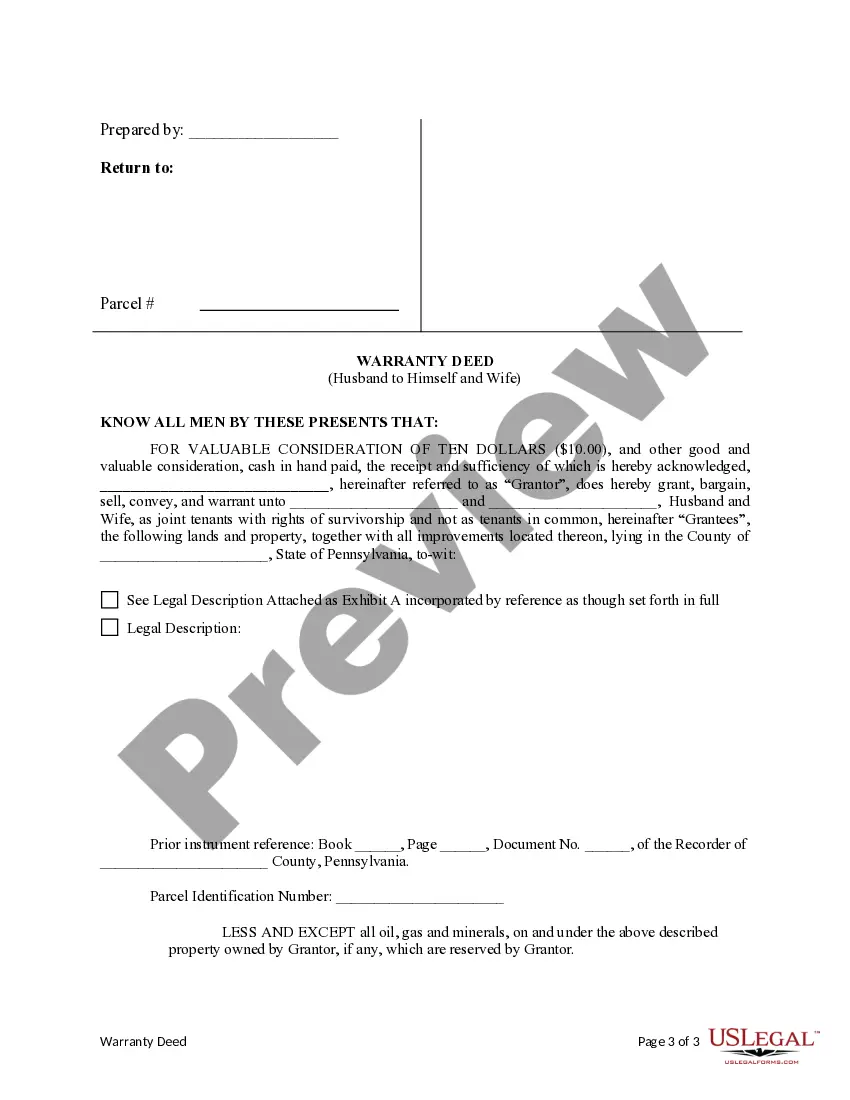
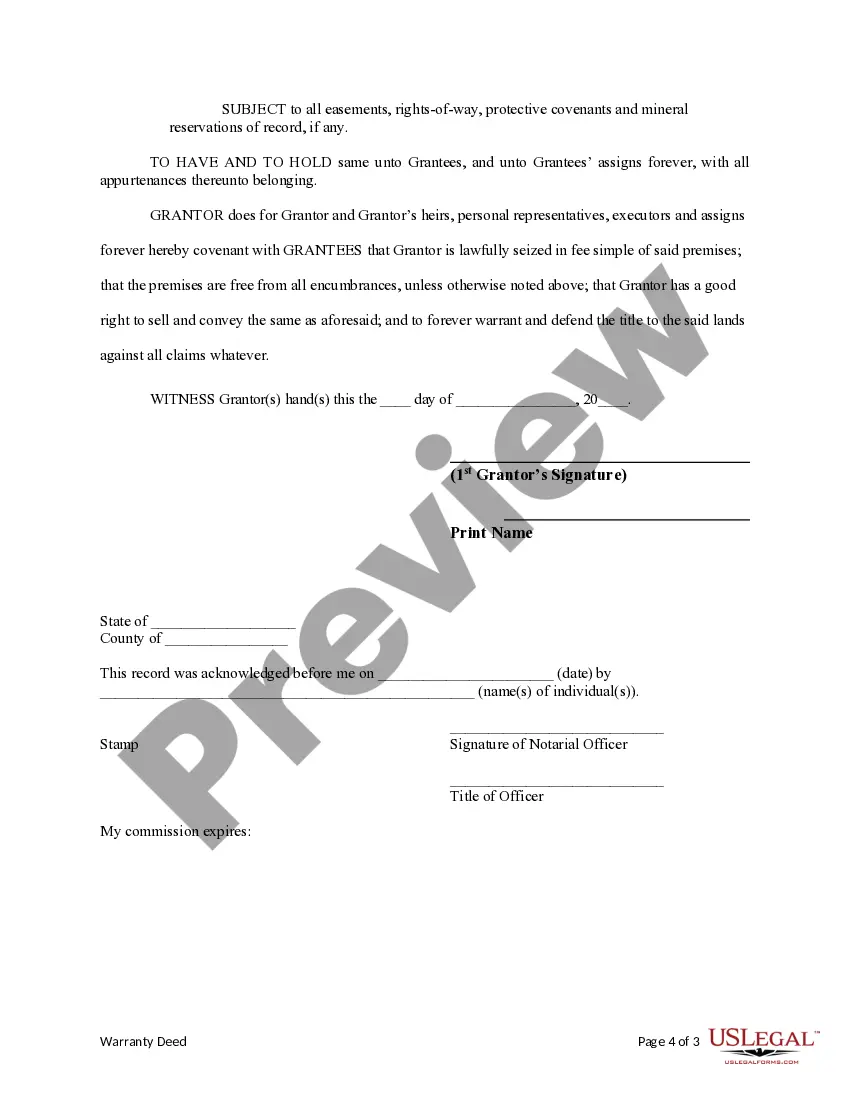
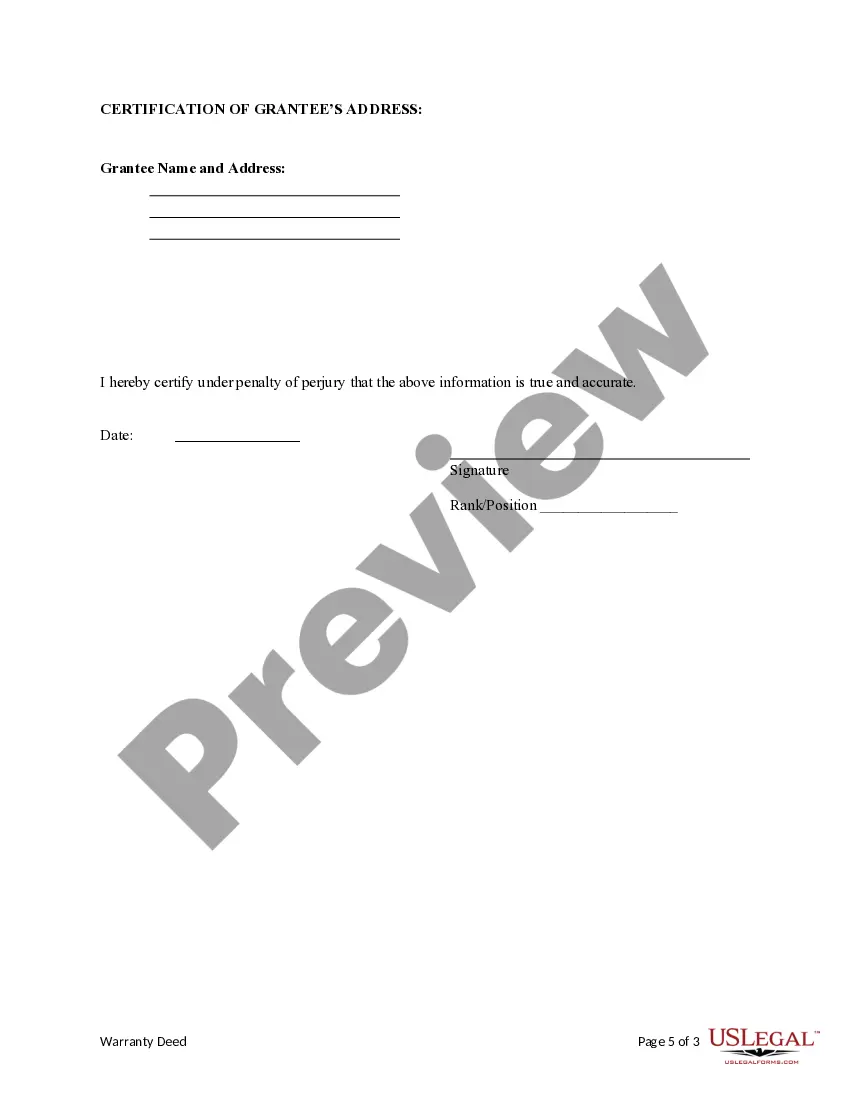


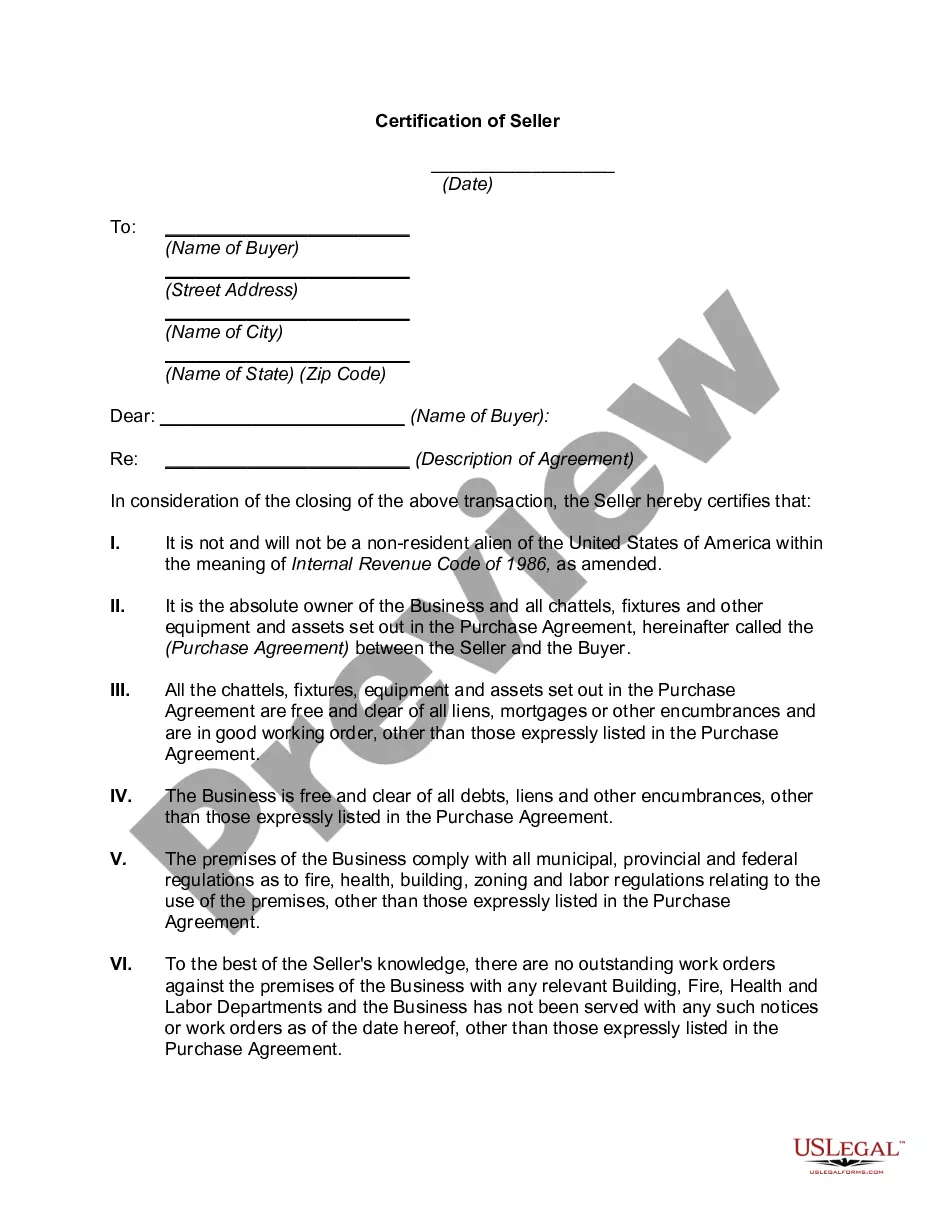


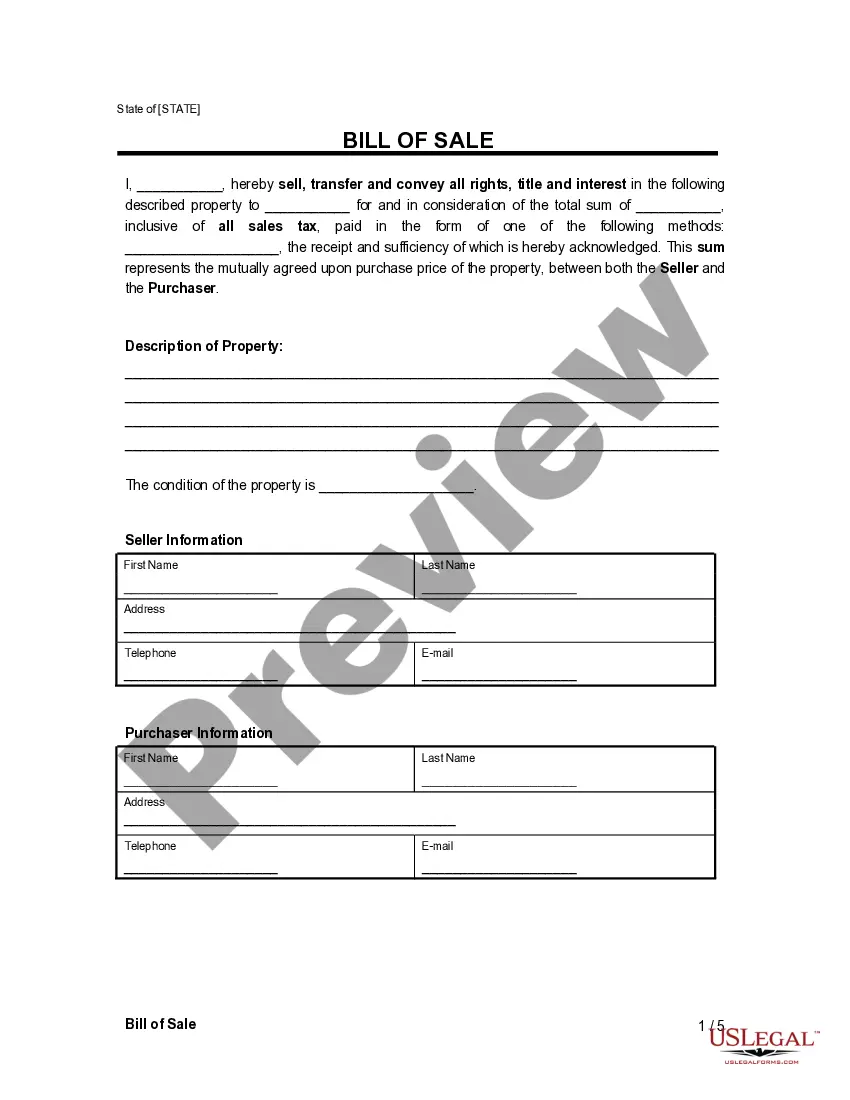
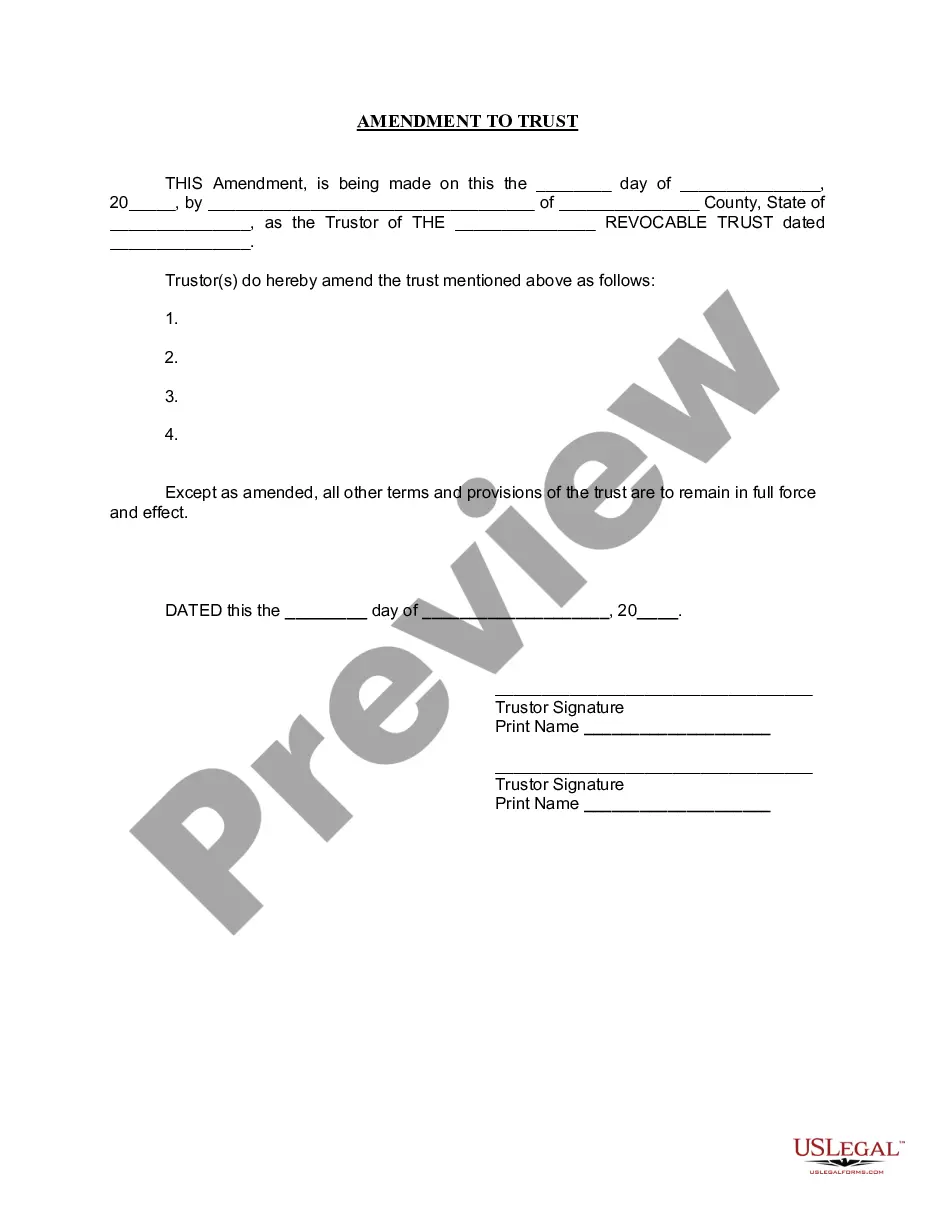
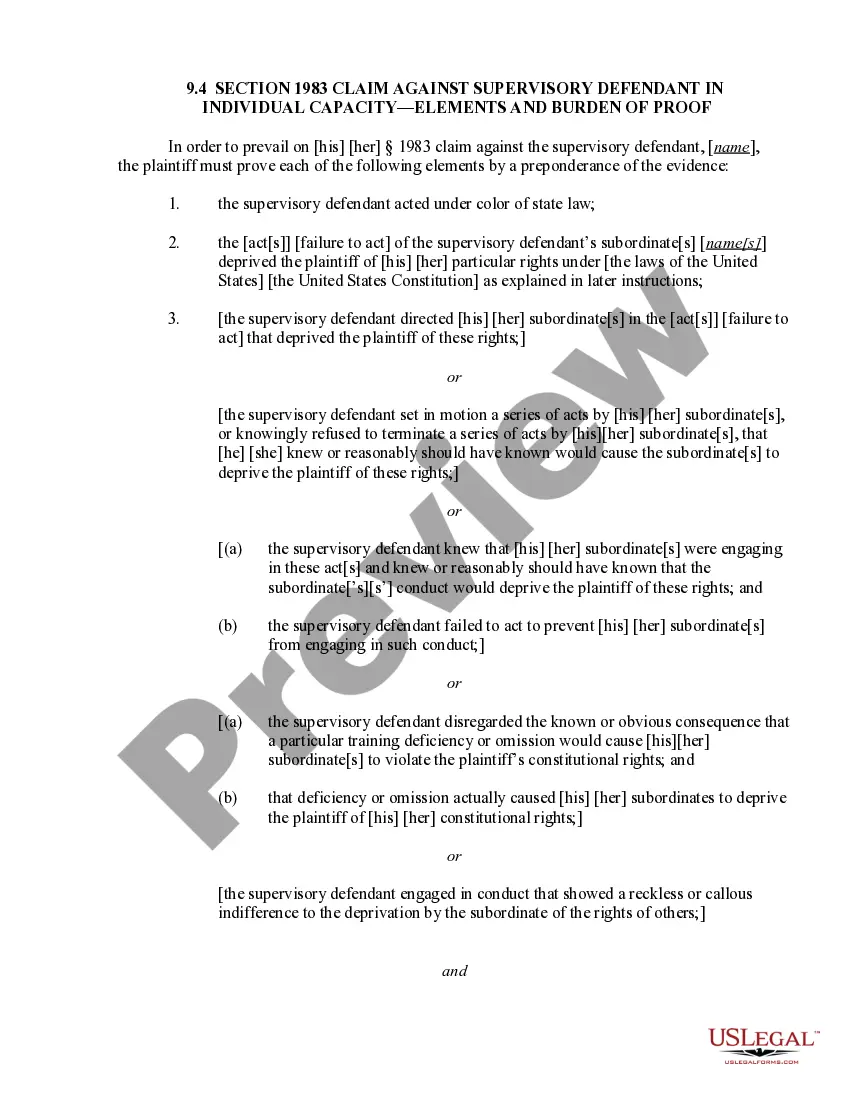
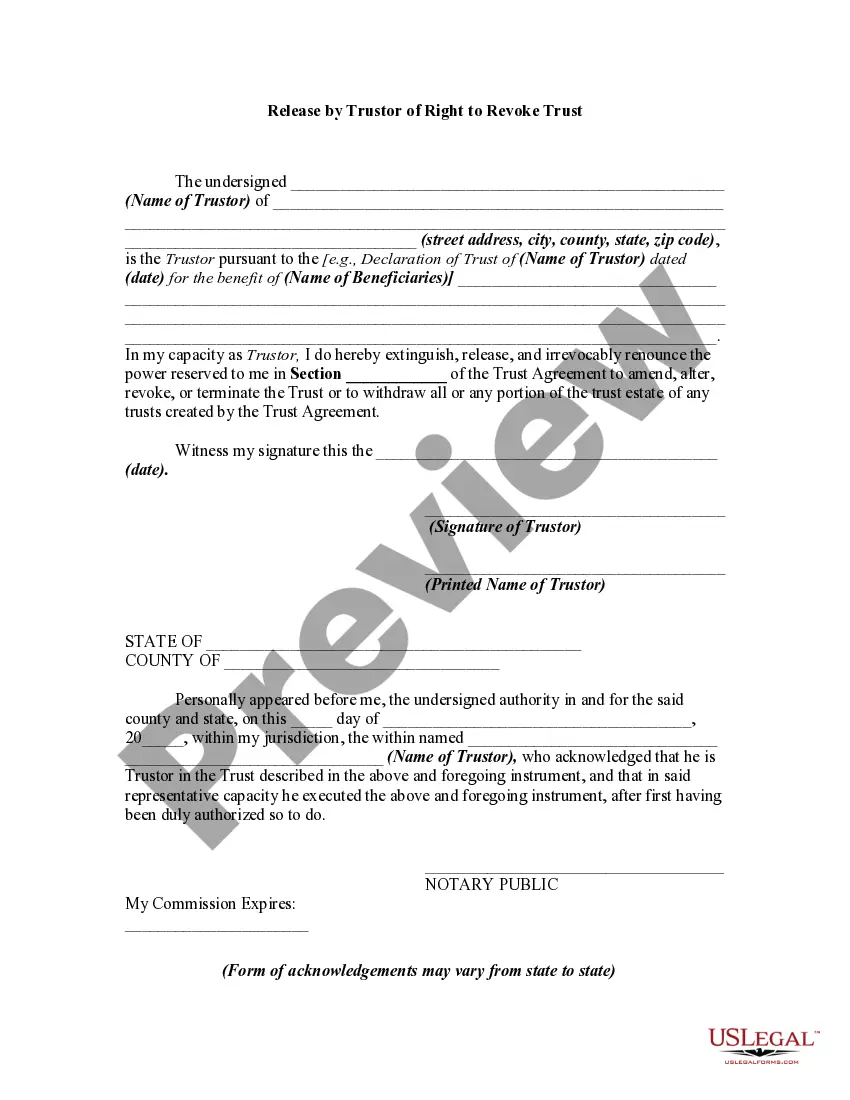
How to fill out Pennsylvania Warranty Deed From Husband To Himself And Wife?
Creating papers isn't the most straightforward process, especially for people who rarely work with legal paperwork. That's why we advise making use of accurate Pennsylvania Warranty Deed from Husband to Himself and Wife samples created by skilled lawyers. It gives you the ability to stay away from difficulties when in court or dealing with formal organizations. Find the documents you need on our website for high-quality forms and exact descriptions.
If you’re a user having a US Legal Forms subscription, simply log in your account. When you’re in, the Download button will immediately appear on the template web page. Soon after downloading the sample, it’ll be stored in the My Forms menu.
Customers without a subscription can easily get an account. Look at this brief step-by-step guide to get your Pennsylvania Warranty Deed from Husband to Himself and Wife:
- Make certain that the form you found is eligible for use in the state it is required in.
- Verify the document. Use the Preview feature or read its description (if readily available).
- Buy Now if this form is what you need or return to the Search field to find a different one.
- Select a convenient subscription and create your account.
- Use your PayPal or credit card to pay for the service.
- Download your file in a preferred format.
After doing these straightforward steps, it is possible to fill out the sample in a preferred editor. Recheck completed details and consider asking a legal professional to review your Pennsylvania Warranty Deed from Husband to Himself and Wife for correctness. With US Legal Forms, everything becomes easier. Try it now!
Form popularity
FAQ
A warranty deed guarantees that: The grantor is the rightful owner of the property and has the legal right to transfer the title.The title would withstand third-party claims to ownership of the property. The grantor will do anything to ensure the grantee's title to the property.
The State of Pennsylvania charges 1% of the sales price and the municipality and school district USUALLY charge 1% between them for a total of 2% (i.e. 2% X 100,000 = $2,000). By custom, the buyer and seller split the cost. 1% to buyer, 1% to seller; however payment is dictated by the sales contract.
If you've recently married and already own a home or other real estate, you may want to add your new spouse to the deed for your property so the two of you own it jointly. To add a spouse to a deed, all you have to do is literally fill out, sign and record a new deed in your county recorder's office.
To transfer property in Pennsylvania, you'll need to prepare and execute a deed and record it in the county where the property is located. If the transfer was in exchange for money, you'll have to pay transfer tax.
To officially prove ownership of a property, you will require Official Copies of the register and title plan; these are what people commonly refer to as title deeds because they are the irrefutable proof of ownership of a property. Note, this only applies to registered property.
A property deed, or house deed, is a legal document that transfers ownership of real estate from the grantor (seller) to the grantee (buyer). Property deeds are the legal tool of defining ownership. When a property or house is sold, the buyer and seller sign the deed to transfer ownership.
It's important to note that a warranty deed does not actually prove the grantor has ownership (a title search is the best way to prove that), but it is a promise by the grantor that they are transferring ownership and if it turns out they don't actually own the property, the grantor will be responsible for compensating
A warranty deed is a higher level of protection produced by the seller upon the real estate closing. It includes a full legal description of the property, and confirms the title is clear and free from all liens, encumbrances, or title defects. Most property sales make use of a warranty deed.Our title agents can help.
A warranty deed guarantees that: The grantor is the rightful owner of the property and has the legal right to transfer the title.The title would withstand third-party claims to ownership of the property. The grantor will do anything to ensure the grantee's title to the property.