Pennsylvania Site Work Contract for Contractor
Overview of this form
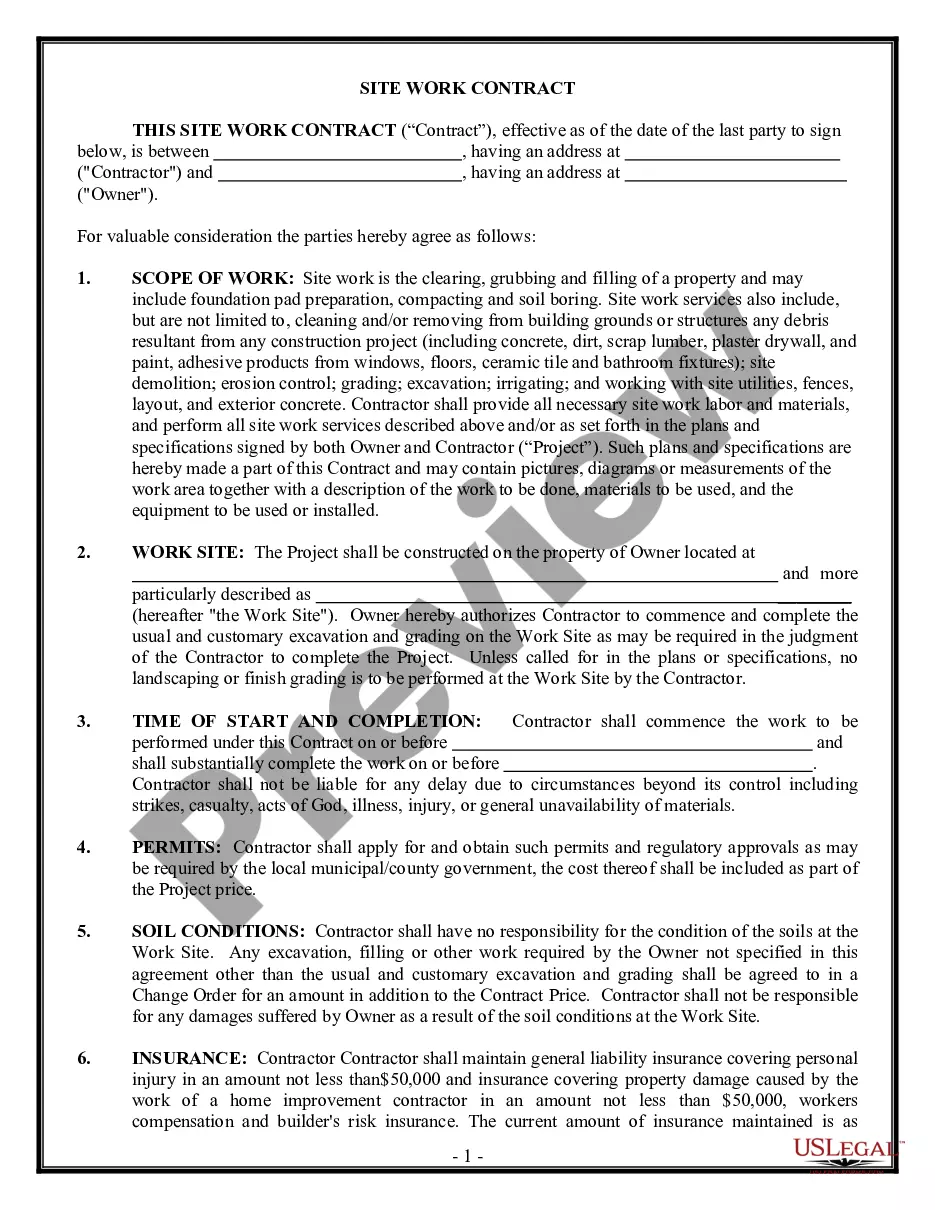
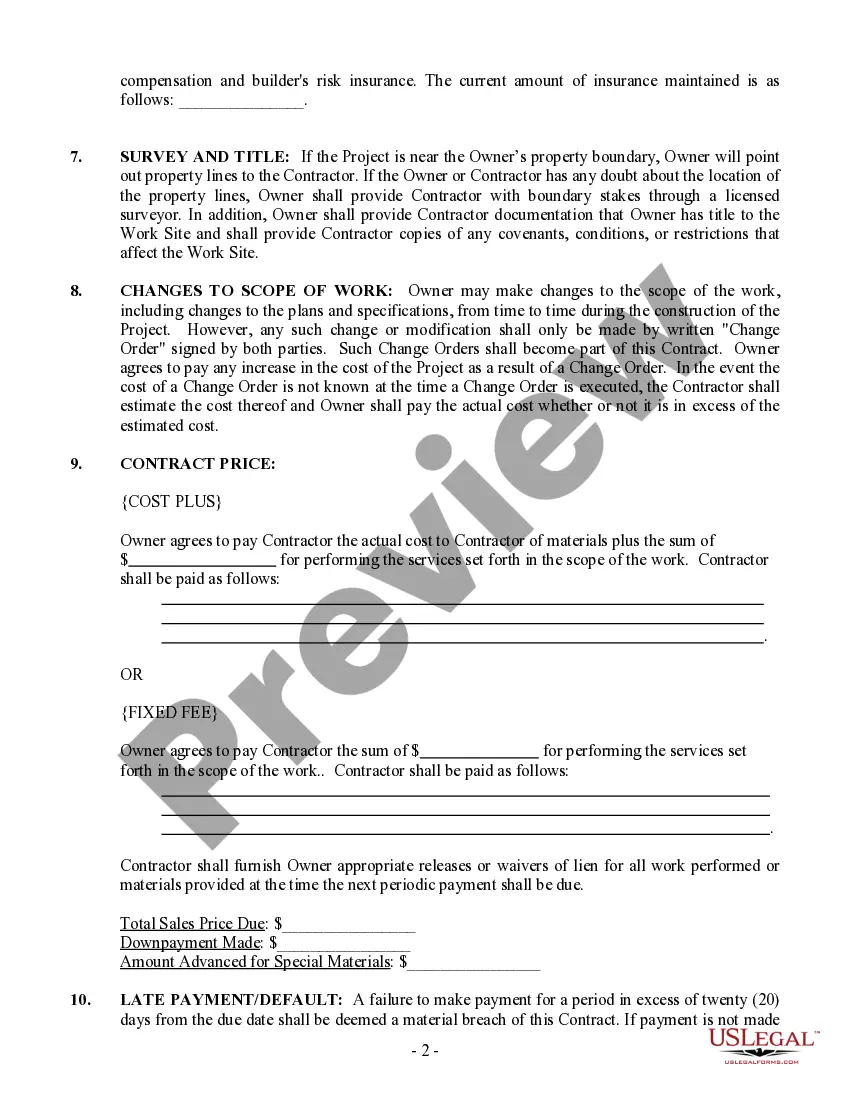
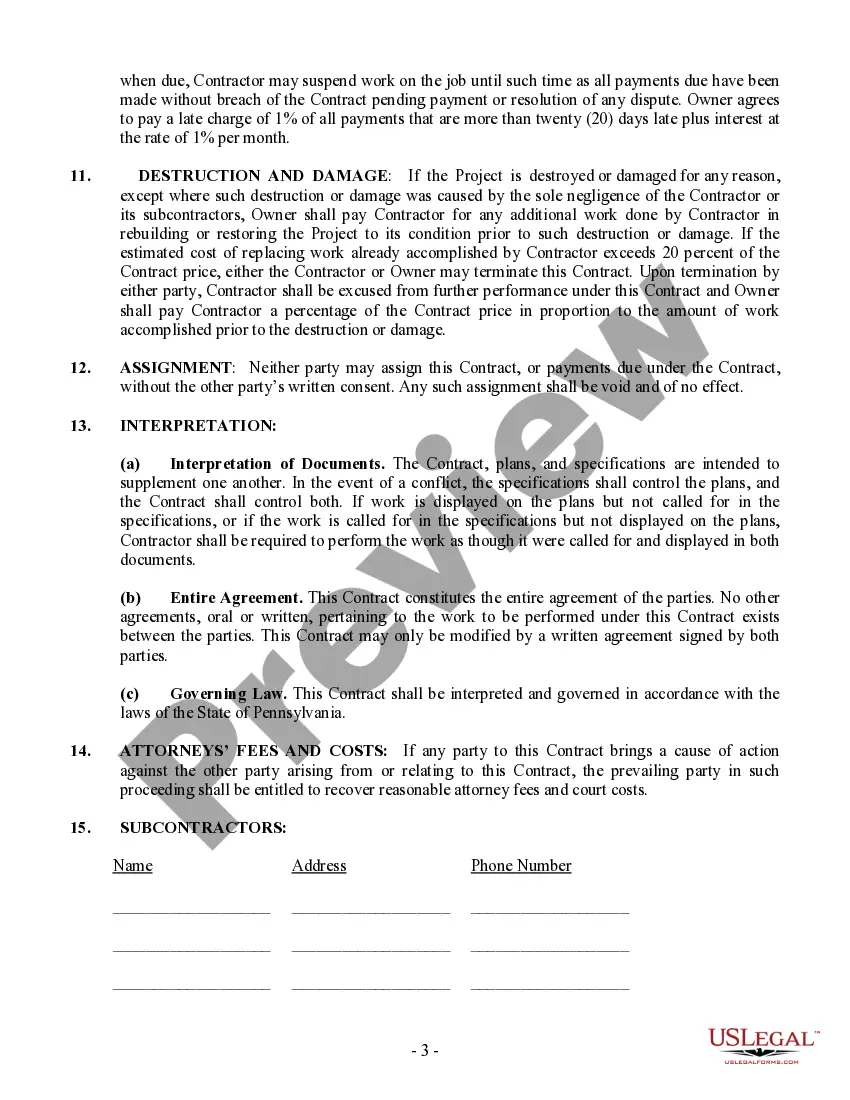
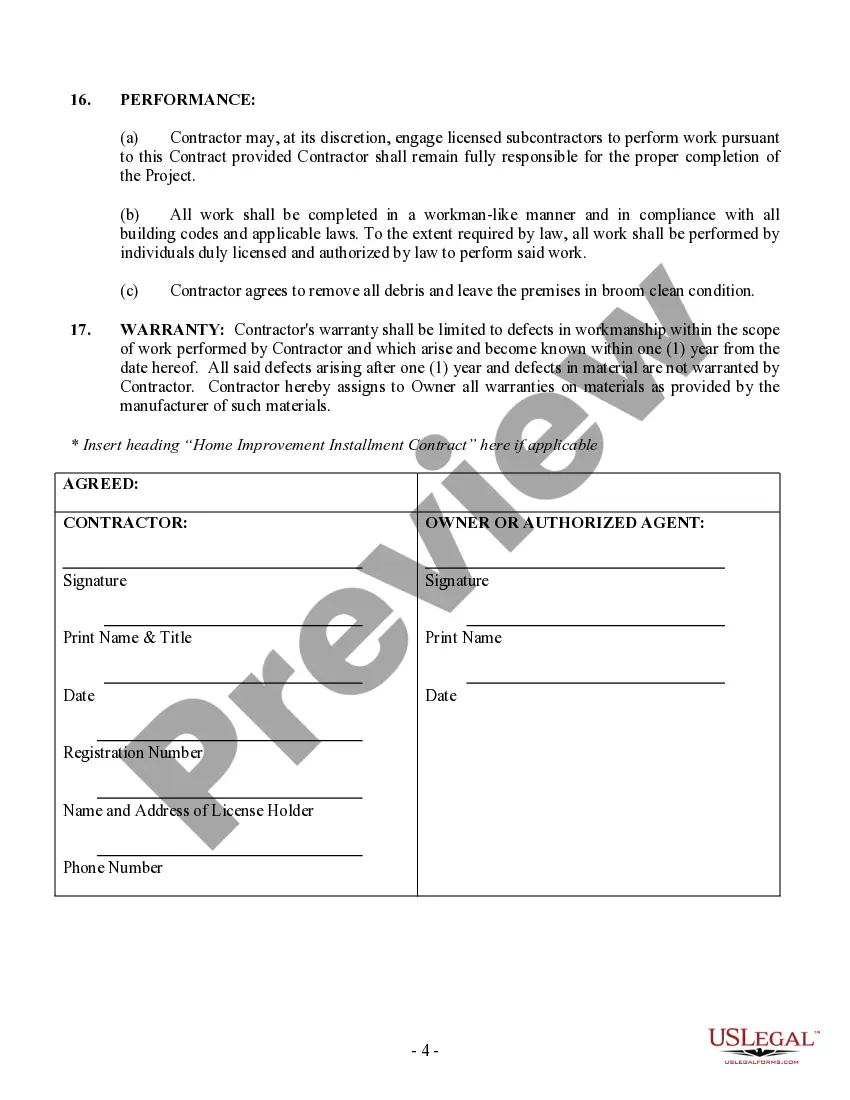
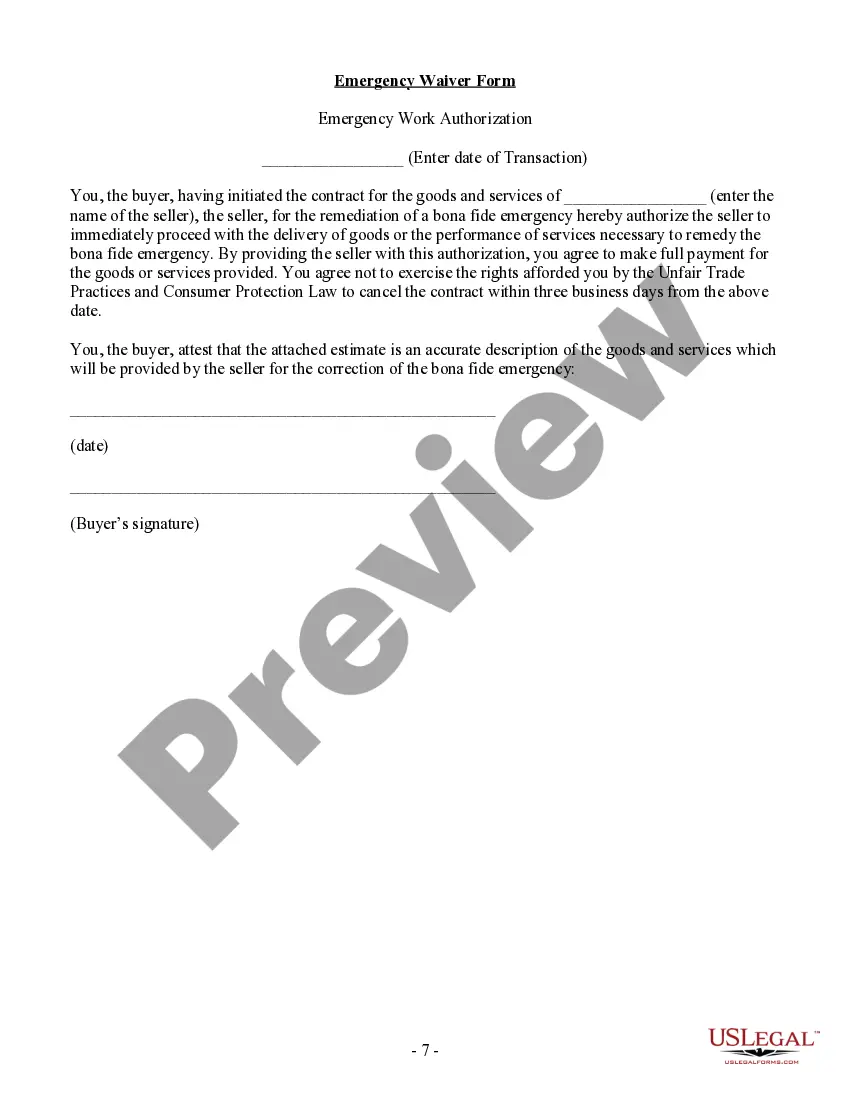
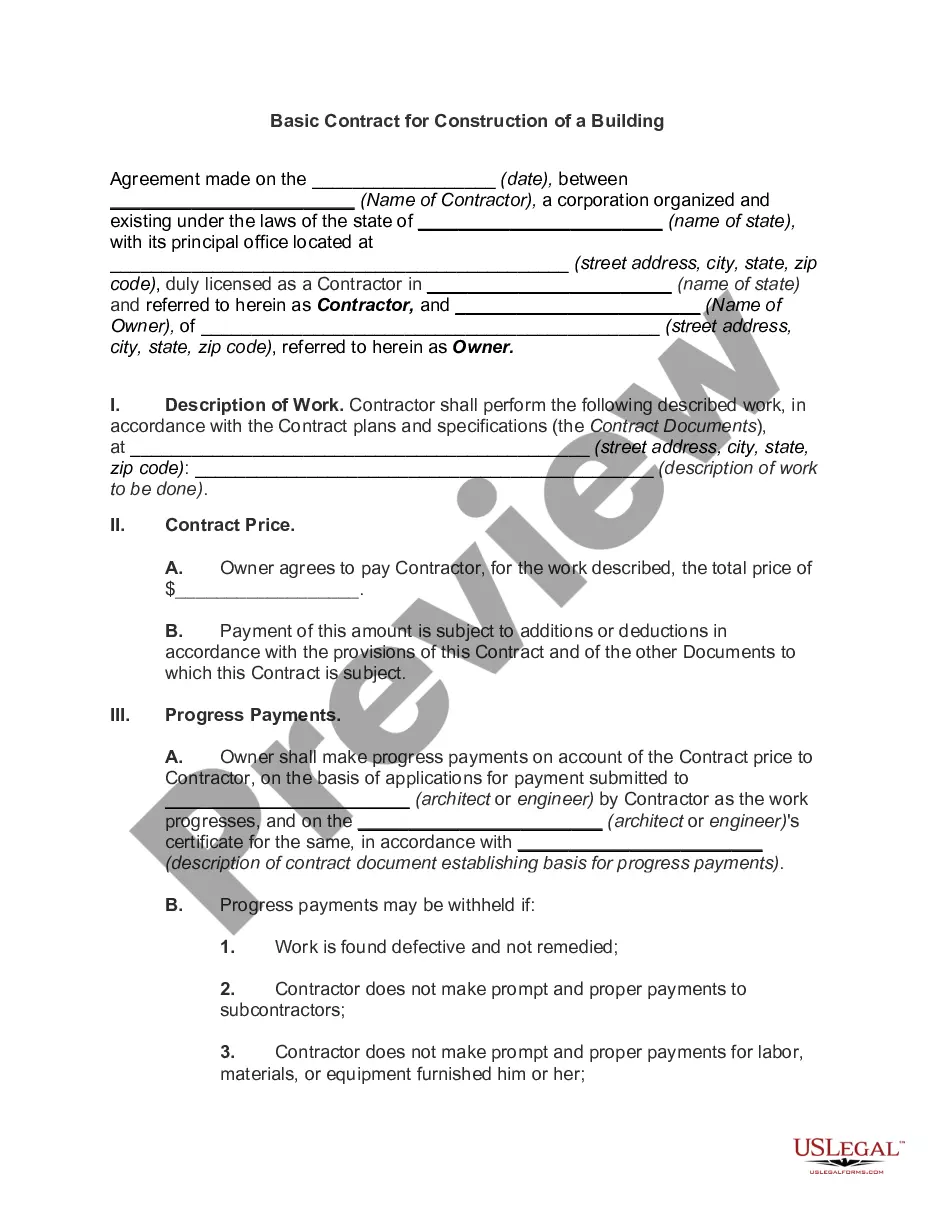
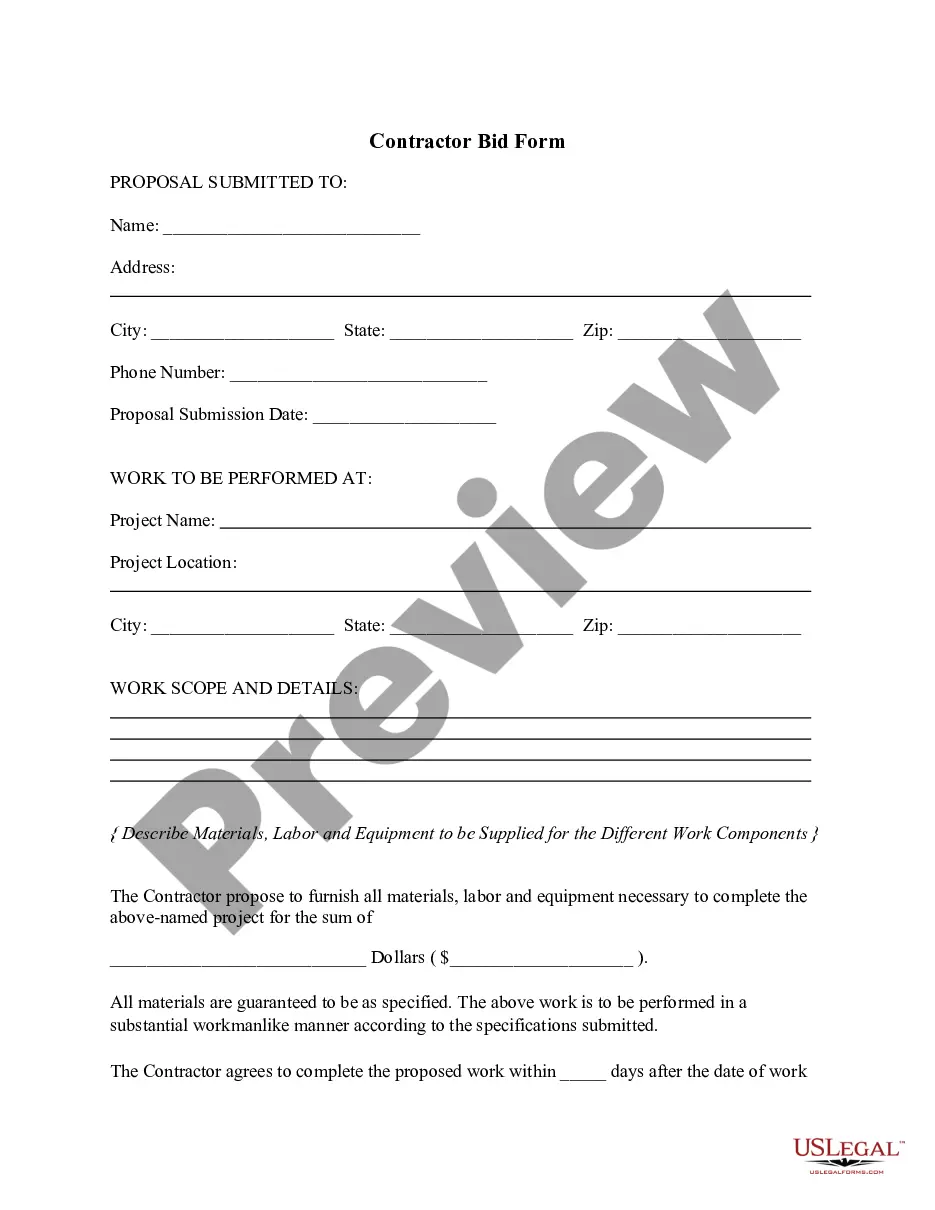
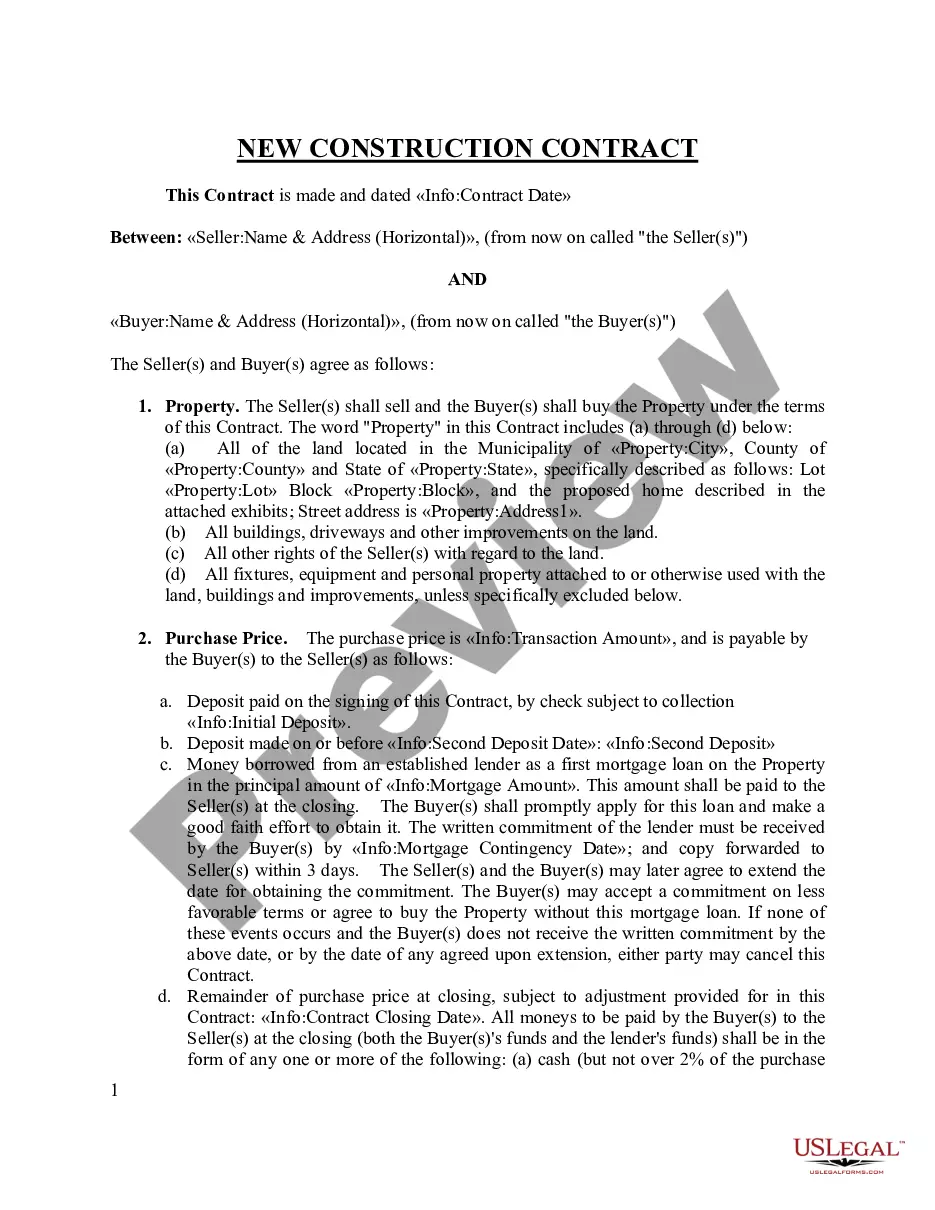
The Site Work Contract for Contractor is a legal document that establishes an agreement between a site work contractor and a property owner. This form accommodates either a cost-plus or fixed fee payment structure, ensuring clarity in financial arrangements. It covers essential aspects such as change orders, work site information, warranty, and insurance provisions, all of which help protect the interests of both parties. This contract is specifically tailored to comply with the laws of Pennsylvania.
What’s included in this form
- Work site details including property location
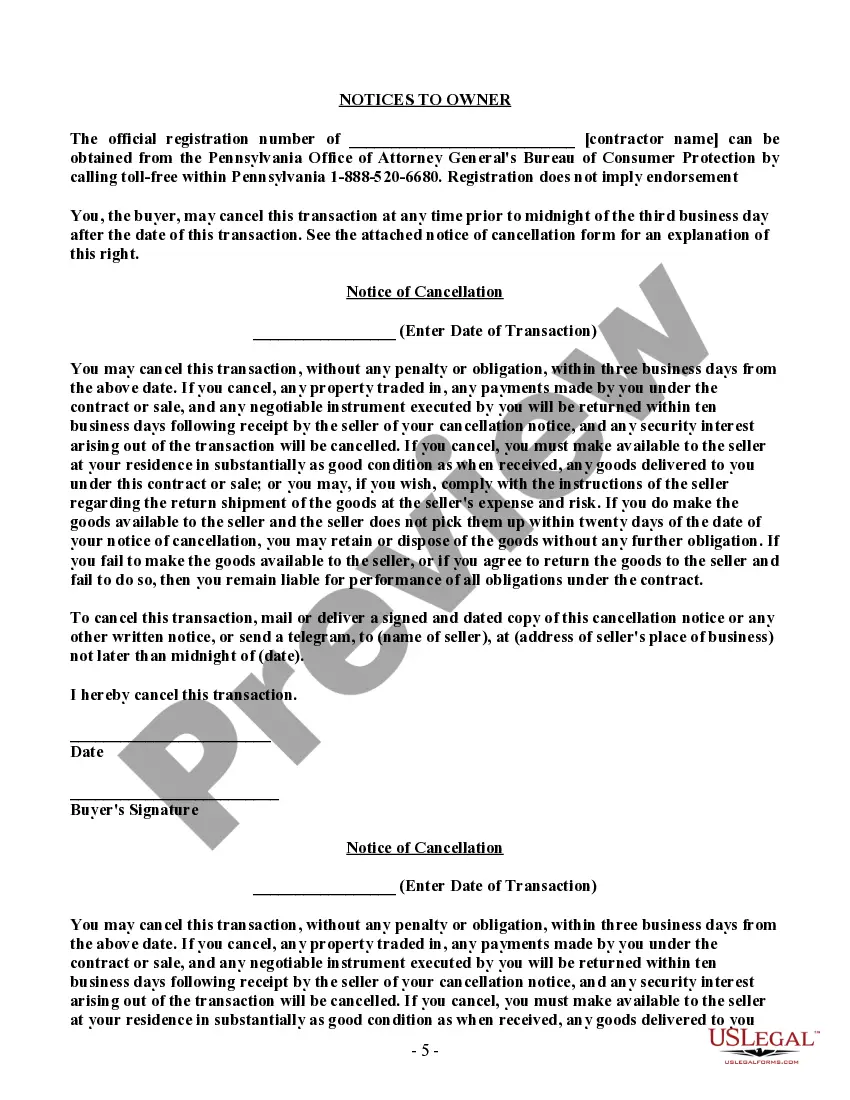
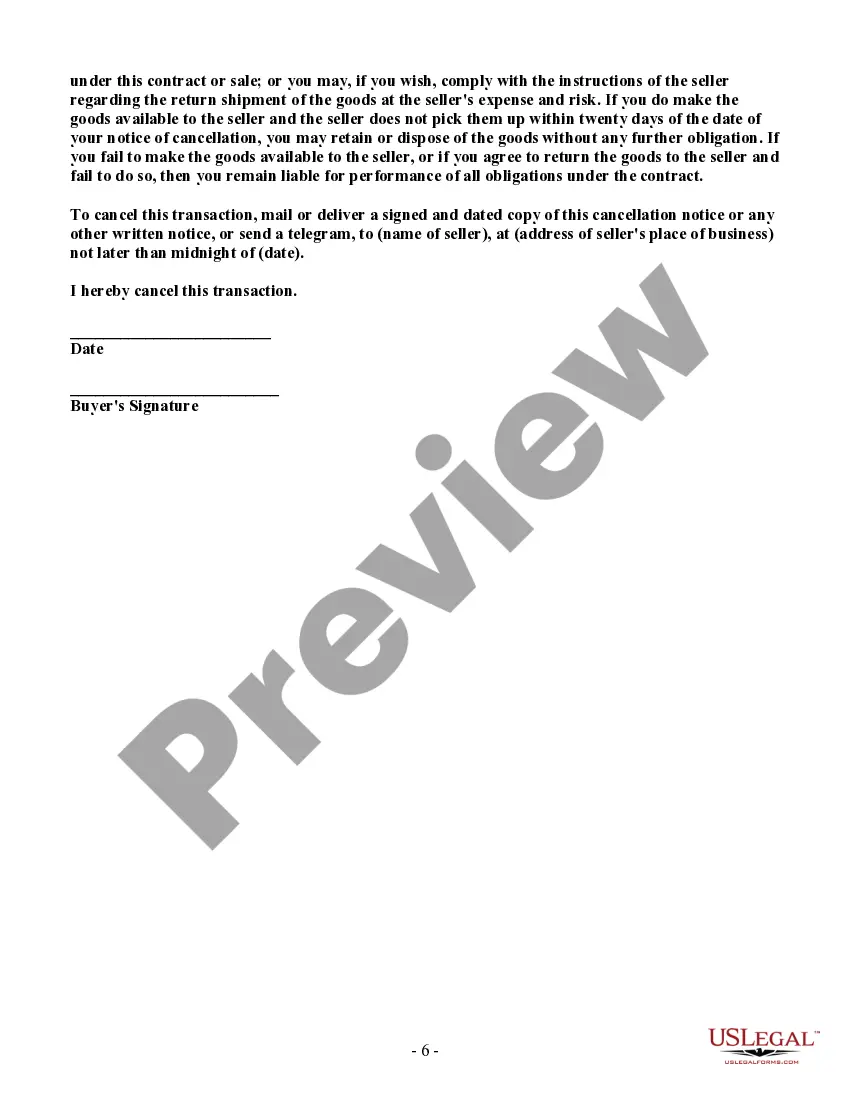
- Permits and regulatory approvals responsibility
- Soil condition disclaimers and excavation expectations
- Insurance coverage requirements for the contractor
- Change order procedures for scope modifications
- Contract pricing and payment terms
- Late payment penalties and default clauses
- Warranty terms for workmanship and materials
Situations where this form applies
This form is useful when a property owner hires a contractor for site work projects, such as excavation, grading, or land preparation. It is particularly relevant for projects involving significant contractual obligations, as it clarifies the rights and responsibilities of both the owner and contractor. Use this form when establishing a clear framework for project execution, payment structure, and risk management.
Who should use this form
This form is designed for:
- Property owners who need to hire a contractor for site work
- Site work contractors seeking to establish a clear contract with property owners
- Legal professionals assisting clients in preparing construction contracts
How to prepare this document
- Identify and enter the full names and contact information of both the contractor and property owner.
- Specify the exact location of the work site where the project will take place.
- Outline any necessary permits that the contractor will secure prior to beginning work.
- Determine the pricing structure, whether cost-plus or fixed fee, and fill in the payment terms.
- Include warranty information regarding workmanship and materials used.
- Ensure both parties sign and date the contract to validate the agreement.
Is notarization required?
This form does not typically require notarization unless specified by local law. However, notarization can add an extra layer of validity to the contract and may be beneficial in certain situations.
Get your form ready online
Our built-in tools help you complete, sign, share, and store your documents in one place.
Make edits, fill in missing information, and update formatting in US Legal Forms—just like you would in MS Word.
Download a copy, print it, send it by email, or mail it via USPS—whatever works best for your next step.
Sign and collect signatures with our SignNow integration. Send to multiple recipients, set reminders, and more. Go Premium to unlock E-Sign.
If this form requires notarization, complete it online through a secure video call—no need to meet a notary in person or wait for an appointment.
We protect your documents and personal data by following strict security and privacy standards.

Make edits, fill in missing information, and update formatting in US Legal Forms—just like you would in MS Word.

Download a copy, print it, send it by email, or mail it via USPS—whatever works best for your next step.

Sign and collect signatures with our SignNow integration. Send to multiple recipients, set reminders, and more. Go Premium to unlock E-Sign.

If this form requires notarization, complete it online through a secure video call—no need to meet a notary in person or wait for an appointment.

We protect your documents and personal data by following strict security and privacy standards.
Typical mistakes to avoid
- Failing to specify the scope of the work clearly in the contract.
- Not including a detailed payment schedule or terms.
- Omitting necessary details about insurance requirements.
- Neglecting to review change order procedures.
Benefits of using this form online
- Convenience of accessing and downloading the form from anywhere.
- Editability to tailor the contract to specific project needs.
- Reliability of using attorney-drafted documents that are compliant with Pennsylvania law.
Main things to remember
- The Site Work Contract is essential for defining responsibilities in construction projects.
- Ensure accuracy in describing the work, payment terms, and insurance requirements.
- Utilizing this contract protects both the contractor and property owner from potential disputes.
Looking for another form?

Form popularity
FAQ
Both parties should sign the contract, and both should be bound by the terms and conditions spelled out in the agreement. In general that means the contractor will be obliged to provide specified materials and to perform certain services for you. In turn, you will be required to pay for those goods and that labor.
1. Not Having a Written Contract.The taxing, labor and employment, and insurance authorities expect a written contract that states that the worker is an independent contractor and will be paid as such with no tax withholding, no benefits, etc.
The Commonwealth of Pennsylvania currently has no licensure or certification requirements for most construction contractors (or their employees).
In California, the state limits advance payment at the time of contract signing to 10% of the total estimated job cost or $1,000, whichever amount is lower! All payments thereafter are supposed to be made for work performed or for materials delivered to the job site.
Get it in writing. Keep it simple. Deal with the right person. Identify each party correctly. Spell out all of the details. Specify payment obligations. Agree on circumstances that terminate the contract. Agree on a way to resolve disputes.
For most types of projects you hire an independent contractor (IC) to do, the law does not require you to put anything in writing. You can meet with the IC, agree on the terms of your arrangement, and have an oral contract or agreement that is legally binding. Just because you can doesn't mean you should, however.
When working as an independent contractor, your client does not have the right to control your project.According to the Communications Workers of America, Under the Copyright Act of 1976, an independent contractor who has created a work for an employer owns the rights to that work, except in limited circumstances.
Contractors can legally only ask for 1/3 of the contract price up front. It's considered fraud if a substantial portion of the work is not performed in the time requested, or more than 45 days go by without work being done.
For most types of projects you hire an independent contractor (IC) to do, the law does not require you to put anything in writing. You can meet with the IC, agree on the terms of your arrangement, and have an oral contract or agreement that is legally binding. Just because you can doesn't mean you should, however.