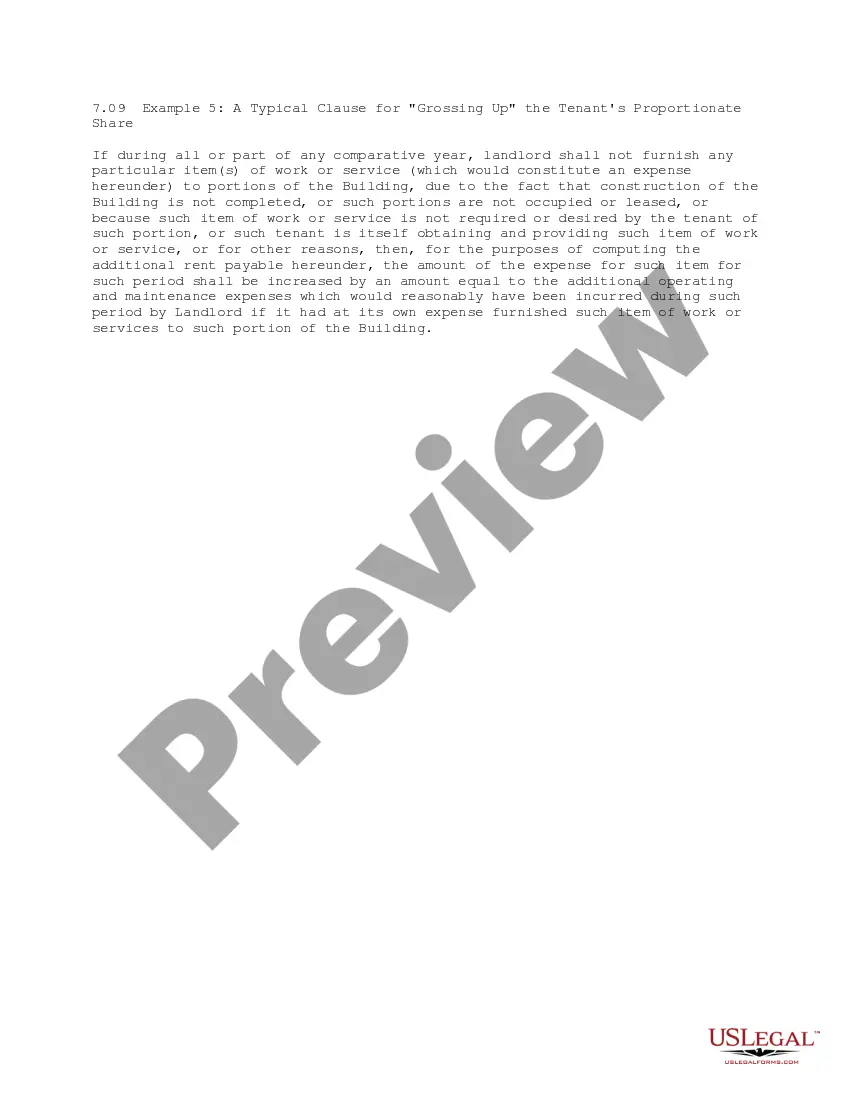
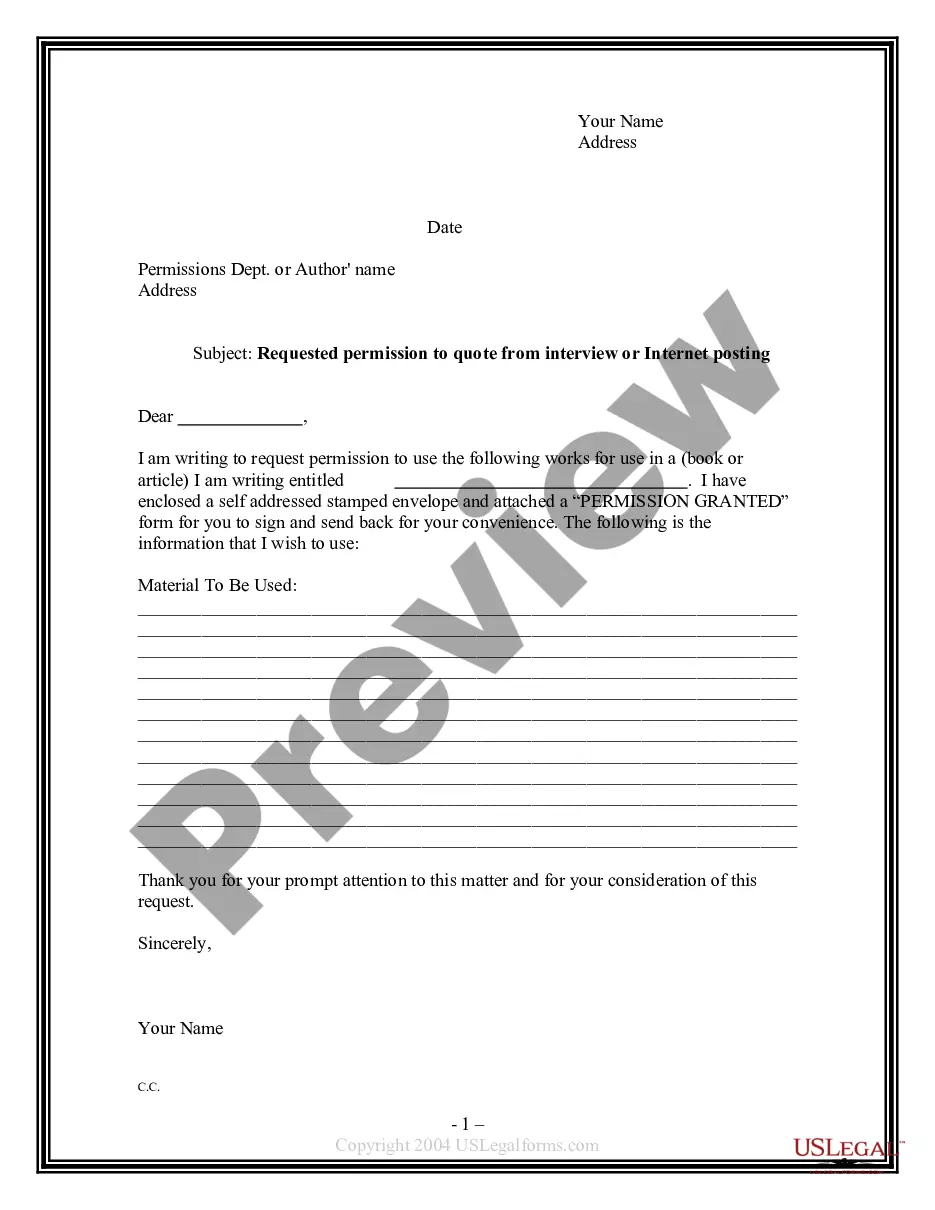
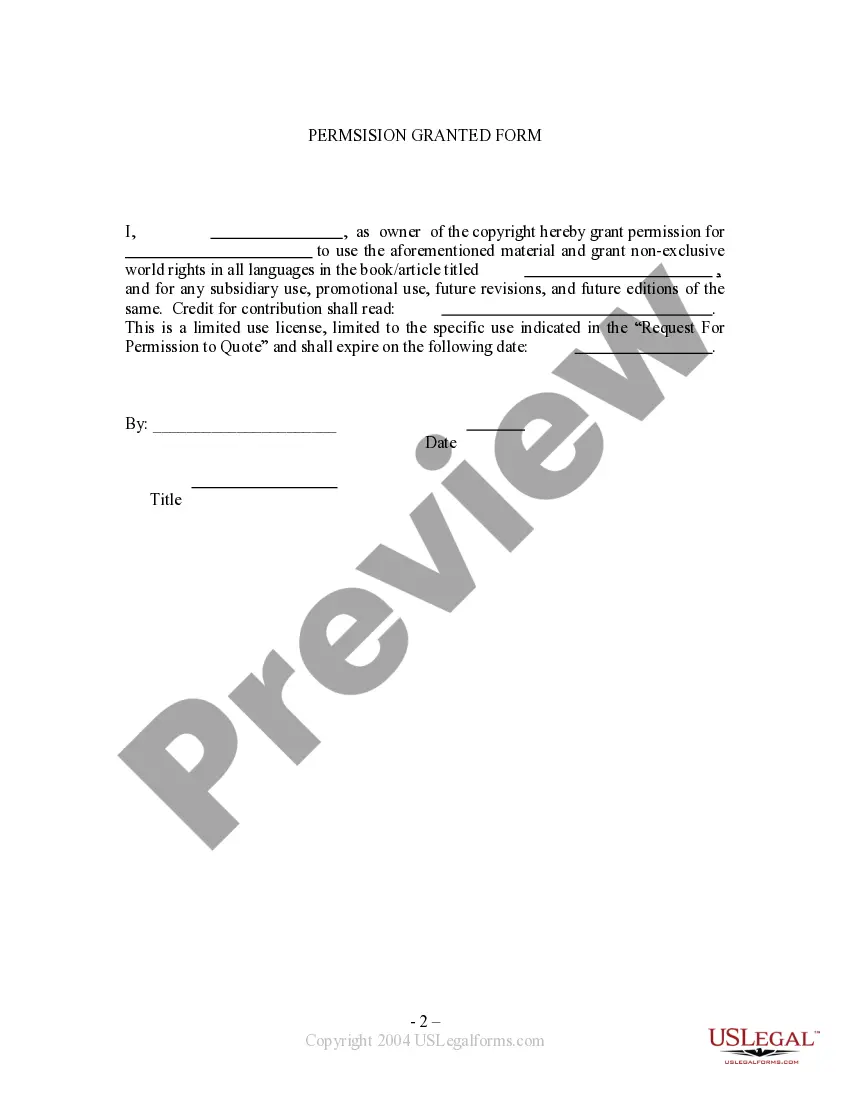
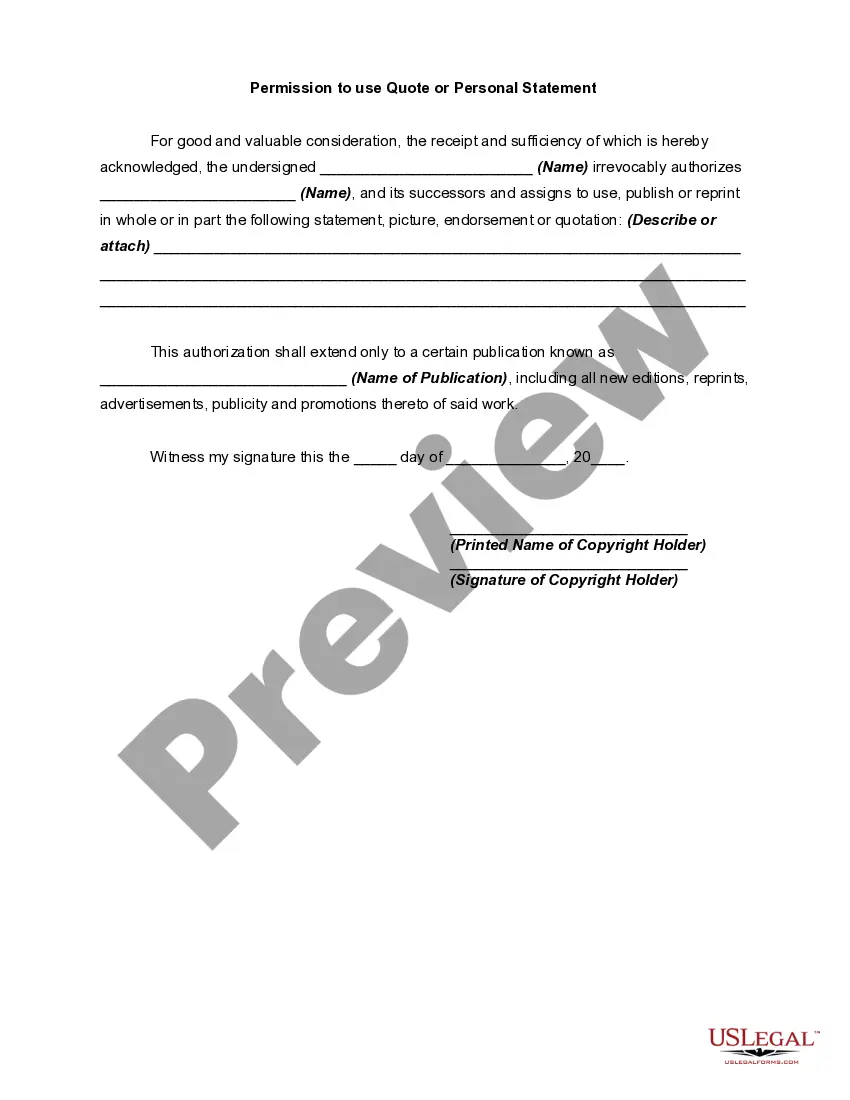
This is a request to the holder of a copyright asking permission to use the copyrighted material in a book or article. There is an attached addendum for the copyright holder to sign granting permission. The request can be granted for only a fixed period of time if the copyright holder does not want to grant the request to be used indefinitely.
Oregon Requested Permission to Quote From Interview or Internet Posting
Category:
State:
Multi-State
Control #:
US-PRM-06
Format:
Word;
Rich Text
Instant download
Description
Free preview

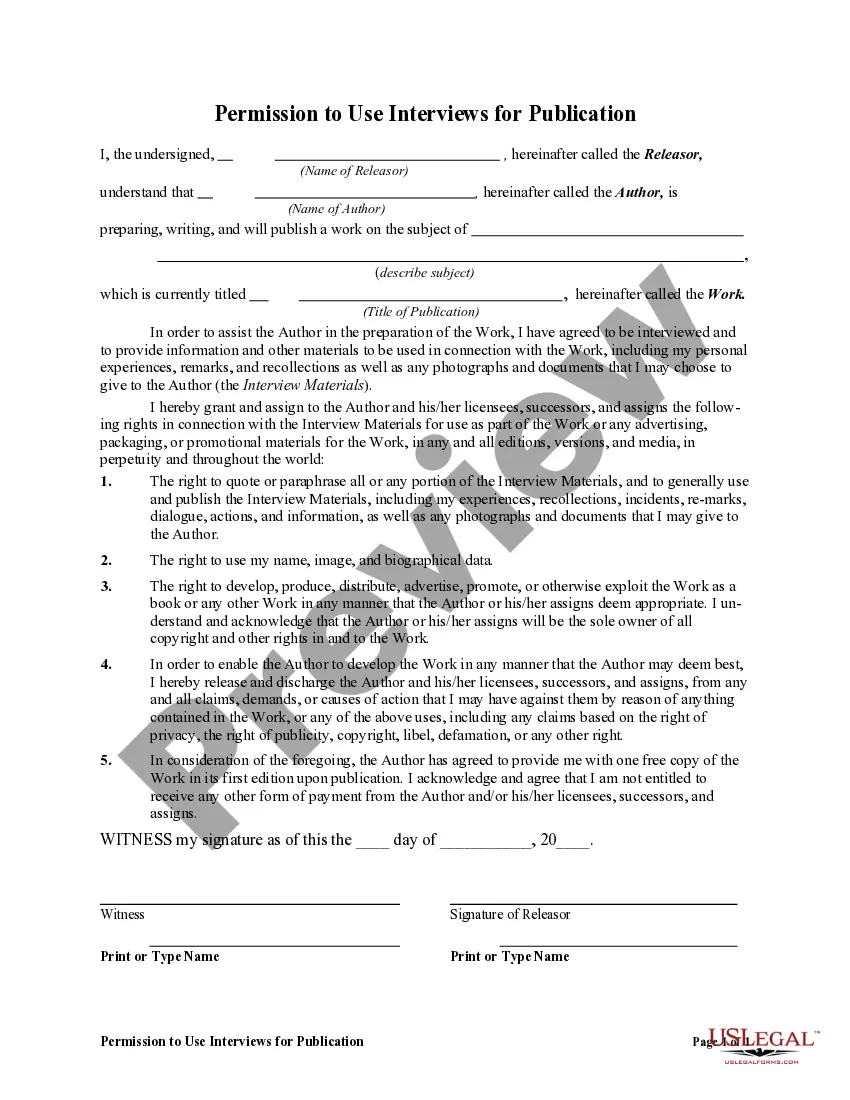
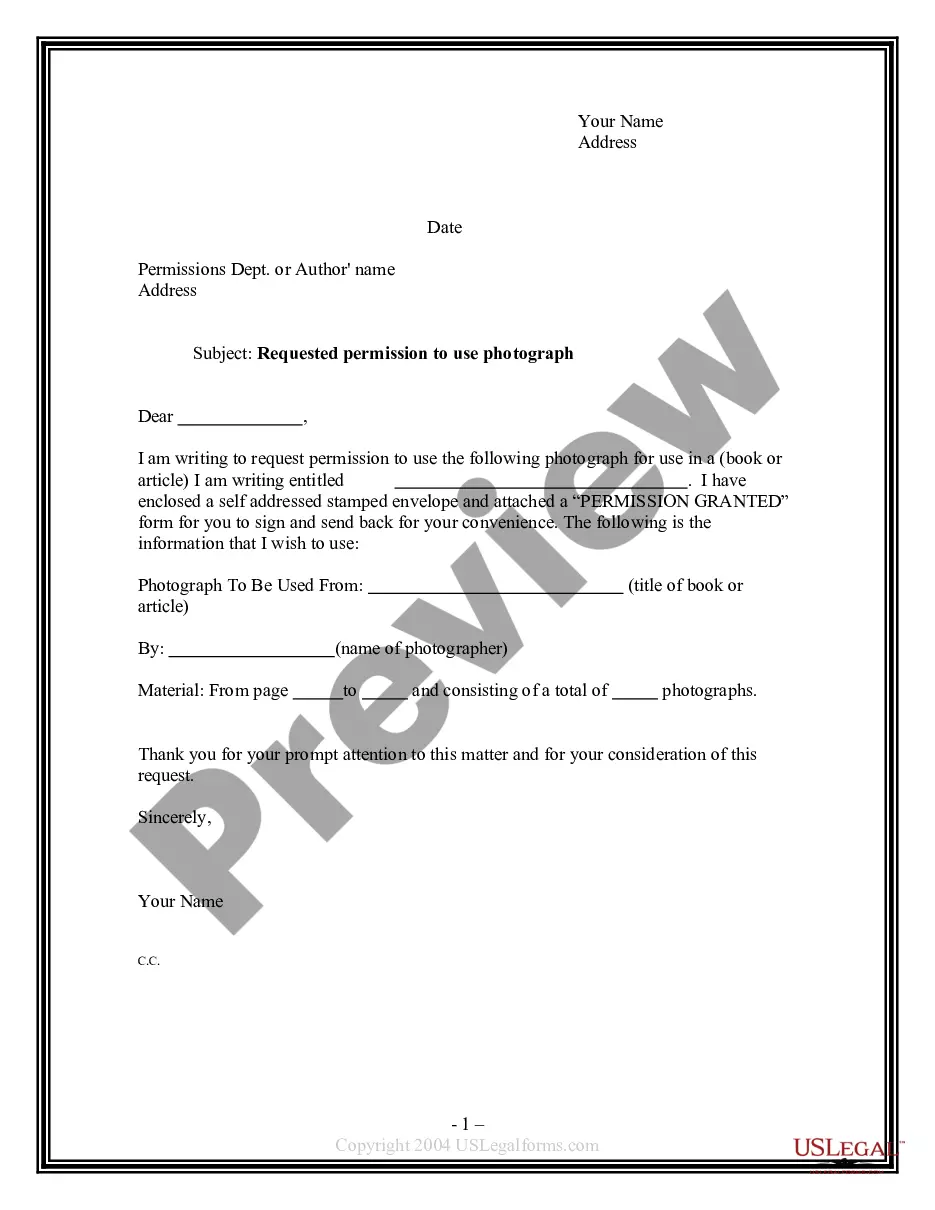
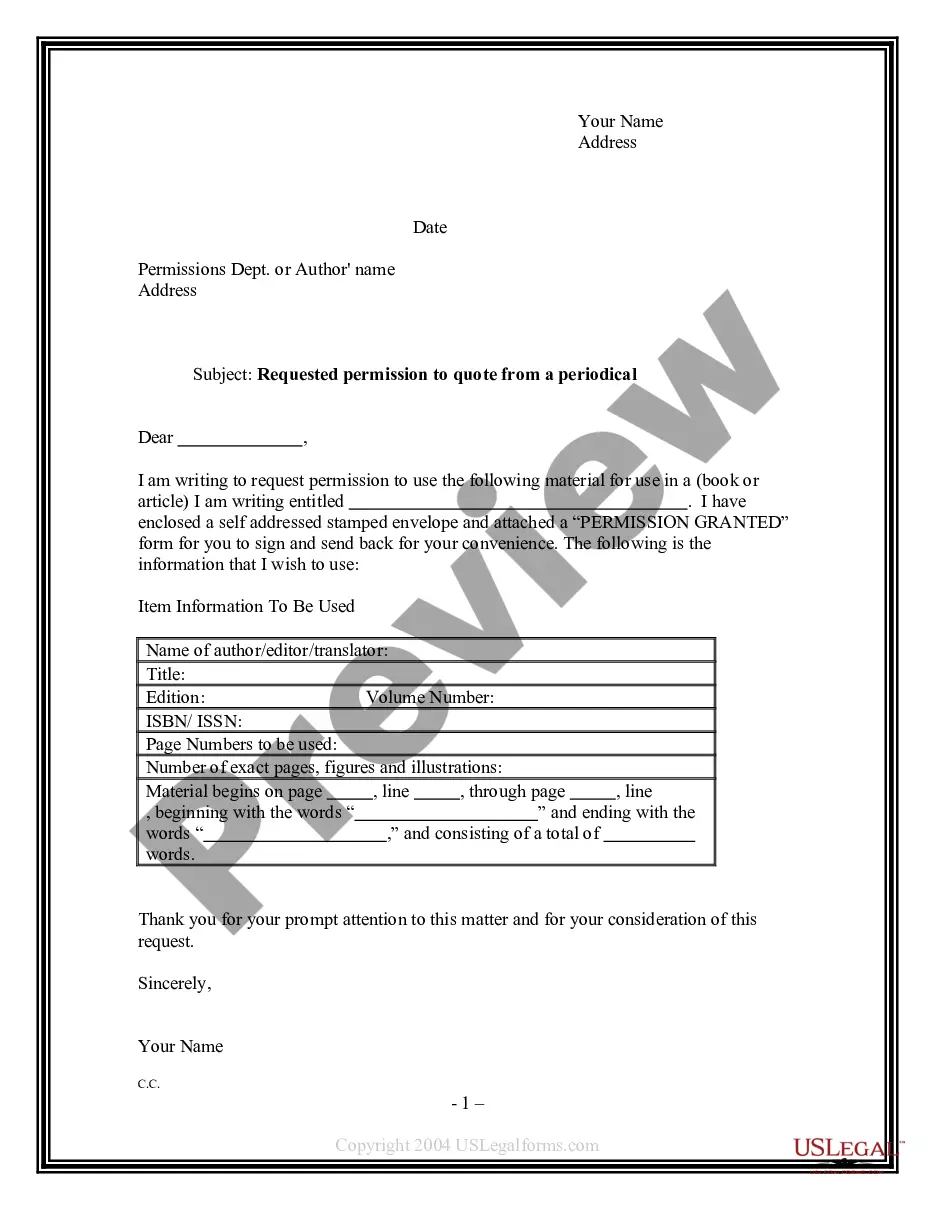
Get your form ready online
Our built-in tools help you complete, sign, share, and store your documents in one place.
Built-in online Word editor
Make edits, fill in missing information, and update formatting in US Legal Forms—just like you would in MS Word.
Export easily
Download a copy, print it, send it by email, or mail it via USPS—whatever works best for your next step.
E-sign your document
Sign and collect signatures with our SignNow integration. Send to multiple recipients, set reminders, and more. Go Premium to unlock E-Sign.
Notarize online 24/7
If this form requires notarization, complete it online through a secure video call—no need to meet a notary in person or wait for an appointment.
Store your document securely
We protect your documents and personal data by following strict security and privacy standards.
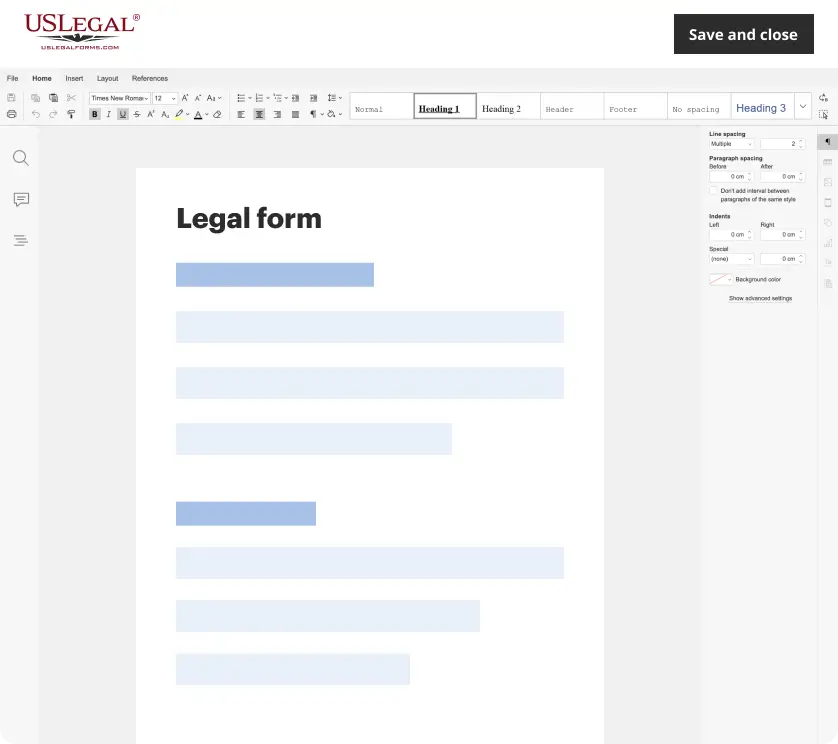
Make edits, fill in missing information, and update formatting in US Legal Forms—just like you would in MS Word.
Download a copy, print it, send it by email, or mail it via USPS—whatever works best for your next step.
Sign and collect signatures with our SignNow integration. Send to multiple recipients, set reminders, and more. Go Premium to unlock E-Sign.
If this form requires notarization, complete it online through a secure video call—no need to meet a notary in person or wait for an appointment.
We protect your documents and personal data by following strict security and privacy standards.
Looking for another form?




How to fill out Requested Permission To Quote From Interview Or Internet Posting?
Have you ever been in a situation where you need to have paperwork for both business or personal reasons every single day? There are numerous legal document templates available online, but locating ones you can trust isn't straightforward. US Legal Forms offers thousands of form templates, such as the Oregon Requested Authorization to Cite From Interview or Online Posting, that are crafted to comply with federal and state regulations.
If you are already familiar with the US Legal Forms website and have an account, simply Log In. Then, you can obtain the Oregon Requested Authorization to Cite From Interview or Online Posting form.
If you do not have an account and wish to start using US Legal Forms, follow these steps: Locate the form you need and ensure it is for the correct city/region. Utilize the Preview button to review the document. Read the description to confirm that you have chosen the correct form. If the form does not match your needs, use the Search field to find the form that meets your criteria. Once you find the right form, simply click Get now. Select the pricing plan you prefer, fill in the necessary information to create your account, and pay for your order using your PayPal or credit card. Choose a suitable document format and download your copy. Access all the document templates you have purchased in the My documents section. You can obtain another copy of Oregon Requested Authorization to Cite From Interview or Online Posting at any time, if needed. Just select the required form to download or print the document template.
- Utilize US Legal Forms, one of the most extensive collections of legal forms, to save time and avoid errors.
- The service provides well-crafted legal document templates that can be used for various purposes.
- Create an account on US Legal Forms and start simplifying your life.
Form popularity
FAQ
Yes, you can file for custody online in Oregon, making the process more convenient for many individuals. The state provides an electronic filing system that allows you to submit necessary documents from the comfort of your home. However, it's important to follow the correct procedures to ensure your filing is valid. To assist with this process and ensure compliance with legal standards, consider using US Legal Forms, which offers essential resources and templates tailored for Oregon custody cases.
In Oregon, audio recordings can be admissible in court, provided that the recording complies with state laws regarding consent. Generally, at least one party must give permission to record a conversation. If you are considering recording an interview or internet posting, ensure you understand the legal implications and obtain the necessary permissions. For detailed guidance on the process, you may want to explore resources like US Legal Forms, which can help you navigate Oregon's legal requirements.
To quote books or other works published before 1923. For news stories or scientific studies. Shorter quotes, references and paraphrasing is usually ok without permission. Copying large amounts of a story or study, however, may require permission from the writer or publisher.
You DON'T need permission: To quote books or other works published before 1923. For news stories or scientific studies. Shorter quotes, references and paraphrasing is usually ok without permission. Copying large amounts of a story or study, however, may require permission from the writer or publisher.
Just like warm, vibrant images, quoting reminds us and our audience of feelings, thoughts, or a cherished time from the past. That's why content marketers should have quote images into their marketing strategy. Let's take a look at the different ways quotes can help.
YES. You can legally use quotes in small business that are in the public domain. Generally, quotes said before 1923 are in public domain because the protection on them is now expired.
According to US copyright law, the legal rights to a quote belong by default to its author (or speaker). Quotes are considered intellectual property, which is protected under the law.
It's perfectly okay to quote an excerpt of another author's work in your writing, but it's not always okay to do so without permission. If you don't want to be sued for copyright infringement, it's important to know when you need permission and when you don't.
Unfortunately, quoting or excerpting someone else's work falls into one of the grayest areas of copyright law. There is no legal rule stipulating what quantity is OK to use without seeking permission from the owner or creator of the material.
According to US copyright law, legal rights to a quote belong, by default, to the author or speaker. The quotes are considered intellectual property and protected under law. If you are not the original author of a quote, one of two things must be true to use it freely on social media.