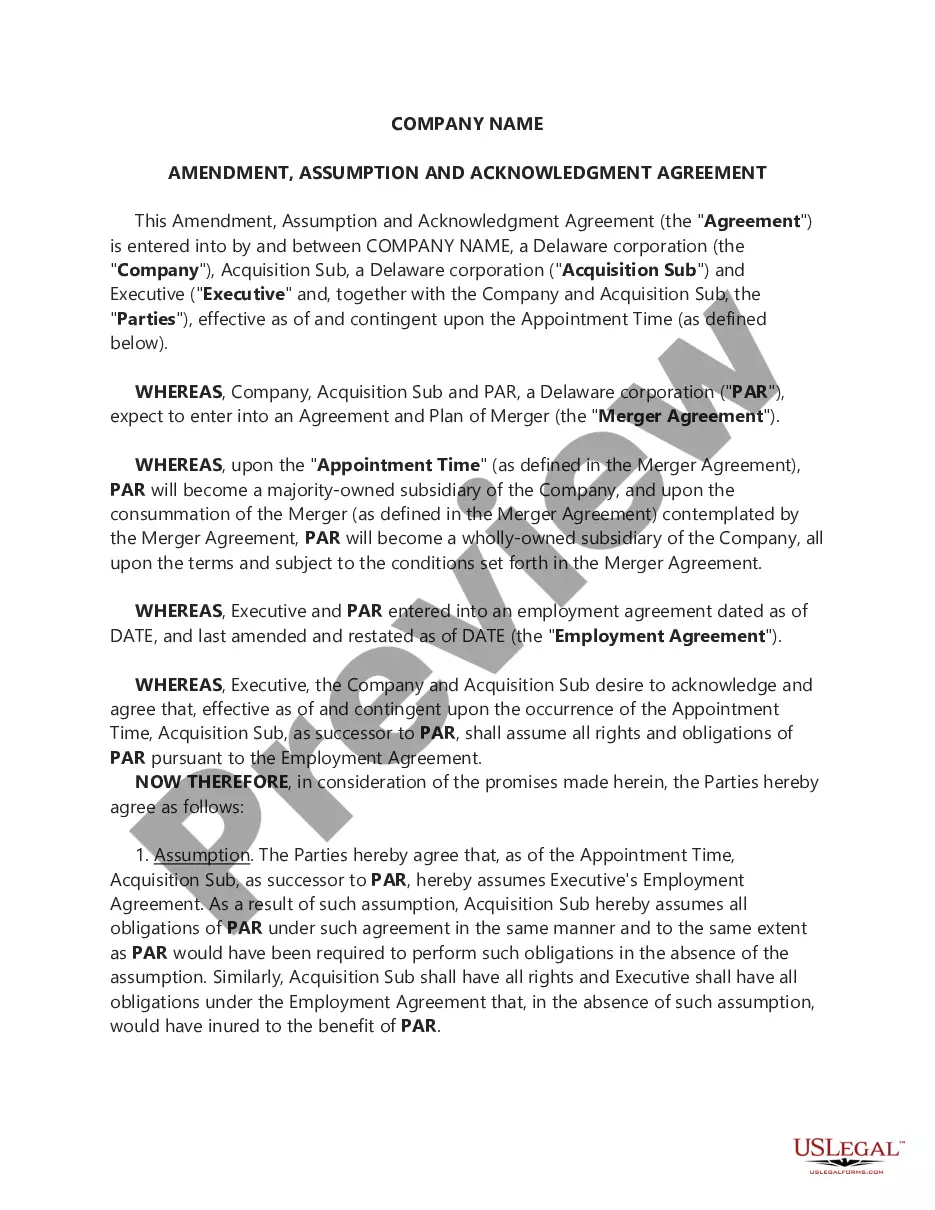
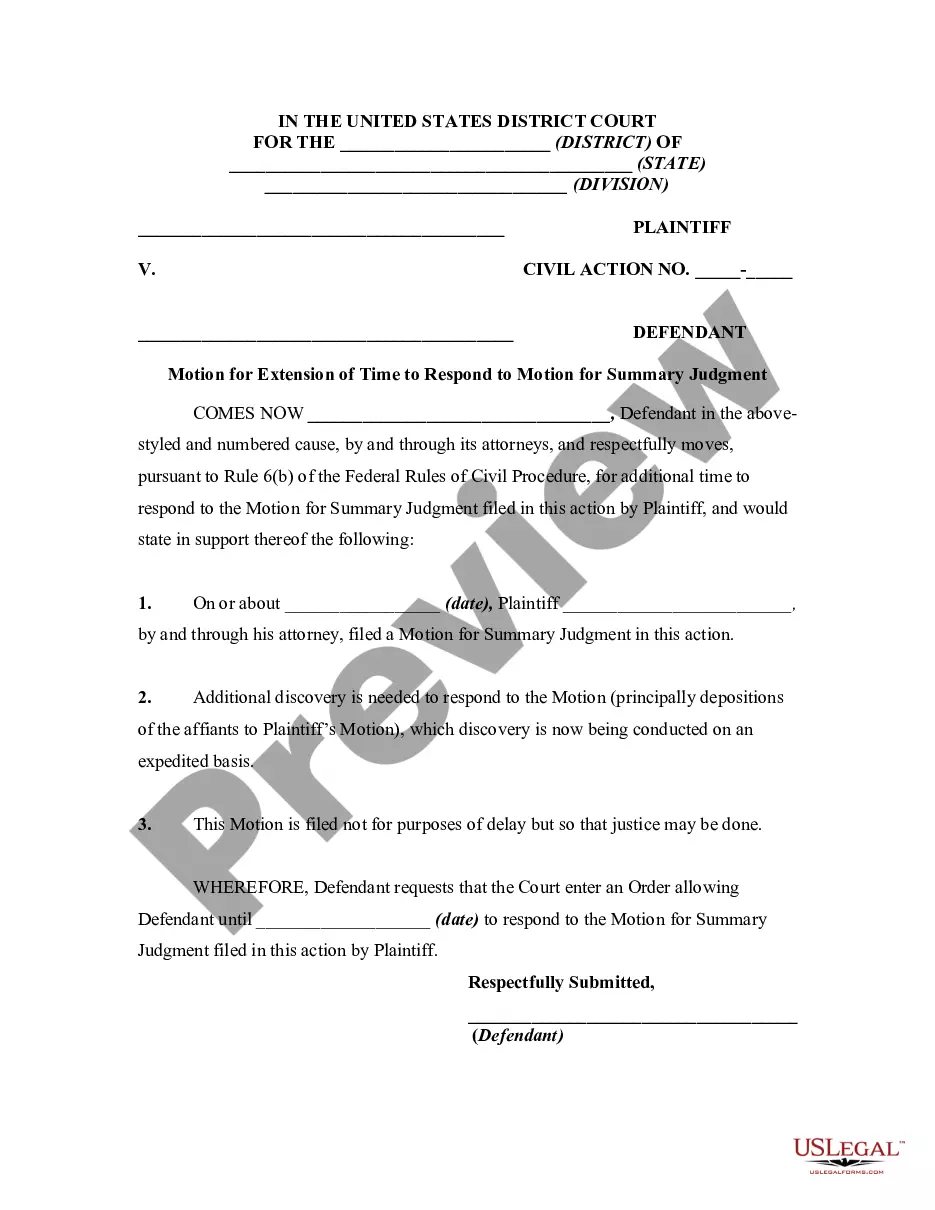
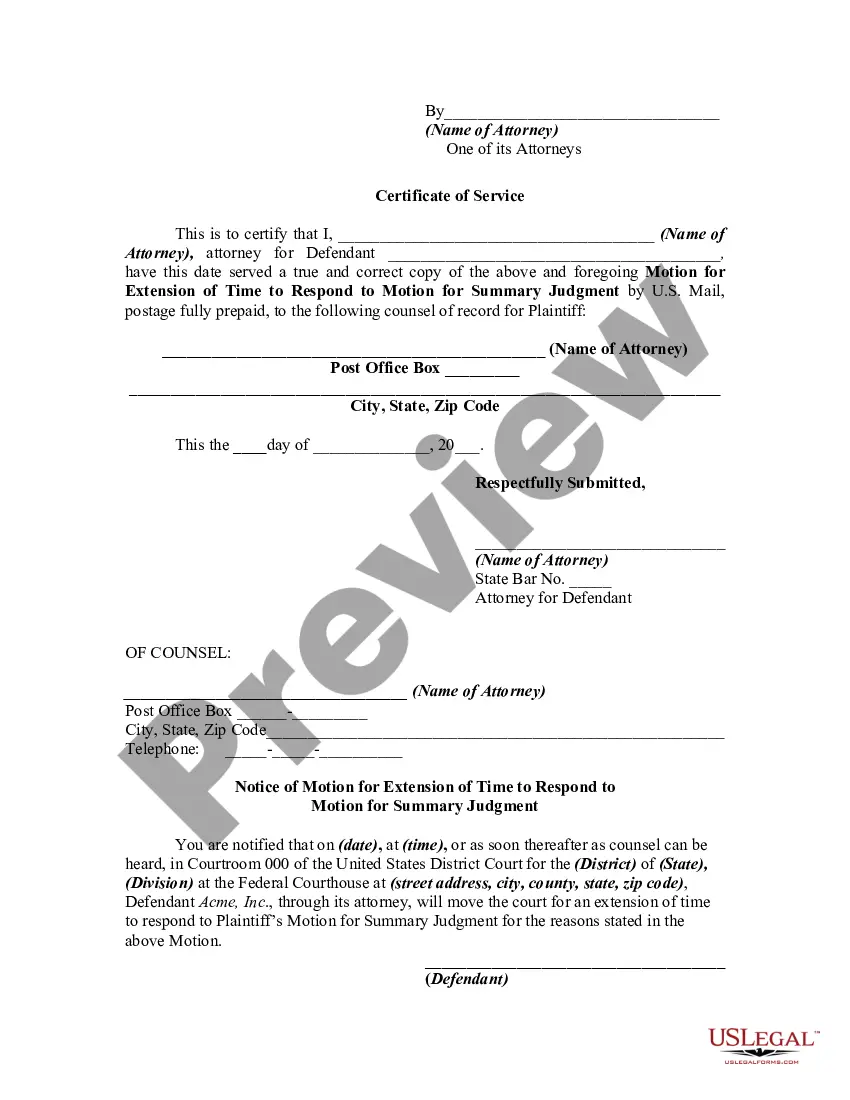
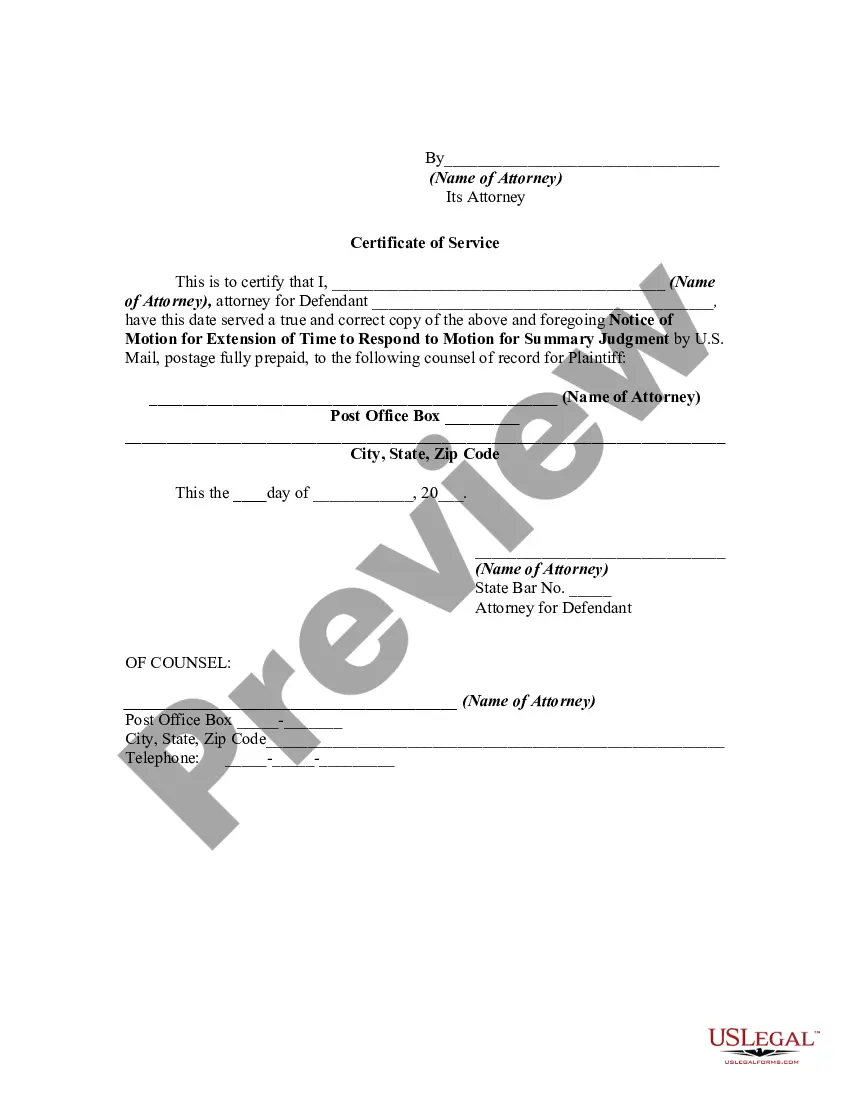
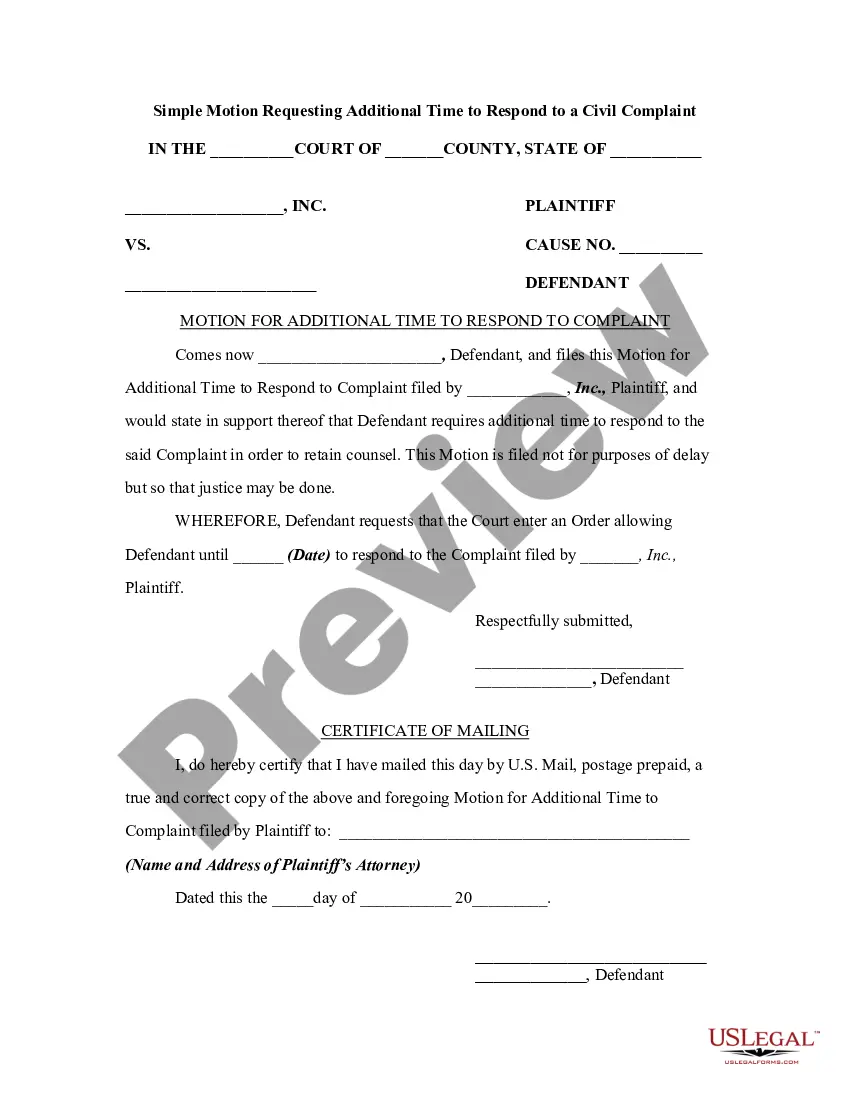
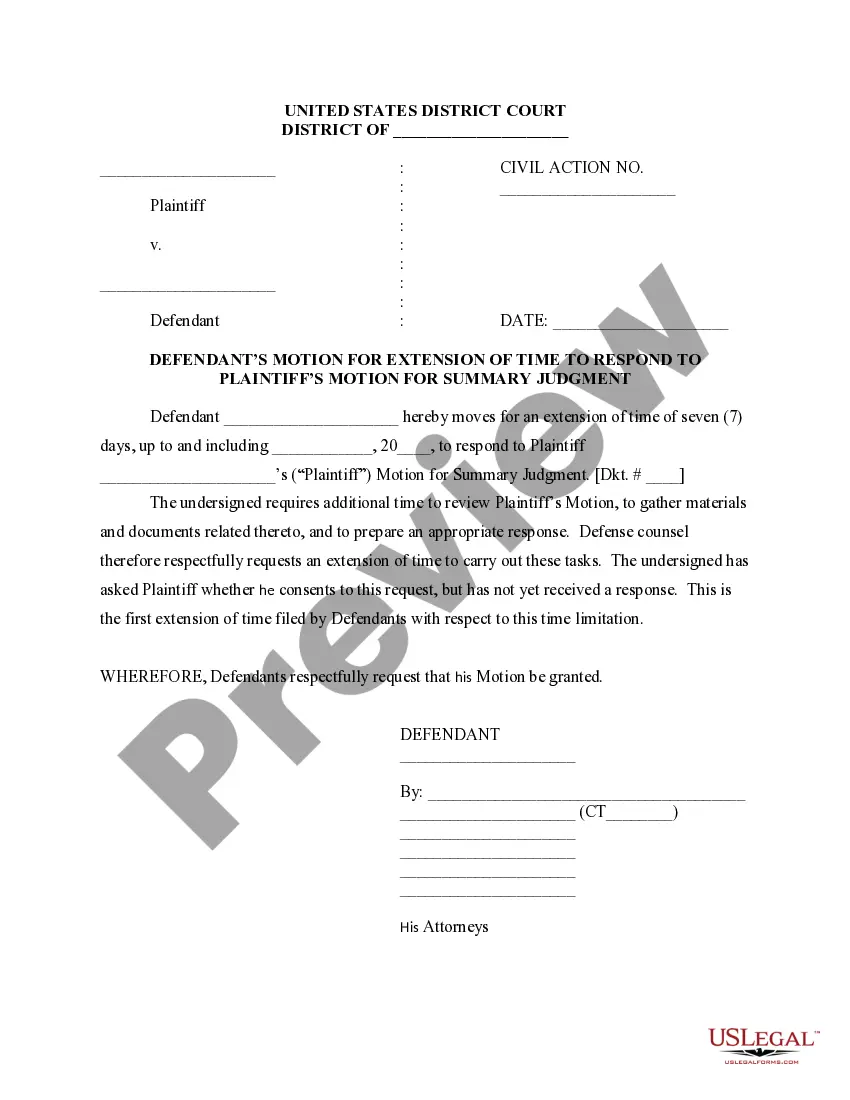
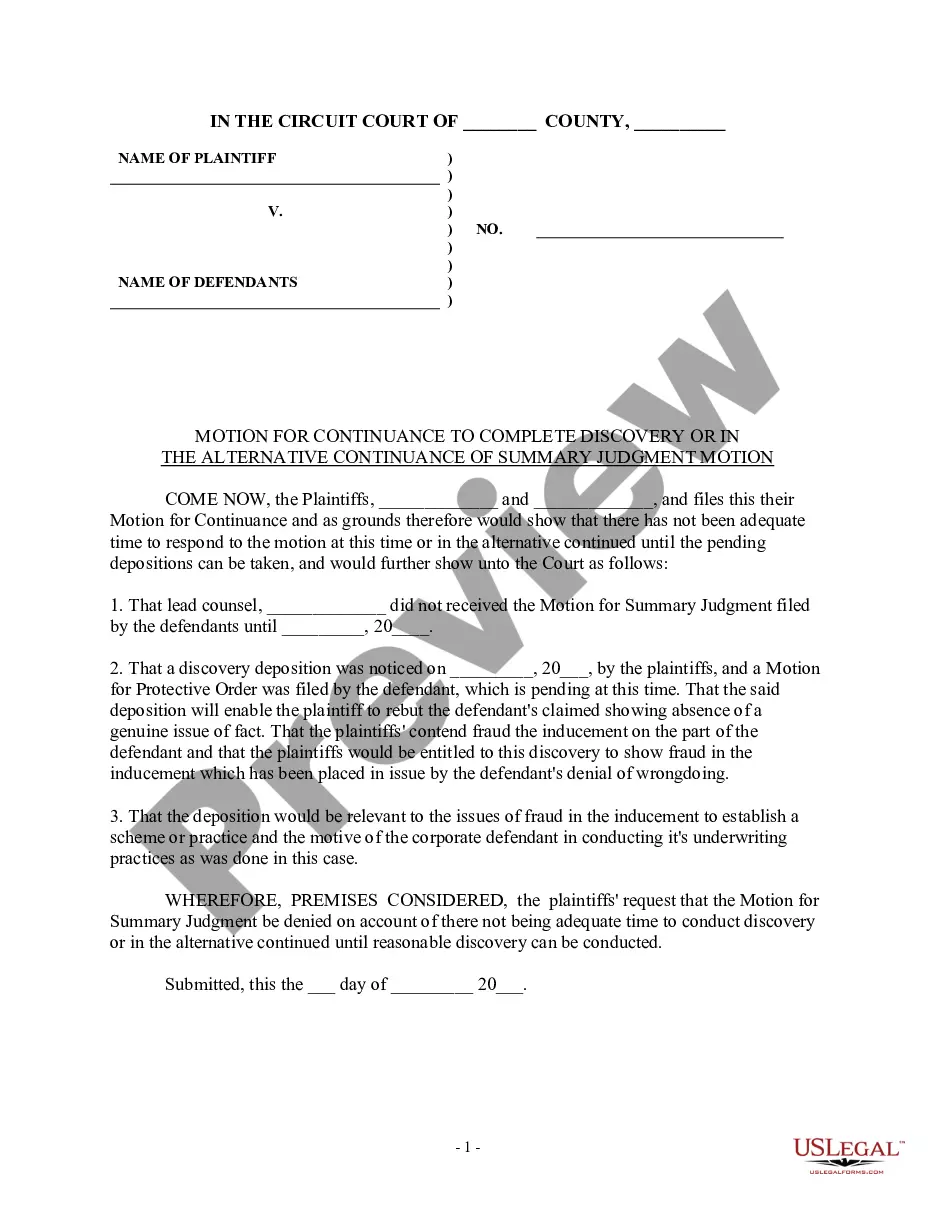
This form is a generic motion requesting additional time to respond to a motion for summary judgment.
Oregon Motion Requesting Additional Time to Respond to Motion for Summary Judgment with Notice of Motion
Category:
State:
Multi-State
Control #:
US-00919BG
Format:
Word;
Rich Text
Instant download
Description
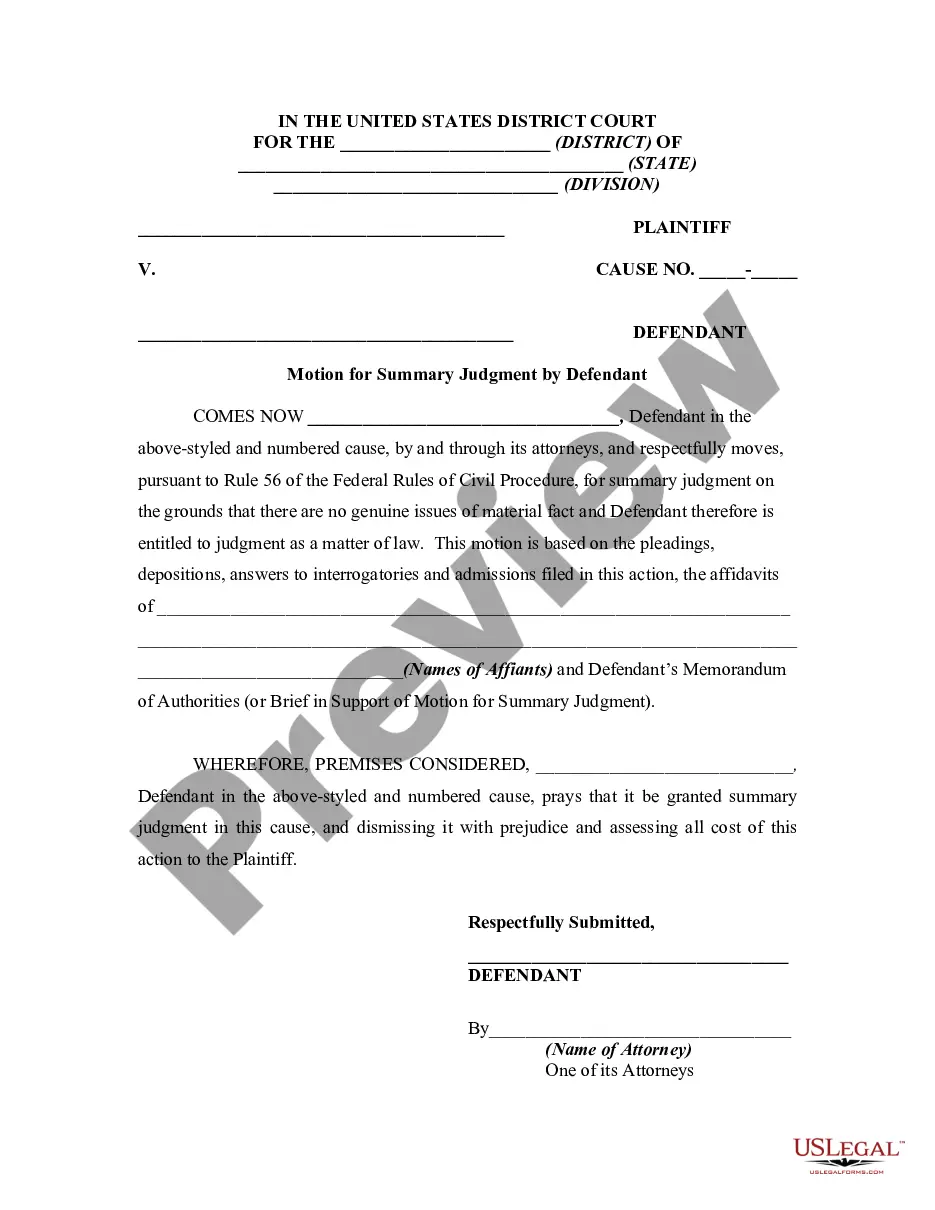
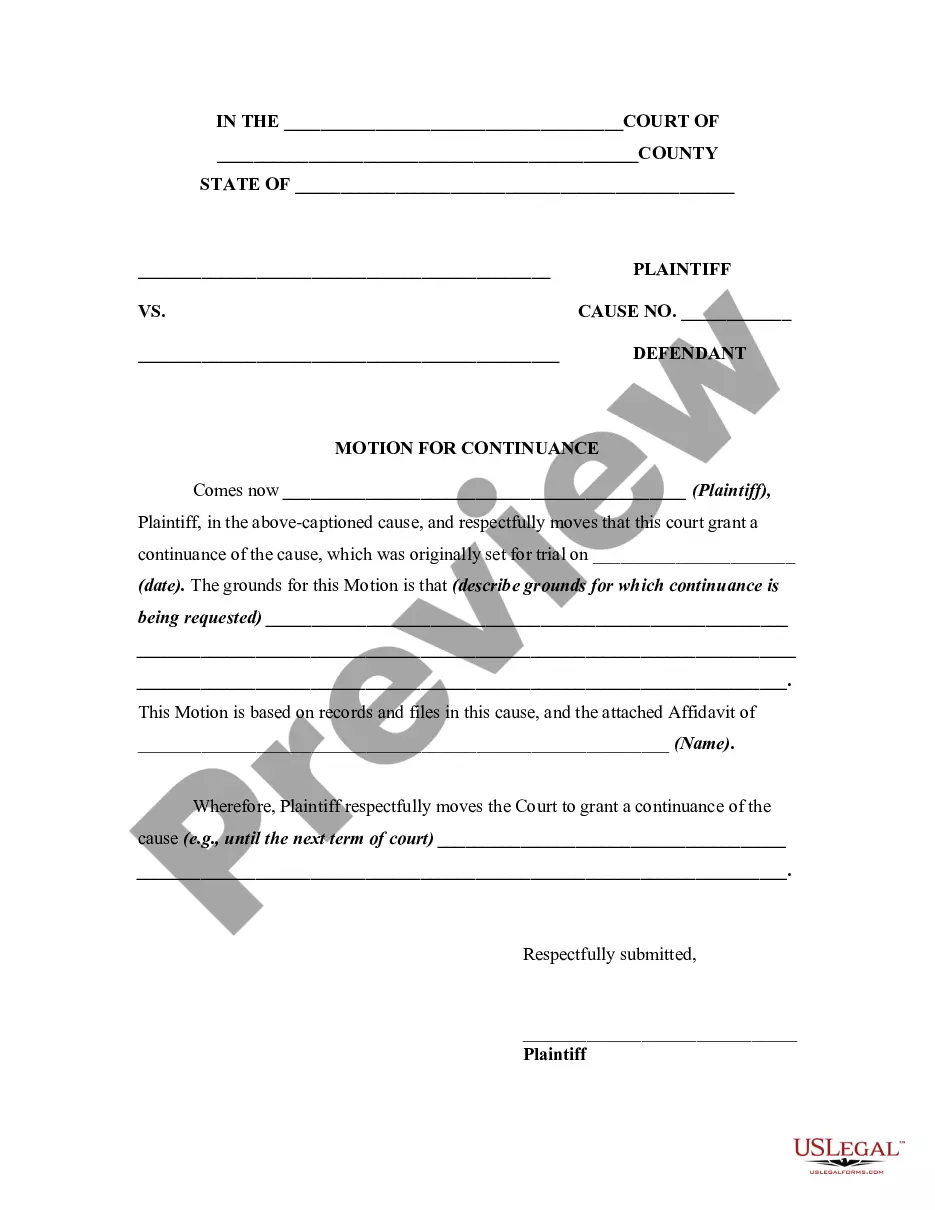
Free preview

Get your form ready online
Our built-in tools help you complete, sign, share, and store your documents in one place.
Built-in online Word editor
Make edits, fill in missing information, and update formatting in US Legal Forms—just like you would in MS Word.
Export easily
Download a copy, print it, send it by email, or mail it via USPS—whatever works best for your next step.
E-sign your document
Sign and collect signatures with our SignNow integration. Send to multiple recipients, set reminders, and more. Go Premium to unlock E-Sign.
Notarize online 24/7
If this form requires notarization, complete it online through a secure video call—no need to meet a notary in person or wait for an appointment.
Store your document securely
We protect your documents and personal data by following strict security and privacy standards.

Make edits, fill in missing information, and update formatting in US Legal Forms—just like you would in MS Word.

Download a copy, print it, send it by email, or mail it via USPS—whatever works best for your next step.

Sign and collect signatures with our SignNow integration. Send to multiple recipients, set reminders, and more. Go Premium to unlock E-Sign.

If this form requires notarization, complete it online through a secure video call—no need to meet a notary in person or wait for an appointment.

We protect your documents and personal data by following strict security and privacy standards.
Looking for another form?




How to fill out Motion Requesting Additional Time To Respond To Motion For Summary Judgment With Notice Of Motion?
Are you presently in a position where you require documents for either corporate or specific purposes almost every day.
There are numerous legal document templates accessible online, but locating reliable versions can be challenging.
US Legal Forms provides thousands of template options, such as the Oregon Motion Requesting Additional Time to Respond to Motion for Summary Judgment with Notice of Motion, which are designed to comply with federal and state regulations.
Once you find the correct form, just click Acquire now.
Choose the payment plan you prefer, fill in the required information to create your account, and complete the transaction using your PayPal or credit card.
- If you are already familiar with the US Legal Forms website and have an account, just Log In.
- Then, you can download the Oregon Motion Requesting Additional Time to Respond to Motion for Summary Judgment with Notice of Motion template.
- If you do not have an account and wish to start using US Legal Forms, follow these steps.
- Find the form you need and ensure it is for the correct city/county.
- Use the Review option to evaluate the form.
- Check the description to ensure you have selected the right form.
- If the form does not meet your needs, use the Lookup field to find the form that fits your requirements.
Form popularity
FAQ
Motion for Summary Judgment At least 60 days before trial date unless modified by court. ORCP 47 C. Response to Motion for Summary Judgment 20 days after motion for summary judgment is filed, unless modified by court.
LR 37-2 Time Limits Unless otherwise directed by the Court, the party against whom an order to compel has been entered must comply with the order within 14 days after the date of entry of the order.
The ?motion,? ?reply,? or ?answer? must be given to the court clerk or administrator within 30 days along with the required filing fee. It must be in proper form and have proof of service on the defendant's attorney or, if the defendant does not have an attorney, proof of service on the defendant.
A Time for filing motions and pleadings. An answer to a cross-claim or a motion responsive to a cross-claim must be filed within 30 days from the date of service of the cross-claim.
Response to Motion (Other Than Motion For Summary Judgment) 14 days from service or filing of the motion, whichever is later.
If you have been served with a Small Claim, you have 14 calendar days to file your response. If the response is not received by the court within that time, the plaintiff may request a default judgment against you for the amount claimed plus filing fees, service costs, and a prevailing party fee.
Under Oregon law, the majority of civil actions must be filed within two years, including claims related to personal injury, defamation, fraud, and medical malpractice. There is a six-year statute of limitations for injury to personal property, trespassing, contracts, and debt collection.
An answer to a complaint or to a third-party complaint, or a motion responsive to either pleading, must be filed with the clerk within the time required by Rule 7 C(2) to appear and defend. If the summons is served by publication, the defendant must appear and defend within 30 days of the date of first publication.