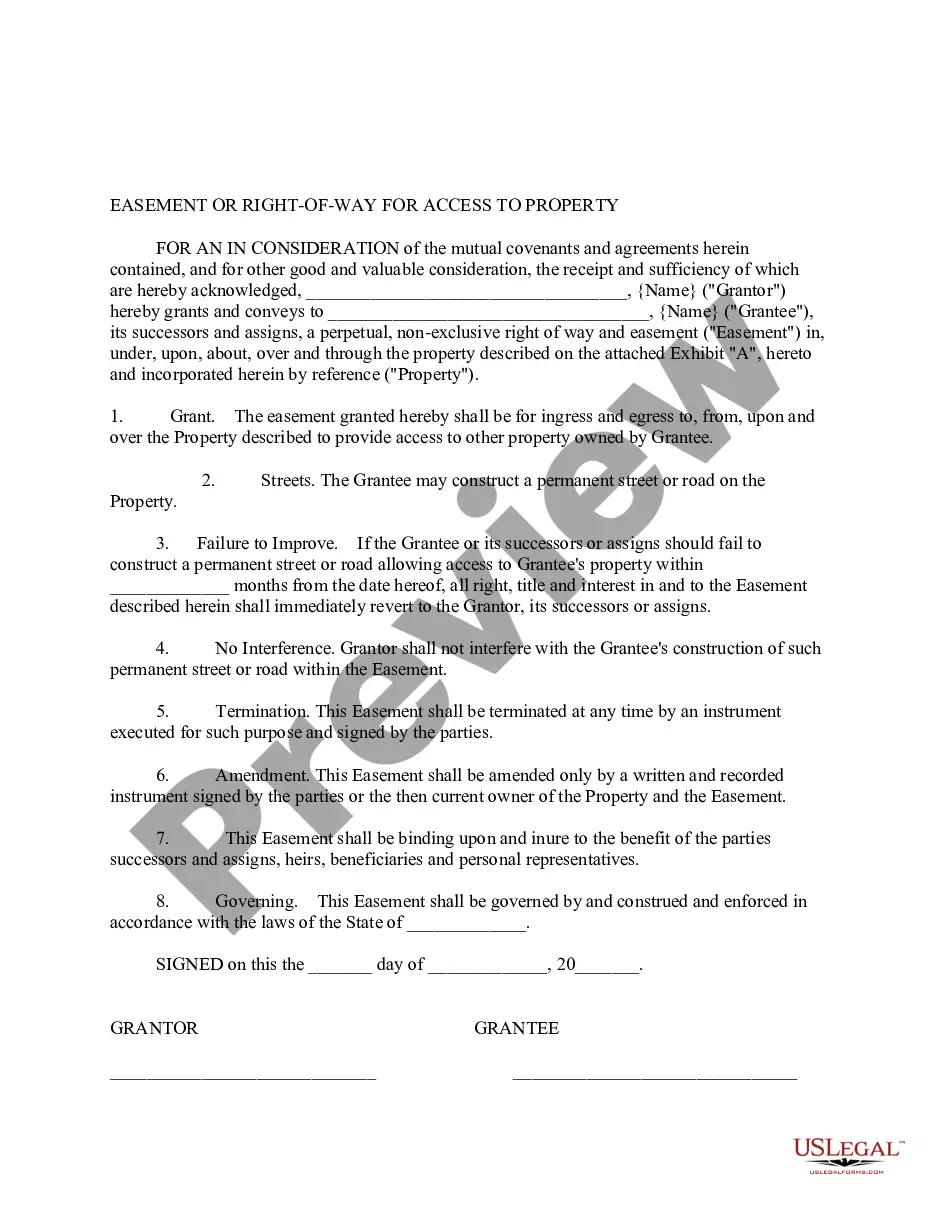
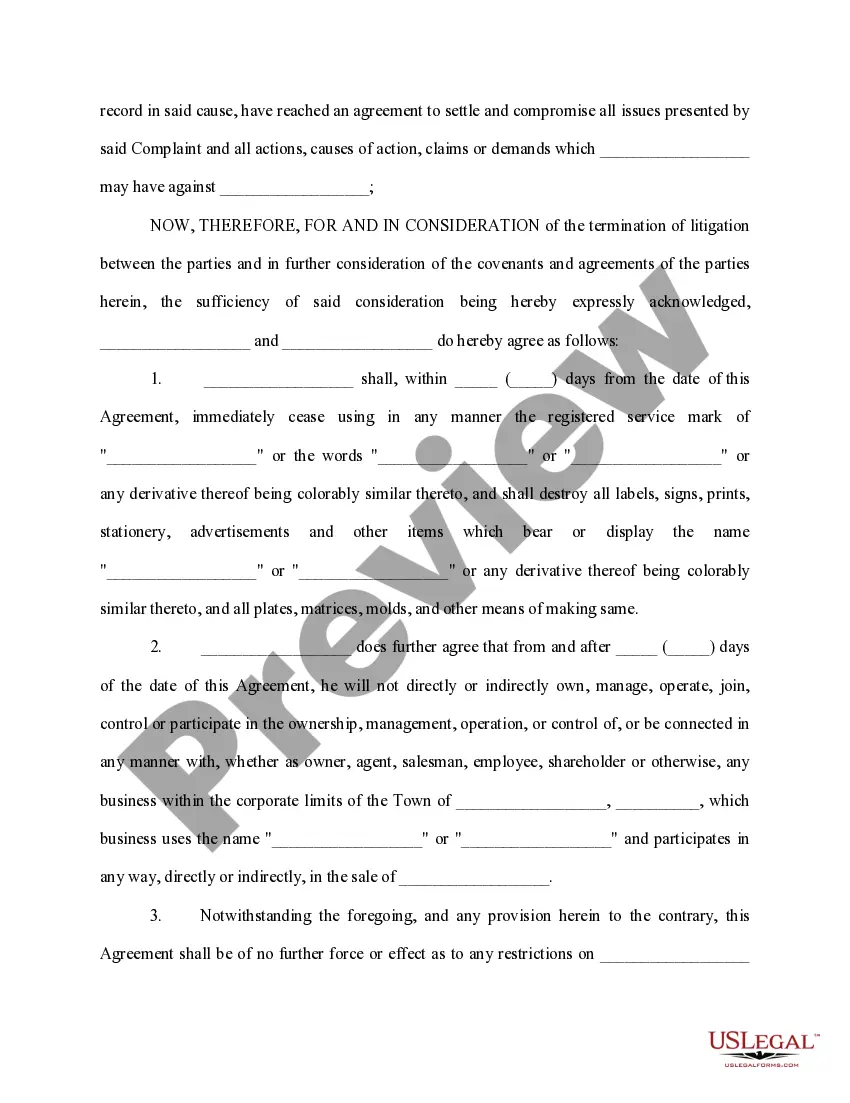
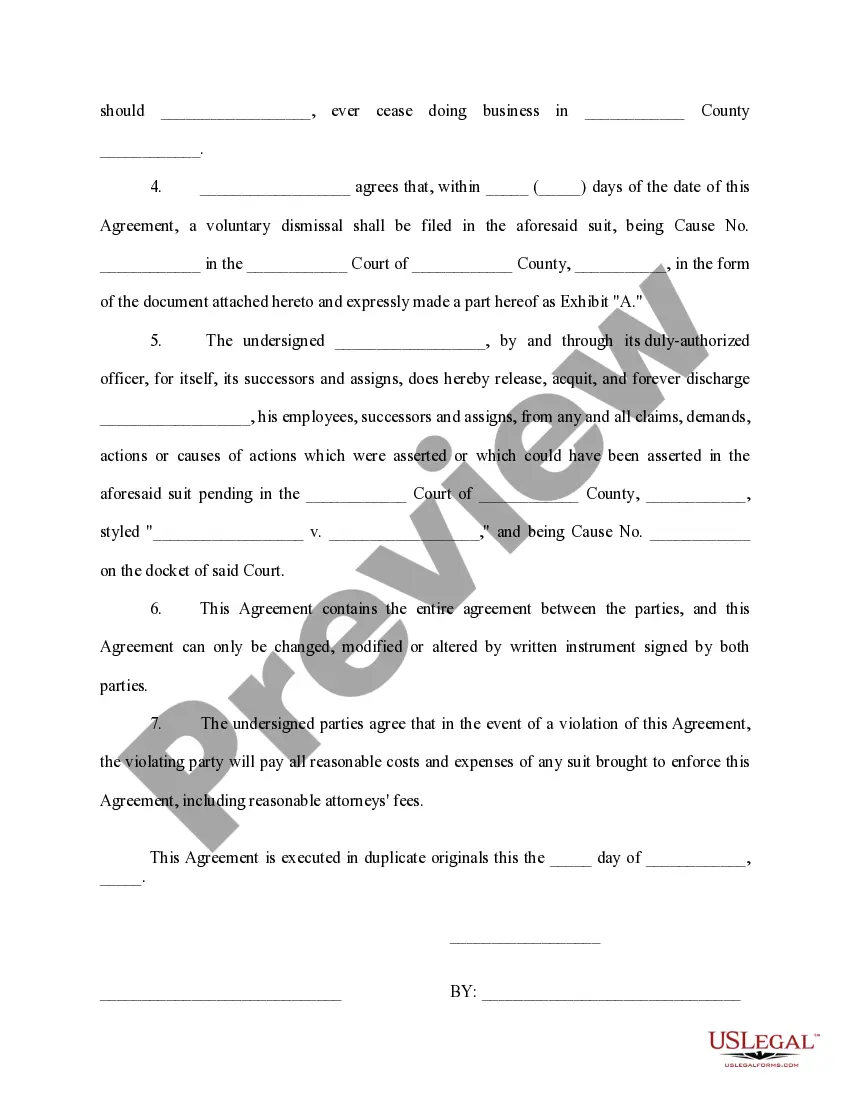
Oregon Settlement Agreement Tradename
Description
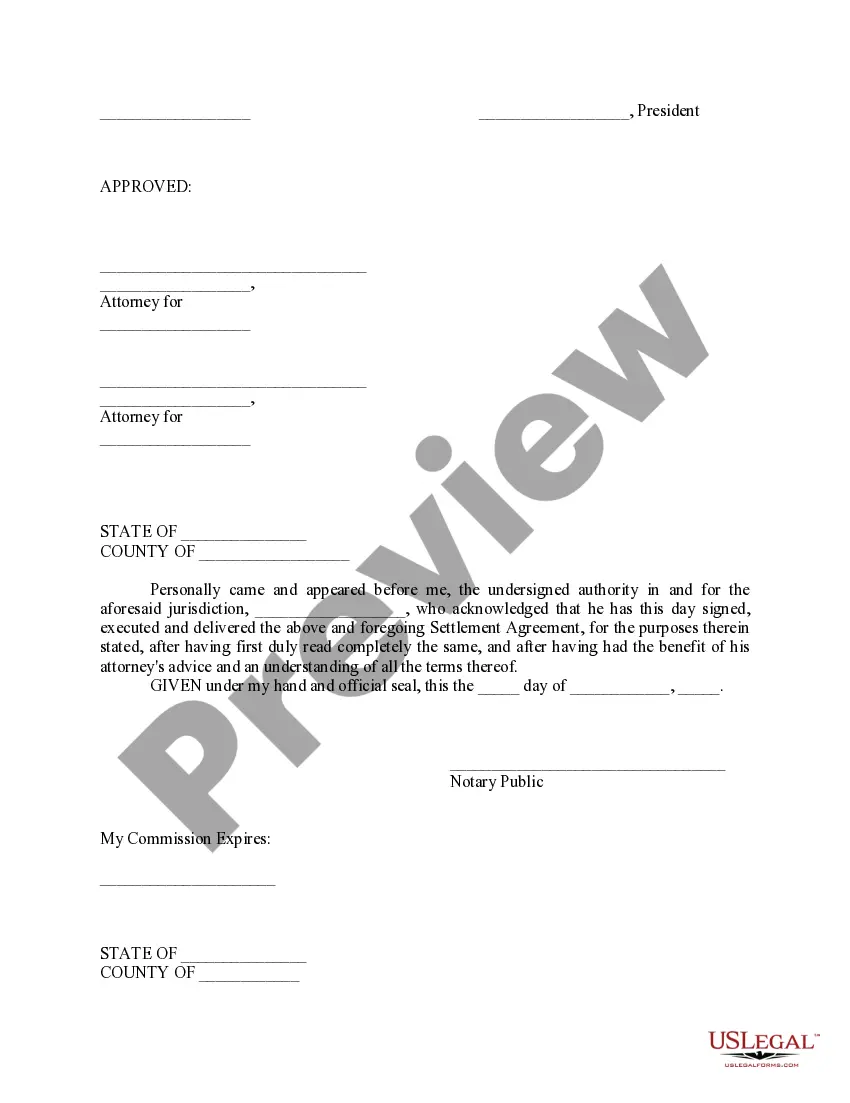
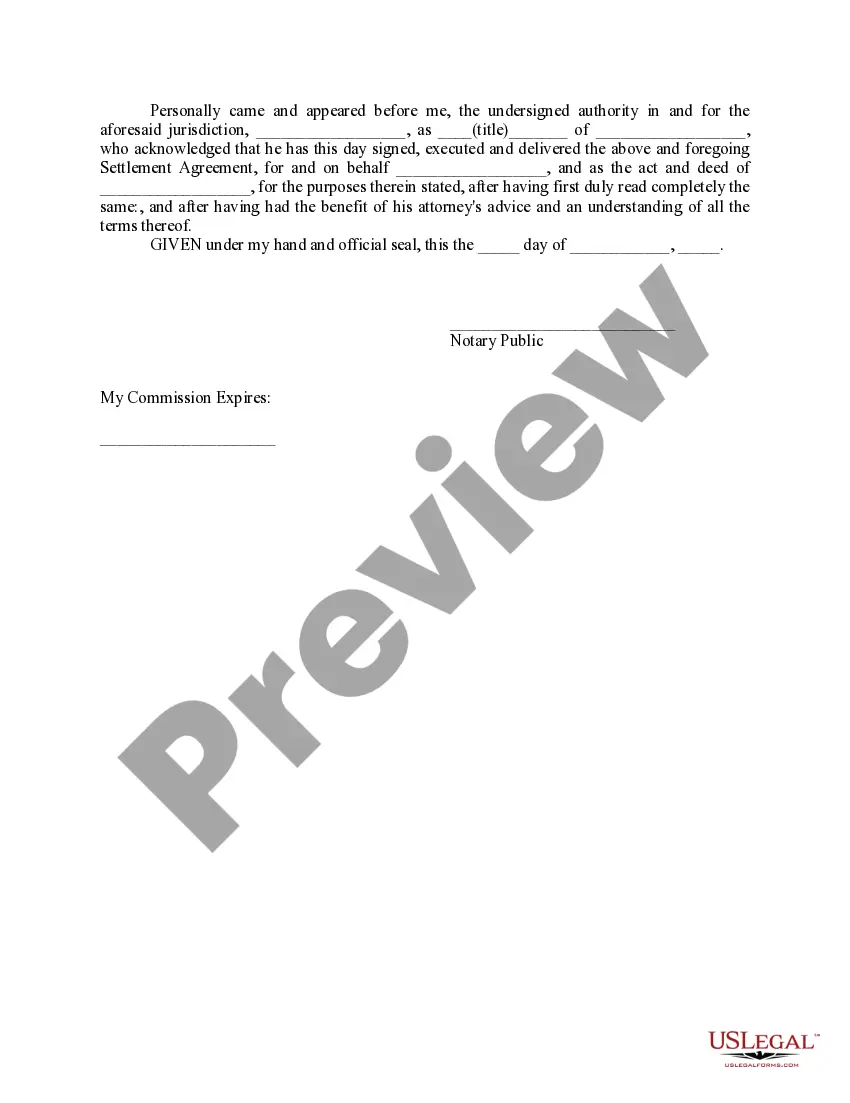
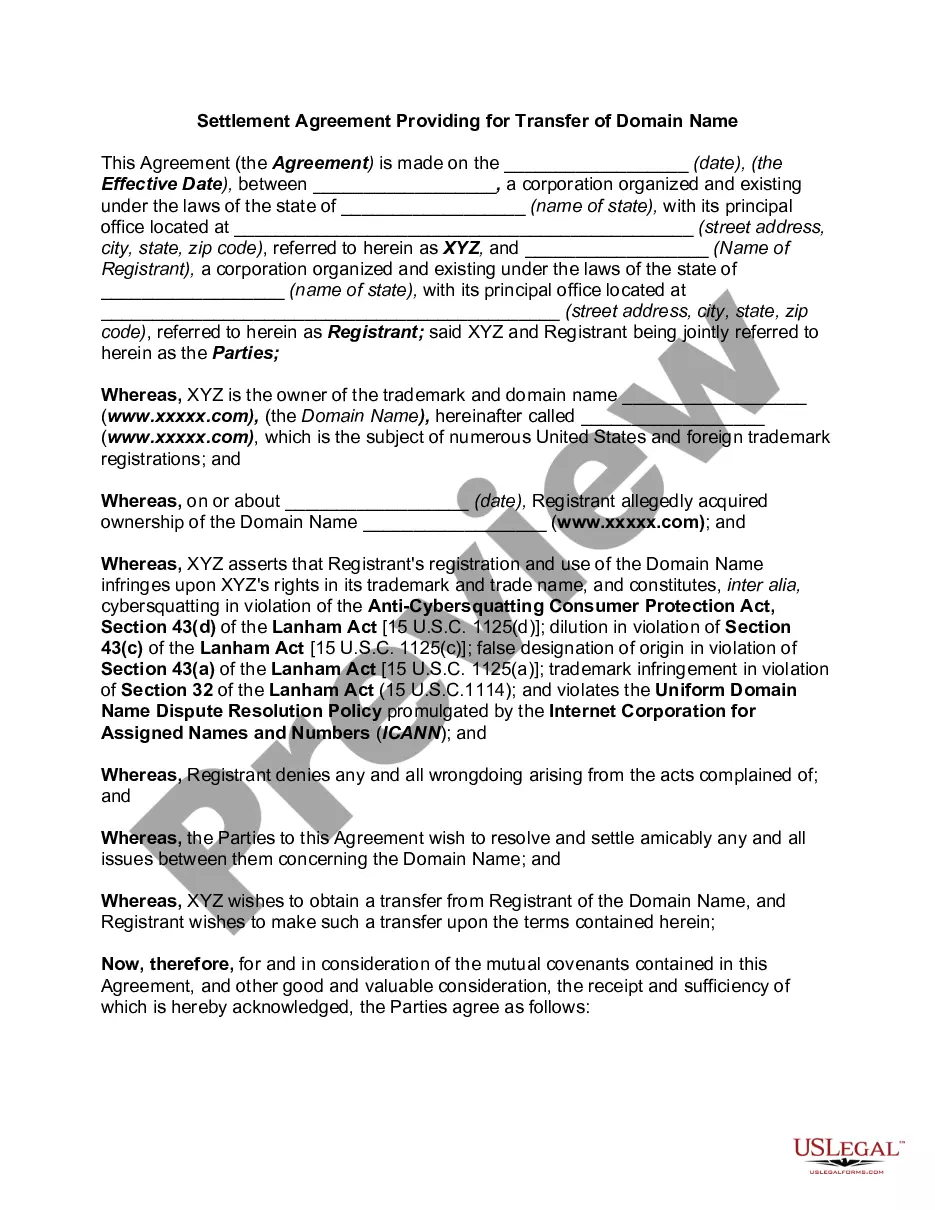
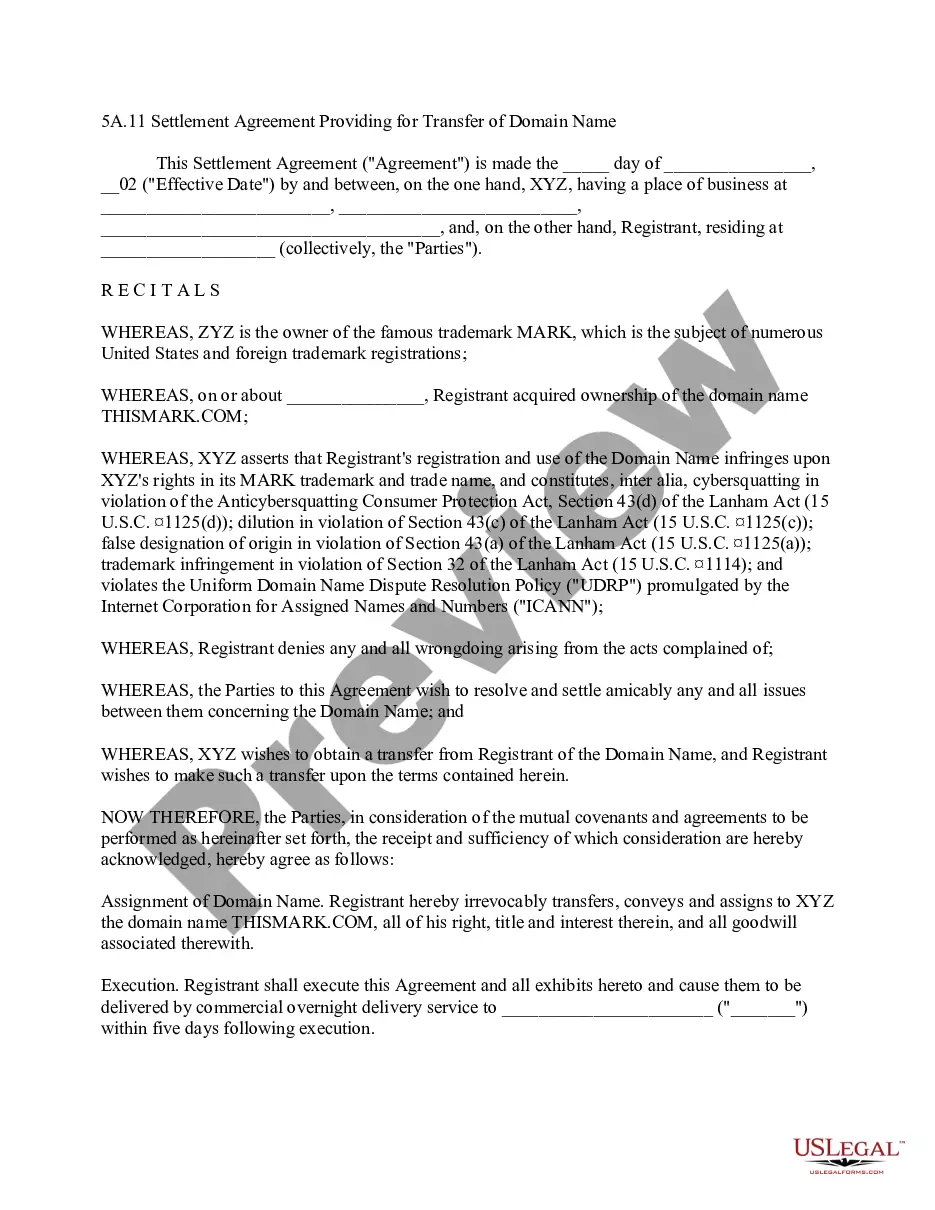
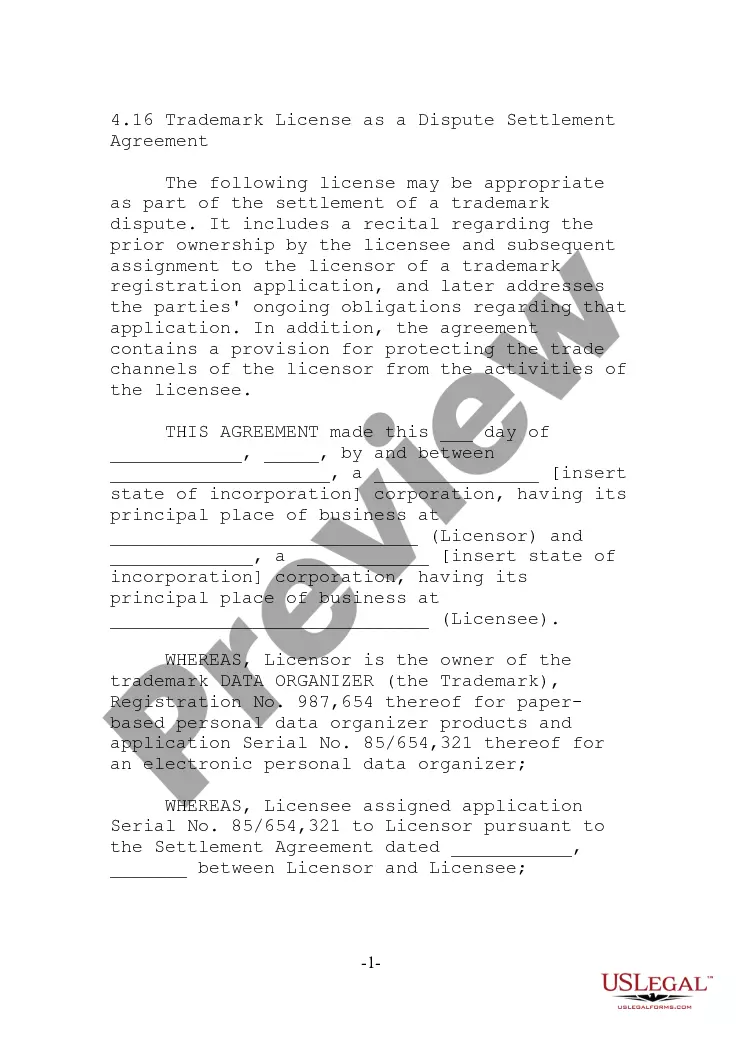
Get your form ready online
Our built-in tools help you complete, sign, share, and store your documents in one place.
Make edits, fill in missing information, and update formatting in US Legal Forms—just like you would in MS Word.
Download a copy, print it, send it by email, or mail it via USPS—whatever works best for your next step.
Sign and collect signatures with our SignNow integration. Send to multiple recipients, set reminders, and more. Go Premium to unlock E-Sign.
If this form requires notarization, complete it online through a secure video call—no need to meet a notary in person or wait for an appointment.
We protect your documents and personal data by following strict security and privacy standards.

Make edits, fill in missing information, and update formatting in US Legal Forms—just like you would in MS Word.

Download a copy, print it, send it by email, or mail it via USPS—whatever works best for your next step.

Sign and collect signatures with our SignNow integration. Send to multiple recipients, set reminders, and more. Go Premium to unlock E-Sign.

If this form requires notarization, complete it online through a secure video call—no need to meet a notary in person or wait for an appointment.

We protect your documents and personal data by following strict security and privacy standards.
Looking for another form?

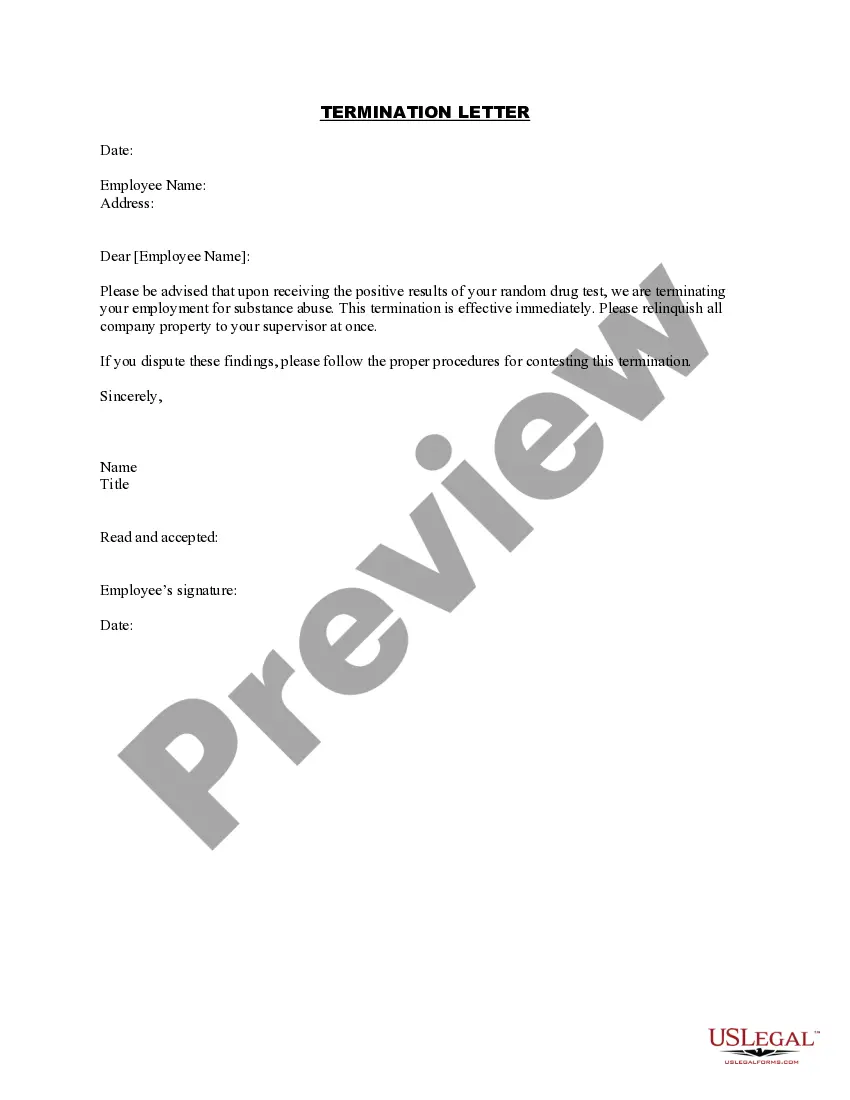

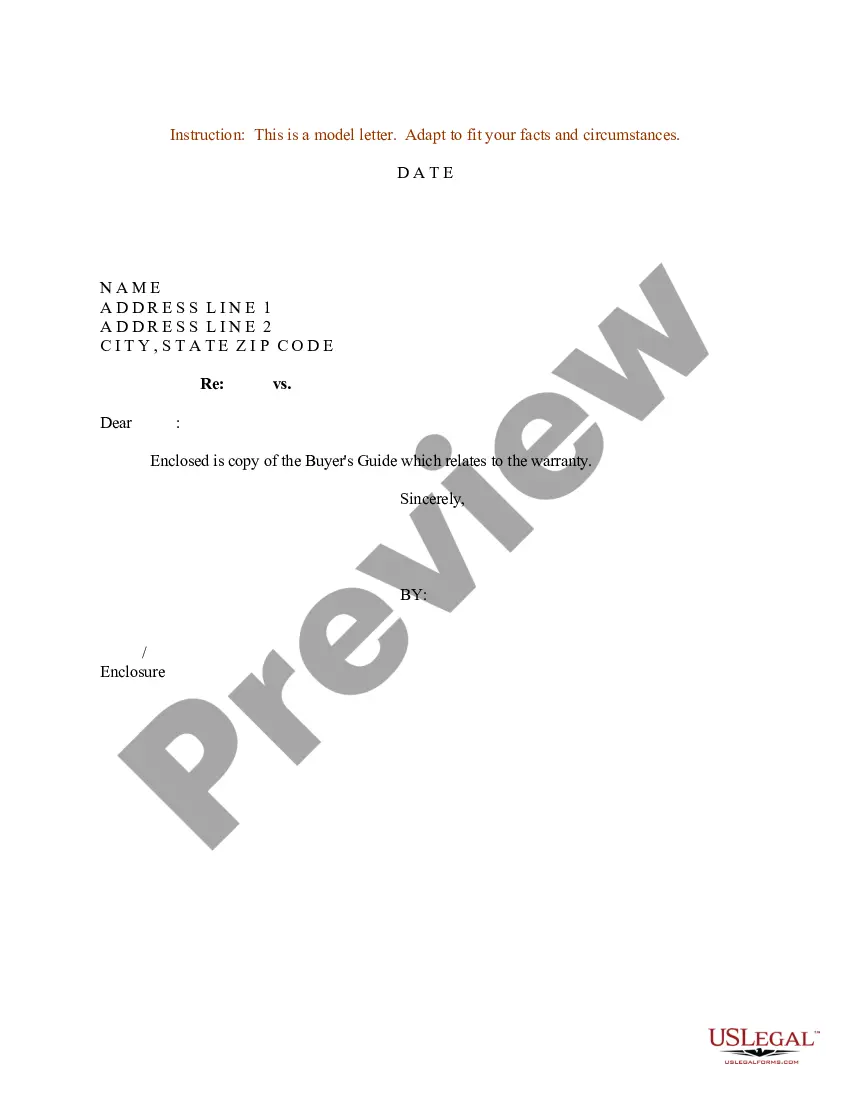

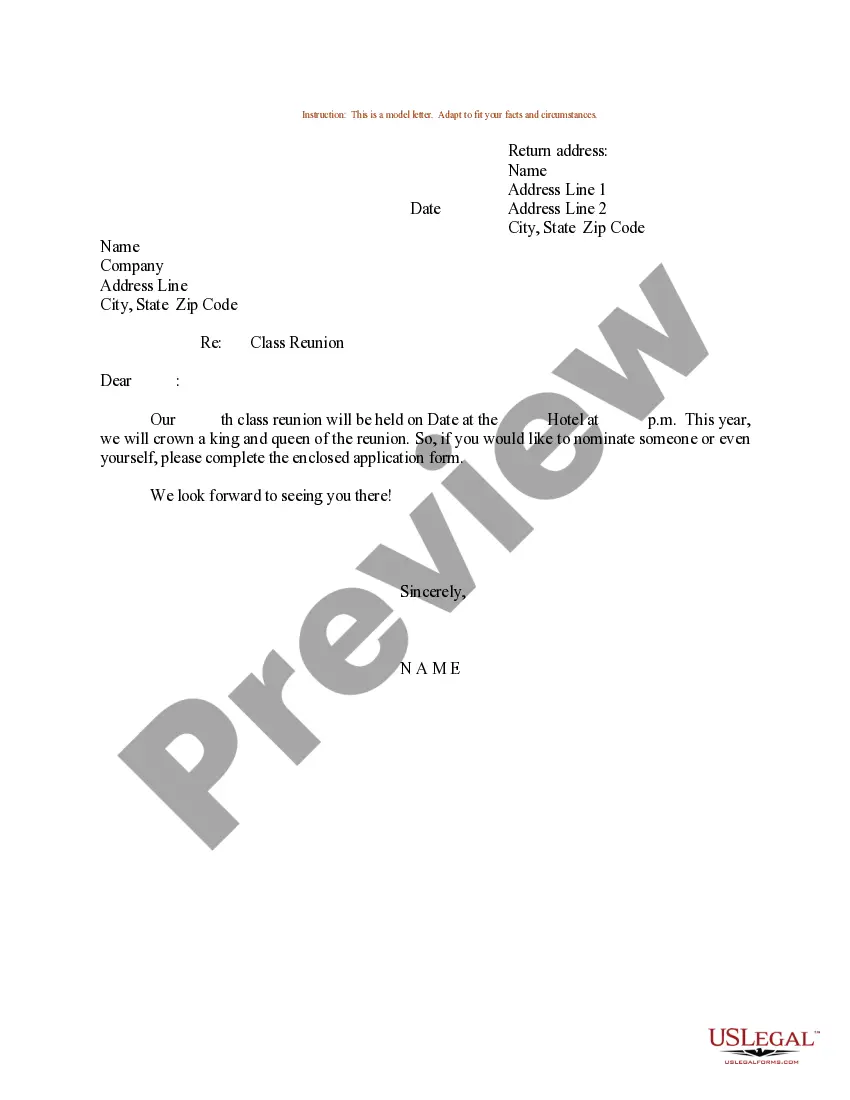
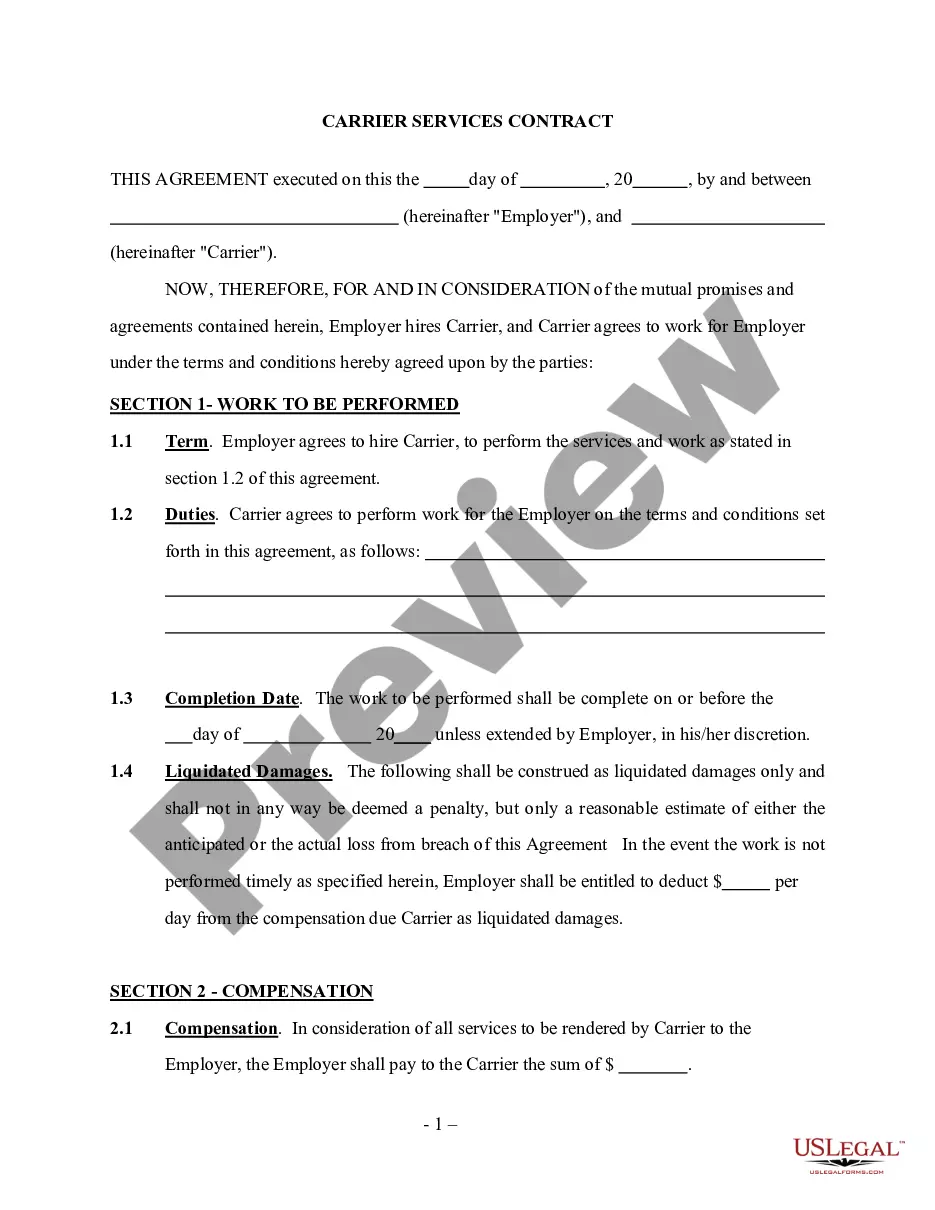

How to fill out Settlement Agreement Tradename?
If you want to finalize, download, or create legal document templates, utilize US Legal Forms, the largest selection of legal forms available online.
Take advantage of the site’s straightforward and convenient search to find the documents you require.
Numerous templates for business and personal purposes are organized by categories and states, or keywords.
Step 4. Once you have found the form you need, click the Get now button. Choose the pricing plan you prefer and enter your information to register for an account.
Step 5. Process the transaction. You can use your credit card or PayPal account to complete the purchase. Step 6. Select the format of the legal form and download it to your device. Step 7. Complete, edit, and print or sign the Oregon Settlement Agreement Tradename. Each legal document template you purchase is yours permanently. You will have access to every form you saved in your account. Visit the My documents section and select a form to print or download again. Compete and download, and print the Oregon Settlement Agreement Tradename with US Legal Forms. There are thousands of professional and state-specific forms you can utilize for your business or personal needs.
- Utilize US Legal Forms to obtain the Oregon Settlement Agreement Tradename in just a few clicks.
- If you are already a US Legal Forms user, Log In to your account and click the Download button to retrieve the Oregon Settlement Agreement Tradename.
- You can also access forms you previously saved in the My documents section of your account.
- If you are using US Legal Forms for the first time, follow these steps.
- Step 1. Ensure you have selected the form for the correct city/state.
- Step 2. Utilize the Preview option to review the form’s details. Don’t forget to read the summary.
- Step 3. If you are dissatisfied with the form, use the Search field at the top of the page to find alternative versions of the legal form template.
Form popularity
FAQ
Trademark process Step 1: Is a trademark application right for you? ... Step 2: Get ready to apply. ... Step 3: Prepare and submit your application. ... Step 4: Work with the assigned USPTO examining attorney. ... Step 5: Receive approval/denial of your application. ... Step 6: Maintain your registration.
Some instances of infringement are clear. If, for example, you have a jewelry company with a trademarked name of Romantic Stones, and another company comes along and starts selling jewelry under the name Romantic Stones, you have a pretty clear-cut claim for trademark infringement on your hands.
To support a trademark infringement claim in court, a plaintiff must prove that it owns a valid mark, that it has priority (its rights in the mark(s) are "senior" to the defendant's), and that the defendant's mark is likely to cause confusion in the minds of consumers about the source or sponsorship of the goods or ...
Trademark Infringement A business can be sued if the name or logo is created to trick clients into thinking they are buying a different product produced by a contending company.
A tort is defined as ?a wrongful act or an infringement of a right (other than under contract) leading to civil legal liability.? A tort occurs when a person wrongs someone else in a way that exposes the offender to legal liability.
Trademark infringement is defined as the unauthorized use of a trademark or service mark. This use can be in connection with goods or services and may lead to confusion, deception, or a misunderstanding about the actual company a product or service came from.
§ 1125(a), the plaintiff must demonstrate that (1) it has a valid and legally protectable mark; (2) it owns the mark; and (3) the defendant's use of the mark to identify goods or services causes a likelihood of confusion.
The lack of a federal registration means you will not have a presumption of ownership, but you can still sue an infringer for trademark infringement since the Lanham Act allows for lawsuits based on unregistered trademarks.