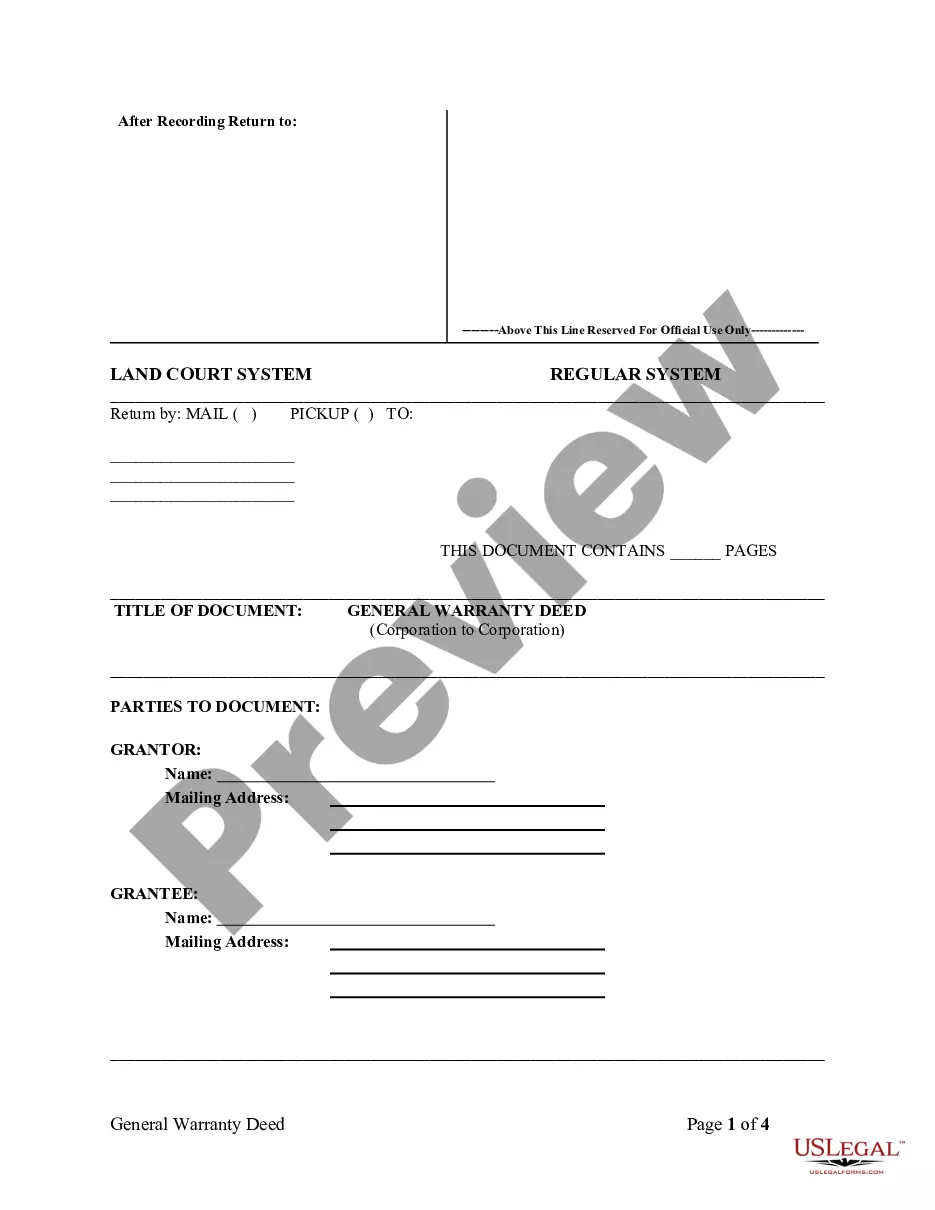
Oregon Motion and Affidavit for Order to Show Cause regarding Enforcement of Parenting
Overview of this form
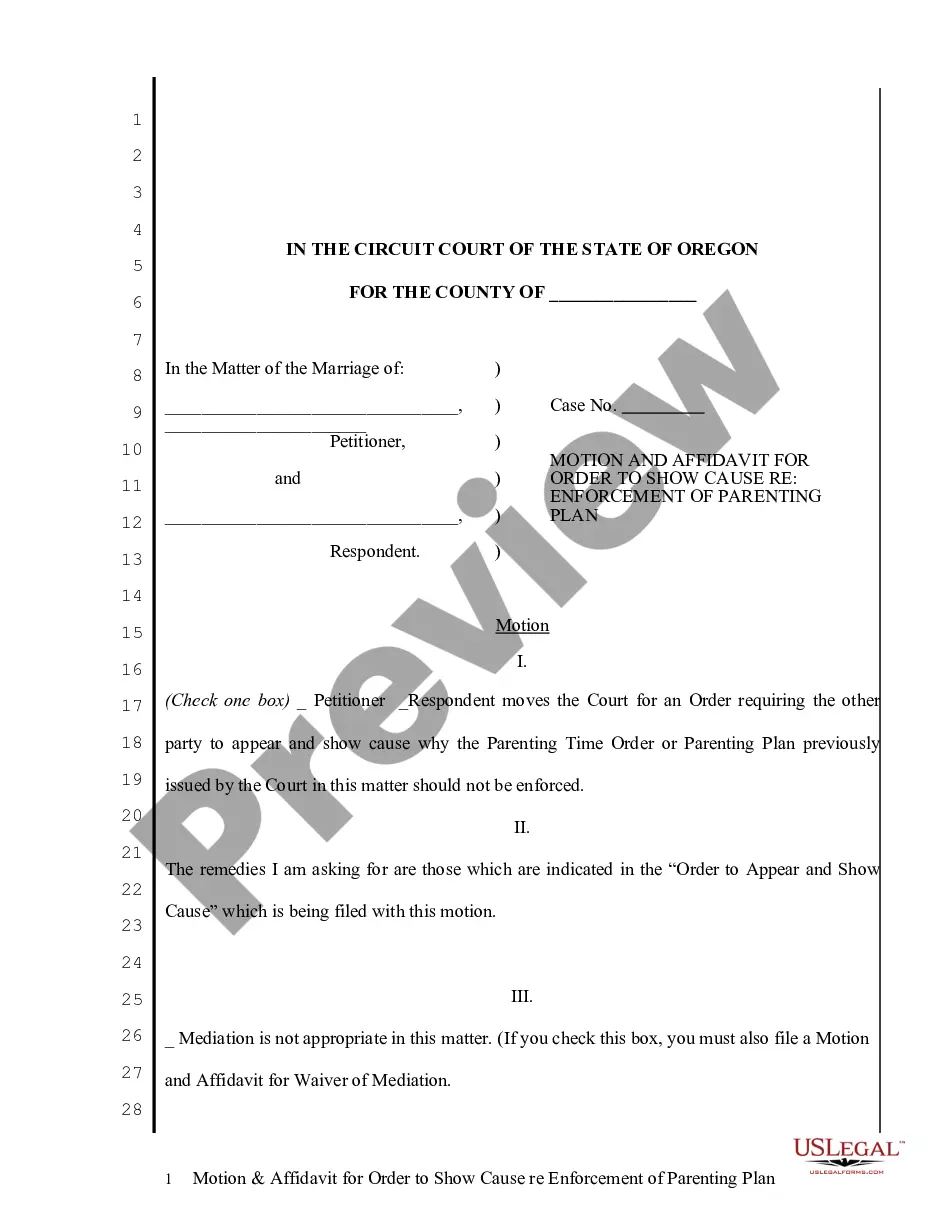
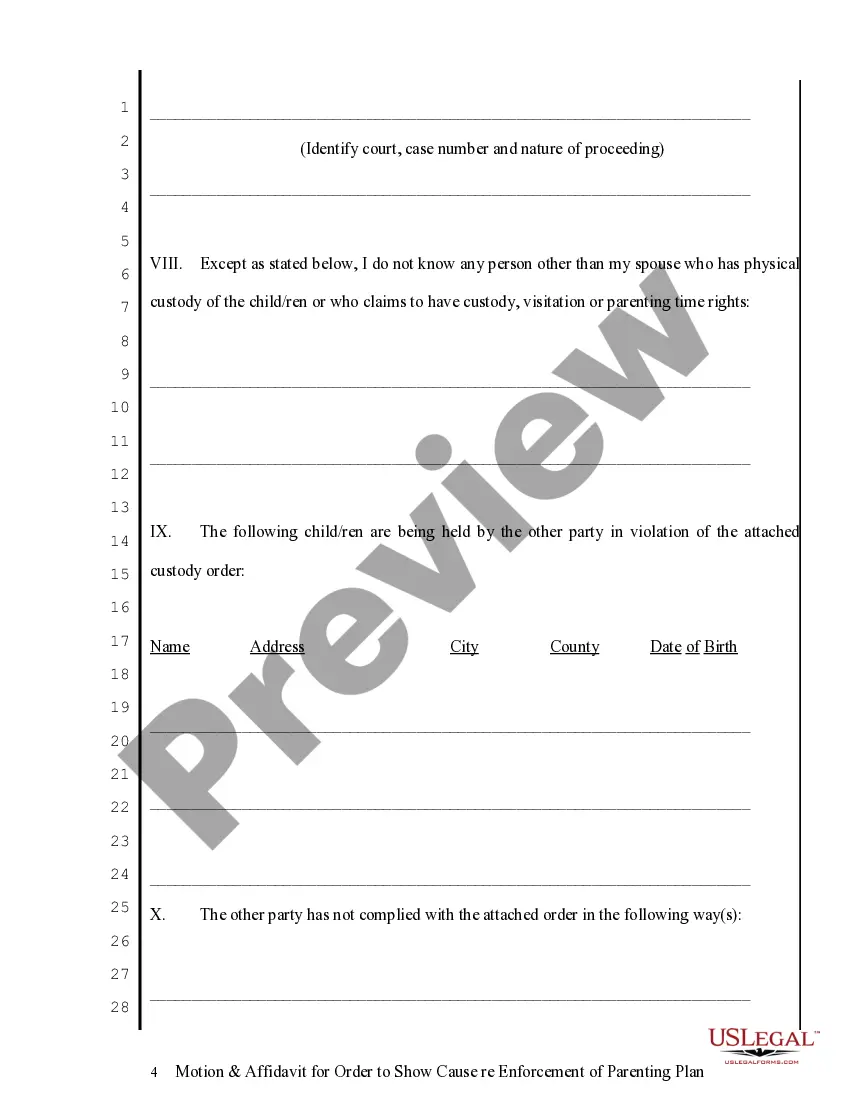
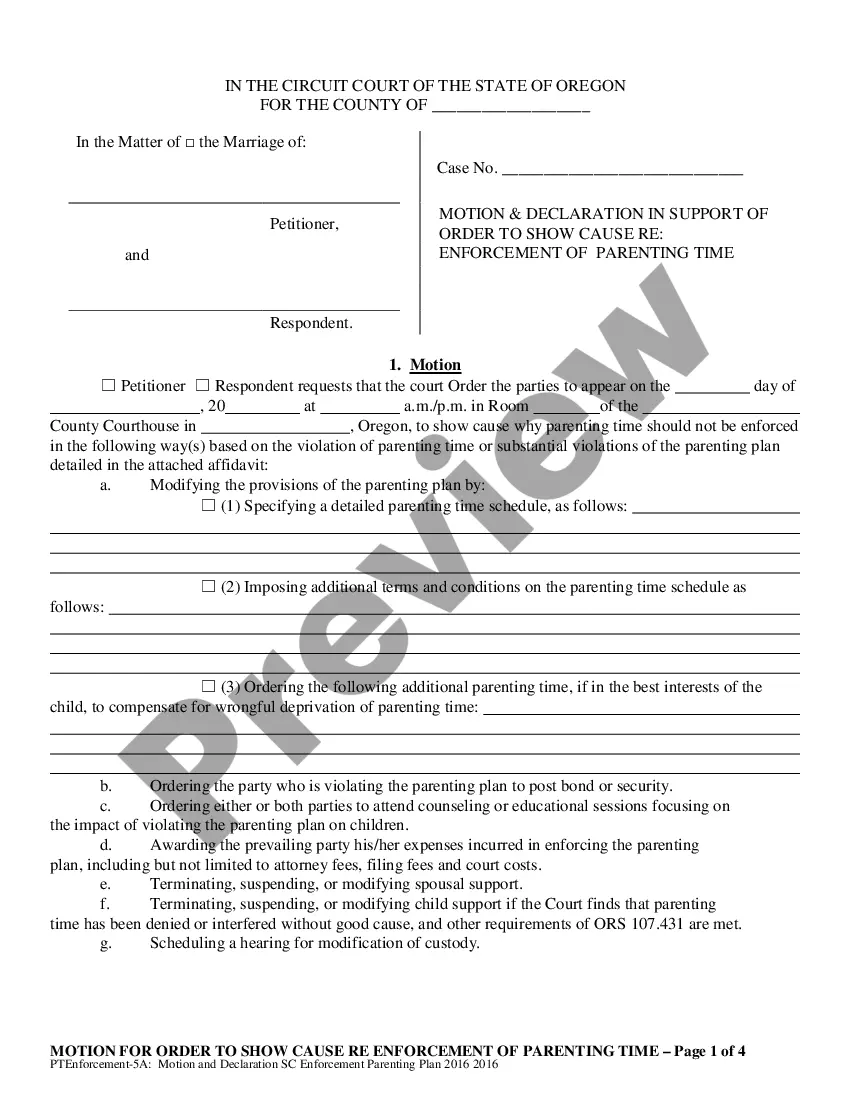
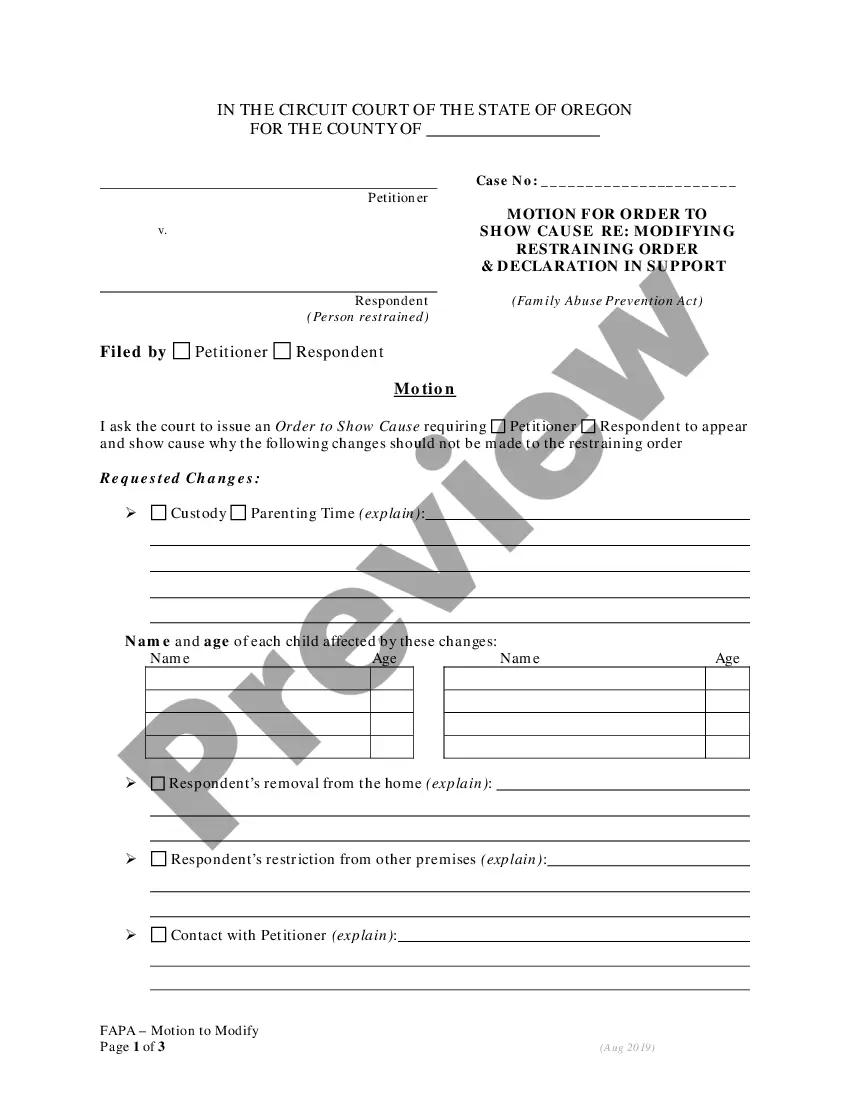
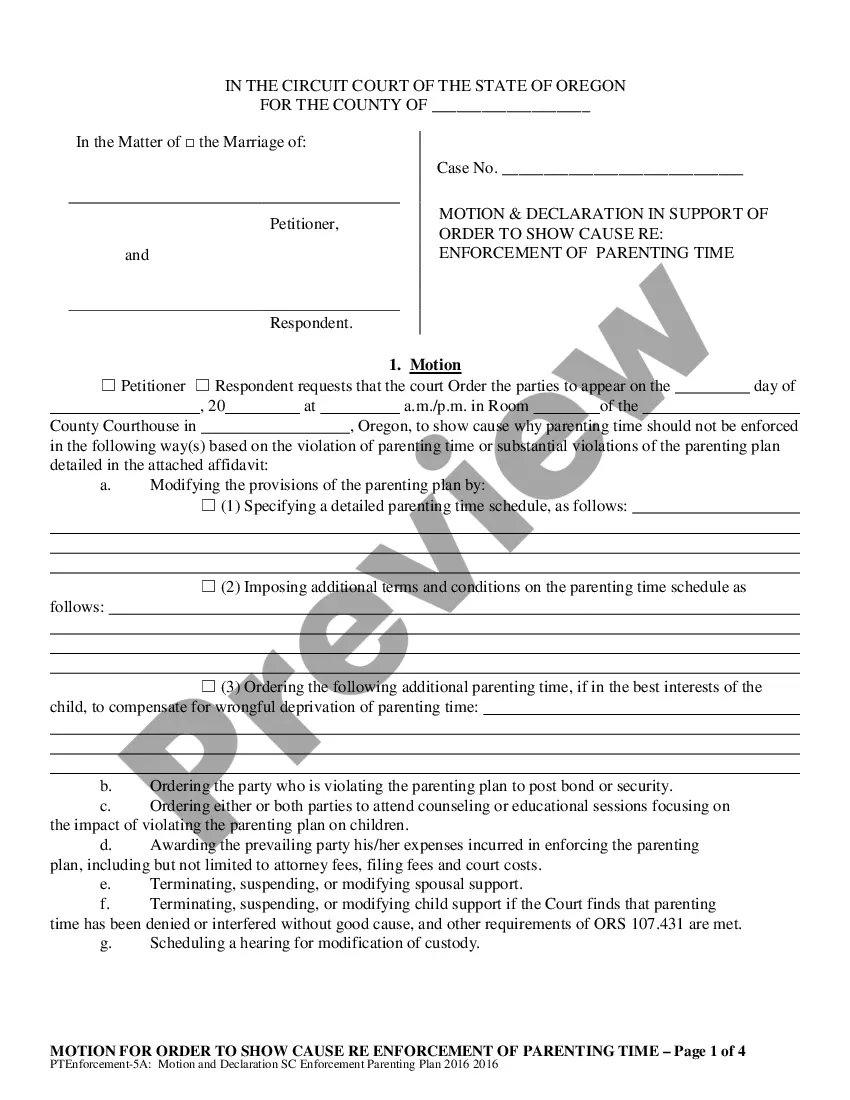
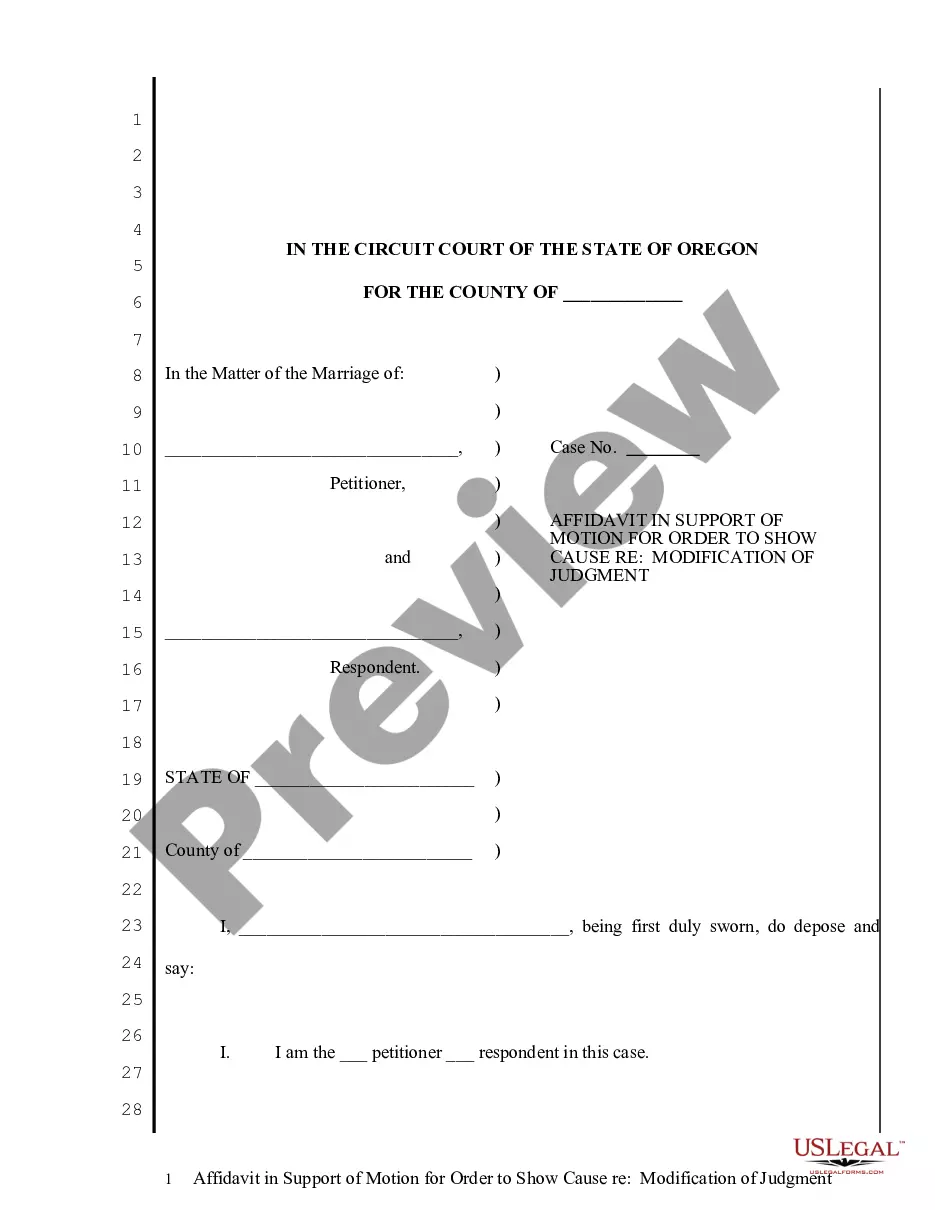
The Motion and Affidavit for Order to Show Cause regarding Enforcement of Parenting is a legal document used to request court intervention when a party believes that a prior parenting time order or parenting plan is not being followed. This form allows the requesting party, known as the affiant, to seek enforcement of these orders by compelling the other party to explain why the existing arrangement should not be enforced, ensuring that the rights of the involved children are upheld.
Main sections of this form
- Identification of the Petitioner's and Respondent's roles in the case.
- Details about the remedies being sought to enforce the parenting order.
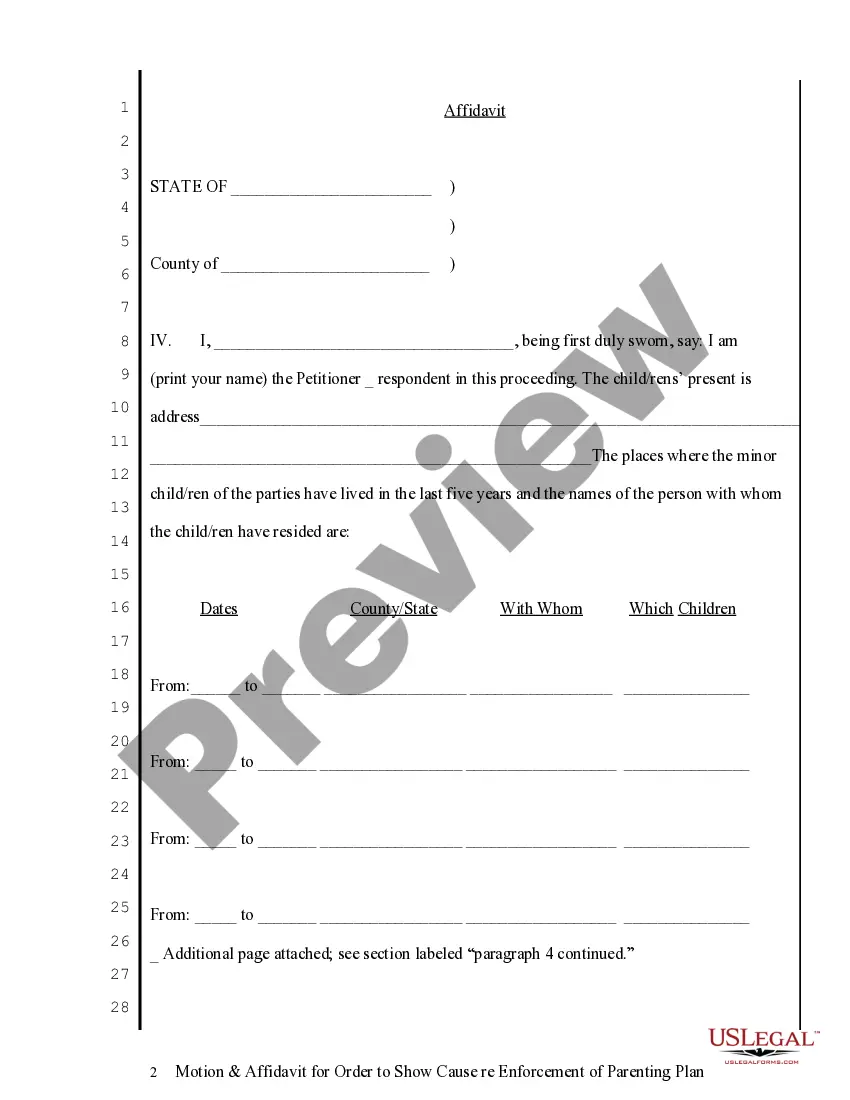
- Information on the living situations of children over the past five years.
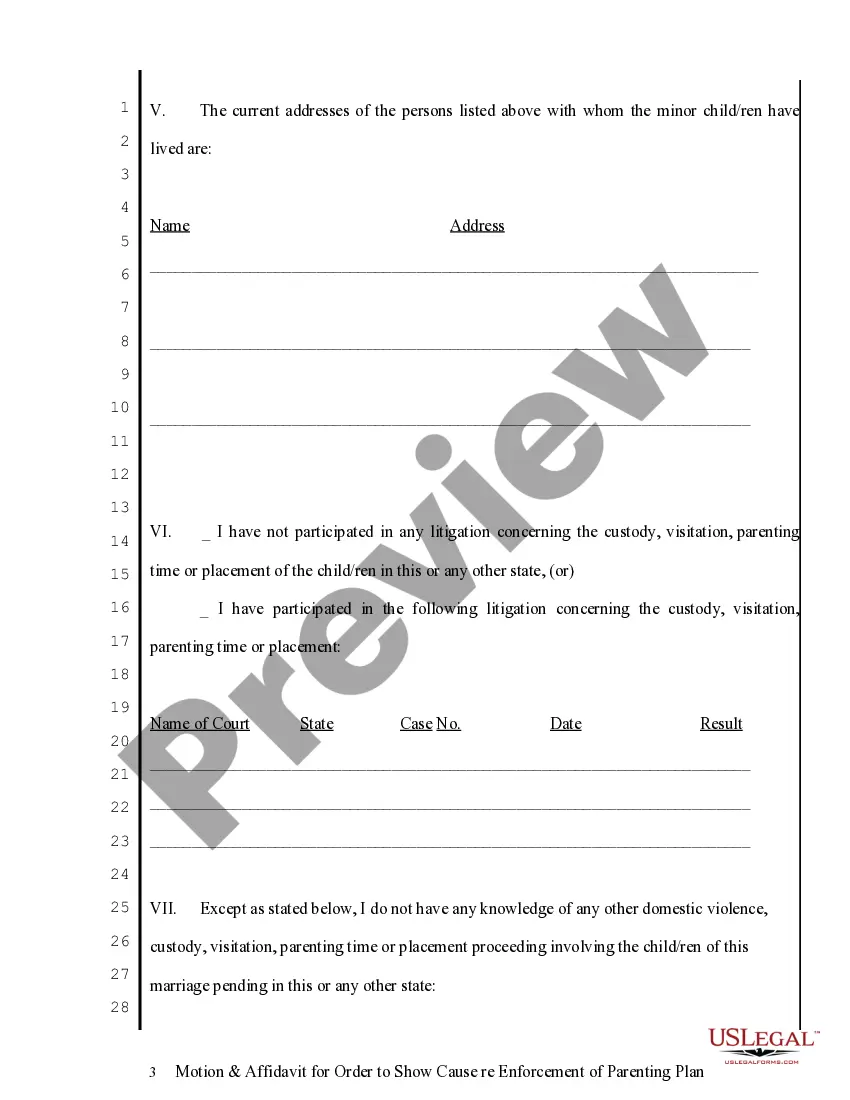
- Disclosure of any previous or ongoing custody litigations.
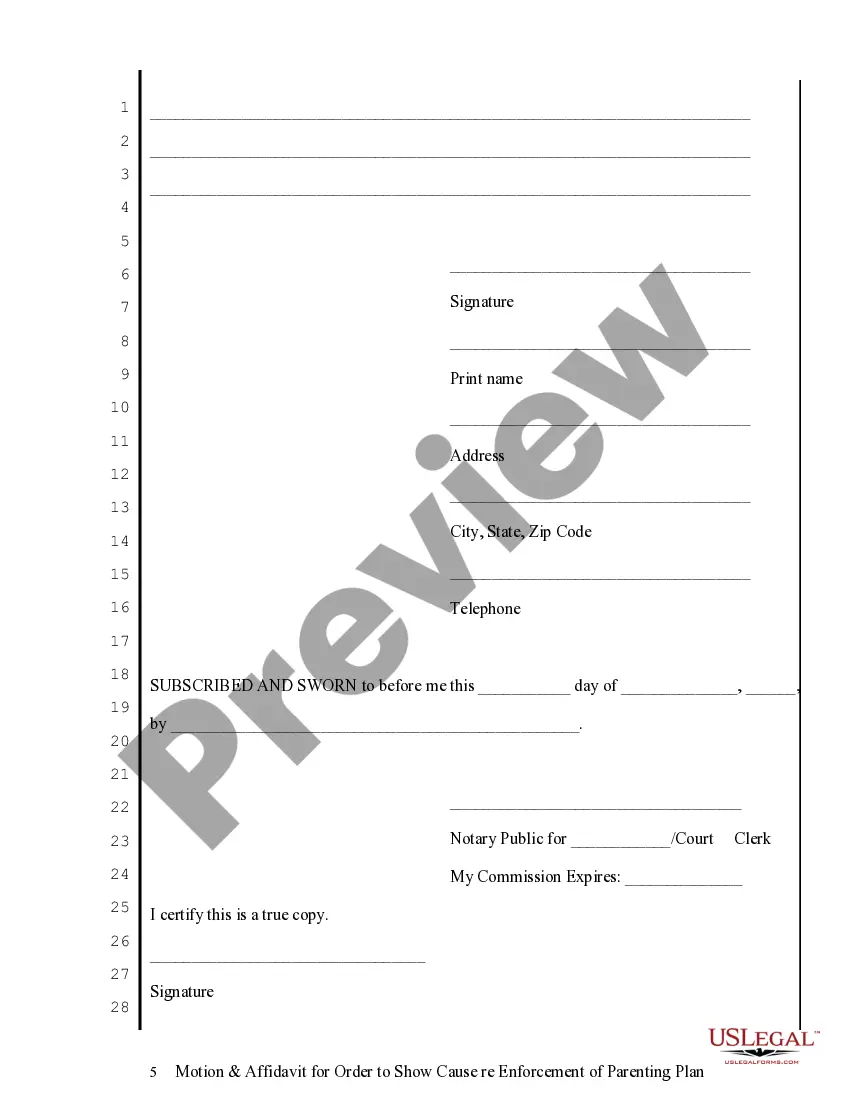
- Affiant's signature and notarization requirements for validation.
Situations where this form applies
This form should be used when a parent or guardian believes that the other parent is not adhering to an existing parenting time order or parenting plan established by the court. Situations for using this form include instances where the other party denies access to the children, fails to comply with visitation schedules, or otherwise violates the agreed-upon parenting plan.
Who should use this form
- Parents or guardians involved in a custody dispute.
- Individuals seeking to enforce a court-ordered parenting plan.
- Those who have previously established a parenting time order but face non-compliance issues.
How to prepare this document
- Identify yourself as either the Petitioner or Respondent and provide case information.
- Clearly outline the requested remedies and the reasons for enforcement.
- Detail the living history of the minor children over the past five years.
- Disclose any prior litigation concerning custody or visitation.
- Sign the affidavit in the presence of a notary public in order to validate the motion.
Notarization guidance
This document requires notarization to meet legal standards. US Legal Forms provides secure online notarization powered by Notarize, allowing you to complete the process through a verified video call, available 24/7.
Get your form ready online
Our built-in tools help you complete, sign, share, and store your documents in one place.
Make edits, fill in missing information, and update formatting in US Legal Forms—just like you would in MS Word.
Download a copy, print it, send it by email, or mail it via USPS—whatever works best for your next step.
Sign and collect signatures with our SignNow integration. Send to multiple recipients, set reminders, and more. Go Premium to unlock E-Sign.
If this form requires notarization, complete it online through a secure video call—no need to meet a notary in person or wait for an appointment.
We protect your documents and personal data by following strict security and privacy standards.

Make edits, fill in missing information, and update formatting in US Legal Forms—just like you would in MS Word.

Download a copy, print it, send it by email, or mail it via USPS—whatever works best for your next step.

Sign and collect signatures with our SignNow integration. Send to multiple recipients, set reminders, and more. Go Premium to unlock E-Sign.

If this form requires notarization, complete it online through a secure video call—no need to meet a notary in person or wait for an appointment.

We protect your documents and personal data by following strict security and privacy standards.
Mistakes to watch out for
- Failing to provide complete and accurate contact information for all parties involved.
- Not including necessary details about previous litigation, which can affect the case.
- Omitting the notary public's signature, which may render the affidavit invalid.
Advantages of online completion
- Convenience of accessing and completing the form from home.
- Editable templates to ensure accuracy and personalization.
- Reduction in the likelihood of errors due to guided steps.
Quick recap
- This form is essential for enforcing existing parenting orders.
- Completing the form accurately is crucial for legal effectiveness.
- Notarization is a mandatory step in the filing process.
- Understanding when to use this form can lead to smoother resolution of custody disputes.
Looking for another form?

Form popularity
FAQ
When a parent violates a court-ordered or agreed-upon parenting plan, they run the risk of being held in contempt of court. Not only that, but they could face custody and visitation-related consequences if the court considers it to be a serious and consistent enough issue.
The legal definition of an unfit parent is when the parent through their conduct fails to provide proper guidance, care, or support. Also, if there is abuse, neglect, or substance abuse issues, that parent will be deemed unfit.
If one parent does not follow the custody and visitation court order.File an action for contempt with the court. In contempt actions, you ask the court to enforce the order and make a finding that the other parent willfully disobeyed the court order. This is very complicated and can have serious consequences.
Factors that can lead a court to deem a parent unfit include: Instances of abuse or neglect; Willing failure to provide the child with basic necessities or needs; Abandonment of the child or children; or.
A parenting plan is not legally enforceable and is different from a parenting order, which is made by a court.Once made, these orders are legally binding they have the same effect as any other parenting order made by a court.
Oregon Custody Law Does Not Favor Either Parent Fathers' rights in Oregon are viewed as equal to mothers' rights. Instead, according to Oregon custody law, courts largely base their decisions on what is in the best interests of the child.
When a court makes an order about children it is called a parenting order. Like other court orders, parenting orders are legally binding and enforceable on the parties involved. If both parents agree to parenting orders being made, an application can be made to the court for parenting orders to be made by agreement.
If the parents agree about the terms of the parenting arrangement, they can ask a Court to make parenting orders in line with their agreement. These are called Consent Orders. If there is no agreement between the parents, the Court will make parenting orders after a hearing or trial. Parenting orders are enforceable.
An unsafe environment that poses threats for your children and are instances where a court will step-in include: Physical abuse to intentionally harm the child's body or mind. Neglecting the child by failing to give them what he/she needs. Failure to supply enough food or appropriate medical care.