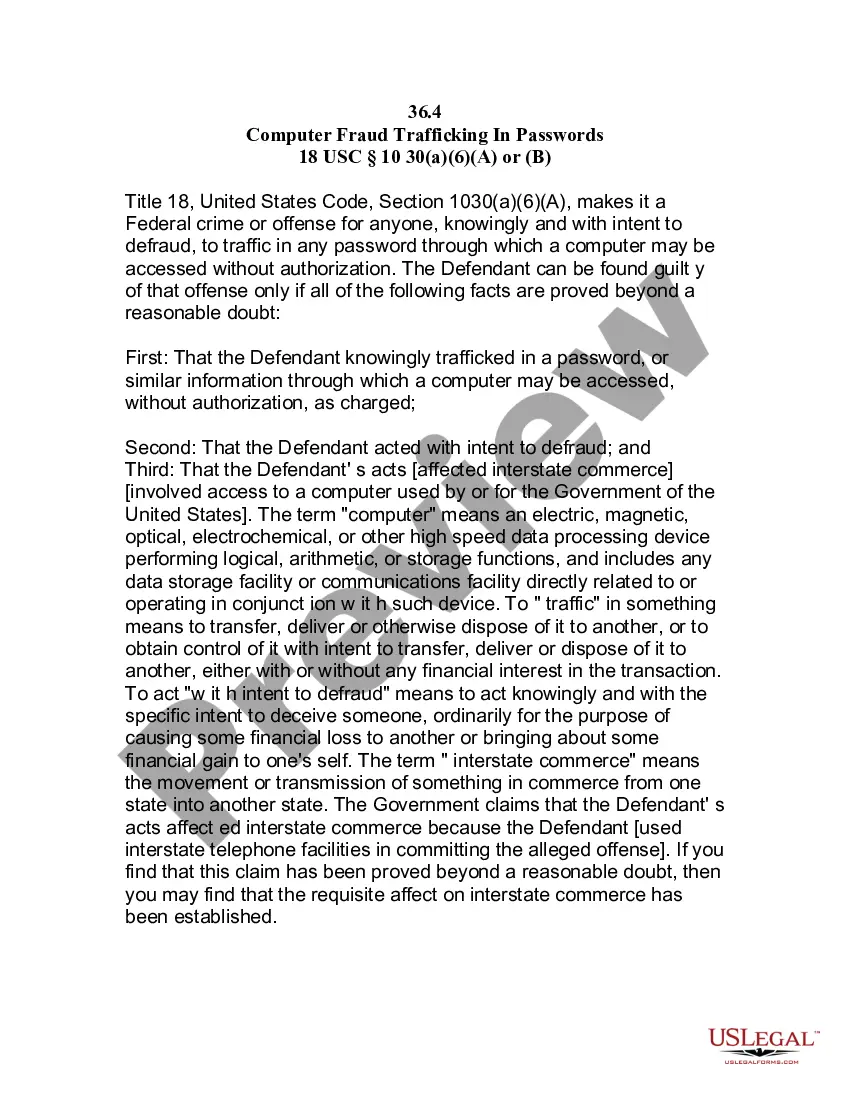
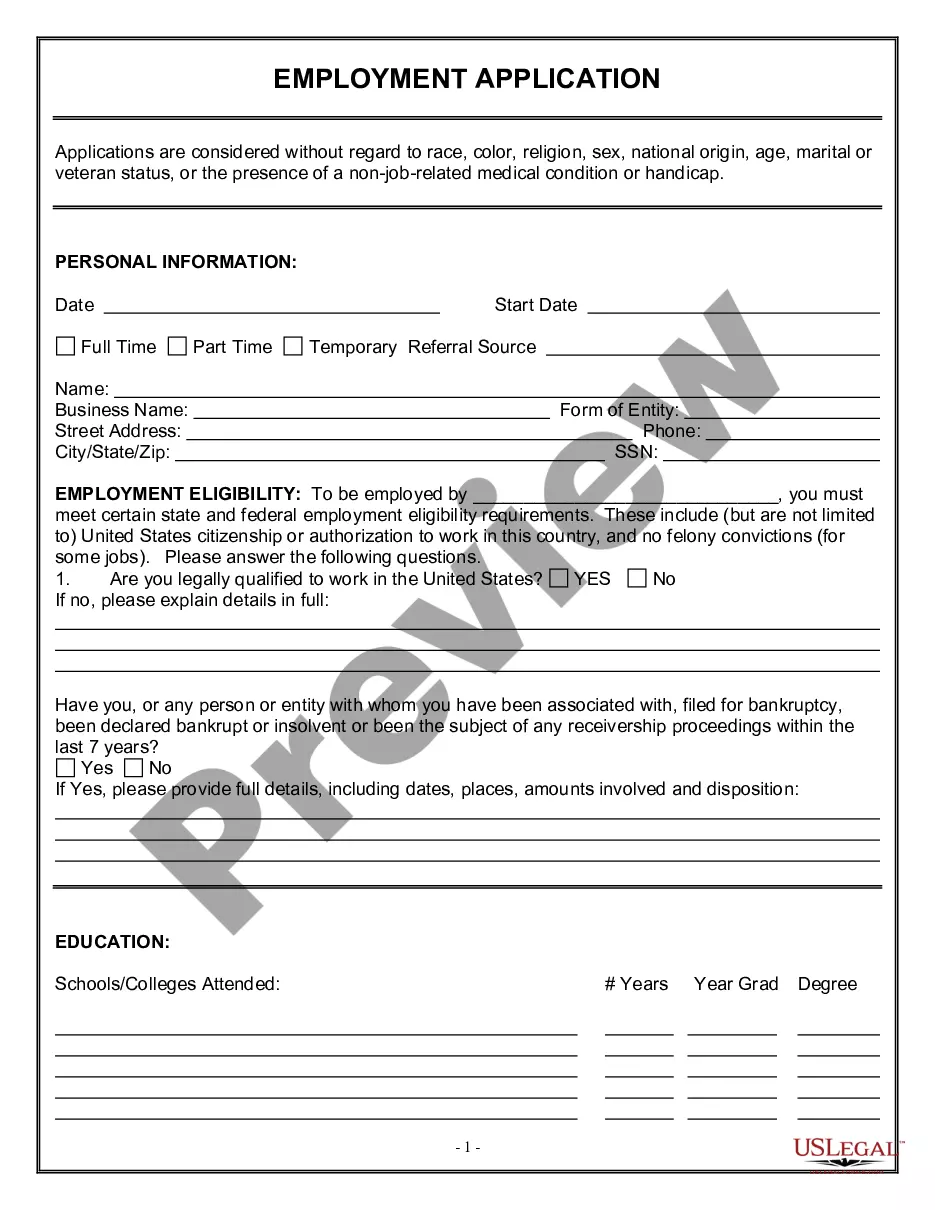
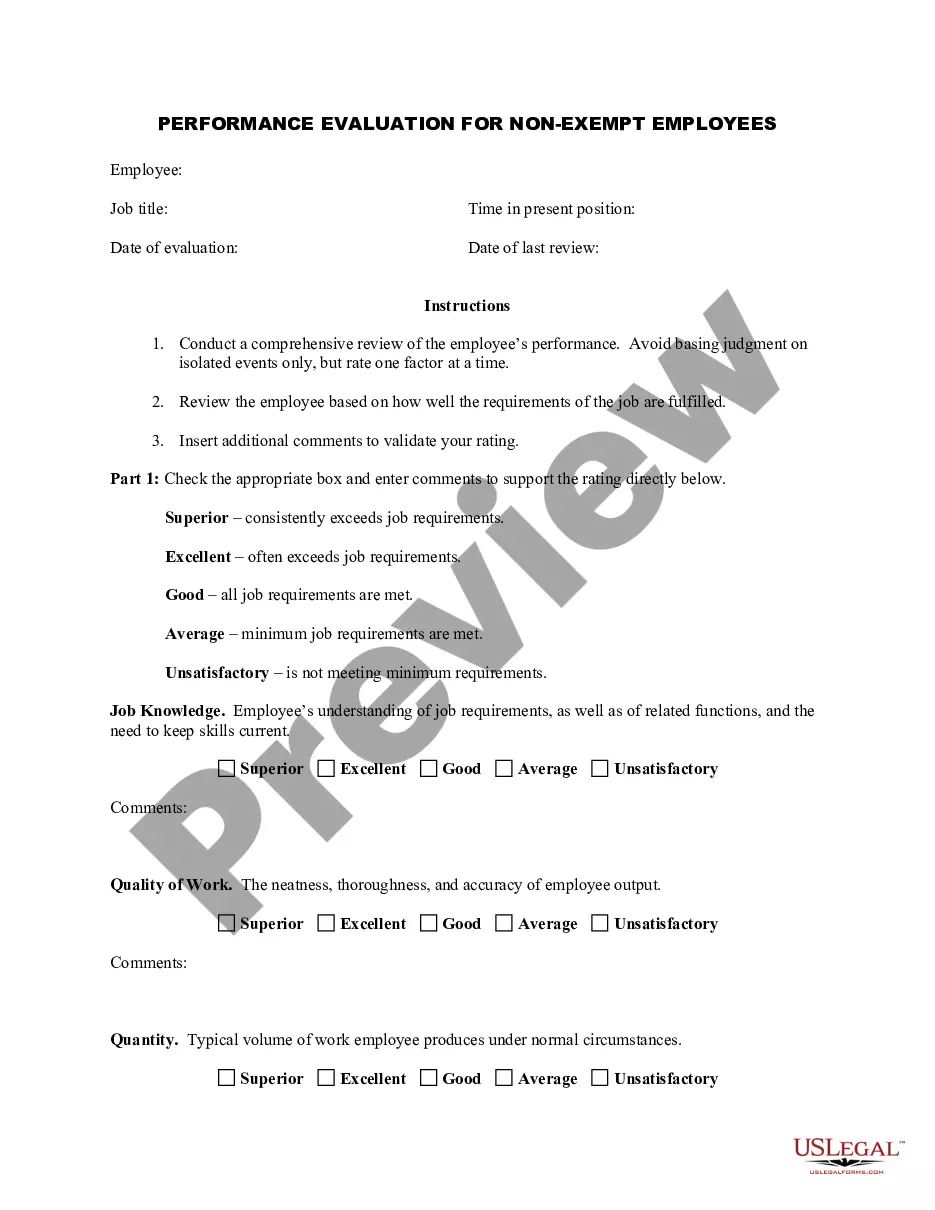
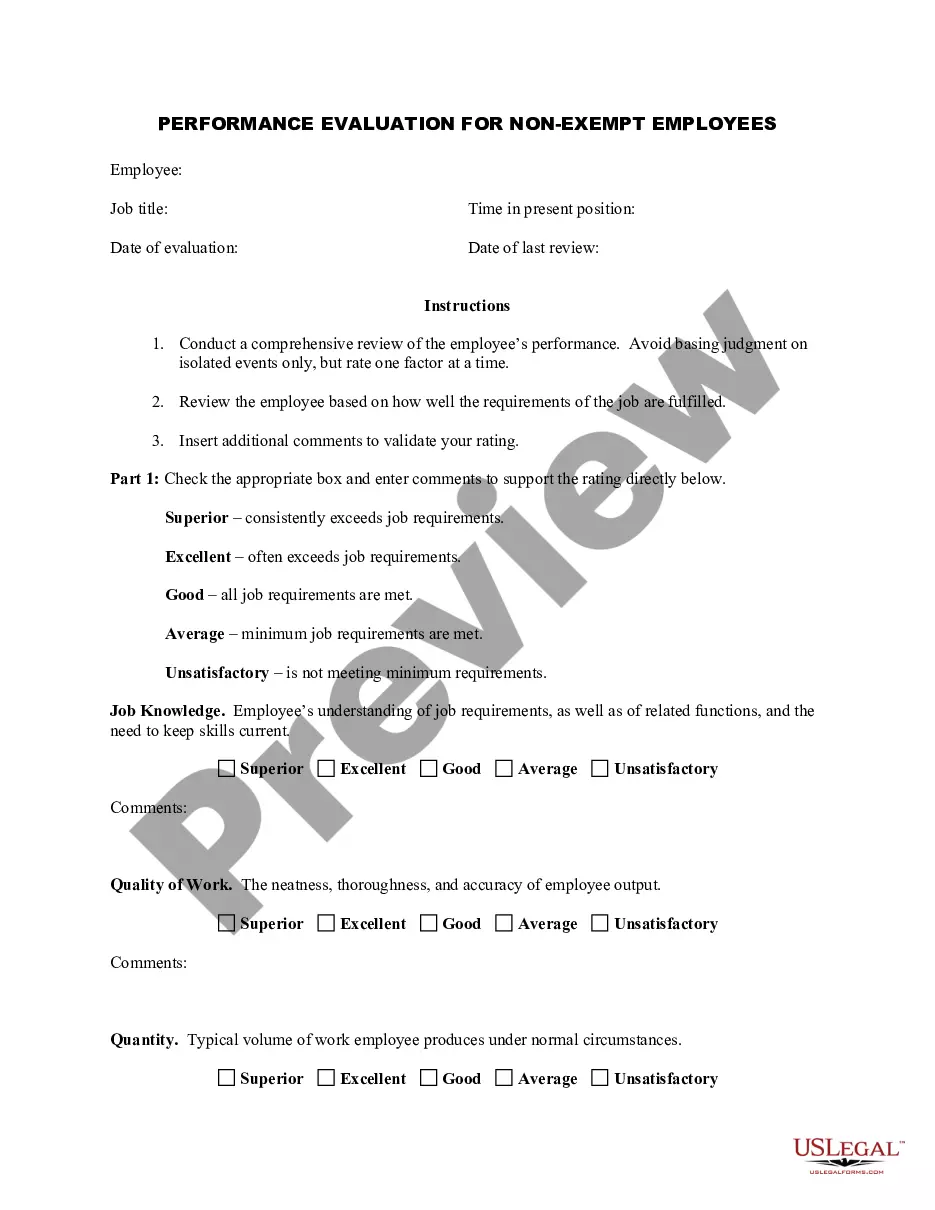
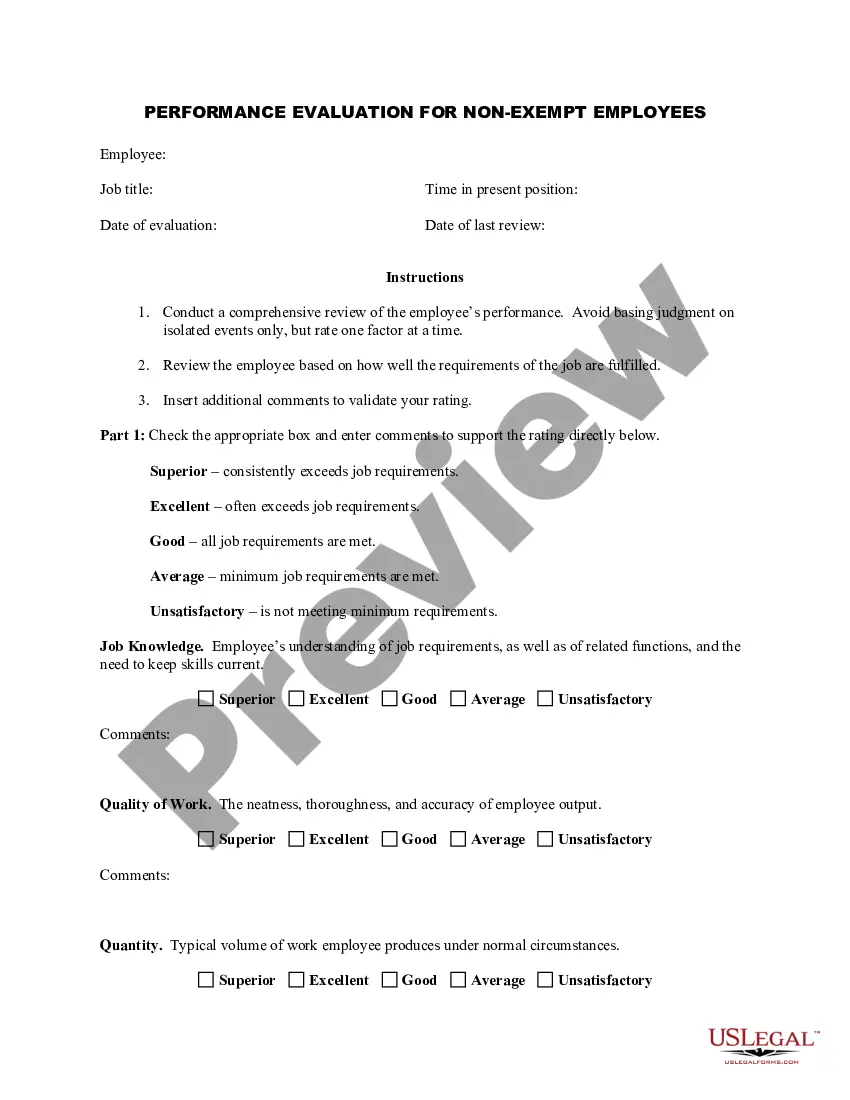
Oklahoma Employee Evaluation Form for Pharmacist
Description
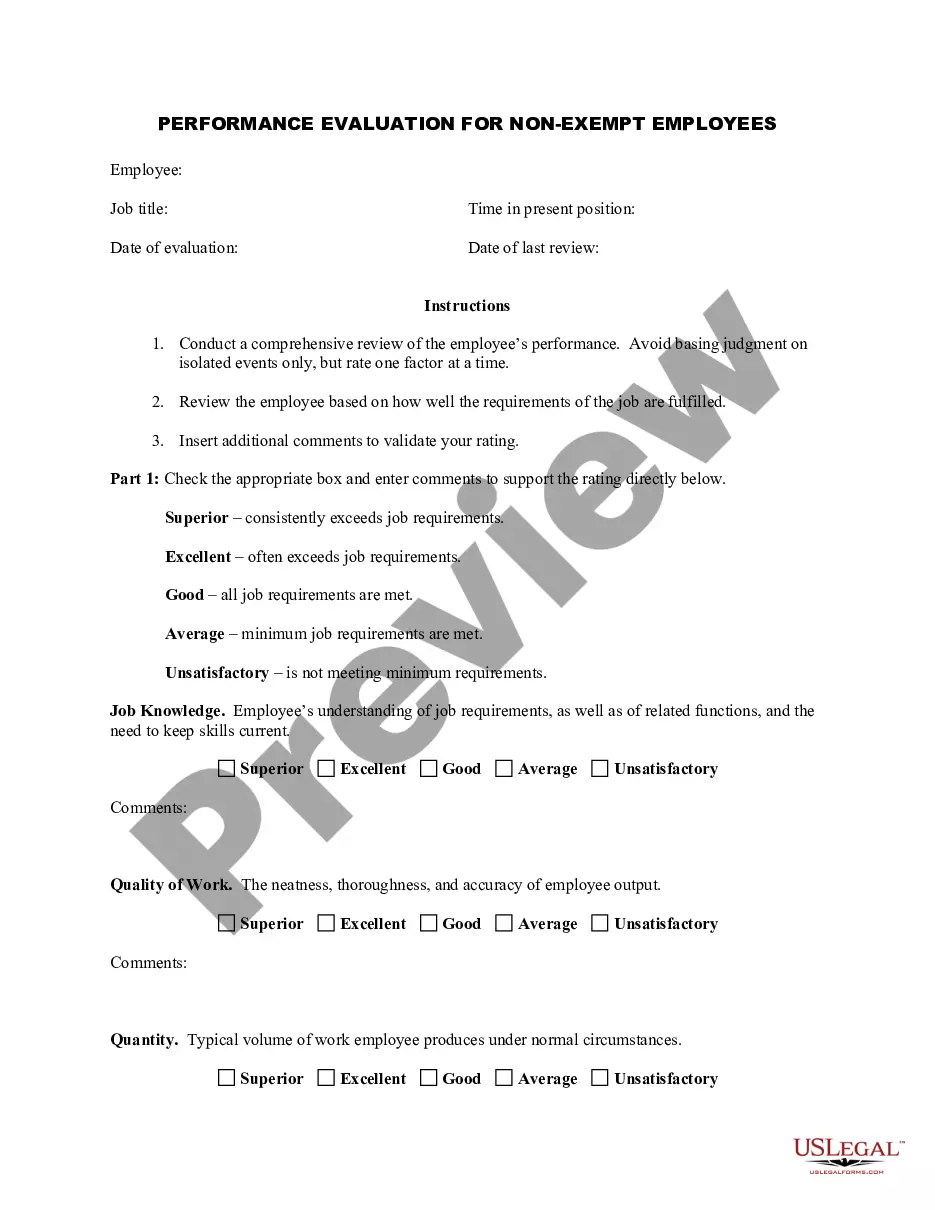
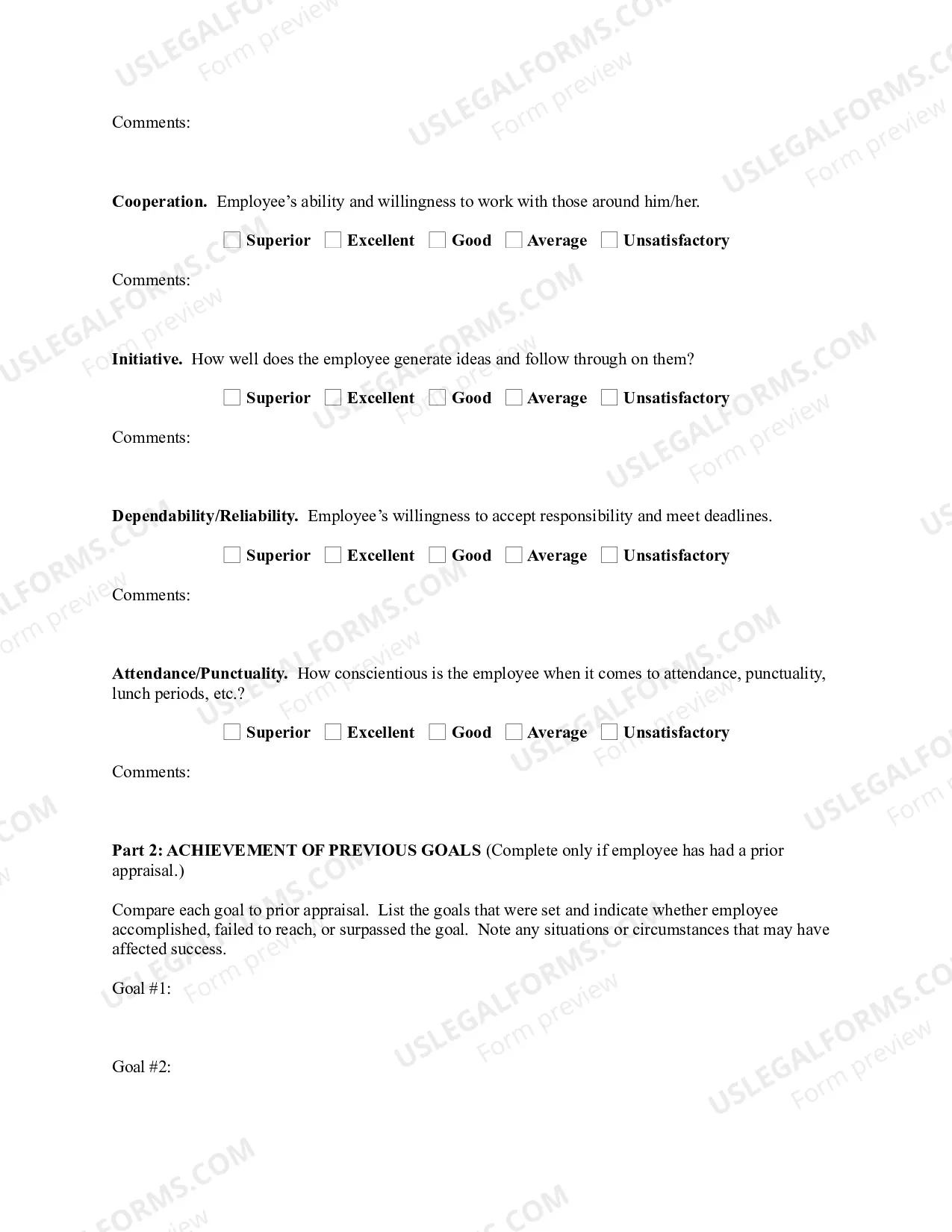
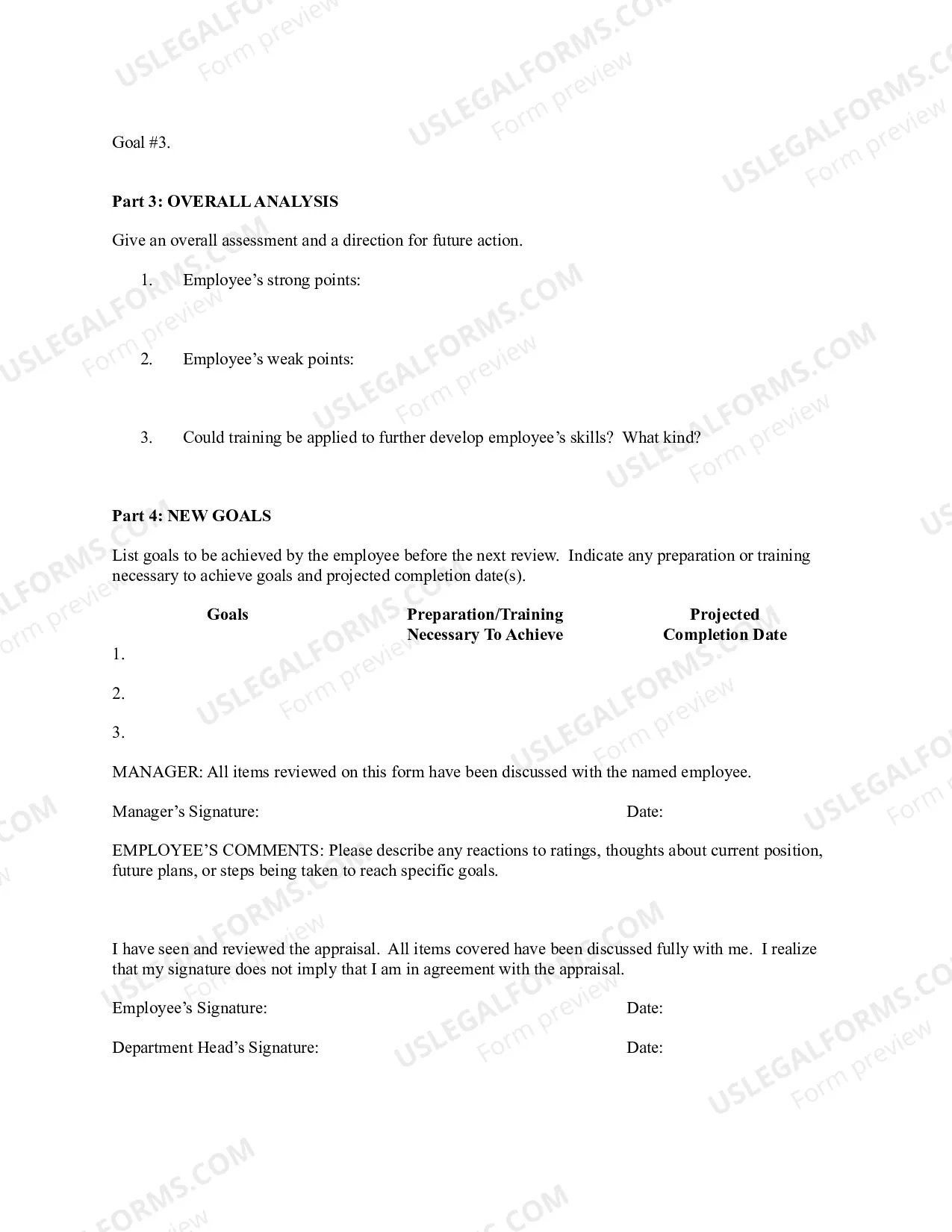
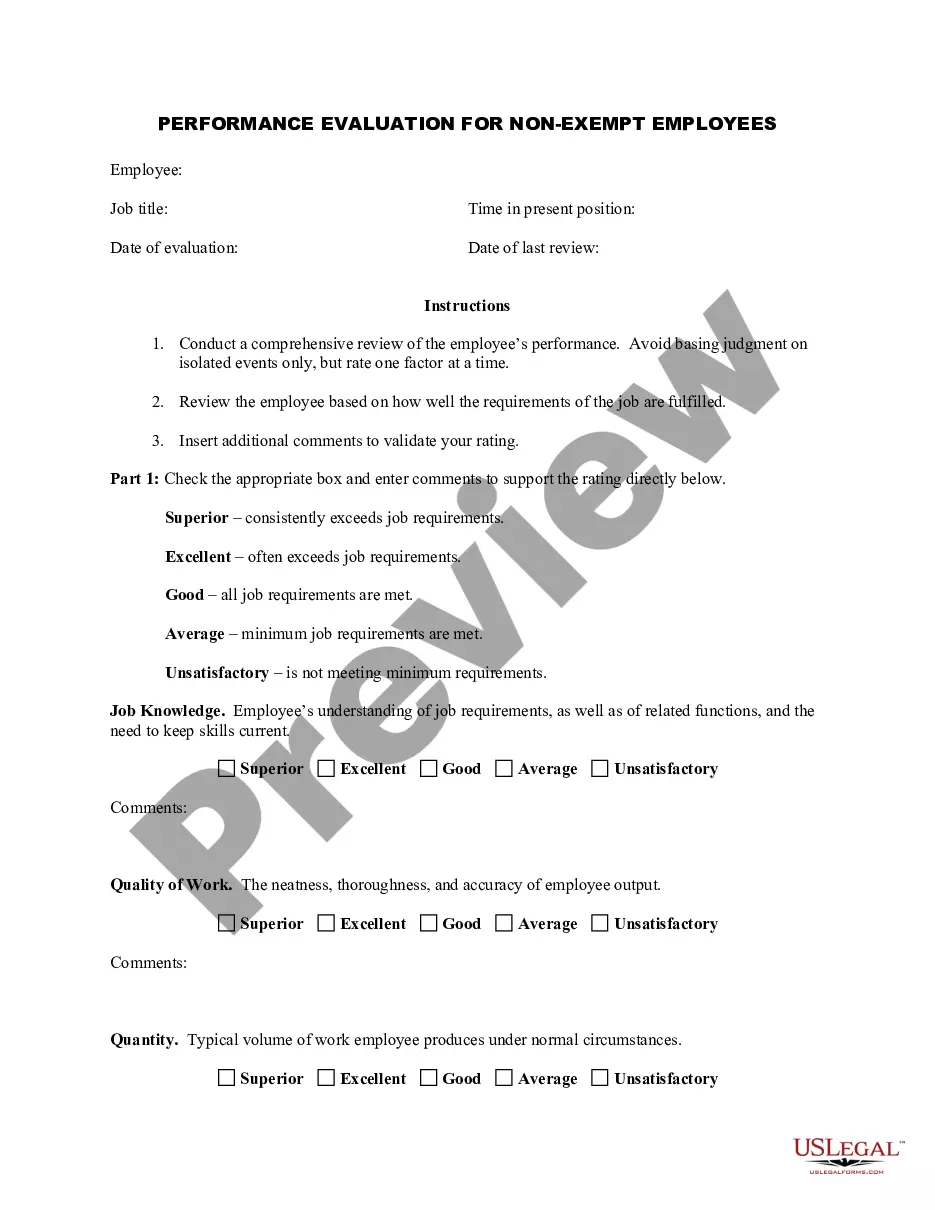
Get your form ready online
Our built-in tools help you complete, sign, share, and store your documents in one place.
Make edits, fill in missing information, and update formatting in US Legal Forms—just like you would in MS Word.
Download a copy, print it, send it by email, or mail it via USPS—whatever works best for your next step.
Sign and collect signatures with our SignNow integration. Send to multiple recipients, set reminders, and more. Go Premium to unlock E-Sign.
If this form requires notarization, complete it online through a secure video call—no need to meet a notary in person or wait for an appointment.
We protect your documents and personal data by following strict security and privacy standards.

Make edits, fill in missing information, and update formatting in US Legal Forms—just like you would in MS Word.

Download a copy, print it, send it by email, or mail it via USPS—whatever works best for your next step.

Sign and collect signatures with our SignNow integration. Send to multiple recipients, set reminders, and more. Go Premium to unlock E-Sign.

If this form requires notarization, complete it online through a secure video call—no need to meet a notary in person or wait for an appointment.

We protect your documents and personal data by following strict security and privacy standards.
Looking for another form?
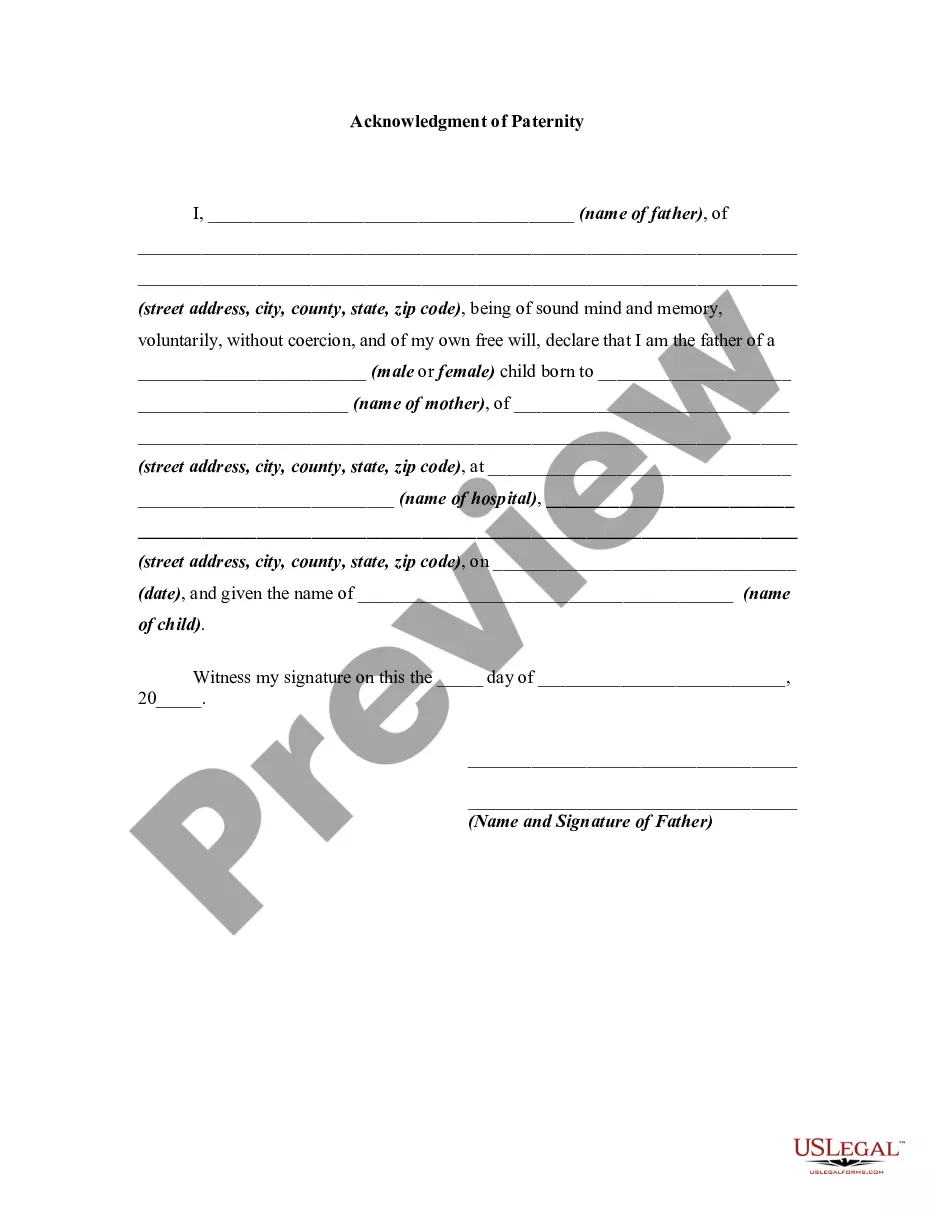
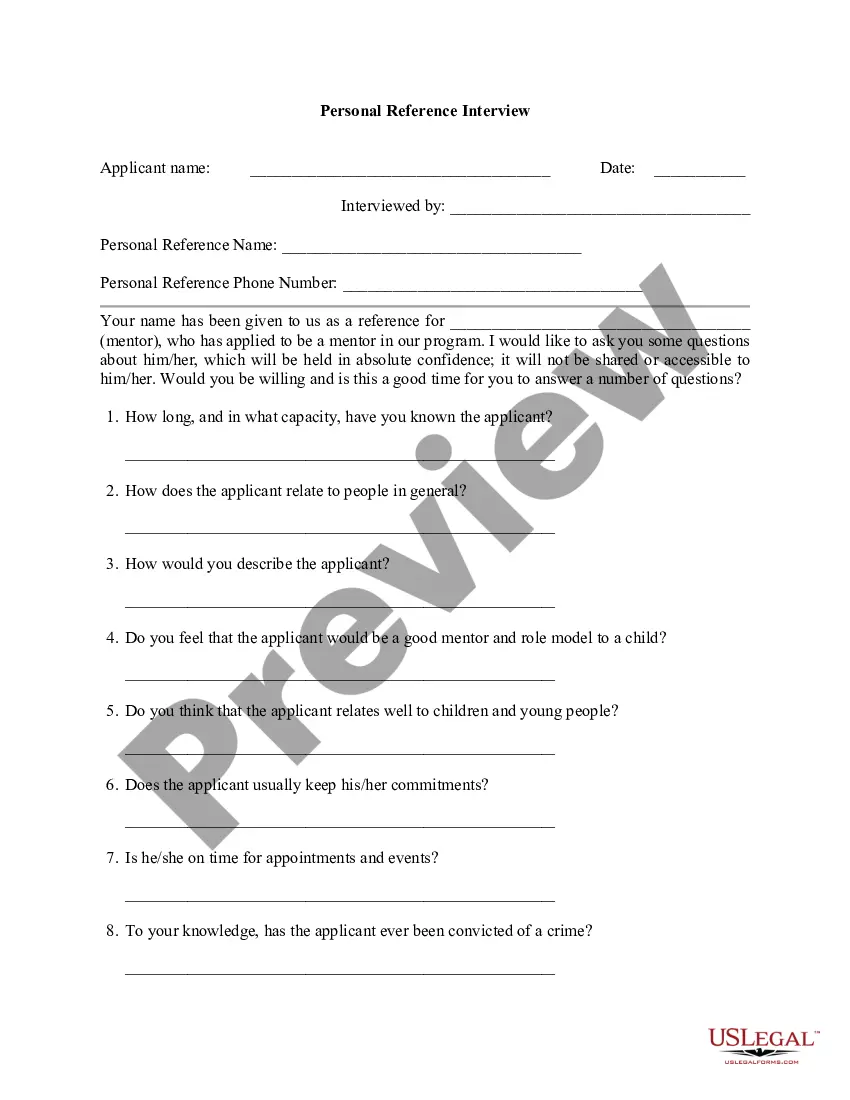
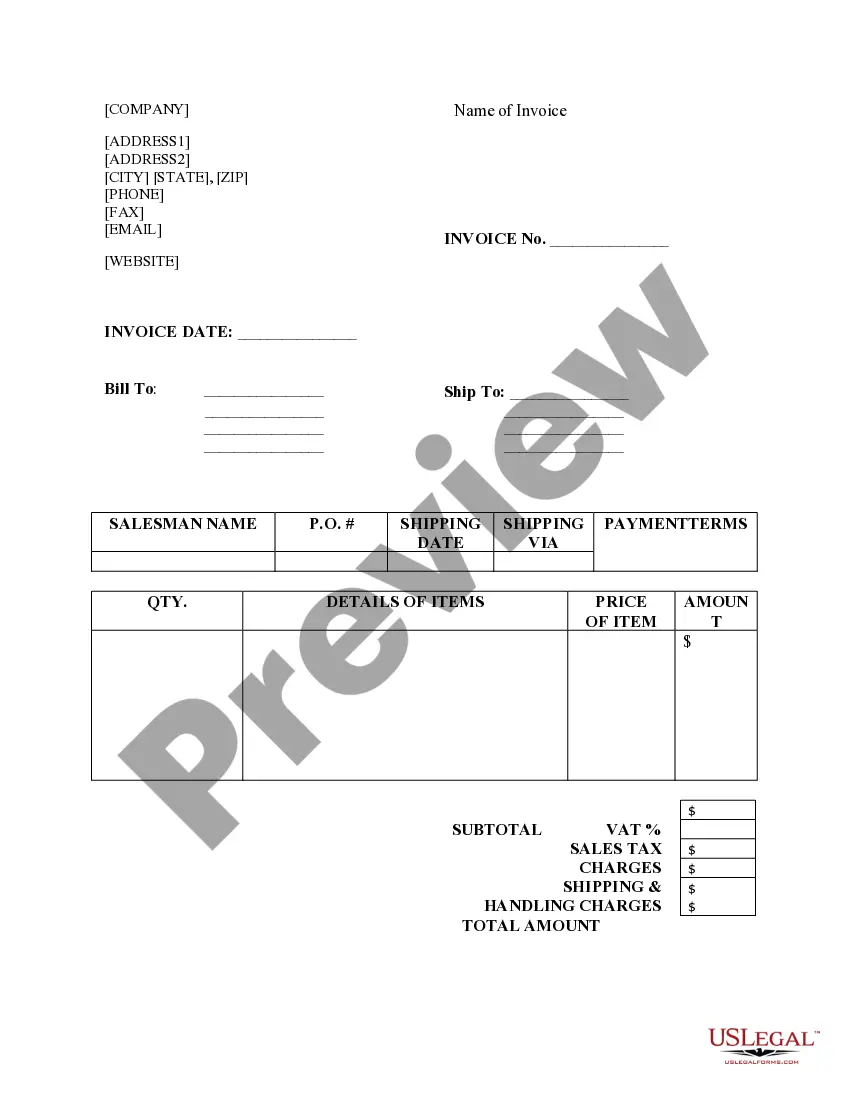



How to fill out Employee Evaluation Form For Pharmacist?
If you want to complete, acquire, or print authentic document templates, utilize US Legal Forms, the finest variety of legitimate forms, accessible online.
Leverage the site’s user-friendly and straightforward search to find the documents you need.
A variety of templates for business and personal purposes are organized by categories and states, or keywords.
Step 4. Once you have found the form you need, click the Purchase now button. Choose the pricing plan you prefer and enter your information to register for an account.
Step 5. Process the transaction. You can use your credit card or PayPal account to complete the payment.
- Employ US Legal Forms to obtain the Oklahoma Employee Evaluation Form for Pharmacist in just a few clicks.
- If you are already a US Legal Forms user, Log Into your account and click the Download option to retrieve the Oklahoma Employee Evaluation Form for Pharmacist.
- You can also access forms you previously saved in the My documents section of your account.
- If you are utilizing US Legal Forms for the first time, follow the steps outlined below.
- Step 1. Ensure you have selected the form for the correct city/state.
- Step 2. Use the Preview option to review the form’s content. Don’t forget to check the details.
- Step 3. If you are dissatisfied with the form, use the Search field at the top of the screen to find other versions of the legitimate form template.
Form popularity
FAQ
A comprehensive medication review (CMR) is an encounter conducted face-to-face or via telephone between a patient and their pharmacist. The pharmacist collects patient-specific information to identify medication-related issues and creates a plan to resolve them, alongside the patient and/or prescriber.
Key skills for pharmacistsAnalytical skills.Ability to think critically.Strong numerical skills.Attention to detail.Problem-solving.Observation skills.Communication and social skills.
Pharmacists are responsible for:ensuring that the supply of medicines is within the law. ensuring that the medicines prescribed to patients are suitable. advising patients about medicines, including how to take them, what reactions may occur and answering patients' questions.
5 Things Pharmacists Can Teach Patients About Prescription DrugsUnderstand What Medications They Are Taking and Why.Know How and When to Take Their Medications.Recognize Side Effects and Know What to Do If They Occur.Understand the Dangers of Sharing Medications.Learn How to Save Money on Medications.
Top 9 Pharmacist Duties and ResponsibilitiesPharmacists' Responsibilities.Dispense Prescriptions.Communicate With Prescribers.Ensure Patients' Safety.Work With Patients on General Health.Manage Staff.Perform Administrative Tasks.
Regulations to allow pharmacists to prescribe independently came into effect in 2006. A pharmacist independent prescriber may prescribe autonomously for any condition within their clinical competence.
Medication evaluation or medication-use evaluation (MUE) is a quality assurance (QA) tool. It reviews a patient's prescription and medication against a set of standards. A multidisciplinary team, comprising physicians, pharmacists, nurses, and administrators, prepares these standards.
Medication reviews are comprehensive, confidential checks held by doctors on the medication used by patients. These reviews have several objectives. First, the doctor wants to ensure the drugs are working effectively.
The evaluation of effectiveness of pharmacotherapy includes measurable improvement in clinical signs and symptoms and/or laboratory values. The evaluation of the safety of pharmacotherapy includes evidence of adverse drug reactions and/or toxicity.
The second aspect includes the determinants of pharmacists' work in conducting a pharmacotherapy assessment, such as the number of medications, the number of medical conditions for which a patient is taking medications, and the number of drug therapy problems a patient is experiencing.