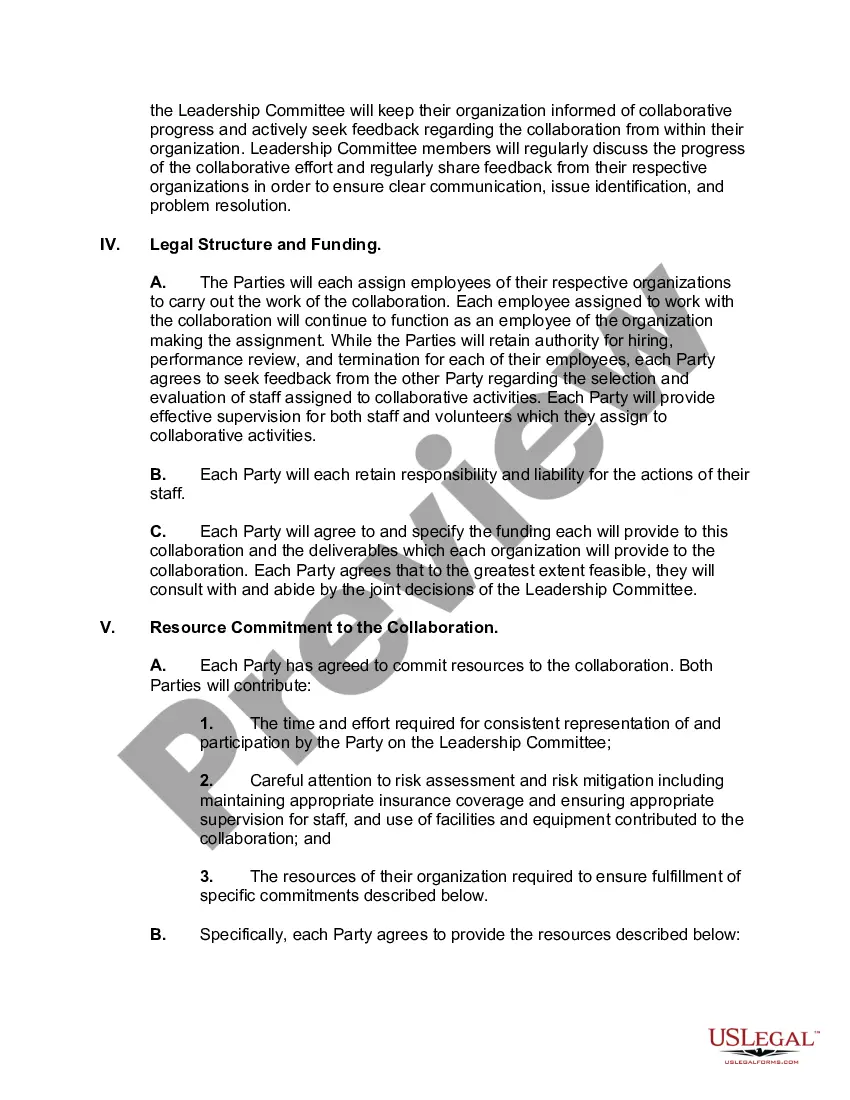
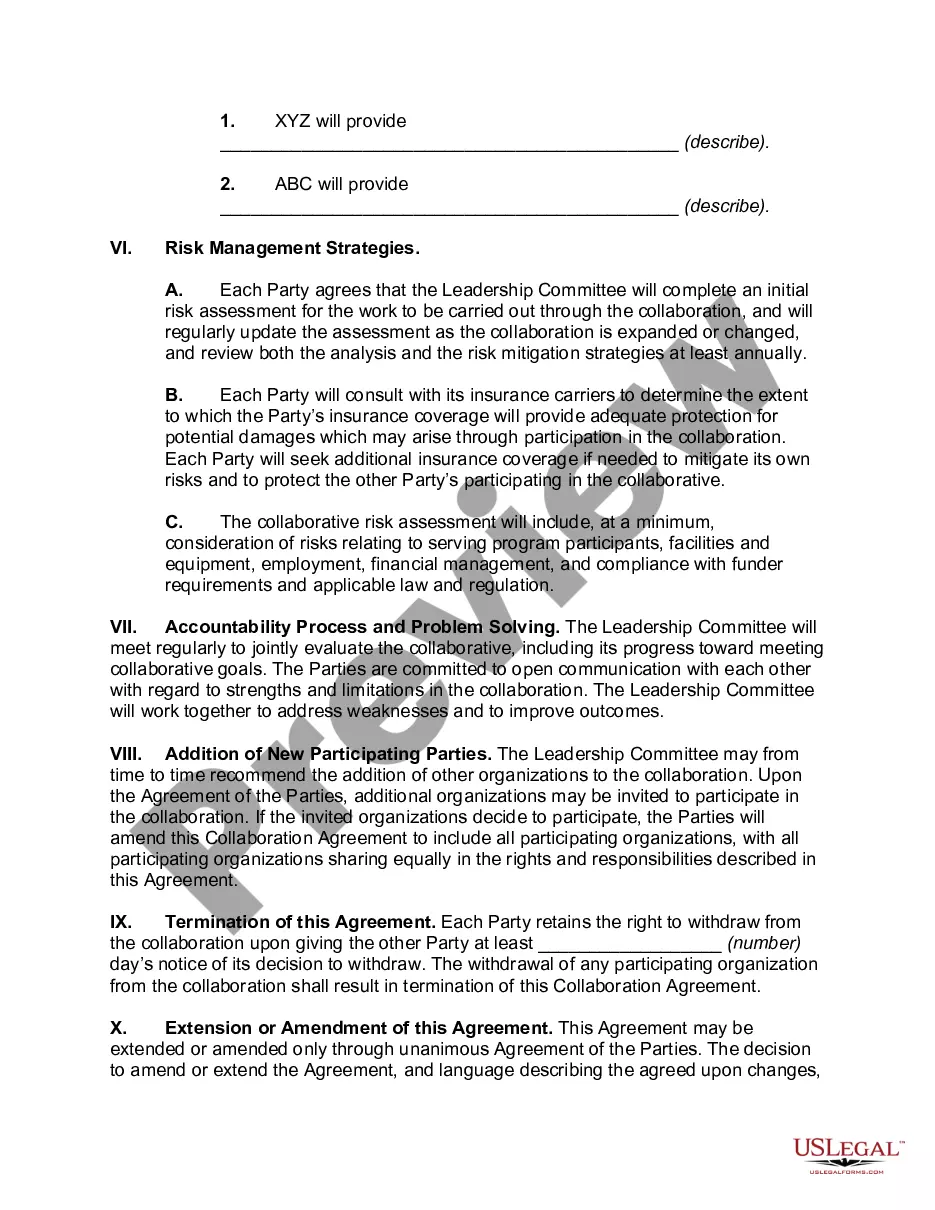
Oklahoma Sample Collaboration Agreement
Description
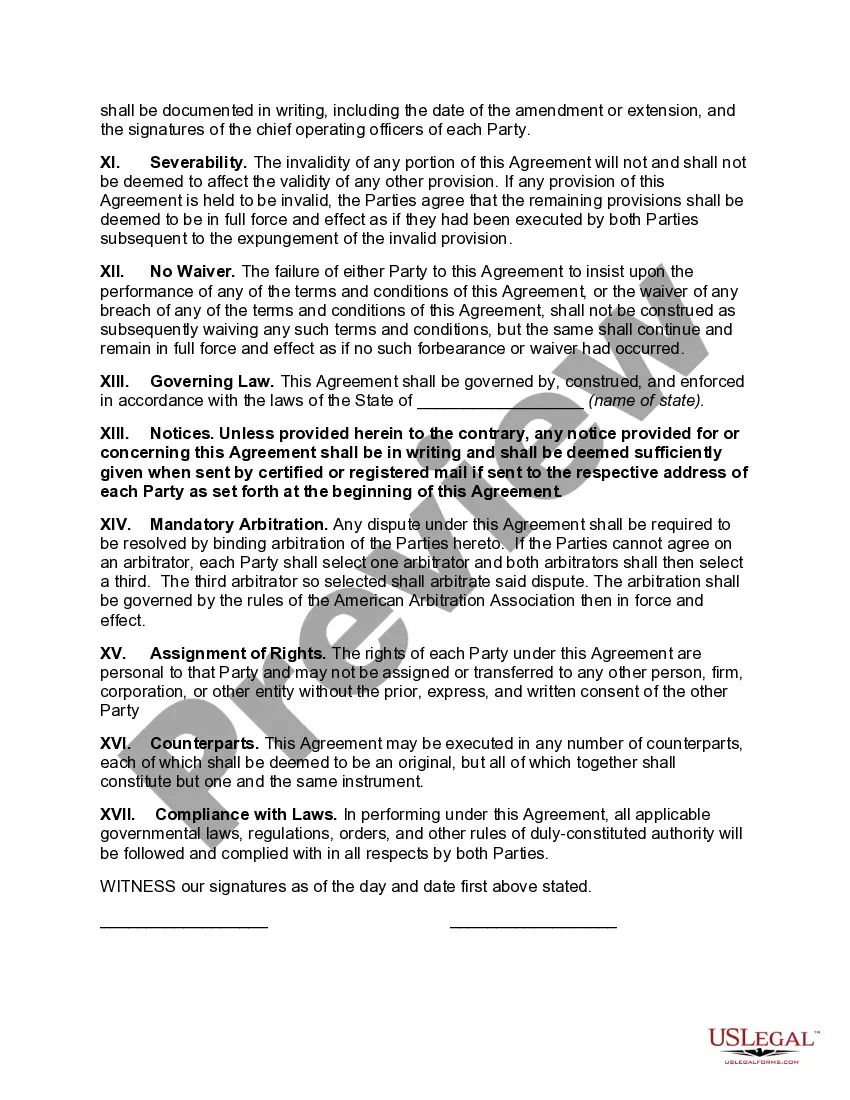
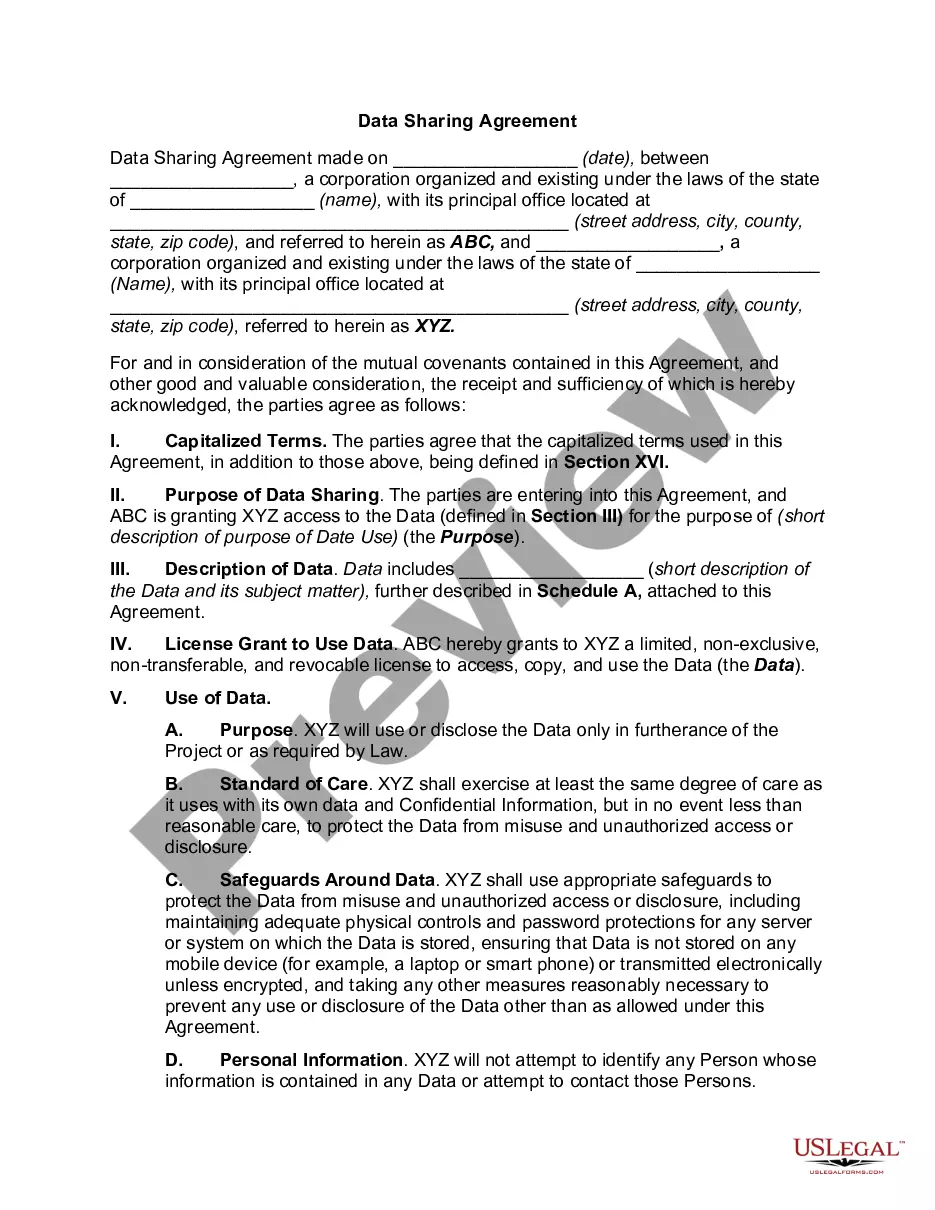
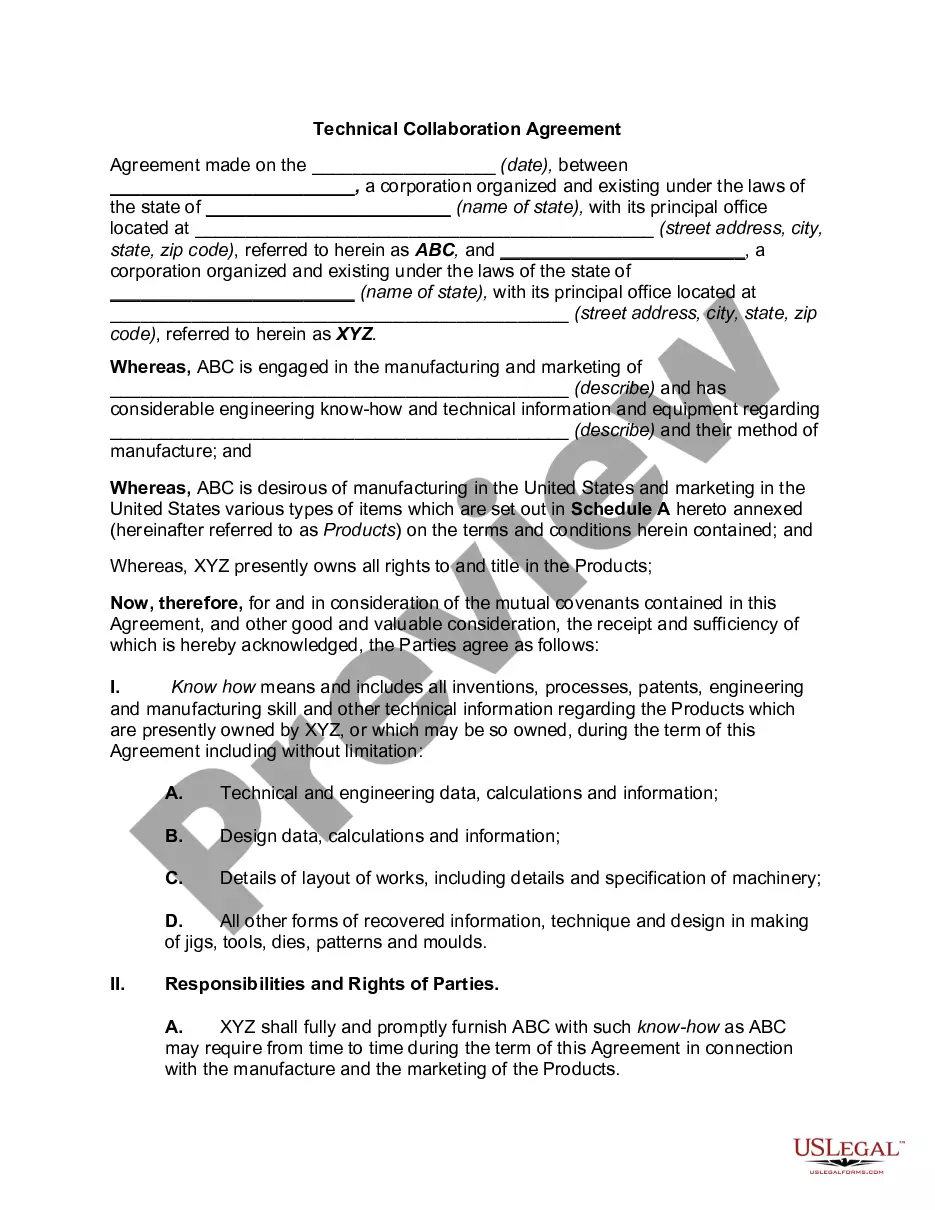
Get your form ready online
Our built-in tools help you complete, sign, share, and store your documents in one place.
Make edits, fill in missing information, and update formatting in US Legal Forms—just like you would in MS Word.
Download a copy, print it, send it by email, or mail it via USPS—whatever works best for your next step.
Sign and collect signatures with our SignNow integration. Send to multiple recipients, set reminders, and more. Go Premium to unlock E-Sign.
If this form requires notarization, complete it online through a secure video call—no need to meet a notary in person or wait for an appointment.
We protect your documents and personal data by following strict security and privacy standards.

Make edits, fill in missing information, and update formatting in US Legal Forms—just like you would in MS Word.

Download a copy, print it, send it by email, or mail it via USPS—whatever works best for your next step.

Sign and collect signatures with our SignNow integration. Send to multiple recipients, set reminders, and more. Go Premium to unlock E-Sign.

If this form requires notarization, complete it online through a secure video call—no need to meet a notary in person or wait for an appointment.

We protect your documents and personal data by following strict security and privacy standards.
Looking for another form?
How to fill out Sample Collaboration Agreement?
You can spend time online looking for the official document template that meets the federal and state requirements you need.
US Legal Forms offers thousands of legal documents that are reviewed by experts.
You can obtain or print the Oklahoma Sample Collaboration Agreement from our service.
If you want to find another version of the form, use the Search field to locate the template that fits your needs.
- If you have a US Legal Forms account, you can sign in and click the Download button.
- After that, you can complete, modify, print, or sign the Oklahoma Sample Collaboration Agreement.
- Every official document template you purchase is yours for years.
- To get another copy of any purchased form, go to the My documents section and click the relevant option.
- If you are using the US Legal Forms website for the first time, follow the simple instructions below.
- First, ensure you have selected the correct document template for the state/city of your choice. Read the form description to confirm you have selected the correct form.
- If available, utilize the Preview option to review the document template as well.
Form popularity
FAQ
Similar to 23 other states, Pennsylvania requires nurse practitioners to maintain a collaborative practice agreement (CPA) with a physician as a condition of state occupational licensure.
According to healthcare attorney Alex Krouse who often works with nurse practitioners in setting up their own practices, NPs can expect to pay a physician anywhere from $5 to $20 per chart reviewed.
An example of interprofessional collaboration would be a doctor, nurse, physical therapist, occupational therapist, and pharmacist working together to carry out an individualized plan of care in order to improve a patient's health status.
The role of the collaborating physician Physician services can include consulting with the NP and answering questions, chart review, making medical diagnoses, ordering diagnostic tests, and prescribing medications. The physician is typically paid an hourly rate, a set annual fee, or some combination of the two.
According to the CDC, a collaborative practice agreement should include these parts:Explanation of the purpose of the agreement.A list of the parties to the agreement.The patients who are included in the agreement (either a specific list of patients or a group of patients)Care functions authorized by the agreement.More items...?
A collaborative practice agreement is a written statement that defines the joint practice of a physician and an APN in a collaborative and complementary working relationship. It provides a mechanism for the legal protection of the APN and sets out the rights and responsibilities of each party involved.
A collaborative practice agreement is a written statement that defines the joint practice of a physician and an APN in a collaborative and complementary working relationship. It provides a mechanism for the legal protection of the APN and sets out the rights and responsibilities of each party involved.
Collaborative practice occurs when healthcare providers work with people from within their own profession, with people outside of their profession and with patients/clients and their families.
Collaboration agreements can help to regulate the relationship between collaborators working on a project together, eg a piece of software or an app. They define the relationship between the collaborators and set out their respective responsibilities.