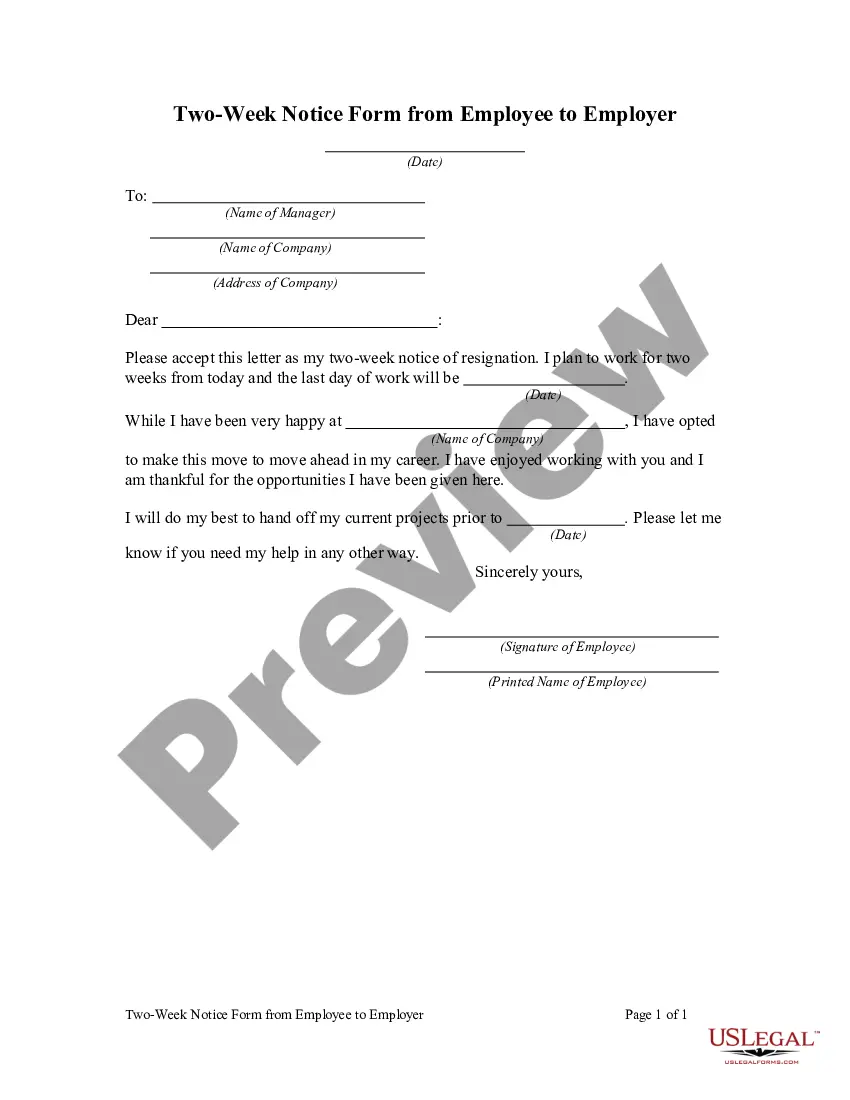
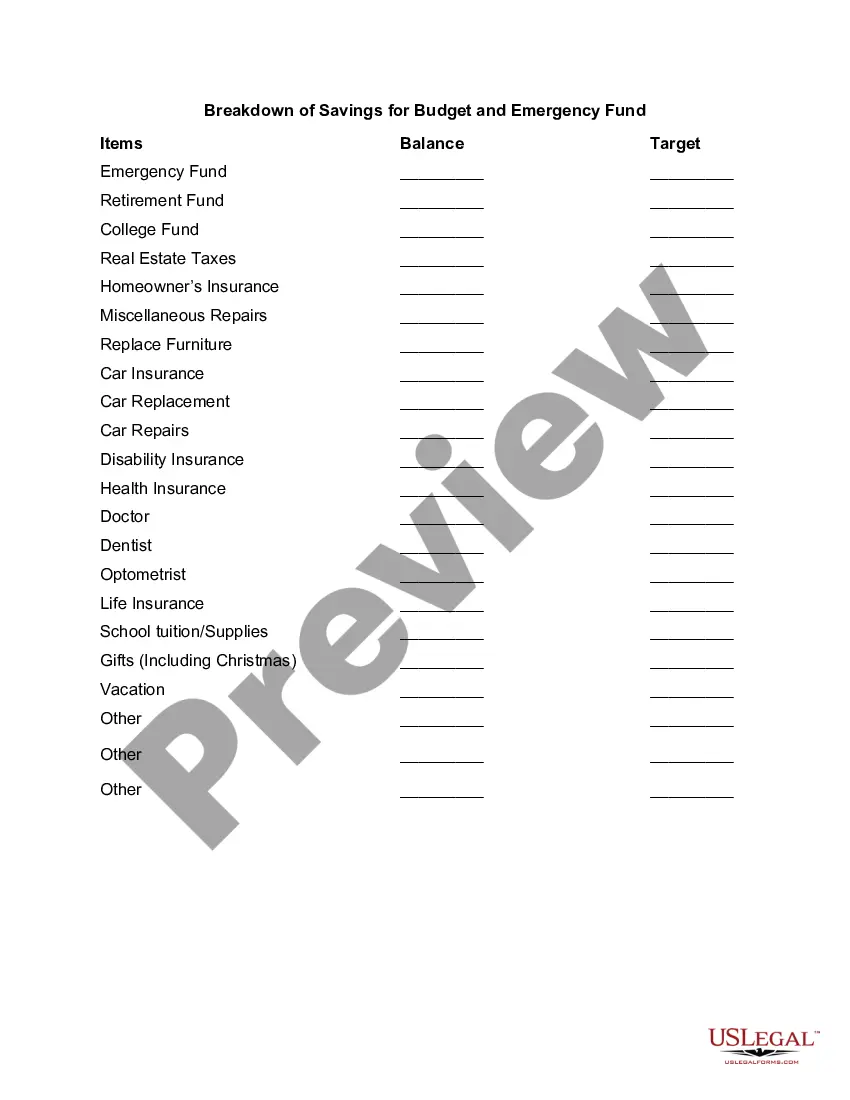
Oklahoma Breakdown of Savings for Budget and Emergency Fund
Description
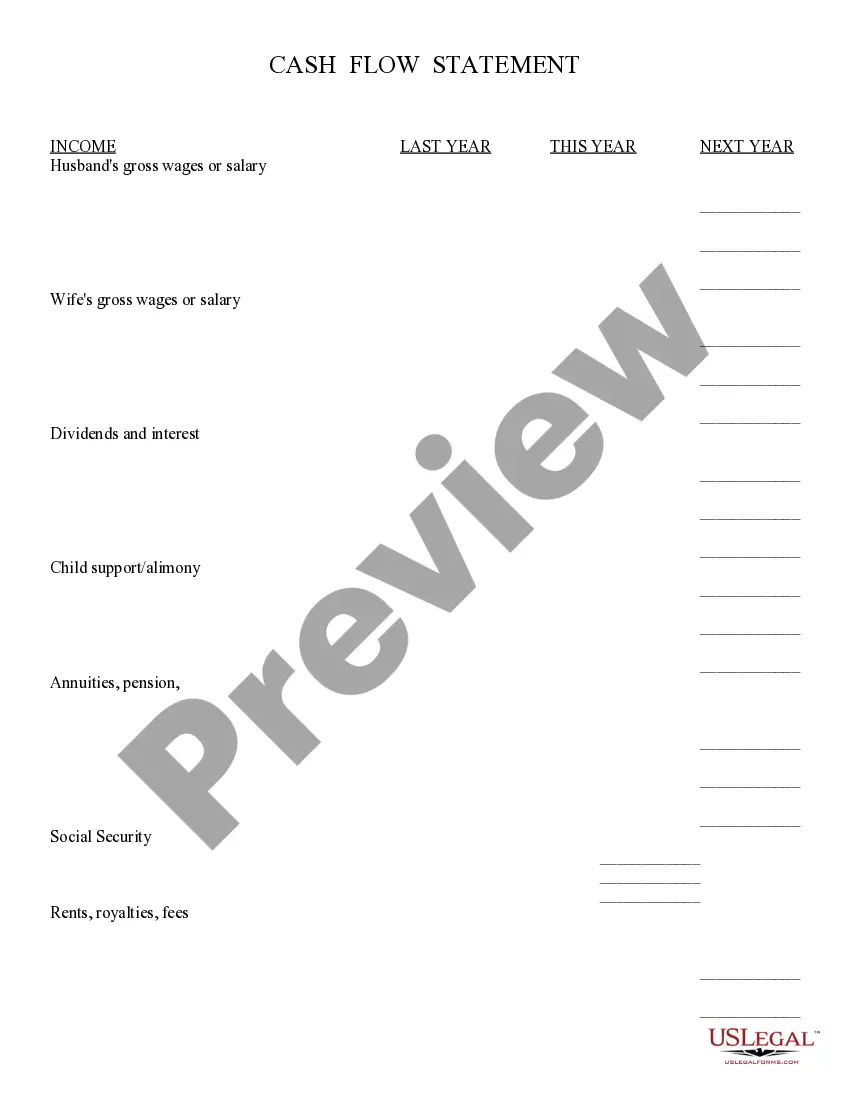
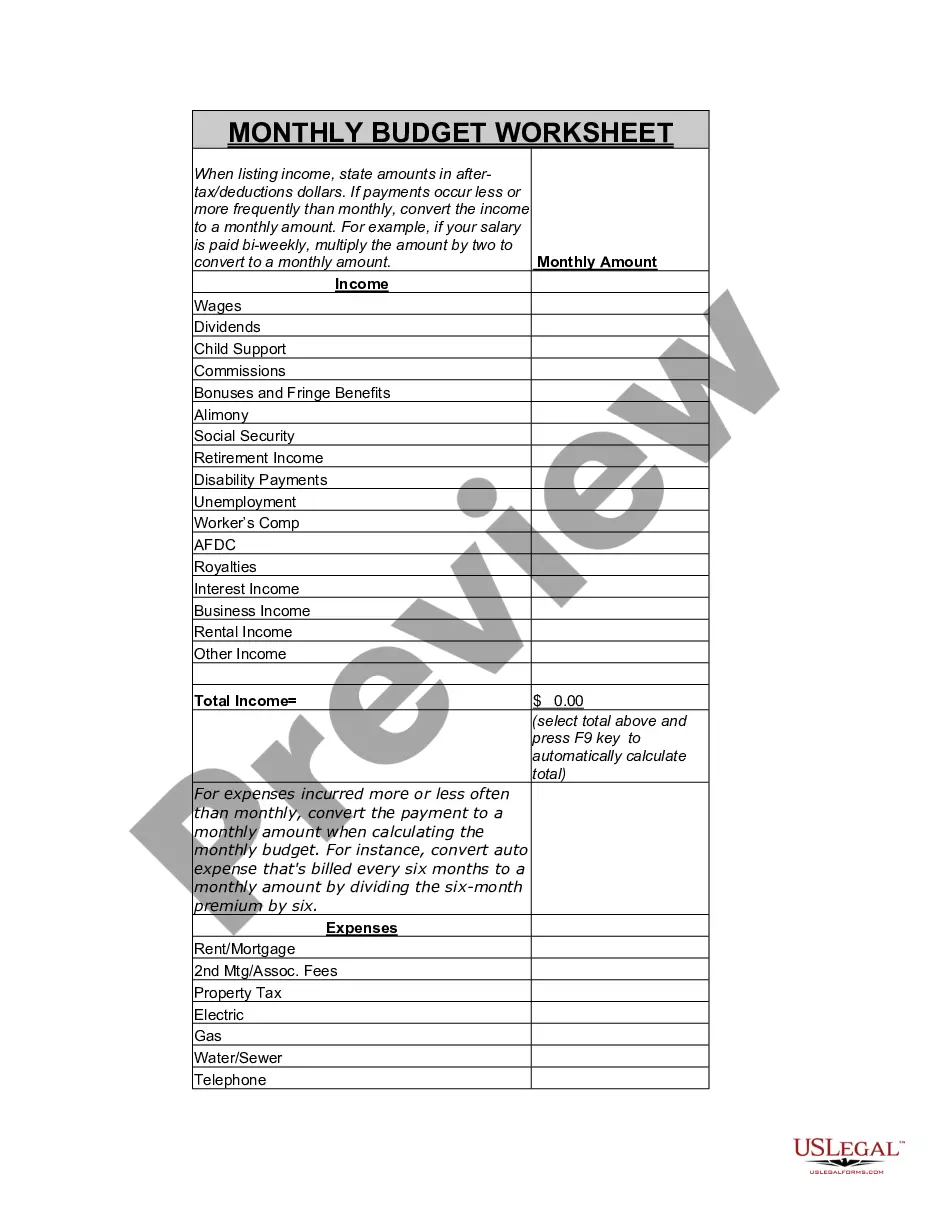
How to fill out Breakdown Of Savings For Budget And Emergency Fund?
Finding the right legal document template can be a challenge. Clearly, there are numerous templates available online, but how do you locate the legal form you need? Utilize the US Legal Forms website. This service offers thousands of templates, including the Oklahoma Breakdown of Savings for Budget and Emergency Fund, which you can use for both business and personal purposes. All the forms have been reviewed by experts and comply with federal and state regulations.
If you are already registered, Log In to your account and click the Download button to obtain the Oklahoma Breakdown of Savings for Budget and Emergency Fund. Use your account to browse through the legal documents you have previously acquired. Visit the My documents section of your account to download another copy of the document you need.
If you are a new user of US Legal Forms, here are simple steps for you to follow: First, ensure that you have selected the correct form for your jurisdiction/area. You can review the form using the Review button and examine the form details to confirm it is suitable for you. If the form does not meet your needs, use the Search section to find the correct document. Once you are confident that the form is appropriate, click the Buy now button to acquire the form. Choose the payment plan you want and enter the required information. Create your account and pay for your order using your PayPal account or credit card.
- Select the file format and download the legal document template to your device.
- Complete, modify, print, and sign the obtained Oklahoma Breakdown of Savings for Budget and Emergency Fund.
- US Legal Forms is the largest repository of legal documents where you can find a variety of template files.
- Use the service to obtain properly crafted documents that adhere to state requirements.
Form popularity
FAQ
(AUSTIN) Texas Comptroller Glenn Hegar announced today he has completed the transfer of more than $2.91 billion into the State Highway Fund (SHF) and the Economic Stabilization Fund (ESF; commonly known as the Rainy Day Fund). Each fund received nearly $1.46 billion, or 50 percent of the total transfer.
Health and Social Services: State government is the main provider of health and social services. Its $7.67 billion annual spending is the largest single use of state funds. The state operates a wide range of social services, of which the largest is Medicaid, the health insurance program for low-income Oklahomans.
Oklahoma's budget basics According to the National Association of State Budget Officers (NASBO), Oklahoma's total expenditures in fiscal year (FY) 2021 were $27.8 billion, including general funds, other state funds, bonds, and federal funds.
A rainy day fund is money that's set aside for unexpected and lower-cost expenses, like home maintenance or parking tickets. A rainy day fund is slightly different from an emergency fund. The main differences are the size of the fund and what they're used for.
In the fiscal year of 2020, the state of Oklahoma had state debt totaling 10.03 billion U.S. dollars. However, the local government debt was slightly higher at 12.17 billion U.S. dollars.
A rainy day fund is for smaller unanticipated expenses, such as buying new tires or paying to repair a home appliance. An emergency fund is reserved for unexpected events or major life changes, such as a job loss or divorce, that can have severe consequences on your finances.
The highest-ranked state for total balances was the same as for rainy day funds: Wyoming (353.8 days). Three other states held more than 100 days' worth of operating costs by the end of fiscal 2020: North Dakota (150.6), Alaska (110.6), and West Virginia (104.3).
FY 21 revenues exceed expectations by 4.2%, deposit made to Rainy Day Fund. OKLAHOMA CITY General Revenue Fund collections in June were $864.4 million and came in at $217.3 million, or 33.6%, above the monthly estimate. This amount is $299.5 million, or 53.0%, above collections in June of 2020.
Among the states, Alaska had the highest per capita state and local spending in 2019 at $17,596, followed by New York ($15,667) and Wyoming ($15,107).
A company's total budget is the sum of all its expenditures over a given period of time -- usually a financial quarter or fiscal year. A total budget, which is also known as a master budget, comprises the amount of money available to cover expenses such as payroll, investments, product development and marketing.