Oklahoma Transfer on Death Affidavit
Understanding this form
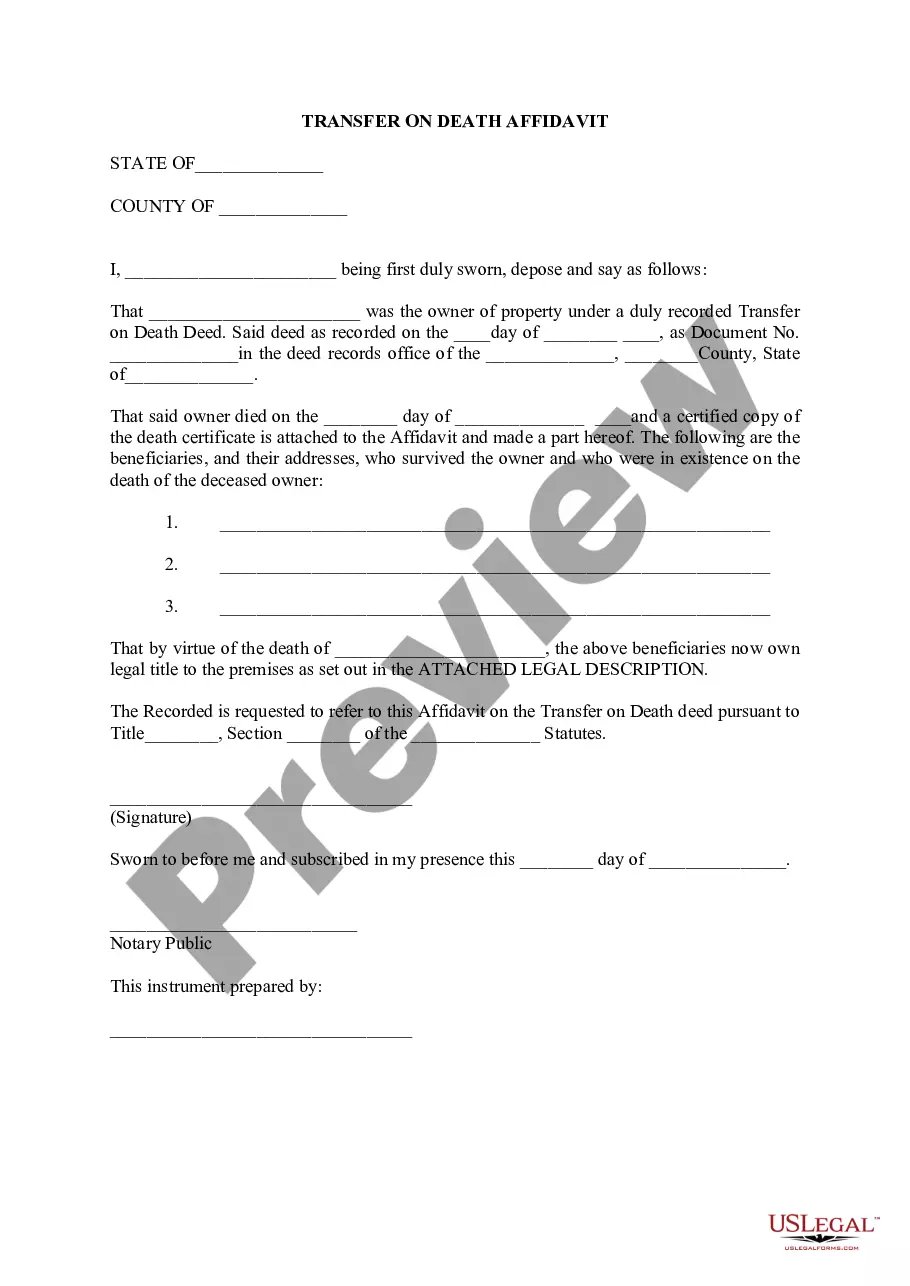
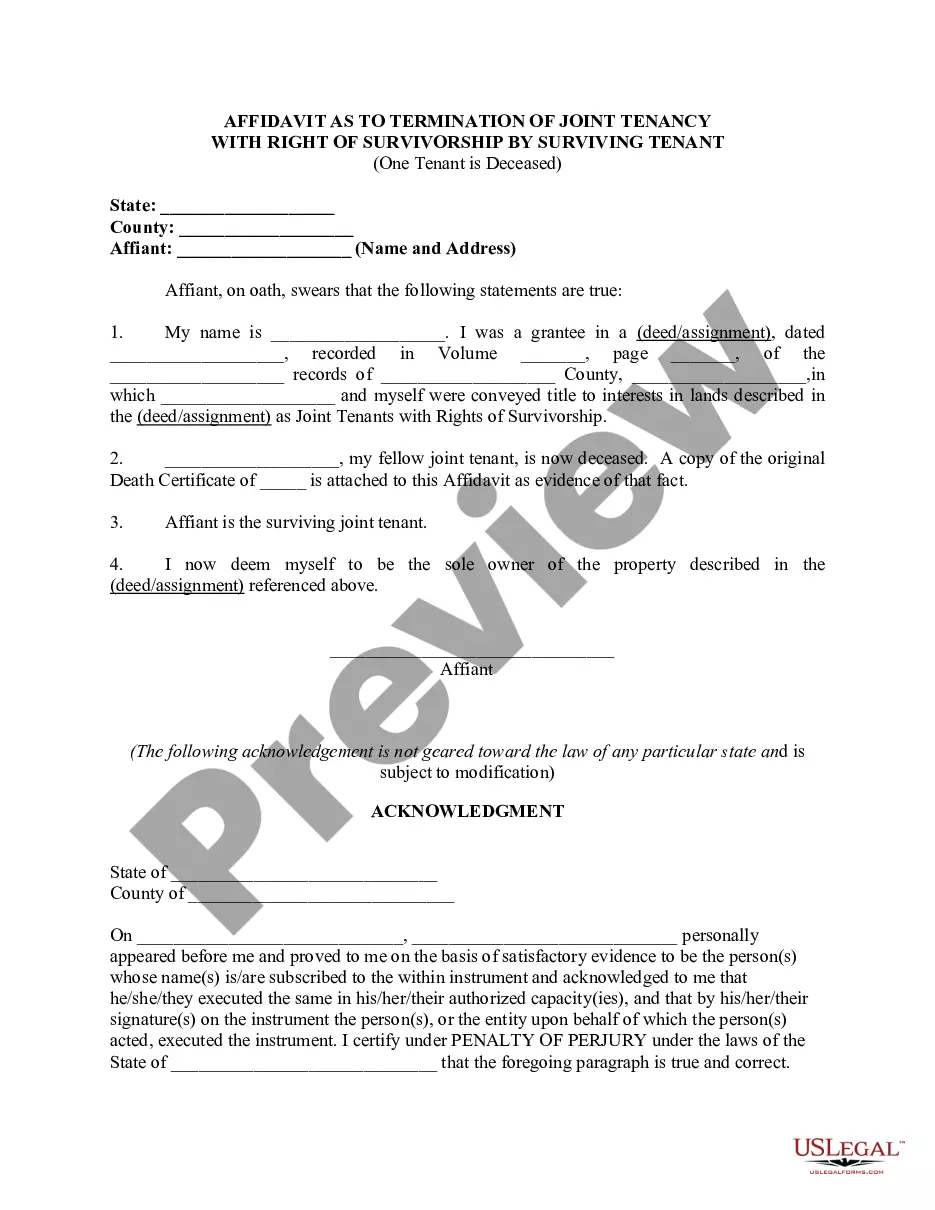
The Transfer on Death Affidavit is a legal document that designates beneficiaries to inherit property upon the death of the owner, known as the affiant. This affidavit serves as confirmation of the ownerâs death and outlines the beneficiaries who will receive the property, differing from a Last Will and Testament in that it can transfer property without requiring probate. Utilizing this form ensures a straightforward transfer of real estate upon the death of the owner, simplifying the estate process for heirs.
Key parts of this document
- Identification of the affiant and property owner.
- Details of the Transfer on Death Deed, including recording information.
- Information about the deceased owner and attached death certificate.
- List of beneficiaries, including their addresses.
- Legal description of the property being transferred.
- Notarization section for the affidavit.

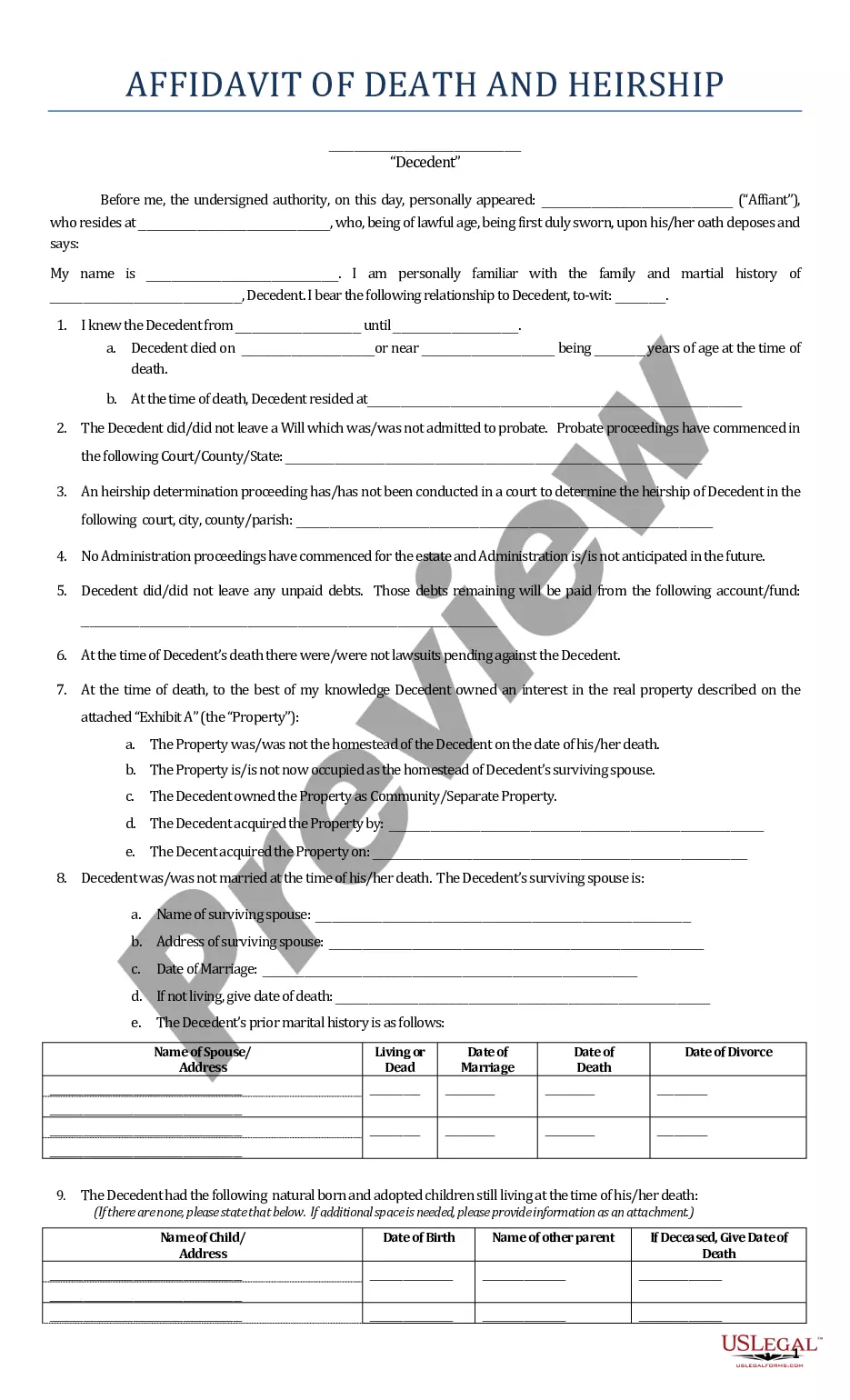
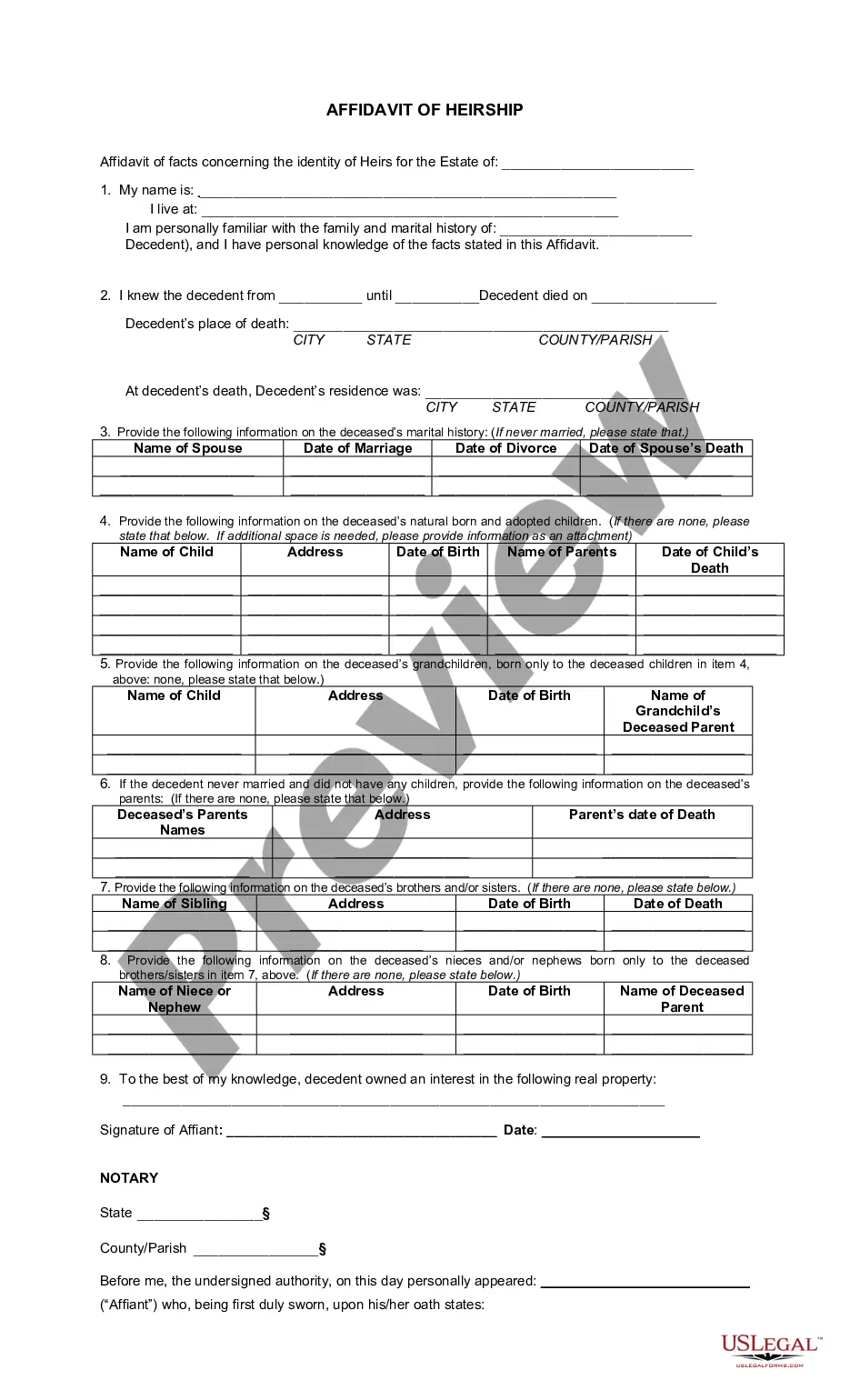
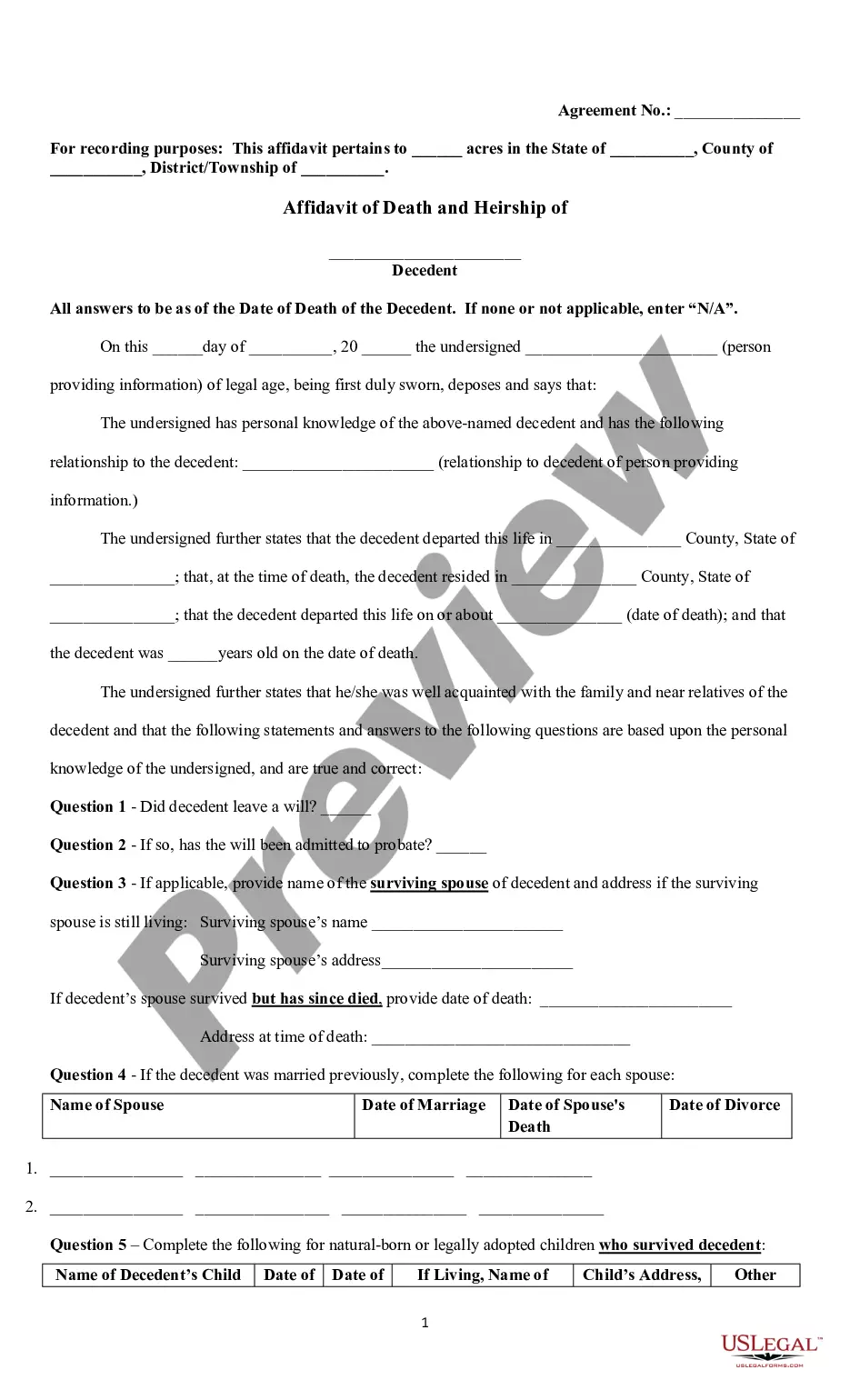
Common use cases
This form should be used when an individual who has executed a Transfer on Death Deed has passed away, and there is a need to formally declare the beneficiaries who will inherit the property. Situations include transferring residential or commercial properties without going through probate, thus providing a clear and efficient transfer process for the heirs involved.
Intended users of this form
This form is intended for:
- Individuals who have executed a Transfer on Death Deed.
- Beneficiaries designated in the Transfer on Death Deed who need to claim ownership.
- Estate representatives acting on behalf of deceased owners.
Steps to complete this form
- Identify yourself as the affiant and provide your full name.
- Refer to the Transfer on Death Deed, including the date it was recorded.
- Provide the name of the deceased owner and attach a certified copy of the death certificate.
- List all beneficiaries and their addresses who will inherit the property.
- Include the legal description of the property attached to the affidavit.
- Sign the affidavit in the presence of a notary public to validate the document.
Does this document require notarization?
Yes, this form must be notarized to be legally valid. US Legal Forms offers integrated online notarization services, available 24/7 through secure video calls, ensuring that your document is legally equivalent to those notarized in person without the need for travel.
Get your form ready online
Our built-in tools help you complete, sign, share, and store your documents in one place.
Make edits, fill in missing information, and update formatting in US Legal Forms—just like you would in MS Word.
Download a copy, print it, send it by email, or mail it via USPS—whatever works best for your next step.
Sign and collect signatures with our SignNow integration. Send to multiple recipients, set reminders, and more. Go Premium to unlock E-Sign.
If this form requires notarization, complete it online through a secure video call—no need to meet a notary in person or wait for an appointment.
We protect your documents and personal data by following strict security and privacy standards.

Make edits, fill in missing information, and update formatting in US Legal Forms—just like you would in MS Word.

Download a copy, print it, send it by email, or mail it via USPS—whatever works best for your next step.

Sign and collect signatures with our SignNow integration. Send to multiple recipients, set reminders, and more. Go Premium to unlock E-Sign.

If this form requires notarization, complete it online through a secure video call—no need to meet a notary in person or wait for an appointment.

We protect your documents and personal data by following strict security and privacy standards.
Common mistakes to avoid
- Failing to attach a certified copy of the death certificate.
- Not correctly listing all beneficiaries or their accurate addresses.
- Omitting the legal description of the property or failing to reference the Transfer on Death Deed.
- Neglecting to have the affidavit notarized.
Benefits of completing this form online
- Immediate access to the legal template for convenience.
- Editable fields that allow you to tailor the document to your situation.
- Secure storage of your documents for future reference.
- Drafted by licensed attorneys to ensure legal compliance and peace of mind.
Summary of main points
- The Transfer on Death Affidavit simplifies property transfer and avoids probate.
- Accurate completion and notarization are essential for legal validity.
- Beneficiaries should be carefully identified in the affidavit.
- Consult state-specific requirements to ensure compliance with local laws.
Looking for another form?
Form popularity
FAQ
What is a Transfer-On-Death Deed? On November 1, 2008, Oklahoma's "Nontestamentary Transfer of Property Act" (Title 58 O.S. ? 1251-1258) went into effect. This law allows a "record owner" to use a "Transfer-On-Death Deed" to name another person to receive his real estate without going through probate.
A transfer on death deed allows you to retain full ownership during your lifetime and conveys your full interest to the Grantee upon your death.Ultimately, the decision between a life estate and transfer on death deed is dependent on why you want to transfer the property.
A TOD designation supersedes a will. For bank accounts, you can set up a similar account known as payable-on-death, sometimes referred to as a Totten trust. Your beneficiaries can't touch the account while you're alive, and you're free to change beneficiaries or close the accounts at any time.
The California TOD deed form allows property to be automatically transferred to a new owner when the current owner dies, without the need to go through probate. It also gives the current owner retained control over the property, including the right to change his or her mind about the transfer.
Using an Affidavit of Death to Claim Real Estate from a California Transfer on Death Deed. Transfer on death deeds allow individual landowners to transfer their real estate when they die, without a will or the need for probate distribution.
Receiving an inheritance can be an unexpected windfall. In fact, transfer on death accounts are exposed to all the same income and capital gains taxes when the account owner is alive, as well as estate and inheritance taxes upon the owner's death.
If you'd like to avoid having your property going through the probate process, it's a good idea to look into a transfer on death deed. A transfer on death deed allows you to select a beneficiary who will receive your property, but only when you've passed away.