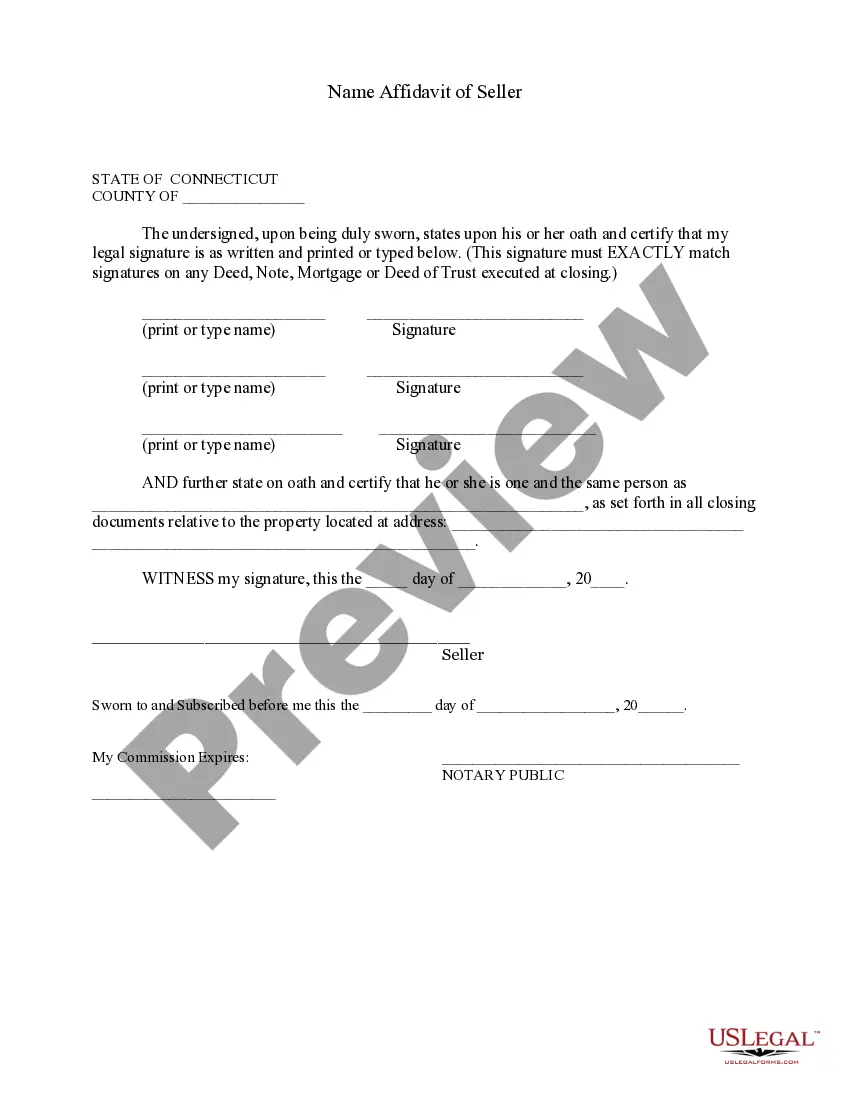
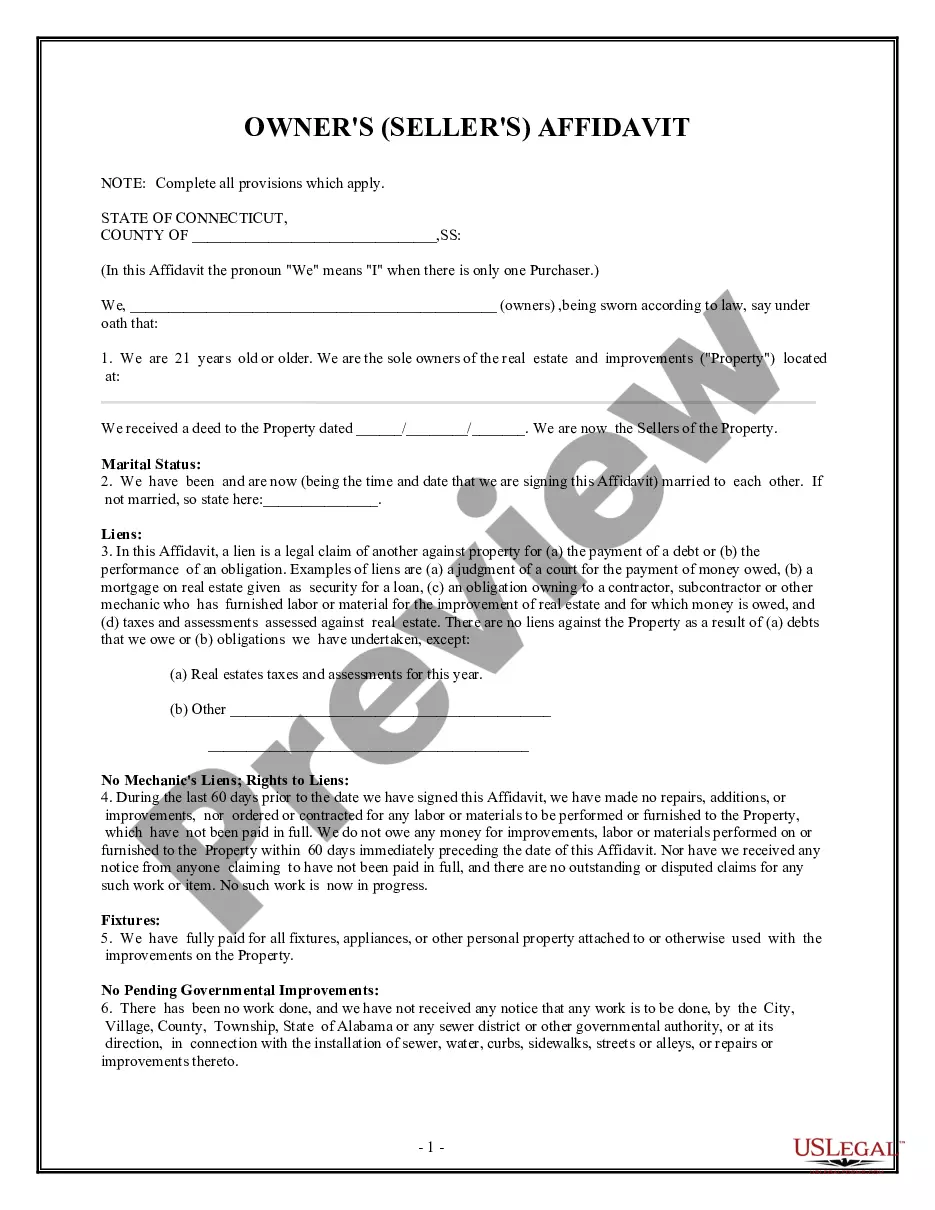
Oklahoma Notice of Attorney's Lien
What this document covers
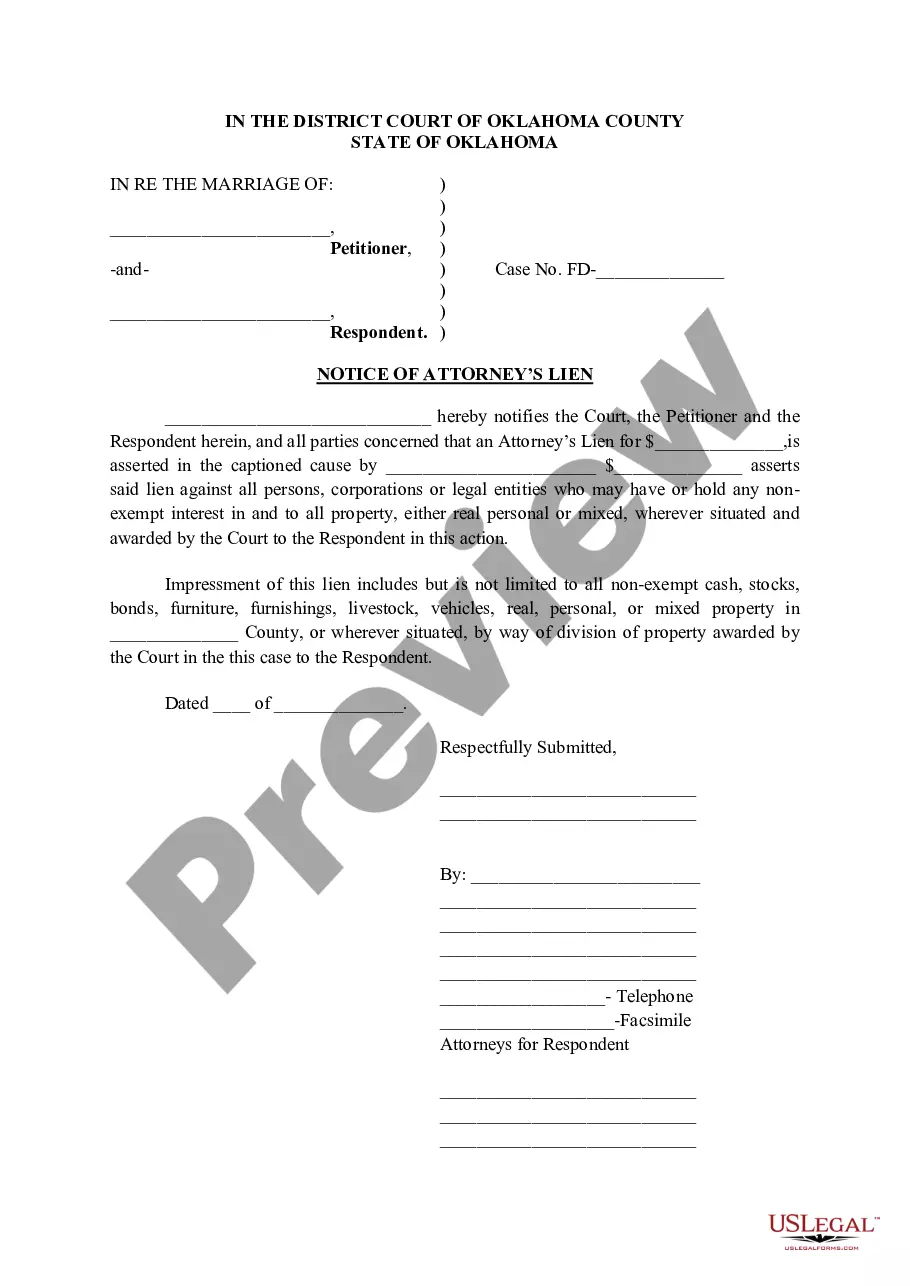
The Notice of Attorney's Lien is a legal document that notifies a client and the court of an attorneyâs intent to claim a lien for unpaid legal services. This lien serves as a legal right for the attorney to receive payment from proceeds awarded to the client in a legal proceeding. It is distinct from other forms of liens in that it specifically relates to attorney fees for services rendered in the context of legal proceedings.
Form components explained
- Parties involved: Identification of the attorney, the petitioner, and the respondent.
- Amount: Amount of the lien claimed by the attorney.
- Property details: Description of non-exempt property subject to the lien.
- Date: The date the notice is filed with the court.
- Signature: Signature of the attorney asserting the lien.
When this form is needed
This form should be used when an attorney has provided legal services to a client who has not paid for those services. It is particularly relevant in family law cases, such as divorce proceedings, where the attorney may seek to file a lien against any assets awarded to the client by the court.
Who can use this document
- Attorneys seeking to secure payment for services rendered to clients.
- Clients who have received legal services but have not compensated their attorney for those services.
- Parties involved in legal proceedings where an attorney's lien is applicable.
How to prepare this document
- Identify and write the names of the petitioner and the respondent in the designated spaces.
- Enter the case number associated with the legal proceedings.
- Fill in the amount of the lien being asserted by the attorney.
- Describe the specific properties being claimed under the lien, including any relevant details.
- Provide the date and sign the notice to validate it.
Does this document require notarization?
This form does not typically require notarization unless specified by local law. It is important to verify if there are any additional requirements specific to your jurisdiction that may necessitate notarization.
Get your form ready online
Our built-in tools help you complete, sign, share, and store your documents in one place.
Make edits, fill in missing information, and update formatting in US Legal Forms—just like you would in MS Word.
Download a copy, print it, send it by email, or mail it via USPS—whatever works best for your next step.
Sign and collect signatures with our SignNow integration. Send to multiple recipients, set reminders, and more. Go Premium to unlock E-Sign.
If this form requires notarization, complete it online through a secure video call—no need to meet a notary in person or wait for an appointment.
We protect your documents and personal data by following strict security and privacy standards.

Make edits, fill in missing information, and update formatting in US Legal Forms—just like you would in MS Word.

Download a copy, print it, send it by email, or mail it via USPS—whatever works best for your next step.

Sign and collect signatures with our SignNow integration. Send to multiple recipients, set reminders, and more. Go Premium to unlock E-Sign.

If this form requires notarization, complete it online through a secure video call—no need to meet a notary in person or wait for an appointment.

We protect your documents and personal data by following strict security and privacy standards.
Mistakes to watch out for
- Failing to include the correct case number, leading to potential challenges in court.
- Omitting the specific amount of the lien, which can invalidate the notice.
- Neglecting to sign the document, making it unenforceable.
Benefits of using this form online
- Convenience: Download and complete the form at your own pace.
- Editability: Easily modify details before formal submission.
- Reliability: Access to templates prepared by licensed attorneys ensures legal compliance.
Legal use & context
- The lien grants attorneys a legal interest in the property awarded to the client until payment is made.
- Understanding the enforceability of the lien can protect both attorney and client rights during legal proceedings.
Key takeaways
- The Notice of Attorney's Lien is critical for securing unpaid legal fees.
- Proper completion ensures enforceability within legal contexts.
- Consulting a legal professional can aid in correctly using this form.
Looking for another form?

Form popularity
FAQ
While it's unlikely that just anyone can put a lien on your home or land, it's not unheard of for a court decision or a settlement to result in a lien being placed against a property.
The deadline to enforce an Oklahoma mechanics lien is 1 year from the date the lien was filed. Note, however, that Oklahoma is a rare state that makes a claimant wait before they can enforce their lien. An Oklahoma claimant must wait at least 90 days after filing their lien to enforce it.
The attorney may retain the papers until the claims are satisfied and may apply the money to the satisfaction of the claims." An attorney's potential lien on property is set forth by a later subsection, but limits the lien on real property to instances in which there was an action "for the recovery of real or
To attach the lien, the creditor files the Statement of Judgment with the county clerk in any Oklahoma county where the debtor has property now or may have property in the future.
For a Lien only: $10.00 Lien fee plus $1.55 Mail fee. 3. The MLA will stamp and record the date, time and receipt number on the face of the titling documentation and attach one copy of the MV-21-A and one copy of the lien fee receipt.
Voluntary and Involuntary Liens. Creditors, such as a mortgage or car lender, can ask borrowers to put up the purchased property as collateral as part of the condition of the loan. Creditors With Involuntary Liens. Judgment Liens. Other Types of Involuntary Liens.
Can a lien be placed on your property without you knowing? Yes, it happens. Sometimes a court decision or settlement results in a lien being placed on a property, and for some reason the owner doesn't know about it initially.
If you have unpaid debt of any kind, this can lead the creditors that you owe money to place a lien on your assets.In other cases, liens may be placed on property by a court order as a result of legal action.
A mortgage creates a lien on your property that gives the lender the right to foreclose and sell the home to satisfy the debt. A deed of trust (sometimes called a trust deed) is also a document that gives the lender the right to sell the property to satisfy the debt should you fail to pay back the loan.