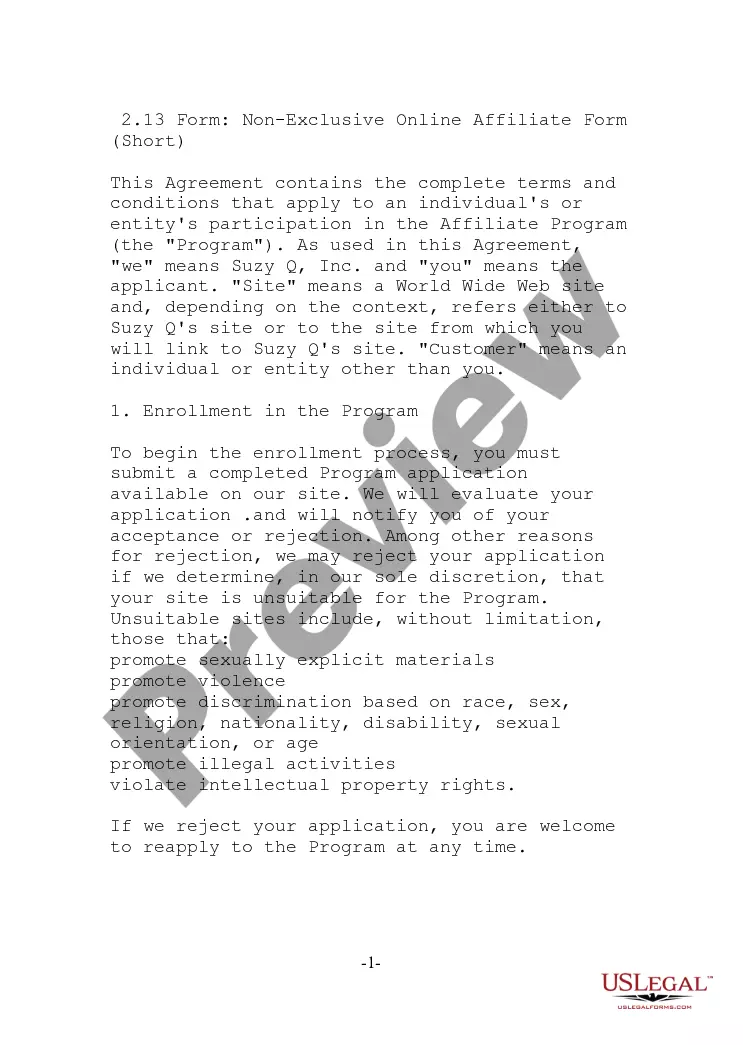
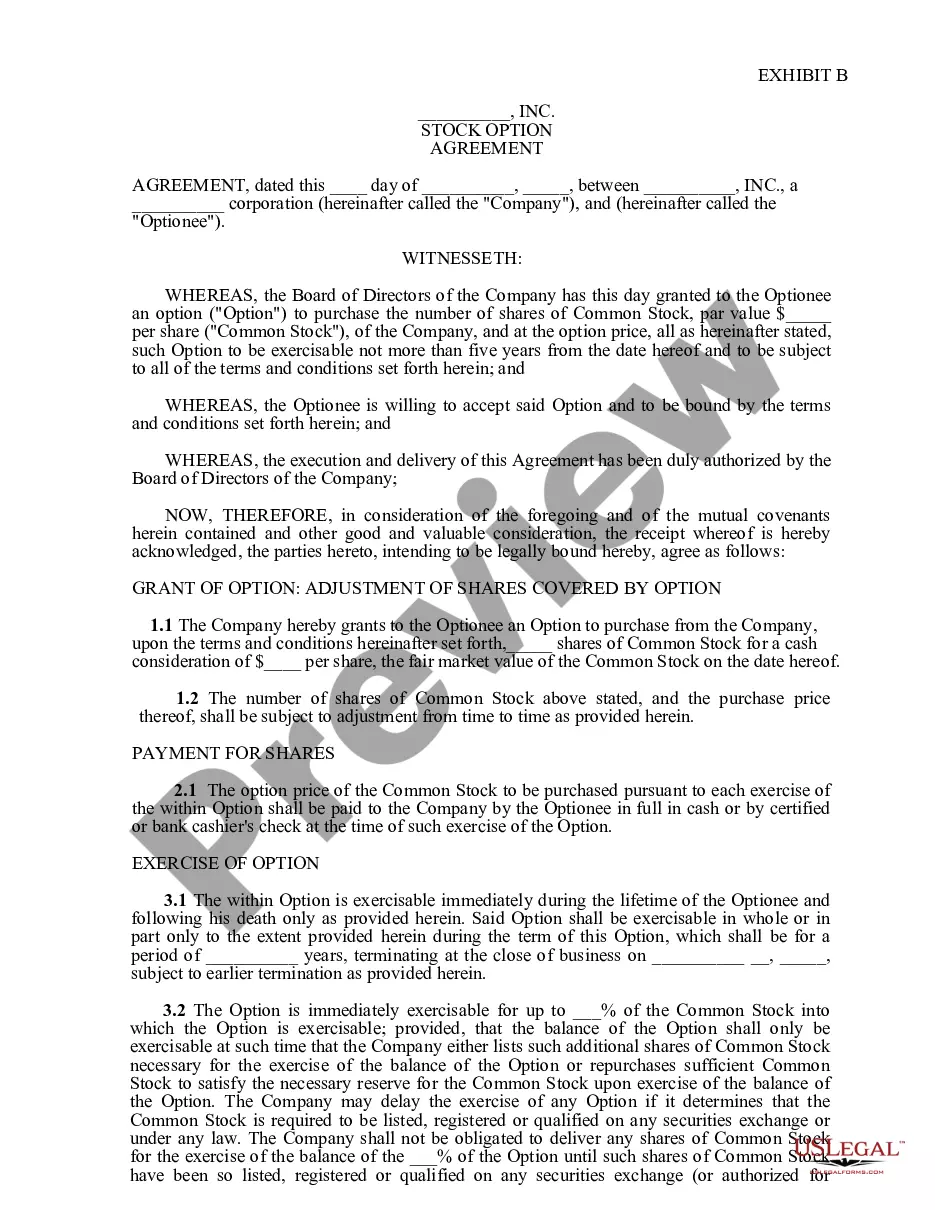
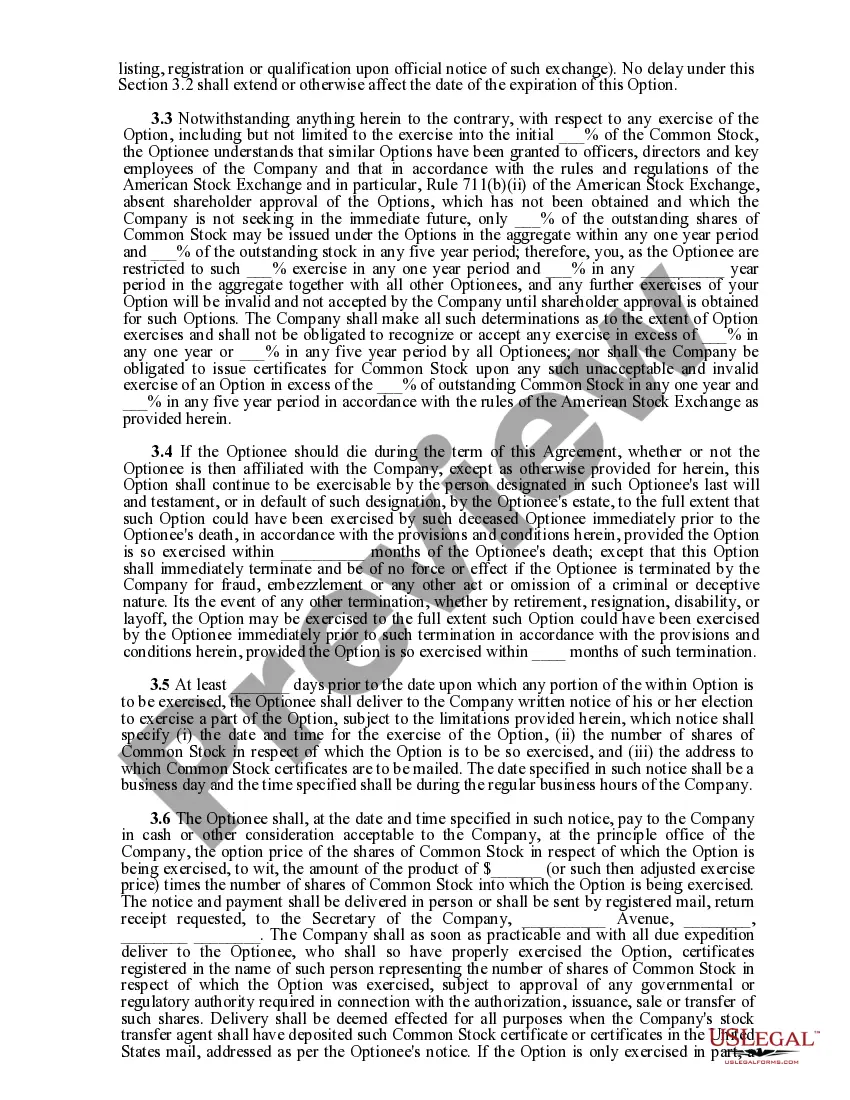
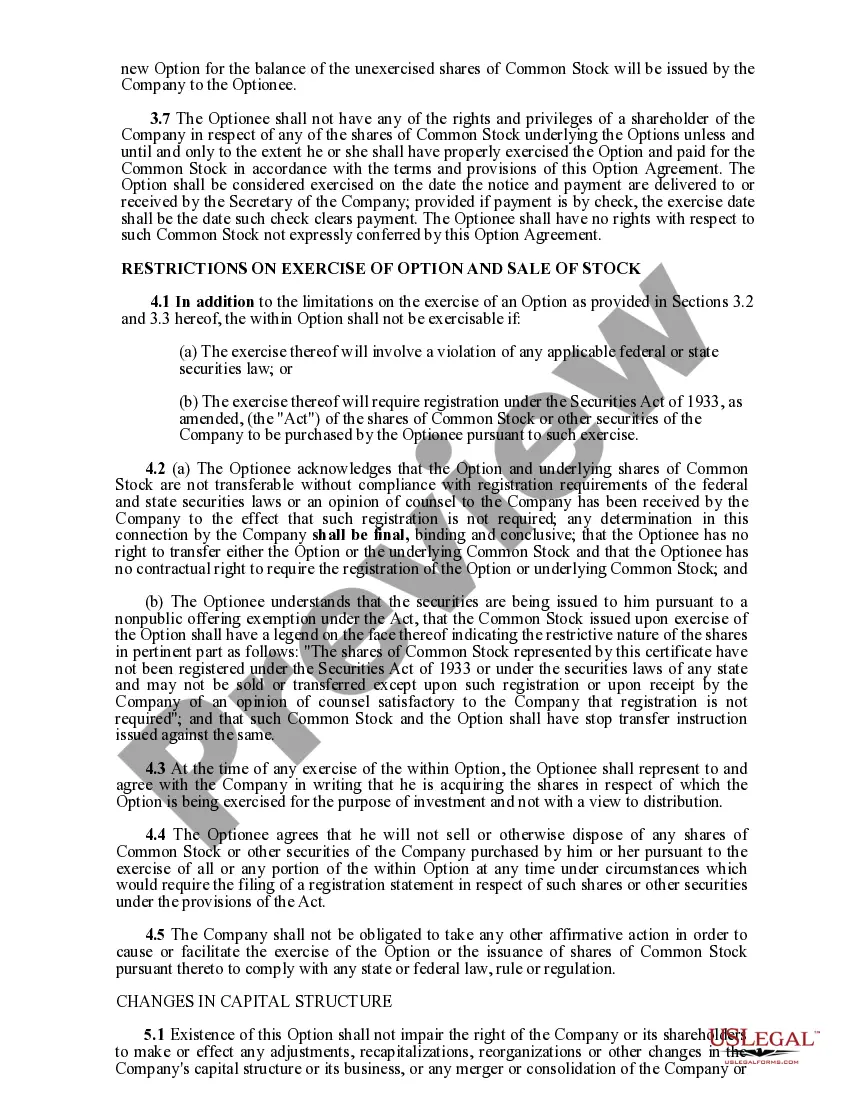
Ohio Stock Option Agreement
Description
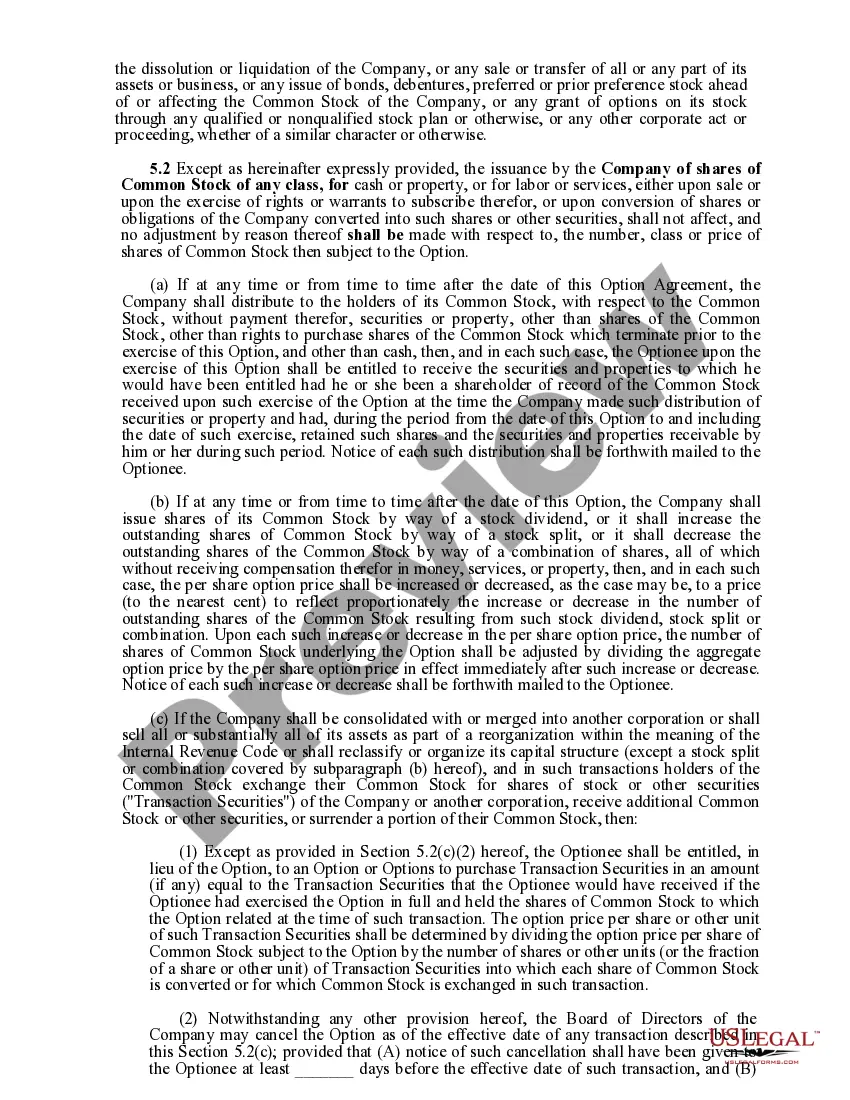
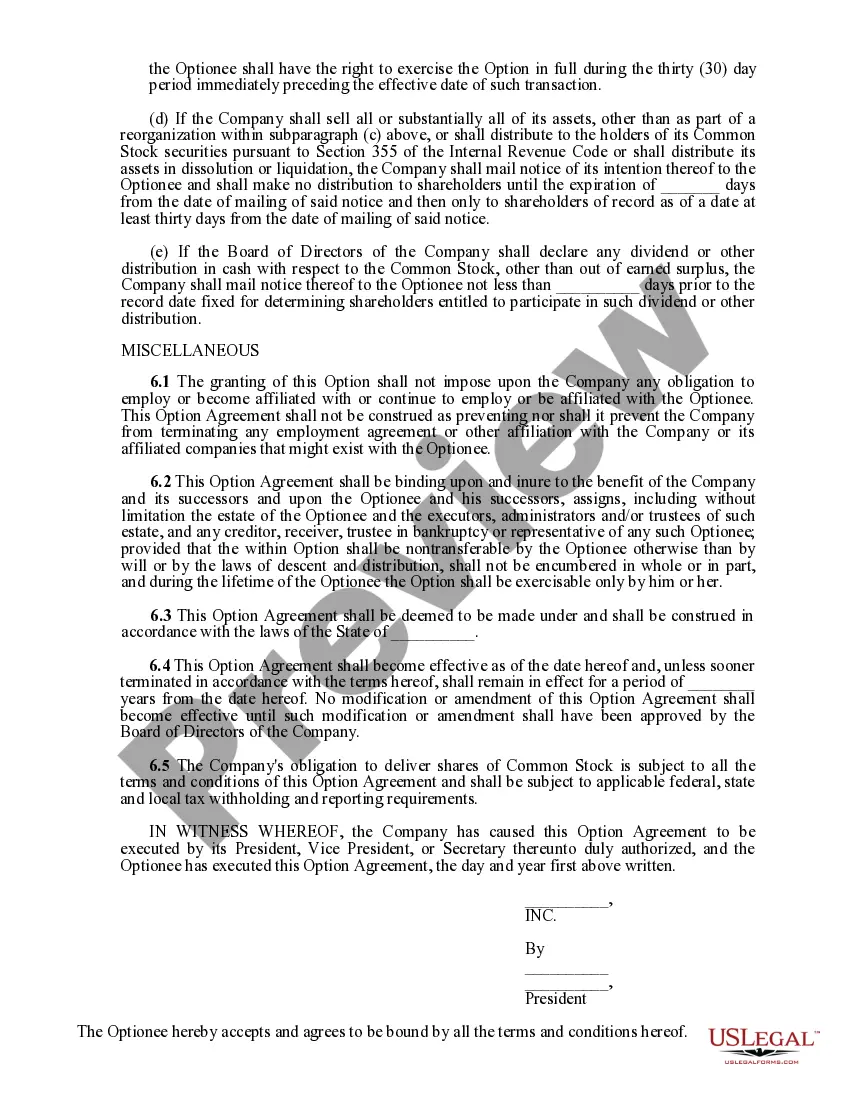
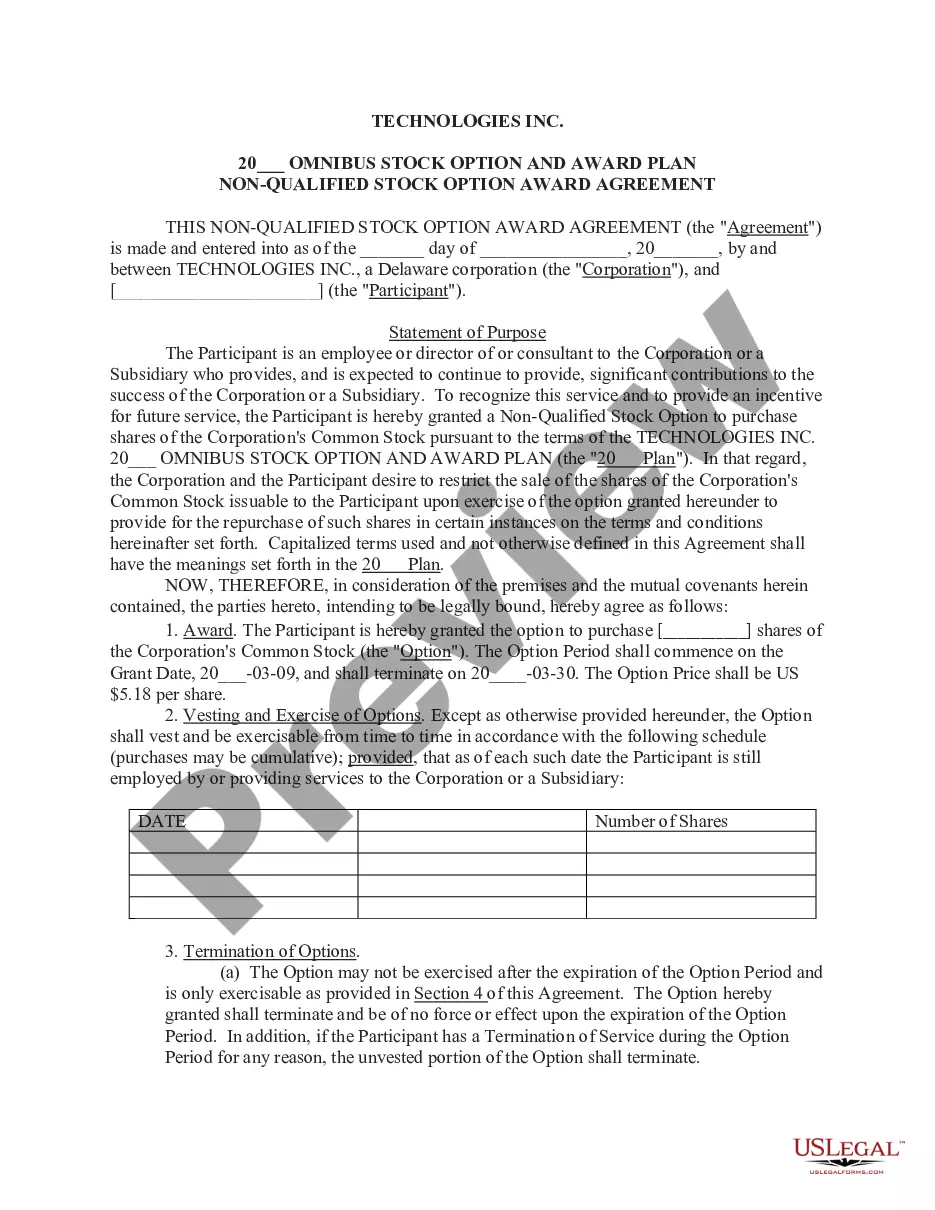
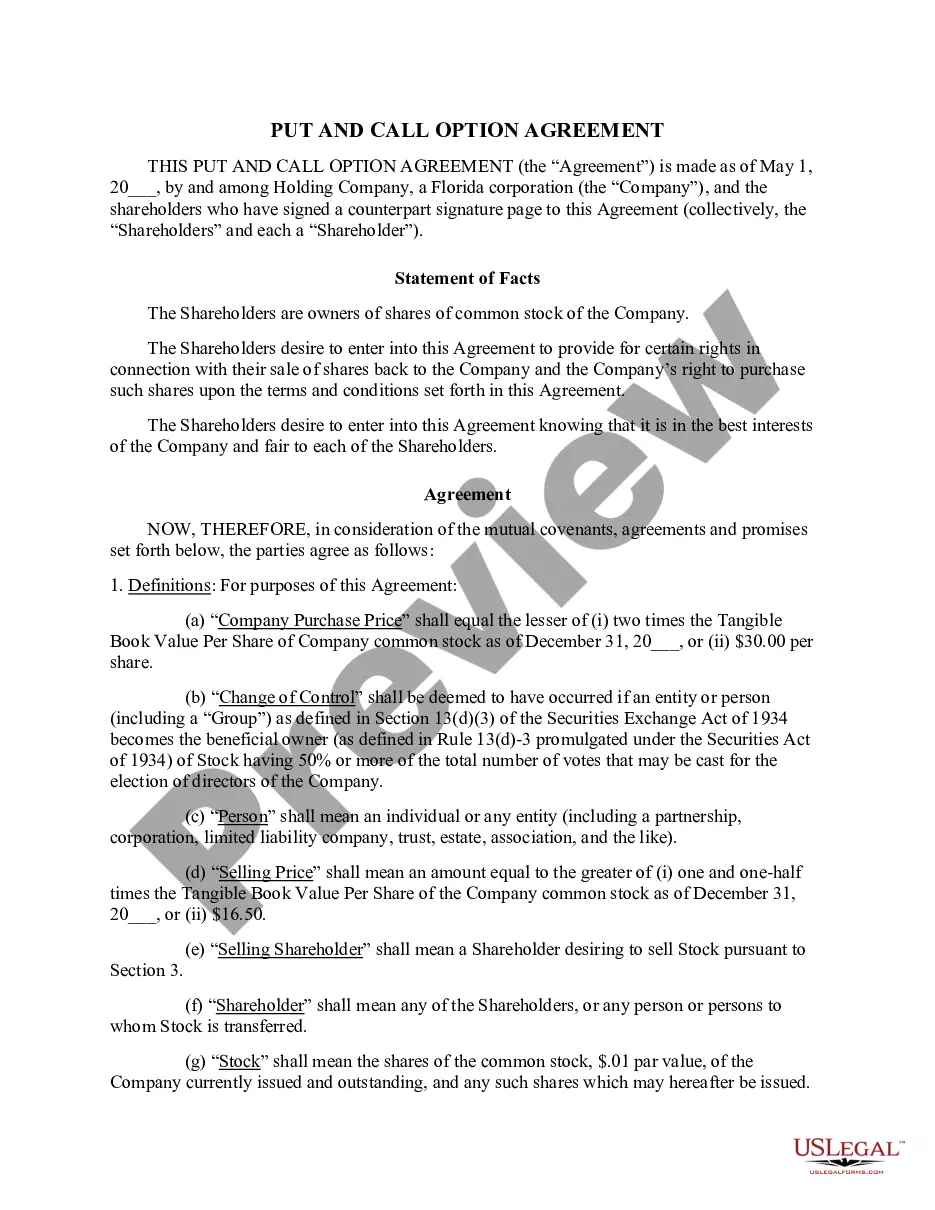
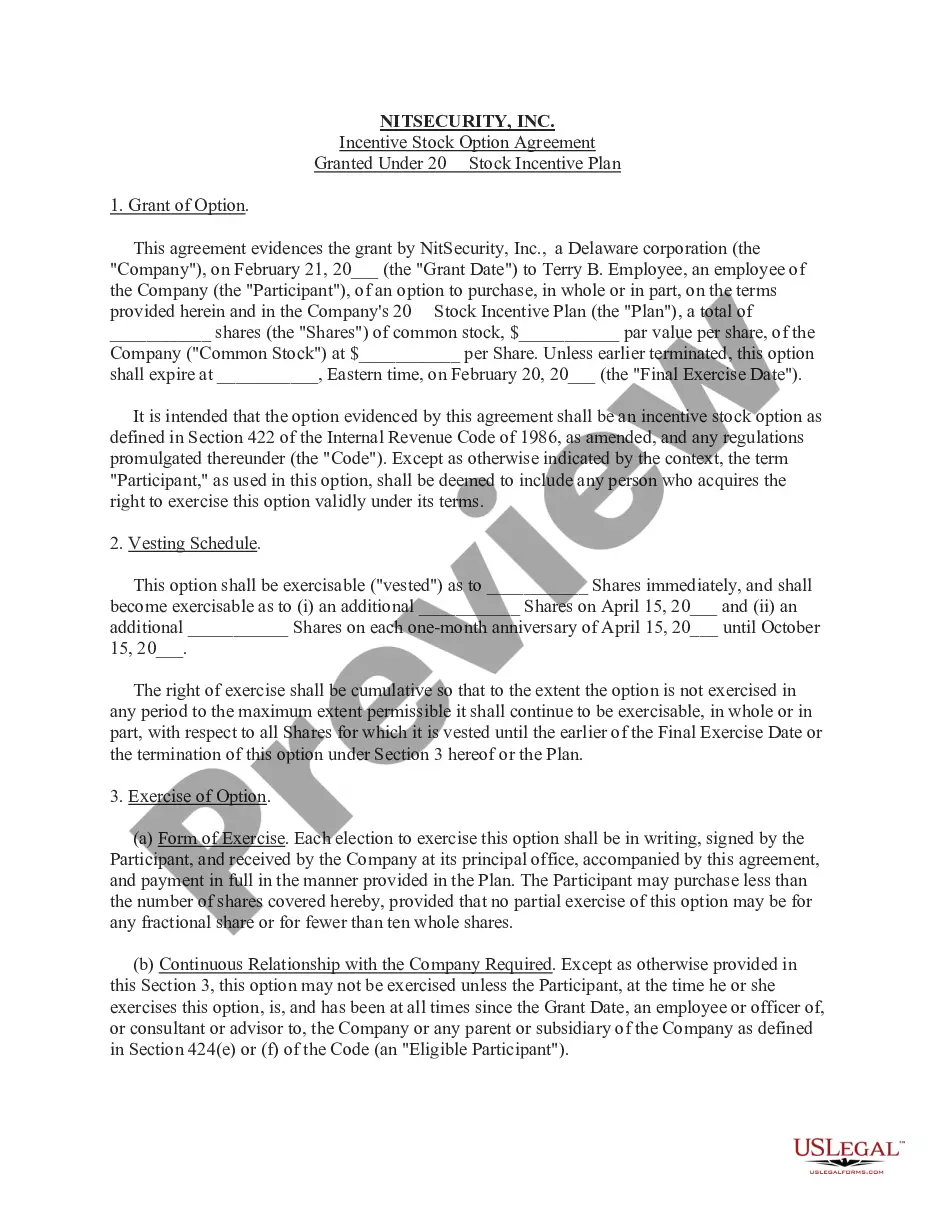
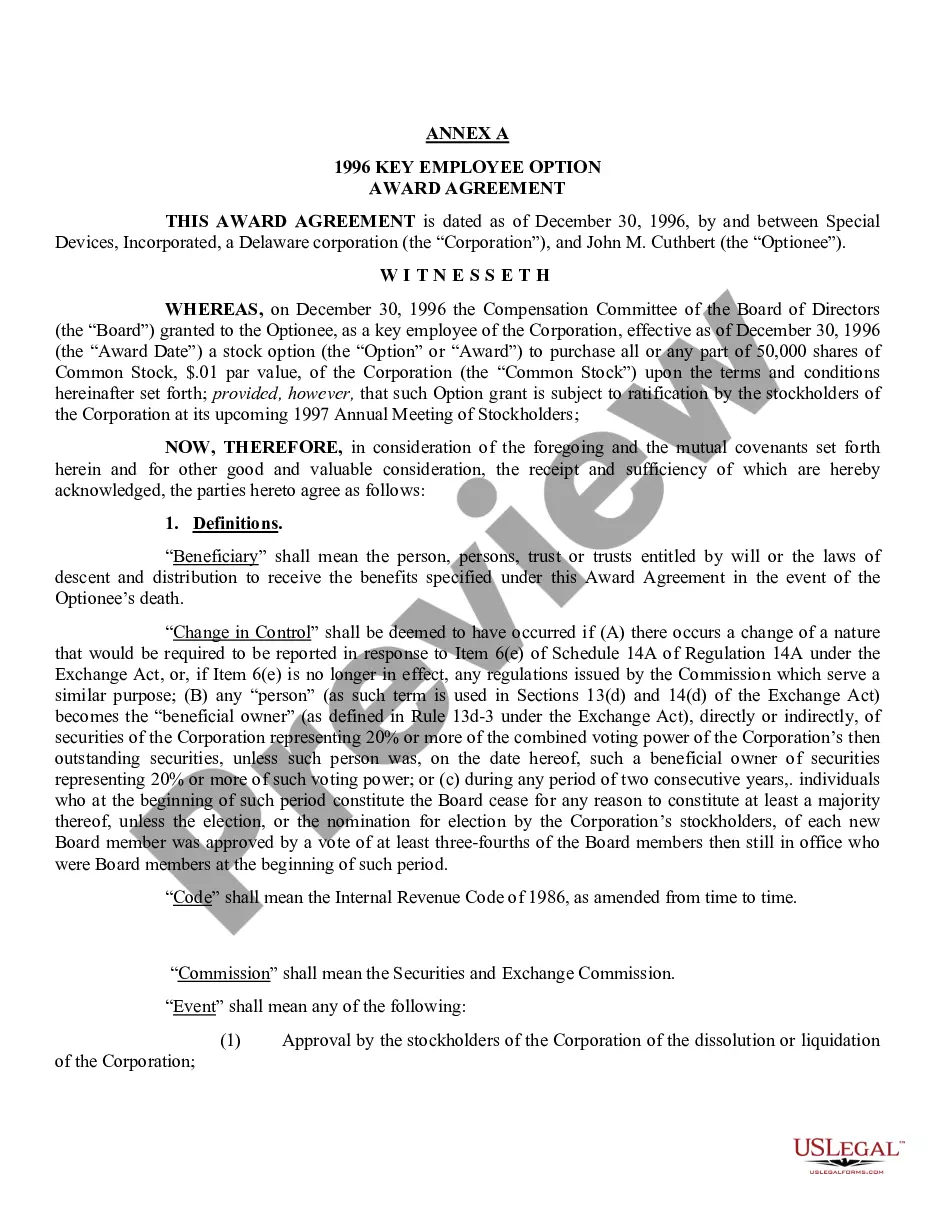
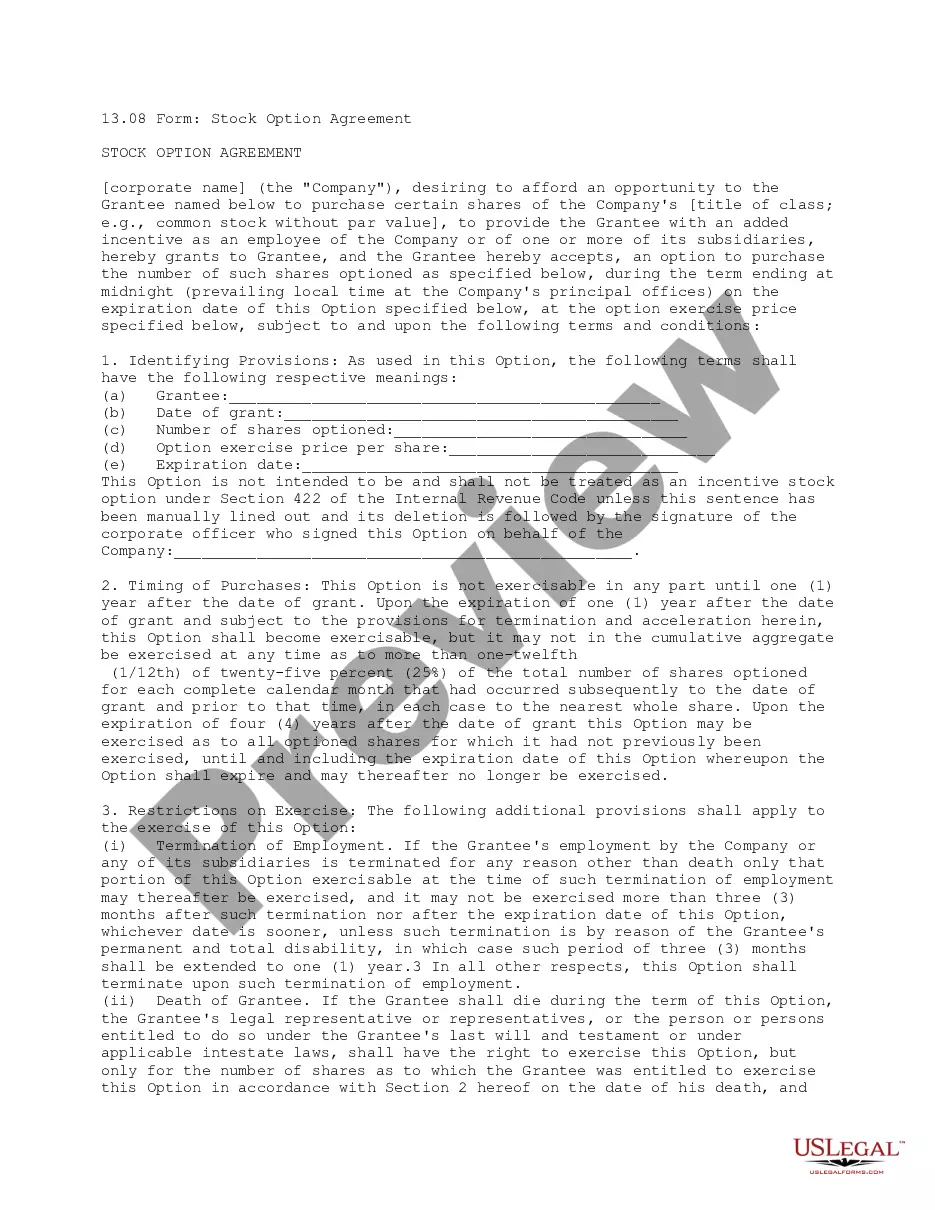
Get your form ready online
Our built-in tools help you complete, sign, share, and store your documents in one place.
Make edits, fill in missing information, and update formatting in US Legal Forms—just like you would in MS Word.
Download a copy, print it, send it by email, or mail it via USPS—whatever works best for your next step.
Sign and collect signatures with our SignNow integration. Send to multiple recipients, set reminders, and more. Go Premium to unlock E-Sign.
If this form requires notarization, complete it online through a secure video call—no need to meet a notary in person or wait for an appointment.
We protect your documents and personal data by following strict security and privacy standards.

Make edits, fill in missing information, and update formatting in US Legal Forms—just like you would in MS Word.

Download a copy, print it, send it by email, or mail it via USPS—whatever works best for your next step.

Sign and collect signatures with our SignNow integration. Send to multiple recipients, set reminders, and more. Go Premium to unlock E-Sign.

If this form requires notarization, complete it online through a secure video call—no need to meet a notary in person or wait for an appointment.

We protect your documents and personal data by following strict security and privacy standards.
Looking for another form?






How to fill out Stock Option Agreement?
Discovering the right authorized record design can be quite a have difficulties. Obviously, there are a lot of templates available on the net, but how do you discover the authorized form you need? Make use of the US Legal Forms site. The support offers a large number of templates, for example the Ohio Stock Option Agreement, that can be used for business and personal requirements. Every one of the kinds are examined by professionals and satisfy federal and state needs.
If you are previously signed up, log in to your accounts and click the Download option to have the Ohio Stock Option Agreement. Utilize your accounts to search throughout the authorized kinds you may have purchased earlier. Check out the My Forms tab of your accounts and obtain yet another copy in the record you need.
If you are a whole new user of US Legal Forms, listed here are basic instructions that you should adhere to:
- Initially, make sure you have selected the right form for your personal town/region. You can look through the form making use of the Review option and browse the form outline to ensure this is basically the right one for you.
- When the form will not satisfy your expectations, take advantage of the Seach area to obtain the appropriate form.
- Once you are sure that the form would work, click on the Buy now option to have the form.
- Opt for the rates plan you would like and enter the essential info. Create your accounts and pay for an order making use of your PayPal accounts or Visa or Mastercard.
- Pick the submit format and download the authorized record design to your gadget.
- Total, modify and printing and signal the attained Ohio Stock Option Agreement.
US Legal Forms is the biggest local library of authorized kinds where you can see different record templates. Make use of the service to download expertly-created documents that adhere to express needs.
Form popularity
FAQ
Ohio has a reciprocity agreement with the five states that border Ohio. These five states are Indiana, Kentucky, Michigan, Pennsylvania and West Virginia. The reciprocity agreements provide that Ohio will not impose state income tax on the salaries, wages, tips and commissions of residents of these five states.
Employer Withholding - Reciprocity The five reciprocity states that share a border with Ohio are Indiana, Kentucky, Michigan, Pennsylvania, and West Virginia. Employers are not required to withhold Ohio income tax for an employee who lives and works in another state, even if the work is performed for an Ohio company.
Ohio does not have the convenience of the employer rule. That's New York, Pennsylvania, Nebraska, Delaware and Arkansas.
Note: A tax treaty between the US and your country of residence only applies to federal tax, it does not apply to state ? (however, the State of Ohio currently honors the tax treaties), city tax or Medicare tax ? so even if you qualify for the benefit of a tax treaty with your home country there will still be other tax ...
Some of the states that do not allow treaty benefits are: Alabama, Arkansas, California, Connecticut, Hawaii, Kansas, Kentucky, Maryland, Mississippi, Montana, New Jersey, North Dakota, and Pennsylvania.
Some states honor the provisions of U.S. tax treaties and some states do not.
Residents of reciprocal states (Illinois, Indiana, Kentucky, Minnesota, Ohio, and Wisconsin) working in Michigan, do not have to pay Michigan tax on their salaries or wages earned in Michigan.
Many aspects of the federal tax code are automatically adopted by all states. For example, all states tax earned and unearned income, and all states allow businesses to deduct ordinary and necessary expenses on their corporate returns.