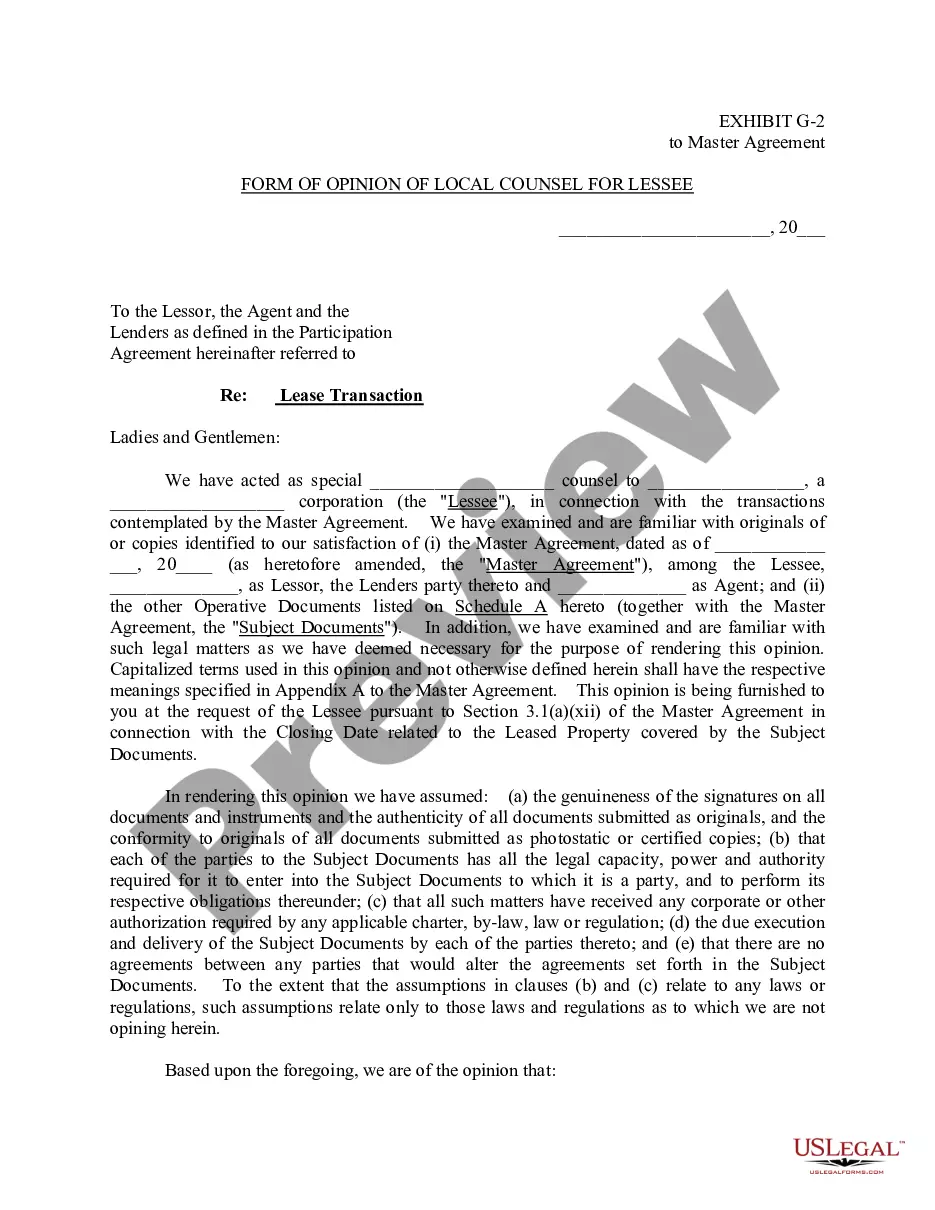
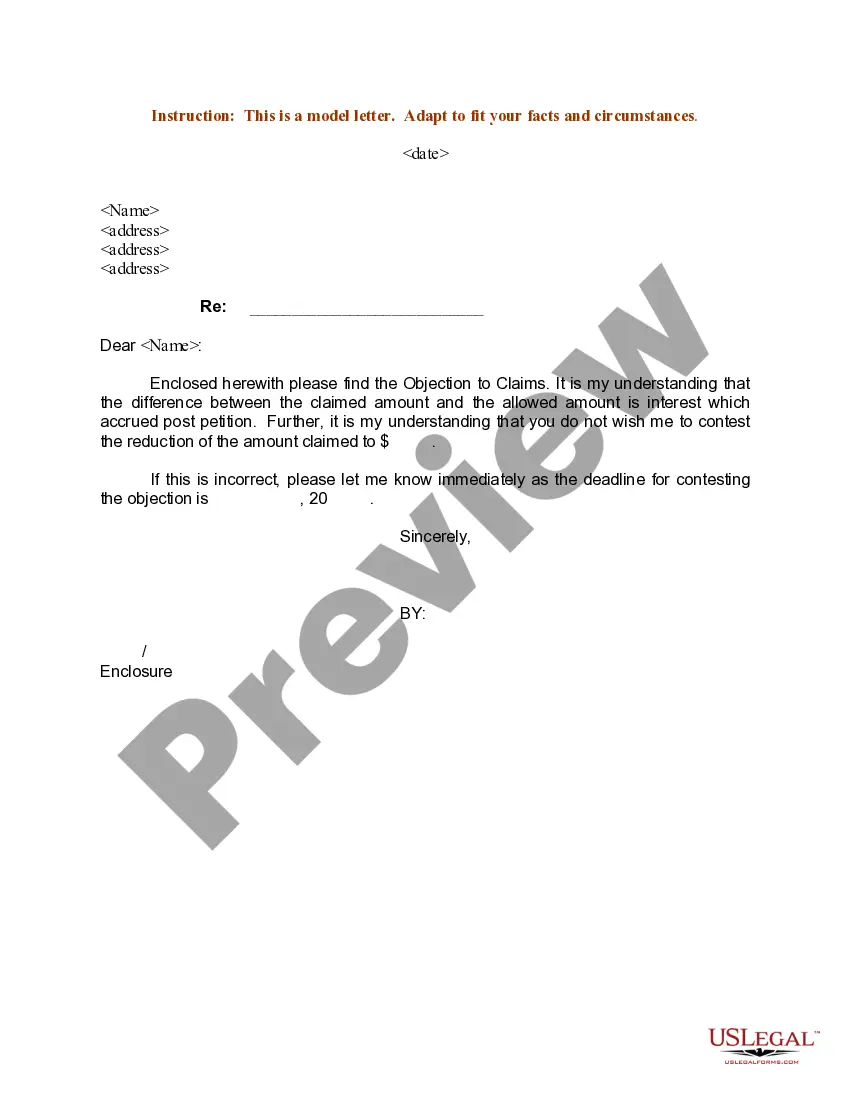
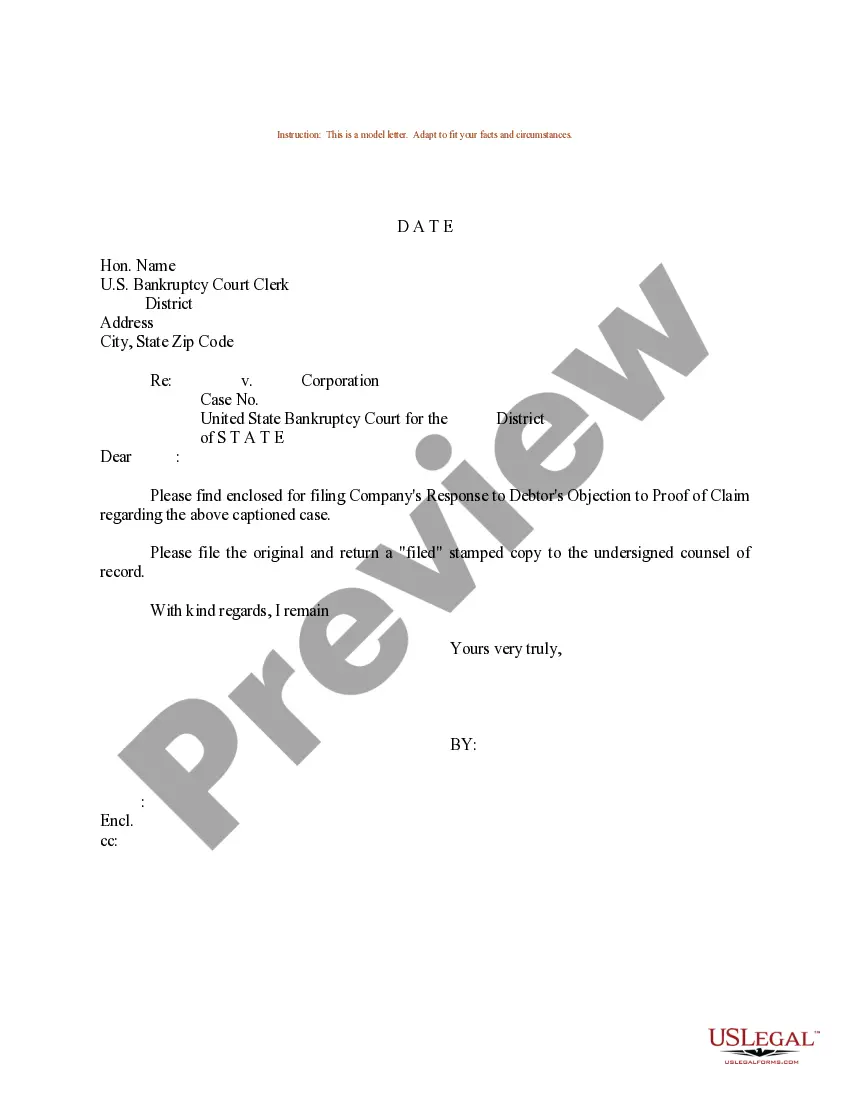
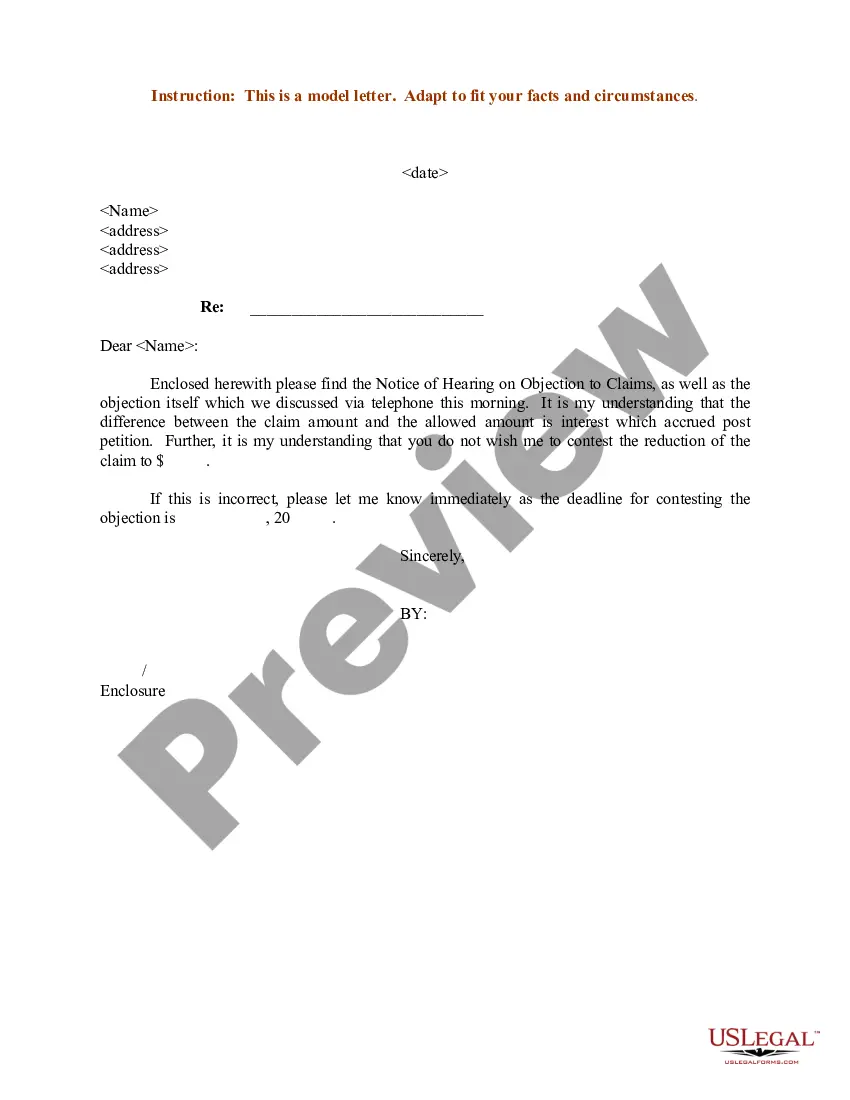
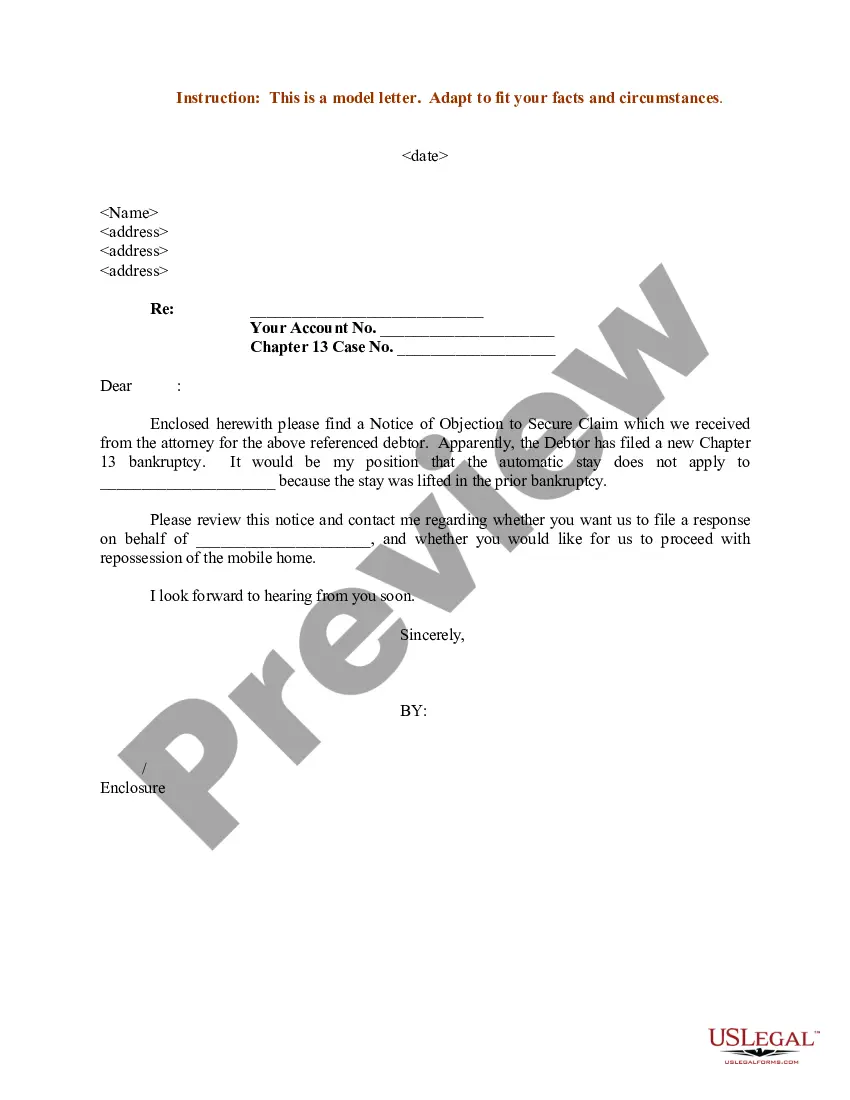
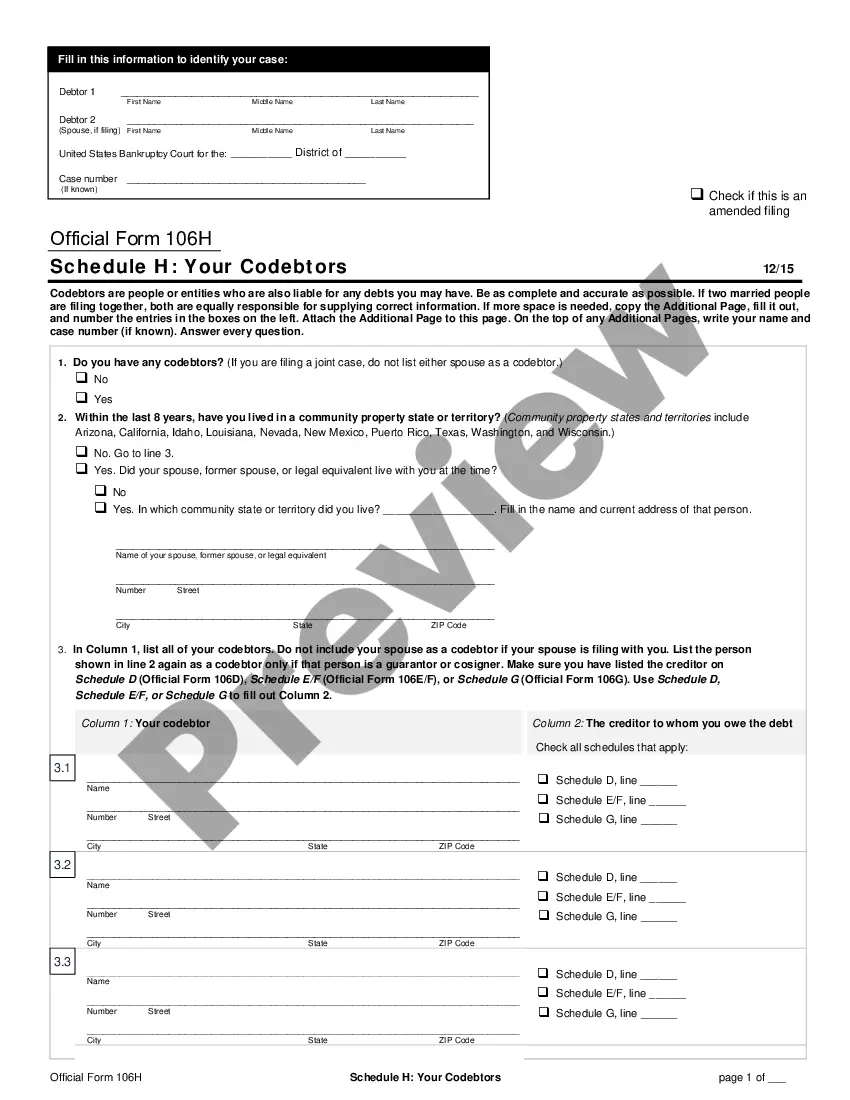
Ohio Sample Letter for Claim Objection
Description
Get your form ready online
Our built-in tools help you complete, sign, share, and store your documents in one place.
Make edits, fill in missing information, and update formatting in US Legal Forms—just like you would in MS Word.
Download a copy, print it, send it by email, or mail it via USPS—whatever works best for your next step.
Sign and collect signatures with our SignNow integration. Send to multiple recipients, set reminders, and more. Go Premium to unlock E-Sign.
If this form requires notarization, complete it online through a secure video call—no need to meet a notary in person or wait for an appointment.
We protect your documents and personal data by following strict security and privacy standards.

Make edits, fill in missing information, and update formatting in US Legal Forms—just like you would in MS Word.

Download a copy, print it, send it by email, or mail it via USPS—whatever works best for your next step.

Sign and collect signatures with our SignNow integration. Send to multiple recipients, set reminders, and more. Go Premium to unlock E-Sign.

If this form requires notarization, complete it online through a secure video call—no need to meet a notary in person or wait for an appointment.

We protect your documents and personal data by following strict security and privacy standards.
Looking for another form?




How to fill out Sample Letter For Claim Objection?
Discovering the right authorized record template might be a have a problem. Obviously, there are tons of templates accessible on the Internet, but how will you obtain the authorized develop you need? Use the US Legal Forms internet site. The support delivers thousands of templates, including the Ohio Sample Letter for Claim Objection, that can be used for organization and personal requirements. All the forms are checked by experts and meet state and federal demands.
Should you be already authorized, log in to the bank account and then click the Down load option to have the Ohio Sample Letter for Claim Objection. Make use of bank account to look from the authorized forms you might have bought in the past. Proceed to the My Forms tab of your bank account and have an additional backup of the record you need.
Should you be a fresh user of US Legal Forms, listed below are simple recommendations that you can adhere to:
- Initial, make sure you have chosen the appropriate develop to your city/region. You may look over the form making use of the Review option and browse the form information to make sure this is the right one for you.
- When the develop is not going to meet your expectations, use the Seach discipline to get the proper develop.
- When you are positive that the form is acceptable, go through the Buy now option to have the develop.
- Choose the rates strategy you want and enter in the necessary information. Build your bank account and purchase the order making use of your PayPal bank account or bank card.
- Opt for the document file format and obtain the authorized record template to the gadget.
- Full, modify and print and sign the received Ohio Sample Letter for Claim Objection.
US Legal Forms is definitely the most significant library of authorized forms that you will find numerous record templates. Use the company to obtain expertly-produced papers that adhere to status demands.
Form popularity
FAQ
The signature of the creditor or declarant on the claim must be witnessed. A detailed statement of account must be attached to the proof of claim and must show the date, the number and the amount of all the invoices or charges, together with the date, the number and the amount of all credits or payment.
Claim Objection means any objection, application, motion, complaint or any other legal proceeding seeking, in whole or in part, to disallow, determine, liquidate, classify, reclassify, or establish the priority, expunge, subordinate, or estimate any Claim (including the resolution of any request for payment of any ...
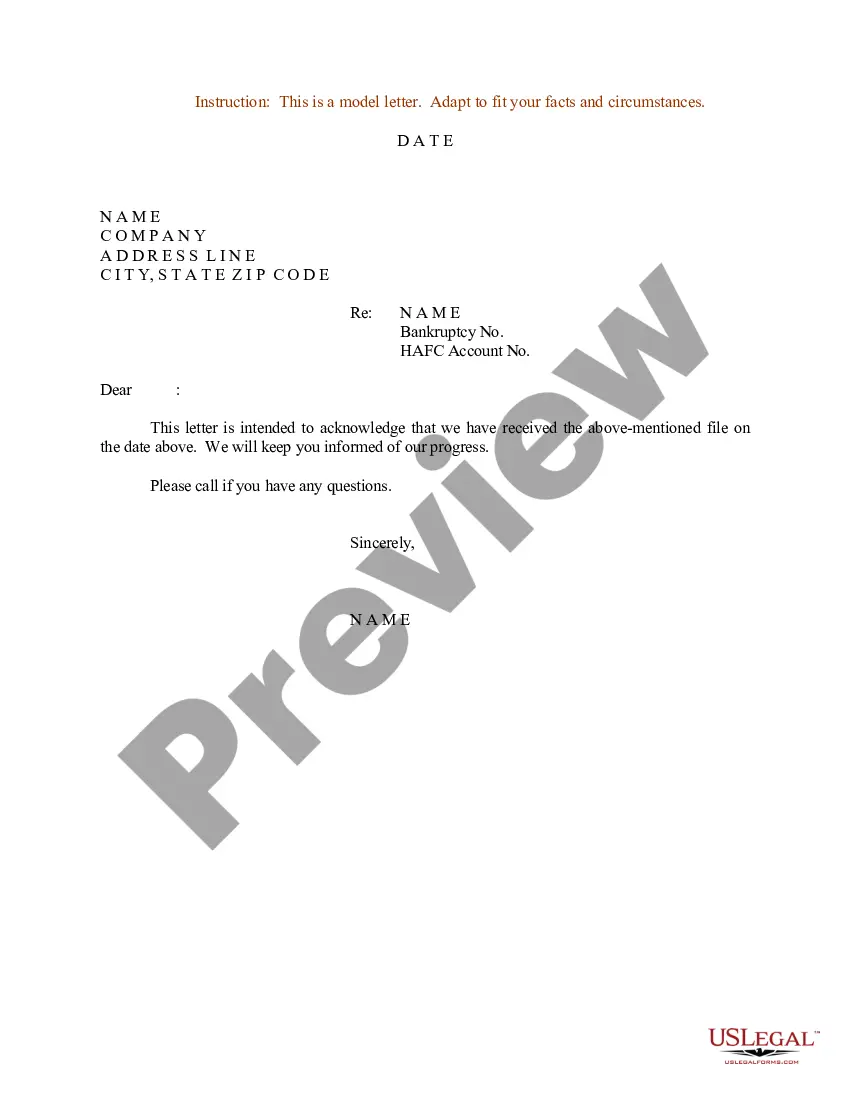
This bankruptcy form Notice of Objecton to Proof of Claim and Notice of Hearing and Objection to Claim can be used in Chapter 13 bankruptcy by a debtor's attorney to object to the proof of claim of a creditor who has overstated the amount due.
An objection to a proof of claim must be in writing and filed with the bankruptcy court. A copy of the objection and the notice of court hearing date must be mailed to the creditor, the trustee, and the debtor at least 30 days before the hearing.
A proof of claim is a written statement setting forth a creditor's claim. A proof of claim shall conform substantially to the appropriate Official Form. (b) Who May Execute. A proof of claim shall be executed by the creditor or the creditor's authorized agent except as provided in Rules 3004 and 3005.
A proof of claim is a form submitted by a creditor in order to receive money from a debtor who has filed for bankruptcy. The document provides notice of the claim to all of the other relevant parties involved in the bankruptcy, including the court, the debtor, and any other creditors.