Ohio Instructional Design ADDIE
Description
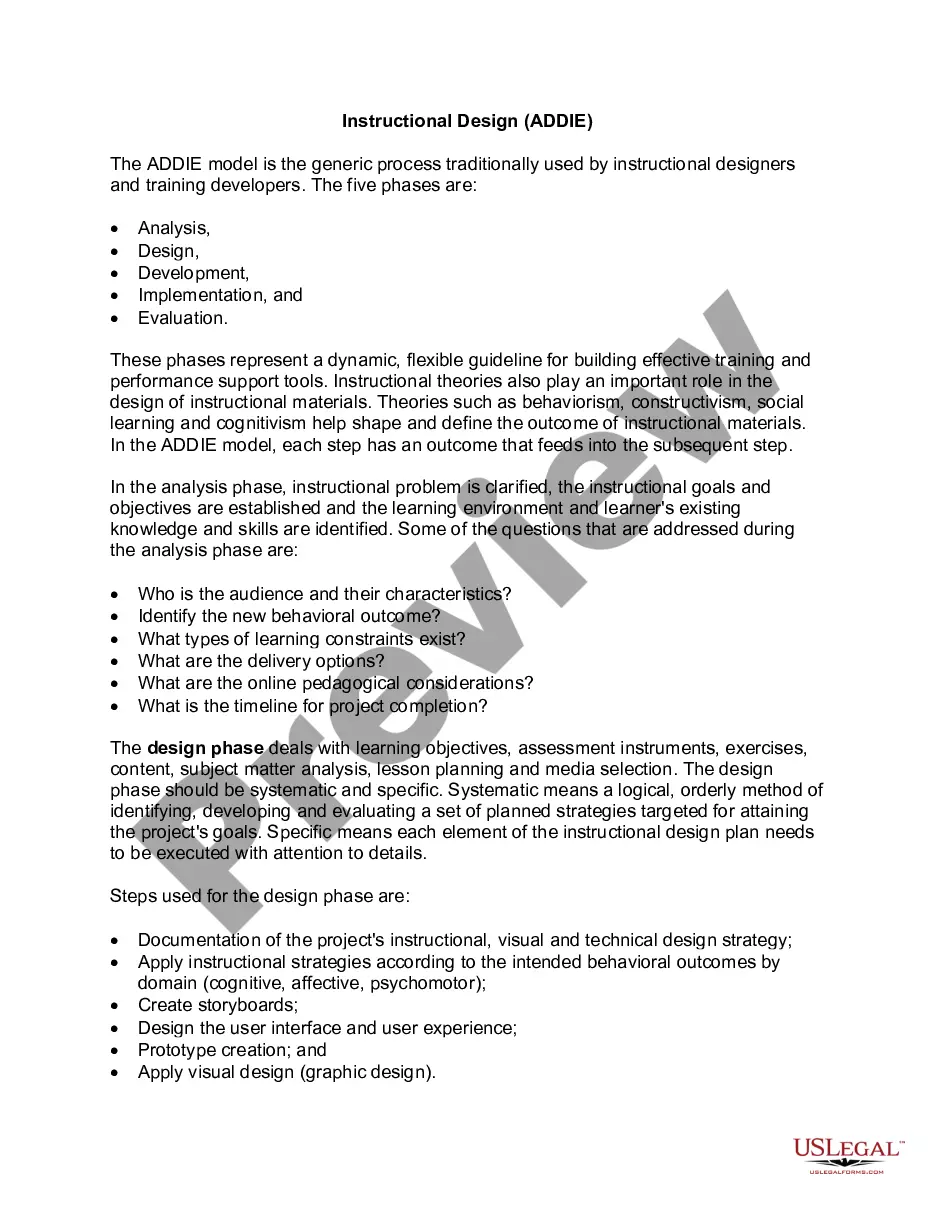
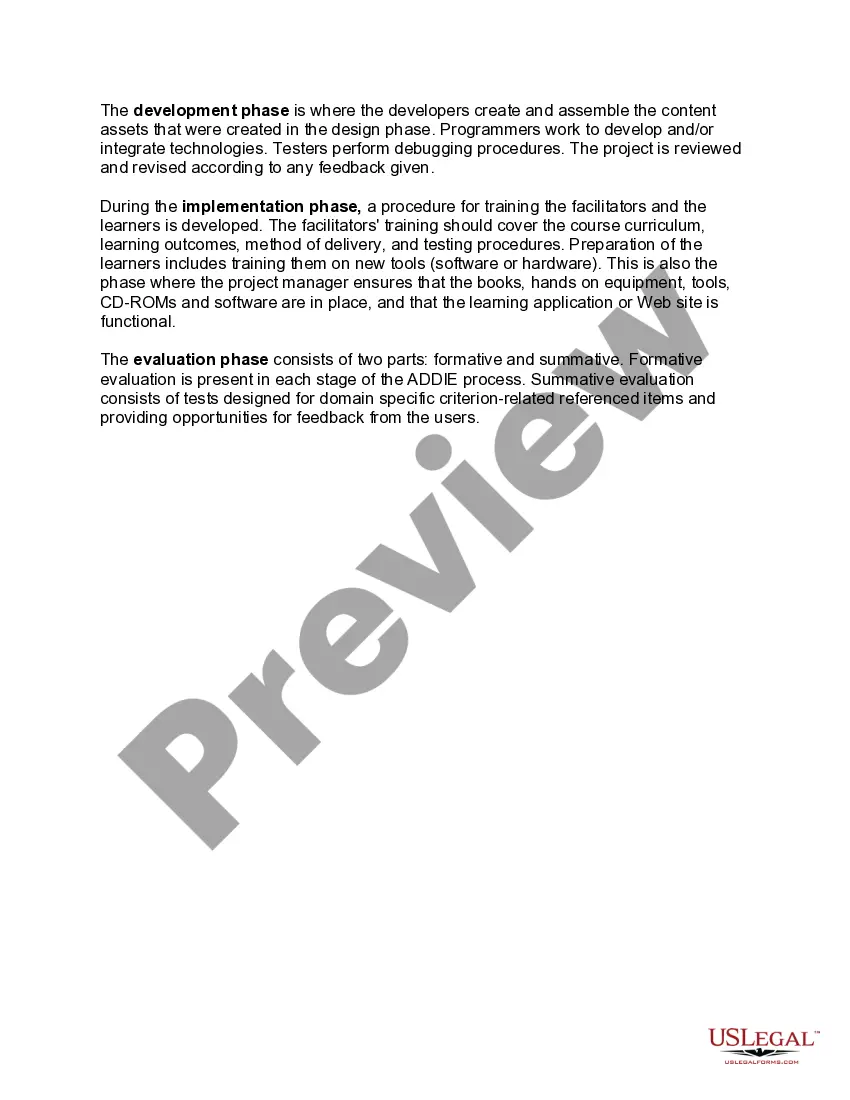
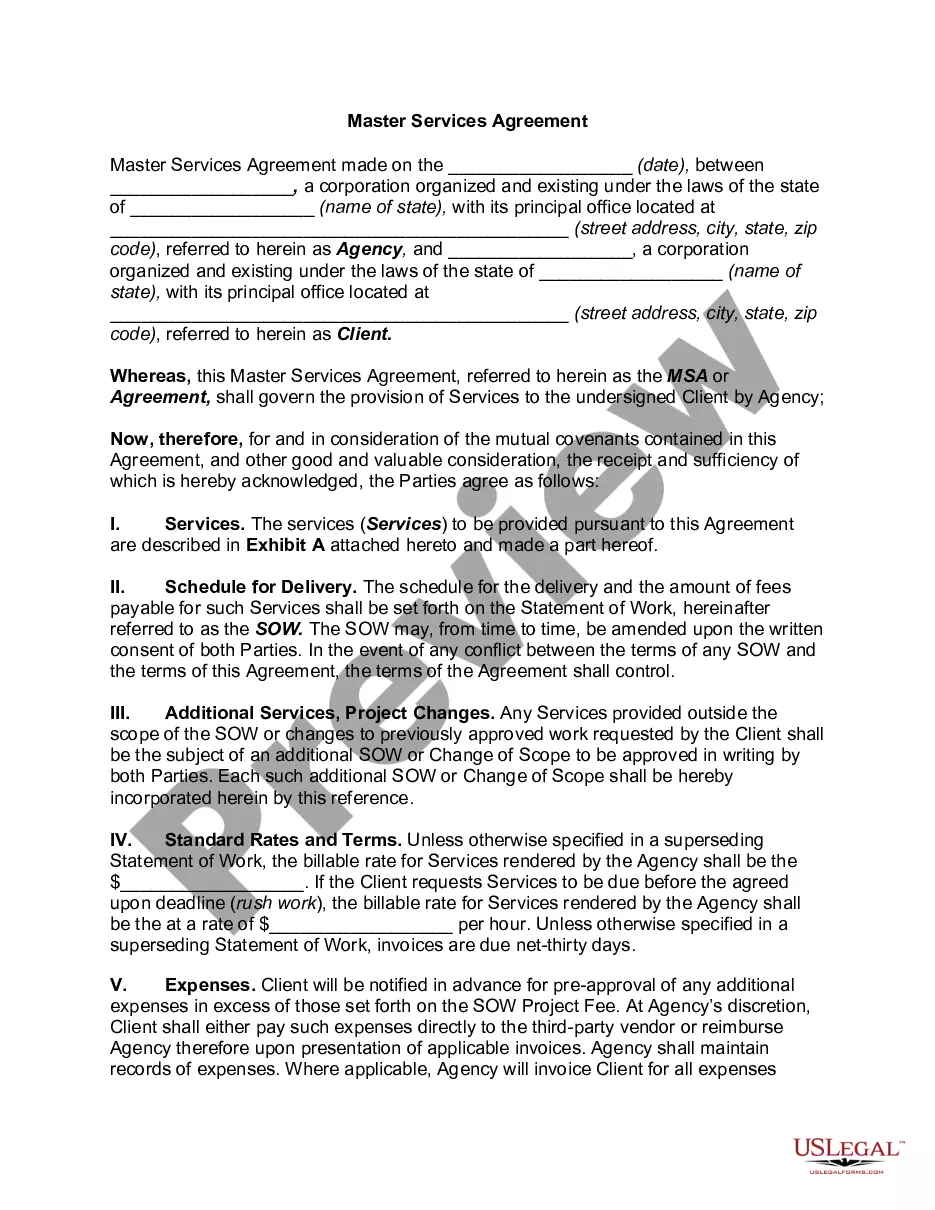
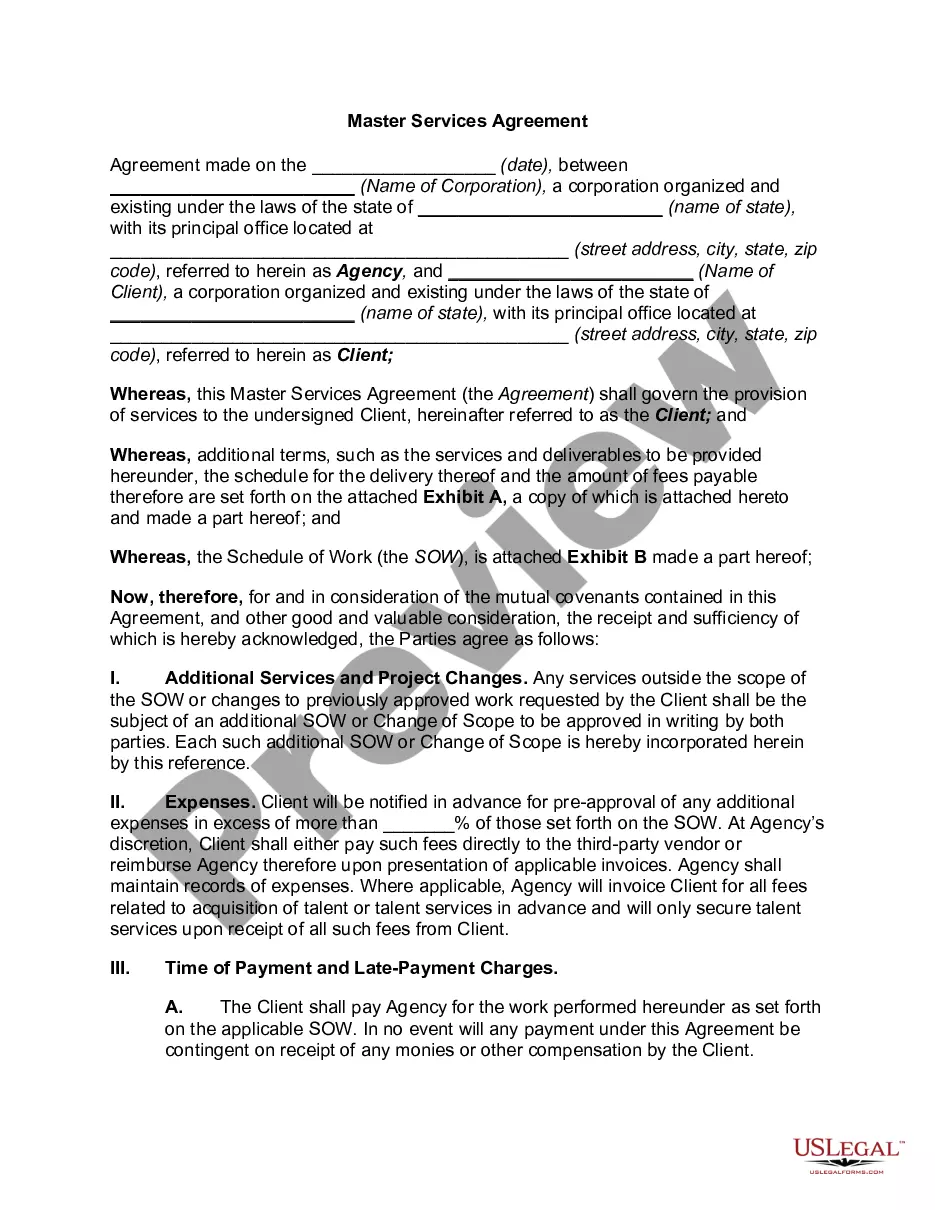
Get your form ready online
Our built-in tools help you complete, sign, share, and store your documents in one place.
Make edits, fill in missing information, and update formatting in US Legal Forms—just like you would in MS Word.
Download a copy, print it, send it by email, or mail it via USPS—whatever works best for your next step.
Sign and collect signatures with our SignNow integration. Send to multiple recipients, set reminders, and more. Go Premium to unlock E-Sign.
If this form requires notarization, complete it online through a secure video call—no need to meet a notary in person or wait for an appointment.
We protect your documents and personal data by following strict security and privacy standards.

Make edits, fill in missing information, and update formatting in US Legal Forms—just like you would in MS Word.

Download a copy, print it, send it by email, or mail it via USPS—whatever works best for your next step.

Sign and collect signatures with our SignNow integration. Send to multiple recipients, set reminders, and more. Go Premium to unlock E-Sign.

If this form requires notarization, complete it online through a secure video call—no need to meet a notary in person or wait for an appointment.

We protect your documents and personal data by following strict security and privacy standards.
Looking for another form?






How to fill out Instructional Design ADDIE?
Locating the appropriate legal document format can be a challenge.
Clearly, there are numerous templates accessible online, but how do you find the legal document you require.
Use the US Legal Forms website. This service provides a wide range of templates, including the Ohio Instructional Design ADDIE, suitable for business and personal purposes.
You can preview the form using the Preview button and read the form description to confirm it is suitable for you.
- All of the documents are reviewed by experts and meet state and federal requirements.
- If you are already registered, Log Into your account and click the Obtain button to get the Ohio Instructional Design ADDIE.
- Utilize your account to view the legal forms you have previously purchased.
- Go to the My documents tab in your account and obtain another copy of the document you need.
- If you are a new user of US Legal Forms, follow these simple steps.
- First, ensure you have selected the correct form for your area.
Form popularity
FAQ
The five steps of the ADDIE training process are Analysis, Design, Development, Implementation, and Evaluation. Each step requires collaboration and feedback for optimal outcomes. By following Ohio Instructional Design ADDIE, trainers can create tailored experiences that meet the specific goals of their learners, resulting in effective training programs.
Utilizing the ADDIE model in your lesson plan involves starting with an analysis of your students' needs. Next, design your objectives and course structure effectively. During development, create the learning materials, then implement them in the classroom, and finally, evaluate the results to refine future lessons. This structured approach, as advocated by Ohio Instructional Design ADDIE, ensures that you deliver impactful education.
The ADDIE model consists of five steps: Analysis, Design, Development, Implementation, and Evaluation. Each step plays a crucial role in creating effective educational materials. Ohio Instructional Design ADDIE emphasizes thorough analysis to identify learners' needs, which lays the foundation for a well-designed instructional experience.
Addie is an acronym for the five stages of a development process: Analysis, Design, Development, Implementation, and Evaluation. The ADDIE model relies on each stage being done in the given order but with a focus on reflection and iteration.
A Quick Guide to Four Instructional Design ModelsADDIE Model.Merrill's Principles of Instruction.Gagne's Nine Events of Instructions.Bloom's Taxonomy.
Addie's model consists of Analysis, Design, Development, Implementation and Evaluation. In this research, the researcher develop pocket book for vocabulary using Addie's model as guide. There are 5 stages of Addie's model consists of Analysis, Design, Development, Implementation and Evaluation.
In this post we'll explore the five stages of the ADDIE model of instructional designanalysis, design, development, implementation, and evaluationand how this process can help or hurt your learning evaluation methods.
In this post we'll explore the five stages of the ADDIE model of instructional designanalysis, design, development, implementation, and evaluationand how this process can help or hurt your learning evaluation methods.
The acronym "ADDIE" stands for Analyze, Design, Develop, Implement, and Evaluate. It is an Instructional Design model that has withstood the test of time and use. It is simply a "device" to help us think through a course's design.
Instructional design, also known as instructional system design (ISD), is the creation of learning experiences and materials in a manner that results in the acquisition and application of knowledge and skills.