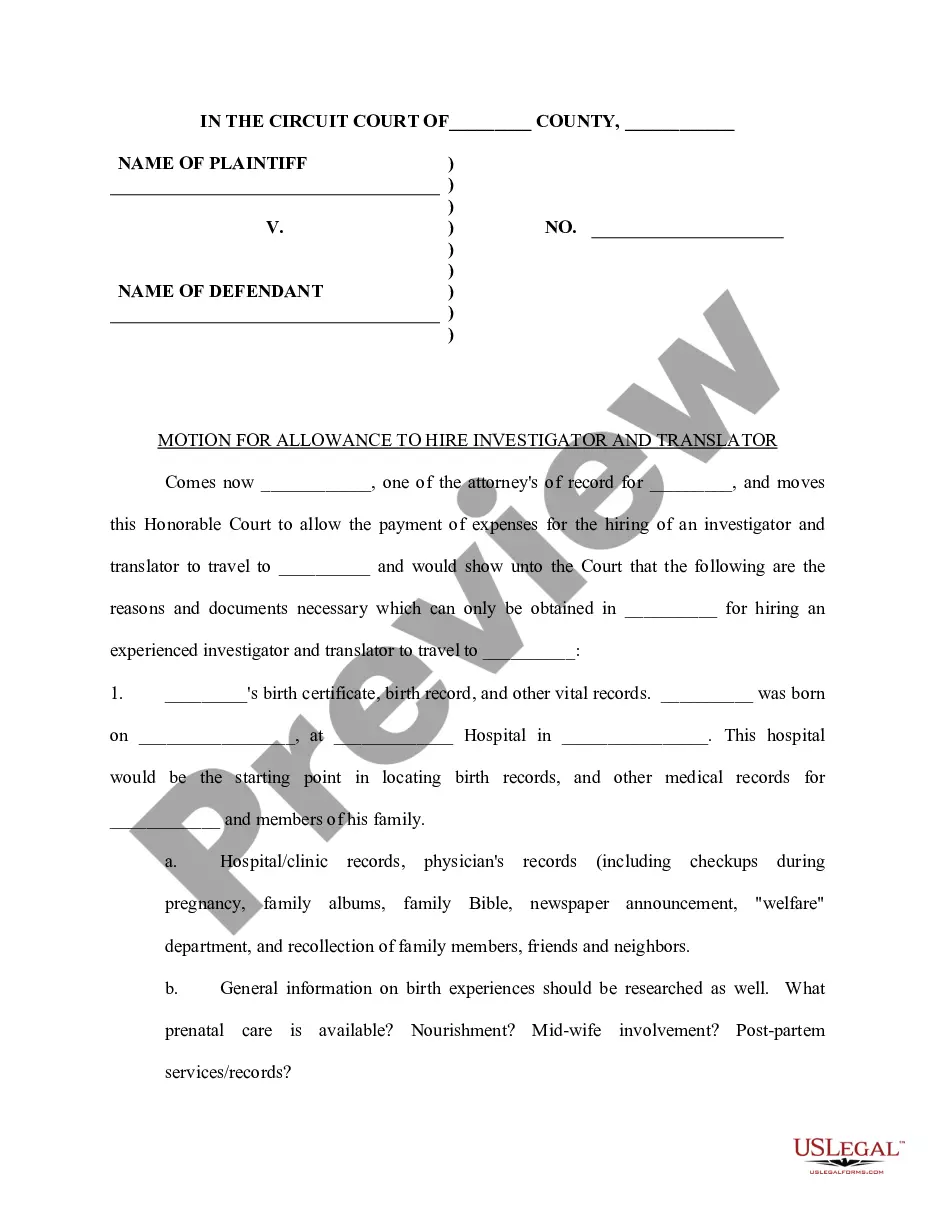
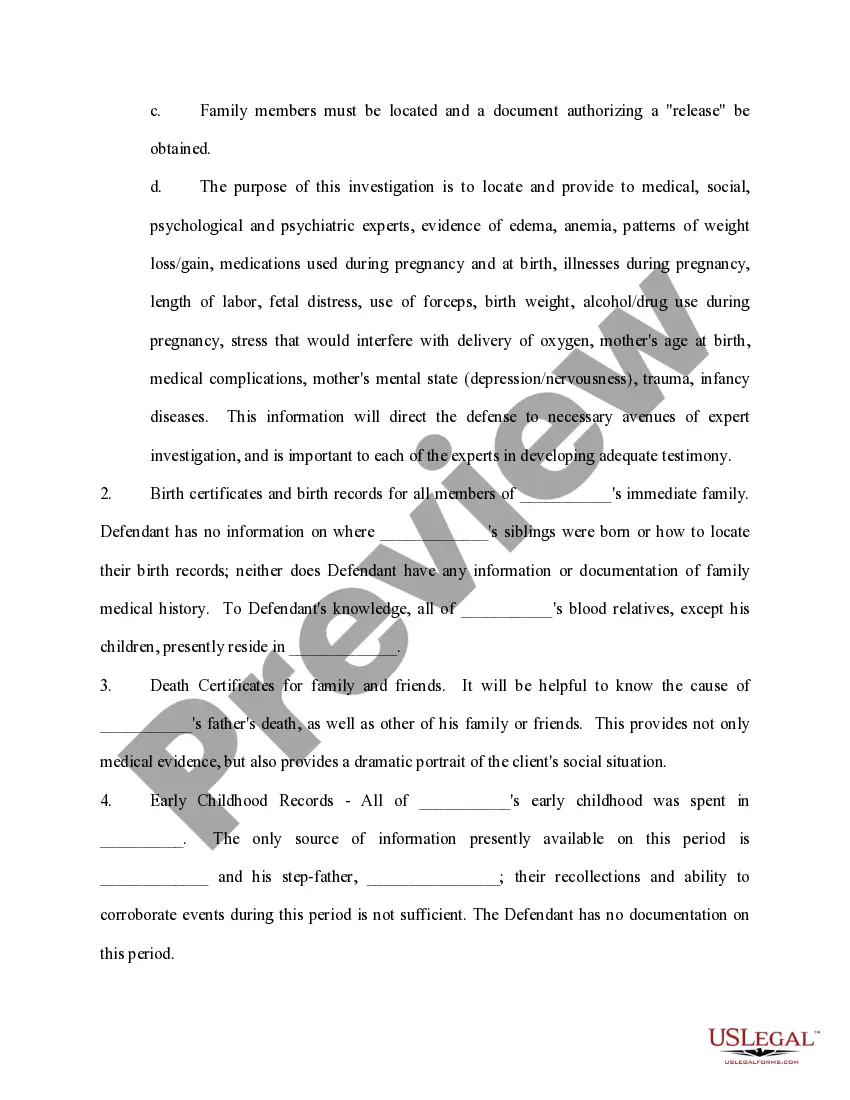
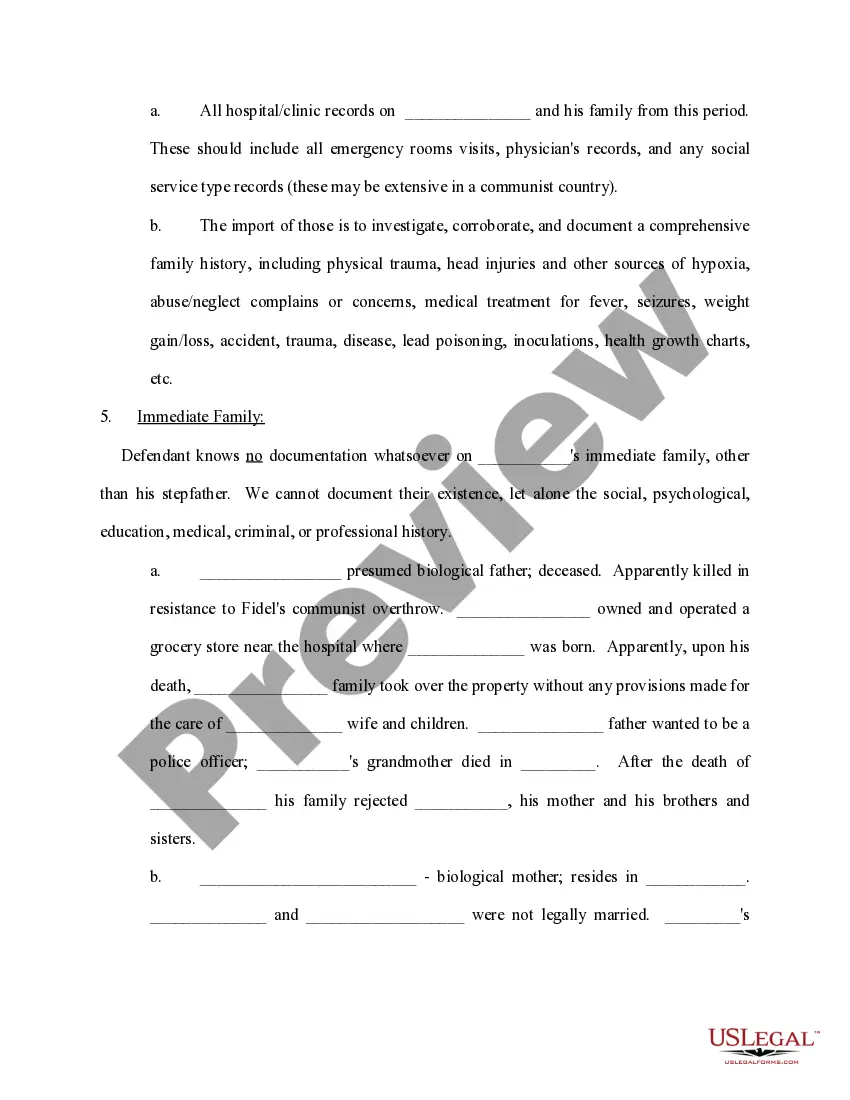
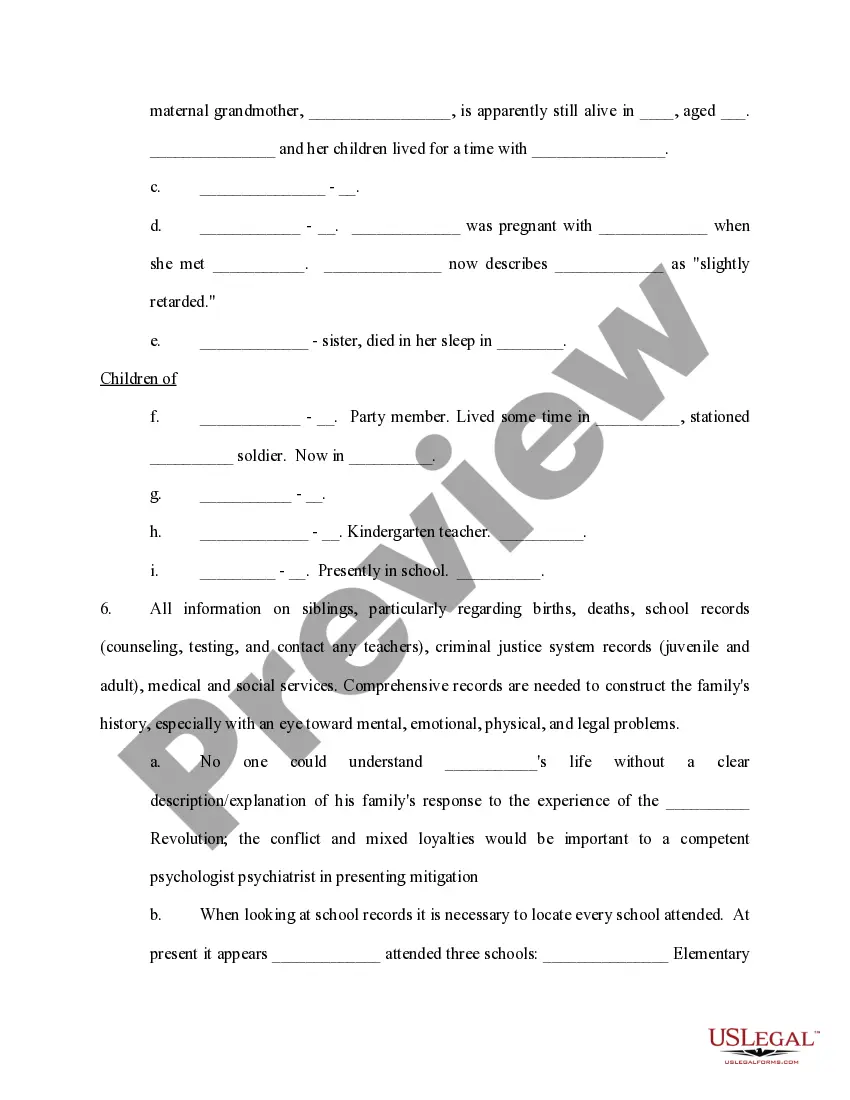
Ohio Motion for Allowance to Hire Investigator and Translator
Description
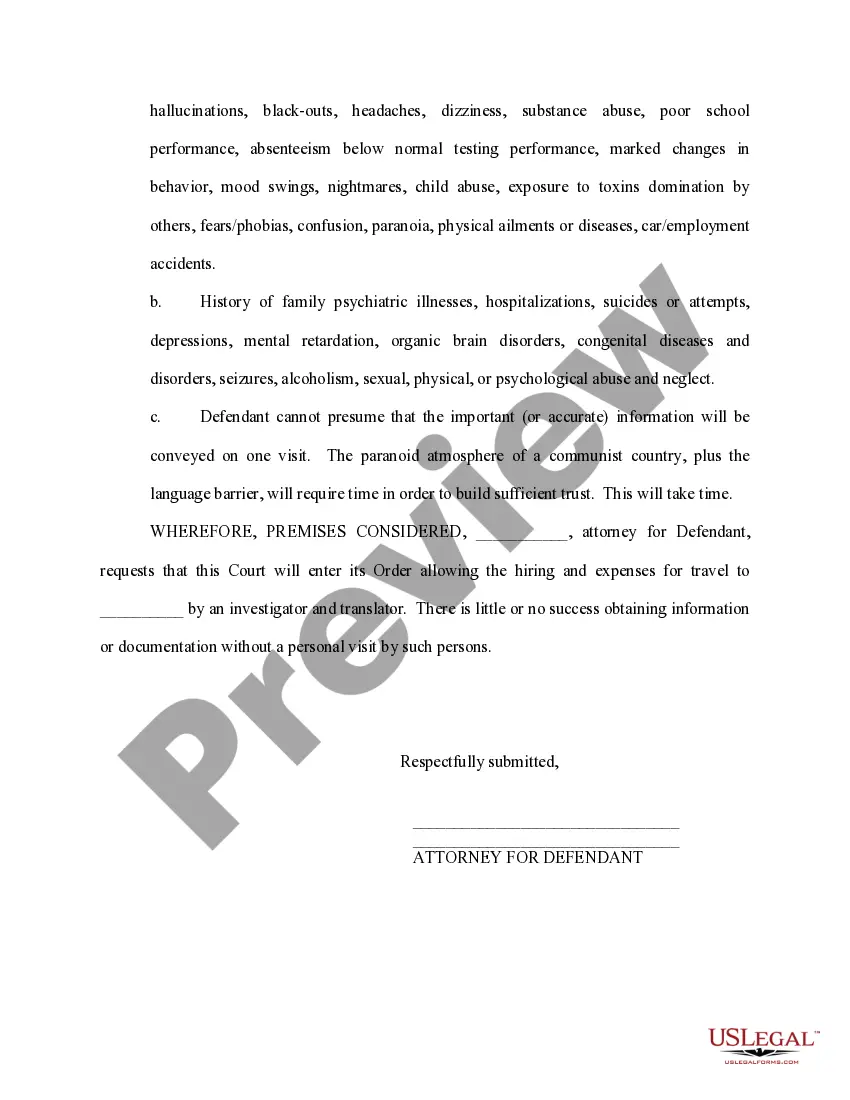
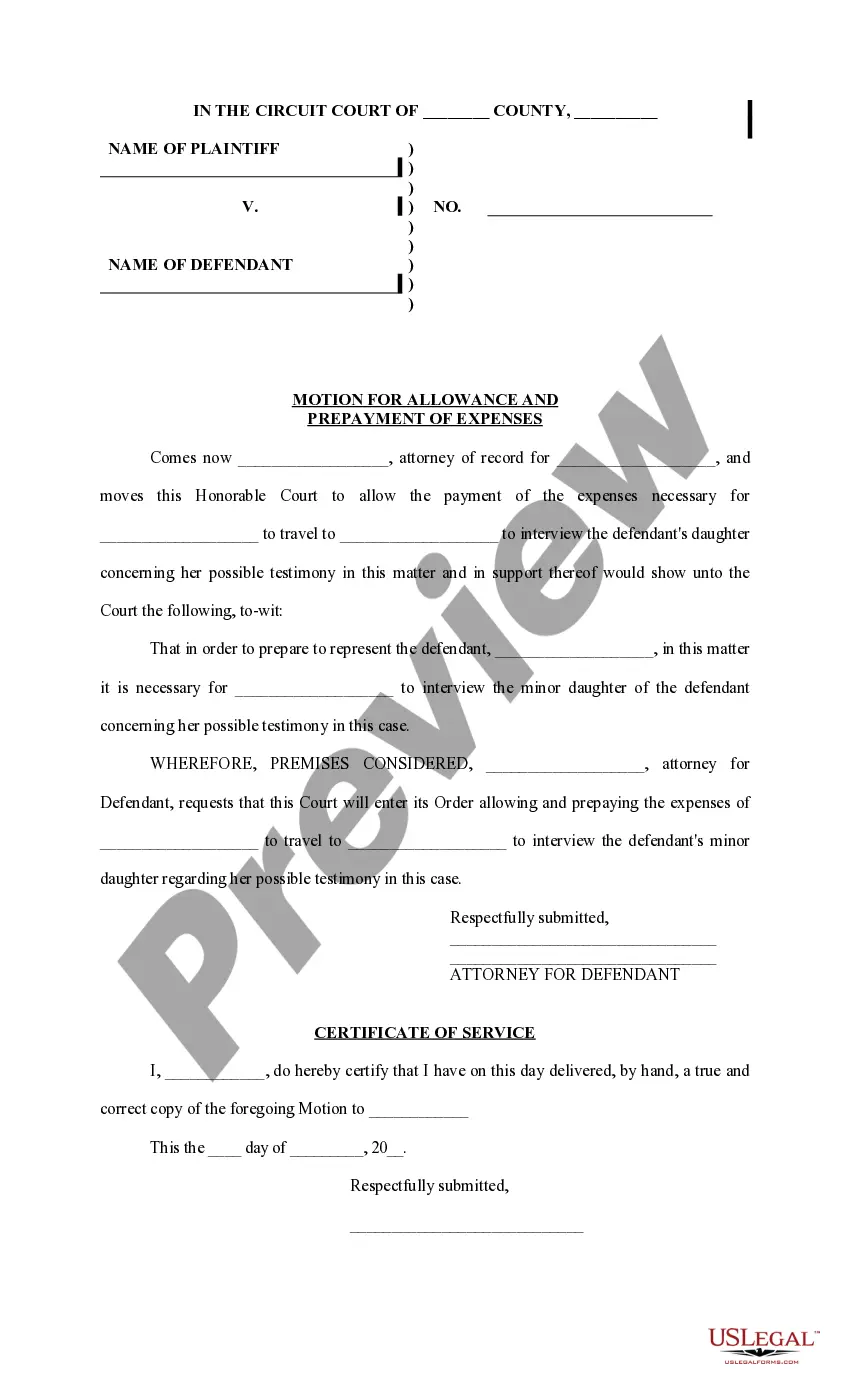
Get your form ready online
Our built-in tools help you complete, sign, share, and store your documents in one place.
Make edits, fill in missing information, and update formatting in US Legal Forms—just like you would in MS Word.
Download a copy, print it, send it by email, or mail it via USPS—whatever works best for your next step.
Sign and collect signatures with our SignNow integration. Send to multiple recipients, set reminders, and more. Go Premium to unlock E-Sign.
If this form requires notarization, complete it online through a secure video call—no need to meet a notary in person or wait for an appointment.
We protect your documents and personal data by following strict security and privacy standards.

Make edits, fill in missing information, and update formatting in US Legal Forms—just like you would in MS Word.

Download a copy, print it, send it by email, or mail it via USPS—whatever works best for your next step.

Sign and collect signatures with our SignNow integration. Send to multiple recipients, set reminders, and more. Go Premium to unlock E-Sign.

If this form requires notarization, complete it online through a secure video call—no need to meet a notary in person or wait for an appointment.

We protect your documents and personal data by following strict security and privacy standards.
Looking for another form?
How to fill out Motion For Allowance To Hire Investigator And Translator?
Are you currently in the position where you require documents for either business or personal use almost every day.
There are numerous legal document templates available online, but locating ones you can trust isn't easy.
US Legal Forms offers a vast array of form templates, including the Ohio Motion for Permission to Hire Investigator and Translator, designed to satisfy state and federal regulations.
Use US Legal Forms, one of the largest collections of legal forms, to save time and avoid errors.
The service provides professionally crafted legal document templates that can be utilized for various purposes. Create an account on US Legal Forms and start making your life easier.
- If you are already familiar with the US Legal Forms website and have an account, simply Log In.
- After that, you can download the Ohio Motion for Permission to Hire Investigator and Translator template.
- If you do not have an account and wish to start using US Legal Forms, follow these steps.
- Locate the form you require and ensure it is for the correct city/region.
- Use the Preview feature to review the document.
- Read the description to ensure you have selected the right form.
- If the document isn’t what you’re looking for, utilize the Search field to find the form that suits your needs and specifications.
- Once you have the correct form, click on Purchase now.
- Select the pricing plan you prefer, provide the necessary information to create your account, and pay for the order using your PayPal or credit card.
- Choose a convenient document format and download your copy.
- Access all the document templates you have purchased in the My documents menu. You can download an additional copy of Ohio Motion for Permission to Hire Investigator and Translator whenever necessary. Just click the desired form to download or print the document template.
Form popularity
FAQ
R. 702 employed the same language as is used in the Federal Rules of Evidence to define the admissibility of expert testimony. That language permits a witness with the appropriate expertise to testify as an expert if the testimony "will assist the trier of fact." Evid. R.
Newton's Laws of Motion An object at rest remains at rest, and an object in motion remains in motion at constant speed and in a straight line unless acted on by an unbalanced force. The acceleration of an object depends on the mass of the object and the amount of force applied.
A motion for sanctions under Rule 11 must be made separately from all other motions and must describe the specific conduct of the lawyer (or the party) against whom the motion is directed. The motion may be made either by the opposing party or sua sponte by the court.
(2) All cases submitted for determination after a court trial shall be decided within ni nety days from the date the case was subm i tted. (3) All motions shall be ruled upon within one hundred twenty days from the date the moti on was filed, except as otherwi se noted on the report forms.
RULE 408. Evidence of conduct or statements made in compromise negotiations is likewise not admissible. This rule does not require the exclusion of any evidence otherwise discoverable merely because it is presented in the course of compromise negotiations.
Rule 609(F) Methods of proof Custom permits counsel to bring out evidence of prior convictions on direct examination "for the purpose of lessening the import of these convictions upon the jury." State v.
R. 11 governs the signing of pleadings, motions and other documents. For a ?willful? violation of this rule, an attorney or pro se party, upon motion of a party or upon the court's own motion, may be subjected to appropriate action, including an award to the opposing party of expenses and reasonable attorney fees.
Rule 11 - Pleas, Rights Upon Plea (A) Pleas. A defendant may plead not guilty, not guilty by reason of insanity, guilty or, with the consent of the court, no contest. A plea of not guilty by reason of insanity shall be made in writing by either the defendant or the defendant's attorney.