New York Termination Release
Description
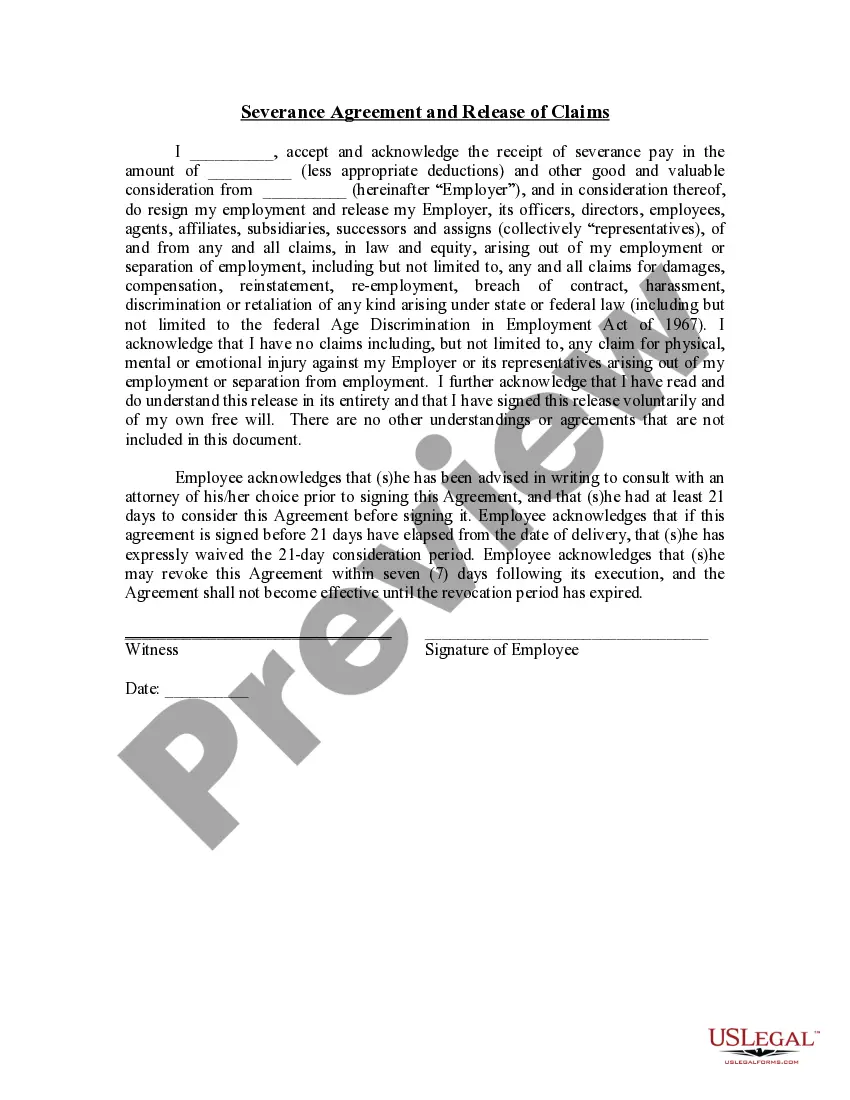
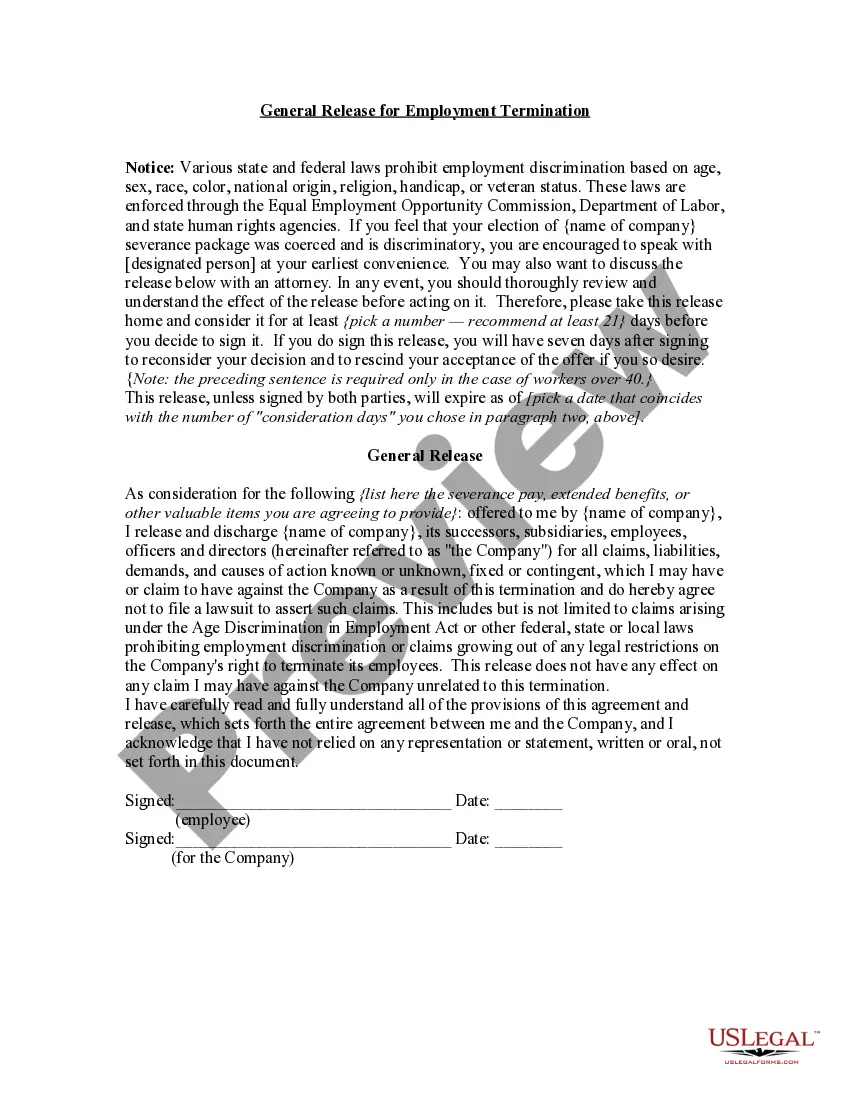
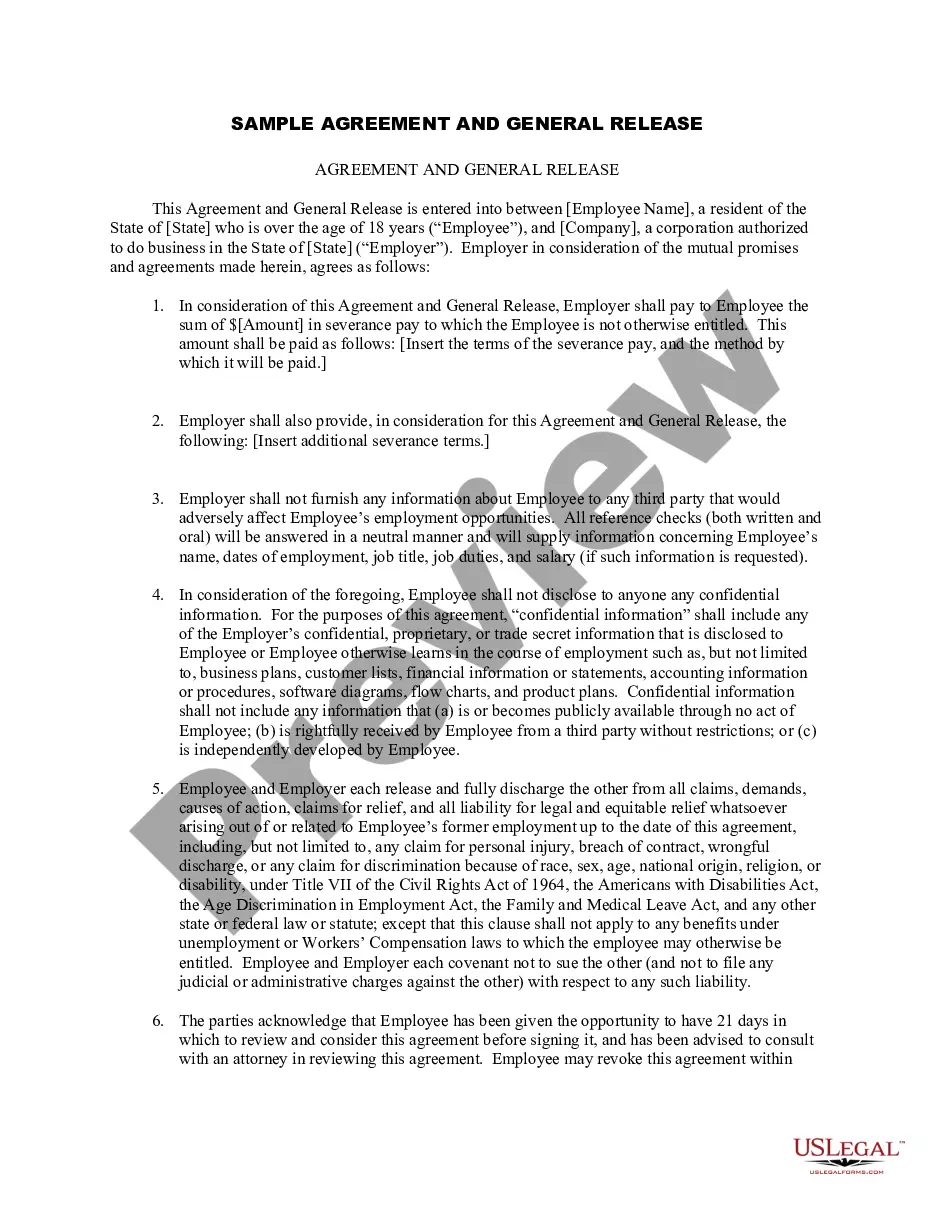
Get your form ready online
Our built-in tools help you complete, sign, share, and store your documents in one place.
Make edits, fill in missing information, and update formatting in US Legal Forms—just like you would in MS Word.
Download a copy, print it, send it by email, or mail it via USPS—whatever works best for your next step.
Sign and collect signatures with our SignNow integration. Send to multiple recipients, set reminders, and more. Go Premium to unlock E-Sign.
If this form requires notarization, complete it online through a secure video call—no need to meet a notary in person or wait for an appointment.
We protect your documents and personal data by following strict security and privacy standards.

Make edits, fill in missing information, and update formatting in US Legal Forms—just like you would in MS Word.

Download a copy, print it, send it by email, or mail it via USPS—whatever works best for your next step.

Sign and collect signatures with our SignNow integration. Send to multiple recipients, set reminders, and more. Go Premium to unlock E-Sign.

If this form requires notarization, complete it online through a secure video call—no need to meet a notary in person or wait for an appointment.

We protect your documents and personal data by following strict security and privacy standards.
Looking for another form?

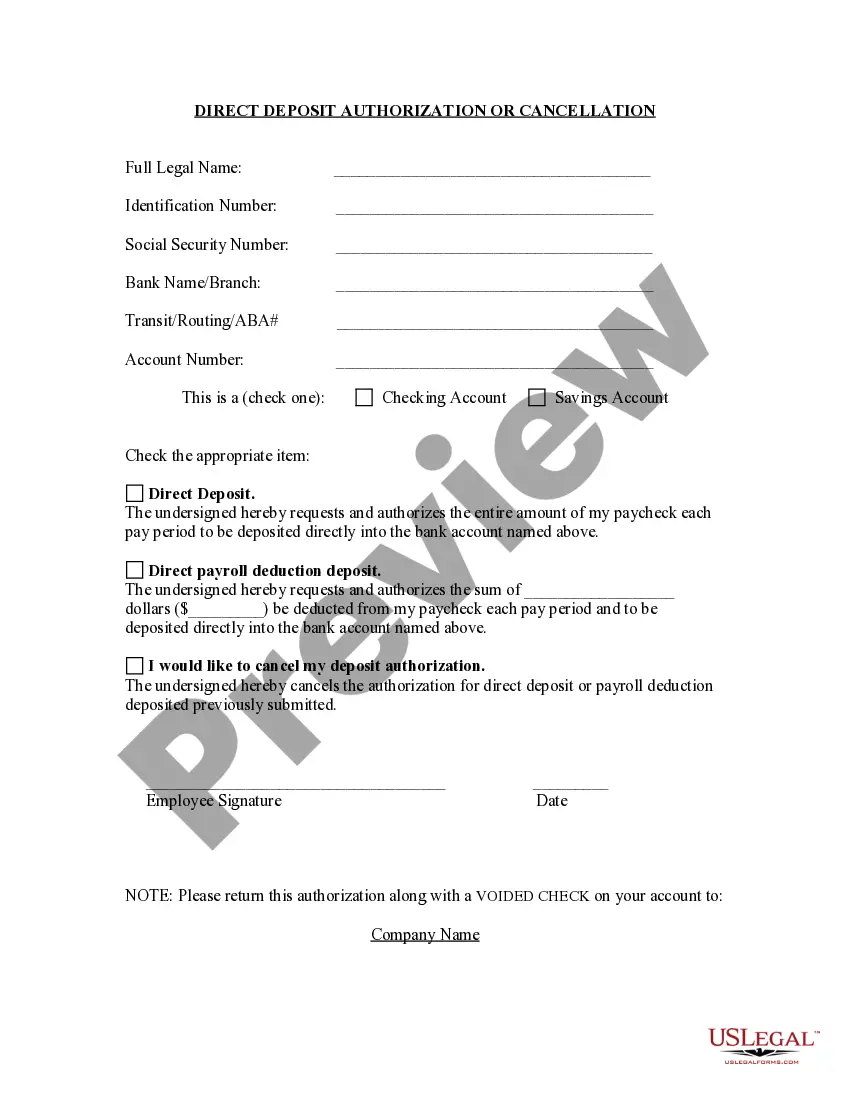
How to fill out Termination Release?
Are you currently in a circumstance where you need documents for either business or personal reasons almost every day.
There are numerous legal document templates available online, but finding ones you can trust is not easy.
US Legal Forms offers a vast array of form templates, such as the New York Termination Release, which can be crafted to meet federal and state requirements.
Select the pricing plan you prefer, provide the necessary information to create your account, and complete the payment using your PayPal or Visa or Mastercard.
Choose a convenient document format and download your copy.
- If you are already familiar with the US Legal Forms website and have an account, just Log In.
- After that, you can download the New York Termination Release template.
- If you do not have an account and wish to start using US Legal Forms, follow these steps.
- Locate the form you need and ensure it is for your specific city/area.
- Use the Review button to examine the form.
- Check the summary to confirm that you have selected the correct form.
- If the form is not what you are looking for, use the Search area to find the form that fits your needs and requirements.
- Once you find the correct form, click Buy now.
Form popularity
FAQ
Why Should an Employer Write a Letter of Termination? Termination letters serve two main purposes: they help employers keep records of termination decisions, and they provide employees the clarity they need to start the transition to the next stage of their career.
New York law (New York Labor Laws, § 191) on final paychecks says that an employer must pay all unpaid wages no later than the regular payday for the period when the employee was fired.
Terminating is when one party declares the contract is at an end. Releasing the contract means both parties agree that it's over.
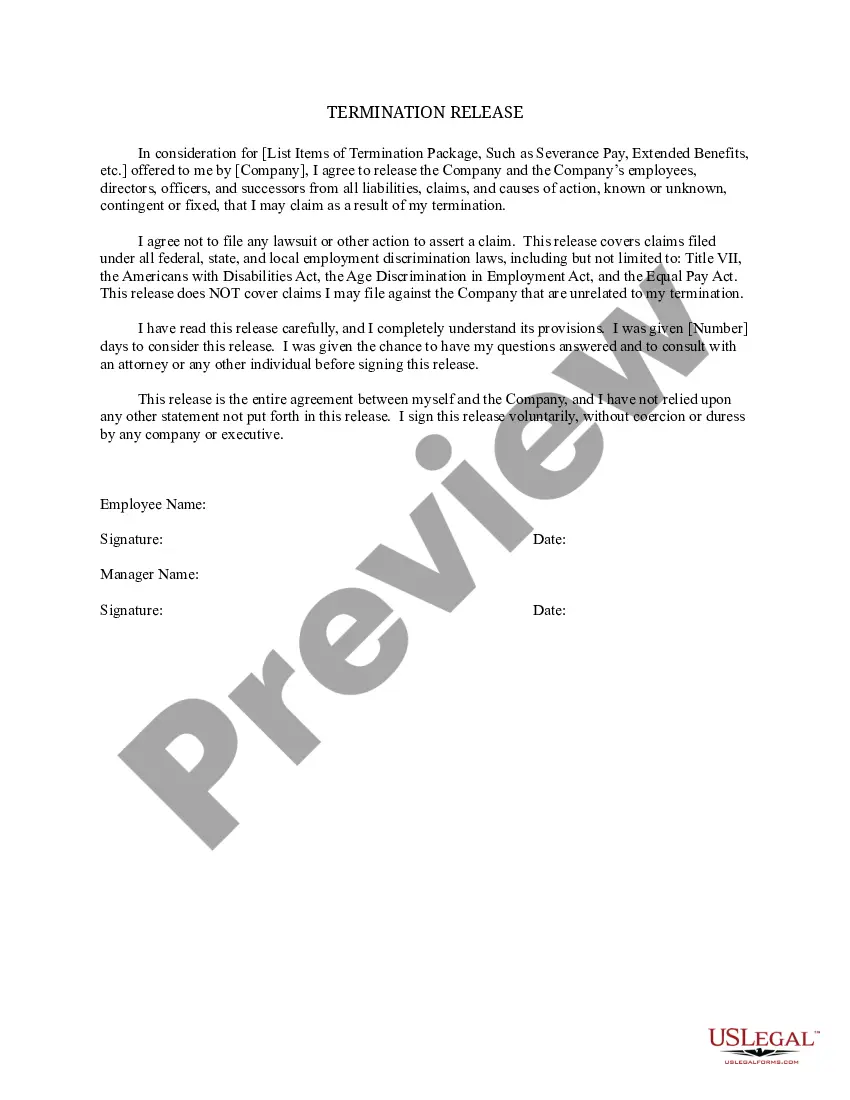
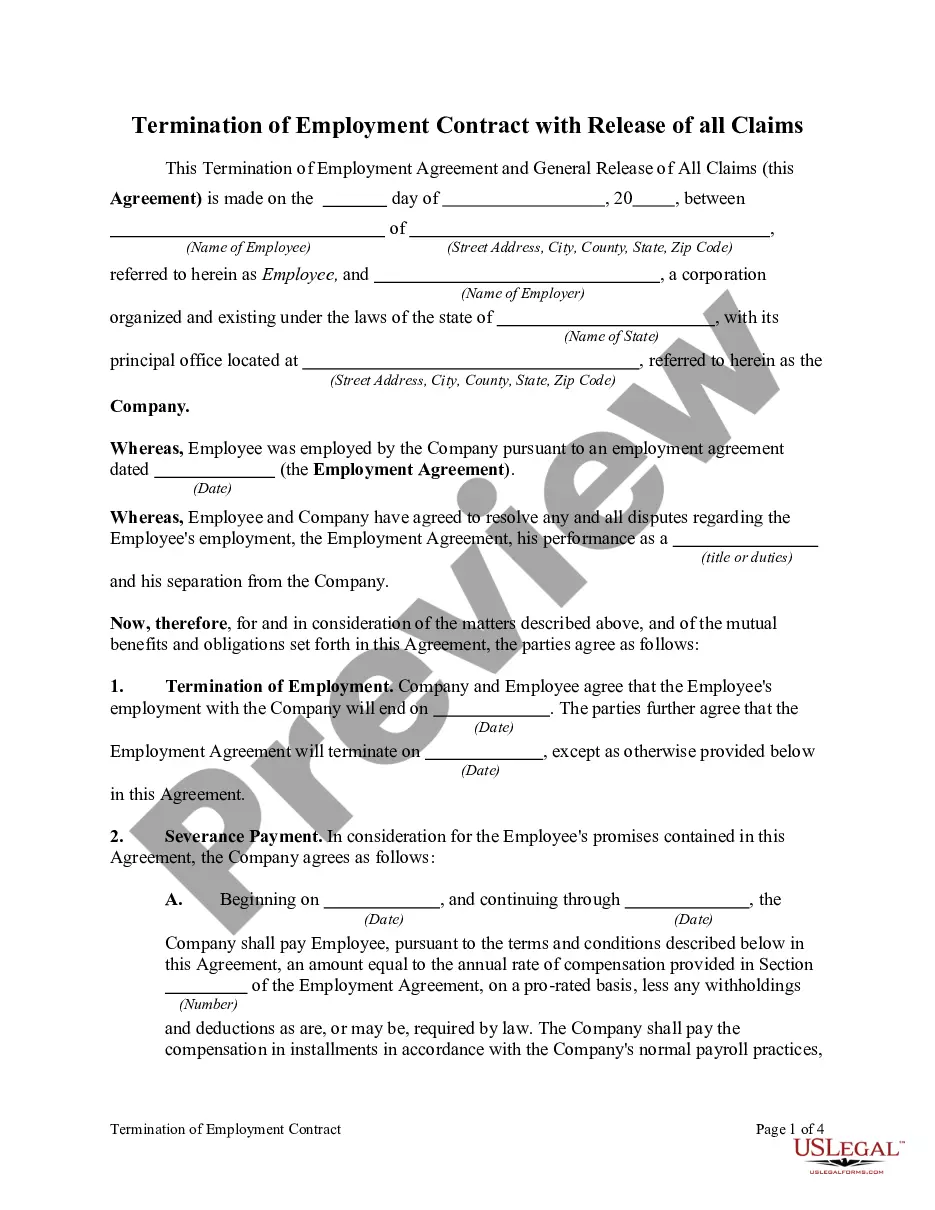
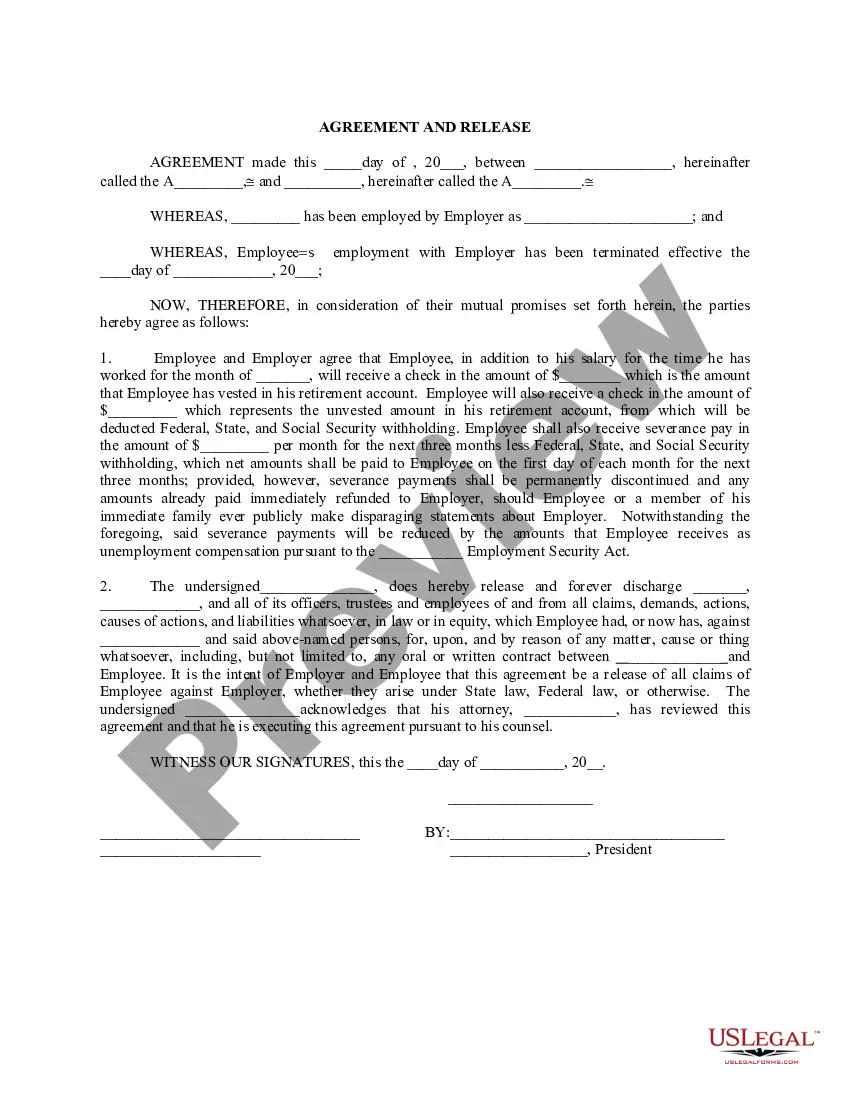
A release is an agreement not to sue; it waives your right to sue and company and "releases" your employer from legal liability for claims you may have against it.
A release is a legal document that records an employee's agreement to relinquish their right to make any future claims against their employer relating to their employment or the termination of their employment. A release is essentially a contract between the terminated employee and the employer.
A legal release is a legal instrument that acts to terminate any legal liability between the releasor and the releasee(s), signed by the releasor. A release may also be made orally in some circumstances.
Federally, and in most states, a termination letter is not legally required. In some states, currently including Arizona, California, Illinois and New Jersey, written termination notices are required by law. Some of these states have specific templates employers must use for the letter.
Yes, your employer can fire you without a reason. However, under New York laws, employers cannot fire people for illegal reasons. While New York is an at-will employment state, meaning employers do not have to provide a just cause, the laws still protect employees from unlawful termination.
A. Termination may end the contract, but it does not release the parties from liability (i.e. they still may sue each other). On the other hand, a release not only terminates the contract, but releases each party from any and all liability.
New York requires employers to provide a written termination letter to employees, regardless of whether the employee's termination was voluntary or involuntary. The letter must state the date of termination of employment, and the date of termination of benefits.