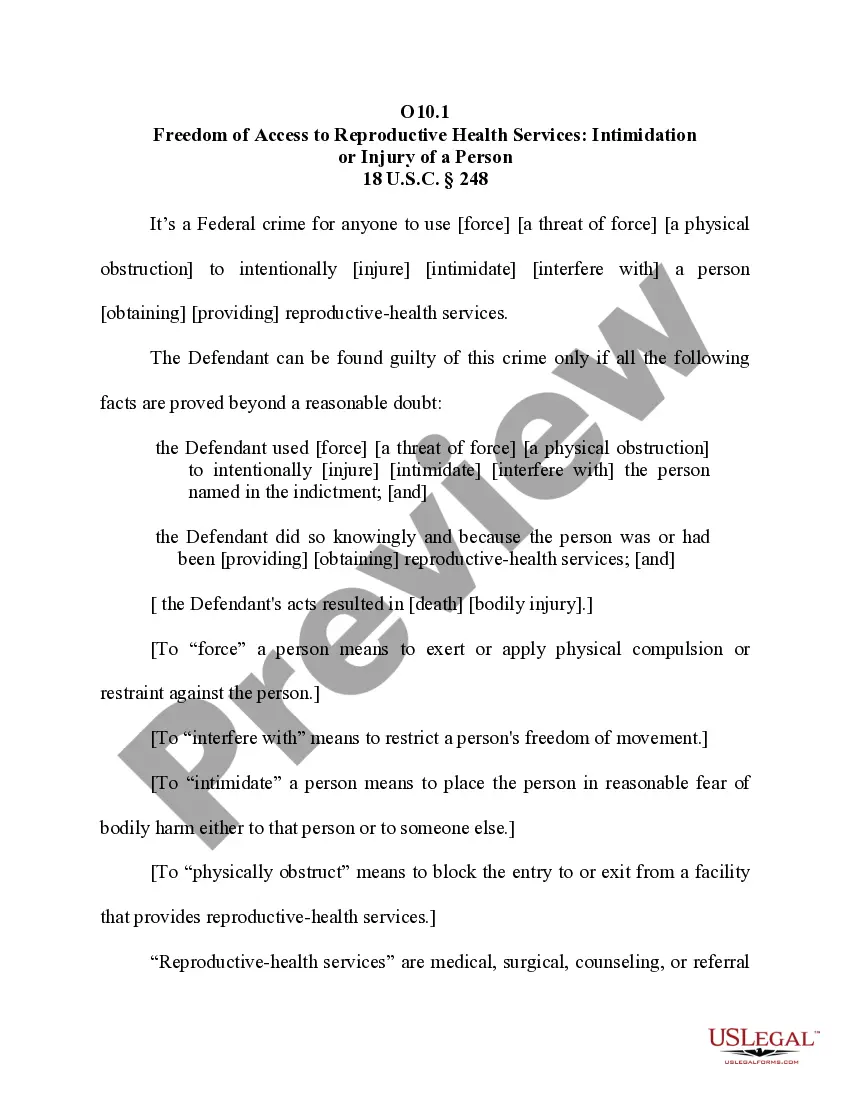
New York Complaint for Malicious Prosecution, False Imprisonment, Abuse of Process
Description




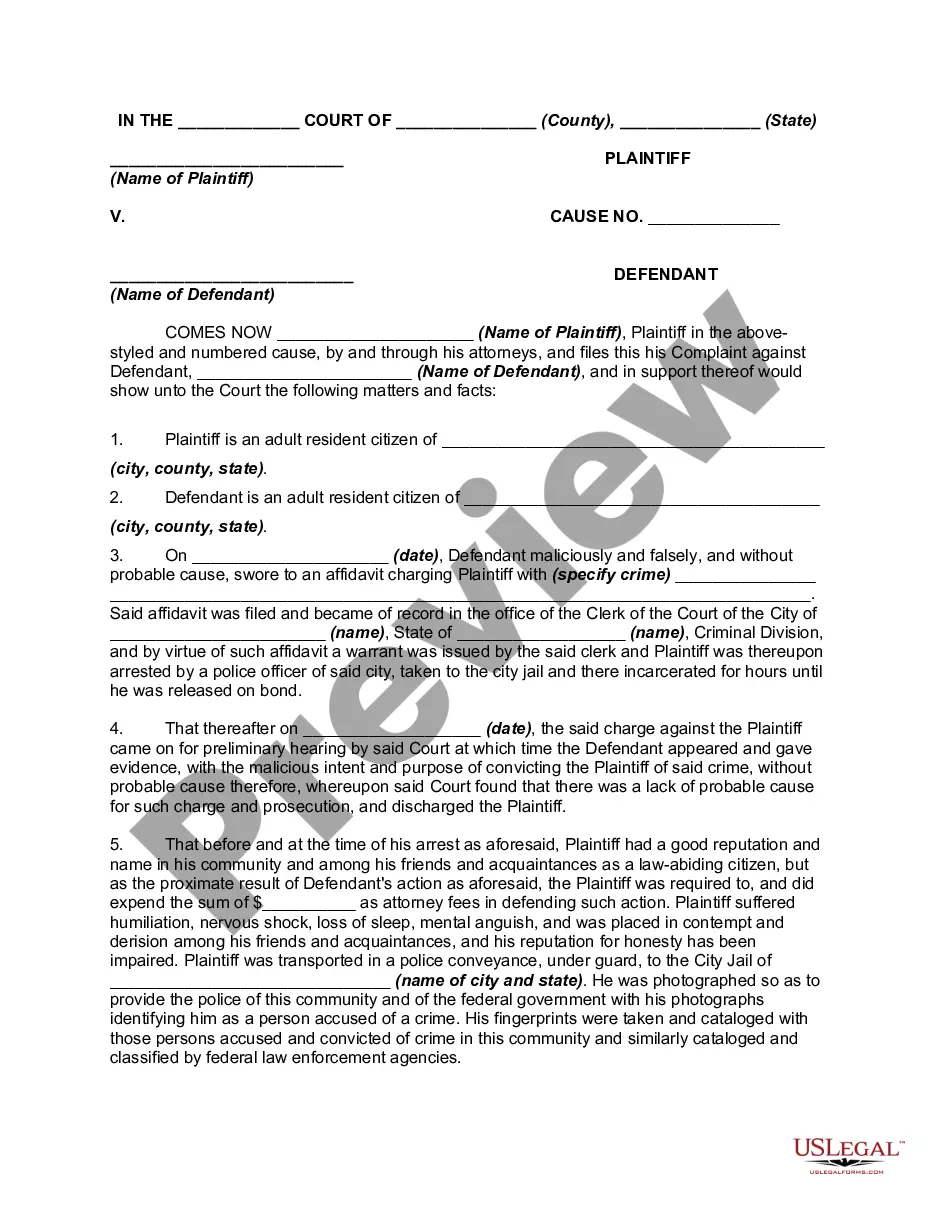
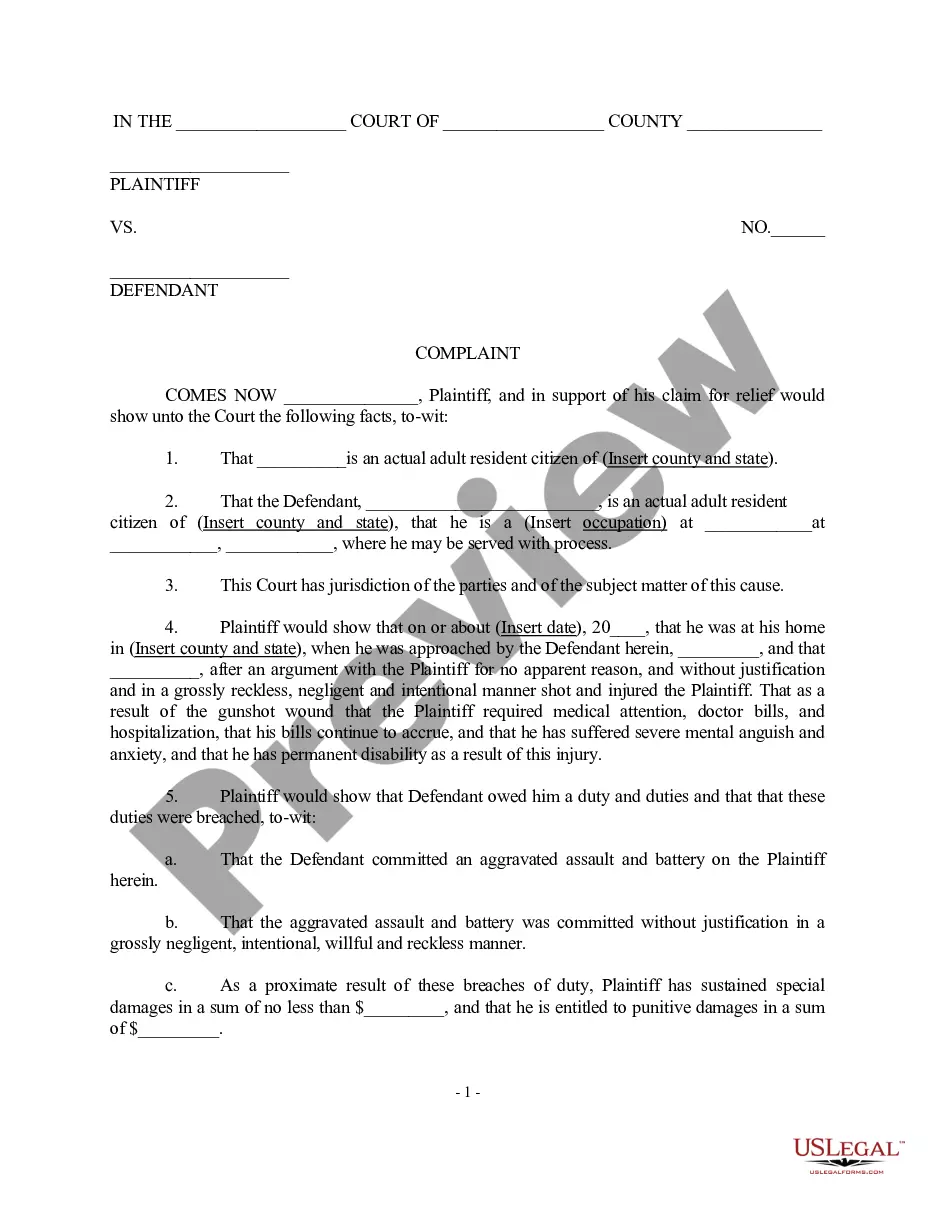
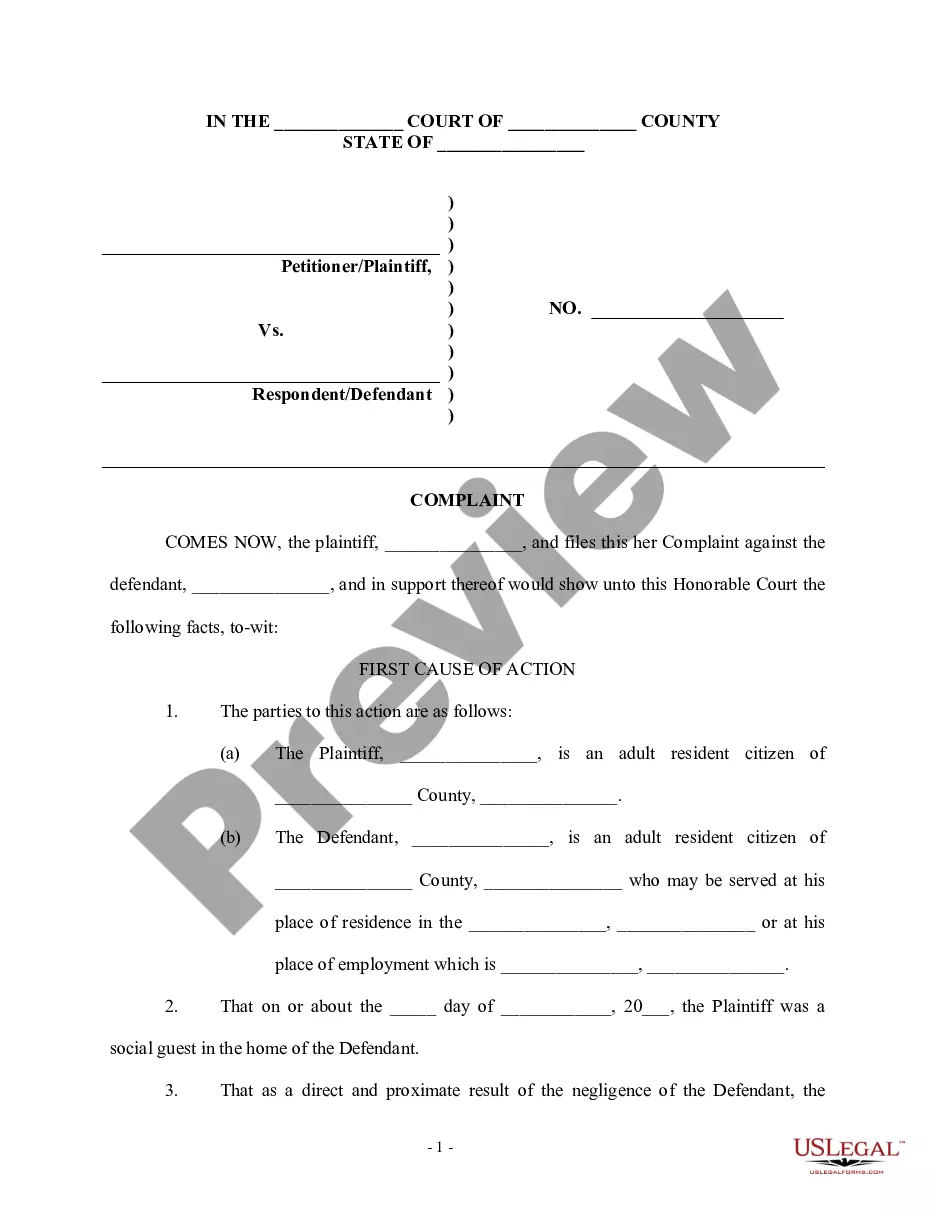
Get your form ready online
Our built-in tools help you complete, sign, share, and store your documents in one place.
Make edits, fill in missing information, and update formatting in US Legal Forms—just like you would in MS Word.
Download a copy, print it, send it by email, or mail it via USPS—whatever works best for your next step.
Sign and collect signatures with our SignNow integration. Send to multiple recipients, set reminders, and more. Go Premium to unlock E-Sign.
If this form requires notarization, complete it online through a secure video call—no need to meet a notary in person or wait for an appointment.
We protect your documents and personal data by following strict security and privacy standards.

Make edits, fill in missing information, and update formatting in US Legal Forms—just like you would in MS Word.

Download a copy, print it, send it by email, or mail it via USPS—whatever works best for your next step.

Sign and collect signatures with our SignNow integration. Send to multiple recipients, set reminders, and more. Go Premium to unlock E-Sign.

If this form requires notarization, complete it online through a secure video call—no need to meet a notary in person or wait for an appointment.

We protect your documents and personal data by following strict security and privacy standards.
Looking for another form?




How to fill out Complaint For Malicious Prosecution, False Imprisonment, Abuse Of Process?
Locating the appropriate legal document template can be a challenge. Clearly, there are numerous templates available online, but how do you find the legal form you need? Utilize the US Legal Forms website. This service offers thousands of templates, such as the New York Complaint for Malicious Prosecution, False Imprisonment, Abuse of Process, which you can use for business and personal purposes. All forms are reviewed by experts and comply with state and federal requirements.
If you are already registered, Log In to your account and click the Acquire button to obtain the New York Complaint for Malicious Prosecution, False Imprisonment, Abuse of Process. Use your account to browse the legal forms you have previously purchased. Navigate to the My documents section of your account to download another copy of the document you need.
If you are a new user of US Legal Forms, here are simple instructions for you to follow: First, make sure you have selected the correct form for your area/state. You can preview the form using the Preview option and review the form details to ensure it is suitable for you. If the form does not meet your requirements, use the Search field to find the correct form. Once you are confident that the form is accurate, click the Get now button to obtain the form. Choose the pricing plan you prefer and enter the necessary information. Create your account and complete the payment using your PayPal account or credit card. Select the file format and download the legal document template to your device. Complete, modify, print, and sign the acquired New York Complaint for Malicious Prosecution, False Imprisonment, Abuse of Process.
Make the most of US Legal Forms to streamline your legal documentation process.
- US Legal Forms is the largest collection of legal forms where you can find a variety of document templates.
- Utilize the service to download professionally crafted documents that adhere to state requirements.
- The platform offers a wide range of forms suitable for various legal needs.
- Take advantage of user-friendly tools to ensure you select the right documents.
- Enjoy the convenience of accessing your previously purchased forms at any time.
- Benefit from expert-reviewed templates that meet legal standards.
Form popularity
FAQ
In both "malicious prosecution" and "malicious use of process" the plaintiff must establish that: (1) the defendant caused a process to issue; (2) the action terminated in favor of the plaintiff; (3) defendant instituted the action without probable cause and with malice; and (4) the plaintiff suffered damage.
CPLR 214(5): Three-year statute of limitations applied to action for abuse of process. Article 2 of the CPLR contains detailed provisioins indicating the appropriate statute of limitations applicable to a cause of action in New York.
Malicious prosecution This is a violation of a person's civil rights to liberty and due process under the Fourteenth Amendment. Essentially, malicious prosecution is a baseless accusation brought against someone in order to harass or intimidate them ? an arrest without probable cause.
The primary difference between the two legal actions is that malicious prosecution concerns the malicious or wrongful commencement of an action, while, on the other hand, abuse of process concerns the improper use of the legal process after process has already been issued and a suit has commenced.
For example, in a case where a former employer sought to bring criminal charges to its employee to recover stolen money, while knowing that the employee was not responsible for the theft, the court held the employer liable for abuse of process for initiating criminal charges while knowing that the charges were ...
In New York, the criteria for Abuse of Process are: regularly issued legal process, civil or criminal, compelling performance or forbearance of some act, and. the person activating the process was moved by an ulterior purpose to do harm, without economic or social excuse or justification, and.
Elements of Malicious Prosecution: New York follows general tort law principles requiring plaintiffs to prove four elements to establish a malicious prosecution claim: initiation of a proceeding, termination favorable to the plaintiff, lack of probable cause, and malice.
Typically, the elements of a malicious prosecution case are if an individual initiated or continued a proceeding without a probable cause to believe it could be successful with malice and that the prosecution was resolved in the person's favor. It starts actually at the arraignment.