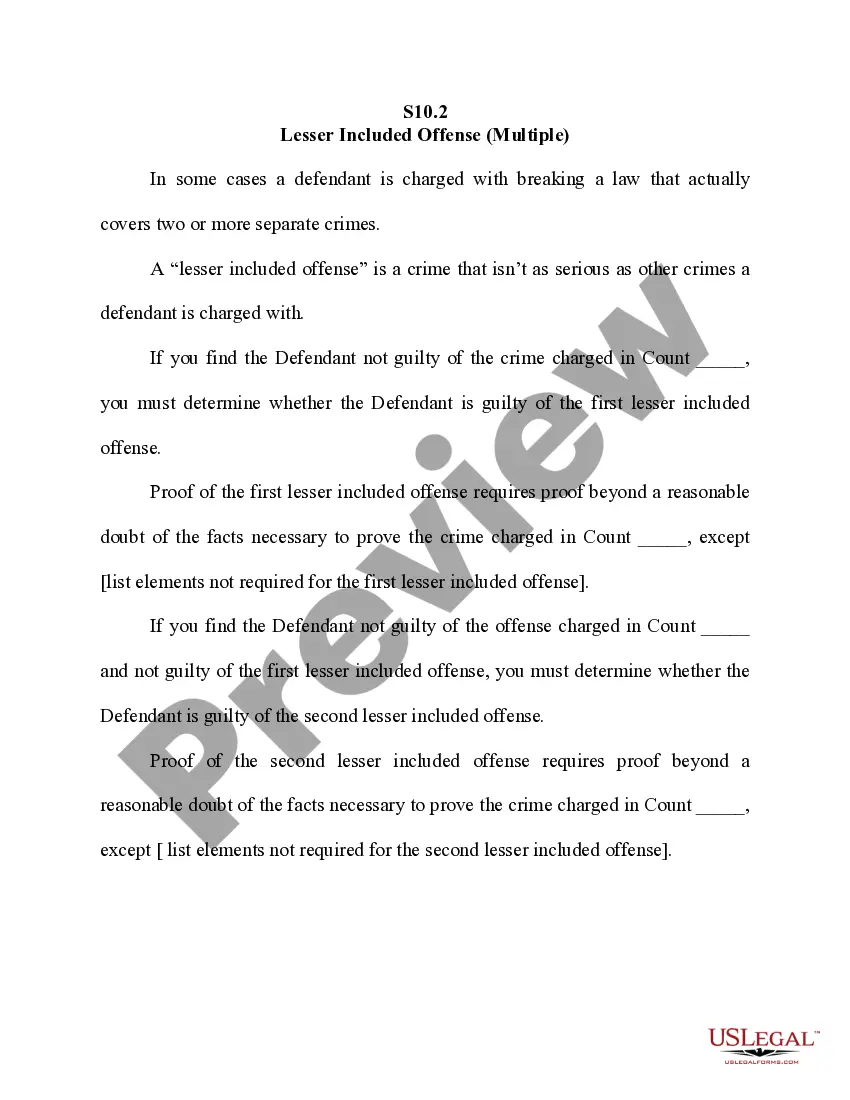
Nevada Covenant Not to Sue
Description
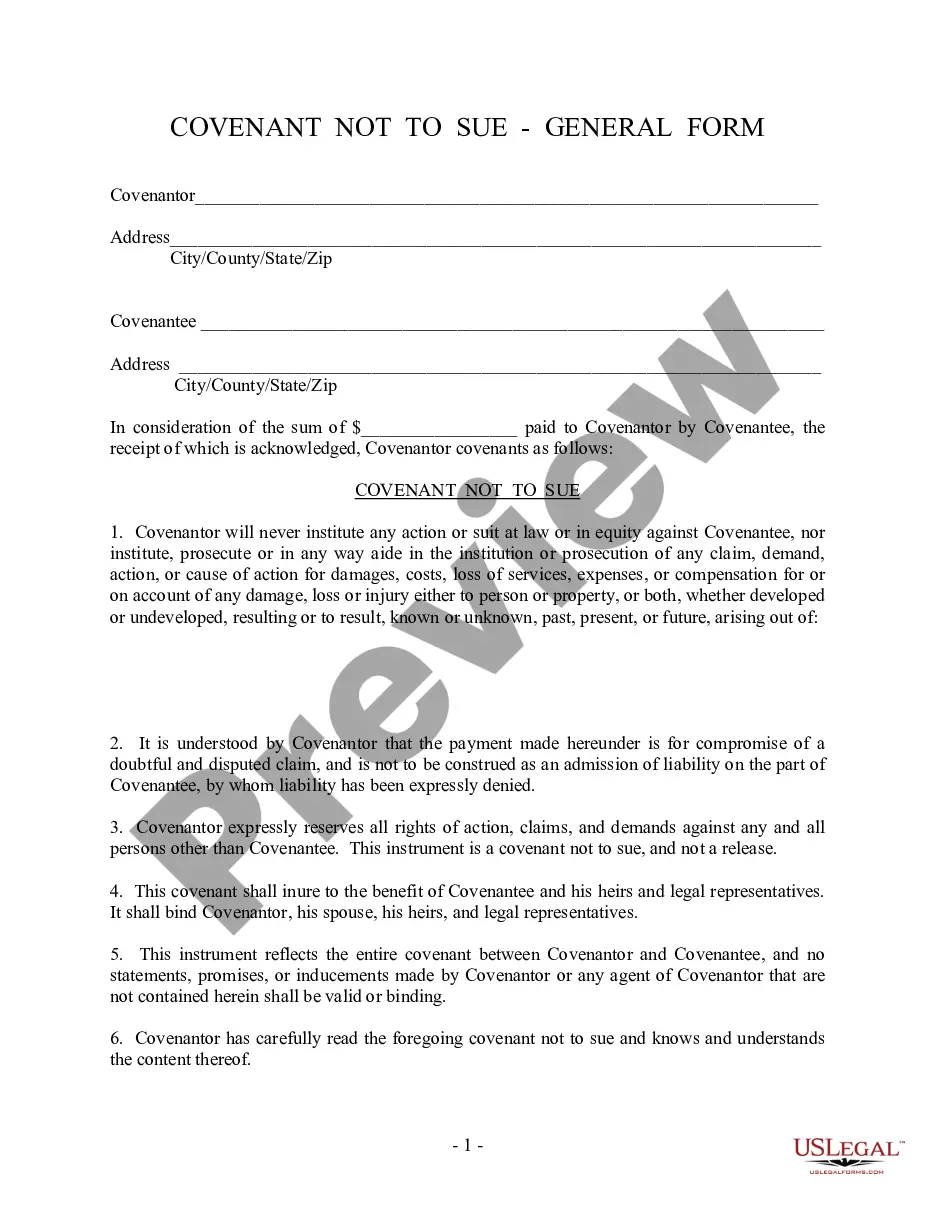
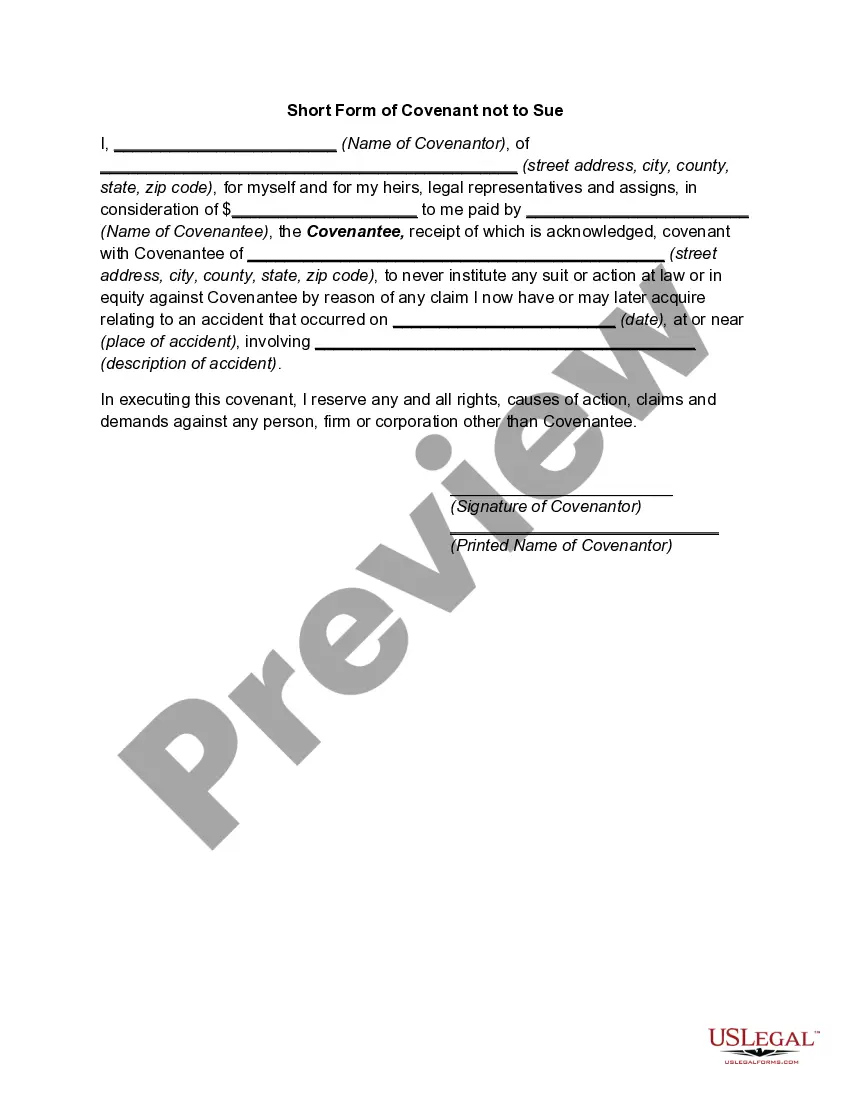
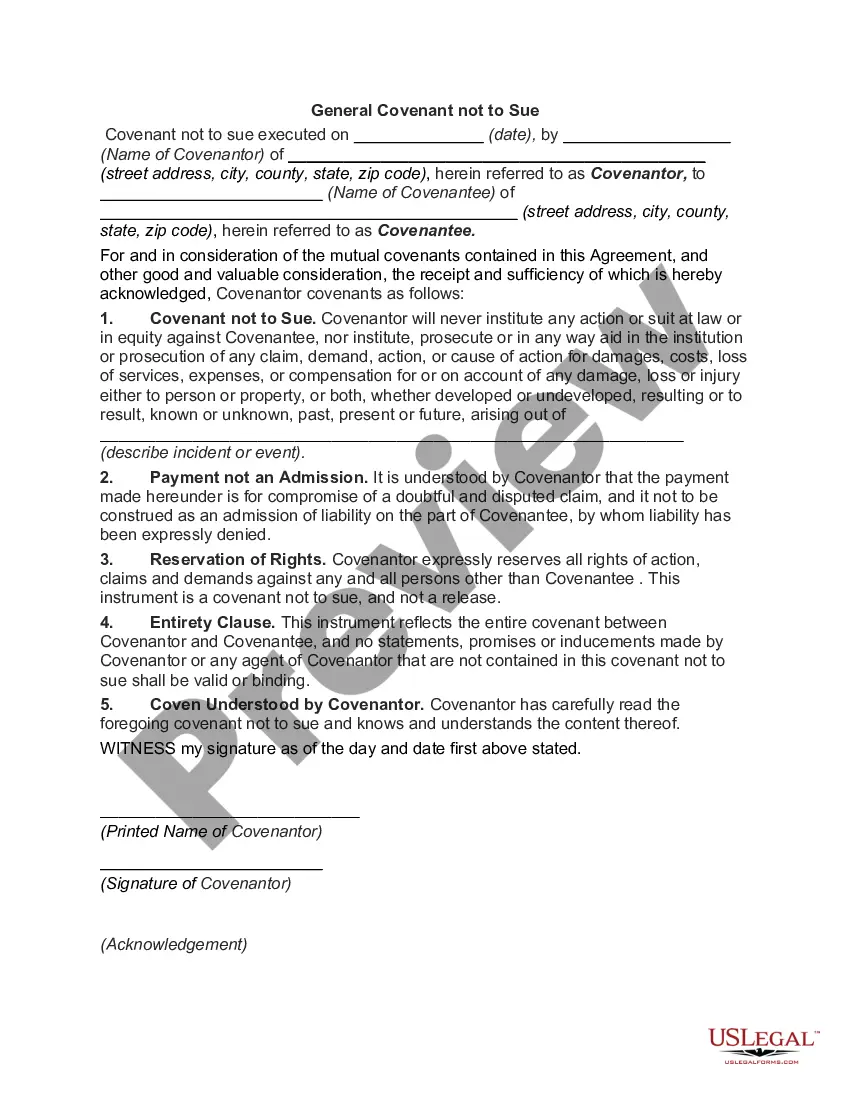
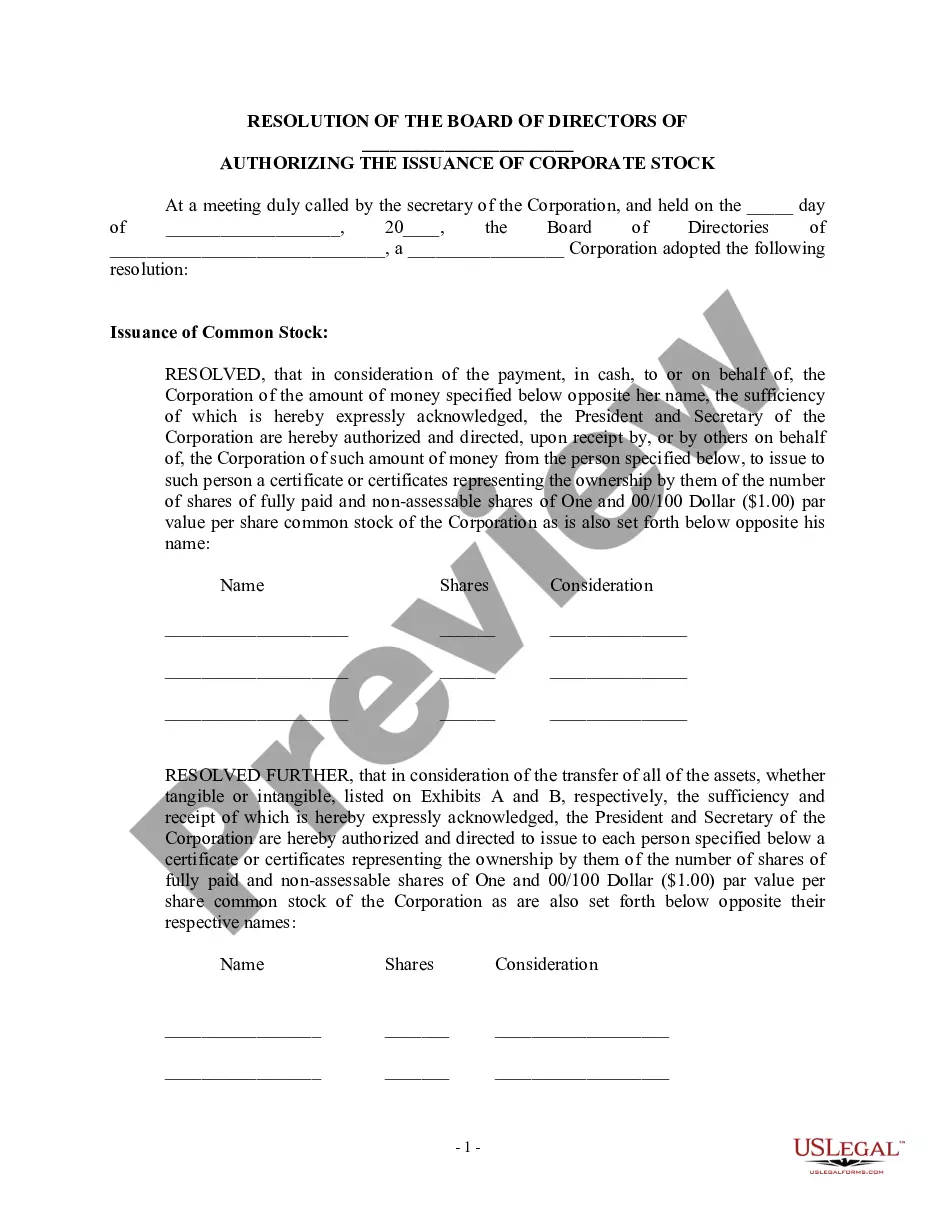


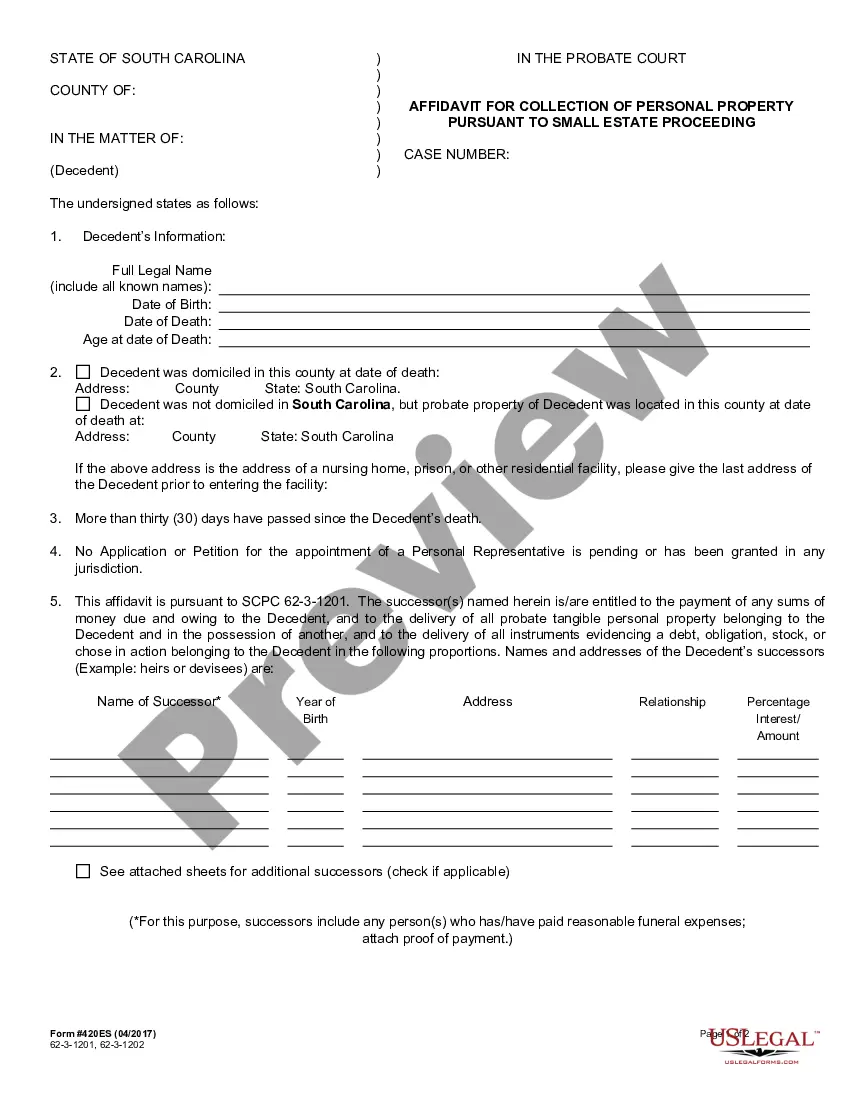
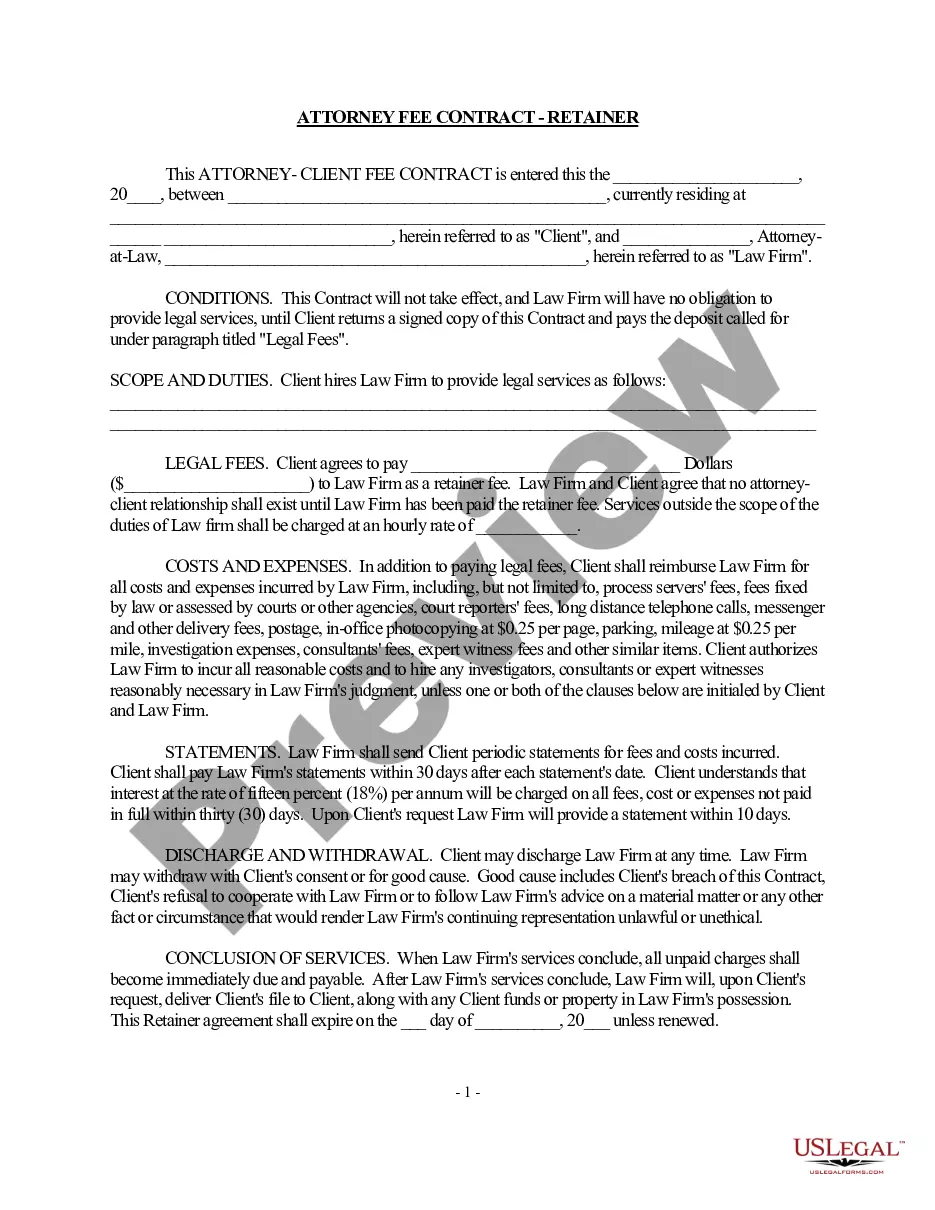
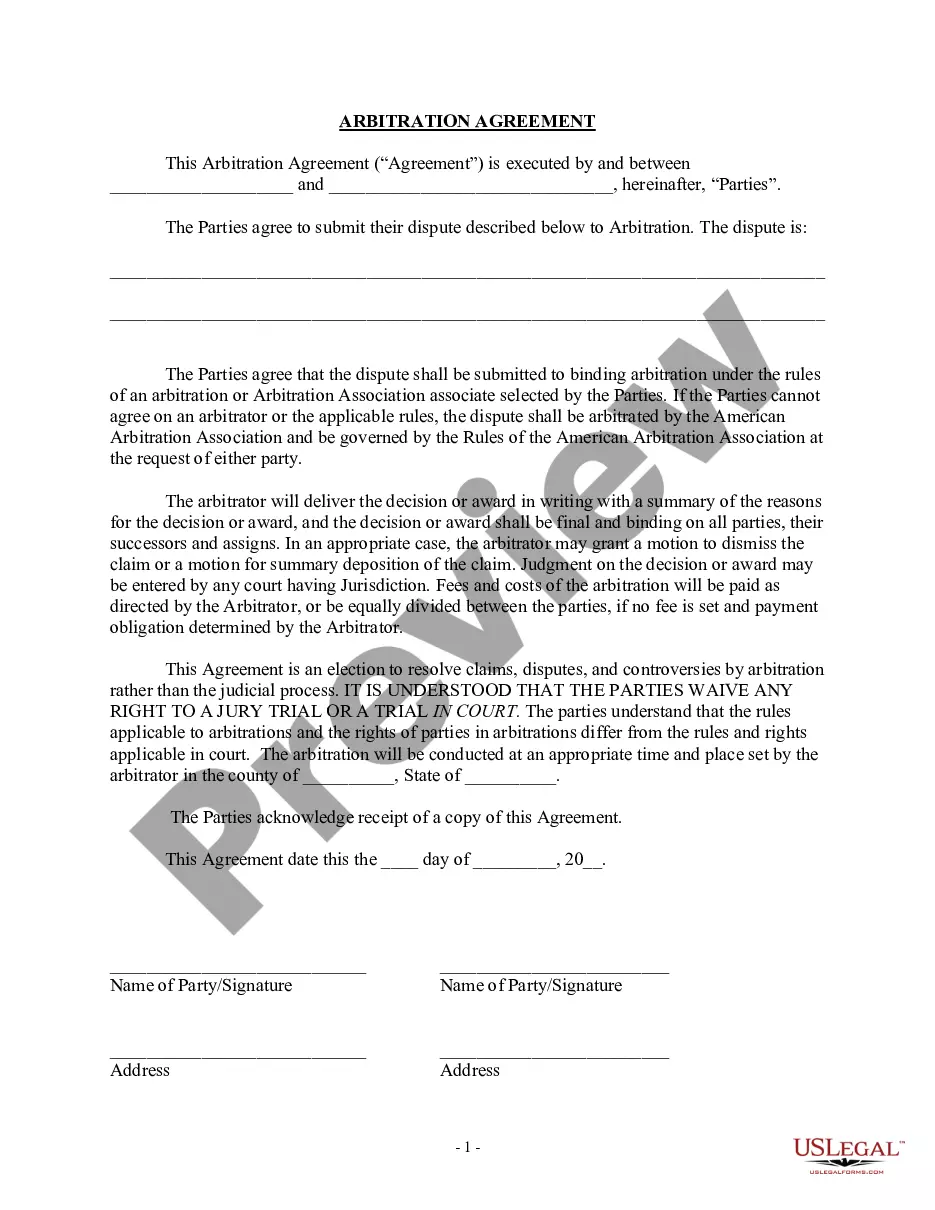
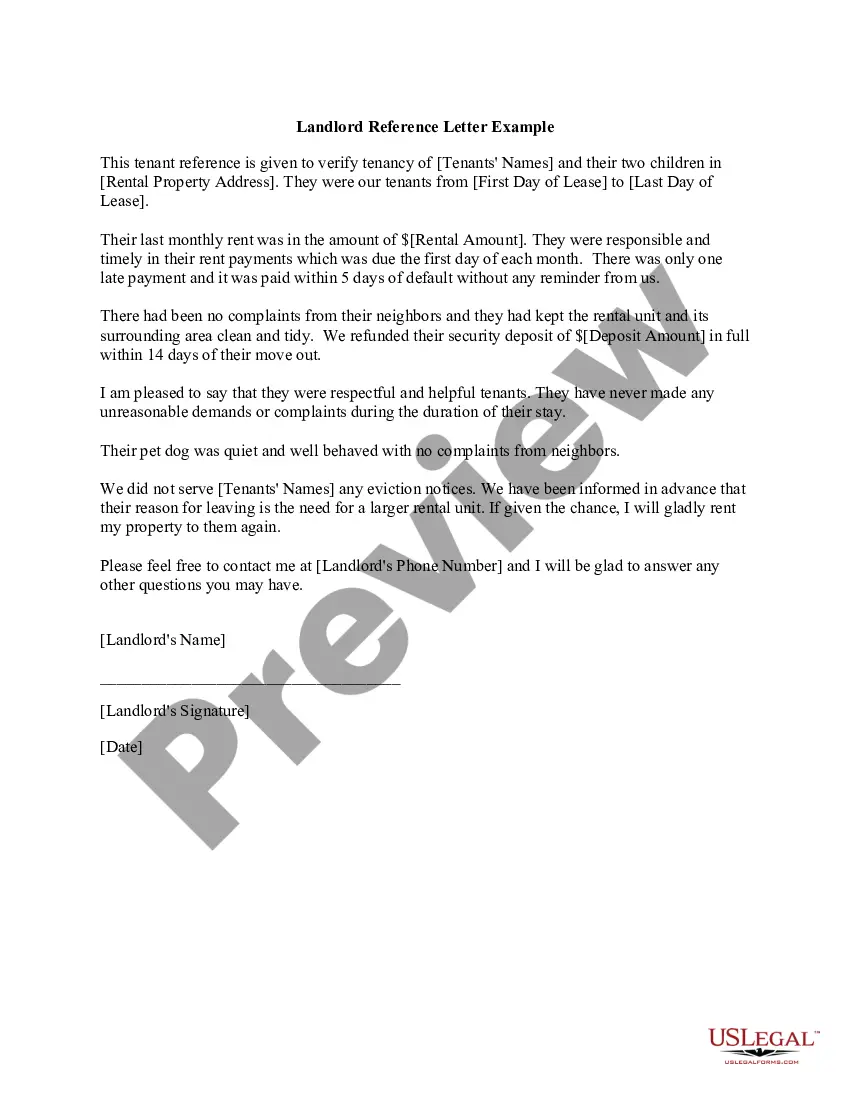

How to fill out Covenant Not To Sue?
If you want to total, obtain, or print authentic document templates, utilize US Legal Forms, the top collection of legal forms, available online. Take advantage of the site’s simple and user-friendly search to find the documents you require. Various templates for business and personal purposes are categorized by types and states, or keywords. Use US Legal Forms to retrieve the Nevada Covenant Not to Sue in just a few clicks.
If you are already a US Legal Forms user, Log In to your account and then click the Download button to obtain the Nevada Covenant Not to Sue. You can also access forms you previously saved in the My documents tab of your account.
If you are utilizing US Legal Forms for the first time, follow the instructions below: Step 1. Ensure you have selected the form for the correct city/state. Step 2. Utilize the Review function to examine the form’s details. Don’t forget to check the outline. Step 3. If you are not satisfied with the form, use the Search field near the top of the screen to find alternative versions of the legal form template. Step 4. Once you have located the form you need, click the Buy now button. Choose the payment plan you prefer and enter your credentials to register for an account. Step 5. Complete the transaction. You may use your credit card or PayPal account to finalize the purchase. Step 6. Select the format of the legal form and download it to your device. Step 7. Fill out, edit, and print or sign the Nevada Covenant Not to Sue.
Avoid altering or deleting any HTML tags. Only synonymize plain text outside of the HTML tags.
- Each legal document template you purchase is yours permanently.
- You will have access to every form you saved in your account.
- Browse the My documents section and select a form to print or download again.
- Compete and acquire, and print the Nevada Covenant Not to Sue with US Legal Forms.
- There are millions of professional and state-specific forms you can use for your business or personal requirements.
- Utilize the extensive database for all your legal form needs.
- Ensure compliance and accuracy with professionally drafted documents.
Form popularity
FAQ
Except as otherwise provided by law, a judgment by confession may be entered without action, either for money due or to become due or to secure any person against contingent liability on behalf of the defendant, or both, in the manner prescribed by this section and NRS 17.100 and 17.110.
A judgment remains in effect in Nevada for six years, and can be renewed forever. Executing a judgment allows a creditor to garnish your wages or attach your bank account or other property. How much can a creditor garnish? Only disposable earnings can be garnished.
The Statute of limitations for debts based on verbal agreements in Nevada is four years, compared to six years for written contracts. The statute of limitations on open-ended accounts and accounts with revolving balances, such as credit cards, is four years.
Under Nevada Revised Statute (NRS), a judgment creditor can seize goods, chattels, money, and other personal and real property. This means that a judgment may allow a creditor to garnish personal property, levy bank accounts, put liens on real property, and even initiate wage garnishment.
Nevada Statute of Limitations in Civil Cases Most personal injury cases ? 2 years. Property damage ? 3 years. Wrongful death ? 2 years. Defamation ? 2 years.
NRS 41.141 establishes modified comparative fault in Nevada negligence cases. The law allows accident victims to recover damages even if they cause the accident in part. However, the victim's damages are reduced by the extent to which they're at fault for the accident.
In Nevada, a judgment will expire within six years from the date it is entered. NRS 17.214 provides the process to renew a judgment. To renew a judgment the judgment creditor must file a Declaration for Renewal of Judgment with the Clerk of the Court where the judgment was entered.