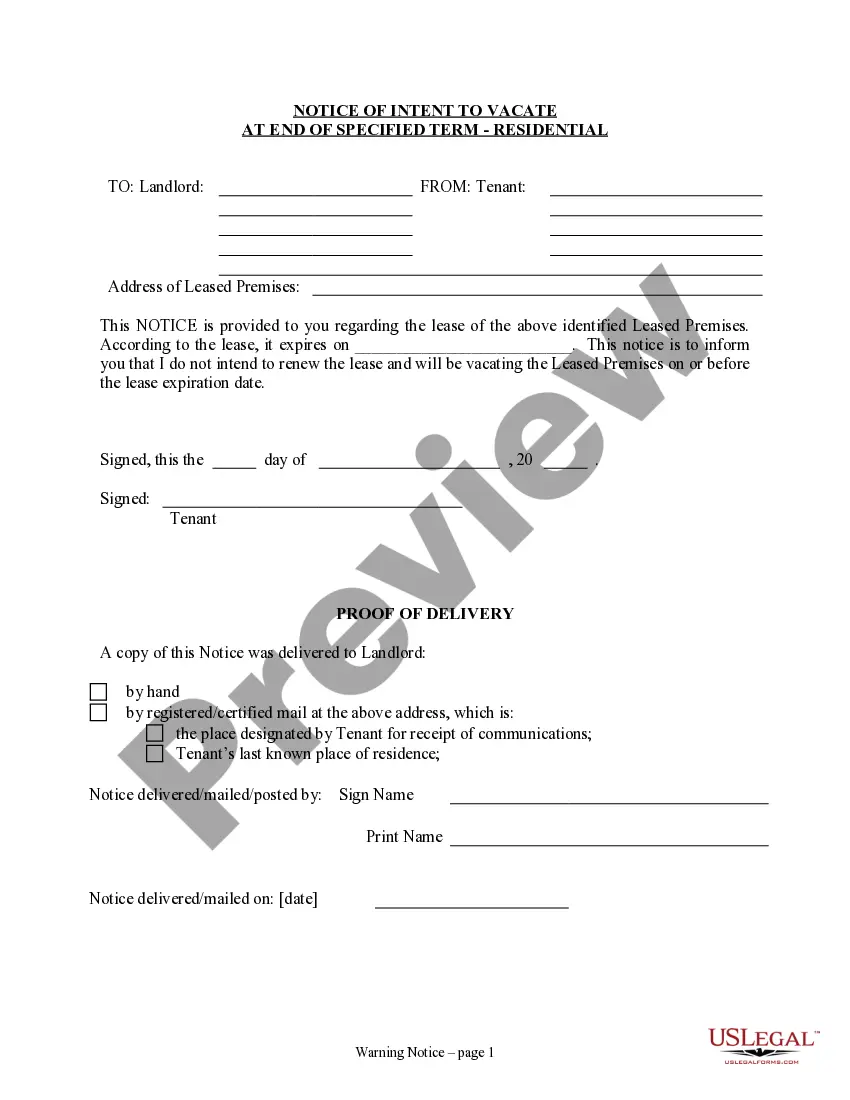
Nevada Notice of Intent to Vacate at End of Specified Lease Term from Tenant to Landlord for Residential Property
Description
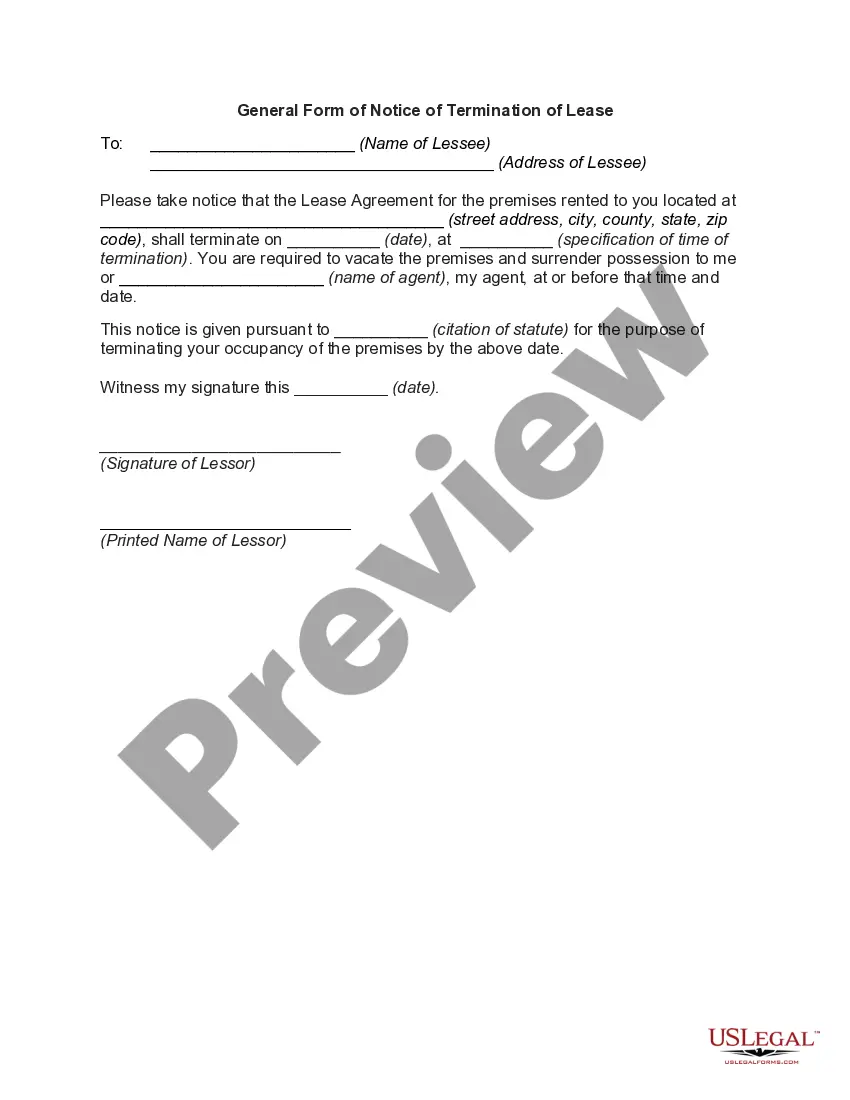
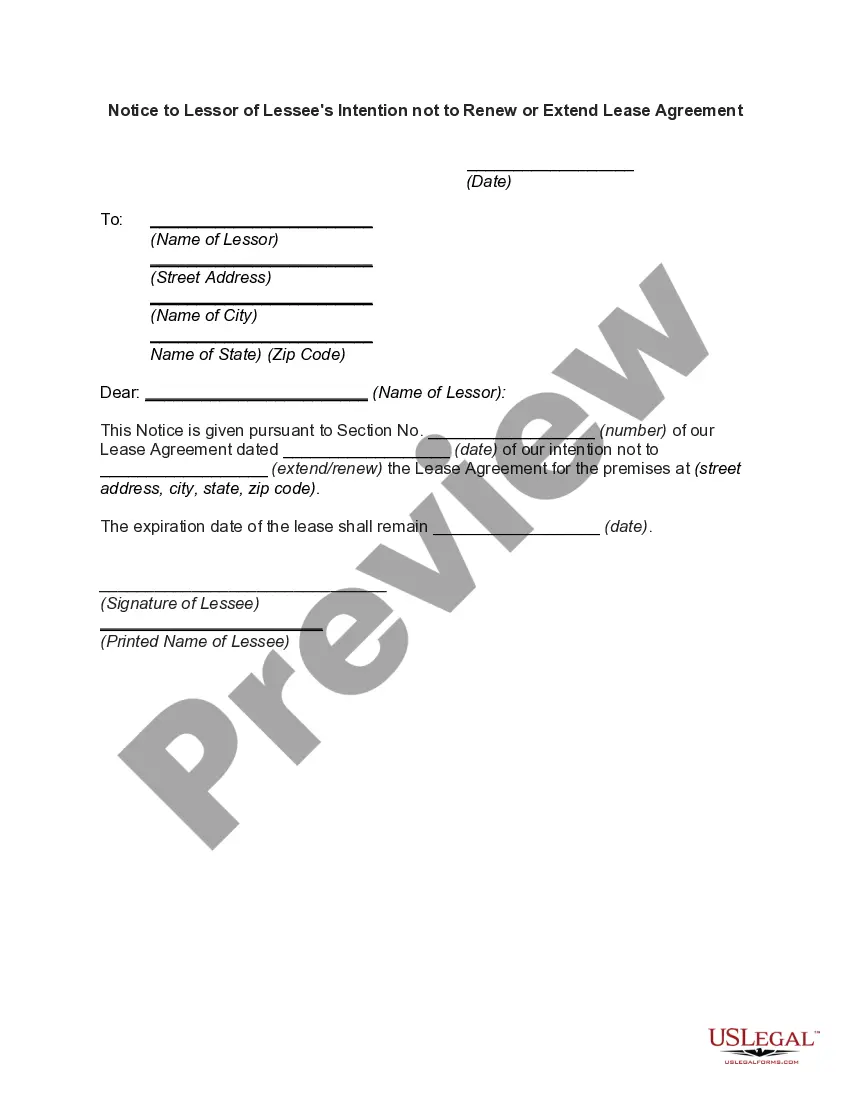
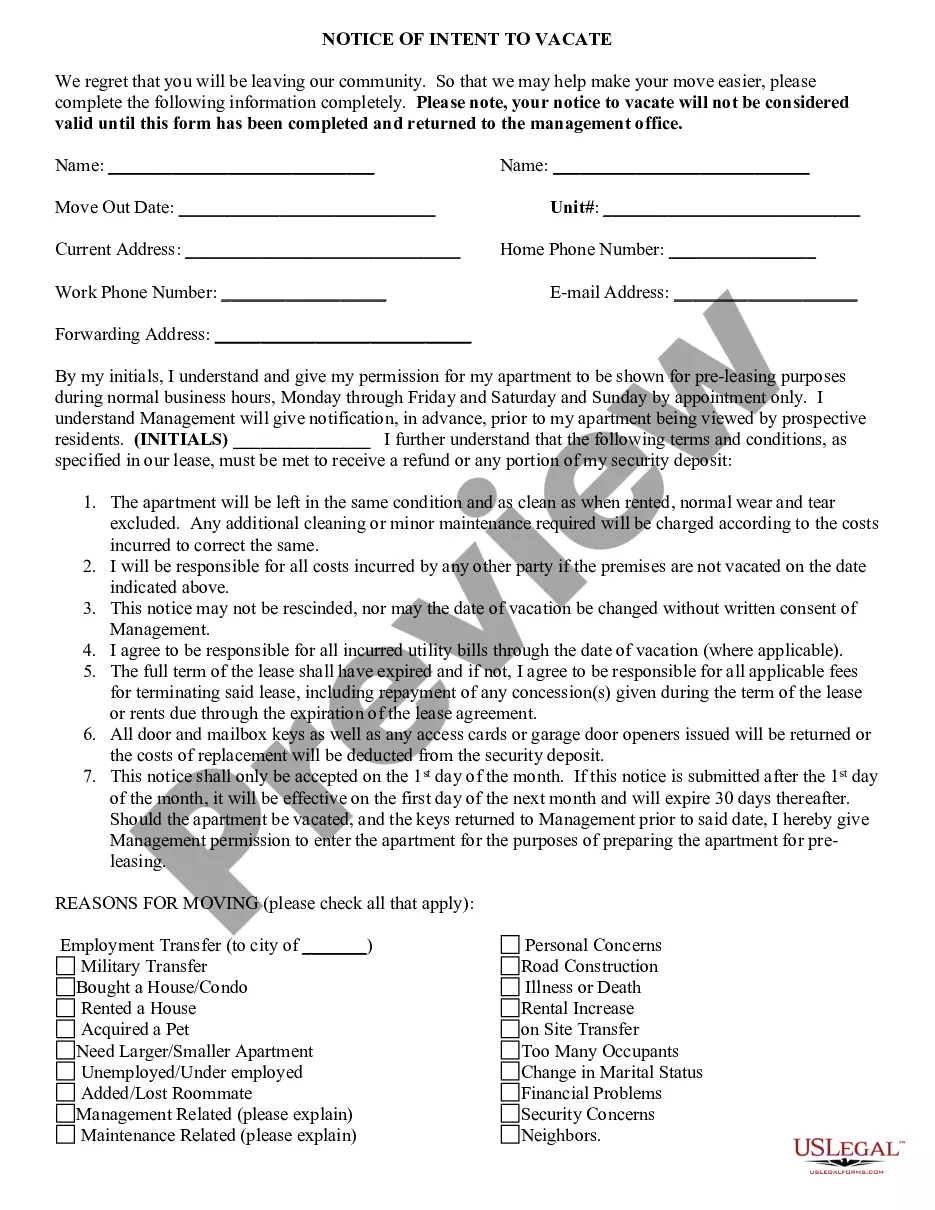
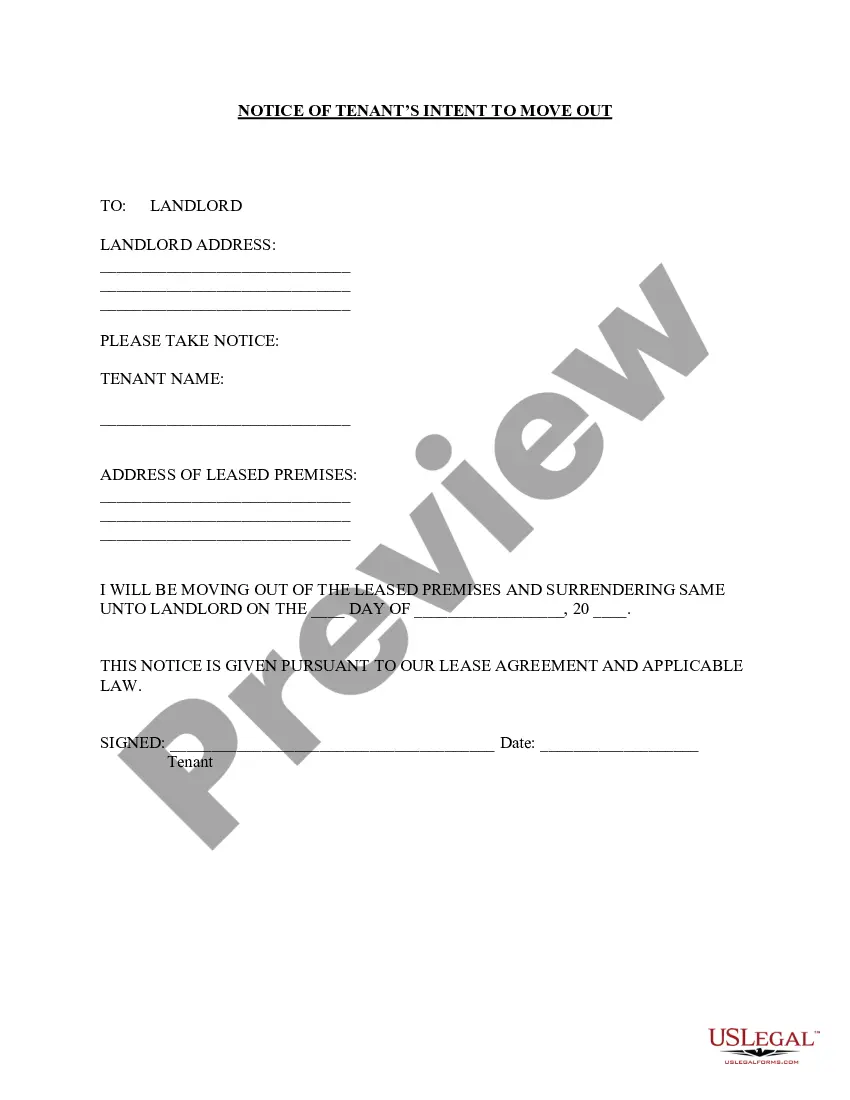



How to fill out Nevada Notice Of Intent To Vacate At End Of Specified Lease Term From Tenant To Landlord For Residential Property?
US Legal Forms is a special system where you can find any legal or tax document for submitting, such as Nevada Notice of Intent to Vacate at End of Specified Lease Term from Tenant to Landlord for Residential Property. If you’re fed up with wasting time searching for perfect samples and spending money on papers preparation/legal professional service fees, then US Legal Forms is exactly what you’re looking for.
To reap all the service’s advantages, you don't have to install any application but simply choose a subscription plan and sign up your account. If you have one, just log in and find the right sample, download it, and fill it out. Saved files are kept in the My Forms folder.
If you don't have a subscription but need to have Nevada Notice of Intent to Vacate at End of Specified Lease Term from Tenant to Landlord for Residential Property, take a look at the recommendations listed below:
- check out the form you’re considering is valid in the state you need it in.
- Preview the form and read its description.
- Simply click Buy Now to access the register webpage.
- Choose a pricing plan and continue signing up by entering some information.
- Select a payment method to complete the registration.
- Save the file by selecting the preferred file format (.docx or .pdf)
Now, fill out the document online or print it. If you feel unsure about your Nevada Notice of Intent to Vacate at End of Specified Lease Term from Tenant to Landlord for Residential Property sample, speak to a legal professional to review it before you send or file it. Start without hassles!
Form popularity
FAQ
At-will tenancy is subject to the will of both the tenant and the landlord (hence the name). In other words, the tenant can choose to leave and stop paying rent at any time, and the landlord can choose to stop accepting rent and ask the tenant to leave at any time.
A termination notice has to give the tenant 14 clear days before the tenant has to leave the residential premises. The day the notice is served on the tenant and the day the tenant moves out do not count as part of the 14 days.
A holdover tenant is a tenant who stays in the rental unit after the lease expires. If the tenant continues to pay rent, the tenancy essentially becomes a month-to-month tenancy. A holdover tenant is legally allowed to stay in the rental unit as long as the landlord takes no action to remove them.
A landlord can simply give you a written notice to move, allowing you 30 days (60 days if you've lived in the rental a year or more) as required by California law and specifying the date on which your tenancy will end.
State law regulates several rent-related issues, including late and bounced-check fees, the amount of notice (at least 45 days in Nevada) landlords must give tenants to raise the rent, and how much time (five days in Nevada) a tenant has to pay overdue rent or move before a landlord can file for eviction.
Explain the Situation Tell your tenant in straightforward terms what the problem is, and explain that they cannot stay on the property any longer. Describe the Consequences Calmly explain that they will be evicted with necessary court orders if they remain on the property.
The date you're submitting your notice. The date you're moving. Information on your current home the address and the landlord's name. A statement declaring that you intend to leave the home. A straightforward statement that you're providing this letter, 30 days out, per your lease agreement.
If the lease expired and the tenant won't leave you'll need to either file an eviction or let the tenant be. If you do nothing than the tenant will become a holdover tenant as discussed earlier in this post. If you're going to proceed forward with an eviction be sure to follow all the proper legal procedures.
Nevada Revised Statutes require a seven-day notice to the tenant, instructing the tenant to either pay the rent or "quit" (leave) the rental property. To evict a tenant for nonpayment of rent, the landlord must "serve" (deliver) a Seven-Day Notice to Pay Rent or Quit to the tenant.