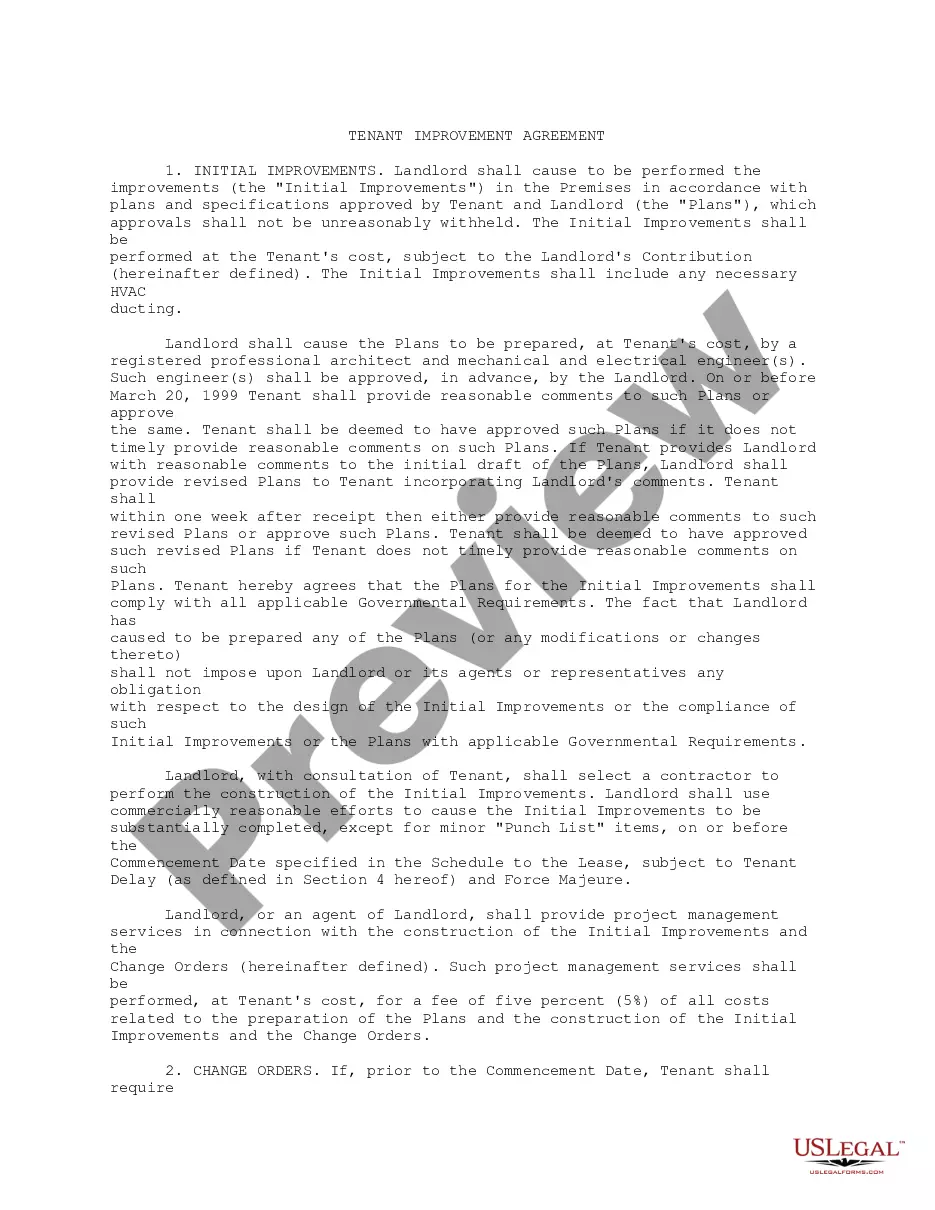
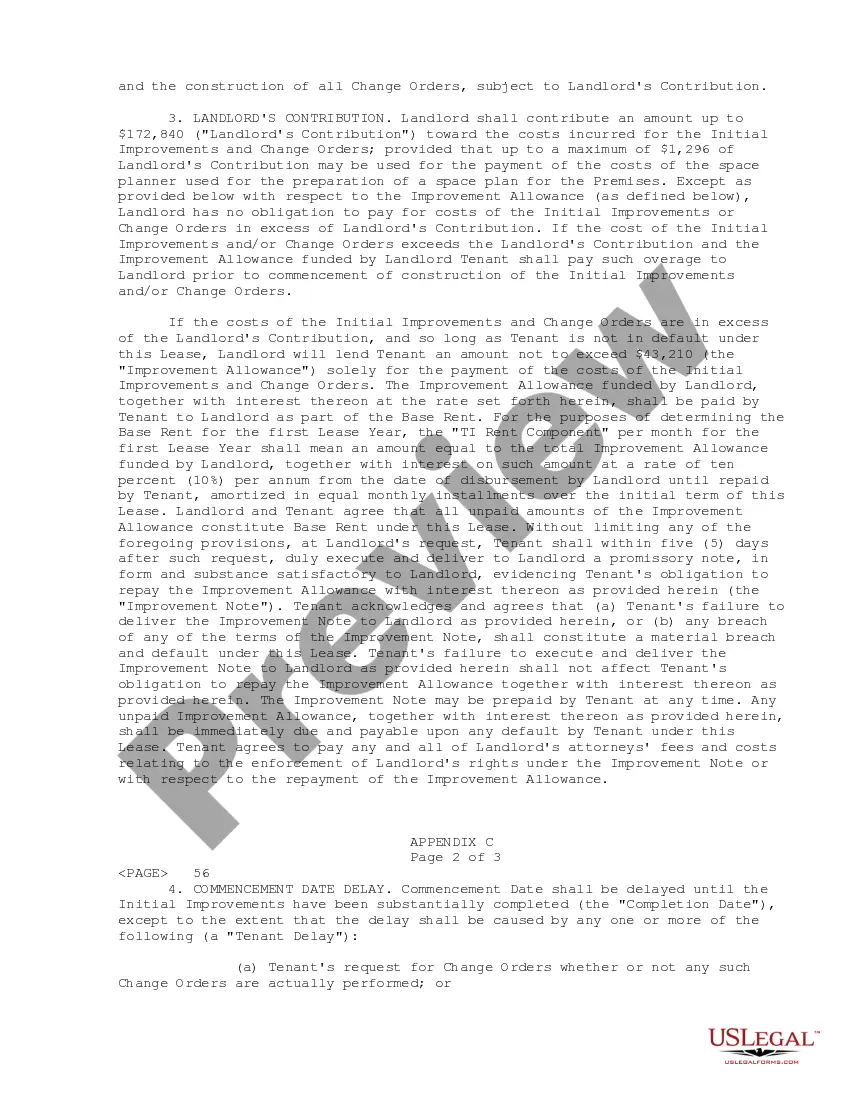
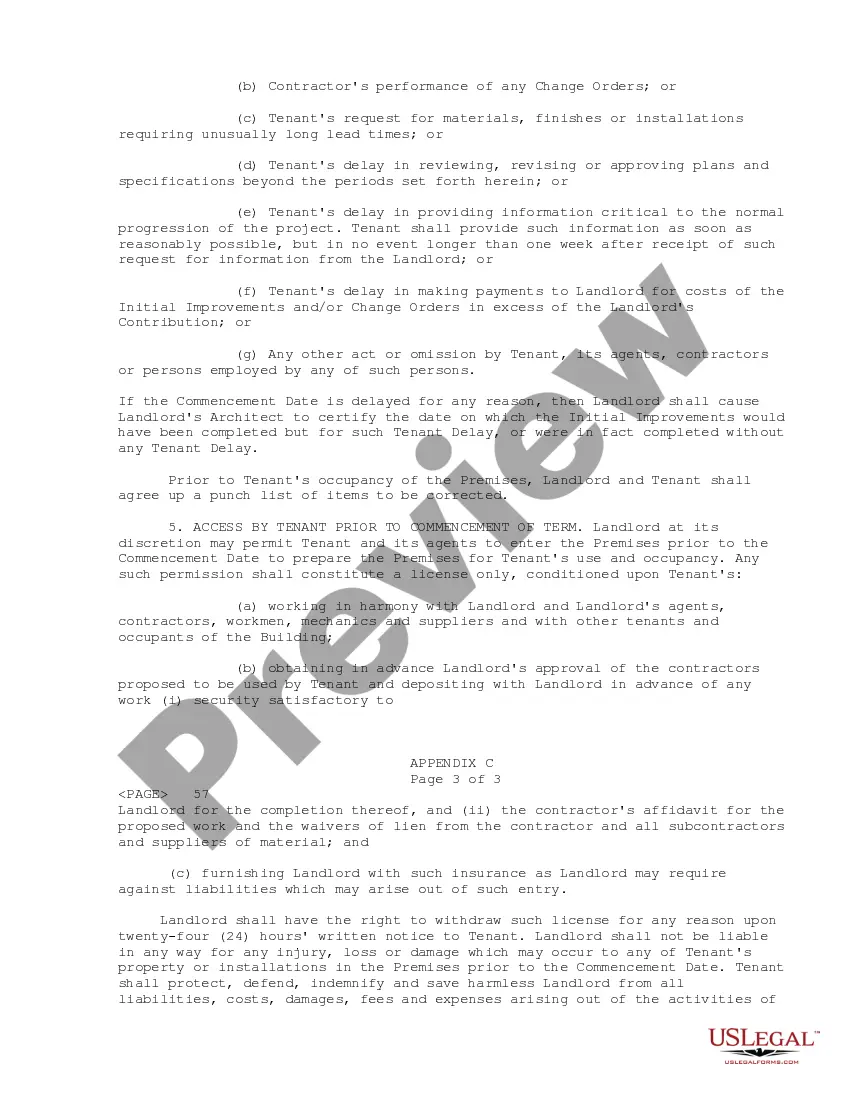
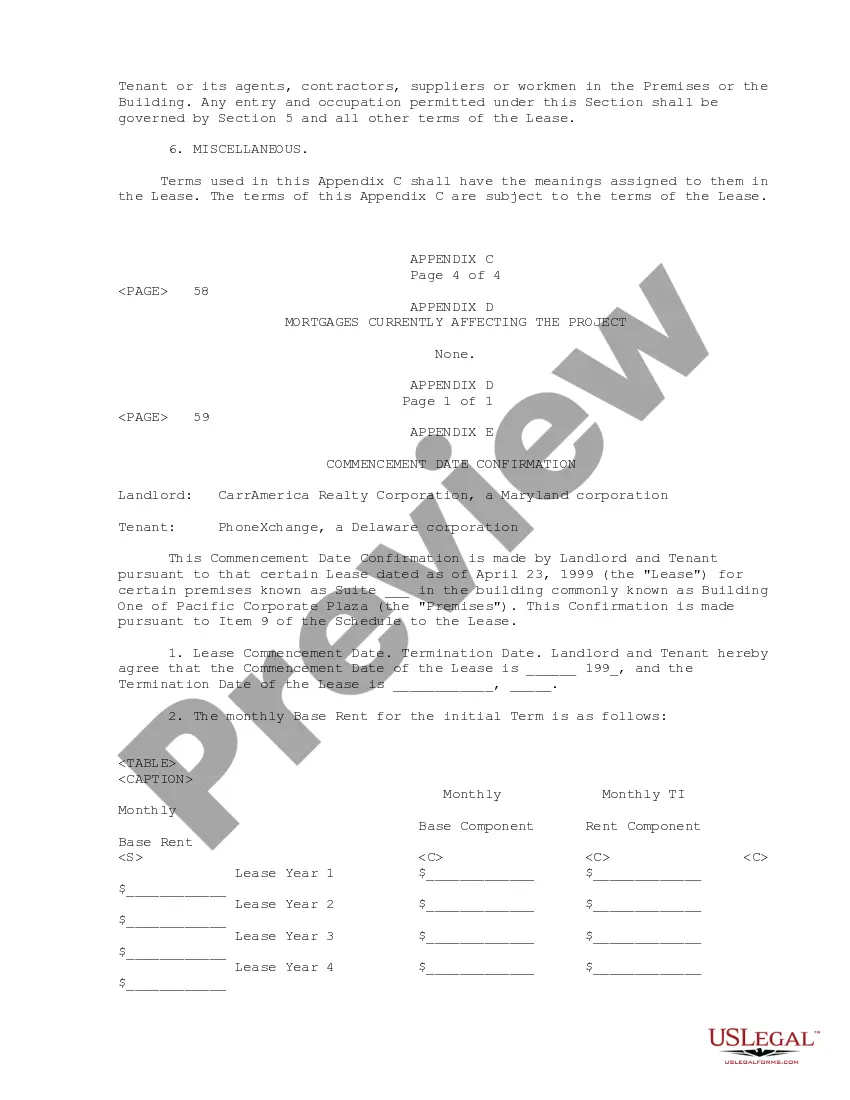
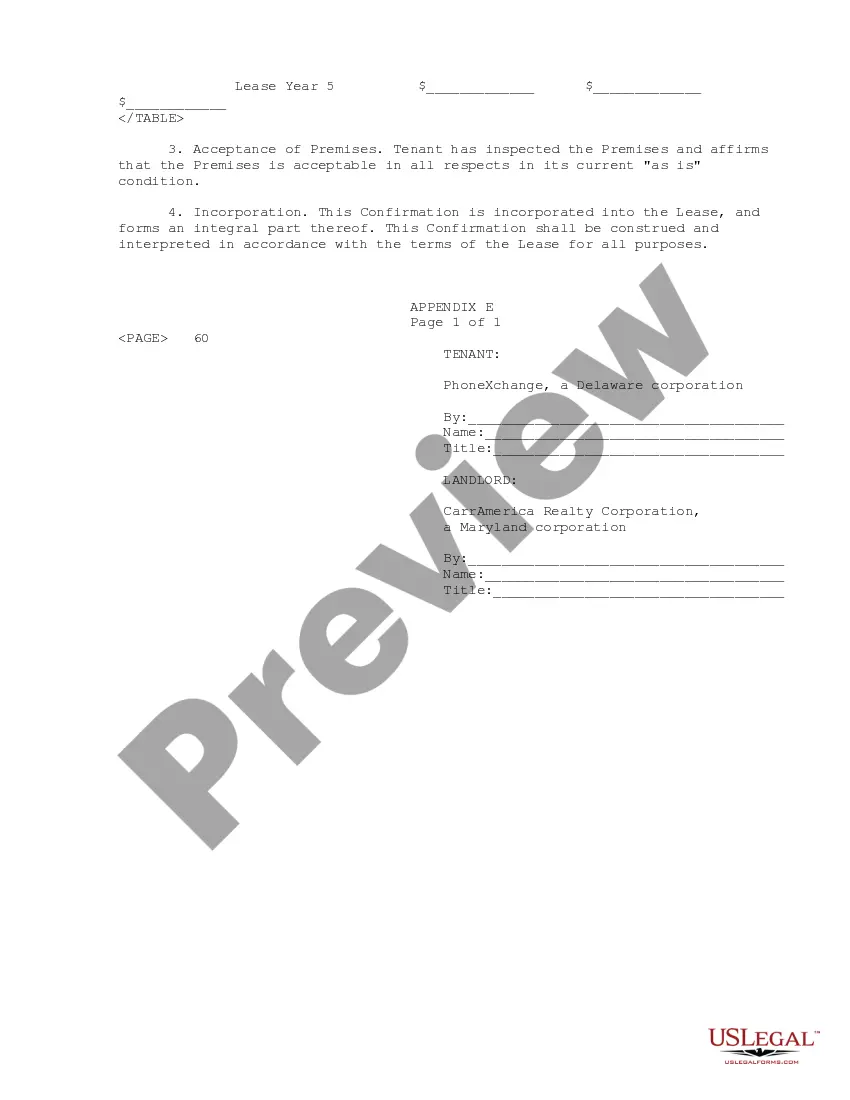
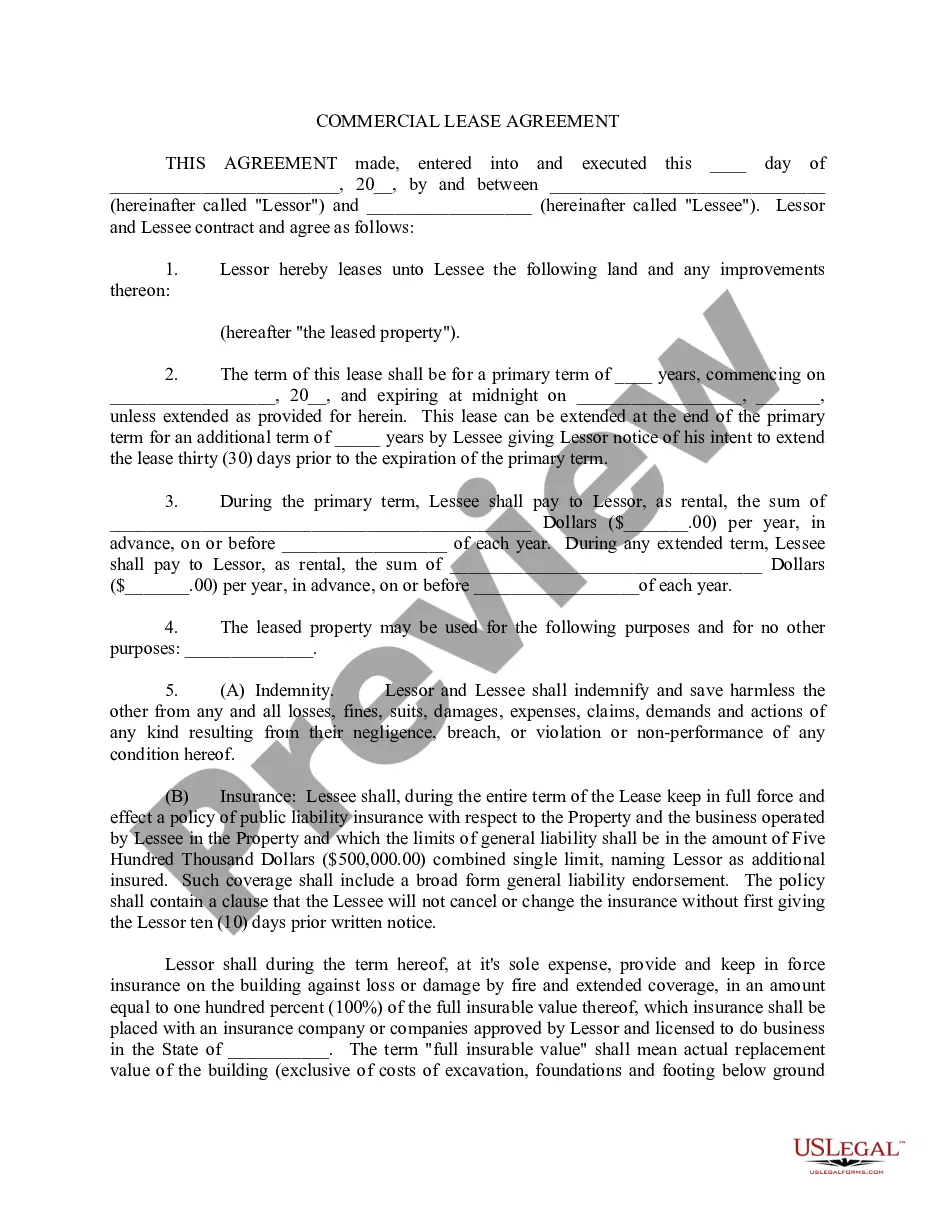
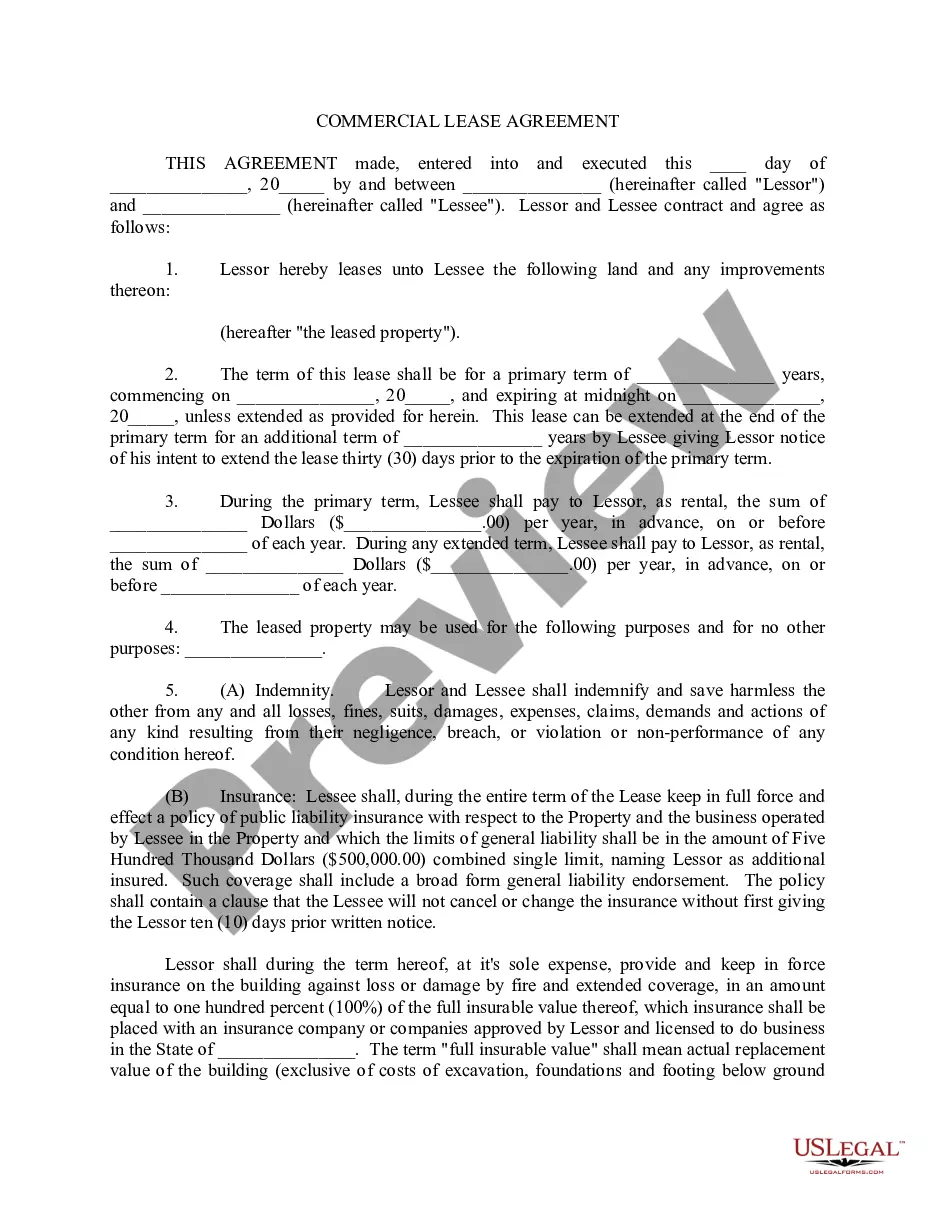
New Mexico Tenant Improvement Lease
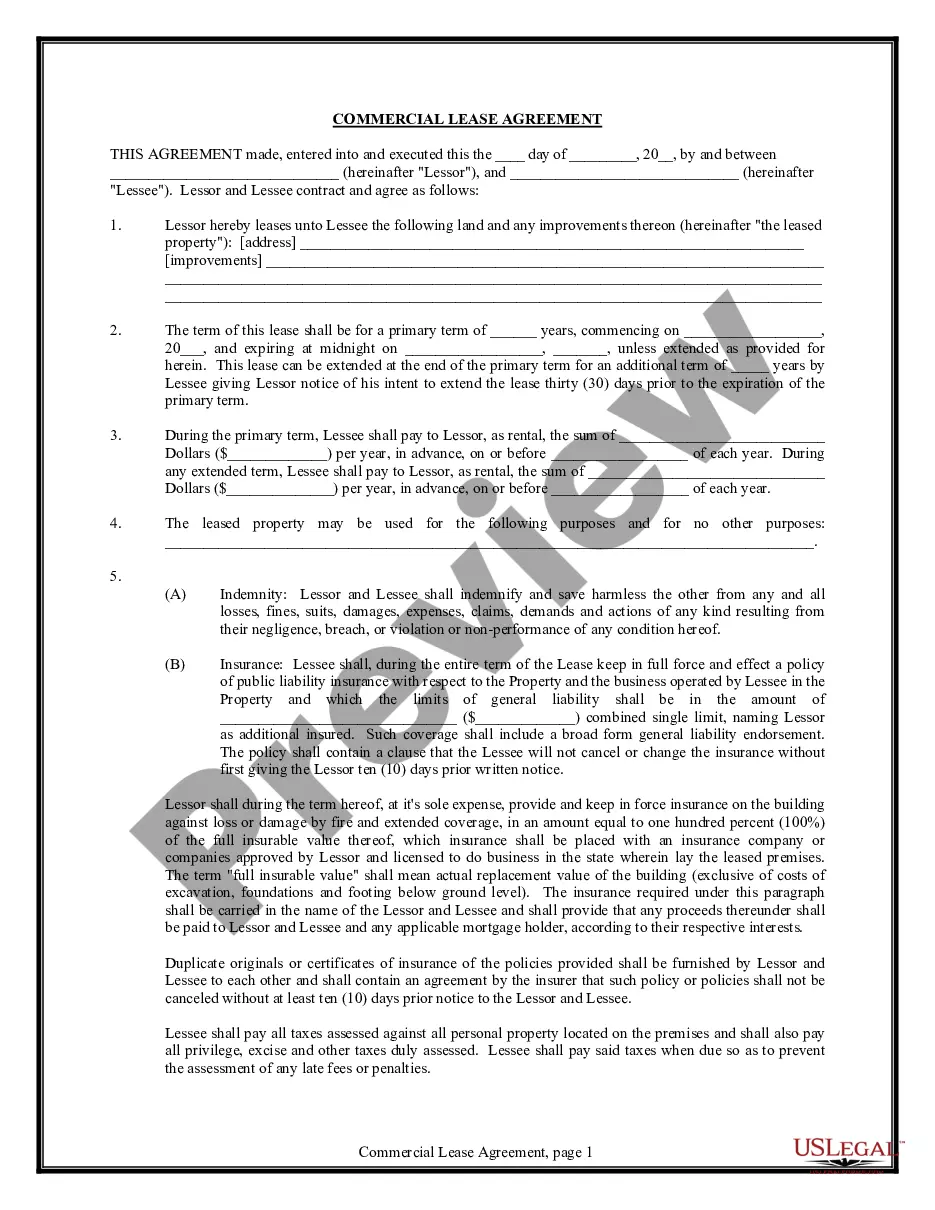
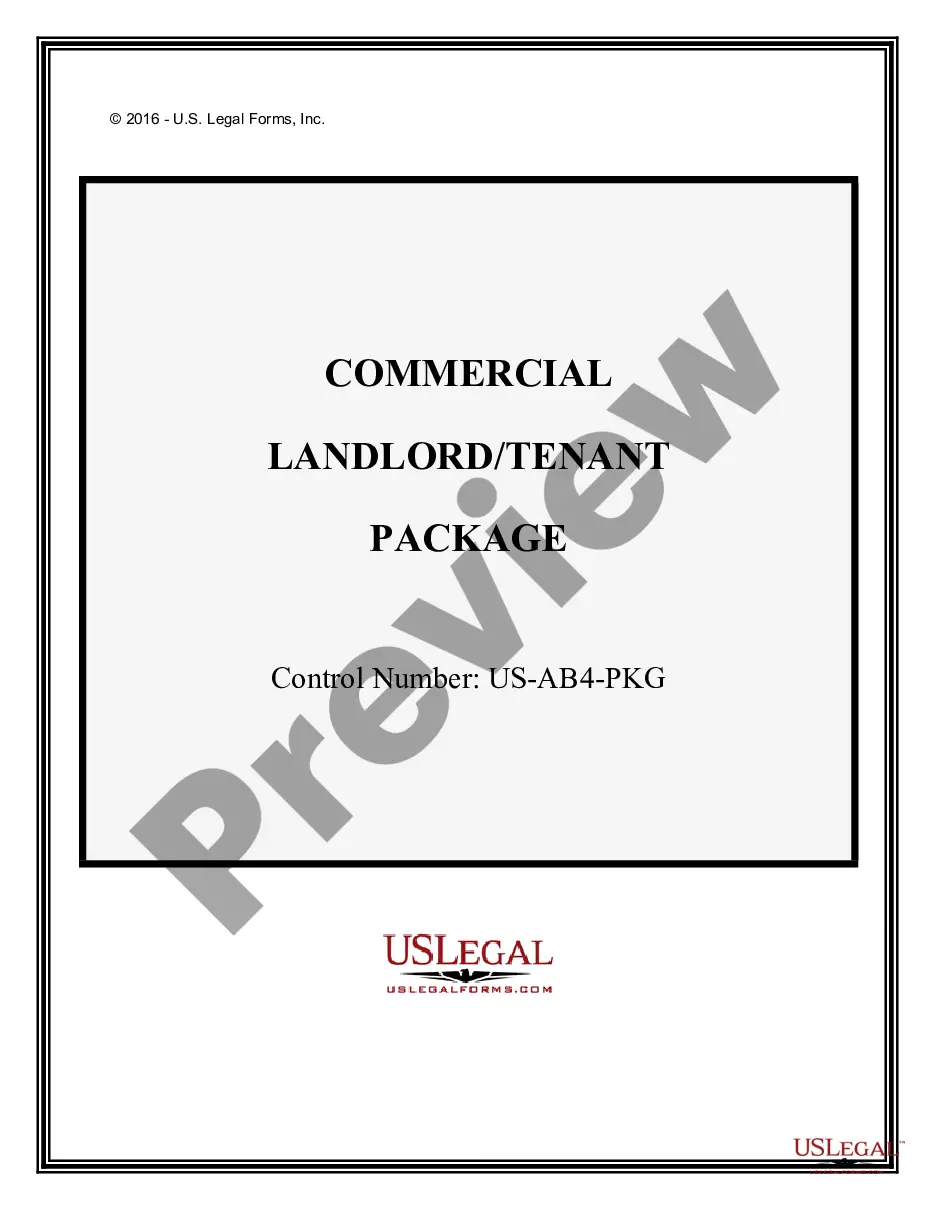
Description
Get your form ready online
Our built-in tools help you complete, sign, share, and store your documents in one place.
Make edits, fill in missing information, and update formatting in US Legal Forms—just like you would in MS Word.
Download a copy, print it, send it by email, or mail it via USPS—whatever works best for your next step.
Sign and collect signatures with our SignNow integration. Send to multiple recipients, set reminders, and more. Go Premium to unlock E-Sign.
If this form requires notarization, complete it online through a secure video call—no need to meet a notary in person or wait for an appointment.
We protect your documents and personal data by following strict security and privacy standards.

Make edits, fill in missing information, and update formatting in US Legal Forms—just like you would in MS Word.

Download a copy, print it, send it by email, or mail it via USPS—whatever works best for your next step.

Sign and collect signatures with our SignNow integration. Send to multiple recipients, set reminders, and more. Go Premium to unlock E-Sign.

If this form requires notarization, complete it online through a secure video call—no need to meet a notary in person or wait for an appointment.

We protect your documents and personal data by following strict security and privacy standards.
Looking for another form?






How to fill out Tenant Improvement Lease?
If you have to complete, obtain, or print legal file web templates, use US Legal Forms, the most important assortment of legal forms, that can be found on the web. Use the site`s simple and easy convenient research to obtain the files you require. A variety of web templates for organization and specific reasons are sorted by classes and claims, or keywords and phrases. Use US Legal Forms to obtain the New Mexico Tenant Improvement Lease in just a few clicks.
In case you are previously a US Legal Forms buyer, log in to the bank account and then click the Download switch to have the New Mexico Tenant Improvement Lease. You can also gain access to forms you previously delivered electronically inside the My Forms tab of your own bank account.
If you are using US Legal Forms for the first time, follow the instructions beneath:
- Step 1. Make sure you have chosen the shape to the correct town/land.
- Step 2. Use the Review method to examine the form`s content material. Don`t forget to read the information.
- Step 3. In case you are not satisfied together with the develop, make use of the Research discipline on top of the screen to locate other versions in the legal develop format.
- Step 4. Upon having identified the shape you require, go through the Purchase now switch. Select the prices program you favor and add your credentials to sign up for the bank account.
- Step 5. Process the financial transaction. You may use your bank card or PayPal bank account to accomplish the financial transaction.
- Step 6. Find the format in the legal develop and obtain it on your system.
- Step 7. Full, edit and print or sign the New Mexico Tenant Improvement Lease.
Each legal file format you purchase is the one you have eternally. You have acces to each and every develop you delivered electronically inside your acccount. Click the My Forms area and select a develop to print or obtain once again.
Remain competitive and obtain, and print the New Mexico Tenant Improvement Lease with US Legal Forms. There are millions of expert and state-specific forms you can utilize for the organization or specific requirements.
Form popularity
FAQ
From an accounting standpoint, leasehold improvements must be capitalized on the balance sheet, meaning the cost of the improvements is spread out over time in line with the company's use of space.
The TIA accounting standards process typically involves the following steps: Record the TIA as a Liability. The landlord pays the TIA amount to the tenant. ... Capitalize the Improvements. The tenant then uses the TIA funds to make improvements to the office space. ... Amortize the TIA. ... Record Depreciation Expense.
How do leasehold improvements impact ASC 842? Leasehold improvements are reported as property, plant and equipment (PP&E) assets on the balance sheet. ASC 842 does not change the way they are handled, unless a tenant uses a tenant improvement allowance to make their improvements.
For purposes of accounting, the costs of leasehold improvements are capitalized as a fixed asset and then amortized rather than depreciated, as the prior section mentioned. Estimated Useful Life of the Improvement. Remaining Lease Term.
The TIA accounting standards process typically involves the following steps: Record the TIA as a Liability. The landlord pays the TIA amount to the tenant. ... Capitalize the Improvements. The tenant then uses the TIA funds to make improvements to the office space. ... Amortize the TIA. ... Record Depreciation Expense.
What are some examples of TI's? Every business has specific needs and TI's enable them to customize a lease space to meet specific needs. Some examples of TI's include adding walled offices, a break room or kitchen, an additional bathroom, conference rooms, drop ceilings and painting.
Per-Square-Foot Basis: Many leases calculate TIAs based on a per-square-foot basis. This involves multiplying the agreed-upon per-square-foot allowance by the total square footage of the leased space. For example, if the TIA is $10 per square foot, and your space is 2,000 square feet, your TIA would be $20,000.
From an accounting standpoint, leasehold improvements must be capitalized on the balance sheet, meaning the cost of the improvements is spread out over time in line with the company's use of space.