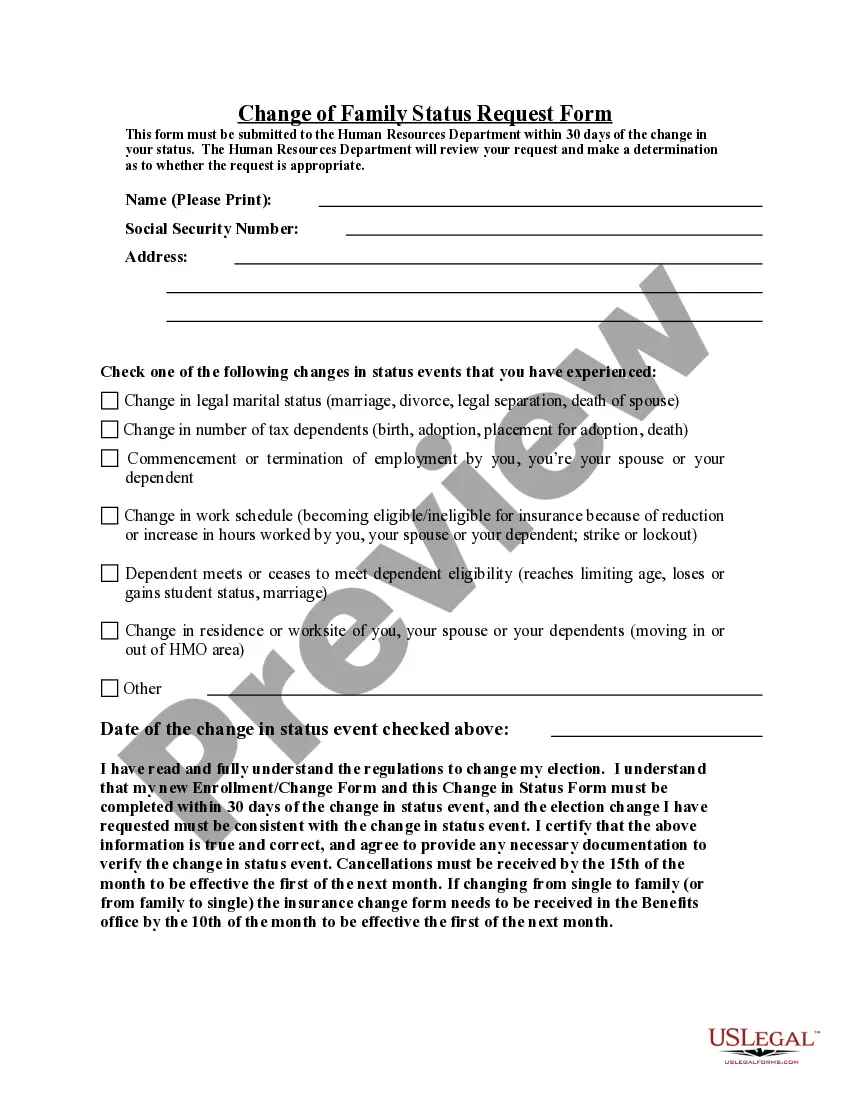
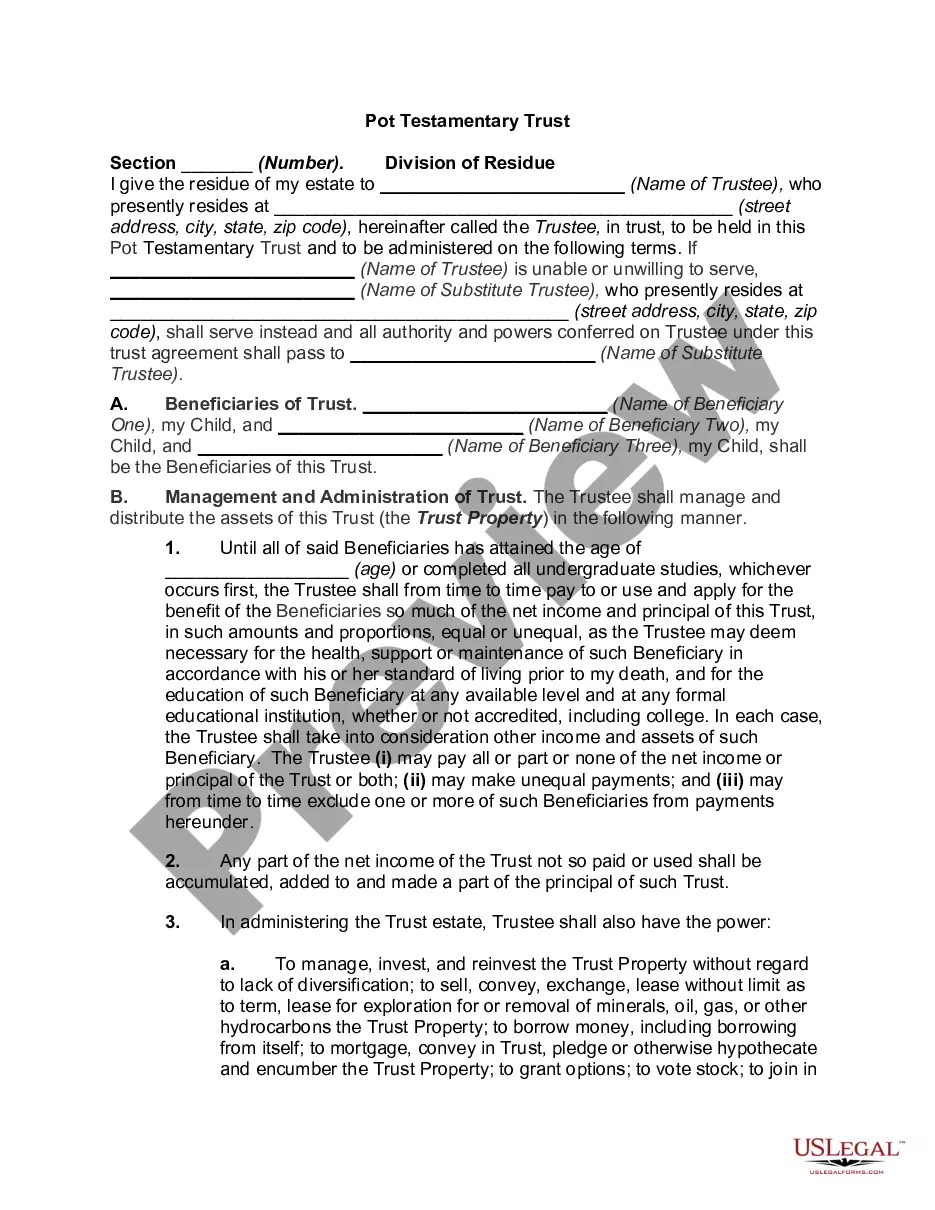
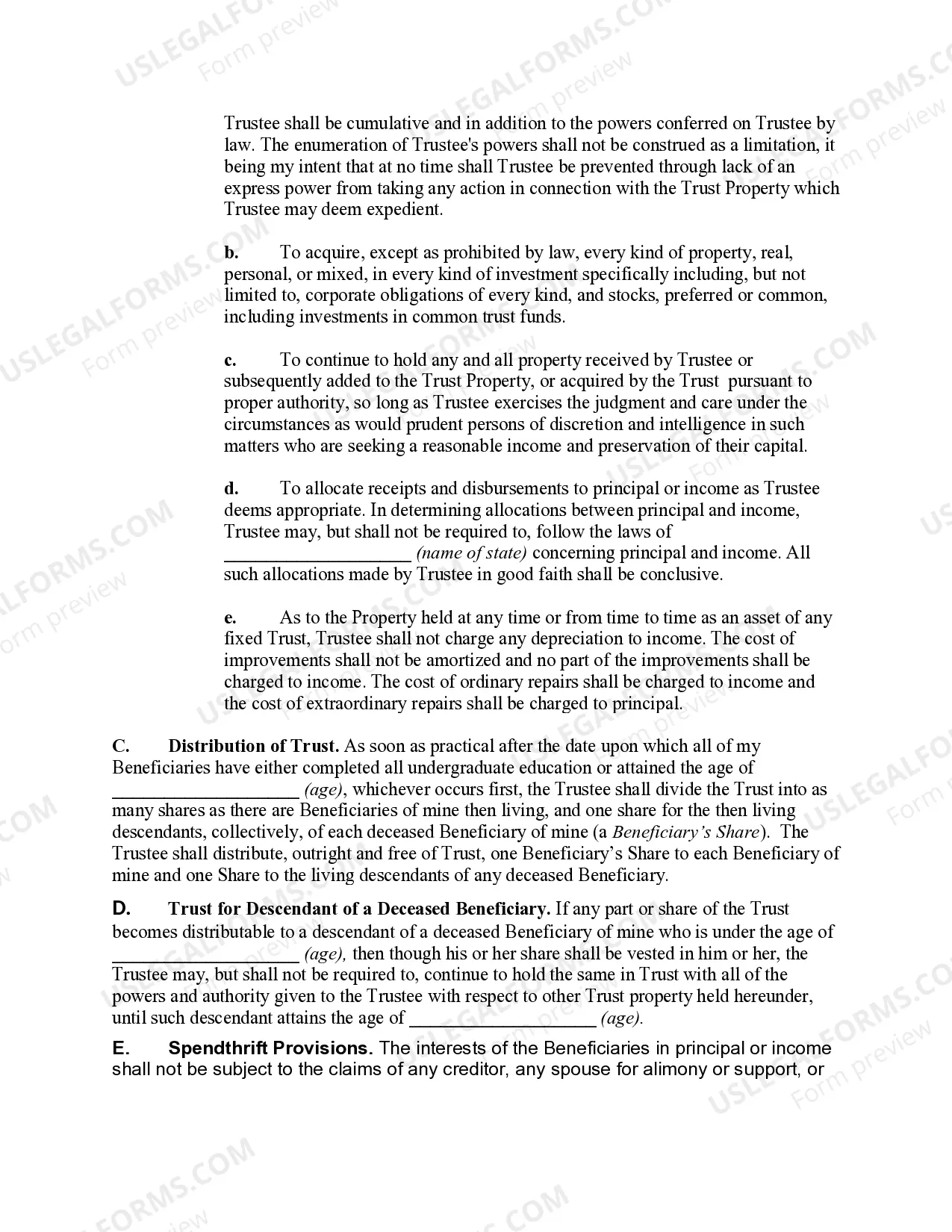
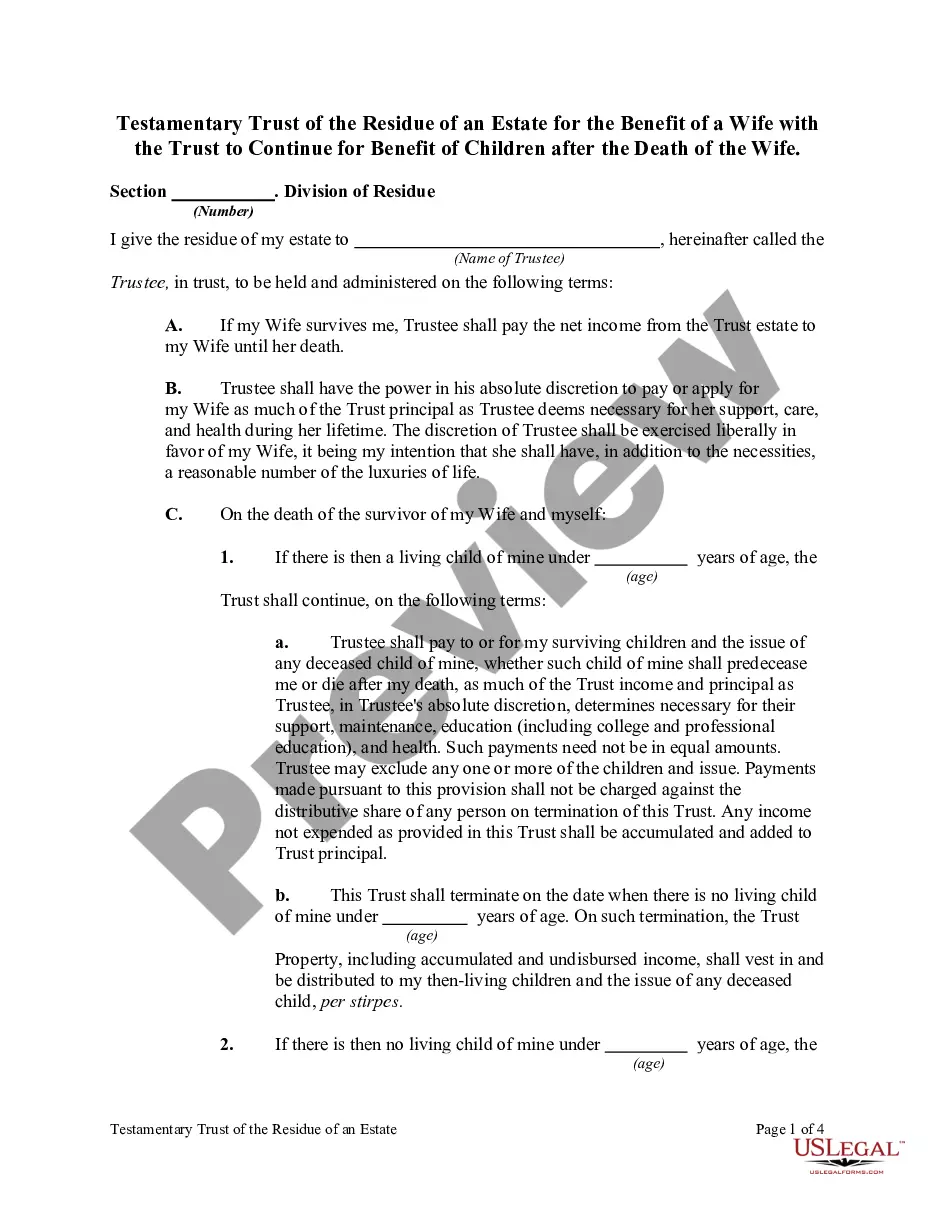
New Mexico Pot Testamentary Trust
Description


Get your form ready online
Our built-in tools help you complete, sign, share, and store your documents in one place.
Make edits, fill in missing information, and update formatting in US Legal Forms—just like you would in MS Word.
Download a copy, print it, send it by email, or mail it via USPS—whatever works best for your next step.
Sign and collect signatures with our SignNow integration. Send to multiple recipients, set reminders, and more. Go Premium to unlock E-Sign.
If this form requires notarization, complete it online through a secure video call—no need to meet a notary in person or wait for an appointment.
We protect your documents and personal data by following strict security and privacy standards.

Make edits, fill in missing information, and update formatting in US Legal Forms—just like you would in MS Word.

Download a copy, print it, send it by email, or mail it via USPS—whatever works best for your next step.

Sign and collect signatures with our SignNow integration. Send to multiple recipients, set reminders, and more. Go Premium to unlock E-Sign.

If this form requires notarization, complete it online through a secure video call—no need to meet a notary in person or wait for an appointment.

We protect your documents and personal data by following strict security and privacy standards.
Looking for another form?


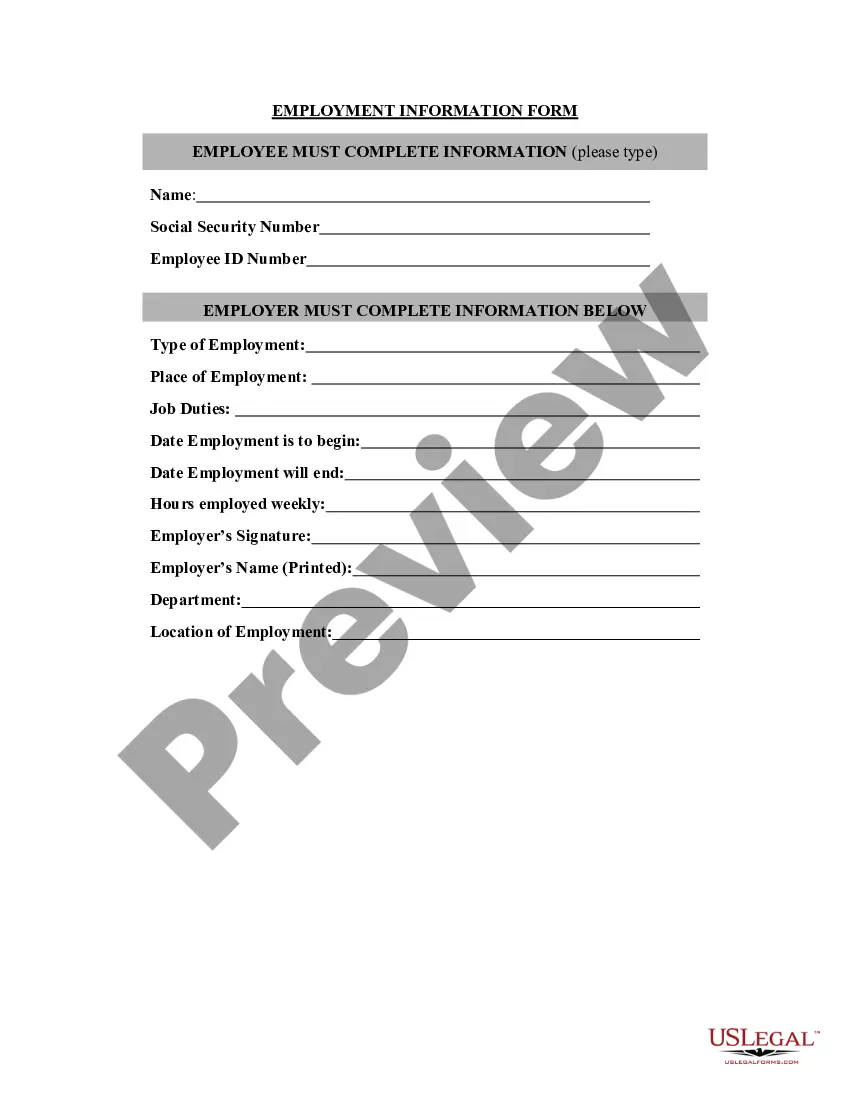

How to fill out Pot Testamentary Trust?
Selecting the appropriate authorized document template can be a challenge. Clearly, there is an assortment of templates available online, but how could you find the legal form you require? Utilize the US Legal Forms website.
This service provides an extensive selection of templates, including the New Mexico Pot Testamentary Trust, suitable for both business and personal purposes. Each form is reviewed by experts and complies with federal and state regulations.
If you are already registered, sign in to your account and click the Download button to obtain the New Mexico Pot Testamentary Trust. Use your account to browse the legal forms you have previously acquired. Visit the My documents section of your account to retrieve another copy of the document you require.
Choose the file format and download the legal document template to your device. Complete, modify, print, and sign the obtained New Mexico Pot Testamentary Trust. US Legal Forms is the largest repository of legal forms where you can find a variety of document templates. Use the service to download professionally crafted documents that adhere to state regulations.
- If you are a new user of US Legal Forms, follow these simple steps.
- Firstly, ensure you have selected the correct form for your city/state. You can preview the form using the Review button and read the form description to confirm it meets your needs.
- If the form does not meet your requirements, utilize the Search field to find the right form.
- Once you are convinced that the form is suitable, click on the Acquire now button to obtain the form.
- Select the payment plan you prefer and provide the necessary information.
- Create your account and purchase your order using your PayPal account or credit card.
Form popularity
FAQ
How does it save tax? A testamentary trust allows the person who controls it to split the income generated by the trust between family members. Importantly, children who receive income from a testamentary trust are taxed at adult tax rates, instead of penalty rates (up to 66%) which apply to other types of trusts.
A testamentary trust is set up in a person's will and starts upon their death. It holds and protects all, or some, of the person's assets such as property and investments. The trust looks after the assets for the beneficiaries. Beneficiaries are the people or organisations that will benefit from the trust.
The basic requirements for a New Mexico last will and testament include the following:Age: The testator must be at least 18 years old.Capacity: The testator must be of sound mind.Signature: The will must be signed by the testator or by someone else in the testator's name in his conscious presence, by his direction.More items...
The trust can also be used to reduce estate tax liabilities and ensure professional management of the assets. A disadvantage of a testamentary trust is that it does not avoid probatethe legal process of distributing assets through the court.
Currently, taxable income earned in a testamentary trust is subject to the same graduated tax rates as an individual taxpayer (this is subject to change after December 31, 2015).
A testamentary trust allows the person who controls it to split the income generated by the trust between family members. Importantly, children who receive income from a testamentary trust are taxed at adult tax rates, instead of penalty rates (up to 66%) which apply to other types of trusts.
How does Testamentary Trust Taxation Work? Testamentary Trusts are taxed as a whole, though beneficiaries will not be forced to pay taxes on distributions from the Trust. Note that you could be responsible for the capital gains tax, depending on your state.
The major benefit of a trust is that it gives the settlor control over when and how his or her assets are disbursed. This is especially important for settlors who have young children or grandchildren. With a testamentary trust, assets can remain protected until the child is old enough to be financially responsible.
How does it save tax? A testamentary trust allows the person who controls it to split the income generated by the trust between family members. Importantly, children who receive income from a testamentary trust are taxed at adult tax rates, instead of penalty rates (up to 66%) which apply to other types of trusts.
Testamentary trusts are discretionary trusts established in Wills, that allow the trustees of each trust to decide, from time to time, which of the nominated beneficiaries (if any) may receive the benefit of the distributions from that trust for any given period.