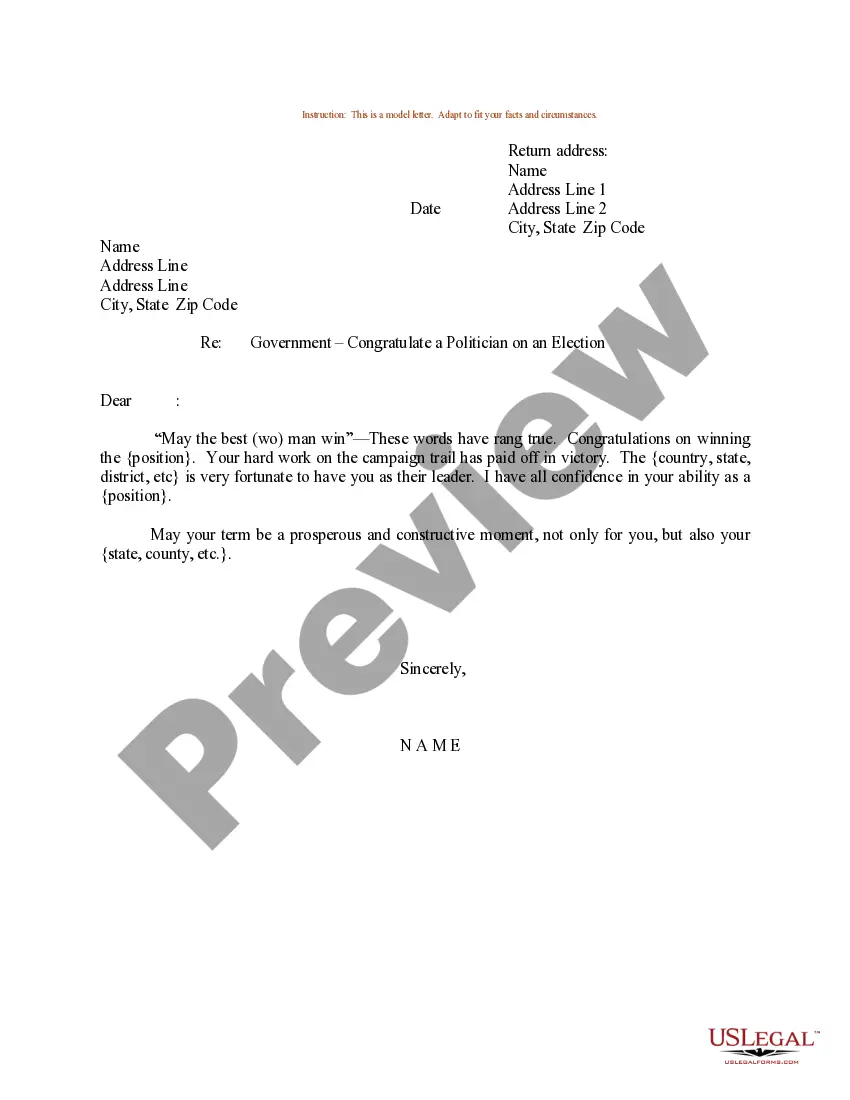
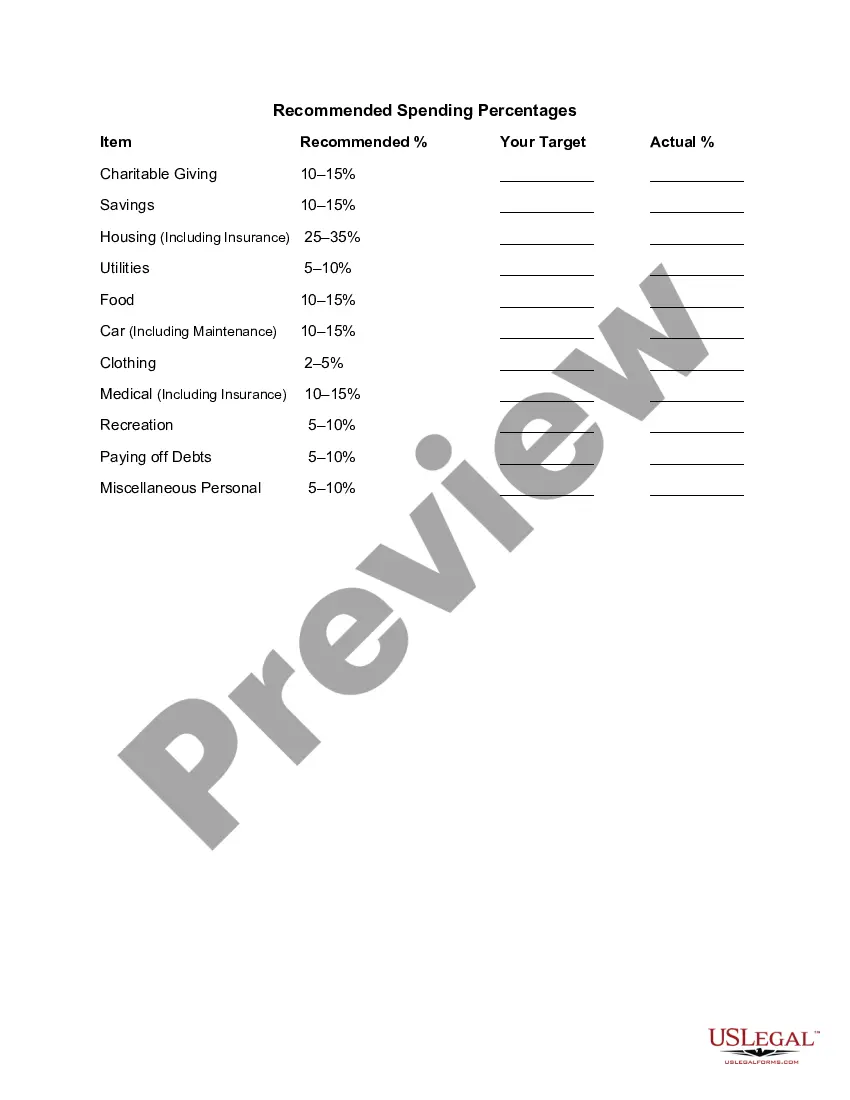
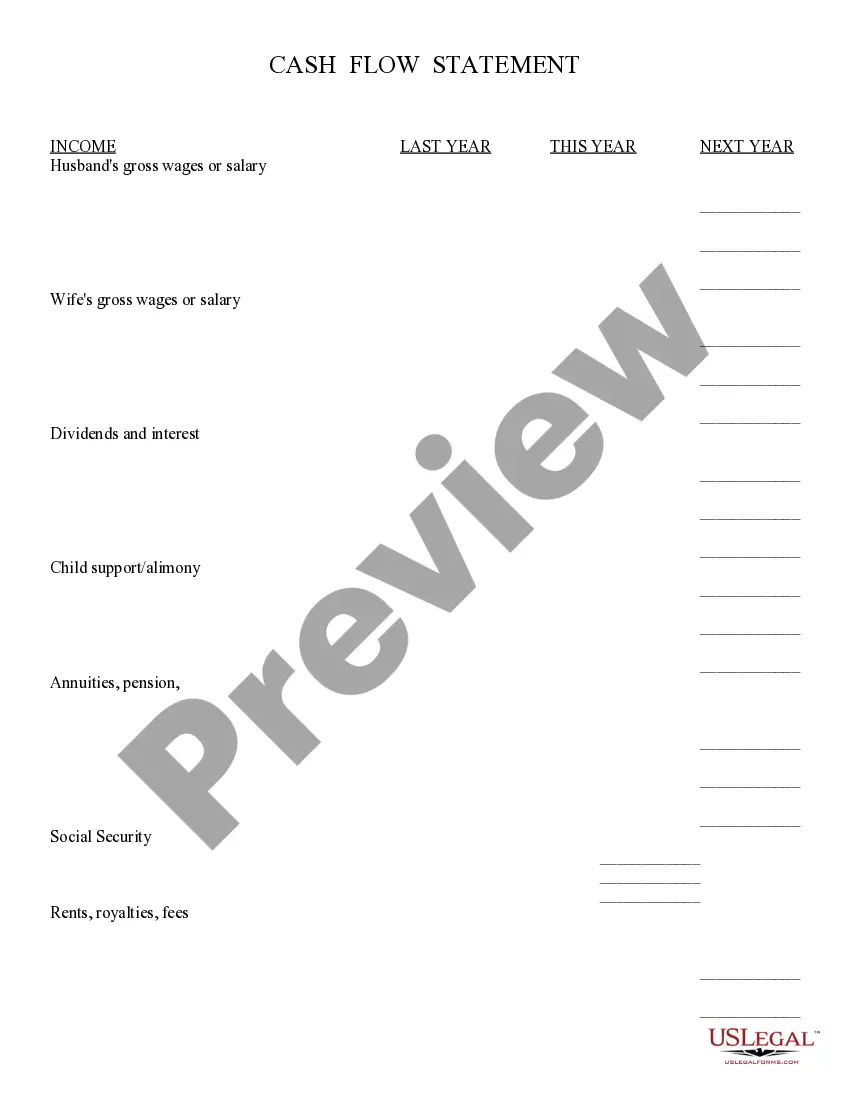
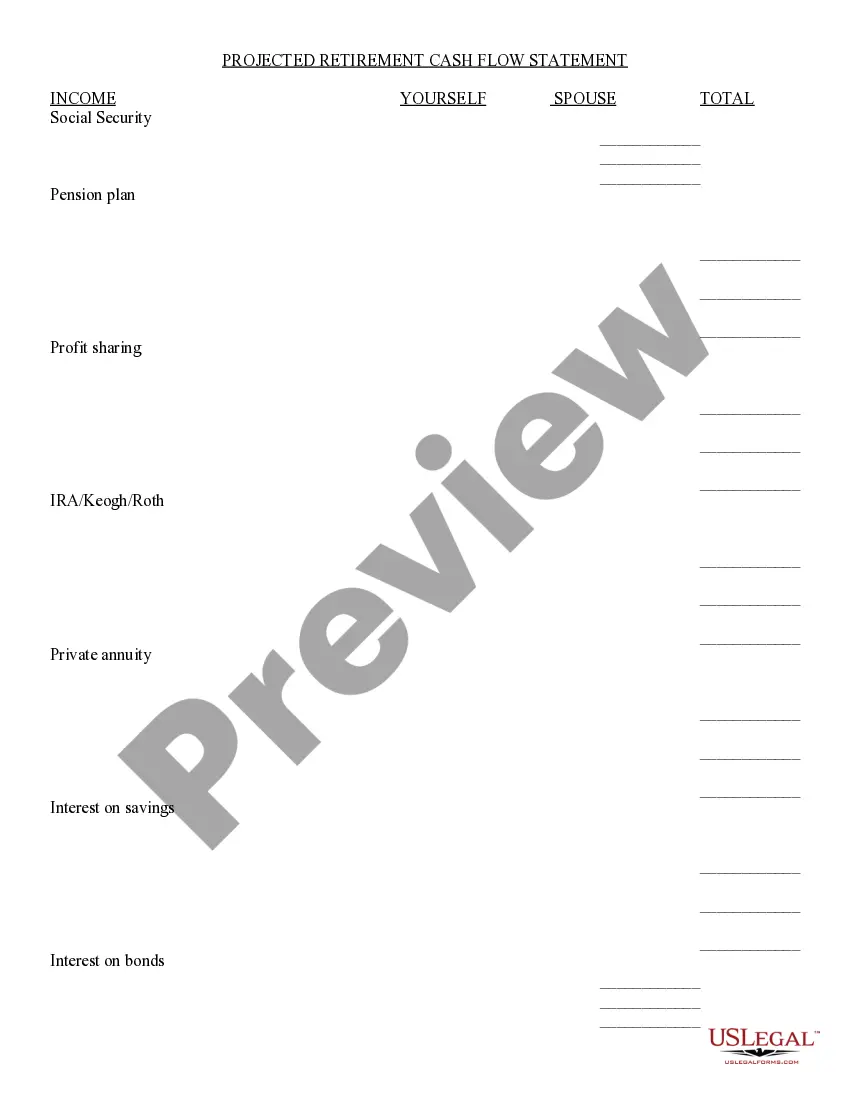
New Mexico Recommended Spending Percentages
Description
Get your form ready online
Our built-in tools help you complete, sign, share, and store your documents in one place.
Make edits, fill in missing information, and update formatting in US Legal Forms—just like you would in MS Word.
Download a copy, print it, send it by email, or mail it via USPS—whatever works best for your next step.
Sign and collect signatures with our SignNow integration. Send to multiple recipients, set reminders, and more. Go Premium to unlock E-Sign.
If this form requires notarization, complete it online through a secure video call—no need to meet a notary in person or wait for an appointment.
We protect your documents and personal data by following strict security and privacy standards.

Make edits, fill in missing information, and update formatting in US Legal Forms—just like you would in MS Word.

Download a copy, print it, send it by email, or mail it via USPS—whatever works best for your next step.

Sign and collect signatures with our SignNow integration. Send to multiple recipients, set reminders, and more. Go Premium to unlock E-Sign.

If this form requires notarization, complete it online through a secure video call—no need to meet a notary in person or wait for an appointment.

We protect your documents and personal data by following strict security and privacy standards.
Looking for another form?

How to fill out Recommended Spending Percentages?
You might spend countless hours online trying to locate the valid document format that complies with the local and federal regulations you require.
US Legal Forms provides a vast collection of valid templates that are evaluated by professionals.
You can download or print the New Mexico Recommended Spending Percentages from their service.
- If you already possess a US Legal Forms account, you can sign in and then click the Get button.
- After that, you can fill out, modify, print, or endorse the New Mexico Recommended Spending Percentages.
- Every valid document format you purchase is yours indefinitely.
- To obtain another copy of any acquired document, navigate to the My documents tab and click the corresponding button.
- If you are utilizing the US Legal Forms website for the first time, follow the simple instructions below.
- First, ensure that you have chosen the correct document format for the jurisdiction/city of your choice. Check the form specifications to ensure you have selected the correct form.
- If available, use the Preview button to browse through the document format as well.
- If you wish to find another version of the form, use the Search box to locate the template that fits your needs and requirements.
- Once you have found the template you want, click on Get now to proceed.
- Select the pricing plan you want, enter your details, and register for an account on US Legal Forms.
Form popularity
FAQ
The budget for the NWT 2025 focuses on energy, infrastructure, and public health initiatives. While this specific budget pertains to different governance, it holds relevance for New Mexico, especially in terms of resource management. New Mexico Recommended Spending Percentages can serve as a guiding principle to ensure that the state's budget supports similar priorities in sustainable development.
The U.S. Treasury divides all federal spending into three groups: mandatory spending, discretionary spending and interest on debt. Together, mandatory and discretionary spending account for more than ninety percent of all federal spending, and pay for all of the government services and programs on which we rely.
More than half of FY 2019 discretionary spending went for national defense, and most of the rest went for domestic programs, including transportation, education and training, veterans' benefits, income security, and health care (figure 4).
New Mexico uses an annual budget. The legislature is not required to pass a balanced budget, nor is the governor required to sign one, and deficits may be carried over into the following year.
Revenues come mainly from tax collections, licensing fees, federal aid, and returns on investments. Expenditures generally include spending on government salaries, infrastructure, education, public pensions, public assistance, corrections, Medicaid, and transportation.
The survey found that city expenditures increased most in the areas of wages (76 percent of cities), public safety (69 percent) and infrastructure (62 percent). Education and contracting were the two categories reported to increase the least across cities surveyed.
When looking at New Mexico's budget it is clear that we value education, health care, and public safety, as those are the three largest spending categories. These investments in our human capital not only make our families and communities stronger, they also help our businesses grow and thrive.
Alaska is the top state for fiscal stability. It's followed by South Dakota, Tennessee, Idaho and Utah to round out the top five. Half of the 10 states with the best fiscal stability also rank among the top 10 Best States overall. Learn more about the Best States for fiscal stability below.
New Mexico lawmakers with heavy pockets walking into the 30-day legislative session approved a historic $8.72 billion budget crafted with record surplus and federal aid. Gov. Michelle Lujan Grisham directed the Legislature to think big with sweeping proposals in education, crime and energy.
What do state and local governments spend money on? State and local governments spend most of their resources on education, health, and social service programs. In 2019, about one-third of state and local spending went toward combined elementary and secondary education (22 percent) and higher education (9 percent).