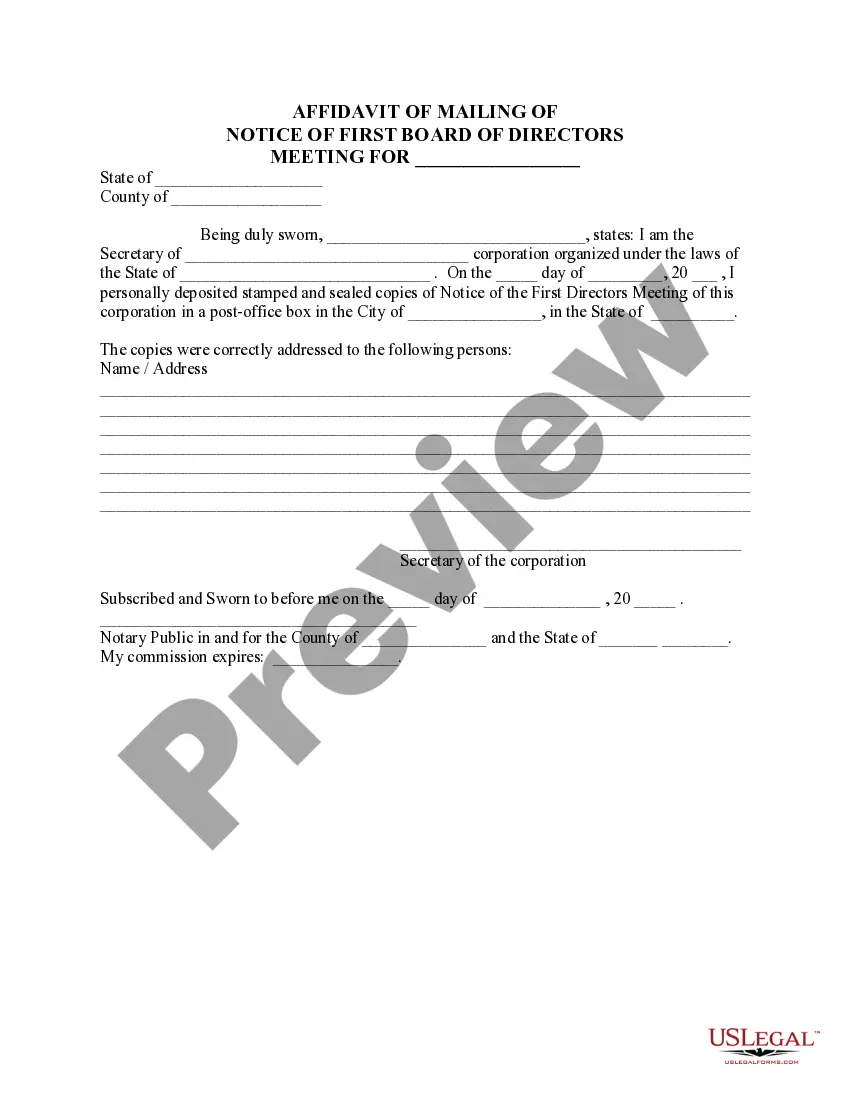
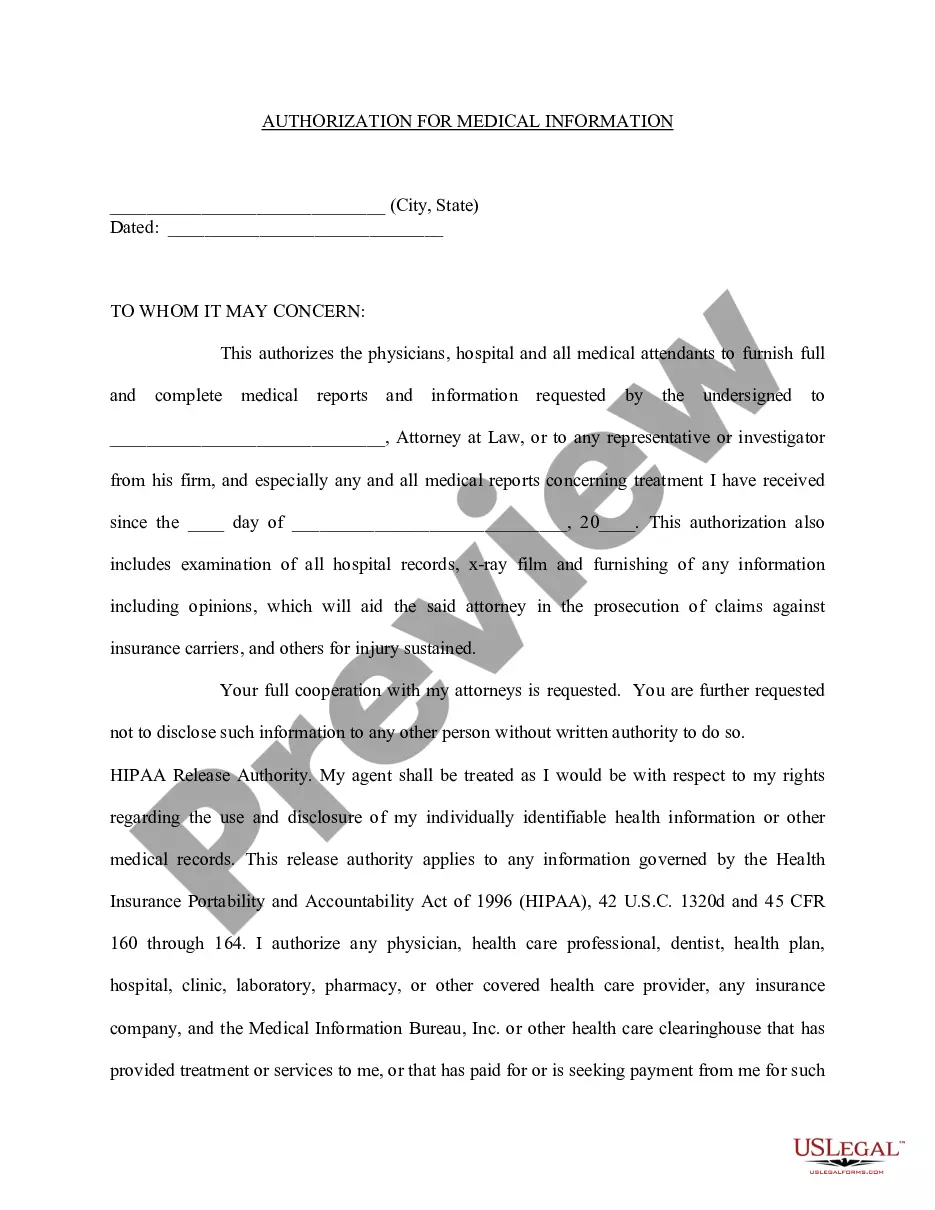
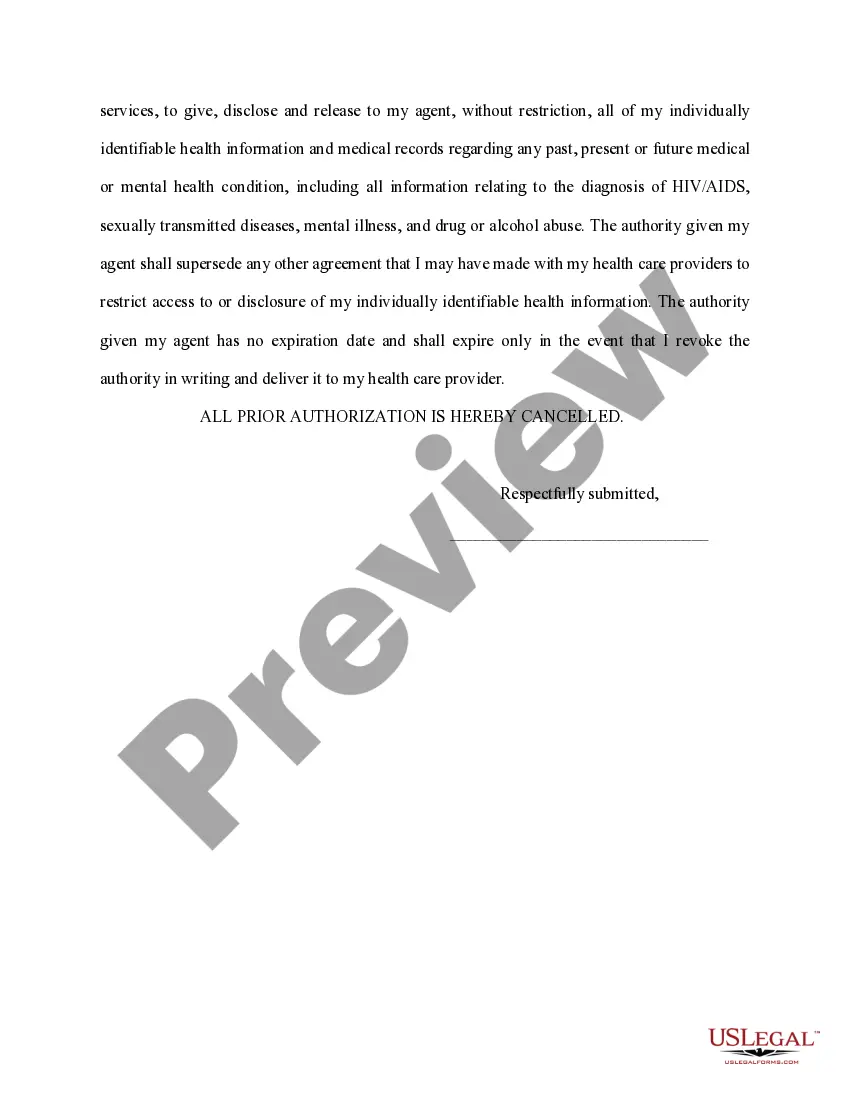
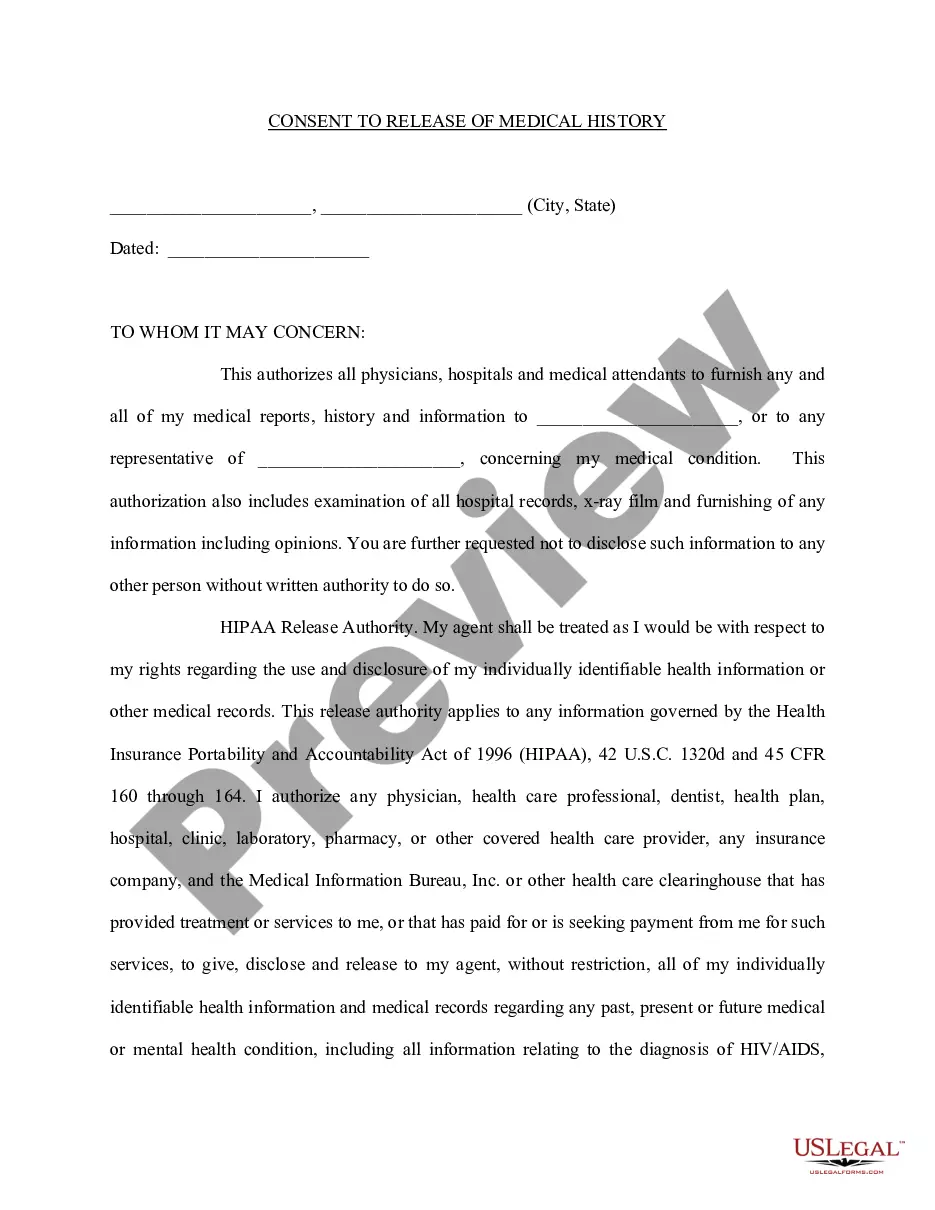
New Mexico Medical Release
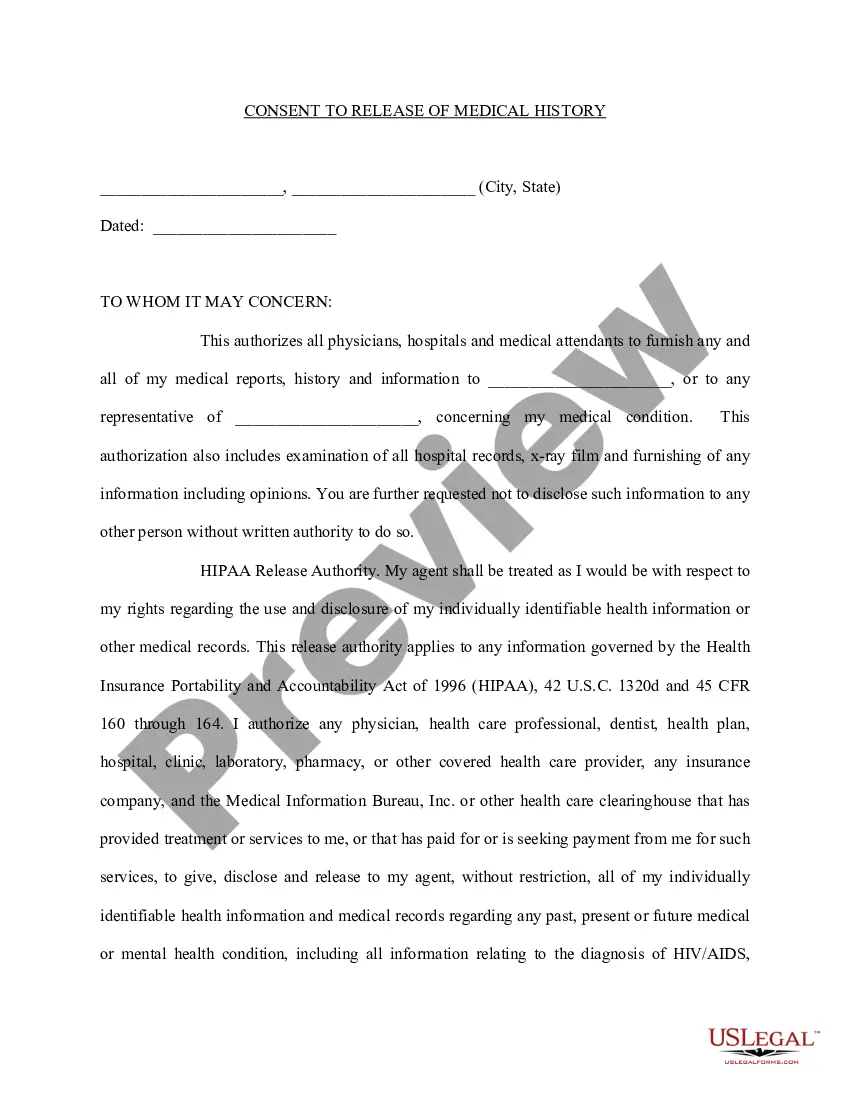
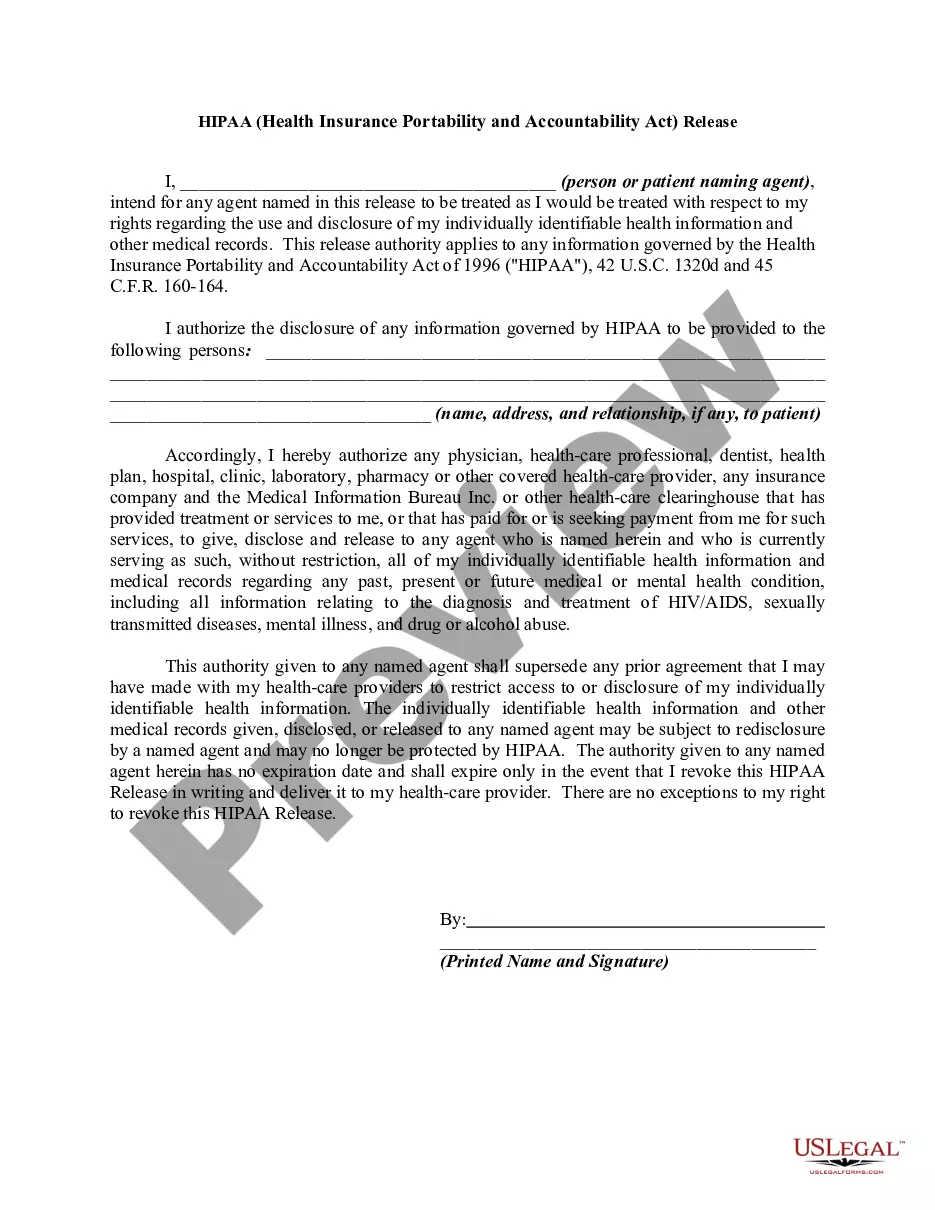
Description

Get your form ready online
Our built-in tools help you complete, sign, share, and store your documents in one place.
Make edits, fill in missing information, and update formatting in US Legal Forms—just like you would in MS Word.
Download a copy, print it, send it by email, or mail it via USPS—whatever works best for your next step.
Sign and collect signatures with our SignNow integration. Send to multiple recipients, set reminders, and more. Go Premium to unlock E-Sign.
If this form requires notarization, complete it online through a secure video call—no need to meet a notary in person or wait for an appointment.
We protect your documents and personal data by following strict security and privacy standards.
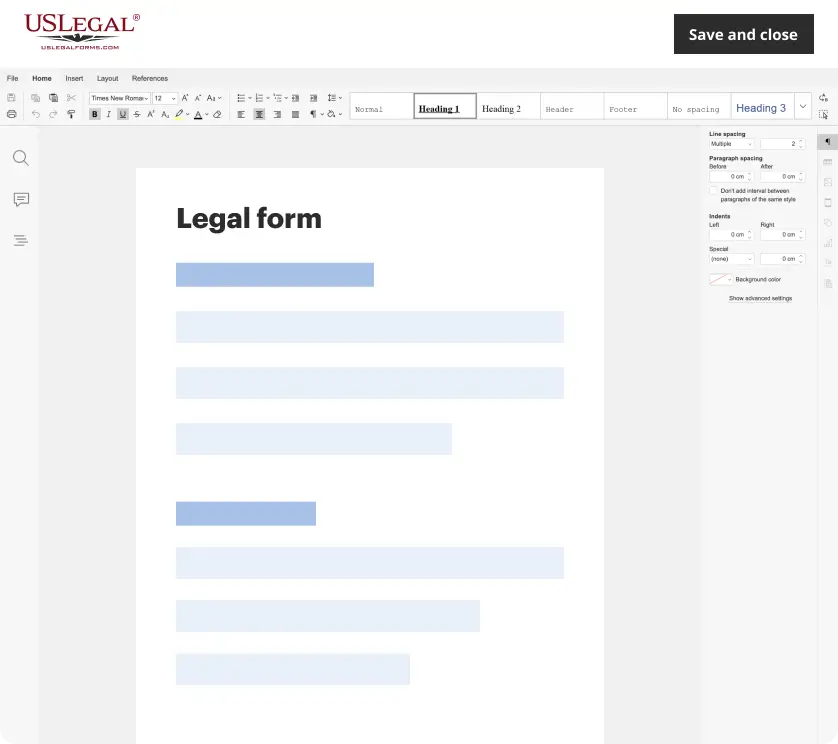
Make edits, fill in missing information, and update formatting in US Legal Forms—just like you would in MS Word.
Download a copy, print it, send it by email, or mail it via USPS—whatever works best for your next step.
Sign and collect signatures with our SignNow integration. Send to multiple recipients, set reminders, and more. Go Premium to unlock E-Sign.

If this form requires notarization, complete it online through a secure video call—no need to meet a notary in person or wait for an appointment.
We protect your documents and personal data by following strict security and privacy standards.
Looking for another form?
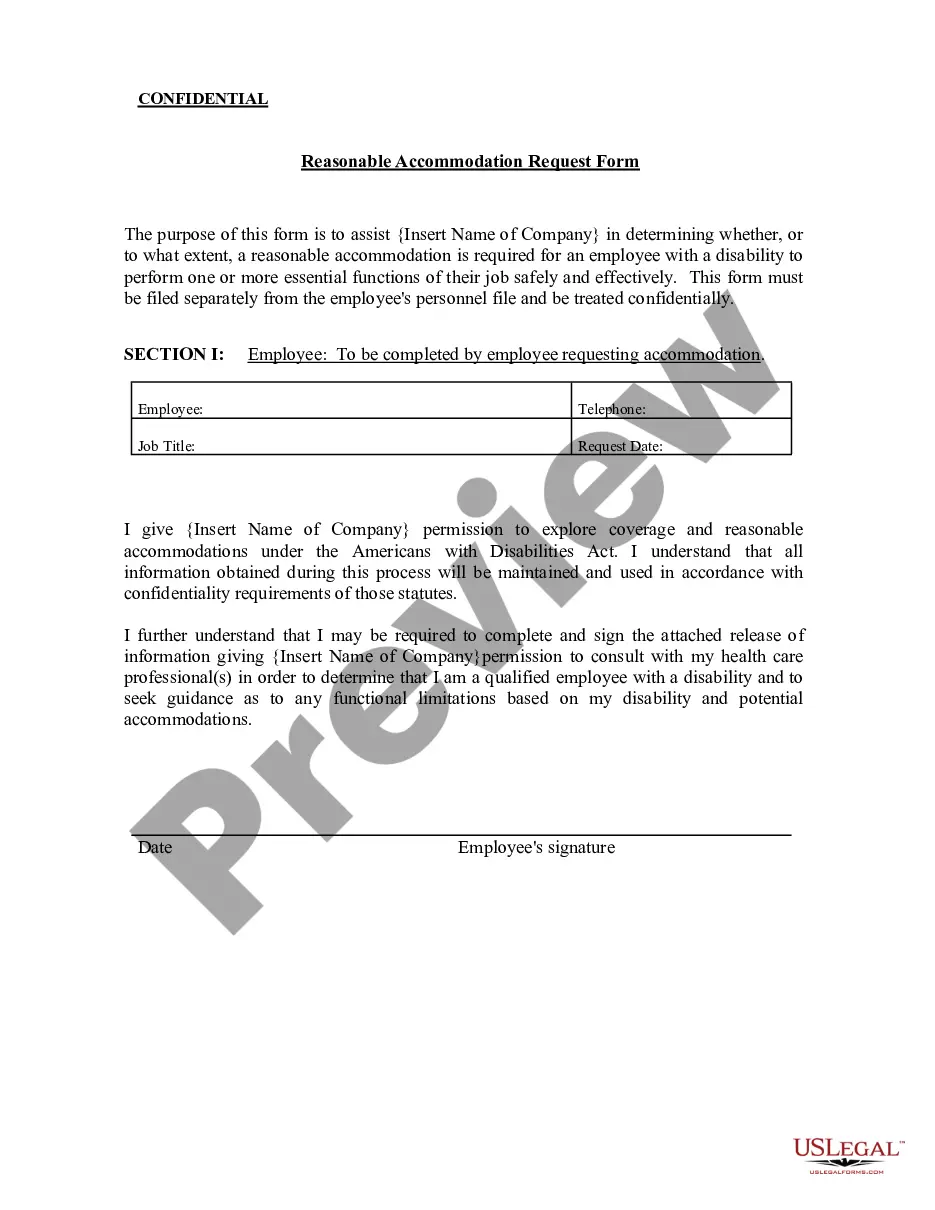

How to fill out Medical Release?
You might spend hours online searching for the appropriate legal document template that meets the federal and state requirements you need.
US Legal Forms offers a vast array of legal forms that can be reviewed by experts.
You can effortlessly download or print the New Mexico Medical Release from my service.
If available, use the Preview button to view the document template as well. If you want to find another version of the form, utilize the Search field to locate the template that fits your needs and demands.
- If you already possess a US Legal Forms account, you can Log In and click on the Download button.
- Then, you can complete, modify, print, or sign the New Mexico Medical Release.
- Every legal document template you purchase is yours permanently.
- To obtain another copy of a purchased form, visit the My documents tab and click on the corresponding button.
- If you are using the US Legal Forms website for the first time, follow the simple instructions below.
- Firstly, ensure that you have selected the correct document template for the region/area of your choice.
- Review the form description to confirm you have chosen the correct form.
Form popularity
FAQ
Accessing MyHealthMyHealth is UNM's patient portal where you can manage your health care outside of the traditional office visit.
Elements of a release formPatient information. Naturally, the release should require the patient's information so it's clear who the form refers to.Receiving party's information.Information to be shared.Purpose of the release.Expiration of authorization.Disclaimers.Date and signature.
New Mexico statute requires that medical records for Medicaid patients must be kept for at least six years from the date of creation of the record. NMSA 1978 § 27-11-4 A. (2016). Hospital records, regardless of the insurer, must be retained for ten years.
Our Vital Records Call Center is also available from a.m. to p.m. to answer your questions at 1-866-534-0051 or 505-827-0121. We only issue certificates for individuals who were born in the state of New Mexico.
In accordance with HIPAA regulations, you may request copies of your medical records for personal use. Contact our medical records office at 505-925-0106 for more information.
What is a Medical Records Release Form? A Medical Records Release Form is used to request that a health care provider (physician, dentist, hospital, chiropractor, psychiatrist, etc.) release a patient's medical records, either to the patient, a third party (such as an employer or insurance company), or both.
How to Request Your Medical Records. Most practices or facilities will ask you to fill out a form to request your medical records. This request form can usually be collected at the office or delivered by fax, postal service, or email. If the office doesn't have a form, you can write a letter to make your request.
The patient's legal name, date of birth, gender, Social Security number, address, telephone number, guarantor, subscriber, or next-of-kin are key identifying elements that assist in establishing the proper individual.
Medical records are the document that explains all detail about the patient's history, clinical findings, diagnostic test results, pre and postoperative care, patient's progress and medication. If written correctly, notes will support the doctor about the correctness of treatment.