New Mexico Subcontractor or Materialman's Request to Subcontractor Regarding Owner or Construction Lender - Individual
What is this form?
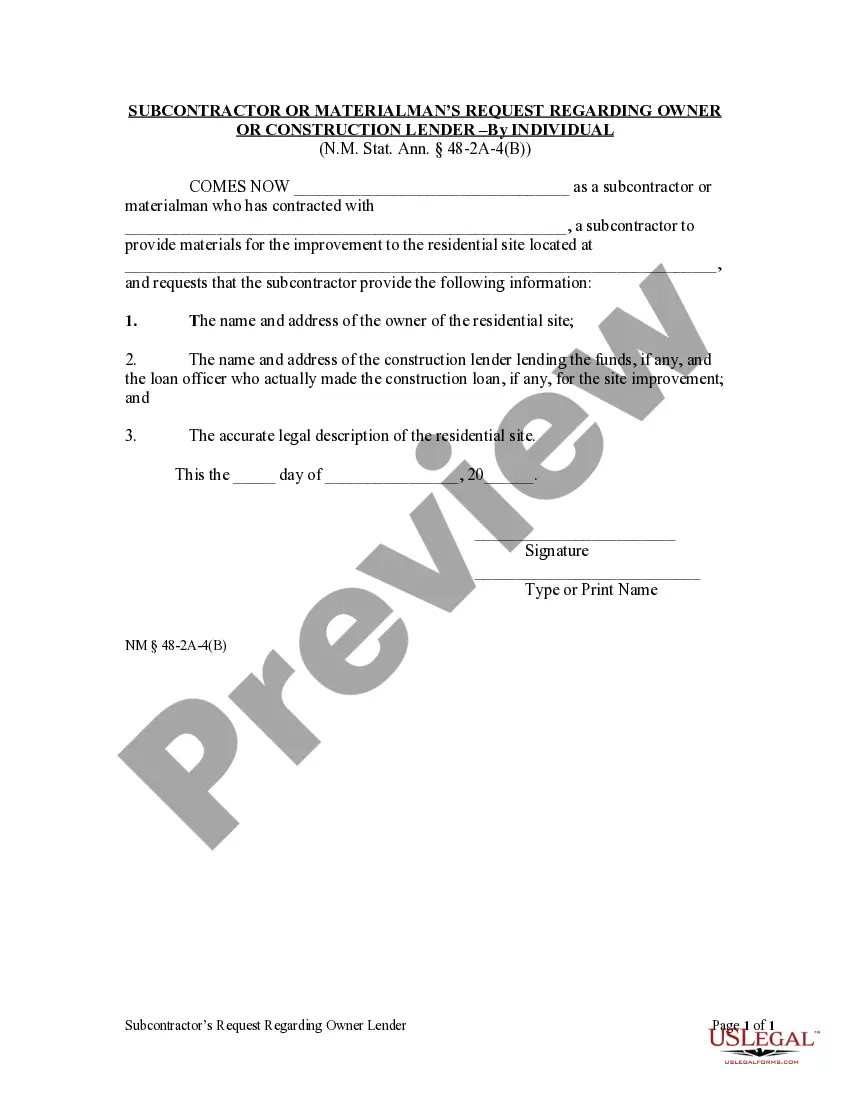
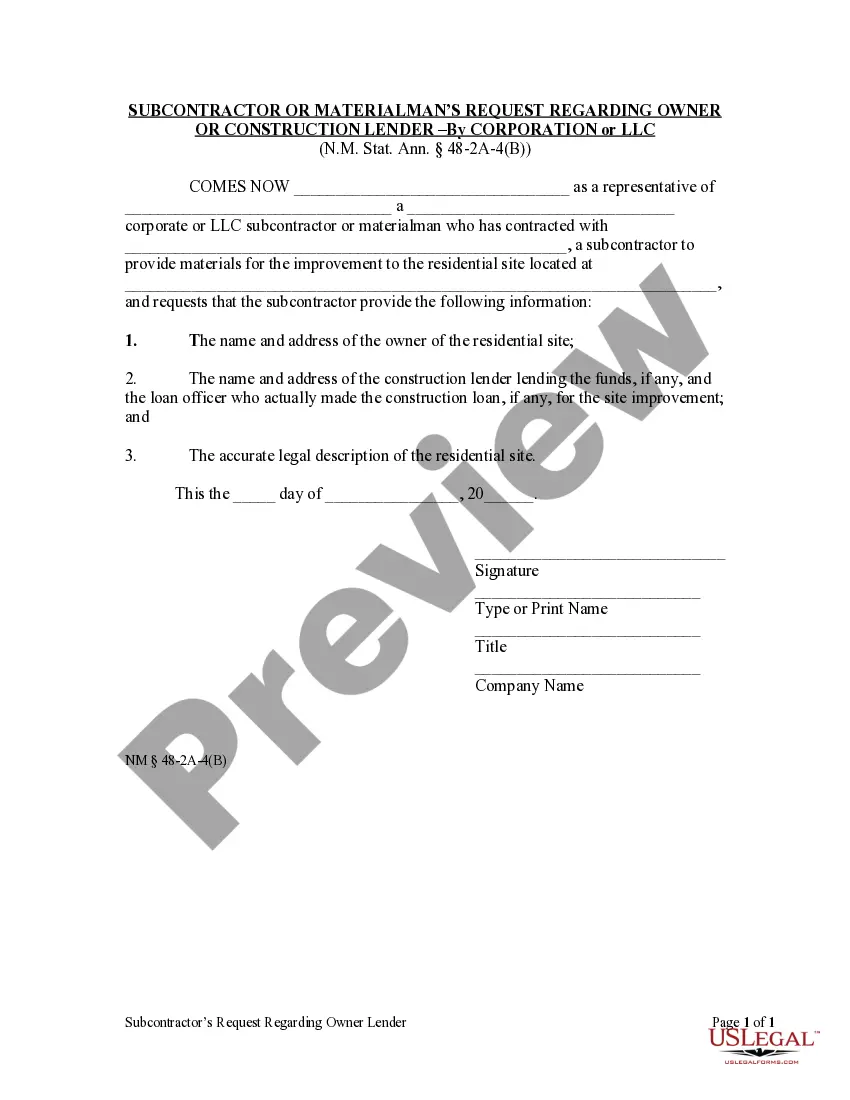
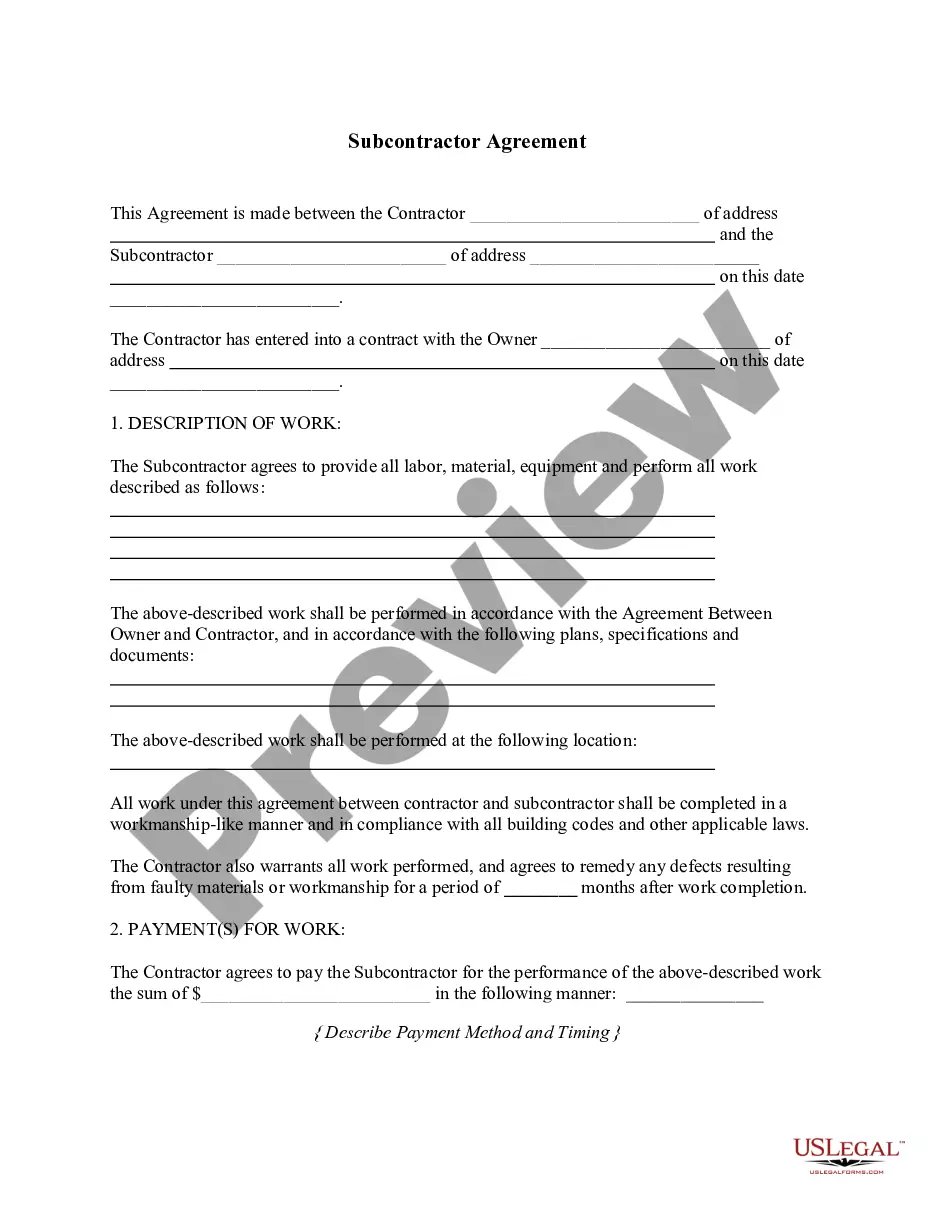
The Subcontractor or Materialman's Request to Subcontractor Regarding Owner or Construction Lender form is a legal document used by individual subcontractors and materialmen. It allows them to request essential information from a subcontractor about a residential site improvement project. This request typically includes the owner's details, the construction lender's information, and the legal description of the property. This form is crucial for ensuring proper communication and clarity between all parties involved in the contracting process and differs from other construction-related forms by focusing specifically on subcontractor inquiries.
Form components explained
- Identification of the subcontractor or materialman making the request.
- Name and address of the subcontractor that the individual has contracted with.
- Details of the residential site, including its address and legal description.
- Request for the owner's name and address of the residential site.
- Inquiry about the construction lender, if applicable, including the loan officer's details.
- Signature line for the subcontractor or materialman.

Situations where this form applies
This form should be utilized when an individual subcontractor or materialman needs to obtain critical information from a subcontractor regarding a residential construction project. It is particularly important in scenarios where the individual lacks essential contact details about the owner or lender of the construction loan, helping to facilitate smoother project management and communication.
Who should use this form
- Individual subcontractors who have contracted with another subcontractor.
- Materialmen supplying materials for residential site improvements.
- Anyone in need of accurate information regarding a construction project's financing and ownership.
Completing this form step by step
- Identify and enter the name of the subcontractor or materialman completing the request.
- Provide the name and address of the subcontractor you contracted with.
- Specify the residential site details, including the accurate legal description.
- Include the name and address of the site owner, if obtainable.
- Request information regarding the construction lender and loan officer's name if available.
- Sign and date the form to finalize the request.
Notarization guidance
This form usually doesn’t need to be notarized. However, local laws or specific transactions may require it. Our online notarization service, powered by Notarize, lets you complete it remotely through a secure video session, available 24/7.
Get your form ready online
Our built-in tools help you complete, sign, share, and store your documents in one place.
Make edits, fill in missing information, and update formatting in US Legal Forms—just like you would in MS Word.
Download a copy, print it, send it by email, or mail it via USPS—whatever works best for your next step.
Sign and collect signatures with our SignNow integration. Send to multiple recipients, set reminders, and more. Go Premium to unlock E-Sign.
If this form requires notarization, complete it online through a secure video call—no need to meet a notary in person or wait for an appointment.
We protect your documents and personal data by following strict security and privacy standards.

Make edits, fill in missing information, and update formatting in US Legal Forms—just like you would in MS Word.

Download a copy, print it, send it by email, or mail it via USPS—whatever works best for your next step.

Sign and collect signatures with our SignNow integration. Send to multiple recipients, set reminders, and more. Go Premium to unlock E-Sign.

If this form requires notarization, complete it online through a secure video call—no need to meet a notary in person or wait for an appointment.

We protect your documents and personal data by following strict security and privacy standards.
Avoid these common issues
- Failing to provide complete and accurate details about the owner or construction lender.
- Omitting signatures or dates, which can invalidate the request.
- Using incorrect legal descriptions for the residential site.
- Not verifying the subcontractor's name or contact information before submission.
Why use this form online
- Convenient access to download and complete the form at any time.
- Easily editable sections allow for quick updates if information changes.
- Secure storage of completed forms ensures critical information is readily available.
Looking for another form?
Form popularity
FAQ
To attach a lien, the creditor must record the judgment with the county recorder in any Florida county where the debtor owns real estate now or may own real estate in future. For liens on personal property, the creditor files the judgment with the Florida Department of State.
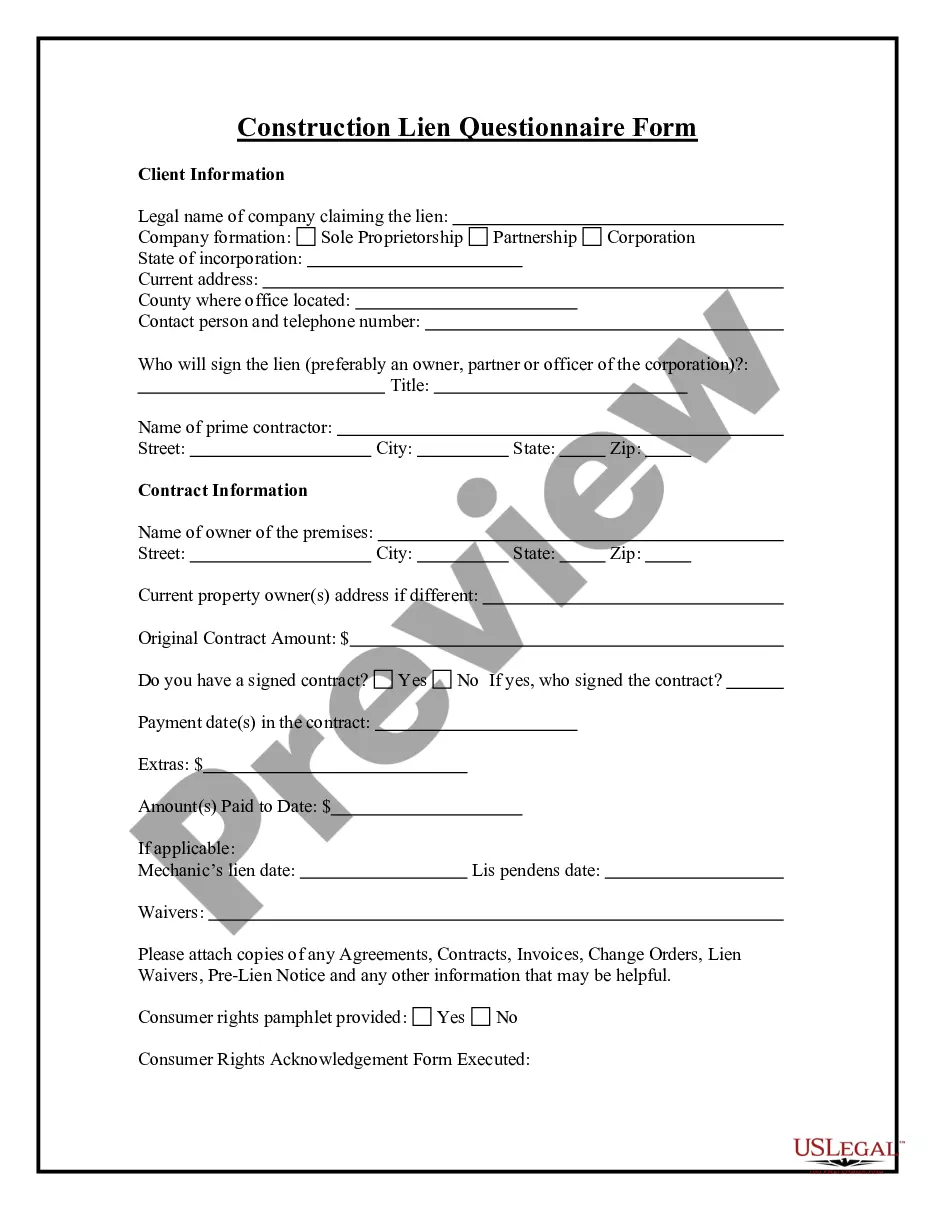
Mechanic's liens are legal documents that essentially reserve the rights of the filer to seek unpaid compensation. They are usually filed by contractors, subcontractors, or suppliers that never received payment for work that they performed or materials that they provided on the property.
Formalize a defense for disputing the amount of the lien. Gather supporting documentation for your rebuttal, depending on the type of lien. Contact the agent representing the creditor to dispute the amount of the claim. Negotiate a payment settlement with the creditor if you cannot pay the amount you owe in full.
Negotiate with the contractor who placed the lien (the "lienor" to remove it. Obtain a lien bond to discharge the lien, or. File a lawsuit to vacate the lien.
What Is a Mechanics' (Construction) Lien? When a contractor files a mechanics' (construction) lien on your home, the lien makes your home into what's called security for an outstanding debt, which the contractor claims is due and unpaid for services or materials.
The simplest way to prevent liens and ensure that subcontractors and suppliers are paid is to pay with joint checks. This is when both parties endorse the check. Compare the contractor's materials or labor bill to the schedule of payments in your contract and the Preliminary Notices.
New Mexico mechanics liens are perfected by filing the claim in the county clerk's office where the property is physically located. If the property is situated in more than one county, the claim should be filed in the clerk's office of all counties it is located in.
Legally, an unpaid contractor, subcontractor or supplier can file a lien (sometimes called a mechanic's lien) that could eventually force the sale of your home in place of compensation.Conversely, if the contractor who worked on your project does not pay for materials, a supplier could place a lien on your property.
Someone who is owed money is generally not able to just put a lien on property without first securing a judgment. Securing a judgment requires the creditor to sue the debtor. This may be through circuit court in many jurisdictions. If under a certain dollar amount, this suit may be through the small claims court.