New Mexico Motion to Establish Interim Child Support
What is this form?
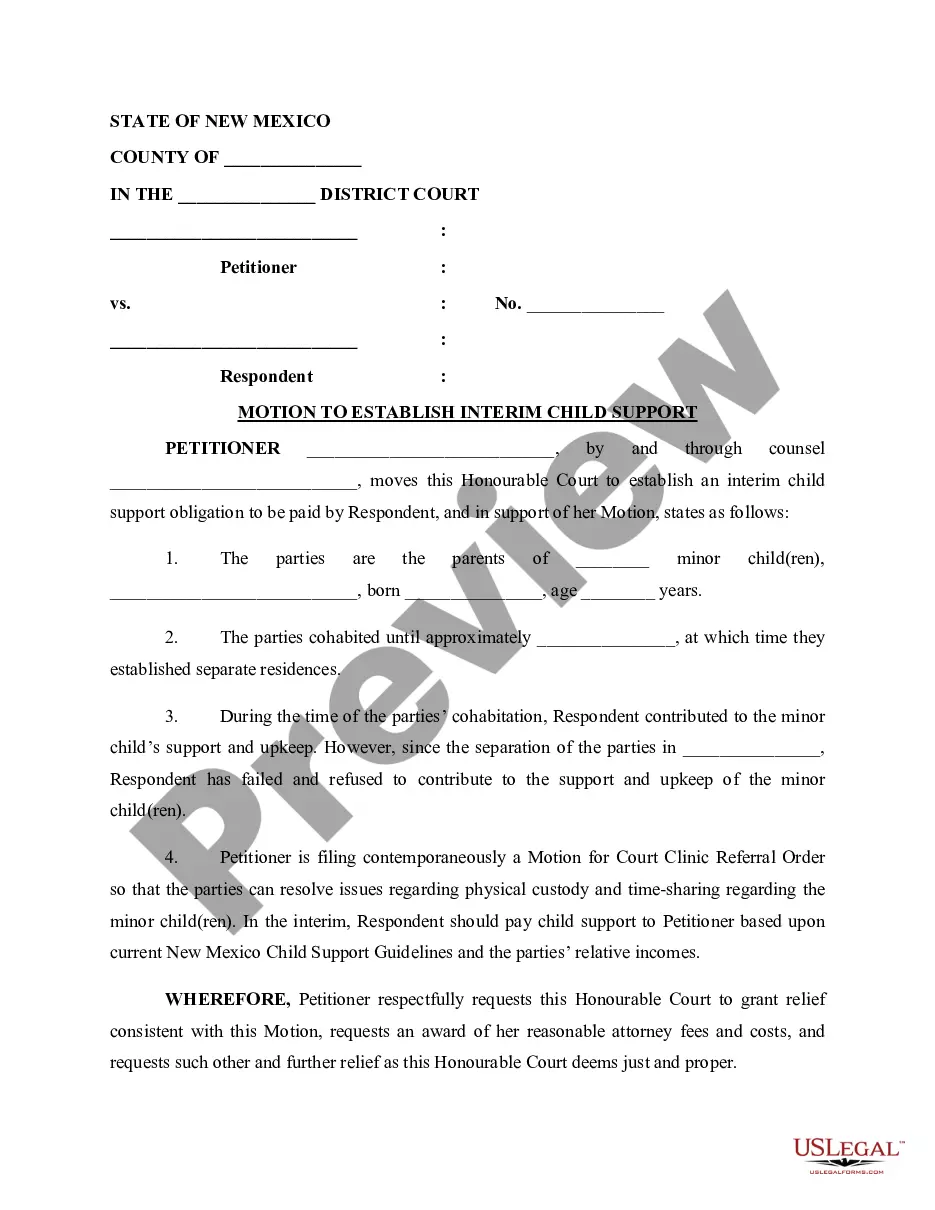
The Motion to Establish Interim Child Support is a legal document used by a petitioner to request temporary child support payments before a more permanent order is finalized. This form helps parents seek necessary financial assistance for their children in the immediate period following a separation or divorce, addressing urgent support needs while longer-term arrangements are being determined.
Key parts of this document
- Identifying information for the petitioner and respondent.
- Details about the minor child or children involved.
- Statement about the financial contributions of the respondent during cohabitation.
- Request for interim child support based on New Mexico Child Support Guidelines.
- Request for attorney fees and costs related to the motion.
When to use this form
This form is typically used when parents separate or divorce, and the petitioner needs immediate financial support for their children. It is especially relevant if the other parent has not been contributing to child support since the separation, and the petitioner is seeking to establish a temporary arrangement until a final child support order is issued. This can include situations where custody and visitation disputes are also pending.
Who should use this form
- Parents who are separating or divorcing and need immediate financial assistance for their children.
- The petitioner seeking to ensure the respondent fulfills their child support obligations during interim periods.
- Individuals who have already started legal proceedings regarding custody and support matters.
Instructions for completing this form
- Provide the names and contact information for both the petitioner and respondent.
- Fill in the details of the minor child or children, including their names and birthdates.
- Detail the date when cohabitation ended and any support previously provided by the respondent.
- State the request for child support, referencing New Mexico guidelines and relative incomes.
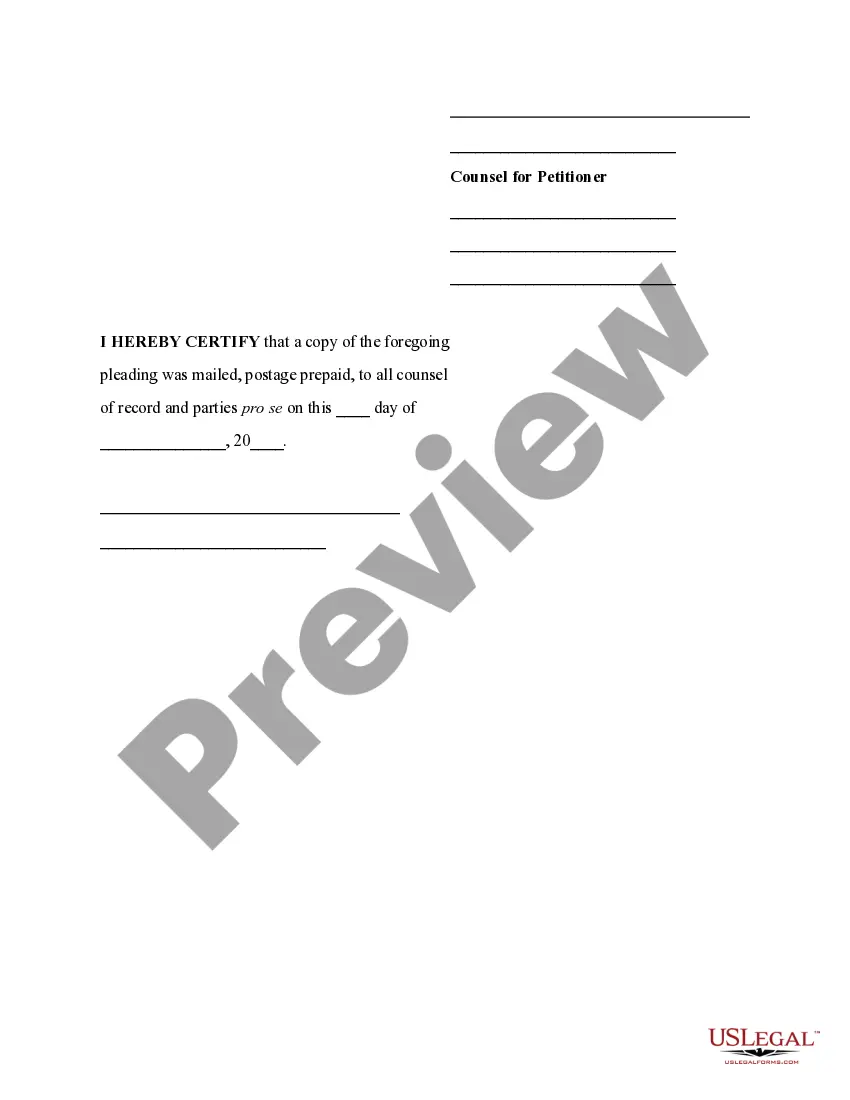
- Sign the document and ensure that copies are sent to all involved parties.
Notarization guidance
This form does not typically require notarization unless specified by local law. However, it is advisable to check local requirements to ensure compliance.
Get your form ready online
Our built-in tools help you complete, sign, share, and store your documents in one place.
Make edits, fill in missing information, and update formatting in US Legal Forms—just like you would in MS Word.
Download a copy, print it, send it by email, or mail it via USPS—whatever works best for your next step.
Sign and collect signatures with our SignNow integration. Send to multiple recipients, set reminders, and more. Go Premium to unlock E-Sign.
If this form requires notarization, complete it online through a secure video call—no need to meet a notary in person or wait for an appointment.
We protect your documents and personal data by following strict security and privacy standards.

Make edits, fill in missing information, and update formatting in US Legal Forms—just like you would in MS Word.

Download a copy, print it, send it by email, or mail it via USPS—whatever works best for your next step.

Sign and collect signatures with our SignNow integration. Send to multiple recipients, set reminders, and more. Go Premium to unlock E-Sign.

If this form requires notarization, complete it online through a secure video call—no need to meet a notary in person or wait for an appointment.

We protect your documents and personal data by following strict security and privacy standards.
Avoid these common issues
- Failing to include accurate information about the children involved.
- Not adhering to the formatting or required information specified by New Mexico law.
- Omitting child support calculations based on the current guidelines.
- Neglecting to sign or properly date the document before submission.
Advantages of online completion
- Convenience of accessing and downloading the form from anywhere at any time.
- Editable format that allows for easy customization to fit individual circumstances.
- Reliable templates drafted by licensed attorneys, ensuring compliance with legal standards.
Looking for another form?
Form popularity
FAQ
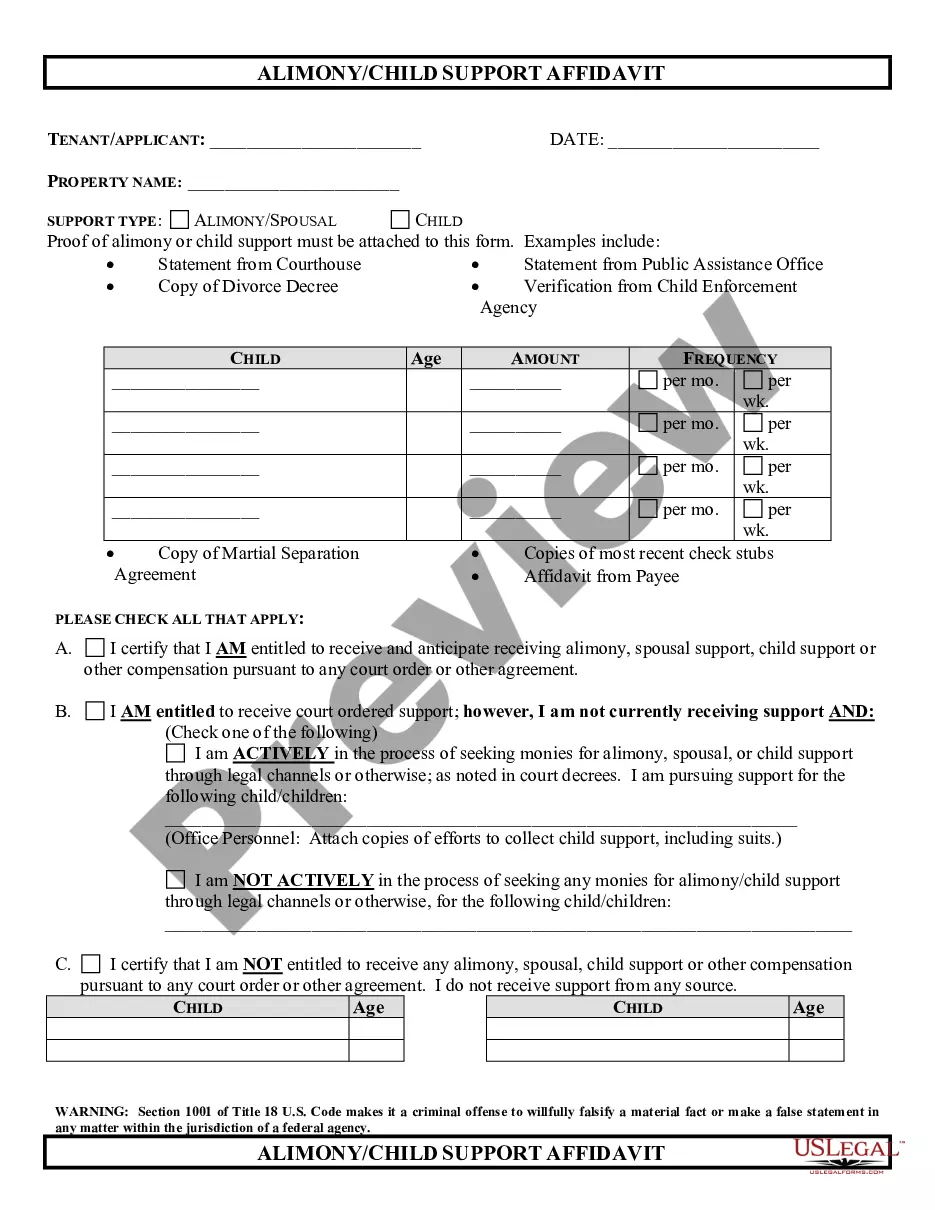
An award of interim spousal support is a temporary order that is eventually replaced by a final spousal support order upon the conclusion of divorce proceedings. Just like a final spousal support order, interim alimony is determined based on the parties respective income and expenses.
The statute of limitations for New Mexico child support is 14 years, but the court may determine if an individual needs to continue making payments.
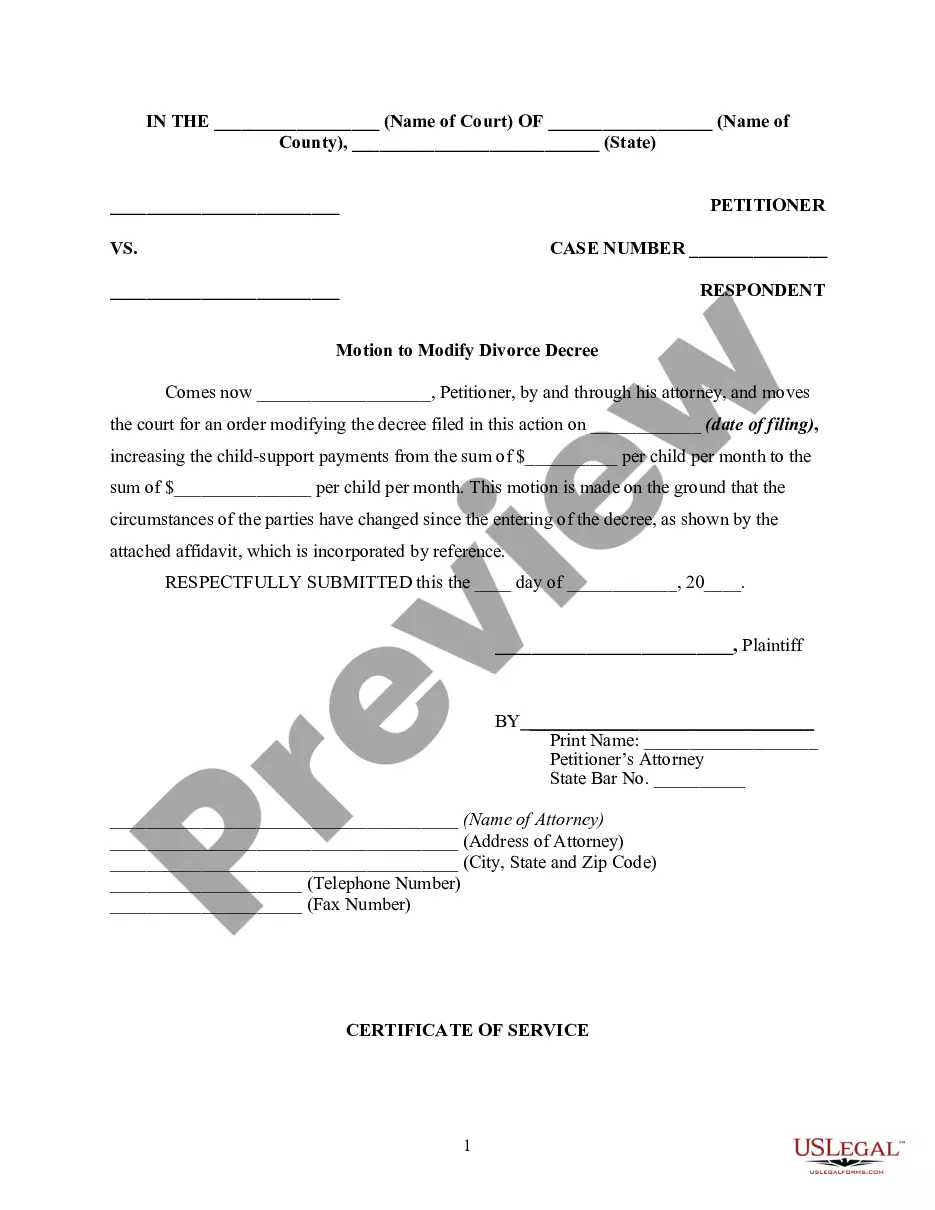
Modifying Child Support Without Going to Court It is possible to have your child support order modified without having to go to court--but only in very limited circumstances. Some judges include a Cost of Living Adjustment (COLA) clause in all of the child support orders they issue.
So, how far back can you go? Generally, the Supreme Court indicated you can usually go back 3 years for retroactive child support (based primarily on the timeline for financial disclosure obligations set out in the federal and provincial Child Support Guidelines).
The Deadbeat Parents Punishment Act (DDPA) of 1998, amended the CSRA. The DDPA entails felony punishment for a parent who moves to another state, or country, with the intention of evading child support payments if the debt has remained unpaid for over a year or is greater than $5,000.
New Mexico courts decide custody based on the best interests of the child. This is the same standard as most states. What's different in New Mexico is at 14 years old, a court considers the desires of the minor rather than determining custody based on the best interest standard.
An award of interim spousal support is a temporary order that is eventually replaced by a final spousal support order upon the conclusion of divorce proceedings. Just like a final spousal support order, interim alimony is determined based on the parties respective income and expenses.
Potential Jail Time and Fines. In the event that it is found that a parent has not paid support as ordered, Federal and New Mexico child support laws include numerous methods for collecting back child support payments.In addition, the Court Order of Child Support is enforceable through contempt proceedings.
Generally and specifically under some state laws, the parent to whom support was awarded retains the right to collect support arrearages even if the child is now an adult.In most cases, an adult child does not have legal standing to directly sue his or her parent for unpaid child support.