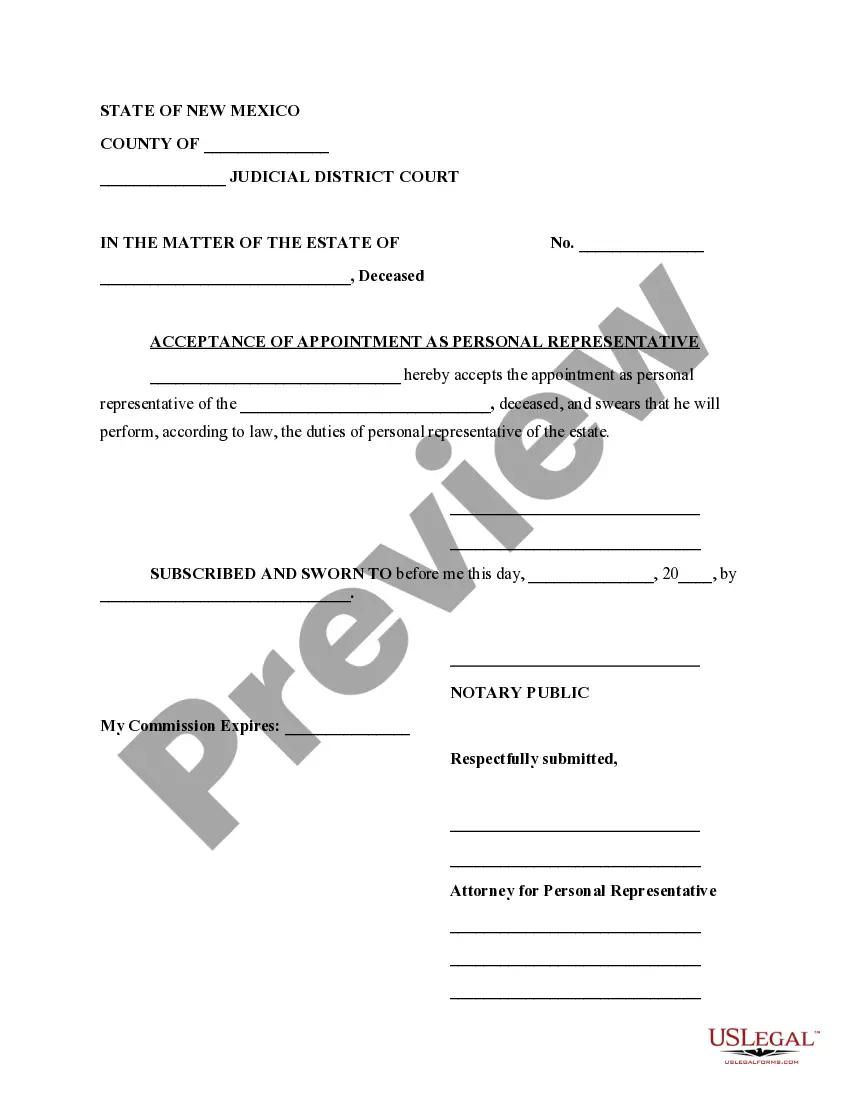
New Mexico Acceptance of Appointment as Personal Representative
What is this form?
The Acceptance of Appointment as Personal Representative is a legal document in which an individual formally accepts the responsibility of managing the estate of a deceased person. This form is essential for ensuring that the appointed individual is legally recognized to carry out their duties according to state laws, differentiating it from other estate documents, such as wills or trusts, which serve different purposes.
Key components of this form
- Case Identification: Includes details about the estate and the deceased individual.
- Acceptance Statement: The appointed person officially states their acceptance of the role of personal representative.
- Affidavit Clause: A declaration that the appointed individual will perform their duties according to the law.
- Notary Section: A field for the notary public to sign and affirm the document's validity.
- Attorney Information: Contact details of the attorney representing the personal representative.
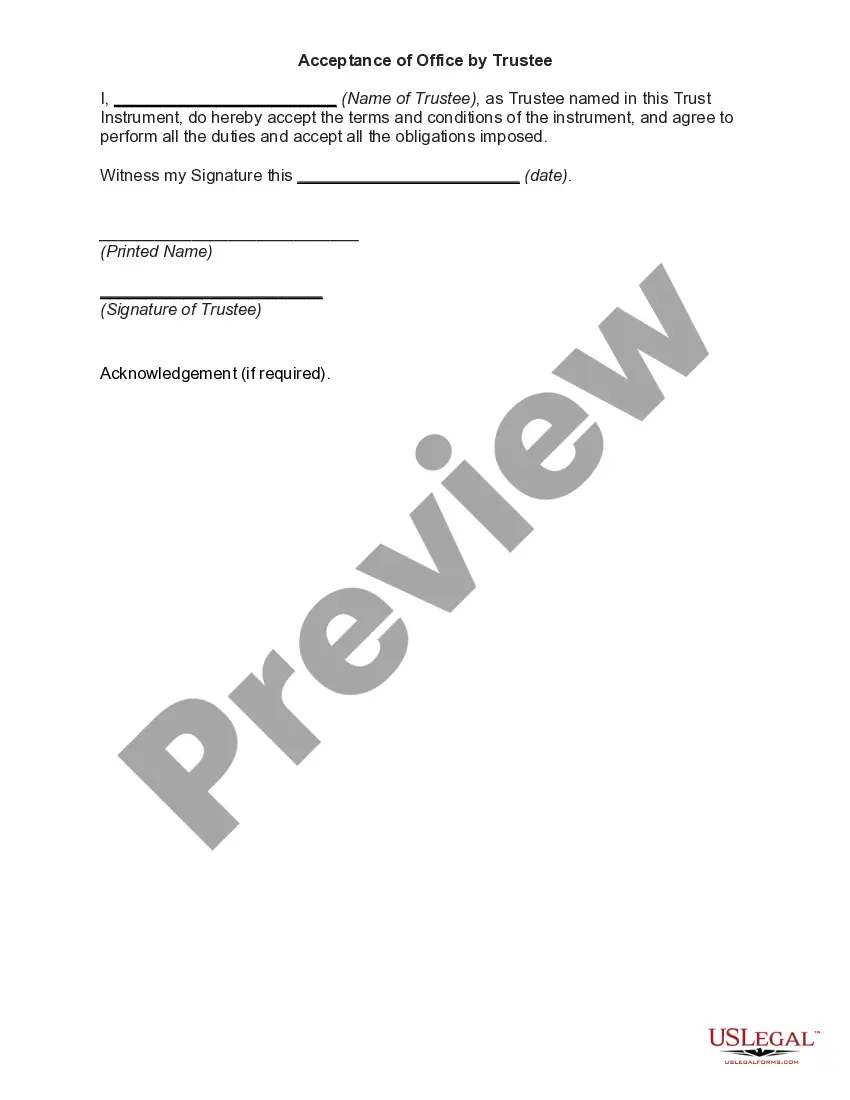
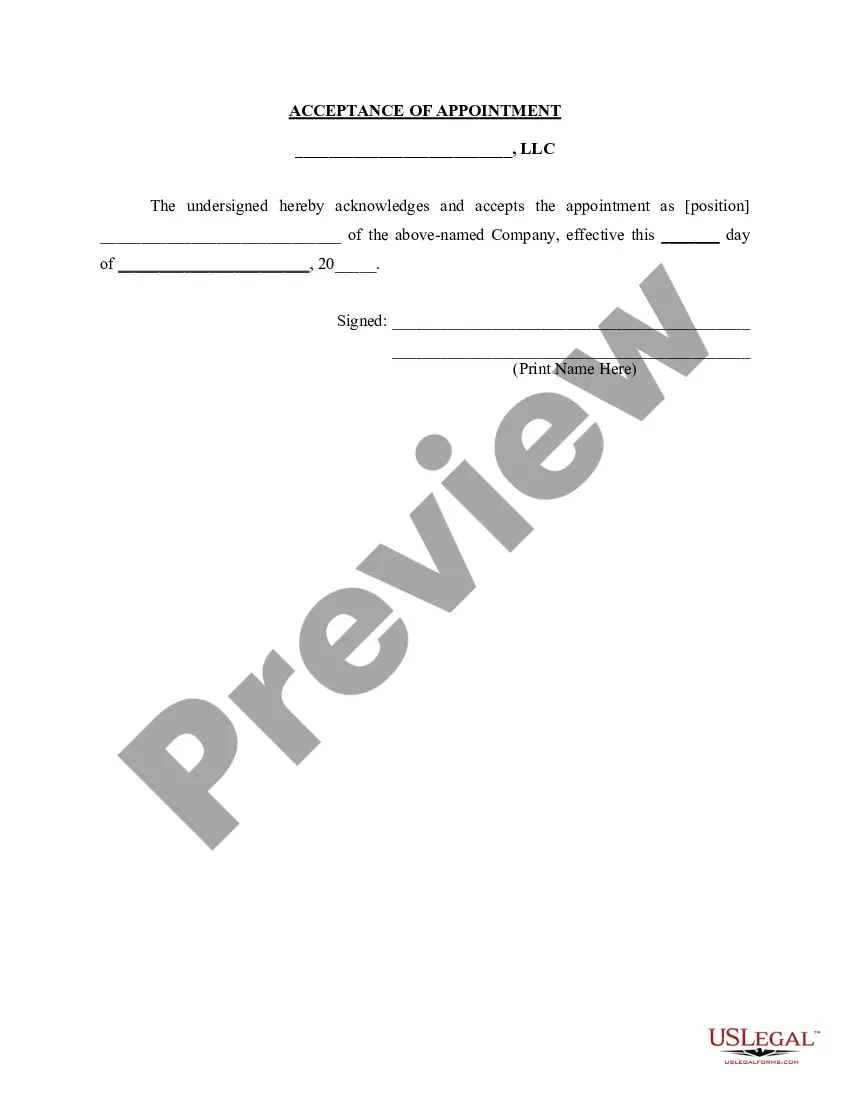
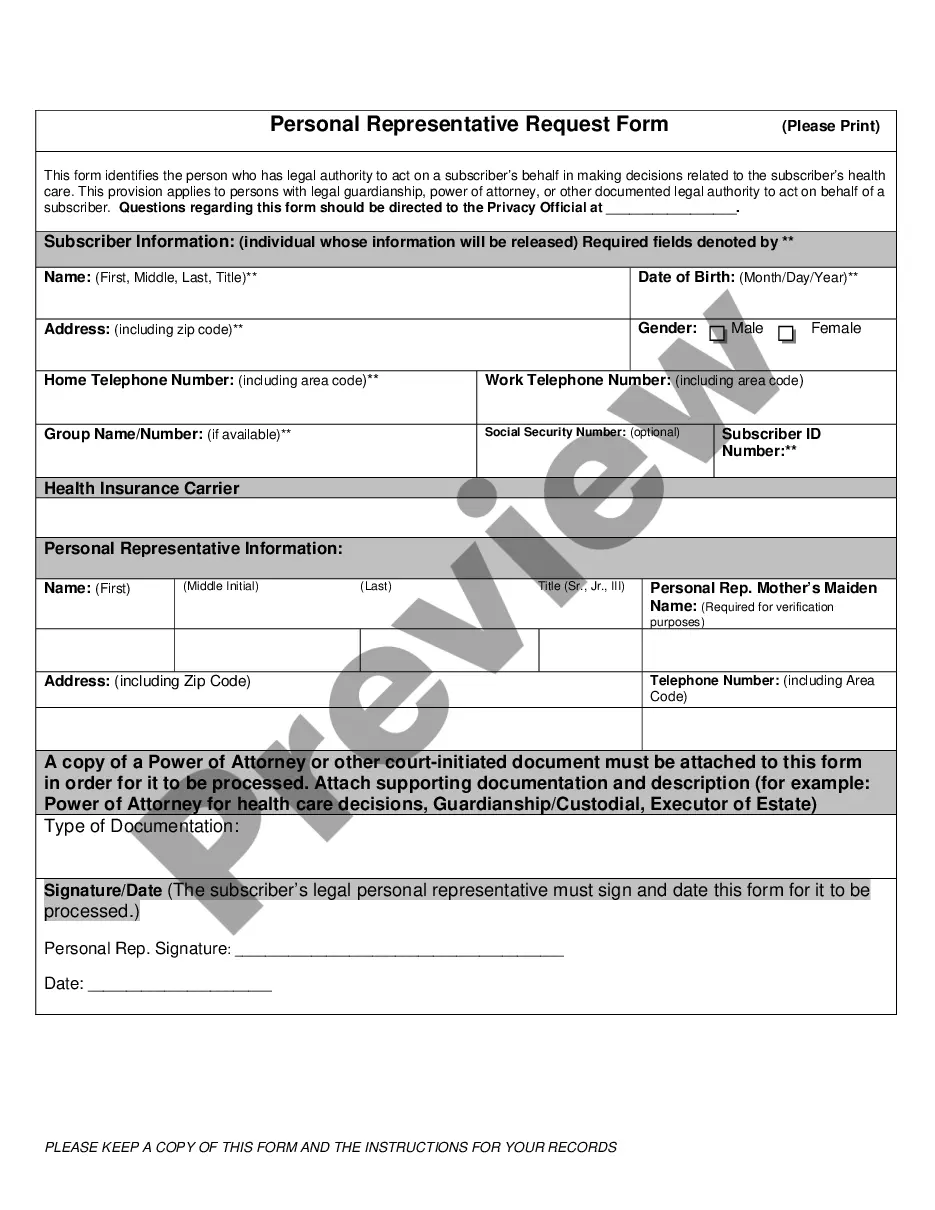
When this form is needed
This form is used when an individual is appointed as a personal representative of an estate, usually following the death of a person. You should complete this document when you want to take on the legal responsibilities of managing the deceased's assets, paying debts, and distributing property according to the will or state law.
Who should use this form
The following individuals should use this form:
- Individuals appointed as personal representatives in probate proceedings.
- Heirs or beneficiaries of the deceased who are tasked with estate management.
- Legal representatives of the estate involved in settling the deceased's obligations.
Steps to complete this form
- Identify the case by filling in the county, judicial district, and estate number.
- Enter the name of the deceased and the personal representative.
- Sign the acceptance statement, affirming your role as the personal representative.
- Have the document notarized by a qualified notary public.
- If applicable, include your attorneyâs information at the end of the form.
Does this document require notarization?
Yes, this form must be notarized to be legally valid. US Legal Forms integrates online notarization services that are available 24/7 through secure video calls, ensuring your document is legally recognized without the need for travel.
Get your form ready online
Our built-in tools help you complete, sign, share, and store your documents in one place.
Make edits, fill in missing information, and update formatting in US Legal Forms—just like you would in MS Word.
Download a copy, print it, send it by email, or mail it via USPS—whatever works best for your next step.
Sign and collect signatures with our SignNow integration. Send to multiple recipients, set reminders, and more. Go Premium to unlock E-Sign.
If this form requires notarization, complete it online through a secure video call—no need to meet a notary in person or wait for an appointment.
We protect your documents and personal data by following strict security and privacy standards.

Make edits, fill in missing information, and update formatting in US Legal Forms—just like you would in MS Word.

Download a copy, print it, send it by email, or mail it via USPS—whatever works best for your next step.

Sign and collect signatures with our SignNow integration. Send to multiple recipients, set reminders, and more. Go Premium to unlock E-Sign.

If this form requires notarization, complete it online through a secure video call—no need to meet a notary in person or wait for an appointment.

We protect your documents and personal data by following strict security and privacy standards.
Common mistakes to avoid
- Failing to include complete and accurate information about the deceased.
- Not having the document notarized, which may affect its legal validity.
- Signing the form without understanding the responsibilities involved.
Why use this form online
- Immediate access to a legally vetted document, saving time and hassle.
- Convenient download options allow for easy storage and reference.
- Editability ensures you can customize the form to your specific needs.
Looking for another form?

Form popularity
FAQ
In most cases, it takes around 9-12 months for an Executor to settle an Estate.There is no set time limit for completing the Estate administration process in full, but there is a deadline for submitting the Inheritance Tax form which must be met by the Executor.
Normally, a probate must be filed within three years following the decedent's death. Under New Mexico law no appointment of a personal representative may be made during the first 120 hours (five days) following the death.
-712 provides that if the exercise of power concerning the estate is improper, the personal representative is liable to interested persons for damage or loss resulting from breach of fiduciary duty to the same extent as a trustee of an express trust. This means that if you are an interested party and you have
Determine Your Priority for Appointment. Receive Written Waivers From Other Candidates. Contact Court in the County Where Deceased Resided. File the Petition for Administration. Attend the Probate Hearing. Secure a Probate Bond.
Age: The testator must be at least 18 years old. Capacity: The testator must be of sound mind. Signature: The will must be signed by the testator or by someone else in the testator's name in his conscious presence, by his direction.
A simple estate with just a few, easy-to-find assets may be all wrapped up in six to eight months. A more complicated affair may take three years or more to fully settle.
You can administer an estate even if the deceased died without a will or failed to specify an executor. If your relationship to the deceased doesn't make you the probate court's default choice for administrator, you'll need to get permission from the relatives ahead of you in the priority order.
From start to finish, most New Mexico probates take about two years to complete. However, 90% of the work is usually done in the first five or six months of a probate, and most estates distribute assets within a year. Creditors have up to one year to make a claim.
Q: How Long Does an Executor Have to Distribute Assets From a Will? A: Dear Waiting: In most states, a will must be executed within three years of a person's death.