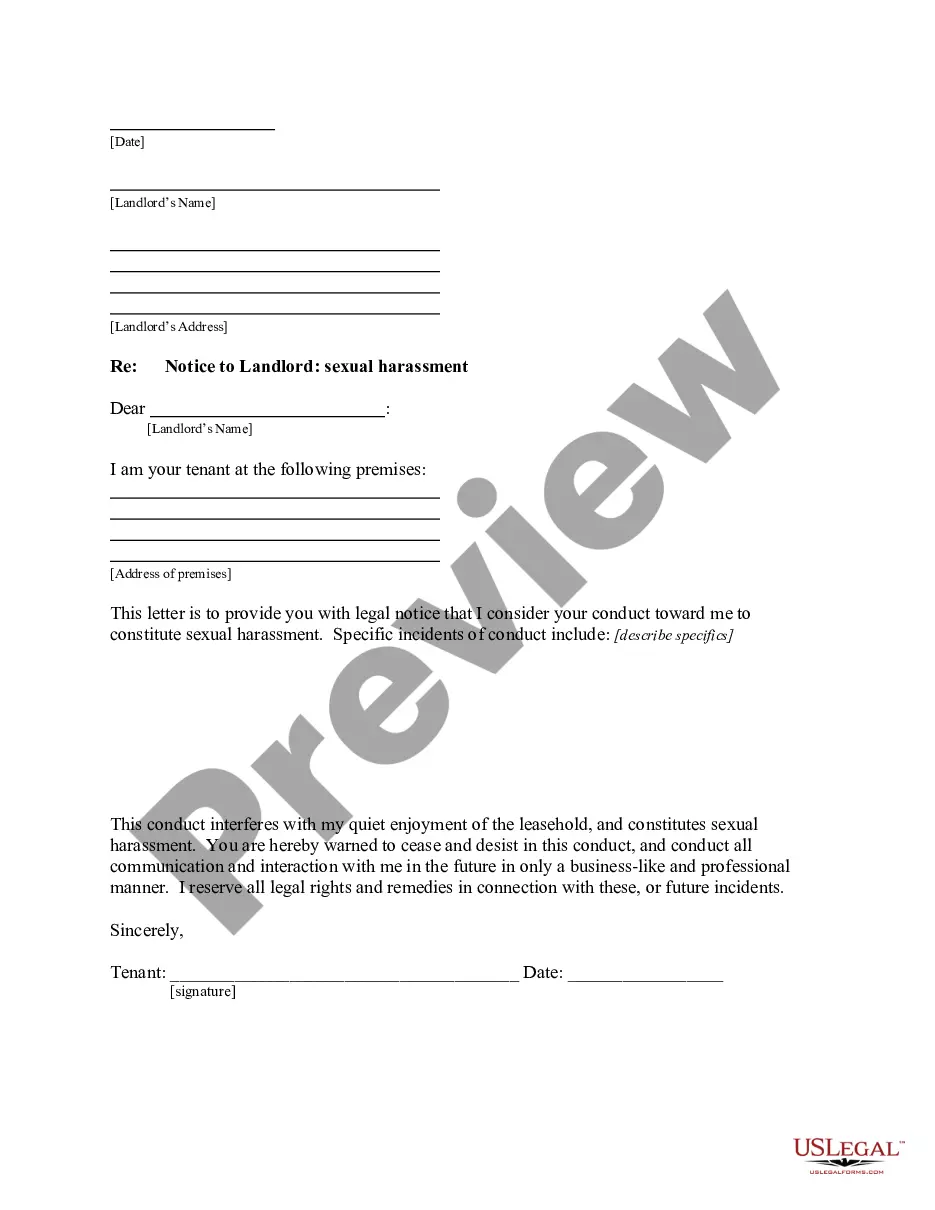
New Mexico Letter from Landlord to Tenant as Notice to tenant to inform landlord of tenant's knowledge of condition causing damage to premises
Description
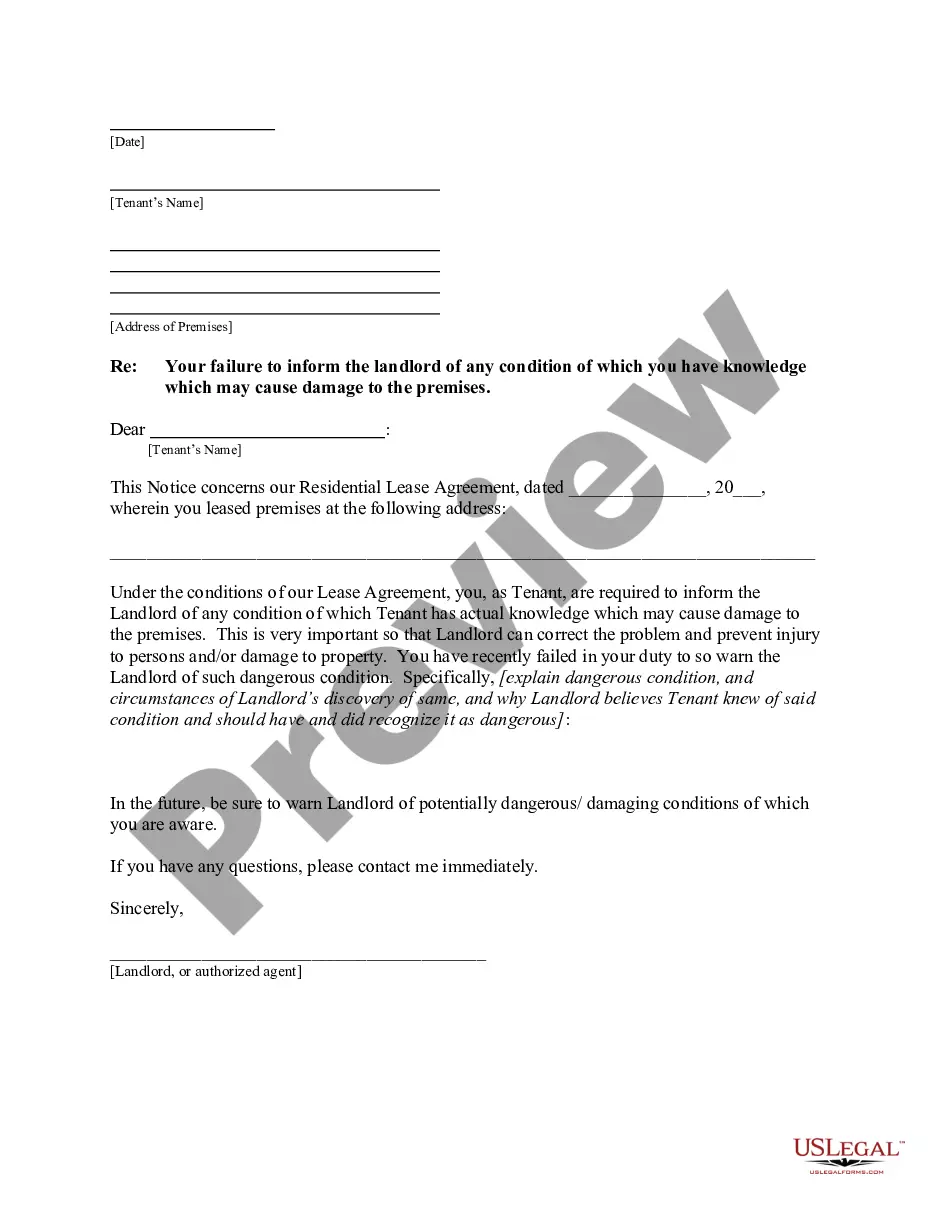
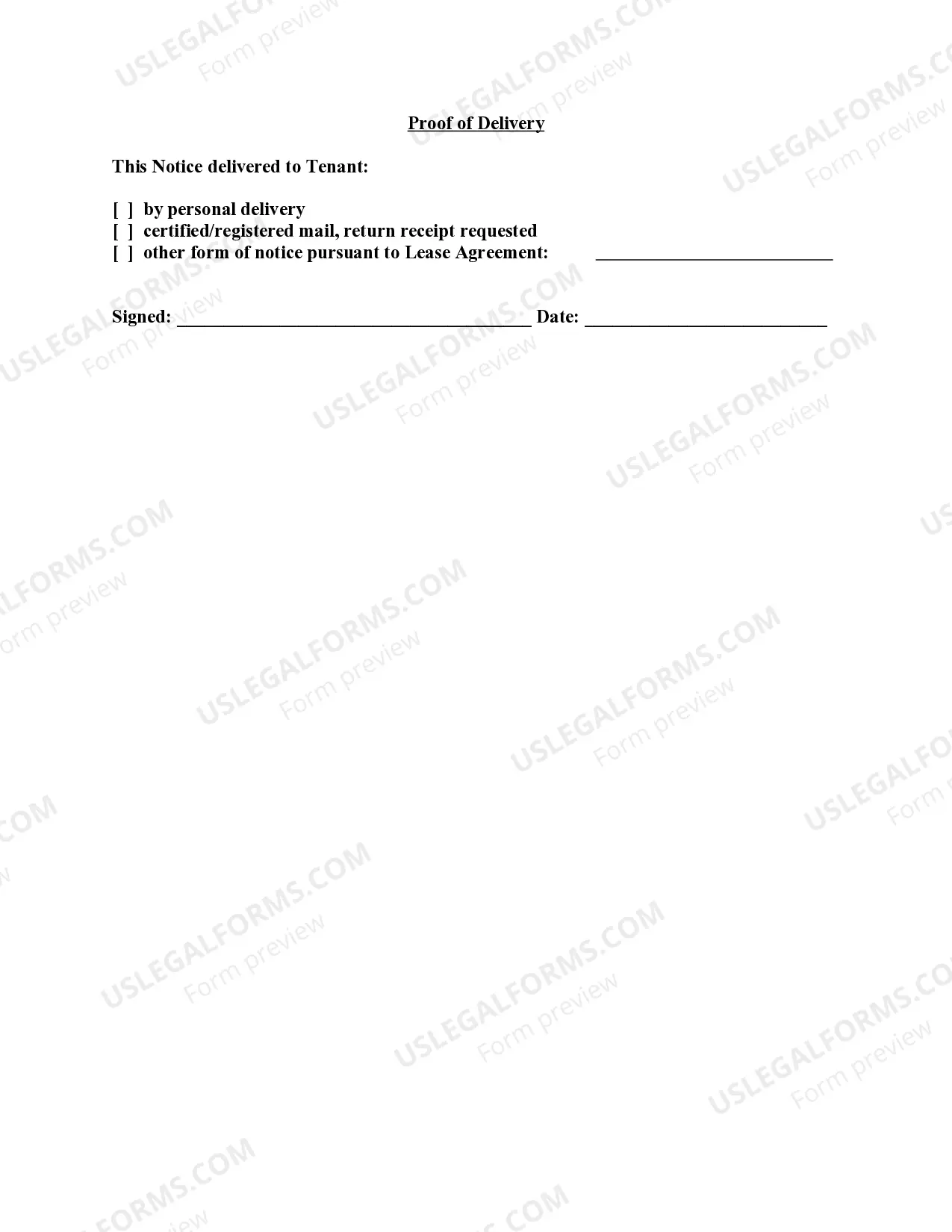


How to fill out New Mexico Letter From Landlord To Tenant As Notice To Tenant To Inform Landlord Of Tenant's Knowledge Of Condition Causing Damage To Premises?
US Legal Forms is really a unique system where you can find any legal or tax document for submitting, such as New Mexico Letter from Landlord to Tenant as Notice to tenant to inform landlord of tenant's knowledge of condition causing damage to premises. If you’re tired with wasting time looking for perfect examples and spending money on record preparation/attorney service fees, then US Legal Forms is precisely what you’re trying to find.
To enjoy all the service’s benefits, you don't have to install any software but simply select a subscription plan and sign up your account. If you have one, just log in and find the right sample, download it, and fill it out. Downloaded documents are all saved in the My Forms folder.
If you don't have a subscription but need to have New Mexico Letter from Landlord to Tenant as Notice to tenant to inform landlord of tenant's knowledge of condition causing damage to premises, have a look at the guidelines below:
- check out the form you’re taking a look at is valid in the state you need it in.
- Preview the form and look at its description.
- Simply click Buy Now to get to the sign up webpage.
- Select a pricing plan and keep on signing up by entering some information.
- Pick a payment method to finish the sign up.
- Download the document by choosing your preferred format (.docx or .pdf)
Now, complete the document online or print out it. If you feel uncertain concerning your New Mexico Letter from Landlord to Tenant as Notice to tenant to inform landlord of tenant's knowledge of condition causing damage to premises template, contact a attorney to examine it before you decide to send out or file it. Begin without hassles!
Form popularity
FAQ
Assuming you are paying on the first of the month, your 30-day notice should be given 30 days before and specify the first of the month as the date you are out. For example, if you want to vacate in May, draft and deliver the notice before April 1 and list April 1 as the date the 30-day notice takes effect.
Step 1: Mention the Reason for Giving a Notice. Step 2: Use Formal Language. Step 3: Mention the Date for Vacating. Step 4: Address the Formalities to Be Taken Care Of. Step 5: Proofread the Letter.
Explain the Situation Tell your tenant in straightforward terms what the problem is, and explain that they cannot stay on the property any longer. Describe the Consequences Calmly explain that they will be evicted with necessary court orders if they remain on the property.
You can send your letter by email if your tenancy agreement says you can. You should say something like: I am giving 1 month's notice to end my tenancy, as required by law. I will be leaving the property on (date xxxxx).
Today's Date. Landlord's Name. Property Address and Unit Number. State Your Desire to Move Out of the Apartment. Include Desired Move-Out Date. That You Expect the Return of Your Security Deposit Under State Law. A Forwarding Address Where Your Security Deposit Can Be Sent. Your Signature.
Addresses. Date. Tenant names. Status and date of the lease. Why the eviction notice is served (clear and concise explanation) Date tenant must vacate the property. Proof of service or delivery of notice.
If you're an assured tenant or a protected tenant Your landlord will have to give you notice if they want you to leave. They have to give the reasons why they want to evict you - for example, if you have rent arrears or you've damaged the property. Your landlord will have to go to court and get a court order.
A landlord cannot legally evict you without a court order, whether or not you have a lease.) How long does it take for a landlord to evict a tenant? A landlord can evict a tenant only by going through a formal eviction proceeding, which can take a few weeks from start to finish.