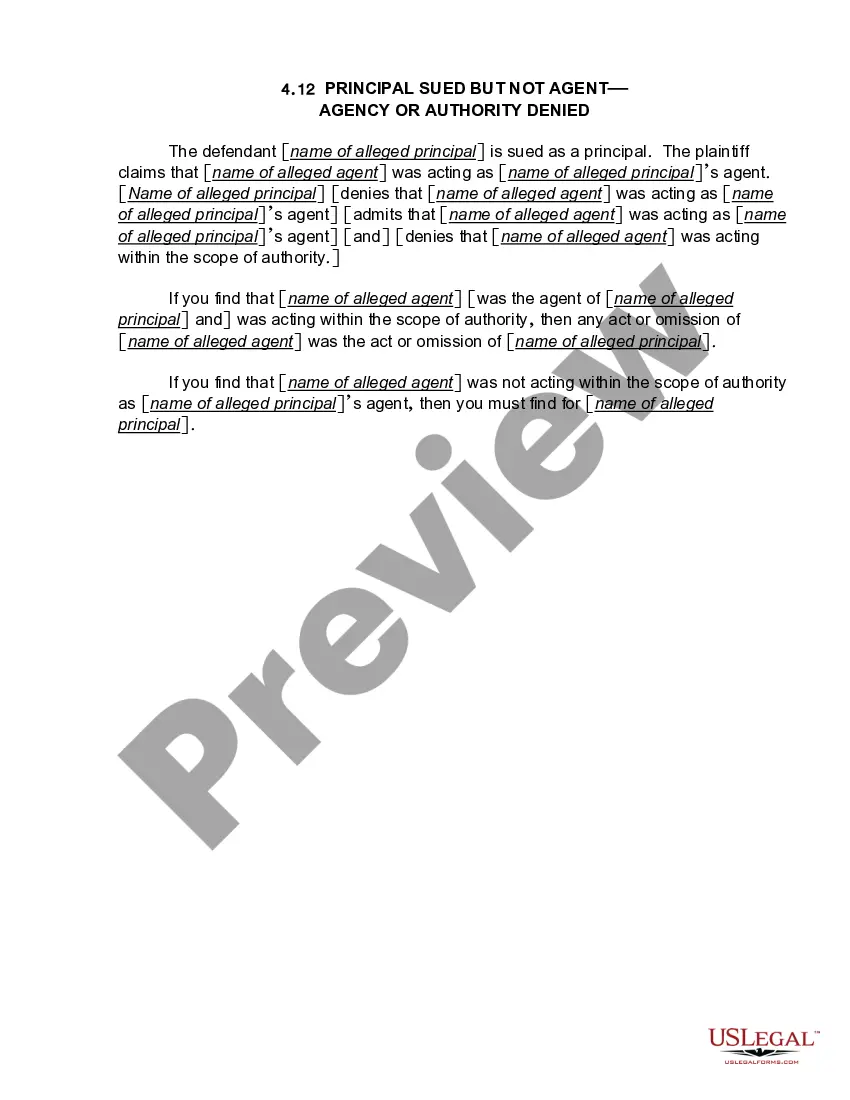
New Jersey Mutual Nondisclosure Agreement - Prospective Joint Venture or Co-Development Relationship
Description
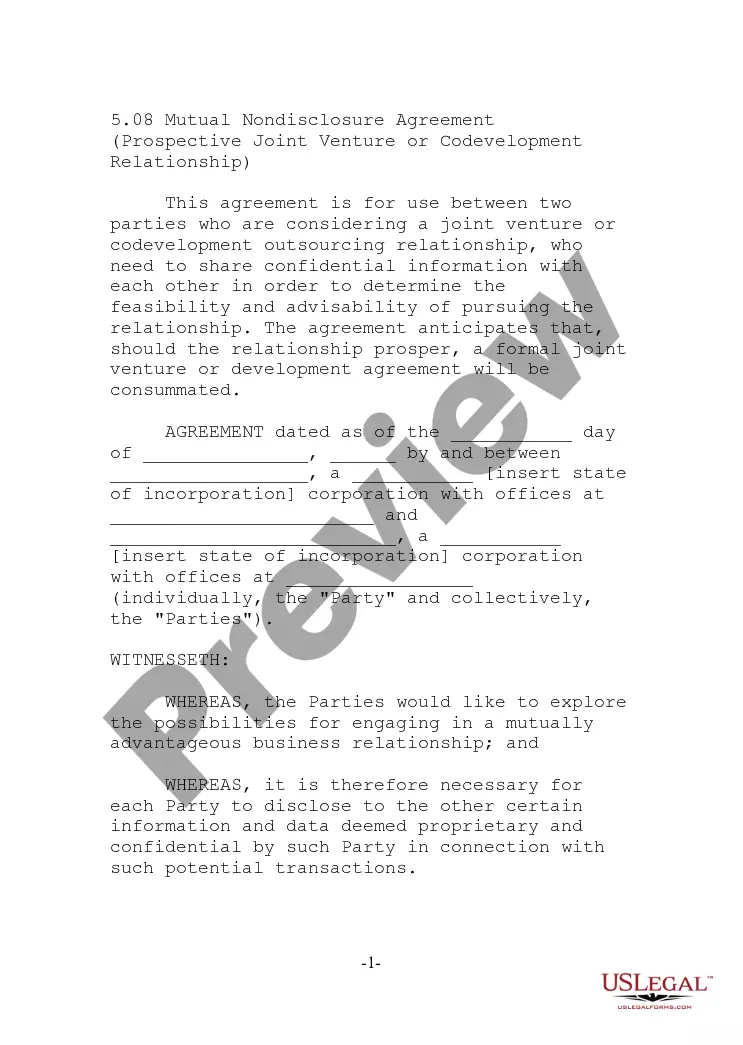
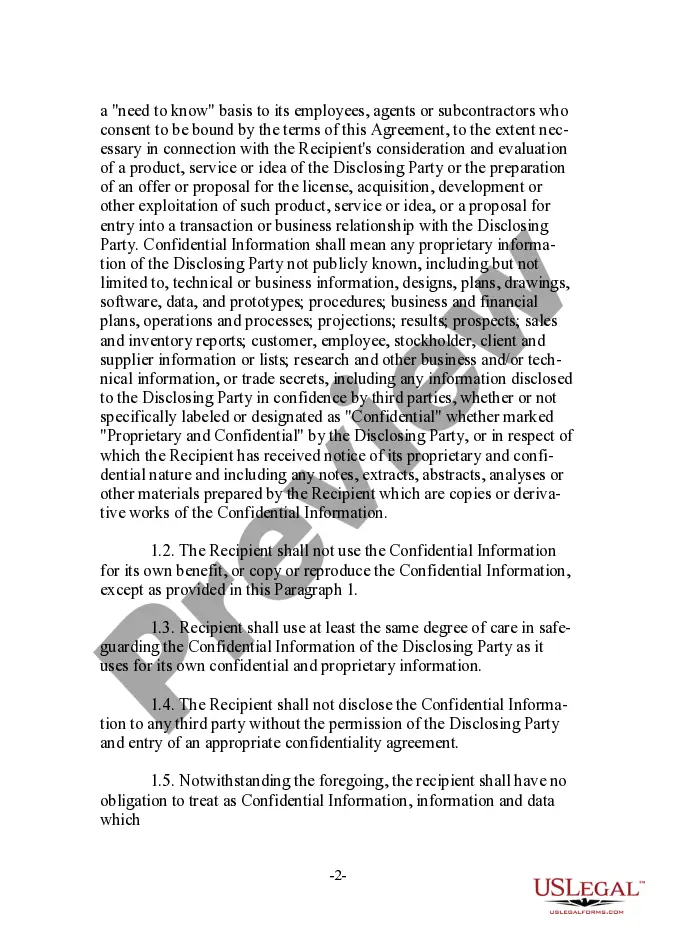
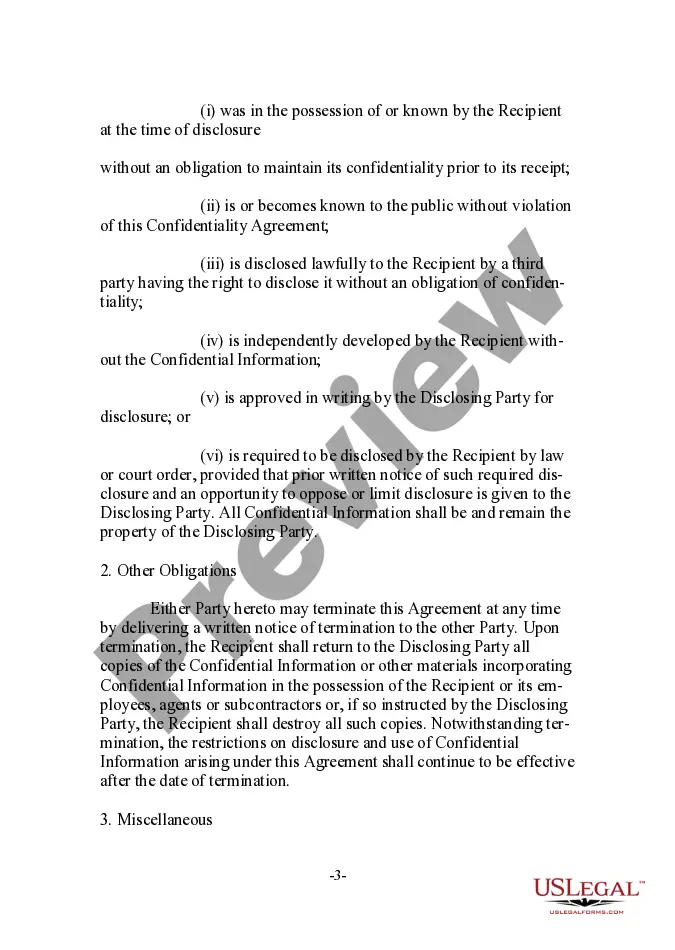
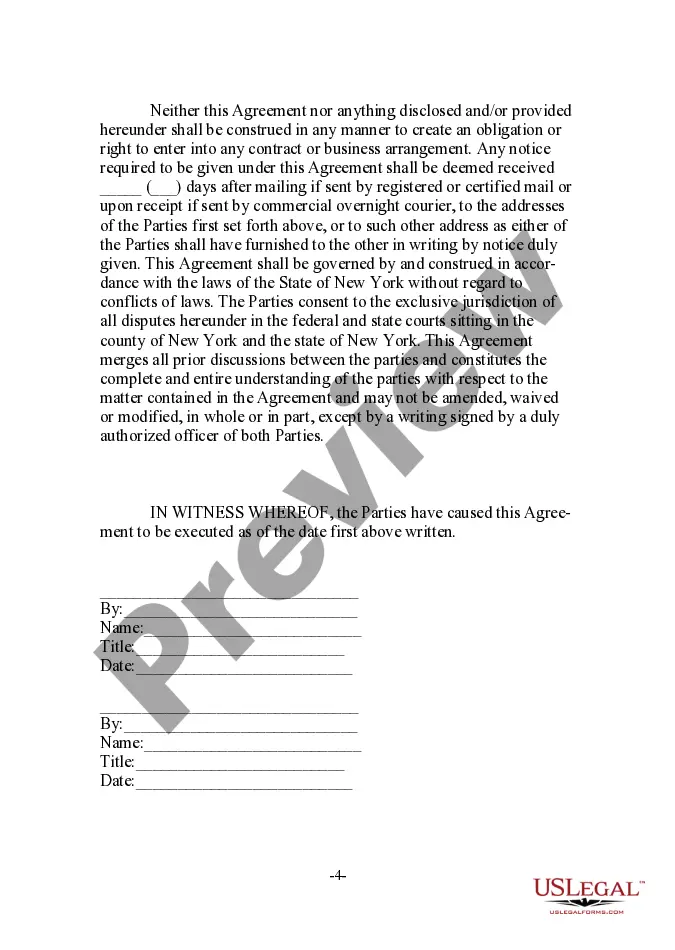
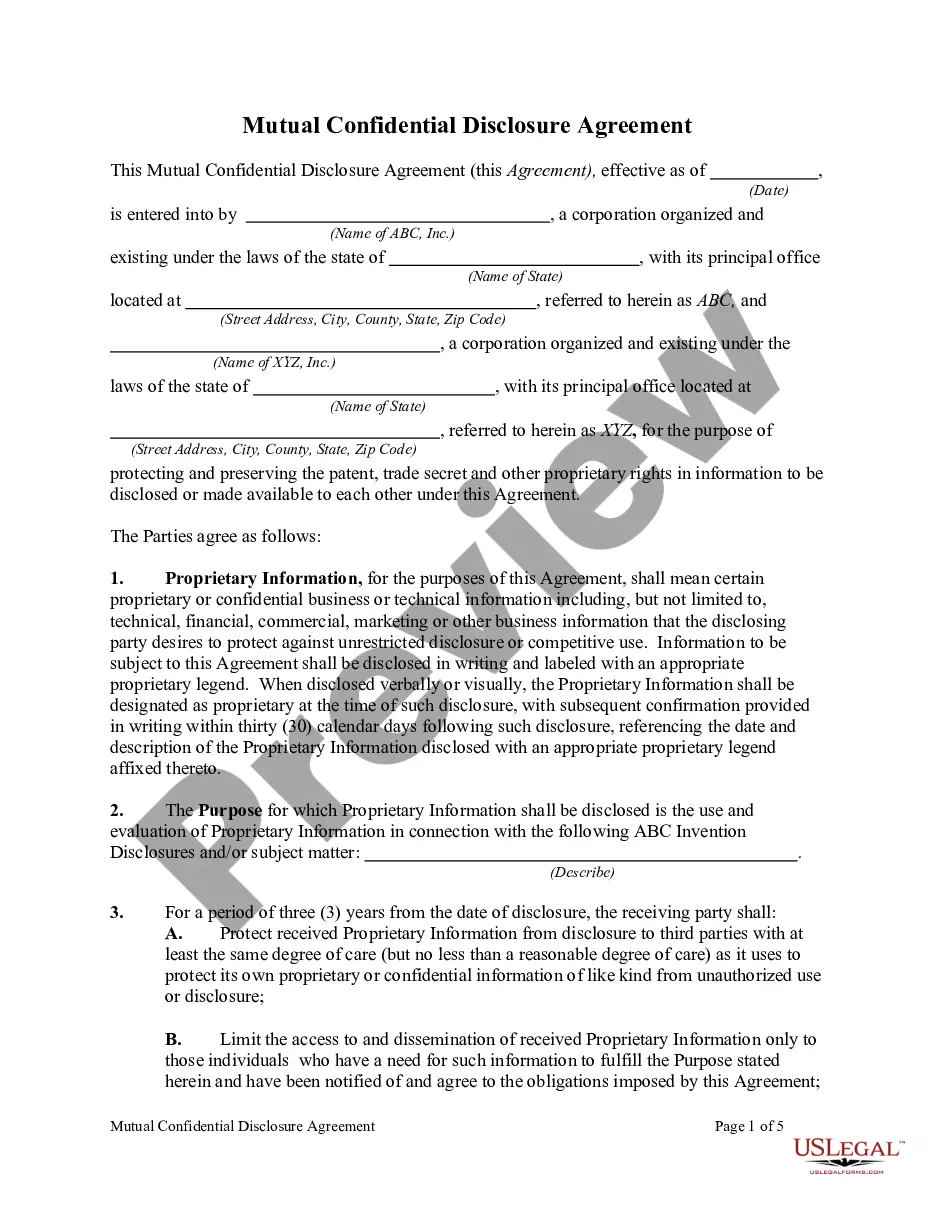
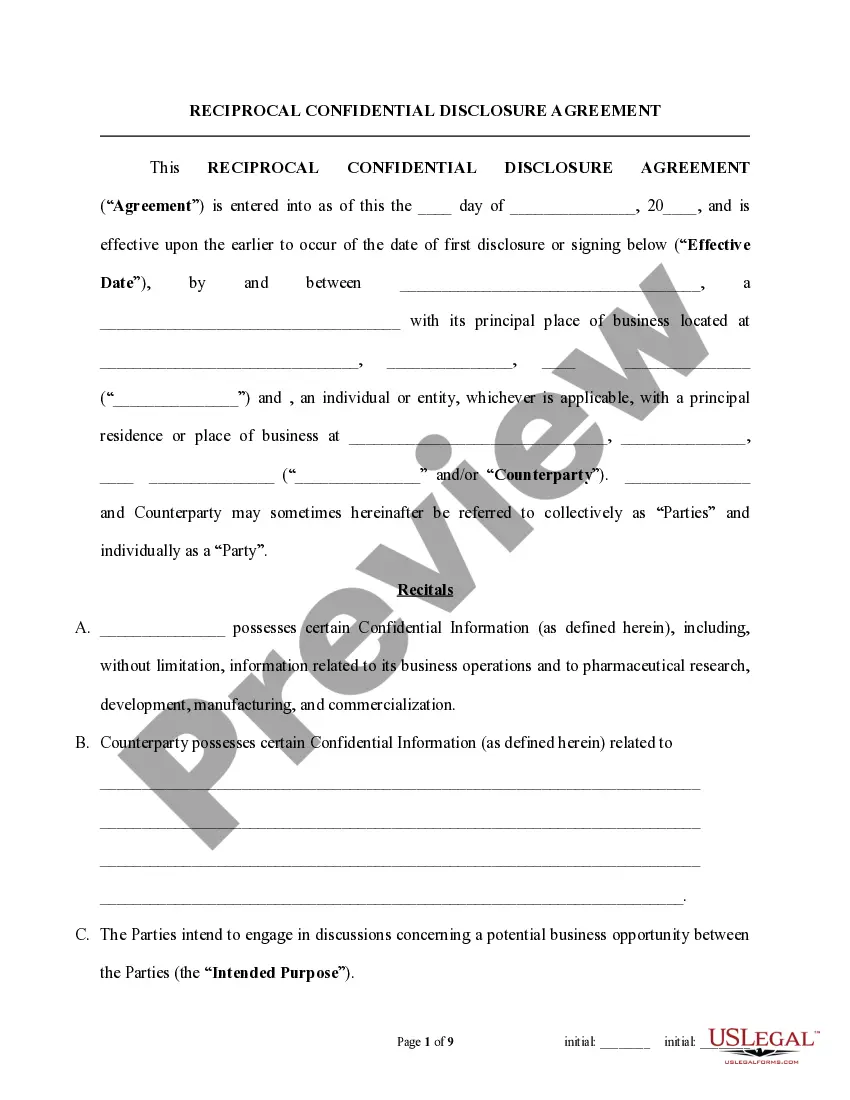
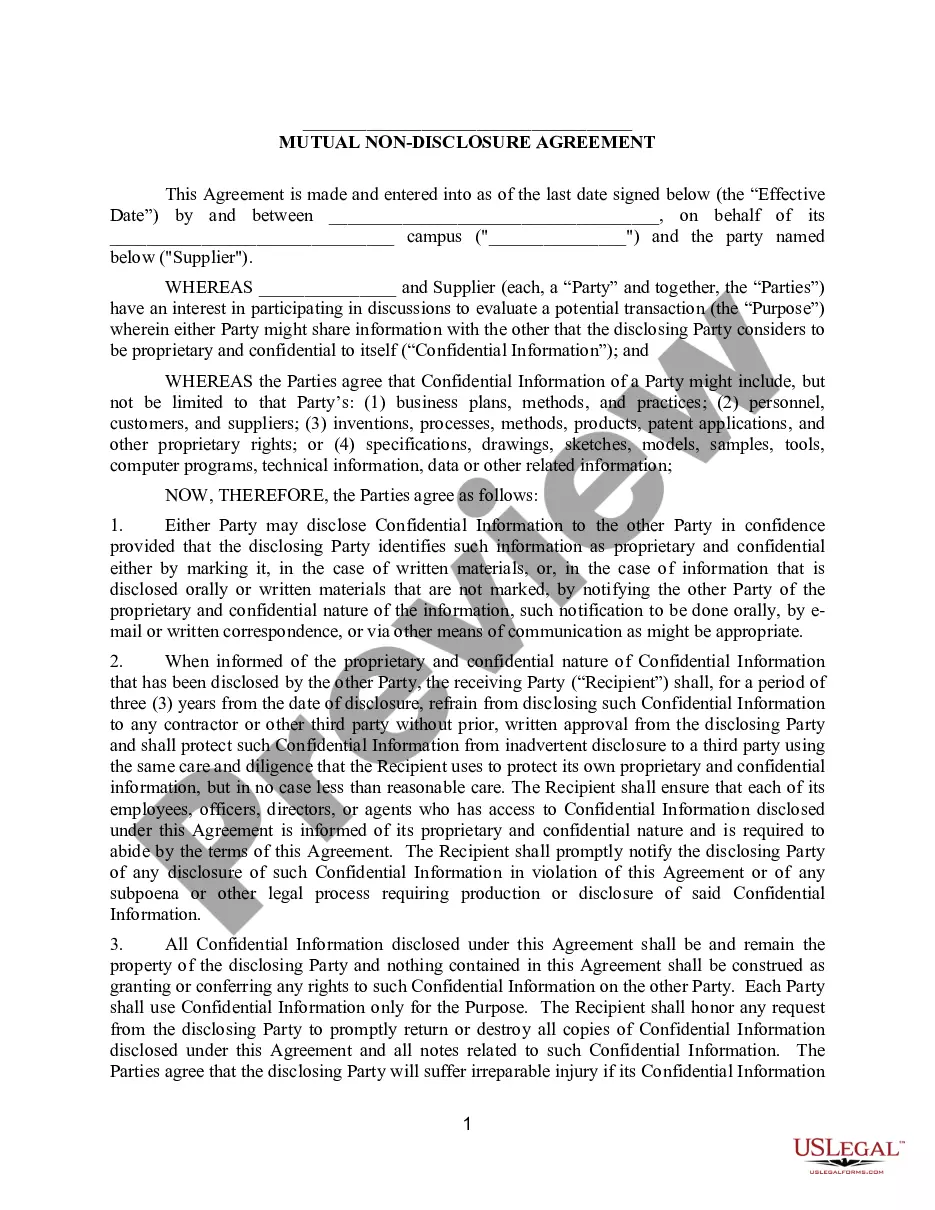
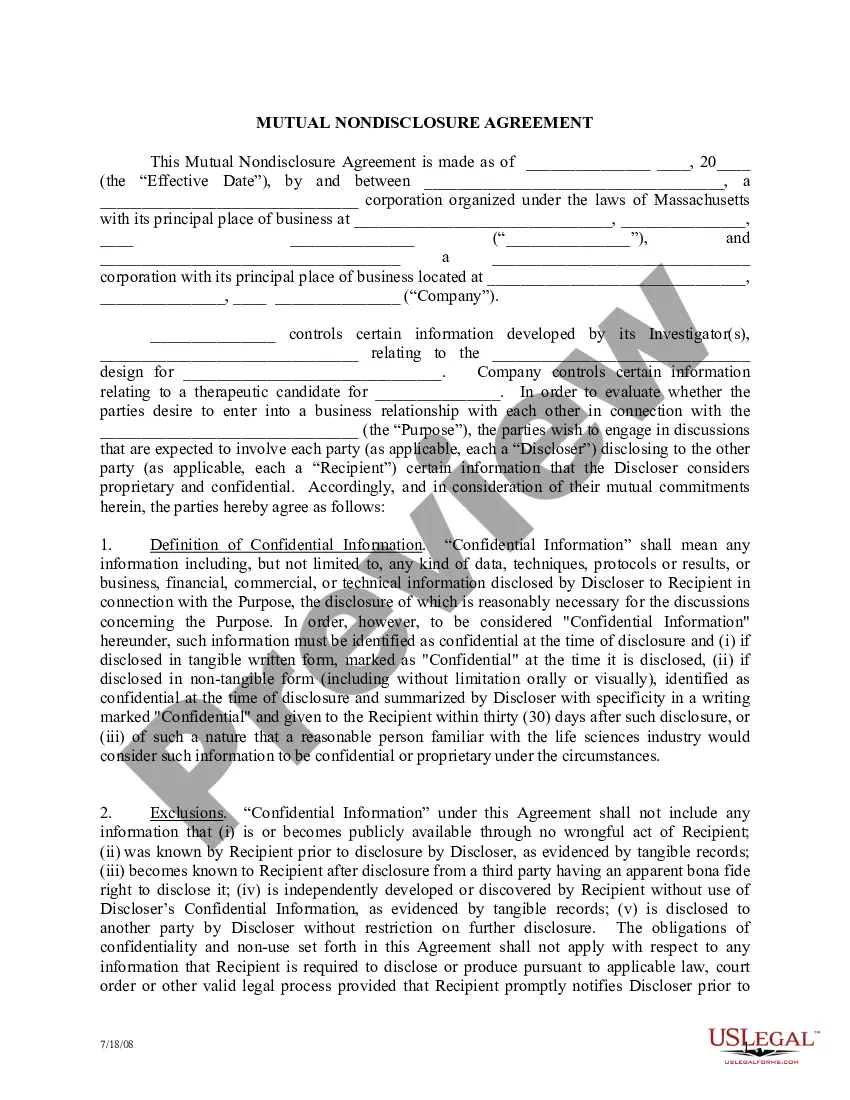
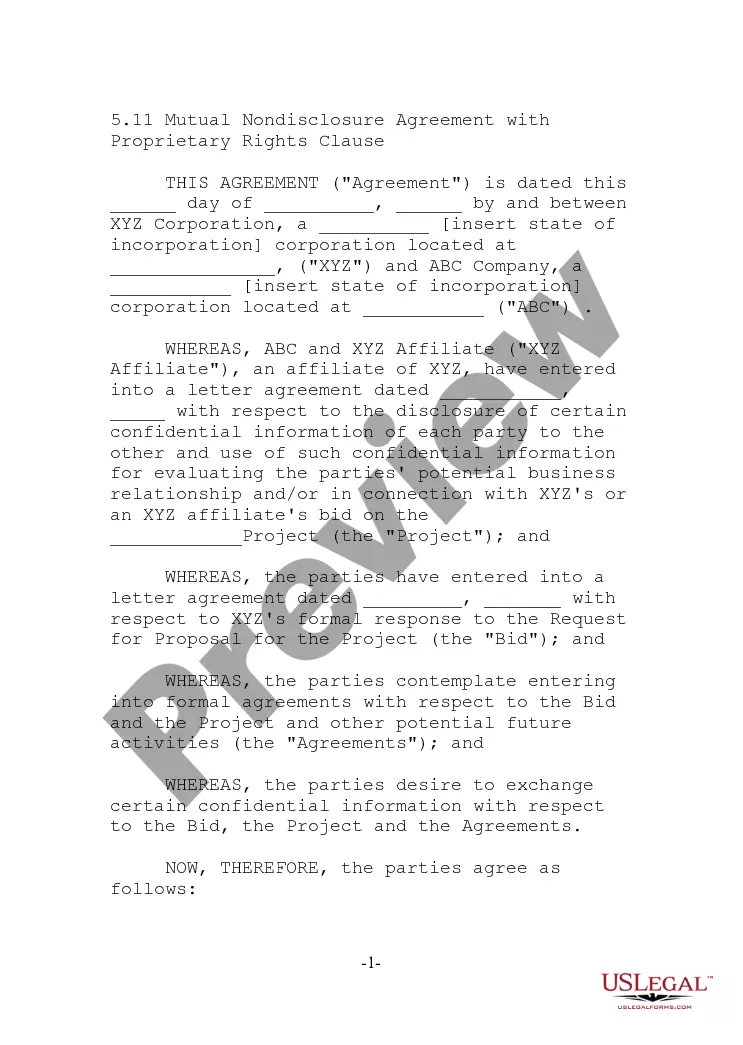

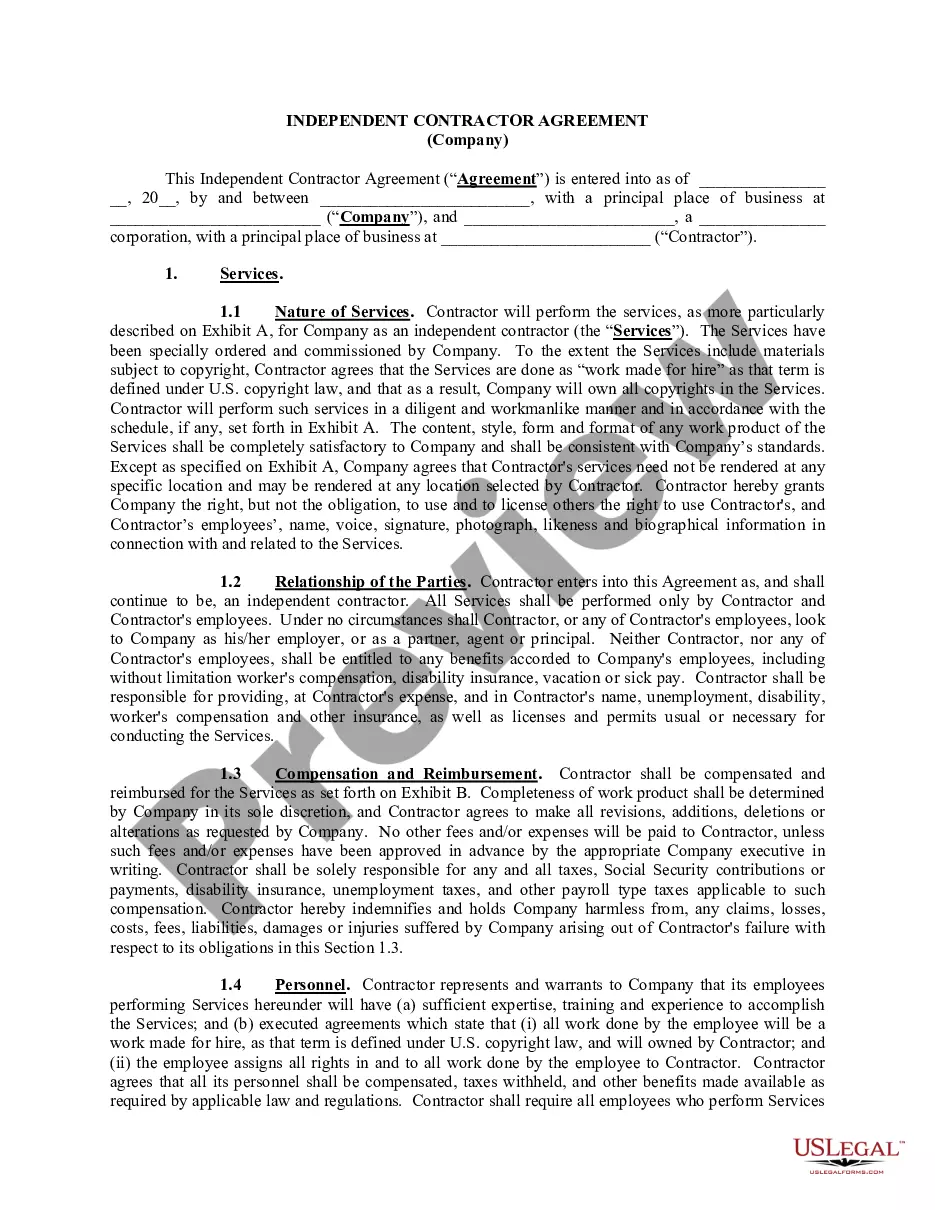
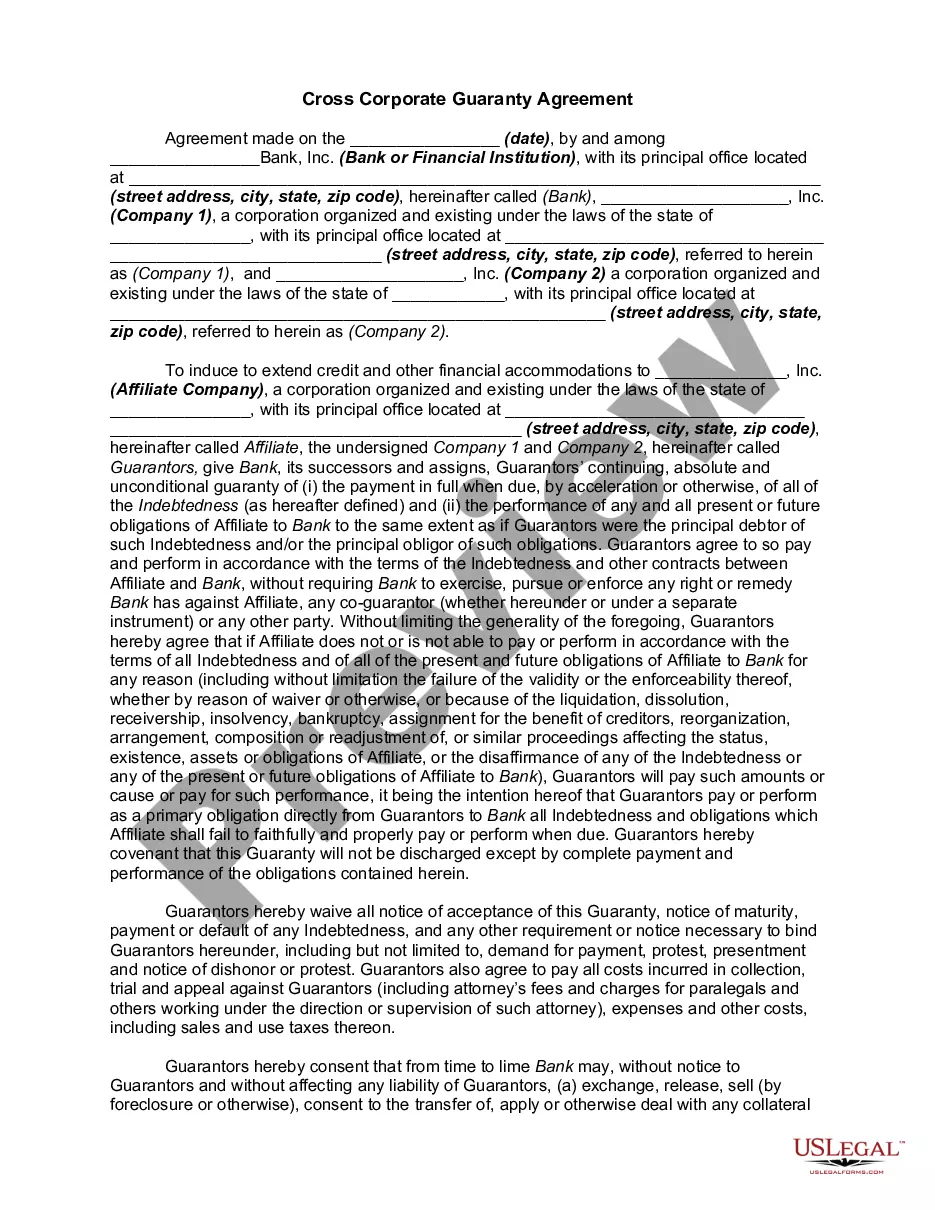
How to fill out Mutual Nondisclosure Agreement - Prospective Joint Venture Or Co-Development Relationship?
US Legal Forms - one of the largest libraries of legitimate forms in the USA - delivers a wide range of legitimate papers layouts it is possible to acquire or printing. Utilizing the site, you may get 1000s of forms for organization and specific functions, categorized by groups, says, or key phrases.You can find the latest types of forms such as the New Jersey Mutual Nondisclosure Agreement - Prospective Joint Venture or Co-Development Relationship in seconds.
If you currently have a monthly subscription, log in and acquire New Jersey Mutual Nondisclosure Agreement - Prospective Joint Venture or Co-Development Relationship from the US Legal Forms catalogue. The Download button will show up on each kind you see. You have accessibility to all in the past saved forms from the My Forms tab of your own account.
If you would like use US Legal Forms the very first time, allow me to share straightforward guidelines to help you get began:
- Be sure you have picked the correct kind to your city/state. Click the Review button to examine the form`s information. Read the kind explanation to ensure that you have chosen the right kind.
- In the event the kind does not match your needs, use the Search field at the top of the monitor to find the the one that does.
- In case you are pleased with the shape, verify your option by clicking the Acquire now button. Then, choose the prices plan you favor and give your accreditations to sign up to have an account.
- Approach the financial transaction. Make use of Visa or Mastercard or PayPal account to perform the financial transaction.
- Choose the format and acquire the shape on the gadget.
- Make changes. Fill up, edit and printing and sign the saved New Jersey Mutual Nondisclosure Agreement - Prospective Joint Venture or Co-Development Relationship.
Every web template you added to your money does not have an expiration day which is yours permanently. So, in order to acquire or printing one more copy, just visit the My Forms segment and click in the kind you require.
Obtain access to the New Jersey Mutual Nondisclosure Agreement - Prospective Joint Venture or Co-Development Relationship with US Legal Forms, one of the most extensive catalogue of legitimate papers layouts. Use 1000s of specialist and express-particular layouts that fulfill your small business or specific demands and needs.
Form popularity
FAQ
How to write a non-disclosure agreement: What's included? Introduction. Definition of confidential information. How to handle confidential information. Exclusions from confidential information. Obligations of receiving party. Duration of agreement. Resolving disputes. Integration.
7 things to look for before you sign a nondisclosure agreement Parties to the agreement. Identification of what information is confidential. Time frame of the agreement. Return of the information. Obligations of the recipient. Remedies for breaches of agreement. Other clauses.
Unilateral NDAs are used when only one party is disclosing information such as an employer, a startup or a company to an employee, investor or consultant respectively. On the other hand, a mutual NDA is used when both parties are disclosing confidential information.
The specific information that should be protected by a mutual NDA will depend on the circumstances of the agreement, but generally includes any information that is not generally known to the public and that has commercial value to the disclosing party.
Some of these laws (e.g., New Jersey) prevent employers from enforcing an NDA against an employee only prospectively, while other state laws (such as Maine's) make most existing NDAs unenforceable as well (unless entered into as the result of a compensated settlement).
The Parties further acknowledge and agree that no representation or warranty, express or implied, is or will be made, and no responsibility or liability is or will be accepted by either Party, or by any of its respective directors, officers, employees, agents or advisers, as to, or in relation to, the accuracy of ...
Detailed five essential elements that every confidentiality agreement should include. 1) What information is considered confidential? ... 2) Exceptions to confidentiality. ... 3) Obligations/Requirements of signees. ... 4) Consequences of breaking the confidentiality agreement. ... 5) Length of the agreement.
A mutual confidentiality agreement is also sometimes called a mutual non-disclosure agreement. It is a legal document and contract that requires both parties that sign the agreement to not disclose any information protected by the agreement.