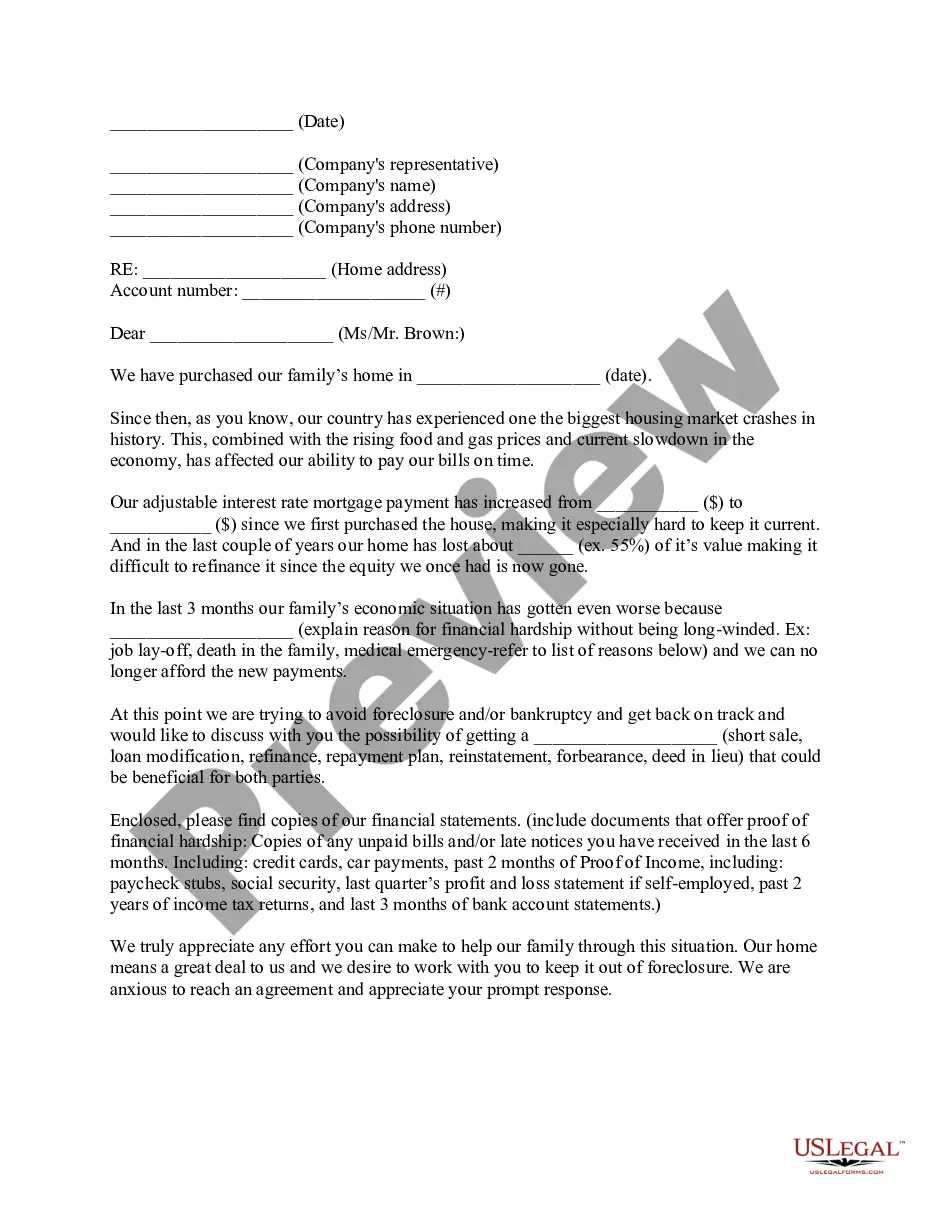
New Jersey Hardship Letter to Mortgagor or Lender to Prevent Foreclosure
Description
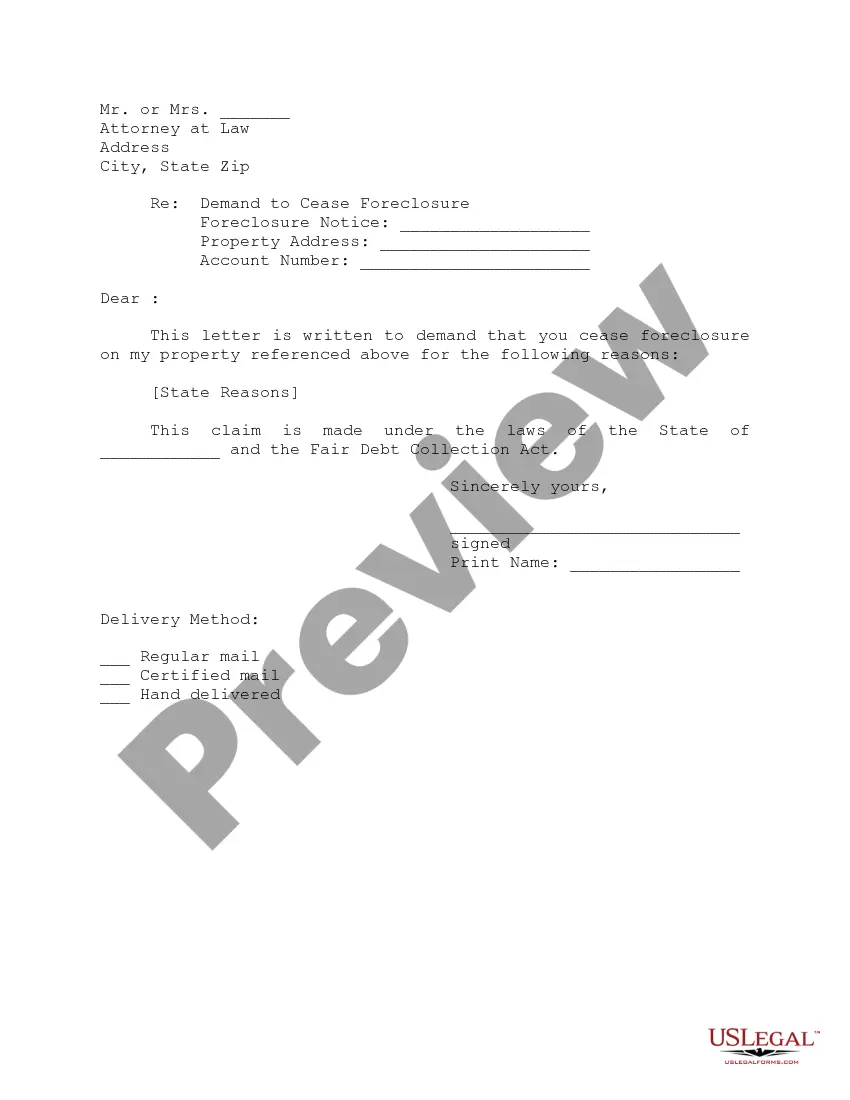
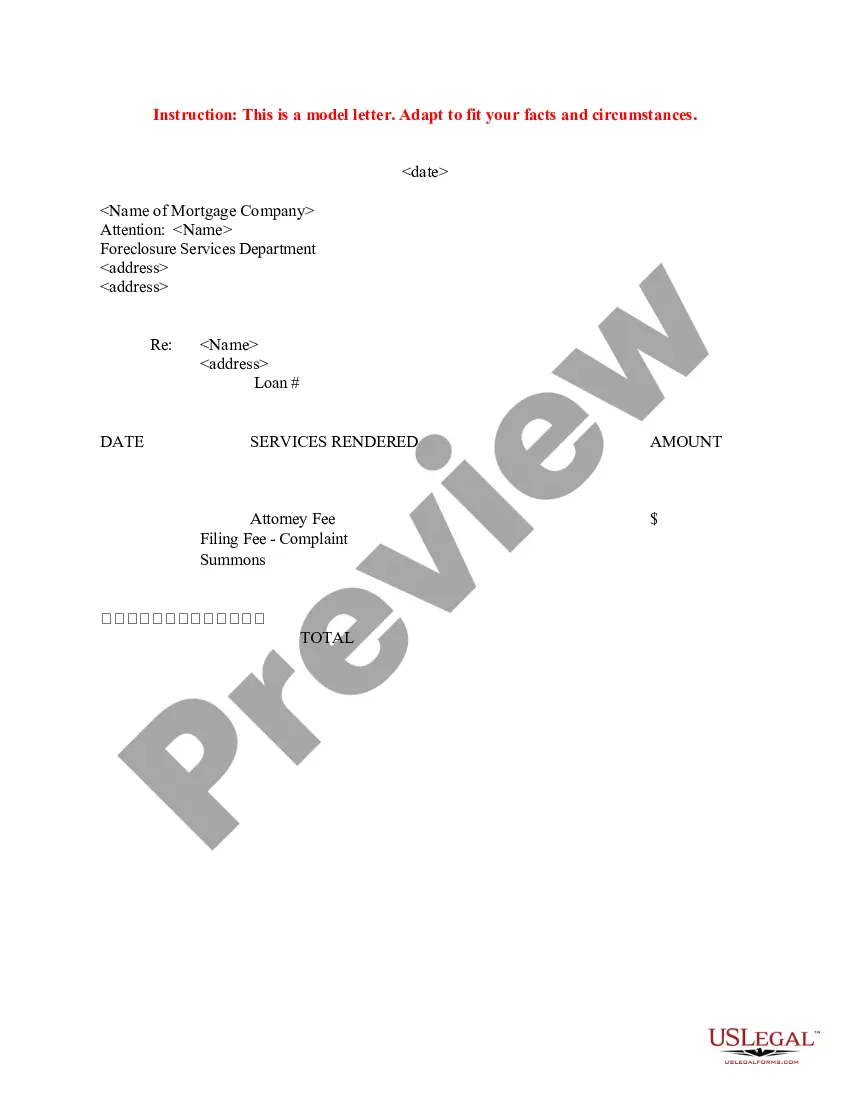
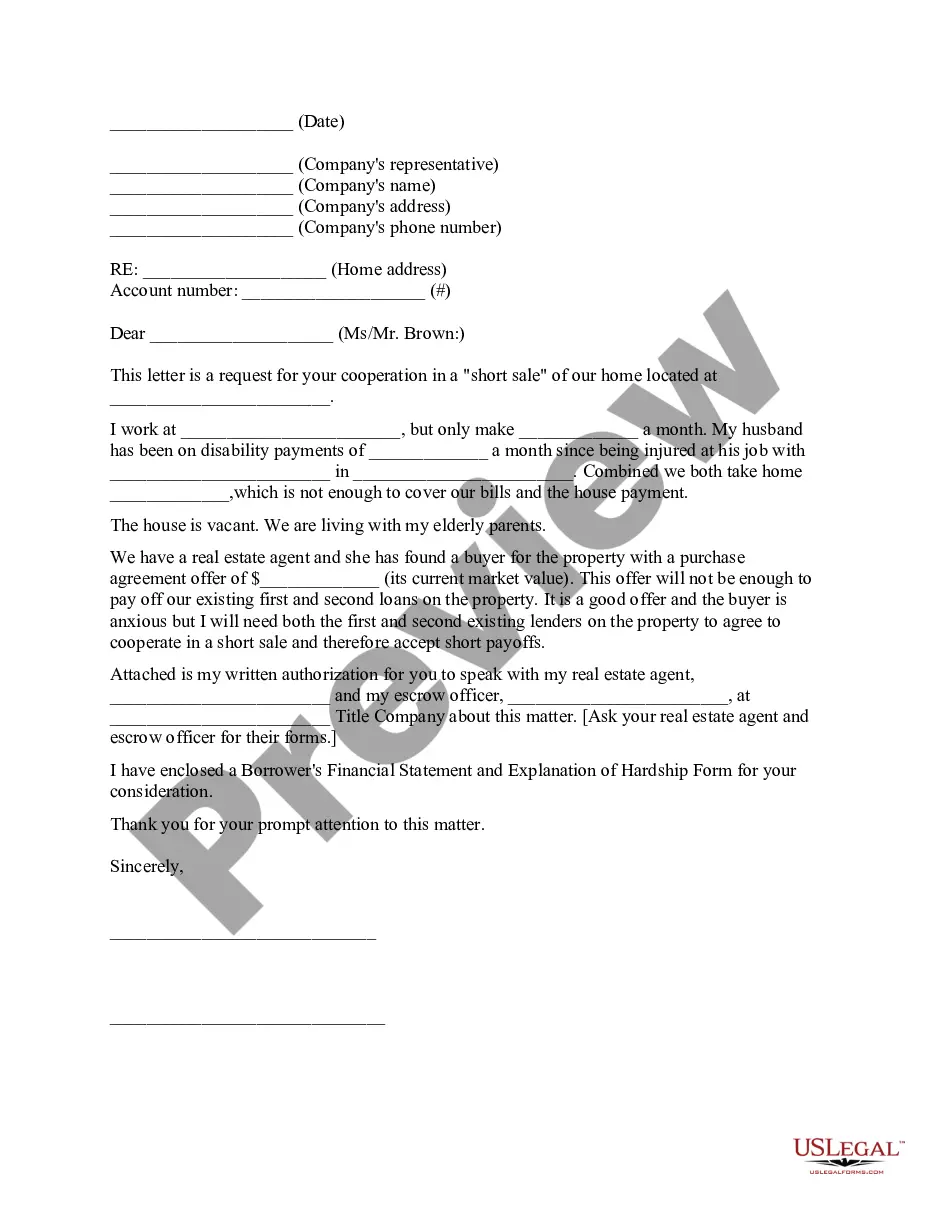
Get your form ready online
Our built-in tools help you complete, sign, share, and store your documents in one place.
Make edits, fill in missing information, and update formatting in US Legal Forms—just like you would in MS Word.
Download a copy, print it, send it by email, or mail it via USPS—whatever works best for your next step.
Sign and collect signatures with our SignNow integration. Send to multiple recipients, set reminders, and more. Go Premium to unlock E-Sign.
If this form requires notarization, complete it online through a secure video call—no need to meet a notary in person or wait for an appointment.
We protect your documents and personal data by following strict security and privacy standards.

Make edits, fill in missing information, and update formatting in US Legal Forms—just like you would in MS Word.

Download a copy, print it, send it by email, or mail it via USPS—whatever works best for your next step.

Sign and collect signatures with our SignNow integration. Send to multiple recipients, set reminders, and more. Go Premium to unlock E-Sign.

If this form requires notarization, complete it online through a secure video call—no need to meet a notary in person or wait for an appointment.

We protect your documents and personal data by following strict security and privacy standards.
Looking for another form?
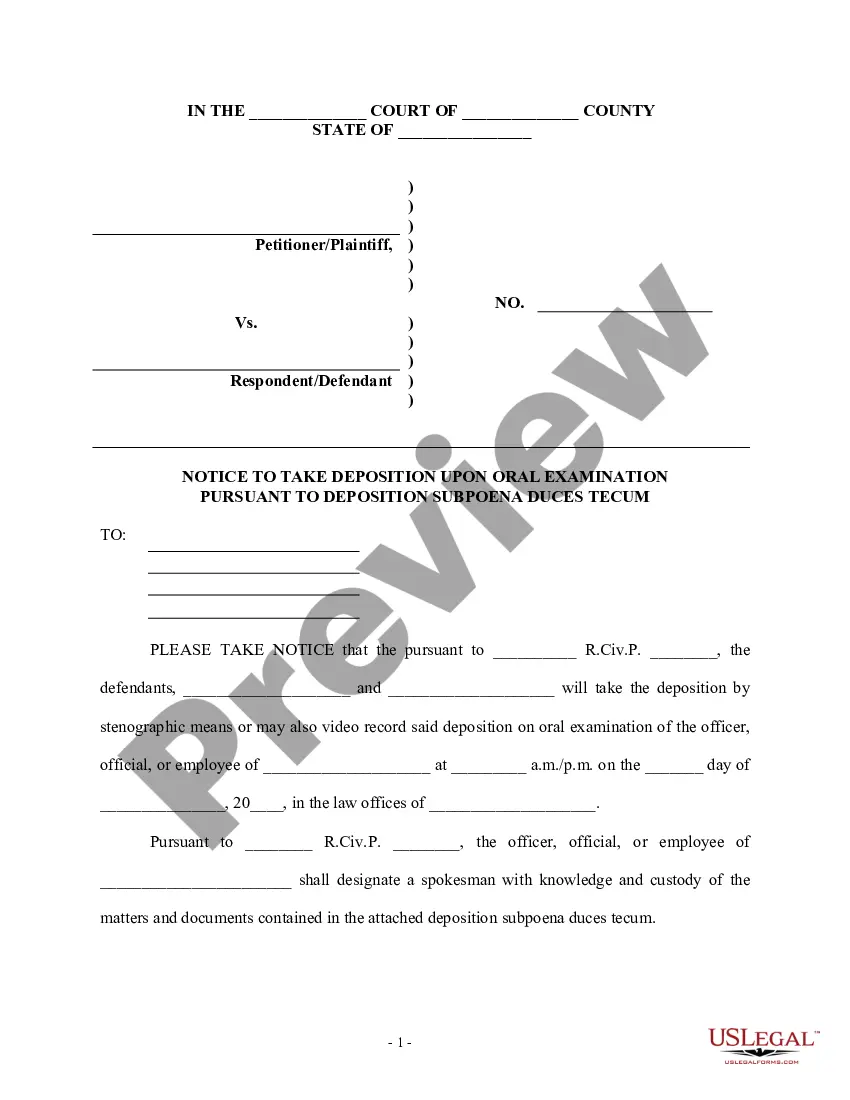

How to fill out Hardship Letter To Mortgagor Or Lender To Prevent Foreclosure?
Selecting the appropriate legal document template can be a challenge. Undoubtedly, there are numerous templates accessible online, but how do you acquire the legal form you need.
Utilize the US Legal Forms website. The service offers thousands of templates, such as the New Jersey Hardship Letter to Mortgagor or Lender to Prevent Foreclosure, that can cater to both business and personal requirements. All forms are verified by experts and meet state and federal regulations.
If you are already registered, Log In to your account and click on the Acquire button to obtain the New Jersey Hardship Letter to Mortgagor or Lender to Prevent Foreclosure. Use your account to search for the legal forms you have purchased previously. Visit the My documents section of your account and retrieve another copy of the document you require.
US Legal Forms is the largest repository of legal documents where you can find a variety of document templates. Utilize the service to download professionally created paperwork that complies with state requirements.
- First, make sure you have chosen the correct form for your city/region.
- You can review the form using the Review option and read the form details to confirm it is indeed the right one for you.
- If the form does not fulfill your requirements, utilize the Search field to find the suitable form.
- Once you are certain that the form is appropriate, select the Get now option to acquire the form.
- Choose the pricing plan you prefer and provide the necessary information.
- Create your account and pay for your order using your PayPal account or credit card.
- Select the document format and download the legal document template to your device.
- Complete, edit, print, and sign the obtained New Jersey Hardship Letter to Mortgagor or Lender to Prevent Foreclosure.
Form popularity
FAQ
To stop your home from going into foreclosure, consider writing a New Jersey Hardship Letter to Mortgagor or Lender to Prevent Foreclosure. This letter will communicate your financial challenges clearly and ask for assistance or alternatives to foreclosure. Keep it concise and honest, outlining your current situation and any steps you are taking to improve it. Additionally, explore options available on platforms like US Legal Forms, which can provide resources and templates to help you craft the perfect distress communication.
To effectively write a hardship letter to stop foreclosure, start by directly addressing the lender and introducing your request. Clearly outline your financial situation, emphasizing key details that illustrate your hardship. It's crucial to express your desire to keep your home while presenting your New Jersey Hardship Letter to Mortgagor or Lender to Prevent Foreclosure with a well-organized structure and clear resolution options.
When composing your hardship letter, avoid any negative or overly emotional language that might detract from your case. Steer clear of blaming others for your situation, as well as including irrelevant details that do not relate to your financial hardship. Focus on clarity and factual information that directly supports your request for assistance in your New Jersey Hardship Letter to Mortgagor or Lender to Prevent Foreclosure.
The definition of hardship is adversity, or something difficult or unpleasant that you must endure or overcome. An example of hardship is when you are too poor to afford proper food or shelter and you must try to endure the hard times and deprivation.
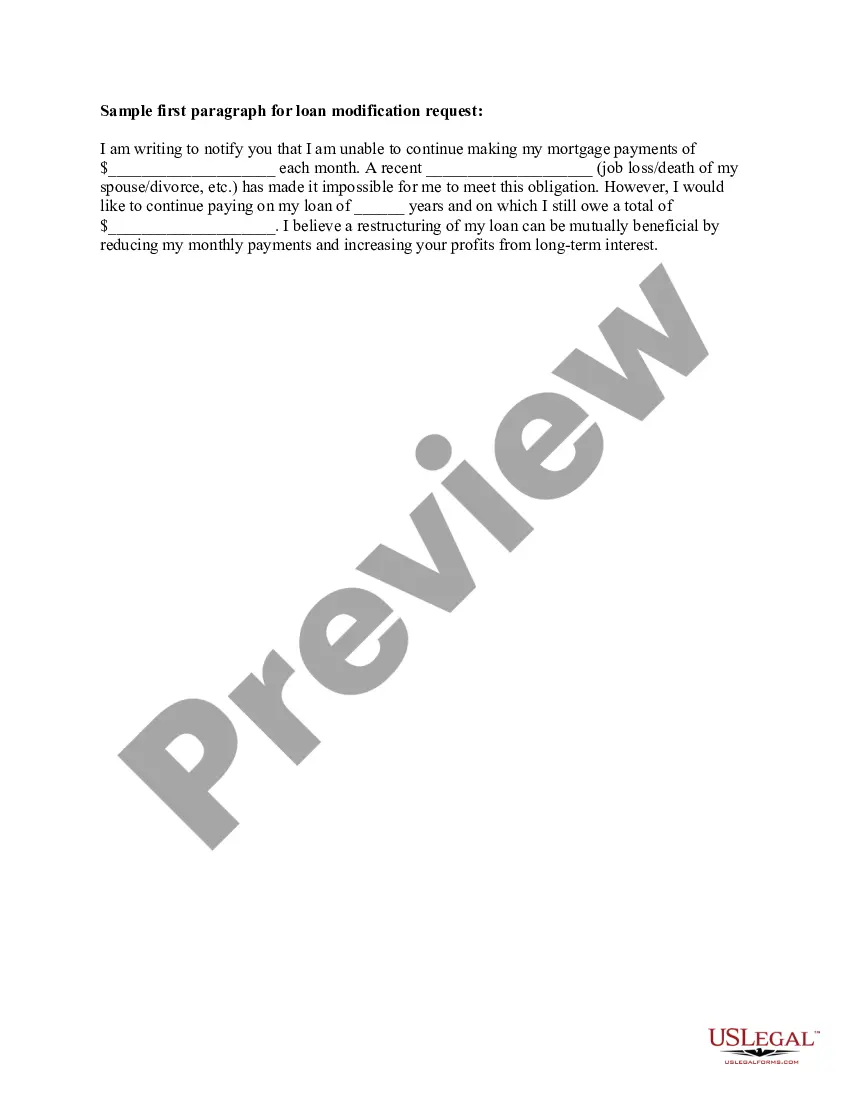
A hardship letter explains to a lender the circumstances that have made you unable to keep up with your debt payments. It provides specific details such as the date the hardship began, the cause and how long you expect it to continue.
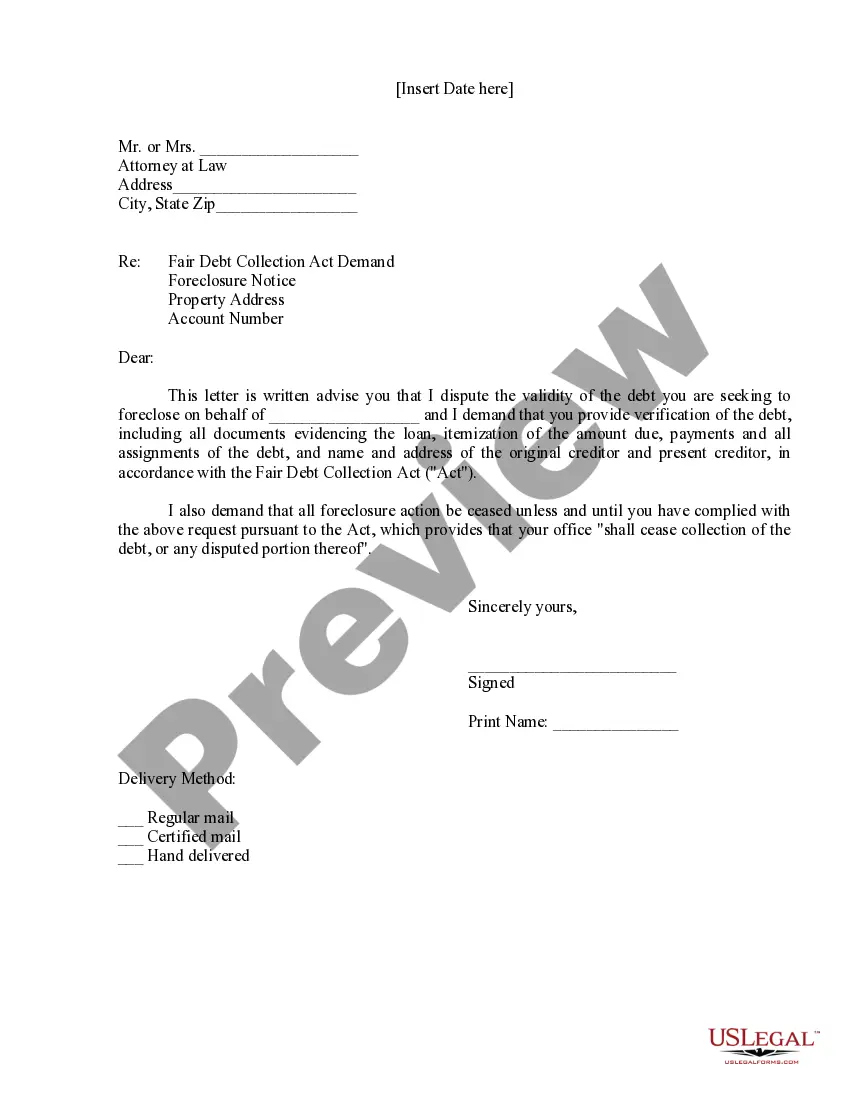
Under New Jersey law, however, all foreclosures must be judicial, which means they go through the court system (and you can't file a separate lawsuit to challenge foreclosure). You can stop foreclosure by curing a default on your mortgage payments at any time up until the entry of a final judgment.
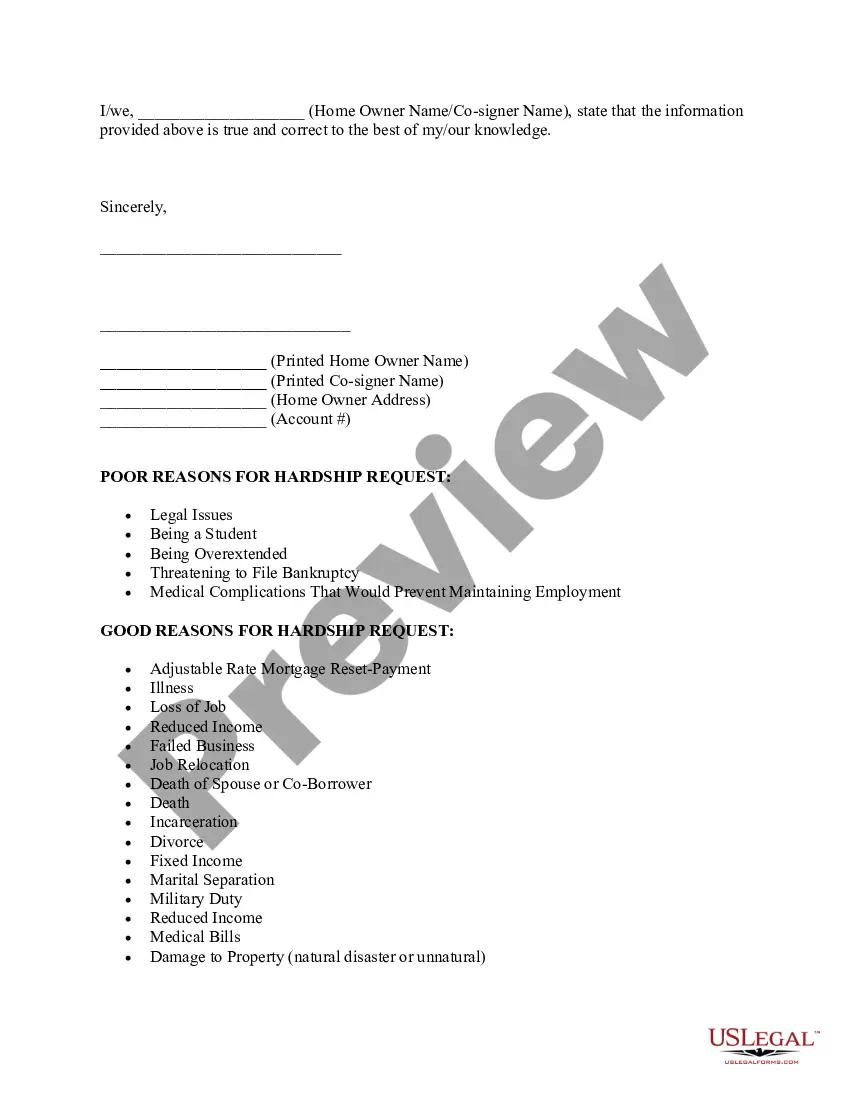
A hardship letter explains why a mortgage holder is defaulting on their loan and needs to sell their home for less than what they owe. Hardship may arise from unemployment, reduced income, a death in the family, divorce, military service, incarceration, or other situations.
Tips for Writing a Hardship LetterKeep it original.Be honest.Keep it concise.Don't cast blame or shirk responsibility.Don't use jargon or fancy words.Keep your objectives in mind.Provide the creditor an action plan.Talk to a Financial Couch.
A "hardship letter" is a letter that you write to your lender explaining the circumstances of your hardship. The letter should give the lender a clear picture of your current financial situation and explain what led to your financial difficulties. The hardship letter is a normal part of the loss mitigation process.